Experience the Power of Volcanoes from Above
Volcano tourism has evolved far beyond ground-level observation, and nowhere is this more thrilling than in the helicopter and aerial tours that offer a bird’s-eye view of Earth’s most dynamic landscapes. At VolcanoExplorers.org, we guide you through the ultimate airborne adventures, where roaring craters, glowing lava flows, and vast Calderas unfold beneath your feet. Whether you are a seasoned traveler or a curious first-timer, these flights combine adrenaline with education, providing unmatched perspectives on volcanic geology, safety protocols, and the sheer scale of nature’s fury. Our curated insights help you choose the best operators, understand flight logistics, and prepare for an unforgettable journey into the heart of volcanic activity—all while prioritizing safety and environmental responsibility.
🌋 What to Expect on a Volcano Helicopter Tour
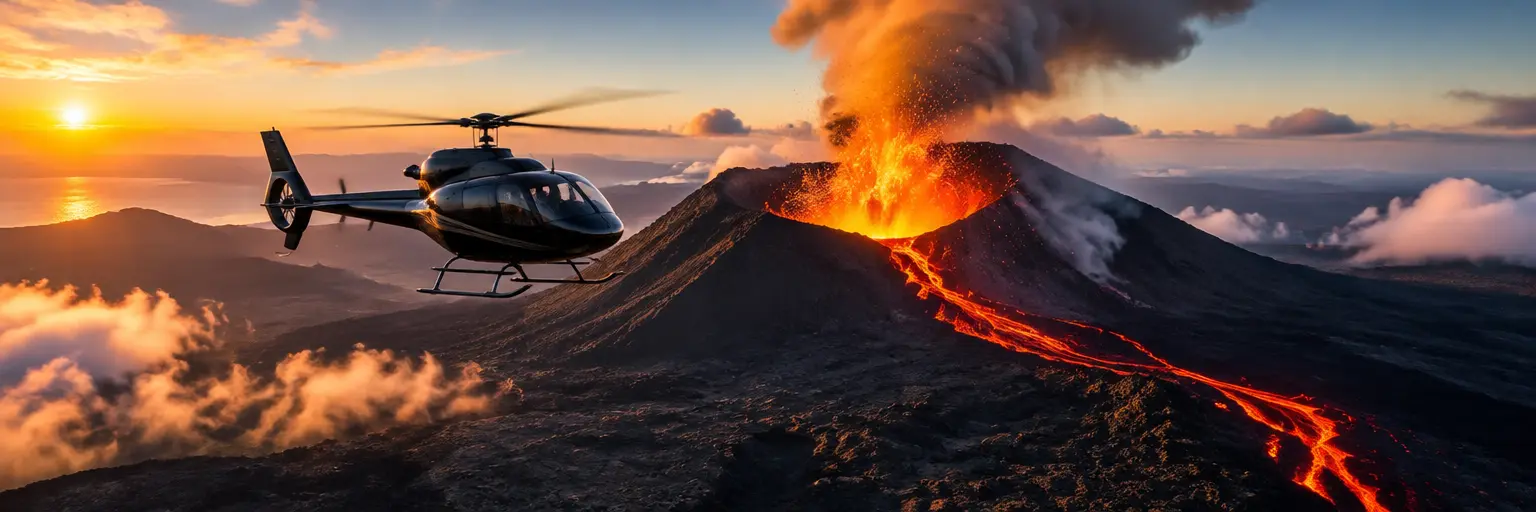
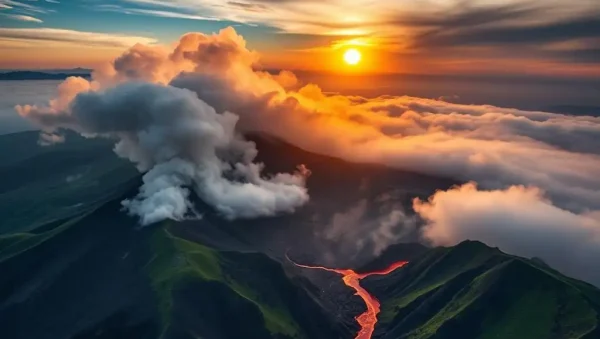
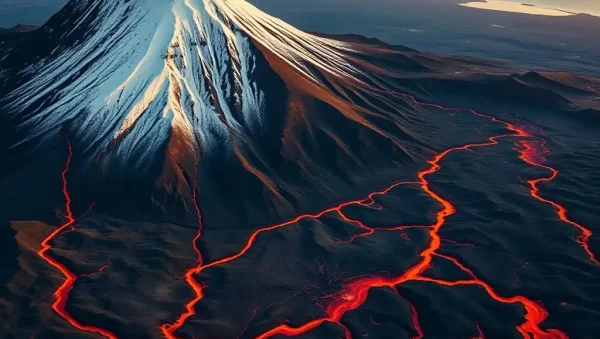
Helicopter tours of volcanoes offer a sensory overload unlike any other travel experience. You will soar over rugged terrains, hover near steaming vents, and witness lava fountains erupting from fissures, all from the safe confines of a specialized aircraft. Operators typically provide noise-canceling headsets so your pilot can narrate the geology below, from stratovolcano shapes to the chemistry of magma. Expect flights lasting 30 minutes to several hours, depending on the destination and the intensity of volcanic activity. Most tours include pre-flight safety briefings, and some even feature landing opportunities on hardened lava fields or scenic ridges for photo ops.
For the best views, early morning or late afternoon flights are recommended, as the angle of sunlight accentuates crater depths and lava glow. You’ll likely need to book weeks in advance, especially for active volcanoes like Kilauea in Hawaii or Mount Etna in Sicily. Weather conditions can disrupt schedules, so flexible planning is key. While prices vary from $200 to over $1,000 per person, the experience justifies the cost for serious volcano enthusiasts. Remember to carry a good camera with a polarizing filter to reduce glare, and wear dark clothing to minimize reflections on the helicopter windows.
🚁 Choosing Between Helicopter, Plane, or Drone Tours
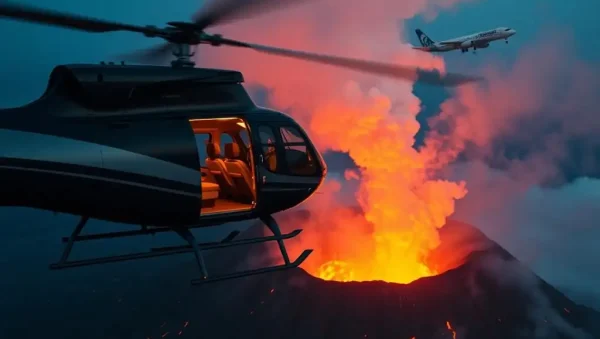
Not all aerial volcano tours are the same, and your choice depends on budget, desired intimacy with the landscape, and the volcano’s activity level. Helicopters offer the greatest maneuverability, allowing pilots to hover close to craters and even perform slow circles over lava lakes. Fixed-wing airplanes, by contrast, are more affordable and stable, ideal for panoramic coastlines like those around Iceland’s Eyjafjallajökull or Guatemala’s Pacaya, but they cannot hover. Drone-based tours are an emerging alternative, particularly for virtual experiences, yet physical flights remain unmatched for real-time adrenaline.
When selecting an operator, verify their safety records, pilot experience, and adherence to local aviation regulations. Look for companies that use modern aircraft with turbine engines, as these perform better in thin, high-altitude air near volcanic summits. Ask about the presence of volcanic ash filters, which protect engines from abrasive particles. For the most immersive experience, choose a tour that includes a landing on a volcanic plateau or a glacier if available. Always read recent traveler reviews on platforms like TripAdvisor to gauge reliability, especially regarding last-minute cancellations due to eruption activity.
📸 Photography Tips for Stunning Aerial Volcano Shots
Capturing volcanoes from the air is a unique challenge that rewards careful preparation. Use a camera with a fast shutter speed—at least 1/1000th of a second—to freeze motion from the helicopter’s vibrations. A lens with image stabilization helps, and a wide-angle (16-35mm) is perfect for encompassing craters, while a telephoto (70-200mm) isolates lava splashes. Mobile photographers should enable burst mode and use a clear protective filter to guard against ash. For video, set your frame rate to 60fps to enable smooth slow-motion edits of erupting eruptions.
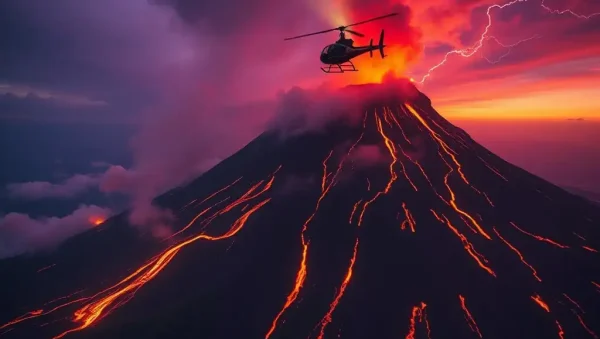
Lighting is everything: the “golden hour” around sunrise or sunset enhances red and orange lava tones against dark rock. Use a circular polarizer to manage glare from wet lava or glassy surfaces. Do not forget to bring extra batteries, as cold high-altitude air drains them quickly. If your flight includes a door-off option, secure your camera with a wrist strap and use a padded case between shots. Finally, respect your pilot’s instructions—never lean out of the aircraft, and always keep your gear within the cabin boundaries to avoid sudden wind gusts.
🌍 Top Destinations for Helicopter Volcano Tours
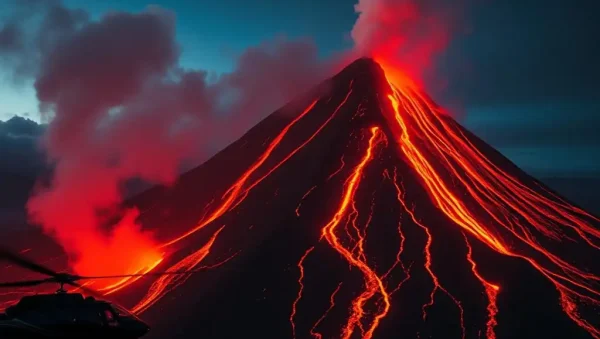
Several regions worldwide offer world-class aerial volcano experiences. In Hawaii, the Big Island’s Kilauea volcano provides ongoing eruptions, with helicopter companies based in Hilo offering flyovers of the Halemaʻumaʻu crater and lava entry points into the ocean. Iceland’s Reykjanes Peninsula hosts the Fagradalsfjall and Litli-Hrútur volcanoes, where helicopter tours from Reykjavik give you access to fresh lava fields and steaming ridges. In Italy, Mount Etna and Stromboli are perennial favorites—Etna’s summit craters are visible from Catania-based helicopters, while Stromboli’s “Lighthouse of the Mediterranean” erupts every few minutes, perfect for dynamic footage.
Indonesia’s Mount Bromo and Ijen volcanoes offer dramatic calderas and acidic lakes, with tours departing from Surabaya or Banyuwangi. Vanuatu’s Mount Yasur is another thrilling option, often reached by small plane and helicopter combined packages. For a more remote experience, consider Russia’s Kamchatka Peninsula, where active volcanoes like Klyuchevskoy are accessible via helicopter from Petropavlovsk. Before booking, check the current volcanic alert levels and travel advisories from local geological agencies. Always purchase trip insurance that covers natural disasters, as eruptions can force sudden cancellations of tours.
🛡️ Safety Guidelines and Environmental Ethics
Aerial volcano tourism is generally safe, but it requires strict adherence to operational protocols. Reputable operators will not fly within restricted no-go zones, and they use real-time volcanic activity data to alter flight paths. You, as a passenger, should wear a provided life jacket and helmet (in some cases), and listen intently to the pre-flight briefing. Be aware of the risks associated with volcanic ash, which can damage helicopter engines, so tours may be grounded if ash emissions are high. Always disclose any medical conditions that could be exacerbated by altitude, such as heart or respiratory issues.
Environmental ethics are equally important—choose operators that follow low-impact practices, such as limiting flight frequency over sensitive ecosystems. Avoid tours that hover too low over lava lakes, as this can disturb gas plumes and create unnecessary turbulence. Support companies that donate a portion of profits to local conservation efforts or volcanic research. By doing so, you ensure that future generations can enjoy these magnificent landscapes. Remember, the goal is to observe and document, not to interfere with natural processes. Respect any no-fly zones designated by park authorities, and always leave no trace—even in the sky.
Frequently Asked Questions
Are volcano helicopter tours safe during active eruptions?
Yes, with caveats. Operators continuously monitor volcanic activity and halt flights if ash or rock projectiles pose a risk. You must choose a licensed company with a strong safety record and follow all pilot instructions. In general, modern helicopters are designed to handle ash, but exposure is minimized whenever possible. Always check local alerts before your departure.
What is the best time of year to take a volcano aerial tour?
The dry season is ideal—typically late spring to early autumn in most volcanic regions. Weather clarity matters more than specific months; summer offers longer daylight for photography, but winter can provide dramatic contrasts with snow-capped peaks. Always book flexible itineraries that allow rescheduling due to unpredictable weather.
Can I take a volcano helicopter tour if I have a fear of heights?
Many people with mild fears enjoy these tours because the doorless sensation is less intense than expected, thanks to the aircraft’s stable hovering. Inform your operator in advance; they can seat you in the middle or offer a brief ground intro. For severe acrophobia, consider a virtual reality drone tour instead.
What should I wear and bring for a helicopter volcano tour?
Dress in layers, as temperatures drop with altitude, and wear closed-toe shoes. Bring a camera with a strap, sunglasses, and a scarf to cover your mouth if ash is present. Avoid loose items that could fly out. Your operator will provide any required safety gear, but you can carry a small backpack for personal effects.
How much do volcano helicopter tours typically cost?
Prices range from $200 to $1,200 per person, depending on duration, location, and helicopter type. Iceland or Hawaii tours often cost $400–$800, while more remote destinations like Kamchatka may exceed $1,000. Group bookings can reduce per-person costs. Always confirm what’s included—some packages offer hotel transfers and refreshments.