Volcano Museums and Educational Centers: Where Science Meets Wonder
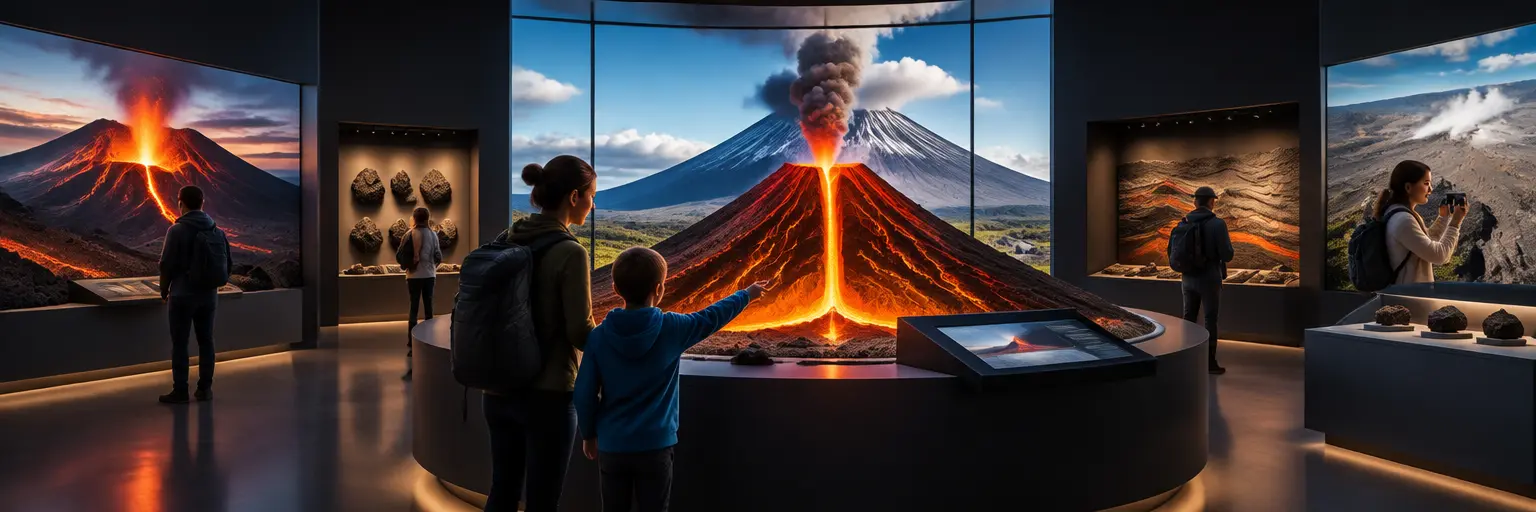
Step into the heart of volcanic discovery at the world’s finest museums and educational centers, where interactive exhibits, real eruption simulations, and authentic geological specimens bring the fiery science to life. These institutions are not just static displays—they are immersive gateways that connect visitors to the raw power of Earth’s internal forces, making complex volcanology accessible to families, students, and lifelong learners alike. From Iceland’s Lava Show to Italy’s Vesuvius Observatory, each center offers a unique journey through molten rock, tectonic plates, and the human stories of resilience and awe.
🌋 Iconic Volcano Museums Around the Globe
Discover the must-visit museums that define volcano education, including the Eldheimar Museum in Iceland, built around the 1973 Vestmannaeyjar eruption, and the Vulcano Museo on Sicily’s Etna, where you can touch cooled lava and view ancient Roman artifacts preserved by ash. These venues blend cutting-edge multimedia with authentic field specimens, allowing you to explore the 1980 Mount St. Helens blast at the Mount St. Helens Visitor Center or the subterranean lava tubes at Lava Beds National Monument. Each museum curates its narrative around local geology, ensuring that every visit feels personal and regionally relevant, whether you are in Japan, New Zealand, or the Canary Islands.
What sets these museums apart is their hands-on approach: you can operate seismic instruments, climb into replica magma chambers, and watch 4D films that simulate pyroclastic flows. Many also partner with active research institutions, so you may encounter volcanologists analyzing real-time data on-site. For photographers and travelers, these centers often sit within walking distance of crater viewpoints or hardened lava fields, making them perfect launchpads for field exploration. Expect rotating exhibits that showcase recent eruptions, drone footage, and survivor testimonials, bridging the gap between textbook science and lived experience.
🔬 Interactive Learning: Simulators, Labs, and Virtual Reality
The best educational centers deploy state-of-the-art simulators that replicate eruption dynamics—from fountain-style lava sprays to full-scale ash cloud dispersion—allowing visitors to control variables like gas pressure and slope angle. Groundbreaking VR experiences, such as the Vulcano virtual dive into Kilauea’s magma chamber, let you “walk” through molten rock flows without thermal risk. Similarly, shake tables and infrasound audio installations recreate the rumble and ground swell of an impending blast, engaging all five senses and cementing knowledge through emotional memory.
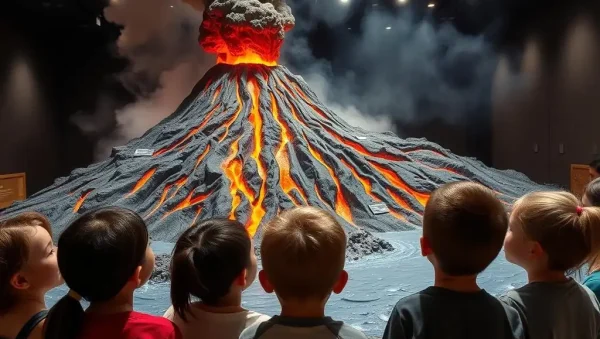
Guided laboratory sessions, available at centers like the Volcano Discovery Center in Oahu, let children and adults crush rock samples, identify mineral compositions, and measure porosity using real lab equipment. Some venues even offer “eruption building” workshops where participants mix baking soda, vinegar, and food coloring to test eruption styles, then compare results with physical models of stratovolcanoes and shield volcanoes. These interactive zones not only demystify volcanic processes but also inspire future geologists, engineers, and emergency planners—making education both entertaining and career-relevant.
🏛️ Historical Archives: Eruption Timelines and Cultural Artifacts
Delve into curated archives that document humanity’s long, often tragic, relationship with volcanoes. The Naples Archaeological Museum houses plaster casts of Pompeii victims, frozen in their final moments by Vesuvius’s AD 79 pyroclastic surge. Meanwhile, the Hawaiʻi Volcanoes National Park Museum preserves ancient Hawaiian petroglyphs and chants that interpreted eruptions as divine messages from Pele. These collections extend beyond geology to anthropology, showing how societies adapted their architecture, agriculture, and religious practices around persistently active mountains like Merapi, Cotopaxi, or Fuji.
Interactive timelines let you zoom through millennia, comparing the Laki fissure eruption’s effects on European climate to the 1883 Krakatoa tsunami. Many museums also host temporary exhibitions focused on modern disasters, such as the 2021 Cumbre Vieja eruption, with survivor narratives and first-response equipment. By framing eruptions within historical and cultural contexts, these archives foster a deeper respect for volcanic hazards and the resilience of communities who rebuild their lives amid lava and ash—key insights for travelers and researchers alike.
🎓 Educational Programs: Workshops, Field Trips, and Citizen Science
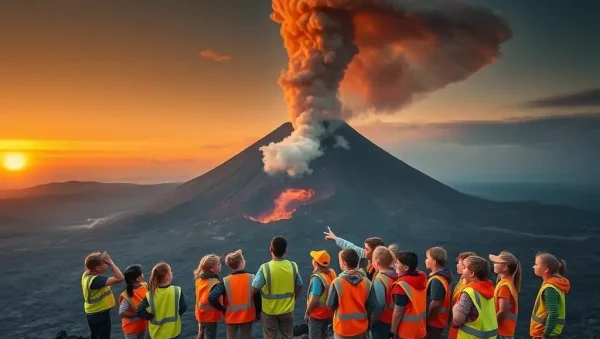
Beyond permanent exhibits, these centers serve as dynamic classrooms. Scheduled programs include weekend geology bootcamps for teens, teacher workshops that align with STEM curricula, and citizen science initiatives where visitors help classify volcanic ash samples or log deformations from GPS stations. For example, the Mount Etna Observatory offers a “Volcano Guardian” program where participants analyze gas emissions data and contribute to real academic papers. Such participatory opportunities transform passive viewers into active contributors to ongoing research.
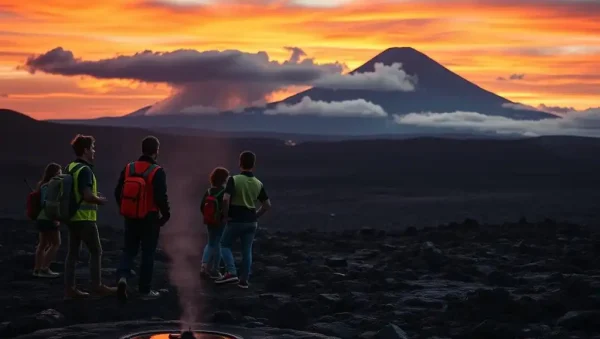
Many centers also design family-friendly scavenger hunts, junior ranger badges, and sleepover events that include simulated dusk eruptions and night-sky stargazing. Specialized tours may lead small groups to observe sizzling lava entries into the ocean or crater rim safaris, always under the guidance of professional volcanologists. For virtual learners, live-streamed webinars and downloadable lesson kits allow classrooms worldwide to access these remote sites, breaking down geographic and economic barriers. Check each venue’s calendar for seasonal offerings, as some programs coincide with increased volcanic activity or anniversary commemorations.
🗺️ Planning Your Visit: Practical Tips and On-Site Amenities
To maximize your museum experience, book tickets online in advance—many popular centers, like the Vulcan Museum in Tenerife, cap daily visitors to preserve exhibit quality. Wear comfortable shoes and layered clothing, as some exhibits are housed in repurposed bunkers or naturally cool lava tubes, while outdoor observation decks can be windy or sunny. Expect accessibility accommodations, including ramps, audio guides, and tactile models for visually impaired guests. On-site cafés often feature volcanic-themed cuisine, like lava-baked bread or “eruption punch,” and gift shops sell genuine obsidian, pumice, and educational kits.
Transportation varies: some museums, such as Iceland’s Lava Center, are located near major ring-road highways with ample parking, while others require short hikes or shuttle services from nearby towns. Look for combined tickets that include crater tours or helicopter flyovers, often offered in partnership with local tour operators. Weather conditions can cause closures, especially for outdoor components, so check the website or call ahead. Also, respect safety protocols—some sites are within evacuation zones, so follow ranger instructions and stay on marked paths. With proper planning, a visit to a volcano museum becomes the highlight of any volcanic adventure.
Frequently Asked Questions
Are volcano museums safe to visit during active eruptions?
Yes, but only if you follow local guidance. Museums typically close or restrict access to outdoor areas when eruptions occur nearby, or they pivot to virtual tours. Indoor exhibits remain safe as they are built to withstand minor shakes and are often located in designated safe zones. Always check the museum’s emergency alerts and park service updates before heading out.
What is the minimum age recommended for interactive volcano exhibits?
Most simulators and VR experiences are designed for ages 8 and up, though there are dedicated toddler zones with soft play lava rocks and simple color-mixing activities. For hands-on labs, children under 12 require adult supervision. Always review each exhibit’s height and health restrictions, as some motion simulators are not suitable for pregnant women or those with heart conditions.
Can I bring my own rock samples for identification at museums?
Many educational centers offer “ID Days” where staff volcanologists will examine your finds for free, but this is usually scheduled monthly or seasonal. Without an appointment, you may approach the info desk, but they can only provide verbal hints. To protect local ecosystems, never collect samples from national parks or active crater areas—use purchased kits instead.
How long does a typical visit to a volcano museum take?
Expect to spend 2 to 4 hours exploring a mid-sized museum including films and interactive zones. Larger institutions like the Smithsonian National Museum of Natural History’s Volcano Hall in Washington, D.C., could require a full day. Guided tours add 1–2 hours, while overnight or citizen science programs extend to half-day or full-day commitments.
Do these museums offer resources for school group virtual field trips?
Absolutely. Numerous centers provide free or low-cost virtual tours, downloadable lesson plans, and Q&A sessions with volcanologists via Zoom. Examples include the Volcano Discovery Center’s “Eruption in a Box” kit and Iceland’s Lava Show live streaming for classrooms. These are flexible for different time zones and can be tailored to grade level, making them excellent supplements for science teachers worldwide.