Memory for Molten Moments: Choosing the Right Memory Cards for Volcano Photos
Capture the fiery drama of volcanic eruptions with stunning photos! VolcanoExplorers.org guides you to the best memory cards for photography, ensuring you…
Read article
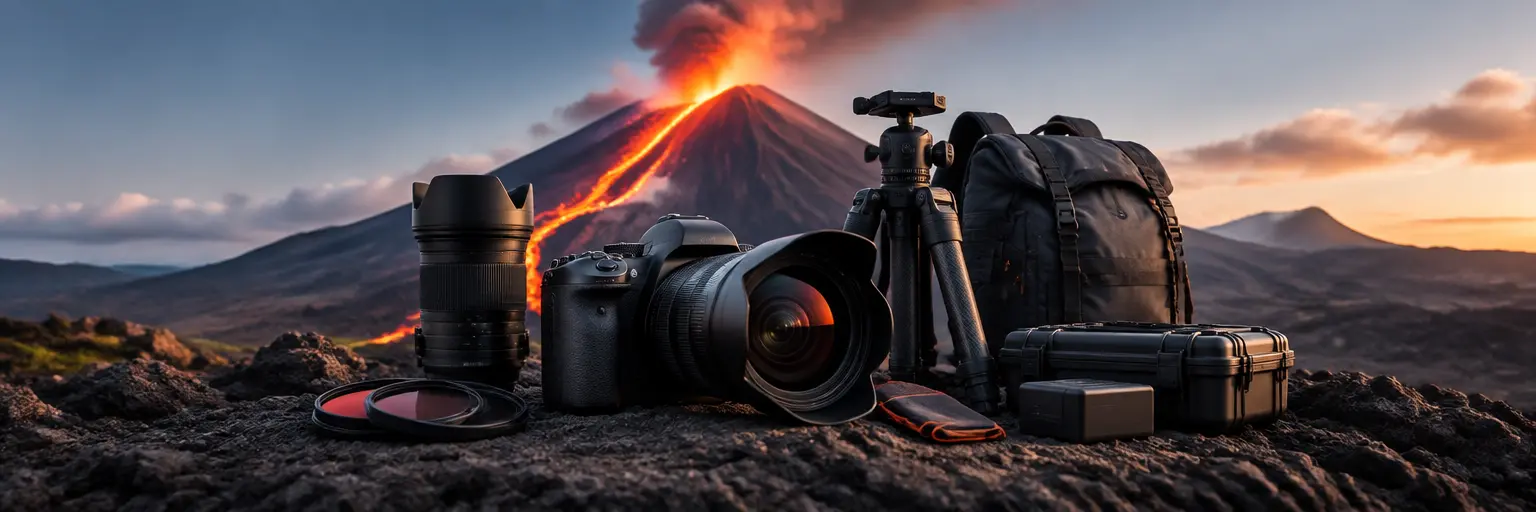
Capture the raw, untamed power of the Earth with the right gear. Volcano photography demands more than just a camera—it requires specialized equipment built to withstand extreme heat, abrasive ash, and unpredictable conditions. From heat-resistant camera housings and wide-angle lenses for dramatic lava flows to telephoto lenses that bring distant craters into razor-sharp focus, your choice of gear can make or break the shot. Sturdy tripods stabilize long exposures of glowing magma, while polarizing filters cut through volcanic haze to reveal vivid colors. Don’t forget protective gear like gas masks, lens filters, and cleaning kits to keep your equipment safe from corrosive sulfur fumes and fine ash. Whether you’re chasing dawn-lit eruptions or night-time incandescence, mastering your equipment ensures you come home with breathtaking images—and not just singed memories. Explore expert tips, recommended brands, and setup guides to turn volcanic chaos into stunning, lasting art.
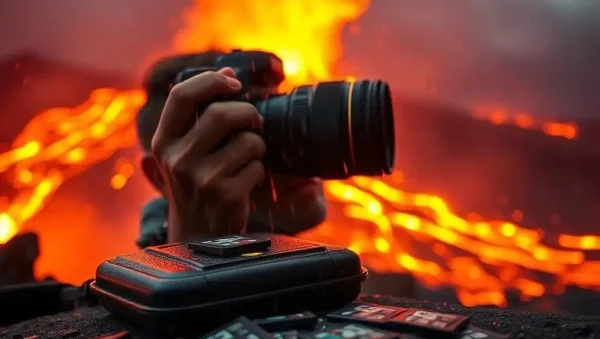
Capture the fiery drama of volcanic eruptions with stunning photos! VolcanoExplorers.org guides you to the best memory cards for photography, ensuring you…
Read article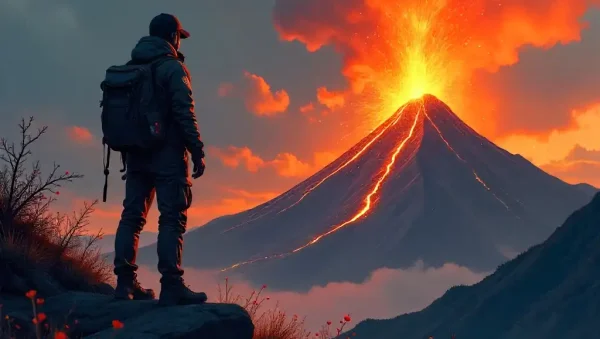
Capture the fiery drama of erupting volcanoes under a star-studded sky. VolcanoExplorers.org shows you the essential equipment and techniques for breathtaking nighttime…
Read article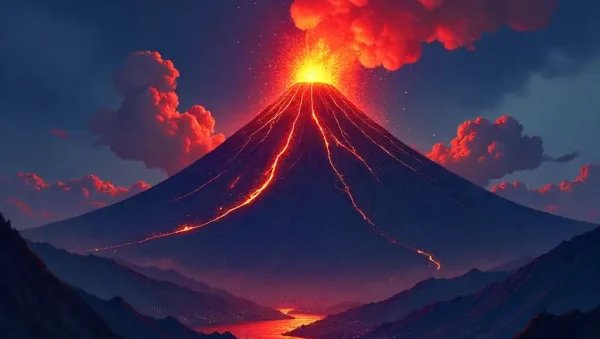
Elevate your volcano photography beyond the ordinary! VolcanoExplorers.org unveils unique volcano photography accessories to capture breathtaking, one-of-a-kind shots of these majestic forces…
Read article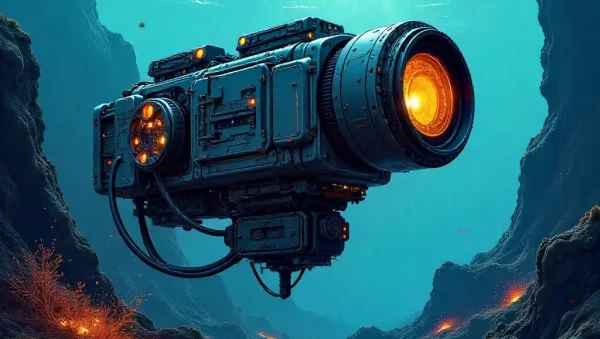
Capture breathtaking images of underwater volcanic activity! VolcanoExplorers.org explores specialized underwater volcano photography equipment, enabling stunning visuals of these dramatic, submerged landscapes.
Read article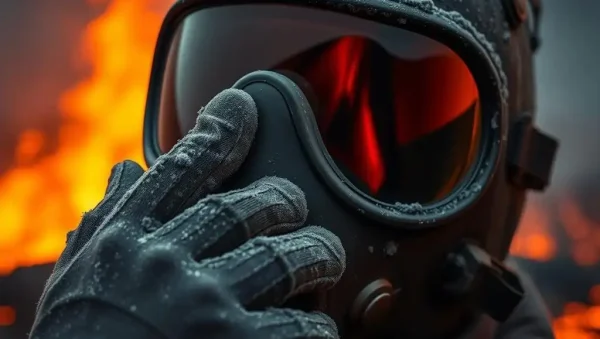
Volcanic gas protection is crucial near active volcanoes. VolcanoExplorers.org provides essential tips for safeguarding yourself and your equipment from hazardous volcanic fumes,…
Read articleWhen you’re standing on the edge of a crater or facing a flowing lava river, your camera is your most valuable tool—but only if it’s built for the extreme. Volcano photography demands specialized equipment that can handle intense heat, abrasive ash, and unpredictable conditions. From heat-resistant housings to lens filters that protect against sulfur gases, the right gear can mean the difference between a once-in-a-lifetime shot and a ruined camera. Here, we break down the essential equipment categories every volcano photographer needs to explore safely and capture stunning images.
Volcano environments push cameras to their limits, so choosing a body and lens that can withstand high ambient temperatures and flying debris is critical. Look for mirrorless or DSLR cameras with weather-sealed magnesium alloy bodies, as they resist dust and moisture better than consumer models. For lenses, prime lenses with fixed focal lengths (like 24mm or 35mm) often have fewer moving parts, reducing the risk of ash jamming the mechanism. A fast aperture (f/2.8 or wider) also helps in low-light conditions near lava, where the contrast between glowing magma and dark rock is extreme. Pro tip: bring a spare body—heat can cause sensors to overheat quickly, and switching cameras lets you keep shooting while the other cools.
Additionally, consider using a lens hood and a UV filter as sacrificial layers to protect the front element from tiny volcanic glass shards. These are inexpensive to replace, whereas a scratched lens is not. Many professional volcano photographers also opt for manual focus lenses, as autofocus can struggle with the low contrast of ash clouds. Finally, always pack a dry bag or silica gel packs to combat humidity from steam vents, which can fog your optics in seconds.
A sturdy tripod is non-negotiable for long-exposure shots of glowing lava or night sky above a crater. However, standard tripods fail on uneven, hot rock surfaces. Choose a tripod with carbon fiber legs—they are lighter and less conductive of heat than aluminum, so you can set it up closer to warm ground without burning your hands. Look for models with spiked feet that can dig into ash or pumice, and a center column that can be inverted for low-angle compositions. A ball head with a quick-release plate is ideal for making fast adjustments when lava flow changes direction unexpectedly.
For handheld shots, consider a gimbal stabilizer or a monopod with a fluid head to reduce shake during walking shots over rough terrain. Many photographers also use a remote shutter release or a smartphone app to trigger the camera without touching it, preventing vibrations and protecting your hands from heat. If you plan to shoot video, a fluid video head on your tripod will give you smooth panning across active vents. Always test your setup at home on uneven surfaces before heading to the volcano, and bring extra quick-release plates in case one gets lost in ash.
Volcanic ash is abrasive, acidic, and can permanently etch glass if not removed properly. A high-quality neutral density (ND) filter is essential for shooting bright lava during the day, allowing you to use slow shutter speeds without overexposing. Additionally, a circular polarizer (CPL) helps cut glare from wet rocks or steam, boosting color saturation in smoky skies. But the real hero is a clear protective filter—cheap to replace, it takes the brunt of ash impacts and acidic gas residue.
Your cleaning kit must be specialized: standard lens cloths can scratch when ash particles are embedded. Carry a rocket blower to dislodge loose ash, a soft brush with fine bristles, and pre-moistened lens wipes safe for coated optics. Avoid using compressed air cans, as they can force ash deeper into lens barrels. For gas exposure, use a water-repellent coating on filters to minimize stuck particles. Remember, never wipe a dry lens on a volcano—always blow first, then gently swipe with a fresh wipe.
Drones have revolutionized volcano photography, offering perspectives that are impossible from the ground. However, flying near volcanoes requires special considerations: heat can warp plastic propellers, and ash can clog motors. Choose a drone with heat-resistant materials (like those used in industrial models) and a camera with a gimbal that can handle turbulence. The DJI Mavic 3 Enterprise or similar ruggedized models are popular for their thermal imaging capabilities, which let you see heat signatures even in daylight. Always check local regulations—many volcanic areas prohibit drone flights without a permit.
To protect your drone, bring spare propellers and a set of filters for the camera (ND filters work well for aerial shots of lava). Keep the drone’s battery warm before takeoff in cooler climates, and avoid flying directly over active vents due to rising hot gases that can destabilize the aircraft. For post-production, use anamorphic lenses on drone cameras to capture wide cinematic frames, though these are pricier. Always have a spotter to watch for sudden ash plumes or wind shifts, and never fly beyond visual line of sight.
Cold winds, heat, and long hikes drain batteries faster than normal, so a robust power strategy is essential. Carry at least three spare batteries per camera body, and keep them in an insulated pocket close to your body to maintain their charge. Use a solar charger or a high-capacity power bank that can recharge via USB-C—look for models with a 20,000 mAh capacity or more. For longer expeditions, consider a portable power station that can refill multiple batteries overnight, but balance weight against your hiking endurance.
Volcanic terrain is rough on cables, so pack redundant charging cables and a multi-plug adapter for international trips. Some photographers use battery grips to double their shooting time, but these add bulk and heat—know your limits. Always have a memory card case with at least four high-capacity SD or CFexpress cards, preferably with high write speeds (V90 rating) for 4K video or burst shooting. Finally, keep a notebook and pen in your bag—if electronics fail, you can still document settings and conditions manually.
Beyond the core gear, small accessories can make or break your shoot. A headlamp with a red light mode helps you navigate in darkness without ruining your night vision or the color balance of your photos. A portable ash mask (N95 or better) is not just for your lungs—it also prevents you from breathing on your lens and causing fog. Gloves with touchscreen fingertips let you adjust camera settings without removing them, crucial in cold or hot conditions. A spirit level (hotshoe bubble level) ensures horizon lines are straight, especially on uneven basalt flows.
Also pack a waterproof backpack with a separate, padded camera insert to protect gear from sudden rain or steam. Use gear ties or carabiners to attach tripods and monopods to your pack when scrambling over rocks. For comfort, get high-ankle hiking boots with sturdy grip, and replace standard camera straps with quick-release sling straps that reduce neck strain during long walks. Finally, a cheap point-and-shoot camera (like a rugged Olympus TG-7) is a lifesaver for accidental drops or extreme close-ups—you won’t cry if it gets singed.
For most enthusiasts, a weather-sealed mirrorless camera like the Sony A7R V or Canon EOS R5 offers excellent image quality and heat resistance. Pair it with a 24-70mm f/2.8 lens for versatility. If you’re on a budget, the Fujifilm X-T5 is also rugged and lighter. Avoid consumer point-and-shoots, as they overheat quickly near lava.
Yes, a neutral density (ND) filter is crucial for shooting molten lava during daylight, as it blocks excess light to allow slow shutter speeds. A 6-stop or 10-stop ND filter works well. For night shots, you can remove the ND filter and use a fast aperture to capture glowing lava details without overexposure.
Use a clear protective filter on your lens, and keep your camera in a sealed bag when not shooting. Use a rocket blower to remove loose ash, then gently wipe with a microfiber cloth. Never use canned air—it forces ash deeper into mechanisms. Apply a water-repellent coating to filters to reduce sticking.
Many active volcano sites restrict or ban drones due to safety and environmental concerns. If allowed, use a ruggedized drone with propellers rated for high heat and avoid flying directly over vents, as rising heat can cause crashes. Always check local regulations and obtain necessary permits before your trip.
Set your camera on a sturdy tripod, use a wide aperture (f/4 or wider), and start with a 2-5 second exposure at ISO 800. Adjust based on brightness—lava is extremely bright, so underexpose slightly to retain detail. Use a remote shutter release to avoid vibrations and shoot in RAW for better post-processing flexibility.