Volcano Tourism: The Economic Impact of Volcano Tourism
Volcano tourism is more than a thrilling adventure—it’s a multi-billion-dollar global industry that fuels local economies, creates jobs, and funds conservation efforts. From Iceland’s Blue Lagoon to Hawaii’s Volcanoes National Park, destinations harness the raw power of eruptions to attract millions of visitors annually. This subcategory explores how volcanic landscapes drive economic growth, support communities, and balance sustainability with demand. Dive in to understand the financial forces behind these fiery attractions, the risks they carry, and how they transform remote regions into thriving hubs of travel and commerce.
🌋 How Volcano Tourism Generates Revenue and Local Jobs
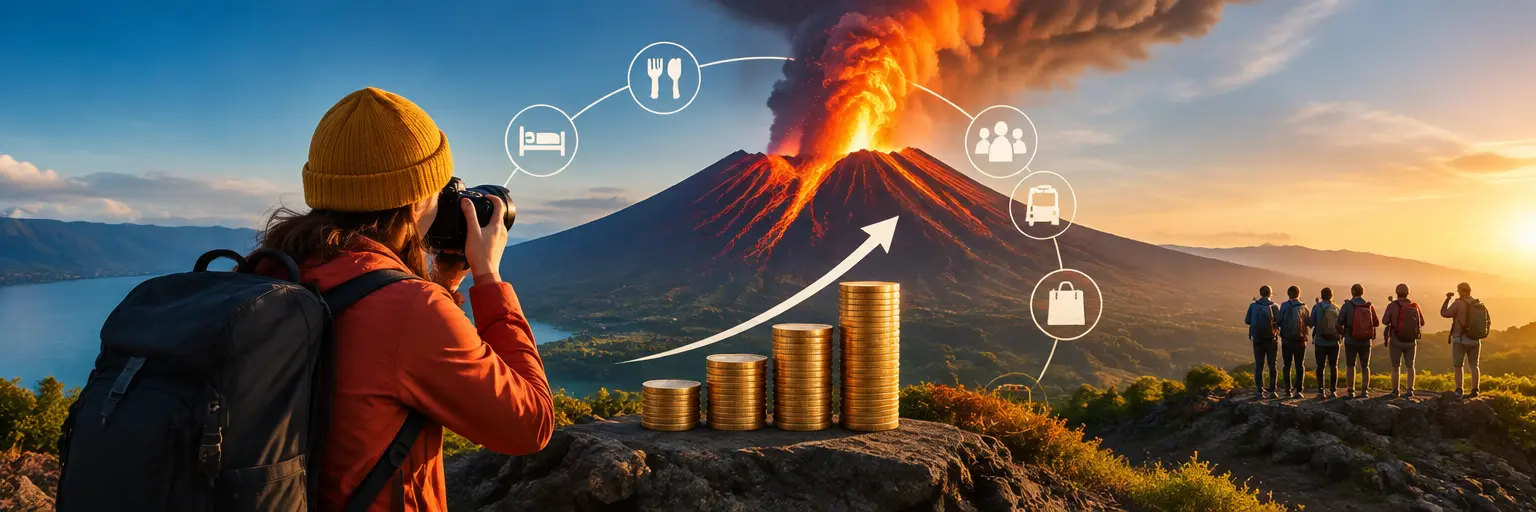
Volcano tourism injects capital through direct spending on entry fees, guided tours, hotels, restaurants, and transportation. For regions like Sicily’s Mount Etna or Indonesia’s Mount Bromo, this industry can represent up to 30% of local GDP, providing stable employment for guides, hospitality staff, and artisans who sell volcanic rock crafts. The multiplier effect means every tourist dollar ripples through supply chains, from farmers supplying hotels to drivers shuttling visitors to crater viewpoints.
Beyond immediate income, volcano tourism fosters infrastructure development—new roads, visitor centers, and airports—that benefits residents year-round. National parks often reinvest ticket revenues into trail maintenance, safety signage, and scientific monitoring, creating a self-sustaining loop. Economic resilience is especially vital in rural areas with few alternatives, where a single active volcano can become the economic lifeline for entire communities, reducing poverty and youth outmigration.
💰 Balancing Visitor Spend with Conservation and Sustainability
While revenue is essential, unchecked tourism can degrade fragile volcanic ecosystems, erode trails, and disturb geothermal vents. Many destinations now implement carrying capacity limits, dynamic pricing, and eco-certification programs to ensure long-term viability. For instance, Costa Rica’s Arenal Volcano charges higher fees during peak seasons, using the surplus to fund reforestation and wildlife corridors around the park.
Sustainable practices also include promoting off-peak visits, supporting community-based tourism cooperatives, and banning single-use plastics near crater sites. Green partnerships between tour operators and scientists help monitor environmental impact, while carbon-offset schemes allow visitors to mitigate their travel footprint. The economic argument is clear: preserving pristine volcanic landscapes ensures recurring revenue, whereas overexploitation leads to costly restoration and reputational damage that scare away future tourists.
📊 Economic Risk and Disaster Preparedness for Volcano Destinations
Dependence on volcanic tourism carries inherent financial vulnerability. A single eruption can shutter businesses for months, as seen in Iceland’s 2010 Eyjafjallajökull disruption or the 2018 Kilauea lava flow that destroyed hundreds of homes. Smart destinations diversify income streams through year-round offerings like geothermal spas, museum exhibitions, and virtual reality tours that operate even during heightened alert levels.
Insurance schemes and government disaster funds are critical safety nets, but proactive planning is more effective. Real-time monitoring and alert systems not only save lives but also reassure travelers, reducing panic-driven cancellations. Destinations like New Zealand’s Whakaari (White Island) now mandate stringent risk assessments and evacuation drills for all excursions, understanding that a safety reputation is a competitive advantage. Properly managed, volcanic risk can even become a marketing hook—controlled viewing platforms and exclusion zones satisfy thrill-seekers while keeping liability manageable.
🏆 Case Studies: Successful Economic Models from Global Volcano Hubs
Iceland’s “Golden Circle” exemplifies high-value tourism, where the Reykjanes Peninsula’s volcanic fields drive over 2 million annual visitors, contributing nearly 8% of national export revenue. The country pairs its active volcanoes with luxury lodging and geothermal energy tours, creating premium experiences that justify higher ticket prices. Conversely, the Philippines’ Mayon Volcano offers low-cost, community-led treks, ensuring that profits stay local and support small-scale farmers during off-seasons.
Hawai’i Volcanoes National Park, a UNESCO site, demonstrates public-private collaboration—park fees fund research, while local businesses rent bicycles and sell lava-souvenir jewelry. Meanwhile, Japan’s Mount Fuji uses a lottery system for summit permits, balancing preservation with profitable ascent fees. These examples show that adaptive pricing strategies and stakeholder alignment—governments, residents, and operators—produce sustainable economic wins, turning geological hazards into reliable revenue engines.
🚀 Future Trends: Tech, Niche Markets, and Post-Pandemic Revival
The economic landscape of volcano tourism is evolving with virtual reality, drone-filmed crater tours, and AI-driven eruption prediction apps attracting tech-savvy travelers. Niche markets like “lava chasing” photography, geology-focused educational cruises, and volcano-themed weddings are emerging, offering premium margins without mass crowds. Post-pandemic, travelers seek open-air experiences, making volcano trekking a top choice for social-distanced adventure.
Cruise lines now include volcanic stops in their itineraries, and boutique hotels near active craters command premium nightly rates. Governments are also investing in “dark sky” observatories and interpretive centers to lengthen stays. Digital nomad hubs are sprouting near geologically active areas, blending work and leisure. As climate change intensifies volcanic activity, destinations that adapt—through resilient infrastructure and heritage branding—will reap long-term economic rewards, positioning themselves as must-visit sites for generations.
Frequently Asked Questions
What is the primary economic benefit of volcano tourism?
The primary benefit is direct revenue generation through entry fees, tours, lodging, and dining, which stimulates local businesses. It also creates jobs, from tour guides to hotel staff, and funds infrastructure like roads and visitor centers. In many rural regions, this income diversifies economies that rely on agriculture or fishing, reducing vulnerability to market fluctuations.
How do volcanic eruptions affect tourism income?
Eruptions can cause immediate losses via cancellations, evacuations, and damaged infrastructure. However, post-eruption periods often see a “disaster tourism” spike as visitors flock to witness fresh lava flows or ash landscapes—a phenomenon seen in Hawaii and Iceland. Long-term impact depends on recovery speed, with proactive monitoring and communication restoring confidence.
Are there sustainable ways to boost volcano tourism revenue?
Yes, by implementing carrying capacity limits, offering tiered pricing off-peak, and partnering with local communities on eco-tours. Investing in renewable energy for visitor facilities and funding conservation from ticket sales ensures longevity. Marketing geological education and cultural heritage rather than just thrill-seeking also attracts responsible, higher-spending travelers.
What are the financial risks for countries dependent on volcano tourism?
Risks include single-industry vulnerability, leading to economic collapse if eruptions are prolonged. Insurance gaps and lack of diversification can deepen losses. Reputational damage from unsafe incidents may deter visitors for years. Mitigations include multi-sector development, robust disaster funds, and transparent safety protocols to stabilize investor and traveler confidence.
How can small communities start profiting from volcanic activity?
Start by offering guided hikes, homestays, and local craft sales through co-ops that reinvest profits. Partner with official tourism boards for training and marketing. Leverage social media to showcase unique volcanic features, and collaborate with scientists to host educational workshops. Micro-financing and low-interest loans help fund starting capital for equipment and safety gear.