Capture the Fire: Best Volcano Destinations for Photography in Asia and Oceania
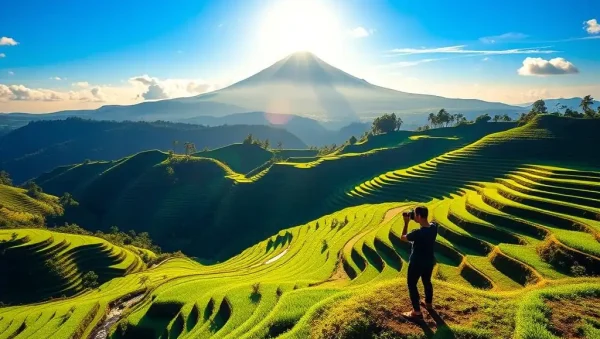
Asia and Oceania are home to some of the most visually spectacular and geologically active volcanoes on Earth. From the glowing rivers of lava in Indonesia to the perfect symmetrical cones of Japan and the steaming craters of New Zealand, this region offers photographers an unparalleled palette of fire, earth, and sky. Whether you are a seasoned landscape shooter or an adventurous traveler with a camera, these destinations merge raw natural power with cultural mystique, creating unforgettable images that blend danger and beauty.
🌋 Indonesia’s Ring of Fire: Bromo, Ijen, and Merapi
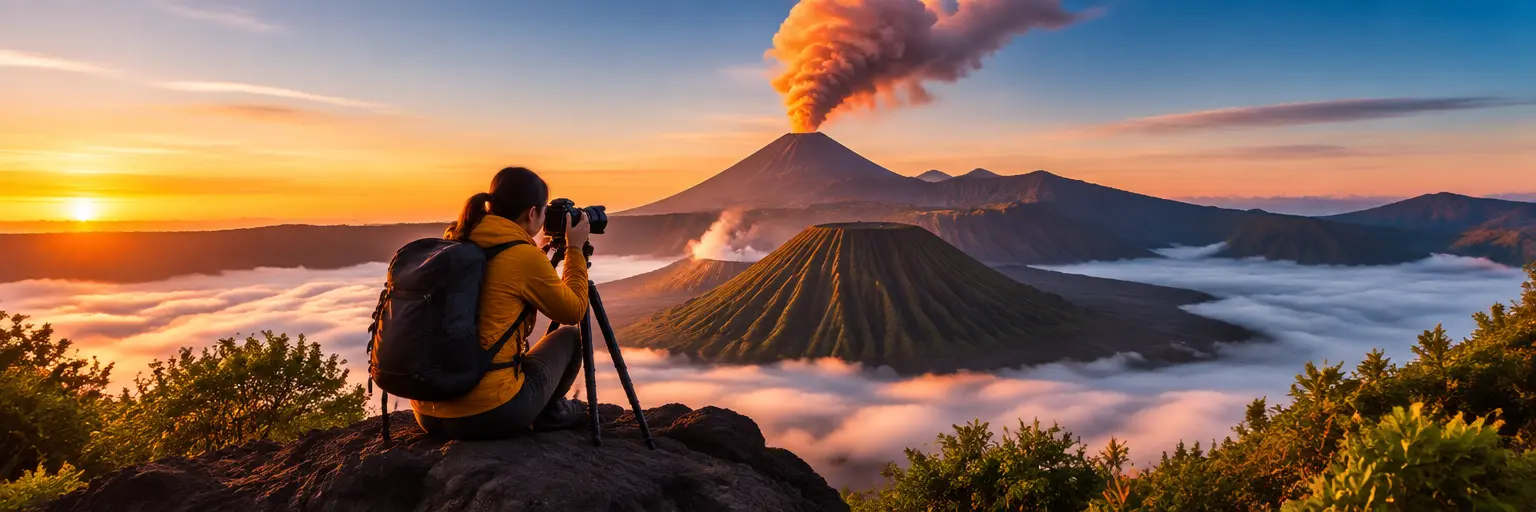
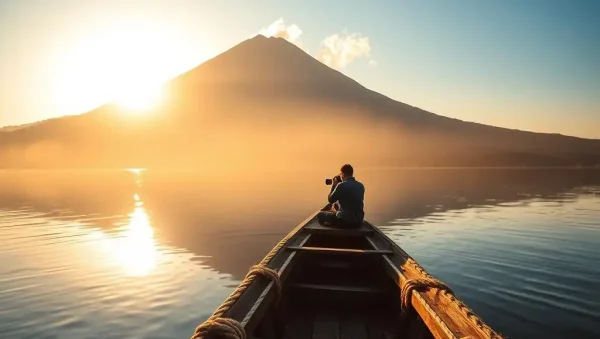
Indonesia is a volcanic powerhouse, and the island of Java alone offers three legendary photography targets. Mount Bromo’s otherworldly sea of sand, often shrouded in dawn mist, provides a classic vantage point for sunrise shots with the conical peak of Semeru erupting in the background. Nearby, Kawah Ijen is famous for its electric-blue flames and turquoise crater lake—a rare phenomenon captured best under the cloak of darkness, requiring a guided night hike and a steady hand for long exposures.
Mount Merapi, the most active volcano in Indonesia, presents a more dangerous but rewarding challenge. Photographers can document its frequent ash plumes from safe observation points in Kaliurang, especially during periods of increased activity. The culture of the local people, who live in the volcano’s shadow and perform rituals to appease its spirits, adds a deeply human and narrative layer to your portfolio. Always check current alert levels before planning your trip, as access is often restricted during eruptions.
🗾 Japan’s Sacred and Dramatic Peaks: Fuji, Sakurajima, and Aso
Japan’s volcanoes are not only geological wonders but also spiritual icons, making them perfect subjects for photography that combines nature with cultural heritage. Mount Fuji, with its nearly perfect symmetry, is best photographed from the lakes of Fuji Five Lakes region, particularly Lake Kawaguchi, where the reflection of the snow-capped summit creates a postcard-perfect composition during autumn and spring. For a more active subject, Sakurajima on Kyushu island erupts almost daily, sending dramatic ash clouds into the sky—a fantastic opportunity for telephoto shots from the city of Kagoshima across the bay.
Mount Aso, one of the largest calderas in the world, offers a unique landscape of rolling green grasslands punctuated by steaming vents. The Nakadake crater is usually accessible via ropeway, but activity can close it at short notice. For the best light, visit during the golden hours of early morning or late afternoon, when the low sun highlights the textured ash slopes and casts long shadows across the volcanic terrain. Remember to bring a dust-proof camera bag and a blower to clean your gear after shooting in the ash-rich environment.
🇵🇭 The Philippines: Taal, Mayon, and Pinatubo’s Crater Lake
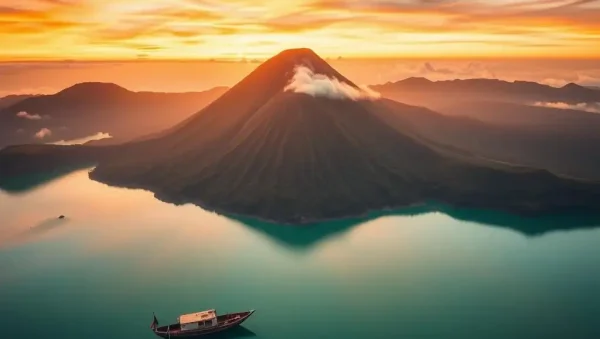
The Philippines boasts some of the most photogenic volcanoes in the world, each with its own unique character. Taal Volcano, located on an island within a lake, provides a nested landscape that is both complex and visually stunning. You can hire a boat to the island and hike to the crater rim, where you can capture the eerie, sulfuric landscape and the smoky lake within a lake. The view from Tagaytay Ridge offers a sweeping panorama that is perfect for wide-angle lenses, especially at sunset when the sky turns fiery orange.
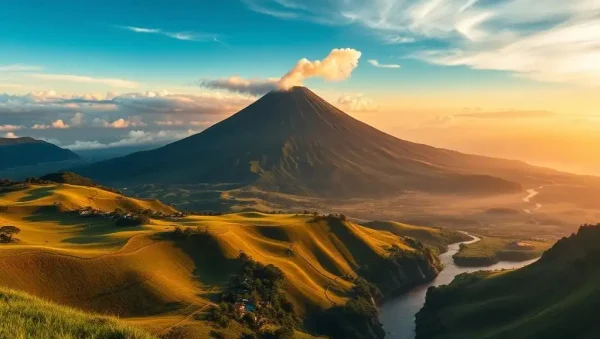
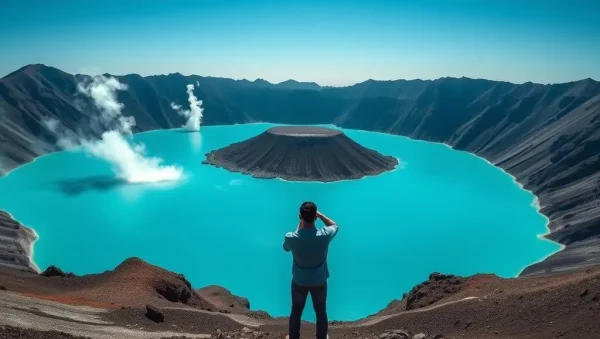
Mayon Volcano, famed for its perfect cone, is a photographer’s dream, especially when framed by rice paddies and coconut palms. The ruins of the Cagsawa Church in Daraga provide a historic foreground that contrasts the destructive power of nature with human resilience. Meanwhile, Mount Pinatubo’s crater lake, set within a deep caldera formed by the 1991 eruption, is a surreal turquoise gem accessible via a 4x4 ride and a rugged trek. The vibrant water color against the gray volcanic walls is a once-in-a-lifetime shot, best captured under bright midday sun for maximum saturation.
🇳🇿 New Zealand’s Geothermal and Alpine Volcanism: Tongariro, Ruapehu, and White Island
New Zealand offers a more temperate yet equally dramatic volcanic photography experience. The Tongariro Alpine Crossing, often called the best one-day hike in the world, traverses a volcanic landscape of emerald lakes, red craters, and steaming vents. The famed “Mordor” region near Mount Ngauruhoe, used in the Lord of the Rings films, provides a stark, otherworldly backdrop for dramatic portraits and wide landscapes. Photographing the blue-green Emerald Lakes against the red and brown mineral-streaked slopes is a must.
Mount Ruapehu, the highest peak on the North Island, offers both ski-season and summer photography, with its crater lake often steaming and changing color. White Island, or Whakaari, is an active marine volcano that was a popular destination for close-up crater photography until its tragic 2019 eruption. While access is currently restricted, you can still capture its dramatic profile from a boat tour, respecting all safety regulations. For the many geothermal areas like Wai-O-Tapu, the colorful hot springs and geysers provide a softer, rainbow-hued counterpoint to the rugged peaks.
🌏 Papua New Guinea and Vanuatu: The Untamed and the Accessible
For the truly adventurous photographer, Papua New Guinea’s remote volcanoes like Mount Tavurvur and Mount Ulawun offer raw, unspoiled scenes of active crater glow and ash eruptions. These destinations require significant logistical planning, local permits, and a tolerance for unpredictable weather, but the payoff is images of primeval earth in its most honest state. Vanuatu, in contrast, offers the accessible yet astonishing Mount Yasur on Tanna Island, where you can stand at the crater’s edge and photograph strombolian eruptions—lava bombs and glowing fountains—at night with relative safety.
Mount Yasur is a favorite among volcano photographers because it erupts continuously, providing reliable subjects for long-exposure night shots. The deep, rumbling explosions and the glowing red arcs against the starry sky are an unforgettable experience. In Papua New Guinea, remember that local customs and tribal territories must be respected, so always hire a reputable guide. Bring extra memory cards and weather-sealed gear, as volcanic ash and moisture can quickly damage your equipment in these remote tropical environments.
📸 Essential Photography Tips for Asian-Pacific Volcanoes
To maximize your success, invest in a sturdy tripod, a remote shutter release, and a neutral-density filter for long exposures of flowing lava or misty landscapes. A telephoto lens (70-200mm) is crucial for compressing distances and isolating volcanic peaks, while a wide-angle lens (16-35mm) captures the full dramatic scale of craters and calderas. Always shoot in RAW to preserve highlight and shadow detail, especially when dealing with the extreme contrast between glowing lava and dark surroundings.
Plan your visits for golden hour—sunrise and sunset—when low-angle light accentuates textures and colours. For night shots of eruptions, use a high ISO (1600-3200) and a fast aperture, but be prepared for unpredictable wind shifts that may blow ash across your lens. Equally important is safety research: check the local volcano observatory alerts, follow designated trails, and carry a gas mask and hard hat when approaching active craters. Respect all barriers and local guide instructions—no photograph is worth a life.
Frequently Asked Questions
Which of these volcano destinations is the safest for amateur photographers?
For amateurs, Mount Yasur in Vanuatu is generally considered the safest active volcano to photograph due to its highly predictable, continuous eruptions and well-managed tourist viewing platforms. However, you must follow the local guides’ strict safety rules and remain at designated distances. Japan’s Mount Aso, when open, also offers relatively safe access via ropeway and boardwalks, but always check the latest volcanic alert level before visiting.
What camera gear is absolutely necessary for volcano photography?
The absolute essentials are a DSLR or mirrorless camera with manual control, a wide-angle lens (16-35mm) for landscapes, a telephoto lens (70-200mm) for close-ups, a sturdy tripod, and a remote shutter release. A lens cloth and a blower are vital for removing ash and dust. For night shots of lava, bring a fast prime lens (f/1.8 or f/2.8) and extra batteries, as cold or heat drains them quickly.
When is the best time of year to photograph these volcanoes?
The best time depends on the region. In Indonesia, the dry season from May to September offers clearer skies and better hiking conditions. Japan’s peaks are best photographed in autumn (October-November) for crisp air and colorful foliage, or early summer (June) before the rains. For New Zealand, the summer months (December-February) offer the most stable weather, though the crossing is popular. Always check seasonal wind patterns to avoid heavy cloud cover.
Do I need special permits or guides to photograph volcanoes in these regions?
Yes, many volcanic sites require permits or a licensed local guide. In Indonesia, you must hire an official guide for Ijen and often for Bromo’s sunrise viewpoint. Japanese volcanoes are generally open without guides, but some areas like Mount Aso’s crater require a ropeway ticket and may close during eruptions. For Papua New Guinea and Vanuatu, a licensed guide is mandatory for safety and cultural reasons, so always book through reputable tour operators.
Are there any health risks I should know about when photographing volcanoes?
Yes, volcanic gas emissions, especially sulfur dioxide, can cause respiratory irritation and be life-threatening in high concentrations. Always wear a proper gas mask (not just a dust mask) when near active vents, and stay upwind of the plume. Ashfall can irritate eyes and skin, so protect your gear and yourself. Additionally, heat exhaustion and dehydration are common during hikes to craters, so carry ample water and wear breathable clothing.