Exploring Volcanic Spines and Domes: Nature’s Slow-Motion Giants
At VolcanoExplorers.org, we bring you face-to-face with the most enigmatic formations in volcanology—volcanic spines and domes. Unlike explosive eruptions that scatter ash across continents, these features grow quietly, sometimes over decades, as thick, viscous lava pushes upward from a vent. They are the skyscrapers of the volcanic world, often rising hundreds of meters, only to crumble or explode without warning. This section of our site is your gateway to understanding how these fascinating structures form, why they are so dangerous, and where you can see them today. Whether you are a student, a traveler, or a curious mind, this guide will equip you with deep knowledge and practical insights, all optimized to help you explore the field safely and intelligently.
🌋 What Exactly Are Volcanic Spines and Domes?
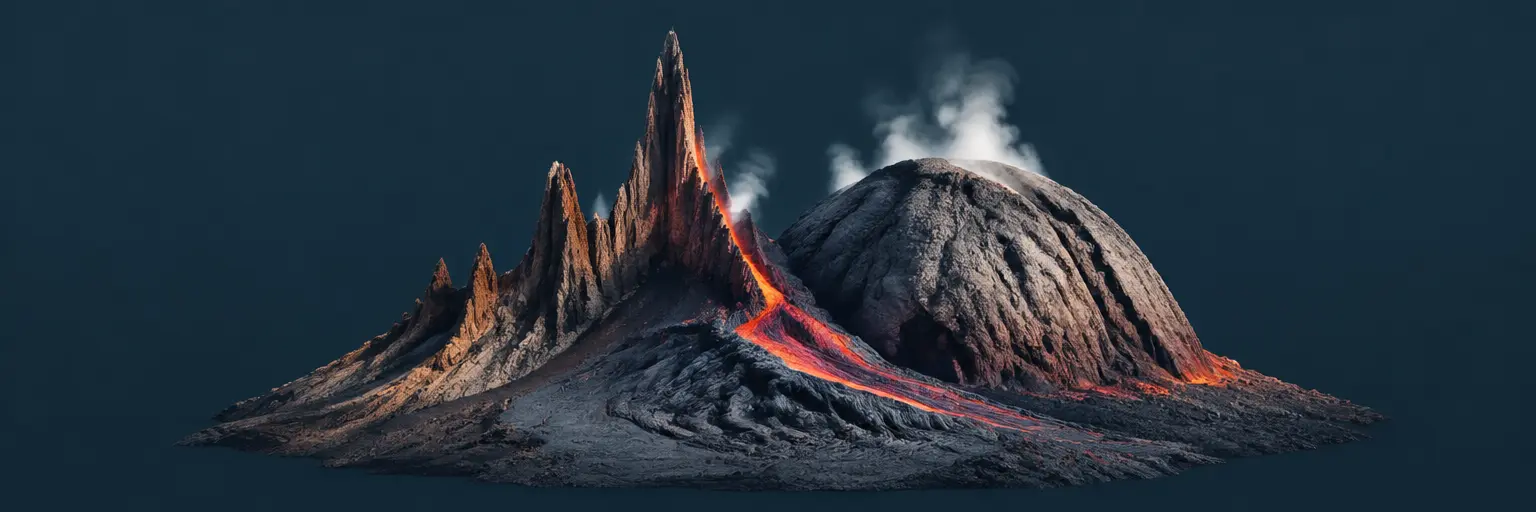
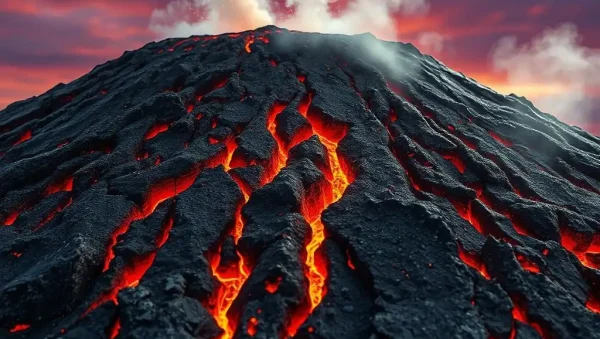
Volcanic spines are tall, needle-like protrusions of solidified lava that can shoot up from a vent, while volcanic domes are rounded, mound-like accumulations of viscous lava that pool around a volcanic crater. Both form when magma is too thick—rich in silica—to flow far, so it piles up near the vent. Over time, spines can grow at rates of several meters per day, only to collapse under their own weight. Domes, meanwhile, can inflate and deflate like a balloon as gas pressure builds. This process can take months to decades, making them some of the most dynamic yet slow-moving features in geology.
For explorers, distinguishing between a spine and a dome is crucial for safety and understanding. A spine is essentially a vertical extrusion, while a dome is a broader, lumpy mass. Both indicate a volcanic system with high viscosity magma, often associated with the most dangerous eruptions on Earth, such as the 1980 Mount St. Helens event. By learning these basics, you can better interpret volcanic alerts and plan visits to active areas with greater awareness.
🔬 The Science Behind Their Formation and Growth
The formation of spines and domes is a delicate dance between magma viscosity, gas content, and cooling rates. When magma contains more than 65% silica, it becomes extremely sticky, resisting flow. As it reaches the surface, it deforms and folds, creating the rugged textures seen on domes. Spines form when the magma is so stiff that it is pushed upward like toothpaste from a tube, aided by pressure from below. This process often occurs after a major explosive eruption, when the conduit is cleared and fresh magma ascends slowly.
Recent research using satellite radar and drone surveys has revealed that domes can grow in pulses, with rates varying from centimeters to meters per day. This growth is often accompanied by seismic swarms and ground deformation, which volcanologists monitor to predict potential collapse or explosions. For example, the Soufrière Hills volcano on Montserrat has been building a dome since 1995, causing dozens of collapses. Understanding these mechanics helps scientists issue timely warnings, protecting nearby communities and giving you, the visitor, a safer window to observe these wonders from a distance.
🗺️ Famous Examples of Spines and Domes Worldwide
Some of the world’s most iconic volcanic landmarks are actually domes or spines. The Lava Dome at Mount St. Helens in the USA, formed after the 1980 eruption, still grows today. The Shiveluch volcano in Russia is famous for its multiple domes, while Unzen in Japan produced a deadly dome collapse in 1991. Perhaps the most spectacular spine is the Merapi lava dome in Indonesia, which periodically collapses into deadly pyroclastic flows. In addition, the Puy de Dôme in France is a dormant dome that offers spectacular hiking trails.
For travelers, these sites are not just geological wonders but cultural landmarks. Many are surrounded by indigenous legends and historical records of eruptions. Visiting them responsibly, with a licensed guide, can be a transformative experience. However, always check local volcanic activity alerts before planning a trip, as domes can become active suddenly. Our website provides real-time updates and travel guides to help you pick the right time and place for a safe, educational adventure.
⚠️ Hazards and Monitoring: Why Domes Are Dangerous
Volcanic domes are among the most hazardous volcanic features due to their instability. As they grow, their outer flanks cool and crack, creating loose rubble that can collapse into pyroclastic flows—fast-moving avalanches of hot gas and rock. These flows can travel several kilometers, incinerating everything in their path. Additionally, domes can block vents, causing pressure to build until a violent explosion clears the blockage. The 1991 Unzen disaster, which killed 43 scientists and journalists, was triggered by a dome collapse.
To mitigate these risks, volcanologists deploy a suite of instruments: GPS stations to measure ground movement, seismometers to detect micro-earthquakes, gas sensors to track sulfur dioxide output, and thermal cameras to spot hot spots. Real-time data feeds into monitoring agencies that issue color-coded alerts. For residents and visitors, knowing the alert level and evacuation routes is vital. On our site, you can access simplified risk maps and explainer videos that decode these technical signals into practical safety steps.
📸 Photographing and Observing Spines and Domes Safely
For photographers and nature enthusiasts, volcanic domes offer dramatic subjects with ever-changing textures and steam vents. To capture them safely, use a telephoto lens from a distance, never approach the dome itself, as the ground can be unstable and gas vents may emit toxic fumes. The best times are early morning or late afternoon when the low sun highlights the dome’s rugged contours. Aerial drone photography, where permitted, can reveal the full scale of the dome’s structure, but always check local regulations for drone use near volcanic areas.
Observation points are often established at safe distances, sometimes on nearby ridges. For example, at Mount St. Helens, the Johnston Ridge Observatory provides panoramic views of the dome and crater. For indoor learning, interactive 3D models on our site let you rotate and zoom into dome structures, showing internal lava conduits and collapse scarps. This combination of field photography and digital tools makes it possible to study these giants without undue risk, while still fueling your wanderlust.
Frequently Asked Questions
What is the difference between a volcanic spine and a dome?
A spine is a sharp, blocky tower of lava that extrudes vertically, whereas a dome is a broad, rounded mound. Spines are typically smaller and more fragile, often collapsing quickly, while domes grow over longer periods. Both are composed of highly viscous, silica-rich magma that resists flowing.
Can volcanic domes erupt explosively?
Yes, they can. When gas pressure builds beneath a dome, it can explosively shatter the dome, sending pyroclastic flows and ash high into the sky. This occurred at Mount St. Helens in 1980 after a dome growth period. Monitoring gas and deformation helps predict such events.
Are any volcanic domes safe to visit?
Dormant or extinct domes, like Puy de Dôme in France, are safe and popular hiking destinations. Active domes are hazardous and should only be viewed from designated observation points. Always check the current alert level from volcanic observatories before planning a visit.
How fast do volcanic spines grow?
Spine growth rates vary widely, from a few centimeters to several meters per day. The 1902 Mont Pelée spine grew about 300 meters in under a year. However, most spines are short-lived, collapsing within months or years due to their steepness and instability.
What gases are emitted from volcanic domes?
Domes release carbon dioxide, sulfur dioxide, hydrogen sulfide, and sometimes water vapor. These gases can accumulate in low-lying areas and be lethal. At high concentrations, they can cause respiratory distress or asphyxiation, so staying above and away from gas vents is essential.