
Dome Growth Dynamics: A Race Against Volcanic Instability

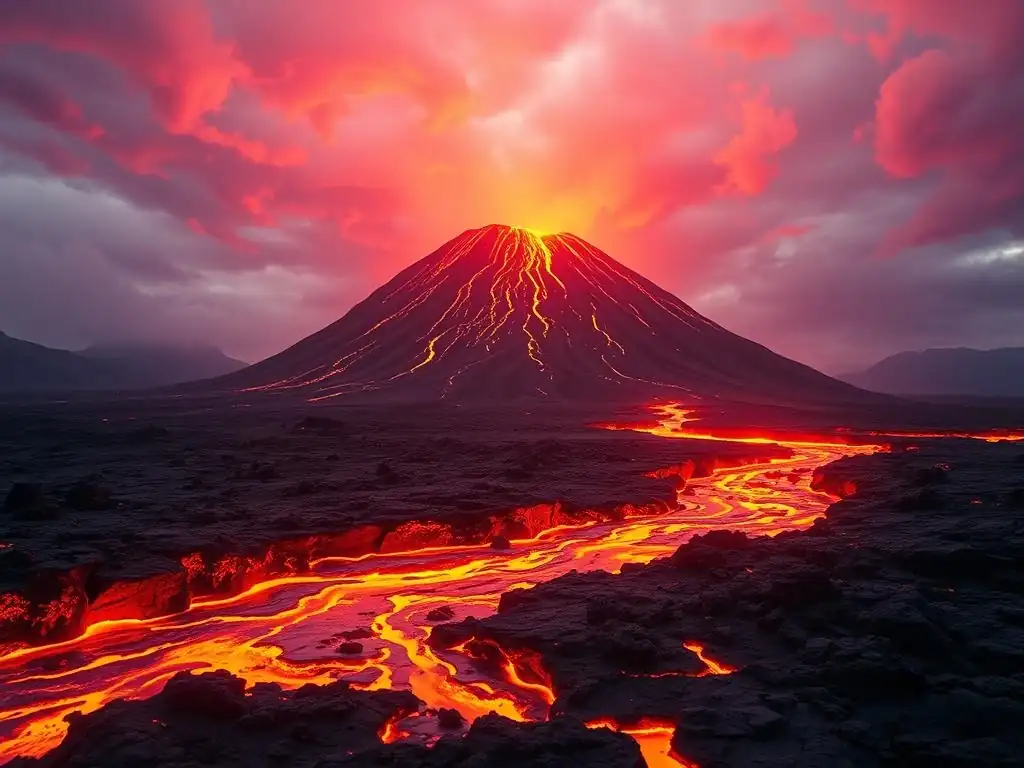
Welcome to Volcano Explorers, where the earth breathes fire! Are you ready to unravel the secrets hidden within the molten heart of our planet? Our latest deep dive plunges into the fascinating – and often perilous – world of volcano dome growth dynamics. But what happens when that growth becomes unstable? Prepare to explore the delicate balance between creation and catastrophic collapse, and discover why understanding this phenomenon is crucial in predicting volcanic eruptions. The adventure begins now...
- Understanding Volcano Dome Growth Dynamics
- Factors Influencing Volcano Dome Growth
- Volcano Dome Instability: A Constant Threat
- Techniques for Studying Volcano Dome Growth Dynamics
- Case Studies: Examples of Dome Growth and Instability
- The Race Against Time: Predicting and Mitigating Dome-Related Hazards
- Conclusion: The Ongoing Quest to Understand Volcano Dome Growth
-
Frequently Asked Questions
- How does volcano dome growth relate to volcanic instability?
- What factors contribute to the rate of volcano dome growth?
- What are the primary dangers associated with rapid volcano dome growth?
- How do volcanologists monitor volcano dome growth dynamics?
- What can be done to mitigate the risks associated with volcano dome growth?
- Final Reflection: Embracing the Volcanic Dance
- Unveil the Secrets of Volcano Monitoring!
Understanding Volcano Dome Growth Dynamics
What are Volcanic Domes? Formation and Characteristics
Volcanic domes are steep-sided, bulbous mounds that form from viscous lava erupted effusively from a volcanic vent. Unlike explosive eruptions that propel ash and gas high into the atmosphere, dome formation is characterized by a slower, more contained extrusion of lava. This lava is typically rich in silica, making it highly viscous, meaning it resists flowing easily.
Imagine toothpaste being squeezed from a tube; volcanic dome growth can be visualized similarly, although on a vastly larger and more powerful scale. The high viscosity prevents the lava from flowing far from the vent, causing it to pile up and solidify, gradually building the dome's structure.
The characteristics of volcanic domes are largely dictated by the properties of the lava and the eruption rate. They can vary significantly in size, from tens of meters to over a kilometer in diameter and height. The surface of a dome is often fractured and rubbly, composed of cooled lava blocks and spines.
Dome growth can be episodic, with periods of rapid expansion followed by periods of quiescence. The internal structure can be complex, featuring layers of solidified lava, pathways for gas escape, and zones of intense fracturing. Understanding these characteristics is crucial for assessing the stability and potential hazards associated with volcanic domes.
The Significance of Studying Dome Growth Dynamics
Studying volcano dome growth dynamics is of paramount importance in volcanology for several key reasons. Firstly, dome growth often represents a significant phase in the life cycle of many volcanoes, particularly those with highly viscous magmas. Understanding the processes that control dome formation, expansion, and eventual destruction is fundamental to comprehending the overall behavior of these volcanic systems. By analyzing the rates of dome growth, the volumes of lava erupted, and the changes in dome morphology, scientists can gain insights into the magma supply rate, the internal pressure within the volcano, and the potential for future eruptions.
Secondly, and perhaps more critically, the study of dome growth dynamics is essential for hazard assessment and risk mitigation in volcanically active regions. Volcanic domes are inherently unstable structures, prone to collapses, explosions, and the generation of dangerous pyroclastic flows and lahars. Changes in dome growth rate, deformation patterns, and gas emissions can serve as crucial indicators of increasing instability and potential eruptive activity. Therefore, a detailed understanding of the factors governing dome growth dynamics is vital for developing effective monitoring strategies, forecasting potential hazards, and implementing timely evacuation plans to protect communities living near dome-forming volcanoes.
Why is Volcanic Dome Monitoring Crucial?
Volcanic dome monitoring is not merely an academic exercise; it is a crucial endeavor that directly translates into saving lives and minimizing the impact of volcanic eruptions. Because volcanic domes can transition from periods of slow growth to rapid collapse or explosive activity with little warning, continuous and meticulous monitoring is essential. Changes in the dome's behavior, often subtle at first, can be the precursors to significant and hazardous events. Monitoring allows volcanologists to detect these changes, interpret their meaning, and provide timely warnings to civil authorities and the public.
The data gathered from monitoring efforts – including ground deformation, gas emissions, thermal changes, and seismic activity – provides critical insights into the internal processes driving dome growth and instability. For example, an increase in the rate of dome deformation might indicate an accelerating magma supply or increasing internal pressure, both of which can heighten the risk of collapse or explosion.
Similarly, changes in the composition and flux of volcanic gases can signal changes in magma degassing and potential shifts in eruptive style. By continuously tracking these parameters, monitoring efforts provide the "early warning system" necessary to mitigate the hazards associated with volcano dome growth.
Factors Influencing Volcano Dome Growth
Magma Supply Rate and Its Impact on Dome Evolution
The magma supply rate is arguably the most fundamental factor influencing volcano dome growth dynamics. It dictates the volume of lava delivered to the surface over time, directly controlling the rate at which a dome expands. A high magma supply rate generally leads to rapid dome growth, potentially resulting in larger and steeper domes.
For instance, during periods of intense magma supply, domes can grow vertically at rates of several meters per day. Conversely, a reduced magma supply rate will lead to slower growth, and in some cases, even dome stagnation or partial collapse due to gravitational forces and erosion.
The variability in magma supply rate also plays a crucial role in shaping the dome's evolution and stability. Fluctuations in supply can lead to episodic dome growth, characterized by alternating periods of rapid expansion and relative quiescence. These fluctuations can induce stress within the dome structure, potentially contributing to fracturing and instability.
Moreover, changes in magma supply rate can be indicative of broader changes in the volcanic system, such as shifts in magma chamber pressure or conduit dynamics, which in turn can influence the likelihood of explosive eruptions or dome collapses. Therefore, understanding and quantifying the magma supply rate is paramount for forecasting dome behavior.
Viscosity and Crystallinity: Controlling Dome Morphology
Viscosity, the resistance of a fluid to flow, is a key property of lava that profoundly influences volcano dome morphology. Highly viscous lava, typically rich in silica, flows very slowly and tends to pile up near the vent, forming steep-sided, bulbous domes. The high viscosity is primarily due to the complex network of silica tetrahedra within the melt and the presence of crystals. Crystallinity, the proportion of solid crystals within the magma, further increases viscosity. As magma cools and depressurizes during its ascent and eruption, crystals begin to nucleate and grow, significantly hindering the lava's ability to flow.
The interplay between viscosity and crystallinity dictates not only the overall shape of the dome but also its internal structure and surface texture. Highly crystalline and viscous lavas often form domes with blocky, rubbly surfaces composed of solidified lava fragments. The slow flow and high resistance to deformation also contribute to the formation of volcanic spines, which are steep, pointed protrusions of solidified lava that can emerge from the dome's summit. Variations in viscosity and crystallinity within the erupting lava can lead to complex dome morphologies, influencing the pathways for gas escape and the locations of potential instabilities.
External Factors: Influence of the Surrounding Environment
While internal factors like magma supply and viscosity are primary drivers of volcano dome growth, external factors arising from the surrounding environment also exert a significant influence. These external influences can range from gravitational forces to atmospheric conditions and even interactions with pre-existing volcanic structures. Gravity, for example, plays a constant role in shaping dome morphology, particularly for large domes. The weight of the dome itself can induce spreading and deformation, especially at the base, and can contribute to slope instability and potential collapses.
Atmospheric conditions, such as rainfall and temperature fluctuations, can also affect dome evolution. Rainwater infiltration can weaken dome structures through hydrothermal alteration and increased pore pressure, potentially triggering collapses or explosions. Freeze-thaw cycles at higher altitudes can also contribute to fracturing and erosion of the dome surface. Furthermore, the topography surrounding the volcanic vent can influence dome morphology. Domes growing on steep slopes may exhibit asymmetric growth patterns and increased instability compared to domes emplaced on flatter terrain. Understanding these external factors is crucial for a comprehensive assessment of volcano dome growth dynamics and associated hazards.
Volcano Dome Instability: A Constant Threat
Types of Dome Instability: Explosions, Collapses, and Pyroclastic Flows
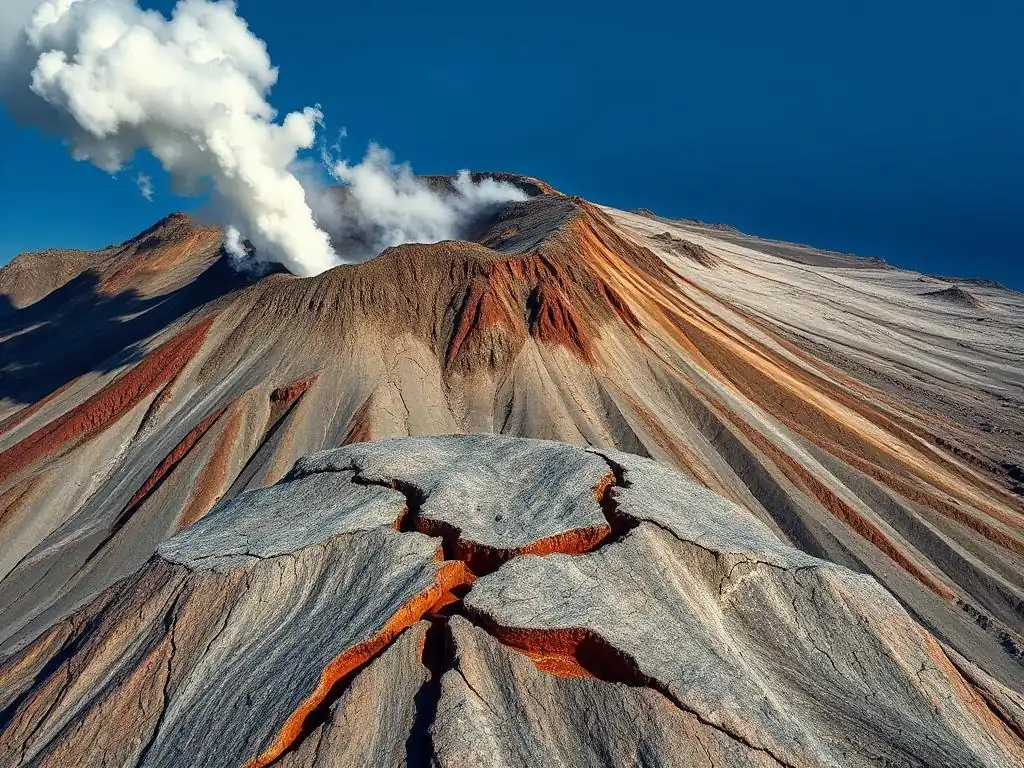
Volcano dome instability manifests in several hazardous forms, primarily explosions, collapses, and the generation of pyroclastic flows. Explosions from domes can range from small, localized bursts of ash and gas to more powerful events capable of generating pyroclastic density currents. These explosions are often driven by the build-up of pressure from trapped gases within the viscous dome structure. When the pressure exceeds the dome's strength, it can rupture violently, fragmenting the surrounding lava and propelling ash and blocks outwards.
Dome collapses are another significant type of instability. They occur when portions of the dome structure become gravitationally unstable and fail, sliding or avalanching down the volcano's flanks. Collapses can be triggered by various factors, including oversteepening of the dome, weakening of the dome material due to hydrothermal alteration, or external triggers like earthquakes or heavy rainfall.
Large dome collapses can be particularly hazardous, as they can generate fast-moving and hot pyroclastic flows. Pyroclastic flows are mixtures of hot gas, ash, and rock fragments that can travel at high speeds down volcanic slopes, posing a severe threat to life and property.
The Role of Dome Structure in Instability
The internal structure of a volcanic dome plays a critical role in its overall stability and susceptibility to collapse or explosion. Domes are not monolithic, homogeneous masses of rock; they are complex structures often composed of multiple lobes of lava emplaced over time. These lobes can be separated by zones of weakness, such as fractures, faults, or layers of ash and pumice. These structural discontinuities can act as planes of weakness, making the dome more prone to failure along these boundaries.
Furthermore, the presence of a conduit system within the dome, through which magma and gases ascend, also influences stability. The conduit can act as a pathway for pressure build-up and release, potentially triggering explosions. The distribution of fractures and porosity within the dome also affects gas permeability and pore pressure, which in turn can influence the likelihood of both explosions and collapses. Understanding the internal architecture of a volcanic dome, including its layering, fracturing, and conduit system, is crucial for assessing its structural integrity and predicting potential failure mechanisms.
Monitoring Dome Deformation: Early Warning Signs
Monitoring dome deformation is a cornerstone of volcano monitoring efforts, providing crucial early warning signs of potential instability. Deformation refers to changes in the shape or volume of the dome, which can be caused by various processes, such as magma inflation, gravitational spreading, or thermal contraction. Measuring and analyzing these deformation patterns can help volcanologists detect subtle changes in dome behavior that may precede more significant and hazardous events.
Techniques like GPS (Global Positioning System) and tiltmeters are widely used to monitor dome deformation. GPS stations placed on and around the dome can track horizontal and vertical movements with millimeter-level precision, revealing patterns of inflation or deflation. Tiltmeters, highly sensitive instruments that measure ground tilt, can detect even minute changes in slope angle, indicating localized deformation. By continuously monitoring deformation, volcanologists can identify accelerating trends that may signal increasing instability and an elevated risk of dome collapse or explosion, providing valuable time for hazard mitigation measures.
Techniques for Studying Volcano Dome Growth Dynamics
Remote Sensing Techniques: Satellite Monitoring and Thermal Imaging
Remote sensing techniques, particularly satellite monitoring and thermal imaging, have revolutionized the study of volcano dome growth dynamics. Satellites equipped with various sensors provide a synoptic and continuous view of volcanic areas, allowing for the monitoring of dome growth and changes over time, even in remote or inaccessible locations. Satellite radar interferometry (InSAR) is a powerful technique that can measure ground deformation over large areas with high precision, detecting subtle changes in dome shape and volume.
Thermal infrared imagery from satellites is also invaluable for monitoring dome activity. Volcanic domes often radiate significant amounts of heat, particularly during periods of active growth or gas emission. Thermal cameras on satellites can detect these thermal anomalies, mapping the distribution of hot areas on the dome surface and tracking changes in thermal output. This information can be used to estimate lava effusion rates, identify areas of intense degassing, and detect potential precursors to explosions or collapses. Remote sensing provides a cost-effective and efficient way to monitor volcano dome growth dynamics on a global scale.
Ground-Based Monitoring: GPS, Tiltmeters, and Gas Measurements
While remote sensing offers broad spatial coverage, ground-based monitoring techniques provide essential high-resolution data and direct measurements of key volcanic parameters. As mentioned earlier, GPS and tiltmeters are fundamental tools for monitoring dome deformation, providing precise measurements of ground movement and tilt at specific locations on and around the dome. These instruments are often deployed in networks to capture the spatial patterns of deformation and track changes over time.
In addition to deformation monitoring, gas measurements are crucial for understanding the processes driving dome growth and instability. Volcanic gases, such as sulfur dioxide (SO2), carbon dioxide (CO2), and water vapor (H2O), are released from magma and can provide insights into magma degassing and changes in magma supply. Gas sensors deployed at fumaroles or using remote sensing techniques can measure the composition and flux of volcanic gases. Changes in gas emission rates or ratios can indicate changes in magmatic activity and potential shifts in eruptive style, complementing deformation data for a comprehensive assessment of dome dynamics.
Modeling Dome Growth: Predicting Future Behavior
Numerical modeling plays an increasingly important role in studying volcano dome growth dynamics and predicting future behavior. These models utilize mathematical equations and computer simulations to represent the physical processes governing dome formation, deformation, and instability. Models can incorporate various factors, such as magma supply rate, lava viscosity, cooling rates, and topographic constraints, to simulate dome evolution under different scenarios.
By comparing model predictions with observed dome behavior, scientists can refine their understanding of the underlying processes and improve the accuracy of forecasts. Models can be used to assess the potential for dome collapse, explosion, or pyroclastic flow generation under different conditions. Furthermore, models can be used to explore the sensitivity of dome behavior to different parameters, helping to identify the key factors that control dome instability. While still under development, numerical modeling is becoming an increasingly valuable tool for volcano hazard assessment and risk mitigation related to volcano dome growth.
Case Studies: Examples of Dome Growth and Instability
Mount Unzen, Japan: Dome Growth and Pyroclastic Flows
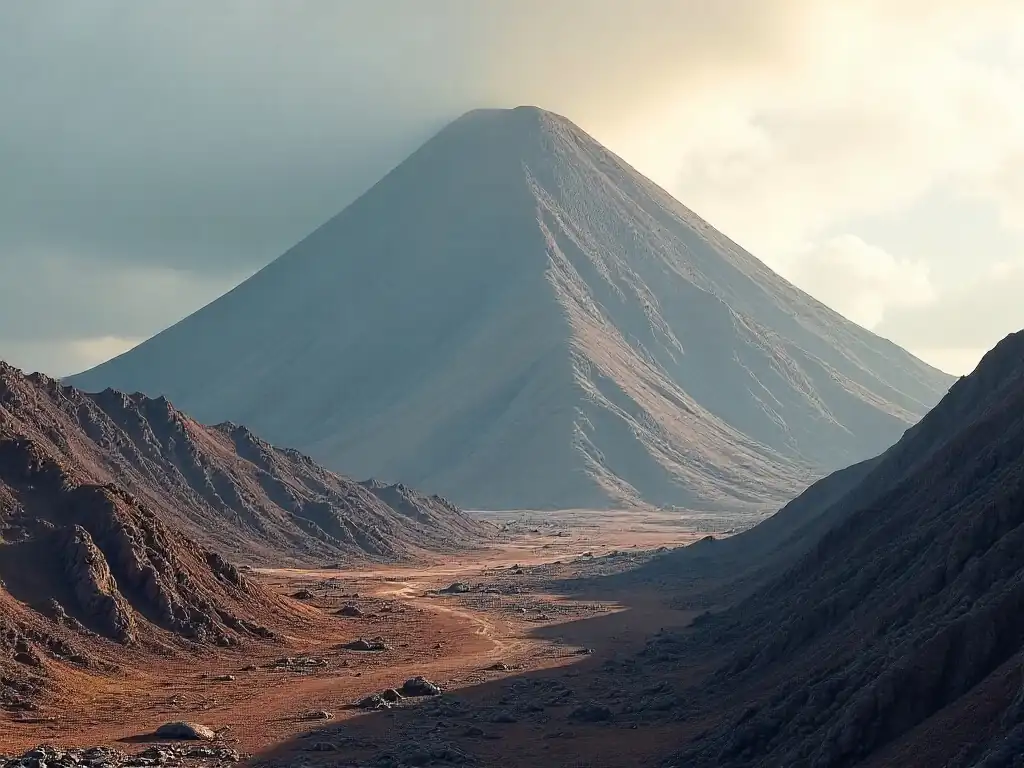
Mount Unzen, located in Japan, provides a stark example of the hazards associated with volcano dome growth. Following a period of seismic unrest, a new lava dome began to grow within the summit crater in 1990. The dome growth was characterized by episodic extrusion of viscous lava, accompanied by frequent dome collapses. These collapses generated numerous pyroclastic flows that swept down the volcano's flanks, devastating surrounding areas and posing a significant threat to nearby communities.
The 1991 eruption of Mount Unzen was particularly tragic. On June 3, 1991, a large dome collapse generated a pyroclastic flow that tragically killed 43 people, including volcanologists and journalists who were observing the eruption. This event underscored the extreme danger of pyroclastic flows associated with dome collapses. The eruption continued with intermittent dome growth and collapses until 1995, leaving a lasting impact on the landscape and highlighting the long-term hazards associated with volcano dome growth at Mount Unzen.
Santiaguito Volcano, Guatemala: Persistent Dome Activity and Lahar Generation
Santiaguito Volcano in Guatemala is a complex of lava domes that has been persistently active since 1922. The domes have grown within a large crater formed by a catastrophic eruption of Santa María Volcano in 1902. Santiaguito is characterized by continuous effusive activity, with lava domes constantly growing and undergoing partial collapses. These collapses are frequent and generate pyroclastic flows and lahars (volcanic mudflows).
The persistent dome activity at Santiaguito poses ongoing hazards to communities living in the valleys surrounding the volcano. Lahars are a particularly significant threat, as they can travel long distances downstream, impacting infrastructure and settlements. Heavy rainfall, common in the region, can exacerbate lahar generation by remobilizing volcanic debris deposited by pyroclastic flows. Santiaguito serves as a prime example of the long-term challenges of managing hazards associated with persistent volcano dome growth and the importance of continuous monitoring and community preparedness.
Chaitén Volcano, Chile: Rhyolitic Dome Emplacement and Environmental Impact
The 2008 eruption of Chaitén Volcano in Chile was a relatively rare example of a large rhyolitic dome eruption. After being dormant for thousands of years, Chaitén erupted explosively in May 2008, followed by the rapid emplacement of a rhyolitic lava dome within the newly formed caldera. Rhyolitic lava is extremely viscous, and the Chaitén dome grew quickly, dramatically altering the landscape.
The eruption and dome growth had significant environmental impacts. Ashfall from the initial explosive phase blanketed surrounding areas, impacting agriculture and water resources. Pyroclastic flows and lahars generated during dome growth also caused widespread devastation. The rapid dome growth and the associated hazards necessitated the evacuation of the town of Chaitén, which was heavily damaged by lahars. The Chaitén eruption highlighted the potential for significant environmental and societal disruption from even relatively short-lived rhyolitic dome eruptions and the challenges of managing eruptions in remote but ecologically sensitive areas.
Challenges in Predicting Dome Instability
Predicting volcano dome instability remains a significant challenge in volcanology. While monitoring techniques have advanced considerably, accurately forecasting the timing, size, and style of dome collapses or explosions is still difficult. One of the primary challenges lies in the complex and often unpredictable nature of volcanic processes. Dome instability is influenced by a multitude of interacting factors, including magma supply rate, viscosity, gas pressure, dome structure, and external triggers.
The internal structure of domes is often poorly known, making it difficult to assess their structural integrity. Changes in magma properties or gas pressure within the dome can occur rapidly and be difficult to detect in advance. Furthermore, external factors like rainfall or earthquakes can act as triggers for dome collapses, adding to the complexity of prediction. Despite these challenges, ongoing research and advancements in monitoring and modeling are continuously improving our ability to assess dome instability and provide more timely and accurate warnings.
Developing Effective Mitigation Strategies
Developing effective mitigation strategies for dome-related hazards requires a multi-faceted approach that integrates scientific monitoring, hazard assessment, community preparedness, and land-use planning. Robust volcano monitoring networks are essential for detecting early warning signs of dome instability. Real-time data analysis and rapid communication protocols are crucial for disseminating timely warnings to civil authorities and the public.
Hazard assessments, based on geological history, monitoring data, and numerical modeling, are necessary for delineating hazard zones and identifying areas at risk from pyroclastic flows, lahars, and explosions. Community preparedness programs, including evacuation planning, education, and drills, are vital for ensuring that communities are ready to respond effectively to volcanic crises. Land-use planning can also play a crucial role in mitigating long-term risk by restricting development in high-hazard zones and promoting resilient infrastructure. An integrated approach that combines these elements is essential for minimizing the impact of dome-related hazards.
The Future of Volcano Dome Research: Advancements and Innovations
The future of volcano dome research is driven by ongoing advancements in monitoring technology, modeling capabilities, and our fundamental understanding of volcanic processes. Improved remote sensing techniques, such as higher-resolution satellite imagery and advanced InSAR methods, will provide more detailed and continuous monitoring of dome deformation and thermal activity. Developments in ground-based monitoring, including more sophisticated gas sensors and seismic networks, will enhance our ability to detect subtle changes in dome behavior.
Numerical modeling is expected to become increasingly sophisticated, incorporating more complex physical processes and utilizing machine learning techniques to improve prediction accuracy. Research into the micro-scale properties of dome lavas and the role of gas in dome instability will further refine our understanding of the fundamental mechanisms controlling dome behavior. These advancements and innovations promise to enhance our ability to forecast dome-related hazards, improve mitigation strategies, and ultimately reduce the risks posed by volcano dome growth to communities worldwide.
Conclusion: The Ongoing Quest to Understand Volcano Dome Growth
Volcano dome growth dynamics represent a fascinating and critically important area of volcanological research. The study of these complex volcanic features is an ongoing race against time, driven by the need to understand, predict, and mitigate the hazards associated with dome instability. From the fundamental processes controlling magma supply and viscosity to the intricate interplay of internal and external factors influencing dome evolution, the quest to unravel the secrets of volcano dome growth is a continuous endeavor.
As monitoring techniques become more sophisticated and modeling capabilities advance, our understanding of volcano dome growth dynamics is constantly improving. This progress translates directly into enhanced hazard assessment, more effective mitigation strategies, and ultimately, a greater capacity to protect communities living in the shadow of these potentially dangerous, yet awe-inspiring, volcanic features. The ongoing pursuit of knowledge in this field remains vital for ensuring a safer future in volcanically active regions around the globe.
Frequently Asked Questions
How does volcano dome growth relate to volcanic instability?
Volcano dome growth often leads to instability because the dome's increasing mass and steep slopes can cause collapses and explosive eruptions. Dome growth dynamics directly influence the likelihood and severity of such events.
What factors contribute to the rate of volcano dome growth?
The rate of dome growth is influenced by factors such as the magma supply rate, magma viscosity, and the strength of the surrounding rocks. These factors dictate how quickly magma rises and accumulates at the surface.
What are the primary dangers associated with rapid volcano dome growth?
Rapid dome growth poses dangers like pyroclastic flows, explosive eruptions, and lahars (mudflows). These hazards can result from dome collapse and the release of trapped gases within the dome.
How do volcanologists monitor volcano dome growth dynamics?
Volcanologists use techniques like satellite imagery, ground-based radar, and gas emission monitoring to track dome growth. This data helps them assess the stability of the dome and potential eruption risks.
What can be done to mitigate the risks associated with volcano dome growth?
Mitigation strategies include hazard mapping, evacuation planning, and early warning systems based on monitoring data. These measures aim to reduce the impact of dome collapse and associated volcanic hazards on nearby communities.
Final Reflection: Embracing the Volcanic Dance
The intricate dance of volcano dome growth dynamics is not merely an academic exercise; it's a vital understanding that directly impacts the safety and well-being of communities living near active volcanoes. The insights gleaned from studying these processes are crucial for predicting potential instabilities and mitigating the devastating consequences of volcanic eruptions. This research underscores the urgent need for continued investigation and refinement of our predictive models.
This relentless pursuit of knowledge about volcano dome growth has profoundly shaped our understanding of volcanic hazards and continues to influence risk assessment strategies globally. Witnessing the power of nature, both destructive and awe-inspiring, compels us to respect its forces and dedicate ourselves to protecting vulnerable populations. The only constant is change.
- Heraclitus. This ancient wisdom rings true in the dynamic world of volcanology, reminding us that continuous learning and adaptation are essential to navigate the unpredictable nature of volcanic activity.
As you reflect on the complexities of volcano dome growth dynamics, consider the broader implications of scientific inquiry and its role in safeguarding humanity. Let the insights gained from this exploration inspire you to appreciate the delicate balance of our planet and to support efforts that promote resilience in the face of natural hazards. Engage with the science, advocate for research, and contribute to a future where communities can coexist more safely with the powerful forces of nature.
Unveil the Secrets of Volcano Monitoring!
Thank you for exploring the fascinating world of dome growth dynamics! We hope you now have a clearer understanding of the complex interplay between volcanic activity and instability. Ready to deepen your involvement in volcano exploration?
Here are a few ways to continue your learning journey:
- Join our Volcano Explorers community forum to connect with fellow enthusiasts and share your insights on recent volcanic activity. This is a great way to contribute and expand your knowledge.
- Explore our interactive map showcasing real-time data from volcano observatories worldwide. Discover which volcanoes are currently under observation and learn about the monitoring techniques employed by scientists.
- Share this article with your network to spark discussions about the importance of understanding and mitigating volcanic hazards.
What surprised you most about dome growth dynamics, and how will you apply this new knowledge to better understand volcanic risk in your area or globally?