The Devil's Tower Enigma: Unraveling the Legend of a Volcanic Neck
Unravel the mystery of Devil's Tower! VolcanoExplorers.org explores the legend and geological formation of this iconic volcanic neck, revealing the science behind…
Read article
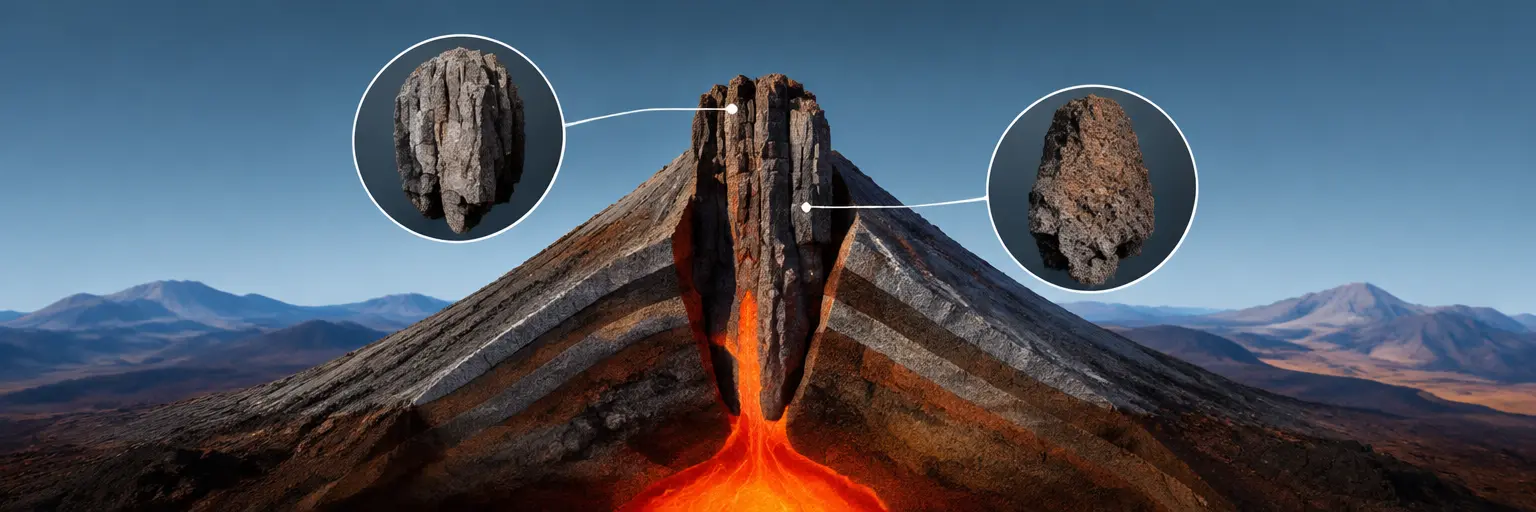
Discover the hidden giants beneath ancient volcanoes—volcanic plugs and necks are the solidified throats of long-extinct eruptions, standing as dramatic rock towers that reveal Earth’s fiery past. These rugged formations, from Scotland’s iconic castle-topped crags to New Mexico’s Shiprock pinnacle, form when magma hardens inside a volcano’s vent and erosion strips away the softer outer cone. As a cornerstone of volcano types and features, plugs and necks offer a rare glimpse into the plumbing system that feeds eruptions, making them a favorite subject for geologists and adventure travelers alike. On VolcanoExplorers.org, we unravel the science behind these monoliths—how they resist weathering, their role in landscape evolution, and why they often become natural landmarks or sacred sites. Whether you’re a budding volcanologist, a hiker seeking dramatic silhouettes, or a curious reader drawn to planetary forces, exploring these stoic remnants connects you to the raw energy that shaped our world. Learn to identify them in the field, understand their connection to magma viscosity and cooling rates, and see how they differ from other volcanic structures like craters or lava domes.
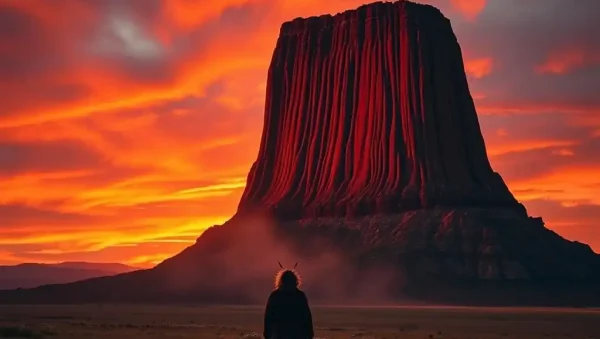
Unravel the mystery of Devil's Tower! VolcanoExplorers.org explores the legend and geological formation of this iconic volcanic neck, revealing the science behind…
Read article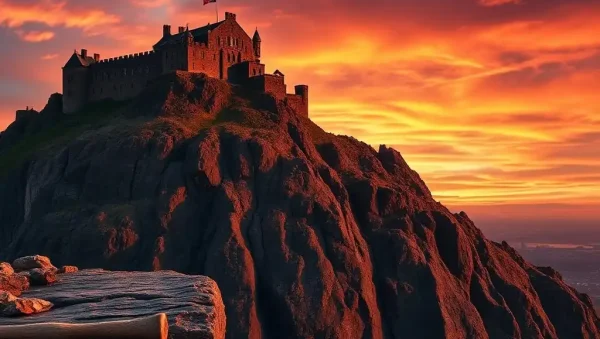
Discover Edinburgh's dramatic volcanic past! VolcanoExplorers.org unveils the geological secrets of Castle Rock, offering an enthralling Edinburgh volcanic geology exploration. Uncover the…
Read article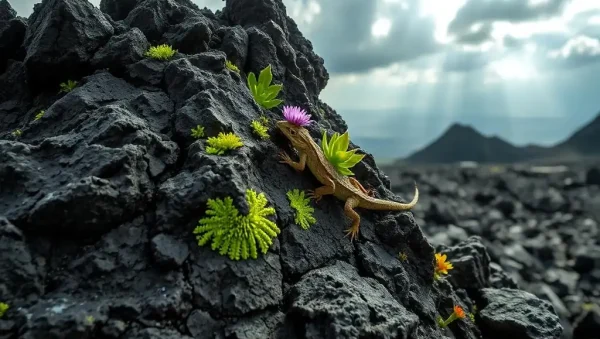
Volcanic plugs, seemingly barren rock, surprisingly support unique ecosystems. VolcanoExplorers.org explores the fascinating ecology of volcanic plug habitats, revealing the surprising biodiversity…
Read article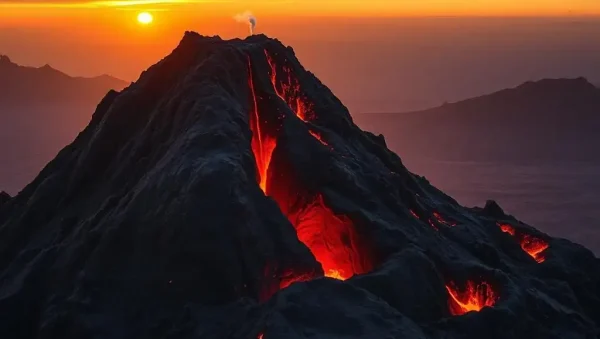
Uncover the mystery of plutons! VolcanoExplorers.org reveals how understanding volcanic plug formation unlocks secrets of deep magma chambers, connecting surface eruptions to…
Read articleWelcome to the awe-inspiring world of volcanic plugs and necks—the resilient cores of long-extinct volcanoes that stand as silent sentinels across our planet's landscapes. These geological wonders are formed when magma solidifies within a volcano's central conduit, and erosion later strips away the softer surrounding rock, exposing a towering, often columnar structure. For adventurers, geologists, and nature lovers alike, exploring volcanic plugs offers a tangible connection to Earth's fiery past. On this page, you'll discover how these formations arise, where to find the most famous examples, why they matter for science and tourism, and how to identify them in the wild.
Volcanic plugs and necks begin their life deep beneath an active volcano, where magma rises through a central pipe, or conduit, toward the surface. When volcanic activity ceases, the molten rock within this pipe cools and crystallizes into hard igneous rock, such as basalt, rhyolite, or phonolite. Over millennia, relentless wind, rain, and glacial erosion strip away the less-resistant volcanic cone—composed of ash, tuff, and breccia—leaving the solidified core standing proud. The result is a steep, often cylindrical tower that may rise hundreds of meters above the surrounding terrain. Key factors influencing plug durability are the rock's mineral composition and jointing patterns, which can create striking hexagonal columns, as seen at Devil's Tower in Wyoming.
Visitors should note that while plugs appear monolithic, they often exhibit internal structures like radial cooling joints and vertical fractures. These features not only enhance their visual drama but also make them prime locations for studying magma rheology and cooling rates. Understanding the formation process helps explain why some plugs survive while others crumble, and it offers a window into the final eruptive phases of a volcano. Every plug tells a story of a once-active vent that has since fallen silent, yet remains impervious to time's destructive hand.
Across the globe, volcanic plugs form iconic landmarks that attract millions of tourists and researchers. Devil's Tower in the United States, a 1,267-foot basalt plug, is perhaps the most celebrated, sacred to several Native American tribes and a premier rock-climbing destination. In Scotland, Arthur's Seat in Edinburgh is a plug of an extinct Carboniferous volcano, offering panoramic city views. Morocco's Beni Mellal region features the dramatic Jbel Toubkal é, though it is a pluton, while Ship Rock in New Mexico rises over 1,500 feet, its radiating dikes resembling frozen lightning. Other notable sites include Castle Rock in Edinburgh, the Peña de Bernal in Mexico—one of the world's largest monoliths—and Morro de Arica in Chile, a towering neck on the Pacific coast.
For travelers, these sites offer a dual experience: geological marvel and cultural heritage. Many plugs are encircled by hiking trails, interpretive centers, and local legends. Visiting them provides an opportunity to witness erosion's artistry while appreciating how ancient volcanic activity has shaped modern geography. Whether exploring a desert plug or a coastal neck, you'll be walking in the footsteps of magma that once powered a living mountain. Plan your trip with local guides, and always respect access regulations to preserve these fragile natural monuments.
Volcanic plugs are natural archives of a volcano's final eruptive phases. By analyzing the crystallized magma, geologists can determine eruption temperatures, pressures, and magma composition, helping to reconstruct past volcanic behavior. For instance, the presence of phenocrysts or vesicles can indicate gas content and eruption explosivity. Plugs also delimit the position of the main conduit, allowing scientists to map the volcano's plumbing system. This information is crucial for assessing hazards at currently active volcanoes, as plugs at extinct sites offer a comparative model for magma ascent and stagnation. Dating techniques, such as argon-argon or uranium-lead, on plug rocks provide absolute ages that anchor the timeline of regional volcanic activity.
Moreover, plugs influence local hydrology and ecosystems. Their impermeable rock can act as a barrier to groundwater flow, creating springs or wetlands at their base. The rocky surfaces often host rare, endemic plant species adapted to exposed, mineral-rich substrates. For ecologists, these microhabitats are living laboratories of succession and adaptation. By studying plugs, we not only unravel geological history but also understand how volcanic legacies persist in modern landscapes. This multidisciplinary value underscores the importance of protecting these sites for future research.
For adventure seekers, volcanic plugs and necks offer some of the most thrilling climbing and hiking experiences on Earth. The sheer vertical faces of basalt or phonolite provide challenging routes for experienced climbers, while easier trails often loop around the base, offering dramatic perspectives. At Devil's Tower, climbers can ascend crack systems that have carved over centuries by frost wedging. In contrast, the Peña de Bernal allows a moderately strenuous hike to its summit chapel, rewarding hikers with panoramic views of the Mexican highlands. Many plugs feature steep, blocky talus slopes on their flanks, requiring careful footing but yielding stunning geological exposures.
Before setting out, check weather conditions and park regulations, as some sites restrict access to protect nesting birds or fragile rock art. Always carry plenty of water, wear sturdy footwear, and inform someone of your itinerary. Safety is paramount: eroding plug bases can create unstable rubble, and lightning strikes are a risk on exposed heights. For a less strenuous experience, many parks offer guided interpretive walks that explain the plug's formation while highlighting local flora and fauna. Whether you conquer the summit or admire from afar, the sense of standing beside a relic of Earth's fiery past is unforgettable.
Distinguishing a volcanic plug from other prominent landforms like buttes, mesas, or laccoliths is essential for amateur geologists. Plugs are typically steep-sided, roughly cylindrical, and composed of fine-grained igneous rock that cooled rapidly near the surface. Buttes and mesas, by contrast, are flat-topped erosion remnants of sedimentary strata with a caprock, not magma conduits. Laccoliths and sills are intrusive sheets that bulge upward but lack the vertical pipe structure of a plug. Key identifiers include radiating dikes emanating from the plug, concentric cooling columns, and the absence of a layered bedrock sequence. Also, plugs often retain remnants of the original volcanic cone's ejecta at their base, such as pyroclastic deposits.
Observing joint patterns is a practical field technique: plugs commonly show columnar jointing perpendicular to the cooling surface. If you find a vertical pipe with hexagonal columns, you're almost certainly looking at a plug. Additionally, plugs often have a darker, more homogeneous appearance than surrounding eroded sediments, standing out starkly in aerial views. Whenever in doubt, consult a local geological survey map or use a hand lens to inspect the rock's texture. With a bit of practice, you'll be able to spot these ancient volcanic hearts from a distance—and impress fellow hikers with your geological prowess.
Technically, the terms are synonymous, but "neck" often refers to the exposed erosional remnant of a conduit that is taller than it is wide, while "plug" can denote the solidified magma itself, whether exposed or not. In practice, they are used interchangeably in geology and tourism, with "neck" emphasizing the landform shape and "plug" the rock body.
No, volcanic plugs are the solidified remains of extinct or dormant volcanoes, meaning they have not erupted in thousands or millions of years. However, they can be physically hazardous due to loose rock falls, especially after heavy rain or earthquakes. Always follow posted safety warnings when visiting.
Many plugs are climbable, but access varies by site. Some, like Devil's Tower, require permits and technical climbing skills, while others have hiking trails to the summit, like Peña de Bernal. Always check local regulations, as some are sacred sites or protected natural areas with restrictions.
Hexagonal columns form during cooling contraction of lava or magma. As the rock cools, it shrinks and cracks, and the most efficient way to release stress is by creating polygonal columns—typically hexagonal. This jointing pattern is common in basaltic plugs and gives them their striking appearance.
Yes, every active volcano with a central conduit has the potential to become a plug after its final eruption, if the magma in the pipe cools and later erosion exposes it. Over thousands of years, the softer cone will weather away, leaving a hardened plug—just as we see today at ancient sites worldwide.