Unveiling Volcano Shelters: Your Fortress Against Fury
VolcanoExplorers.org provides crucial volcano shelter safety tips and resources for those living near active volcanoes. Learn about volcano types, eruption history, and…
Read article
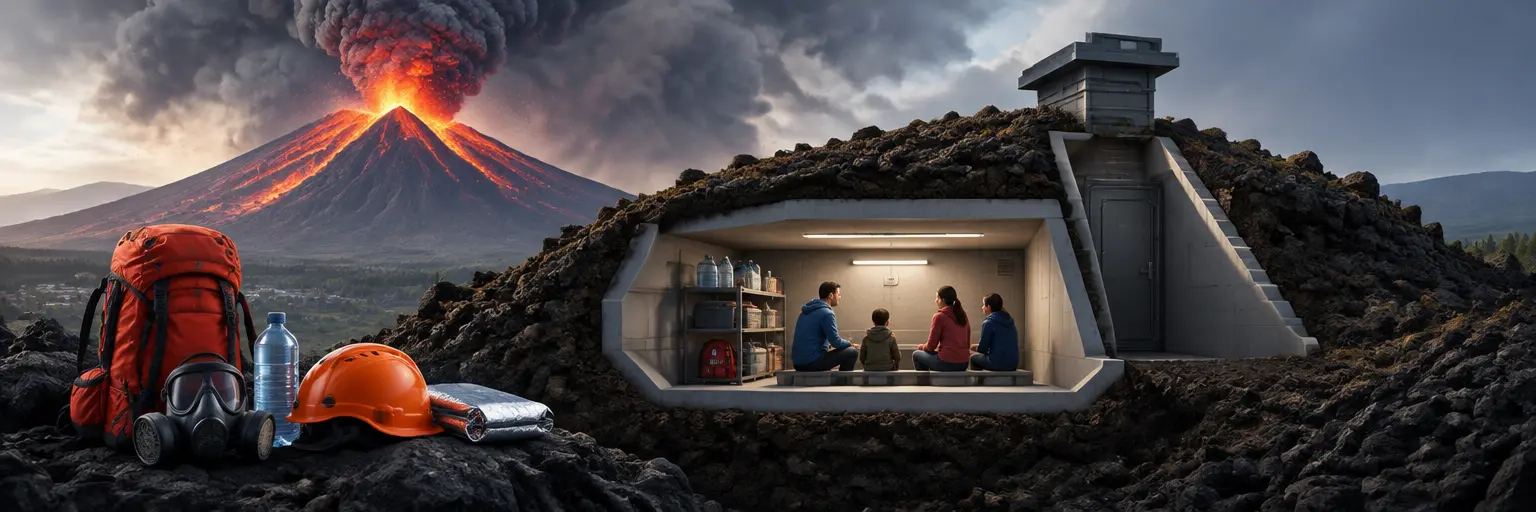
When molten rock meets the sky, the difference between chaos and survival often comes down to preparedness—and knowing exactly where to turn when the ground begins to shake and ash starts to fall. 🌋 Our dedicated guide to volcanic shelters and safety measures during eruptions breaks down the life-saving protocols every resident, traveler, and adventure-seeker should master. From hardened emergency bunkers designed to withstand pyroclastic surges to smart evacuation routes that avoid lava flows and toxic gas clouds, we cover the essential strategies that volcanologists and emergency teams recommend. You’ll learn how to assess local hazard zones, what supplies to stock in a “go-bag” for immediate departure, and why *sheltering in place* is sometimes safer than fleeing—especially when ashfall threatens visibility and respiratory health. We also dive into the crucial difference between short-term refuge in a sturdy building versus long-term displacement, plus the role of community warning systems and early signals that give you precious extra minutes.
VolcanoExplorers.org provides crucial volcano shelter safety tips and resources for those living near active volcanoes. Learn about volcano types, eruption history, and…
Read article
Discover the hidden layer of volcano safety: VolcanoExplorers.org reveals the crucial role of underground bunkers in protecting communities threatened by volcanic eruptions.…
Read article
VolcanoExplorers.org ignites your passion for volcanoes while prioritizing safety. Explore stunning visuals, learn about volcanic activity, and discover crucial volcano tourism safety…
Read article
VolcanoExplorers.org explores the science and beauty of volcanoes, offering crucial safety information for those living near active ones. Learn about modern volcanic…
Read article
Volcanic eruptions pose unique transportation challenges. VolcanoExplorers.org offers crucial volcano evacuation transportation tips and safety advice for those living near active volcanoes,…
Read article
VolcanoExplorers.org emphasizes volcano eruption safety drills, crucial for communities near active volcanoes. Learn vital preparedness strategies and evacuation plans to ensure your…
Read articleWhen a volcano erupts, seconds and minutes matter. This subcategory is your definitive resource for understanding the types of volcanic shelters—from hardened lava tubes to purpose-built bunkers—and the critical safety measures that can mean the difference between life and death. Designed for residents of volcanic regions, emergency planners, and adventure travelers alike, we combine scientific research with practical, actionable steps. You’ll learn how to reinforce your home, when to evacuate, what to pack in a volcano-specific emergency kit, and how to protect yourself from ashfall, pyroclastic flows, and toxic gases. Prepare to transform fear into informed readiness with expert guidance tailored to real-world eruption scenarios.
Volcanic shelters are not one-size-fits-all. This section breaks down the three primary shelter options: hardened safe rooms designed to withstand blast pressure and heat, community evacuation centers positioned outside hazard zones, and natural features like reinforced caves or lava tubes that offer temporary refuge. Each option has specific strengths and limitations depending on the eruption style—explosive versus effusive. We explain how engineers reinforce roofs against tephra accumulation, why windows must be sealed against ash infiltration, and how to assess a shelter’s distance from lahar pathways. You’ll also learn about portable inflatable shelters used by volcanologists in extreme fieldwork, providing a glimpse into cutting-edge survival technology.
For homeowners, retrofitting an existing structure is often more practical than building a custom bunker. This includes installing fire-resistant roofing materials, reinforcing exterior walls with concrete or steel mesh, and creating a positive-pressure ventilation system to keep ash and gases out. We detail step-by-step DIY methods under a moderate budget, plus when professional engineering is non-negotiable. Crucially, we emphasize that no shelter guarantees survival against a pyroclastic flow—the deadliest volcanic hazard—so shelters are a secondary layer of defense after evacuation. By understanding the physics of each eruption type, you’ll know exactly which shelter feature matters most for your specific geographic risk profile.
Preparedness begins long before the first tremor. Here, we explore the essential safety measures to implement in the weeks and months leading up to a potential eruption. The cornerstone is a volcano-specific family emergency plan that includes designated meeting points, out-of-state contacts, and laminated evacuation route maps. You’ll learn how to monitor seismic activity through free apps and local geological survey alerts, distinguishing between harmonic tremors (magma movement) and volcano-tectonic earthquakes (rock fracture). We also cover the importance of pre-registering for community notification systems, setting up backup communication via ham radio or satellite messengers, and establishing a neighborhood watch protocol to check on elderly or disabled residents during an emergency.
Another critical measure is the creation of a “go-bag” tailored to volcanic hazards, differing from standard earthquake kits. This includes N95 or P100 masks to filter fine ash particles, goggles, a hard hat to protect against falling projectiles, and sealed containers for water and food to prevent ash contamination. We provide a printable checklist with quantities based on your family size and a 72-hour autonomy window. Additionally, we guide you in pre-drilling structural reinforcements—like installing hurricane straps on roofs to handle ash weight—and conducting regular evacuation drills that simulate zero-visibility conditions. These measures reduce panic and ensure muscle memory takes over when sirens blare, dramatically improving your family’s response time and survival odds.
When eruption begins, your actions in the first 15 minutes dictate outcomes. This section details the critical safety measures to execute immediately. First, heed mandatory evacuation orders without hesitation if you’re within the danger zone—delaying by just 10 minutes can be fatal. If evacuation is impossible, move to your designated safe room, closing all doors and windows, and sealing gaps with wet towels or duct tape to block ash. We explain the proper technique for driving through falling ash (headlights on, slow speed, frequent air filter checks) and why you should avoid low-lying areas prone to lahar deposits. You’ll also learn to recognize the warning signs of a pyroclastic surge—a roaring sound, ground shaking, and a dark racing cloud—and the only potential survival action: seeking high ground behind a solid barrier.
Ashfall is the most widespread hazard, and this segment covers respiratory protection and property damage mitigation. We teach you how to improvise a mask using damp cloth if masks are unavailable, why you should never run or exert yourself outdoors, and how to protect electronics and engines by covering them with tarps or plastic sheeting. For home defense, we outline continuous ash removal techniques from flat roofs to prevent collapse, but with a crucial caveat: only do so if safe and if structural integrity is confirmed. Additionally, we address water safety—ash can contaminate supply—and proper sanitization methods for personal drinking sources. By following these protocols, you minimize acute health risks from silicosis and eye abrasions while preserving the livability of your property for post-eruption recovery.
The eruption may stop, but danger persists. This section focuses on safety measures during the aftermath, often the most under-prepared phase. Immediately after, avoid returning to your home until officials declare it safe, as ground collapses, toxic gas pockets, and still-hot debris are common. We explain how to check for structural damage safely, including looking for cracks, shifting foundations, and ash-induced corrosion on metal fittings. Your health is paramount: continue wearing masks to avoid inhaling resuspended ash, and monitor for symptoms like coughing, throat irritation, or skin rashes. We also provide a clear protocol for disposing of ash—never use it as compost, and follow local guidelines for landfill disposal to prevent waterway pollution.
Cleanup involves both safety and efficiency. We detail how to wet ash slightly before sweeping to minimize dust, why you should never use leaf blowers, and how to protect your lungs with a two-layer mask system. For water systems, we guide you in flushing pipes and testing for contamination before consumption. Longer-term, we address mental health support for survivors experiencing anxiety or PTSD from the trauma, emphasizing that community support groups and professional counseling are vital safety measures for psychological well-being. Additionally, we provide a checklist for documenting property damage for insurance claims, including timestamped photos and ash sample collection for verification. These post-eruption measures ensure you don’t become a secondary casualty from environmental toxins or unsafe structures.
A robust emergency kit is a non-negotiable safety measure that can sustain you for 72 hours or more. We break down the kit into three categories: protection gear, survival essentials, and specialized volcanic tools. Protection gear includes respirators, safety goggles, heavy-duty gloves, and sturdy waterproof boots to navigate ash-covered terrain. Survival essentials comprise potable water (one gallon per person per day), non-perishable food, a manual can opener, flashlights with extra batteries, a first-aid kit, and a multi-tool knife. Specialized volcanic tools include a hand-crank or solar-powered radio, a whistle to signal for rescue, a tarp for creating a temporary shelter, and a supply of heavy-duty plastic sheeting to cover electronics or vehicle vents.
Maintenance is as critical as assembly. We recommend a bimonthly review schedule to check expiration dates, rotate food and water, and test batteries and communication devices. Store your kit in a waterproof, hard-sided container near an exit, and ensure every family member knows its location. Additionally, include copies of important documents—IDs, insurance policies, and medical records—in a sealed plastic bag, along with a small amount of cash in small denominations. For pet owners, we include a specific section on creating a separate kit for animals, including leashes, food, and a portable water bowl. Finally, we suggest practicing a “kit drill” every six months to ensure you can grab and deploy all supplies within 2 minutes, reinforcing your readiness and reducing anxiety during an actual crisis.
The safest place is a hardened shelter or your designated safe room, but only if evacuation is impossible. For explosive eruptions, a basement or interior room without windows offers best protection against blasts and ash. However, no shelter withstands a pyroclastic flow, so always evacuate if ordered. For ashfall, the safest is indoors with all windows sealed and ventilation off.
You should review and rotate your kit every six months, checking expiration dates on food, water, and medications. Batteries should be tested and replaced annually. Update contact information, maps, and any seasonal clothing or gear. After any significant volcanic activity or if you move to a new location, do a full re-evaluation to ensure your kit aligns with current risks.
N95 masks filter out 95% of airborne particles, including fine ash, but they are not foolproof. They require a proper seal and are ineffective if wet or ill-fitting. For extended exposure, use P100 masks with a higher filtration efficiency. Always pair masks with goggles to protect eyes, and avoid physical exertion to reduce breath intake.
A lahar is a fast-moving mudflow or debris flow composed of volcanic ash, rock, and water, often triggered by rain or melted snow. A pyroclastic flow is a superheated mixture of gas and rock fragments racing down the slope at hundreds of miles per hour. Both are deadly, but lahars can occur hours or days after an eruption, while pyroclastic flows occur during the eruption itself.
Yes, sealing windows helps prevent ash and toxic gases from entering, but use caution. Close all windows and doors, then apply duct tape or plastic sheeting over any gaps or cracks. Avoid using tape on surfaces that may need emergency access. Also, turn off heating and air conditioning systems to prevent drawing outside air in. This measure is effective for ashfall but provides limited protection against explosive blast waves.