
Volcano Drills: Practicing for Eruption Day – Are You Ready?

Welcome to Volcano Explorers!
Ever wondered what it truly means to live alongside a sleeping giant? Imagine the rumble, the ash, the sheer power of a volcano awakening. We delve deep into the heart of these fiery mountains, but today, we're focusing on something crucial: your safety. Are you truly prepared for an eruption? This article explores the vital importance of volcano eruption safety drills, uncovering the steps you can take to safeguard yourself and your community. But are drills enough? Dive in and discover what it takes to truly be ready for eruption day.
- Mount St. Helens Eruption Drills: Practicing for Volcanic Activity – Are You Ready?
- Volcano Eruption Safety Drills: Why Prepare with Practice?
- Planning Your Volcano Eruption Safety Drill: A Step-by-Step Guide
- What to Practice During Your Volcano Eruption Drill
- Post-Eruption Drill Review and Improvement
- Real-World Benefits of Volcano Eruption Drills
- Volcano Eruption Preparedness: Beyond the Drill
-
Frequently Asked Questions
- What is the primary purpose of volcano eruption safety drills?
- How often should volcano eruption safety drills be conducted?
- What are some key elements to include in a volcano eruption safety drill?
- What should individuals do during a volcano eruption safety drill?
- Where can I find more information about volcano eruption safety and preparedness?
- Final Reflection: Embracing Preparedness in the Shadow of Giants
- Ignite Your Preparedness: Master the Volcano Drill!
Mount St. Helens Eruption Drills: Practicing for Volcanic Activity – Are You Ready?
Volcano Eruption Safety Drills: Why Prepare with Practice?
Understanding the Importance of Volcano Preparedness
Living near a volcano requires a heightened sense of awareness and preparedness. Volcanoes, while capable of breathtaking beauty and geological wonder, pose significant risks, including ashfall, pyroclastic flows, lahars (volcanic mudflows), and lava flows. The impact of these hazards can range from minor disruptions to catastrophic devastation, affecting not only human lives but also infrastructure, agriculture, and the environment.
Understanding the specific volcanic threats in your area is the first crucial step in effective volcano preparedness. For instance, communities near stratovolcanoes like Mount Rainier in Washington face significant lahar risks, while those near shield volcanoes in Hawaii might be more concerned with lava flows and volcanic gases.
Volcano preparedness is not merely about understanding the risks theoretically; it's about taking proactive steps to mitigate potential harm. This involves creating emergency plans, assembling necessary supplies, and, crucially, practicing what to do when a volcanic eruption occurs. The unpredictability of volcanic eruptions means that readiness cannot be a passive state. It demands active engagement and regular practice to ensure that individuals and communities can respond effectively and safely when faced with volcanic activity. Effective preparedness can dramatically reduce the impact of a volcanic event, saving lives and minimizing property damage.
The Role of Drills in Mitigating Volcanic Hazards
Volcano eruption safety drills are a cornerstone of effective volcano preparedness. Just as fire drills are essential in schools and workplaces, volcano drills prepare individuals and families to react swiftly and correctly during a volcanic crisis. The primary role of these drills is to instill muscle memory and reduce panic in an actual emergency. When people know what to do instinctively, they are less likely to freeze or make poor decisions under pressure. This can significantly improve evacuation times and adherence to safety protocols.
Furthermore, volcano safety drills serve as a practical way to test and refine emergency plans. By simulating different eruption scenarios, drills can reveal weaknesses in a family's or community's preparedness strategy. For example, a drill might expose that a designated evacuation route is impractical due to traffic congestion or that communication methods are unreliable in certain conditions. Identifying these shortcomings in a controlled drill environment allows for adjustments and improvements to be made before a real eruption, ultimately enhancing the overall effectiveness of volcano eruption safety drills and preparedness efforts.
Planning Your Volcano Eruption Safety Drill: A Step-by-Step Guide
Step 1: Assessing Your Volcanic Risk Zone
Before conducting any volcano eruption safety drills, it's essential to understand the specific volcanic hazards that pose a threat to your location. Volcanic risk zones are typically defined by geological surveys and volcano observatories, like the USGS Volcano Hazards Program in the United States. These zones are based on the potential reach of different volcanic hazards such as pyroclastic flows, lahars, ashfall, and lava flows, derived from past eruptions and geological studies of the volcano. Consult hazard maps provided by these agencies to determine if your home, workplace, or school is within a designated risk zone.
Understanding your risk zone informs the type of volcano eruption safety drills you need to practice. For example, if you live in a lahar-prone area, your drills should heavily emphasize rapid evacuation to higher ground. If you live further away but still within an ashfall zone, your drills should focus more on shelter-in-place protocols and protecting yourself from ash inhalation. Accurate risk assessment is the foundation upon which all effective volcano preparedness plans and volcano eruption safety drills are built, ensuring that your efforts are focused and relevant to the specific dangers you face.
Step 2: Creating a Family Emergency Plan for Volcanic Eruptions
Developing a comprehensive family emergency plan is crucial for volcano preparedness. This plan serves as a roadmap for action during a volcanic eruption and should be discussed and understood by all family members. The plan should address key aspects of emergency response, including evacuation procedures, communication strategies, and shelter-in-place protocols. It should also consider the specific needs of each family member, including children, elderly individuals, and those with disabilities.
A well-structured family emergency plan for volcanic eruptions should be written down and easily accessible. It's not enough to simply discuss the plan; having it in writing ensures clarity and serves as a reference point during stressful situations. Regularly review and update this plan, especially as family circumstances change, such as children growing older or moving, or changes in residence or workplace locations. This living document should be a central part of your volcano preparedness efforts, guiding your volcano eruption safety drills and real-life responses.
Identifying Evacuation Routes and Meeting Points
A critical component of your family emergency plan is identifying primary and secondary evacuation routes away from the volcanic hazard zone. These routes should lead to pre-determined safe locations outside of the potential impact area. Consult local emergency management agencies for recommended evacuation routes in your area, as they are designed to optimize traffic flow and safety during a mass evacuation. Drive these routes in advance to familiarize yourself with them and identify potential bottlenecks or alternative paths.
Establish both local and out-of-area meeting points. A local meeting point could be a neighbor's house or a community center outside the immediate hazard zone, while an out-of-area meeting point could be a town or city several miles away. Having both options accounts for different eruption scenarios and evacuation distances. Ensure all family members know the addresses and directions to these meeting points and understand that these are the places to reunite if separated during an evacuation. Practicing these evacuation routes and meeting at these points should be a regular part of your volcano eruption safety drills.
Establishing Communication Protocols
Effective communication is vital during a volcanic eruption. Your family emergency plan must include clear communication protocols to ensure everyone can stay in touch and informed. Designate an out-of-state contact person. During a widespread emergency, local phone lines can become overloaded, but long-distance lines often remain more reliable. This out-of-state contact can serve as a central point of communication for family members to check in and relay information if local communication is disrupted.
Explore multiple communication methods beyond traditional landlines. Cell phones, text messaging, email, and even two-way radios can be valuable tools. However, be aware that cellular networks can become congested or fail during a major event. Text messages often have a better chance of getting through during network congestion than voice calls. Ensure family members know how to use these communication devices and have backup power sources for them, such as portable chargers or car chargers. Practicing communication protocols, like sending test messages to the out-of-state contact during volcano eruption safety drills, is essential to confirm their effectiveness.
Step 3: Assembling a Volcano Emergency Kit
A well-stocked volcano emergency kit is indispensable for volcano preparedness. This kit should contain all the essential supplies your family would need to survive for at least 72 hours, and ideally longer, in the aftermath of a volcanic eruption. Think of it as your grab-and-go bag for when evacuation is necessary or your shelter-in-place stockpile if staying home is the safer option. Keep your emergency kit in an easily accessible location, and ensure all family members know where it is.
Regularly check and replenish your volcano emergency kit. Food and water should be replaced according to their expiration dates, and batteries should be tested periodically. Customize your kit to meet the specific needs of your family, considering factors like medications, infant supplies, pet needs, and any special dietary requirements. Reviewing and updating your emergency kit should be a routine part of your overall volcano preparedness strategy and should be checked before conducting volcano eruption safety drills.
Essential Supplies for a Volcanic Emergency
The contents of your volcano emergency kit should be comprehensive and cater to various needs during a volcanic event. Water is paramount; aim for at least one gallon of water per person per day for drinking and sanitation. Non-perishable food items like canned goods, energy bars, and dried foods are crucial for sustenance. A manual can opener is essential if you include canned food. Consider including comfort items such as blankets, pillows, and toys for children to help manage stress during a prolonged emergency.
Clothing suitable for varying weather conditions should also be included, such as extra layers, rain gear, and sturdy shoes. Hygiene items like soap, hand sanitizer, toilet paper, and feminine hygiene products are important for maintaining health and sanitation. Don't forget essential documents like copies of identification, insurance information, and medical records in a waterproof bag. Cash is also important as electronic payment systems may be disrupted during an emergency. A well-rounded kit ensures you are prepared for a range of challenges following a volcanic eruption.
N95 Masks, Goggles, First-Aid Kit, Water, Food, Flashlight, Radio
Specific items are particularly crucial in a volcano emergency kit due to the unique hazards associated with volcanic eruptions. N95 masks or respirators are vital for protecting your lungs from volcanic ash, which can cause respiratory irritation and exacerbate pre-existing conditions. Goggles or protective eyewear shield your eyes from ash and volcanic gases, preventing irritation and injury. A well-stocked first-aid kit is essential for treating minor injuries and managing medical emergencies. Include pain relievers, antiseptic wipes, bandages, and any prescription medications needed by family members.
A flashlight and a battery-powered or hand-crank radio are critical for staying informed during power outages and for receiving emergency broadcasts. Extra batteries for both are essential. Water and non-perishable food, as previously mentioned, are fundamental for survival. Consider including a whistle to signal for help if needed. These specific items, in addition to general emergency supplies, are tailored to the challenges presented by volcanic eruptions and should be prioritized when assembling your volcano emergency kit for volcano eruption safety drills and real-life events.
Step 4: Conducting Regular Volcano Safety Drills
Regular volcano eruption safety drills are the practical application of your preparedness planning. The frequency and type of drills should be tailored to your individual and community needs and the level of volcanic risk in your area. The drills should be realistic and simulate different aspects of a volcanic emergency, from initial warnings to evacuation and shelter-in-place scenarios. Treat each drill as if it were a real event to maximize its effectiveness and identify areas for improvement in your response plan.
Document your volcano eruption safety drills, noting what went well and what needs improvement. This record will help you track your progress and refine your preparedness strategies over time. Involve all family members in the drills and make them age-appropriate and engaging, especially for children. The goal is to make preparedness a routine and instill confidence in your ability to respond effectively during a volcanic eruption.
Simulating Different Volcanic Eruption Scenarios
To ensure comprehensive preparedness, volcano eruption safety drills should simulate various eruption scenarios. Practice drills for both rapid onset eruptions, where evacuation is the immediate priority, and for eruptions with a longer lead time, where shelter-in-place might be the initial response. Simulate different volcanic hazards, such as ashfall, lahars, and pyroclastic flows, and practice the appropriate responses for each. For instance, an ashfall drill would focus on sealing windows and doors and wearing masks, while a lahar drill would prioritize rapid evacuation to higher ground.
Incorporate different times of day and week into your simulated scenarios. Practice drills during nighttime, weekends, and weekdays to account for variations in traffic, school schedules, and work routines. Consider simulating communication disruptions and practice using backup communication methods. By varying the scenarios, you can test the flexibility and robustness of your emergency plan and ensure your family is prepared for a wide range of volcanic eruption possibilities during your volcano eruption safety drills.
Timing and Frequency of Drills
The timing and frequency of volcano eruption safety drills should be practical and sustainable. Aim to conduct full-scale volcano eruption safety drills at least once a year, and smaller, focused drills more frequently, perhaps quarterly or even monthly. Choose dates and times that are convenient for most family members to participate. Consider aligning drills with seasonal changes or significant dates, such as the anniversary of a nearby volcanic eruption, to serve as a reminder of the ongoing risk.
Keep drills relatively short and focused to maintain engagement, especially with children. A 30-minute drill can be highly effective if it concentrates on a specific aspect of your emergency plan, such as evacuation routes or communication protocols. The key is consistency and regular practice rather than lengthy, infrequent drills. Regular, shorter drills reinforce preparedness habits and keep your emergency plan fresh in everyone's minds, enhancing overall volcano preparedness.
What to Practice During Your Volcano Eruption Drill
Evacuation Procedures: Getting Out Safely and Quickly
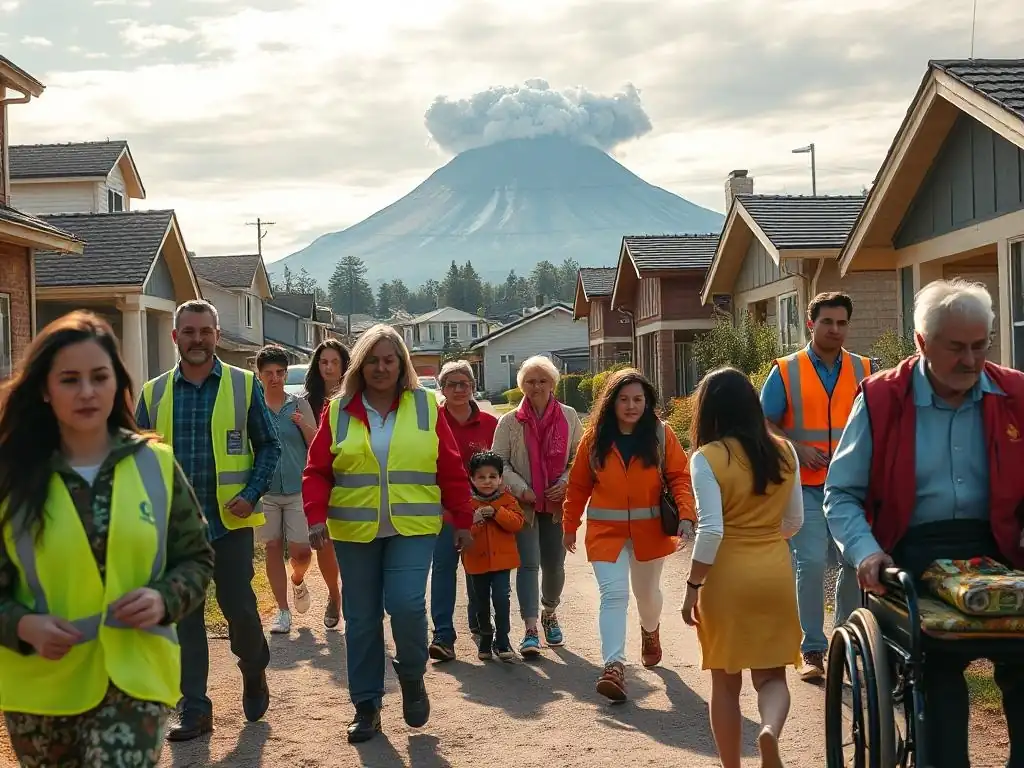
Evacuation procedures are a critical focus of volcano eruption safety drills, particularly for those living in high-risk zones. Practice rapid and orderly evacuation from your home, workplace, or school. Time your evacuation drills to assess how long it takes to gather your family, grab your emergency kit, and reach your designated meeting point. Identify any bottlenecks or delays in your evacuation process and work to address them.
Ensure everyone knows their role during an evacuation. Assign responsibilities, such as who is in charge of the emergency kit, who will assist elderly or disabled family members, and who will ensure pets are safely evacuated. Practicing these roles during volcano eruption safety drills will streamline the evacuation process and reduce confusion and panic in a real emergency.
Practicing Evacuation Routes
Regularly practicing evacuation routes is essential for efficient evacuation during a volcanic eruption. Physically drive or walk your primary and secondary evacuation routes, paying attention to landmarks, potential hazards, and alternative paths. Time how long it takes to reach your designated meeting points using each route. Practice evacuating during different times of day and week to account for traffic variations.
Familiarize yourself with official evacuation routes provided by local emergency management agencies. These routes are often designed to optimize traffic flow during a mass evacuation. During your volcano eruption safety drills, simulate road closures or traffic congestion and practice using alternative routes. This adaptability is crucial in a real volcanic emergency where conditions can change rapidly.
Safe Driving Techniques in Volcanic Ash
Driving in volcanic ash presents unique challenges and requires specific safe driving techniques. Volcanic ash is abrasive and can severely reduce visibility and traction. During volcano eruption safety drills, practice driving in simulated ash conditions, if possible, or discuss and visualize the necessary techniques. If real ash is present from a prior eruption, even practicing in light ash can be beneficial.
Drive slowly and cautiously, using headlights and windshield wipers. However, be aware that windshield wipers can scratch your windshield in heavy ashfall. Use your car's ventilation system on recirculate to prevent ash from entering the vehicle cabin. If visibility becomes severely limited, pull over to the side of the road in a safe location and wait for conditions to improve. Keep a safe following distance, as braking distances can be significantly increased on ash-covered roads. Understanding and practicing these safe driving techniques are crucial for safe evacuation in ashfall conditions.
Shelter-in-Place Protocols: Staying Safe Indoors During an Eruption
Shelter-in-place protocols are vital for situations where evacuation is not immediately possible or when it is safer to remain indoors, such as during heavy ashfall. Volcano eruption safety drills should include practicing shelter-in-place procedures to ensure your home can effectively protect you from volcanic hazards. Identify a designated shelter-in-place room in your home – ideally, an interior room with few windows.
Practice sealing windows and doors to minimize ash entry. Gather your emergency kit and bring it to your shelter-in-place room. Ensure you have a battery-powered radio to monitor emergency broadcasts and stay informed about the eruption. Practice staying in your shelter-in-place room for a simulated period, such as 30 minutes, during your drills to get accustomed to the procedures and identify any needed improvements.
Sealing Your Home Against Volcanic Ash
Effectively sealing your home is crucial for protecting indoor air quality during ashfall. During volcano eruption safety drills, practice sealing windows, doors, and ventilation openings. Use duct tape and plastic sheeting to cover windows and doors. Stuff damp towels or cloths into gaps under doors and around window frames. Close fireplace dampers and any other openings that could allow ash to enter.
If you have central air conditioning or heating, turn it off and seal vents to prevent ash from circulating through the system. Consider pre-cutting plastic sheeting to fit windows and doors for quicker sealing during a real event. Having these materials readily available and practicing the sealing process during drills will improve your ability to create a safe indoor environment during ashfall.
Indoor Air Quality Management During Ashfall
Maintaining good indoor air quality is paramount during ashfall. Volcanic ash is not only abrasive but can also contain fine particles that are harmful to breathe. During shelter-in-place volcano eruption safety drills, practice procedures for managing indoor air quality. Wear N95 masks or respirators indoors, especially if sealing your home is not completely effective.
Avoid activities that stir up dust, such as vacuuming or sweeping, as these can re-suspend ash particles in the air. If possible, use a HEPA filter air purifier to help remove ash particles from the air. If you don't have an air purifier, create a "clean room" by sealing off a small room as effectively as possible and spending most of your time there. Drinking plenty of water can also help to keep your respiratory system hydrated and better able to cope with ash inhalation.
Communication and Coordination During a Volcanic Event
Effective communication and coordination are essential during all phases of a volcanic event. Volcano eruption safety drills should include practicing communication protocols both within your family and with external sources of information and emergency responders. Ensure everyone knows how to use communication devices and understands the designated communication plan. Practice using various communication methods, including cell phones, text messages, and radios.
Coordinate with neighbors and community members to establish neighborhood communication networks. Knowing how to communicate and coordinate effectively can significantly improve response times, ensure everyone is informed, and facilitate mutual assistance within your community during a volcanic crisis.
Using Communication Devices Effectively
Familiarity with your communication devices is crucial for effective communication during a volcanic eruption. During volcano eruption safety drills, practice using cell phones, text messaging, and battery-powered or hand-crank radios. Ensure you have backup power sources for these devices, such as portable chargers or car chargers. Test radio frequencies for emergency broadcasts in your area.
Practice sending text messages to your out-of-state contact person and family members to confirm communication pathways. Learn how to use walkie-talkies or two-way radios if you have them, as these can be valuable for short-range communication when cell networks are down. Knowing how to operate these devices efficiently and having backup power will enhance your communication capabilities during a volcanic event.
Staying Informed with Official Volcano Monitoring Updates
Staying informed with official volcano monitoring updates is critical for making timely and appropriate decisions during a volcanic eruption. During volcano eruption safety drills, practice accessing official sources of information, such as the USGS Volcano Hazards Program website or your local volcano observatory's social media feeds. Identify the radio frequencies for emergency broadcasts in your area and practice tuning into them.
Familiarize yourself with the alert levels and warning systems used by volcano monitoring agencies. Understand what different alert levels mean and the recommended actions associated with each level. Set up alerts on your phone or computer to receive notifications from official sources. Knowing where to get reliable information and practicing accessing it during drills will ensure you stay informed and can make informed decisions during a volcanic crisis.
Post-Eruption Drill Review and Improvement
Evaluating the Effectiveness of Your Drill
After each volcano eruption safety drill, conduct a thorough review to evaluate its effectiveness. Gather feedback from all participants, including family members and anyone else involved in the drill. Discuss what went well during the drill, identifying areas where your preparedness plan worked effectively. Also, critically analyze what aspects of the drill did not go as planned or revealed weaknesses in your preparedness strategy.
Document the findings of your post-drill review, noting both successes and areas for improvement. This documentation will serve as a valuable record of your progress and guide future drills and plan updates. Be honest and objective in your evaluation to maximize the learning opportunity from each drill and continuously enhance your volcano preparedness.
Identifying Areas for Improvement in Your Volcano Preparedness Plan
The post-drill review process is crucial for identifying specific areas where your volcano preparedness plan can be improved. Did your evacuation take longer than expected? Were there communication breakdowns? Did you run out of any essential supplies during the simulated shelter-in-place? These are the types of questions to consider during your review.
Based on the identified weaknesses, make specific and actionable changes to your emergency plan. This might involve revising evacuation routes, updating communication protocols, adding items to your emergency kit, or modifying shelter-in-place procedures. Prioritize the most critical areas for improvement and develop a plan to address them before your next drill. Continuous improvement based on drill evaluations is key to maintaining an effective and relevant volcano preparedness plan.
Updating Your Emergency Kit and Procedures
Following each volcano eruption safety drill review, take concrete steps to update your emergency kit and procedures. If the drill revealed shortages in your kit, replenish those items immediately. If you identified better evacuation routes or communication strategies, update your written emergency plan to reflect these changes. Ensure all family members are informed of any updates to the plan and kit.
Regularly review expiration dates on food, water, and medications in your emergency kit and replace them as needed. Test batteries in flashlights and radios and replace them if they are low. Make updating your emergency kit and procedures a routine part of your volcano preparedness efforts, ensuring you are always ready for a potential volcanic eruption.
Real-World Benefits of Volcano Eruption Drills
Reducing Panic and Improving Response Time
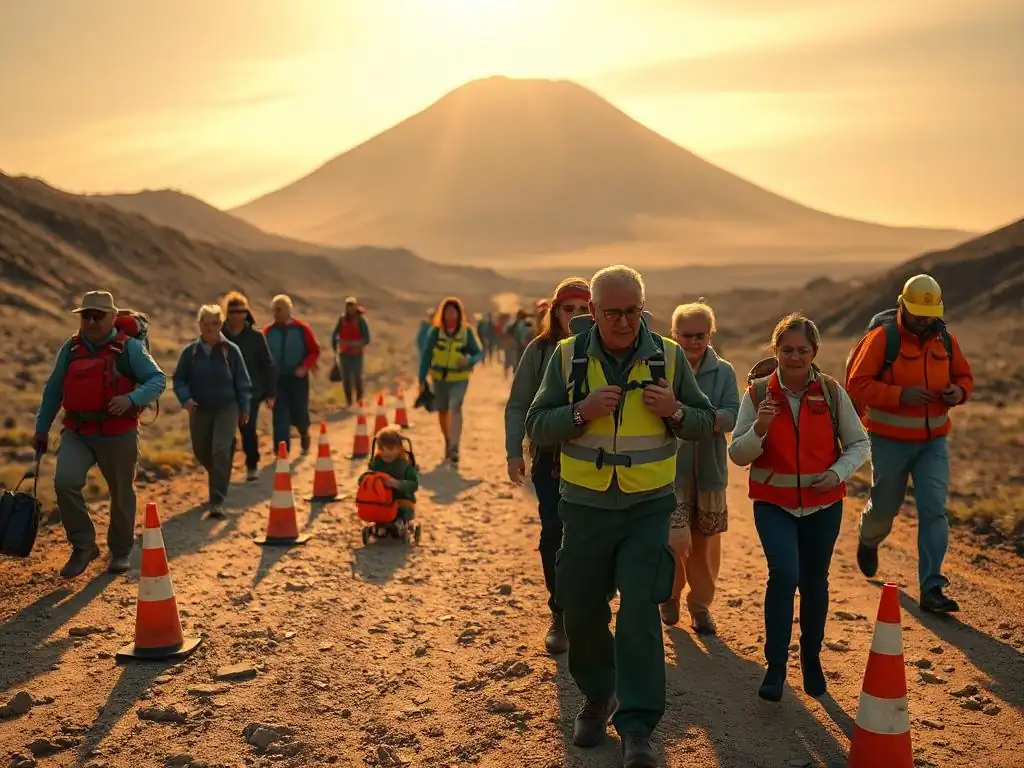
One of the most significant real-world benefits of volcano eruption drills is their ability to reduce panic and improve response time during an actual volcanic event. When people have practiced emergency procedures repeatedly, they are more likely to react calmly and effectively in a crisis. Muscle memory and familiarity with evacuation routes and shelter-in-place protocols reduce hesitation and confusion, leading to faster and more efficient responses.
Reduced panic and improved response time can be life-saving in a volcanic eruption. Swift evacuation from hazardous areas and prompt implementation of protective measures can significantly decrease the risk of injury or death. Volcano eruption safety drills instill confidence and empower individuals to take decisive action, transforming potential victims into prepared and proactive responders.
Enhancing Community Resilience to Volcanic Events
Volcano eruption drills not only benefit individual families but also enhance community resilience to volcanic events. When a significant portion of a community is well-prepared and has practiced emergency procedures, the overall community response to a volcanic eruption is greatly improved. Community-wide drills, involving schools, workplaces, and neighborhoods, foster a culture of preparedness and encourage mutual assistance.
Enhanced community resilience translates to a faster recovery after a volcanic event. Prepared communities are better equipped to support each other, distribute resources effectively, and rebuild infrastructure more quickly. Volcano eruption safety drills are an investment in community safety and long-term resilience, strengthening the collective ability to withstand and recover from volcanic crises.
Lessons from the 1980 Mount St. Helens Eruption Evacuations
The 1980 eruption of Mount St. Helens in Washington State provides valuable lessons about the importance of volcano preparedness and the effectiveness of evacuation procedures. While the eruption was catastrophic in its geological impact, the relatively low death toll (57 fatalities) is partly attributed to successful evacuations that occurred in the weeks and days leading up to the major eruption. Geologists and emergency responders had been monitoring the volcano and communicating the increasing risk to the public.
Evacuation orders were issued based on scientific assessments of the escalating volcanic activity. While not everyone heeded the warnings, many residents and visitors did evacuate, significantly reducing the potential loss of life. The Mount St. Helens eruption demonstrated the critical role of volcano monitoring, effective communication, and public adherence to evacuation orders in mitigating the impact of volcanic eruptions. These lessons underscore the importance of volcano eruption safety drills in preparing communities for future volcanic events and reinforcing the value of heeding official warnings and practicing emergency procedures.
Volcano Eruption Preparedness: Beyond the Drill
Staying Informed About Volcanic Activity in Your Area
Volcano eruption safety drills are a vital component of preparedness, but staying informed about ongoing volcanic activity is equally crucial. Regularly monitor official sources of information, such as the USGS Volcano Hazards Program website and your local volcano observatory. Sign up for volcano activity alerts and notifications via email, text message, or social media. Understand the alert levels and warning systems used in your area and what they signify.
Pay attention to any changes in volcanic activity, such as increased seismicity, gas emissions, or ground deformation. Be aware of any official advisories or warnings issued by volcano monitoring agencies. Staying informed allows you to make timely and informed decisions about your safety and preparedness actions, complementing the readiness instilled by volcano eruption safety drills.
Participating in Community Volcano Preparedness Programs
Engaging in community volcano preparedness programs is an excellent way to enhance your individual and collective preparedness. Many communities in volcanic hazard zones offer workshops, training sessions, and community-wide volcano eruption safety drills. Participating in these programs allows you to learn from experts, connect with neighbors, and contribute to a more resilient community.
Community programs often provide valuable resources, such as hazard maps, emergency planning guides, and information about local evacuation routes and shelters. They also foster a culture of preparedness and encourage mutual support within the community. Active participation in community volcano preparedness programs complements your family's volcano eruption safety drills and strengthens the overall preparedness of your area.
USGS Volcano Hazards Program Resources
The USGS Volcano Hazards Program is a primary source of reliable information and resources for volcano preparedness in the United States. Their website (www.usgs.gov/volcanoes) offers a wealth of information about volcano hazards, real-time monitoring data, volcano activity alerts, and educational materials. Explore their interactive maps to assess the volcanic risk in your area and download hazard maps and preparedness guides.
The USGS website also provides information about volcano observatories located near active volcanic regions, such as the Cascades Volcano Observatory and the Hawaiian Volcano Observatory. These observatories offer local expertise and resources specific to their areas. Utilize the USGS Volcano Hazards Program resources to enhance your understanding of volcanic risks and strengthen your volcano preparedness efforts, making your volcano eruption safety drills more informed and effective.
Frequently Asked Questions
What is the primary purpose of volcano eruption safety drills?
The main purpose is to prepare communities for a potential eruption, ensuring they know evacuation routes and safety procedures to minimize risk and save lives.
How often should volcano eruption safety drills be conducted?
Drills should be conducted regularly, ideally at least annually, to keep the community informed and prepared, and to refresh their knowledge of emergency protocols.
What are some key elements to include in a volcano eruption safety drill?
Key elements include practicing evacuation routes, testing communication systems like sirens and alerts, and ensuring everyone knows the location of designated safe zones.
What should individuals do during a volcano eruption safety drill?
Individuals should follow instructions from authorities, practice their pre-determined evacuation plan, and familiarize themselves with the location of their emergency kit.
Where can I find more information about volcano eruption safety and preparedness?
You can find reliable information on websites like VolcanoExplorers.org, or by contacting your local emergency management agency for specific guidance and resources.
Final Reflection: Embracing Preparedness in the Shadow of Giants
The preceding exploration of volcano eruption safety drills underscores a critical truth: proactive preparation is the most potent defense against nature's unpredictable power. While the threat of volcanic eruption may seem distant or improbable to some, the potential devastation demands a shift from complacency to conscious preparedness. The drills, simulations, and community engagement discussed are not merely exercises; they are investments in resilience, safeguarding lives and livelihoods in the face of a formidable force.
This emphasis on preparedness extends beyond physical safety; it fosters a community spirit and a shared understanding of risk. The knowledge that we are not alone in facing this potential threat, that we have practiced and planned together, offers a profound sense of security. By failing to prepare, you are preparing to fail.
- Benjamin Franklin. This quote, though centuries old, resonates deeply in the context of volcano eruption safety, reminding us that our actions today directly shape our ability to weather the challenges of tomorrow.
Now, consider your own preparedness. Have you taken the necessary steps to understand the risks in your area? Have you participated in local drills or created a family emergency plan? The time to act is not when the earth trembles, but now, in the quiet moments of reflection and planning. Embrace the spirit of preparedness, not with fear, but with a proactive determination to protect yourself, your loved ones, and your community. The future is uncertain, but our readiness is within our control.
Ignite Your Preparedness: Master the Volcano Drill!
Thank you for reading about the importance of volcano drills. We hope this article has provided you with the knowledge to confidently prepare for a volcanic eruption. Now, let's put that knowledge into action!
Here are a few things you can do:
- Schedule a family volcano drill this week and practice your evacuation route. Your safety is paramount!
- Explore our website, VolcanoExplorers.org, for more resources, including detailed evacuation maps and expert advice.
- Share this article with your friends and family to help spread awareness about volcano preparedness.
What challenges do you anticipate during a family volcano drill, and how will you overcome them? Share your thoughts in the comments below!