
Secret Underground Bunkers: Volcano Safety's Hidden Layer

Welcome to Volcano Explorers!
Ever wondered what lies beneath the surface when fiery giants rumble? Dive into the heart of volcano safety with our latest exploration: Secret Underground Bunkers. Are these hidden havens the ultimate shield against volcanic fury, or just a myth? Unearth the truth and prepare to rethink everything you know about surviving an eruption... the answers might surprise you.
- Understanding the Threat: Why Volcano Safety Underground Bunkers are Crucial
- The Concept of Volcano Safety Underground Bunkers: A Deep Dive
- Design and Construction of Volcano-Resistant Underground Bunkers
- Underground Bunker Technology for Volcano Eruptions: Advanced Solutions
- Case Studies: Existing Underground Shelters in Volcanic Regions
- Building Your Own Volcano Safety Underground Bunker: Considerations and Challenges
- Volcano Safety Underground Bunkers: A Vital Component of Emergency Preparedness
- Conclusion: The Importance of Underground Bunkers for Volcano Safety
-
Frequently Asked Questions
- What are underground bunkers used for in relation to volcano safety?
- How effective are underground bunkers against different volcanic hazards?
- Where are underground bunkers typically located in volcanic regions?
- What are some key features of a volcano safety underground bunker?
- How do I find out if an underground bunker is available in my area near a volcano?
- Final Reflection: Embracing Preparedness Beneath the Surface
- Unearth Your Inner Explorer: Volcano Safety Awaits!
Understanding the Threat: Why Volcano Safety Underground Bunkers are Crucial
The Destructive Power of Volcanic Eruptions: A Reminder
Volcanic eruptions are among the most powerful and devastating natural phenomena on Earth. They are capable of unleashing energy equivalent to multiple atomic bombs, reshaping landscapes and drastically altering climates in short periods. The eruption of Mount Tambora in Indonesia in 1815, for example, ejected so much volcanic material into the atmosphere that it caused a "year without a summer" globally in 1816, leading to widespread crop failures and famine across Europe and North America. This historical event serves as a stark reminder of the far-reaching consequences of major volcanic eruptions and the critical need for robust safety measures.
The force of a volcanic eruption stems from the immense pressure built up beneath the Earth's surface. Magma, molten rock, along with dissolved gases, rises due to buoyancy and pressure differences. When this pressure overcomes the strength of the surrounding rocks, a violent release occurs. The eruption can manifest in various forms, from relatively gentle lava flows to explosive pyroclastic flows and ash plumes reaching tens of kilometers into the atmosphere. Understanding the sheer magnitude of these forces is paramount to appreciating the necessity of specialized protection like volcano safety underground bunkers in high-risk areas.
Volcanic Hazards: From Ashfall to Pyroclastic Flows
Volcanic eruptions present a complex array of hazards, each posing significant threats to human life and infrastructure. Ashfall, while seemingly less dramatic than other hazards, can blanket entire regions, collapsing roofs, disrupting transportation networks, and contaminating water supplies. The eruption of Eyjafjallajökull in Iceland in 2010 demonstrated the global reach of ash clouds, grounding air traffic across Europe and causing billions of dollars in economic losses, even though the eruption itself was relatively small compared to historical giants.
Pyroclastic flows are perhaps the most lethal volcanic hazard. These are superheated avalanches of gas, ash, and rock fragments that can travel at speeds exceeding 700 kilometers per hour and reach temperatures of up to 1000 degrees Celsius. The 1902 eruption of Mount Pelée on the Caribbean island of Martinique generated a pyroclastic flow that completely destroyed the city of Saint-Pierre, killing an estimated 30,000 people in minutes.
Lava flows, while slower moving, can incinerate everything in their path and alter landscapes permanently. Furthermore, volcanic gases like sulfur dioxide, carbon dioxide, and hydrogen sulfide can be toxic and pose respiratory risks, especially in enclosed spaces or low-lying areas.
Mudflows or lahars, mixtures of volcanic debris and water, can surge down river valleys with immense destructive power, burying towns and infrastructure. These diverse and deadly hazards underscore the need for comprehensive volcano safety strategies, including the consideration of underground bunkers for robust protection.
Limitations of Surface Shelters During Major Eruptions
Traditional surface shelters, while valuable for many types of emergencies, often fall short in providing adequate protection against the full spectrum of volcanic hazards, particularly during major eruptions. Buildings, even those reinforced, can be vulnerable to roof collapse from heavy ashfall accumulation. The weight of just a few inches of wet volcanic ash can exceed the structural capacity of many roofs, as witnessed in numerous eruptions globally.
Moreover, surface structures offer little defense against pyroclastic flows, which can easily overwhelm and incinerate anything in their path. The intense heat and velocity of these flows make surface evacuation extremely perilous and shelters above ground largely ineffective.
While surface shelters might offer some protection from less intense hazards like minor ashfall or ballistic projectiles, they are generally inadequate against the most catastrophic aspects of a significant volcanic eruption. Volcanic gases, including toxic fumes and asphyxiant gases like carbon dioxide, can seep into surface buildings, posing a serious threat to occupants.
Furthermore, the prolonged disruption caused by a major eruption, including power outages, water contamination, and supply chain breakdowns, can render surface shelters unsustainable for extended periods. These limitations highlight the critical role that volcano safety underground bunkers can play in offering a truly secure refuge in the face of extreme volcanic events, providing a shielded environment from the most devastating impacts.
The Concept of Volcano Safety Underground Bunkers: A Deep Dive
What are Volcano Safety Underground Bunkers? Definition and Purpose
Volcano safety underground bunkers are specialized, subterranean structures designed to provide robust protection from the multiple hazards associated with volcanic eruptions. Unlike conventional surface shelters, these bunkers are engineered to withstand extreme conditions, offering refuge from pyroclastic flows, heavy ashfall, ballistic projectiles, volcanic gases, and the long-term disruptions that can follow a major eruption. Their primary purpose is to ensure the survival of occupants during and immediately after a volcanic event, providing a safe haven until conditions on the surface stabilize and it becomes safe to emerge.
These bunkers are not simply basements or cellars; they are sophisticated engineering projects incorporating specific design features and technologies tailored to the unique challenges of volcanic environments. They are intended to be self-sufficient for a defined period, equipped with life support systems such as air filtration, power generation, and water storage.
The concept of volcano safety underground bunkers is rooted in the understanding that in the face of a major volcanic eruption, especially in densely populated areas near active volcanoes, traditional evacuation strategies may be insufficient or impossible to execute effectively. Therefore, these bunkers represent a proactive, in-situ safety measure, offering a last resort for survival when other options are exhausted or compromised.
Key Features of Effective Underground Volcanic Shelters
Effective volcano safety underground bunkers incorporate several key features to ensure the safety and survival of occupants. Structural integrity is paramount; the bunker must be constructed to withstand extreme pressures from overlying ash and debris, as well as potential seismic activity that often accompanies volcanic eruptions. Reinforced concrete, steel, and specialized composite materials are commonly used in construction to achieve this level of robustness. Air filtration systems are crucial to remove volcanic ash, toxic gases like sulfur dioxide and hydrogen sulfide, and particulate matter from the incoming air supply, ensuring breathable air within the shelter.
Self-sufficiency is another critical aspect. Bunkers need independent power sources, typically generators with fuel reserves, and backup battery systems to maintain essential services during prolonged power outages. Potable water storage, along with water purification systems, is essential for long-term habitability.
Food supplies, medical kits, sanitation facilities, and communication equipment are also vital components. Furthermore, effective ventilation and climate control systems are necessary to maintain a habitable environment, regulating temperature and humidity within the bunker. The layout and design should also consider psychological well-being, providing adequate space and basic amenities to minimize stress and maintain morale during potentially extended stays underground.
Site Selection: Finding the Ideal Location for Underground Protection
Choosing the right location for a volcano safety underground bunker is a critical decision that significantly impacts its effectiveness and the safety of its occupants. Geological stability is a primary consideration. The site should be located in an area that is not prone to landslides, ground deformation, or faulting, which can be exacerbated by volcanic activity. Areas with stable bedrock are generally preferred over locations with loose soil or unconsolidated sediments.
Proximity to volcanic hazards is also a key factor, but it's a balance. While the bunker needs to be within a reasonable distance to serve the population at risk, it should ideally be situated outside the most hazardous zones, such as direct pyroclastic flow paths or areas prone to lahar inundation. Geological hazard maps and volcanic hazard assessments are crucial tools in this site selection process.
Accessibility is another important consideration. While the bunker needs to be protected underground, access for entry and exit during non-emergency periods is necessary for maintenance, stocking supplies, and training exercises. The site should ideally be accessible by road or other means of transportation to facilitate these activities. Furthermore, the depth of the bunker is a crucial factor.
While deeper bunkers offer greater protection, they are also more expensive and complex to construct. The optimal depth depends on the specific volcanic hazards in the area and the desired level of protection. A balance must be struck between maximizing protection and minimizing construction costs and logistical challenges. Consultation with geologists, volcanologists, and geotechnical engineers is essential to determine the most suitable location based on a comprehensive assessment of geological conditions and volcanic hazards.
Design and Construction of Volcano-Resistant Underground Bunkers
Structural Engineering for Volcanic Hazards: Withstanding Extreme Forces
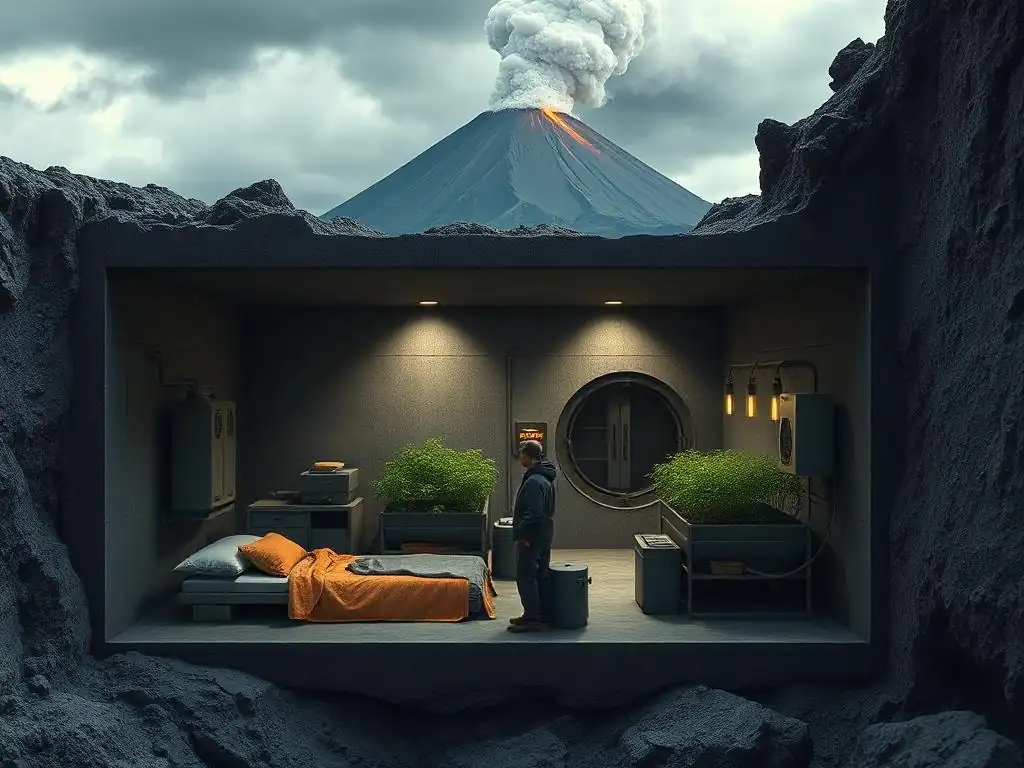
Designing volcano safety underground bunkers requires specialized structural engineering expertise to ensure they can withstand the extreme forces associated with volcanic eruptions. These forces include the immense weight of volcanic ash accumulation, the dynamic pressure waves from explosions, seismic shaking, and potentially even the impact of ballistic projectiles. The structural design must account for both static loads, such as the long-term weight of ash, and dynamic loads, like the sudden impact of a pressure wave. Finite element analysis and other advanced engineering techniques are used to model these forces and optimize the bunker's structural design.
Reinforced concrete is a primary material in bunker construction due to its compressive strength and ability to be molded into complex shapes. Steel reinforcement bars are strategically placed within the concrete to enhance its tensile strength, creating a composite material that is resistant to both compression and tension. The thickness of the concrete walls and roof is determined based on the anticipated loads and the desired level of protection.
The shape of the bunker also plays a role in its structural performance. Arched or domed roofs are often preferred as they distribute loads more efficiently than flat roofs, reducing stress concentrations. Seismic design principles are also integrated to ensure the bunker can withstand ground shaking associated with volcanic eruptions, incorporating features like flexible joints and seismic isolation systems where necessary.
Materials Science: Building with Volcano-Proof Materials
The selection of materials for volcano safety underground bunkers goes beyond conventional construction materials; it involves choosing materials that can withstand the harsh conditions associated with volcanic eruptions. "Volcano-proof" is not a literal term, but rather a descriptor for materials that offer exceptional resistance to extreme temperatures, corrosive volcanic gases, and abrasive ash. High-strength, high-density concrete is crucial for structural integrity, as discussed previously. However, the specific type of concrete mix can be tailored to enhance its resistance to chemical attack from volcanic gases and acids.
Specialized coatings and sealants are often applied to the exterior of the bunker to provide an additional layer of protection against corrosion and water ingress. Materials used for air filtration systems must be resistant to degradation from volcanic gases and ash particles. High-efficiency particulate air (HEPA) filters and activated carbon filters are commonly used, but the filter media itself needs to be robust and replaceable.
Components exposed to the external environment, such as ventilation intakes and exhaust vents, may be constructed from corrosion-resistant metals like stainless steel or specialized alloys. The selection of materials also considers long-term durability and maintenance requirements, ensuring the bunker remains functional and reliable over its intended lifespan in a potentially harsh volcanic environment.
Essential Life Support Systems: Air Filtration, Power, and Water
Life support systems are the heart of a volcano safety underground bunker, ensuring a habitable environment for occupants during and after a volcanic eruption. Air filtration is paramount, as volcanic ash and gases pose immediate respiratory hazards. A multi-stage filtration system typically includes pre-filters to remove large particles, HEPA filters to capture fine ash particles, and activated carbon filters to absorb toxic gases like sulfur dioxide, hydrogen sulfide, and carbon monoxide.
Redundancy in the filtration system is crucial, with backup filters and fans in case of component failure. The system must be designed to provide a positive pressure environment within the bunker to prevent unfiltered air from leaking in.
Reliable power is essential to operate life support systems, lighting, communication equipment, and other critical functions. Diesel generators are a common primary power source, chosen for their high power output and relatively long fuel storage life. Fuel reserves must be calculated to last for the anticipated duration of the emergency, with consideration for potential delays in resupply.
Backup battery systems, such as deep-cycle lead-acid or lithium-ion batteries, provide uninterruptible power in case of generator failure or during periods of reduced power demand. Water supply is equally critical. Large, dedicated water storage tanks are essential, with capacities calculated based on the number of occupants and the anticipated duration of shelter.
Water purification systems, including filters and chemical disinfection methods, are necessary to ensure potable water quality, especially if relying on surface water sources or rainwater harvesting as backup. Regular maintenance and testing of all life support systems are crucial to guarantee their functionality when needed.
Underground Bunker Technology for Volcano Eruptions: Advanced Solutions
Air Filtration Systems for Volcanic Ash and Gases
Advanced air filtration systems in volcano safety underground bunkers go beyond basic HEPA and carbon filtration, incorporating technologies designed for the specific challenges of volcanic environments. For extremely fine volcanic ash particles, which can penetrate standard HEPA filters over time, advanced filter media like ULPA (Ultra-Low Penetration Air) filters offer superior filtration efficiency, capturing particles down to 0.12 micrometers with 99.999% efficiency.
For volcanic gases, specialized chemical filters beyond activated carbon may be necessary. For example, chemisorption filters utilize chemically treated media to react with and neutralize specific toxic gases like sulfur dioxide and hydrogen sulfide, providing more targeted and effective gas removal.
Real-time air quality monitoring systems are increasingly integrated into bunker filtration systems. These systems continuously measure the concentration of particulate matter and specific gases within the bunker, providing alerts if filtration efficiency decreases or if harmful substances are detected. Smart filtration systems can automatically adjust filter stages or switch to backup filters based on real-time air quality data, optimizing performance and extending filter lifespan.
Furthermore, some advanced systems incorporate electrostatic precipitators or ionization technologies to remove even the smallest airborne particles, enhancing overall air purity and reducing the burden on downstream filters. These technological advancements in air filtration are crucial for maintaining a safe and breathable environment within underground bunkers, especially during prolonged volcanic eruptions with high ash and gas concentrations.
Power Generation and Backup Systems in Underground Shelters
Ensuring continuous and reliable power in volcano safety underground bunkers requires sophisticated power generation and backup systems that go beyond simple diesel generators. While diesel generators remain a primary power source due to their capacity, integrating renewable energy sources like solar panels and wind turbines can enhance long-term sustainability and reduce reliance on finite fuel supplies. Solar panels can be installed on the surface above the bunker or in nearby safe locations, providing supplemental power during daylight hours and recharging battery banks. Wind turbines, if feasible in the location, can offer another renewable energy source.
Advanced battery storage systems are crucial for backup power and for optimizing the use of renewable energy. Lithium-ion batteries offer higher energy density, longer lifespan, and faster charging rates compared to traditional lead-acid batteries, making them ideal for bunker applications. Smart power management systems can automatically switch between different power sources – generator, renewable energy, and batteries – based on availability and demand, maximizing efficiency and conserving fuel.
Fuel cell technology, which generates electricity through chemical reactions, is also being explored for bunker applications as a cleaner and quieter alternative to diesel generators, although fuel cell systems currently have higher upfront costs and infrastructure requirements. Redundancy is key in power systems; having multiple generators, diverse backup systems, and robust power distribution networks ensures continued operation even if individual components fail.
Communication Systems: Staying Connected During a Volcanic Event
Maintaining communication during and after a volcanic eruption is vital for volcano safety underground bunkers, enabling occupants to receive emergency updates, communicate with rescue services, and maintain contact with the outside world. Traditional landline and cellular phone networks are often disrupted during major volcanic events due to infrastructure damage. Therefore, bunkers must incorporate alternative communication systems that are more resilient and independent.
Satellite communication systems, including satellite phones and satellite internet terminals, offer a reliable means of communication regardless of terrestrial infrastructure status. These systems can establish voice and data links, enabling communication with emergency responders and access to crucial information.
High-frequency (HF) radio communication provides another robust and long-range communication option, particularly valuable for communicating with distant emergency services or other bunkers. HF radio can operate even when satellite communication is compromised. Two-way radios (VHF/UHF) are essential for local communication within and around the bunker complex, facilitating coordination among occupants and with nearby emergency personnel.
Emergency beacon systems, such as EPIRBs (Emergency Position Indicating Radio Beacons) and PLBs (Personal Locator Beacons), can be used to signal distress and transmit the bunker's location to search and rescue teams in case of emergency. Redundancy and diversification are crucial in communication systems, ensuring that multiple communication pathways are available to maintain connectivity under various scenarios. Regular testing and maintenance of all communication equipment are essential to ensure their readiness when needed.
Case Studies: Existing Underground Shelters in Volcanic Regions
Mount Unzen Disaster Memorial Hall: A Shelter and Educational Facility
The Mount Unzen Disaster Memorial Hall in Shimabara, Japan, serves as a compelling case study of a dual-purpose facility that functions as both a volcano safety underground shelter and an educational center. Built in response to the devastating Mount Unzen eruptions of the early 1990s, which included pyroclastic flows and lahars that caused significant damage and loss of life, the Memorial Hall is designed to withstand future volcanic events.
While not a deep underground bunker in the strictest sense, it incorporates robust structural elements and protective features that allow it to function as a shelter during emergencies. The building is constructed from reinforced concrete and is partially buried into the hillside, providing enhanced protection from pyroclastic flows and ballistic projectiles.
The Memorial Hall's educational component is equally important. It houses exhibits and displays that document the Mount Unzen eruptions, explain volcanic hazards, and promote volcano safety preparedness among the local community and visitors. By combining a shelter function with an educational mission, the Mount Unzen Disaster Memorial Hall serves as a valuable resource for both emergency response and long-term community resilience.
It demonstrates a proactive approach to living with volcanic risk, emphasizing the importance of education, preparedness, and infrastructure development in mitigating the impacts of future eruptions. The success of this facility highlights the potential for integrating safety infrastructure with community resources in volcanic regions.
Lessons Learned from the Mount Saint Helens Eruption: Preparing for Future Events
The 1980 eruption of Mount Saint Helens in Washington State, USA, while not directly resulting in the construction of underground bunkers, provided invaluable lessons that have shaped volcano safety preparedness and informed the design considerations for volcanic shelters worldwide. The eruption, which was characterized by a massive lateral blast, pyroclastic flows, and lahars, demonstrated the speed and destructive power of volcanic events and highlighted vulnerabilities in existing infrastructure and emergency response plans. The event underscored the importance of clear and timely warnings, effective evacuation procedures, and robust communication systems.
One key lesson was the need for more comprehensive volcanic hazard assessments and zoning. Following the Mount Saint Helens eruption, hazard mapping became more detailed and sophisticated, delineating areas at different levels of risk from various volcanic hazards. This improved hazard zoning informs land-use planning and helps guide the siting of critical infrastructure, including potential shelter locations.
The eruption also highlighted the importance of public education and community preparedness programs. Efforts were intensified to educate residents about volcanic hazards, evacuation routes, and emergency procedures. While underground bunkers were not a direct outcome of the Mount Saint Helens eruption, the lessons learned have contributed to a broader understanding of volcanic risk mitigation and have indirectly influenced the consideration of underground shelters as a viable safety measure in other volcanic regions facing similar or greater threats.
Analyzing the Effectiveness of Different Underground Bunker Designs
Analyzing the effectiveness of different underground bunker designs requires considering various factors, including structural robustness, life support system reliability, cost-effectiveness, and suitability for specific volcanic hazards. Deep, heavily reinforced concrete bunkers, while offering the highest level of protection against a wide range of volcanic hazards, are also the most expensive and complex to construct. These designs are best suited for areas facing extreme volcanic threats, such as frequent pyroclastic flows or large-scale explosive eruptions. However, for regions with less intense volcanic hazards, such as primarily ashfall or lava flows, less elaborate and less costly bunker designs may be sufficient.
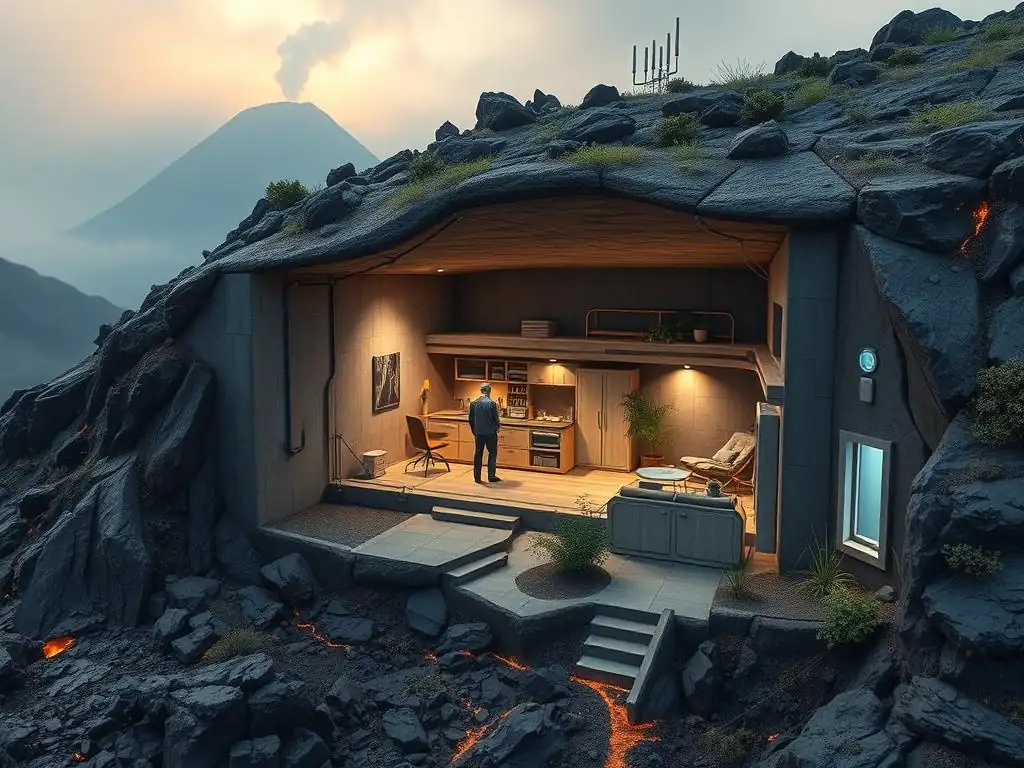
Partially buried or earth-sheltered bunkers offer a balance between protection and cost. By utilizing the surrounding earth as insulation and shielding, these designs can reduce construction costs while still providing significant protection from ashfall, ballistic projectiles, and moderate pyroclastic flows. Modular bunker designs, constructed from prefabricated units, can offer flexibility and scalability, allowing for phased construction and adaptation to changing needs.
The effectiveness of any bunker design ultimately depends on a thorough assessment of the specific volcanic hazards in the location, the intended occupancy capacity, the available budget, and the long-term maintenance plan. Comparative analyses of different bunker designs, considering these factors, are crucial for making informed decisions about the most appropriate and effective volcano safety underground shelter solution for a given community or region.
Building Your Own Volcano Safety Underground Bunker: Considerations and Challenges
Cost Analysis: Estimating the Investment for Underground Protection
Building a volcano safety underground bunker is a significant investment, and a thorough cost analysis is essential before embarking on such a project. Costs can vary dramatically depending on several factors, including the size and complexity of the bunker, the level of protection desired, the geological conditions of the site, and local labor and material costs. Excavation costs can be substantial, especially in hard rock or challenging terrain.
The cost of materials, particularly reinforced concrete, steel, and specialized filtration and life support systems, also contributes significantly to the overall budget. Labor costs for skilled construction workers and specialized engineers can also be a major factor.
A simplified cost estimate for a basic, small-scale family bunker might range from tens of thousands to hundreds of thousands of dollars. Larger community bunkers, designed to shelter hundreds or even thousands of people, can easily reach into the millions or tens of millions of dollars. Ongoing operational costs must also be considered, including maintenance, filter replacements, fuel for generators, water replenishment, and periodic inspections.
Financing options for bunker construction can be limited, as traditional mortgages or loans may not be readily available for such specialized projects. Government grants, community fundraising, or private investment may be necessary to secure the required funding. A detailed and realistic cost analysis, including both upfront construction costs and long-term operational expenses, is crucial for determining the financial feasibility of building a volcano safety underground bunker.
Regulatory Compliance: Understanding Building Codes and Permits
Navigating regulatory compliance is a critical but often overlooked aspect of building a volcano safety underground bunker. Building codes and permit requirements vary significantly by location and jurisdiction. In many areas, underground structures, especially those intended for shelter purposes, may be subject to specific building codes related to structural integrity, fire safety, ventilation, and emergency egress. Obtaining the necessary building permits can be a complex and time-consuming process, requiring detailed architectural and engineering plans, environmental impact assessments, and compliance with local zoning regulations.
In some regions, there may be no specific building codes directly addressing volcano safety underground bunkers. In such cases, it's essential to consult with local building officials and relevant regulatory agencies to determine the applicable codes and permit requirements. Compliance with general building codes for underground structures, combined with adherence to industry best practices for shelter design and construction, can help ensure the bunker meets safety standards and avoids potential legal issues.
Failure to comply with building codes and permit regulations can result in construction delays, fines, or even the forced demolition of the unpermitted structure. Therefore, engaging with regulatory authorities early in the planning process and ensuring full compliance is crucial for the successful and legally sound construction of a volcano safety underground bunker.
Long-Term Maintenance: Ensuring the Bunker's Readiness
Long-term maintenance is essential for ensuring the continued readiness and functionality of a volcano safety underground bunker. Bunkers are complex systems with mechanical, electrical, and life support components that require regular inspection, testing, and maintenance to remain operational. Air filtration systems need periodic filter replacements to maintain their effectiveness. Generators require regular servicing, fuel checks, and test runs to ensure they will function reliably when needed. Battery systems have a limited lifespan and will eventually need replacement. Water storage tanks need to be periodically inspected for leaks and cleaned to maintain water quality.
A comprehensive maintenance plan should be developed and implemented, outlining scheduled inspections, maintenance tasks, and replacement intervals for various components. Regular drills and exercises to test the bunker's systems and procedures are also crucial for ensuring preparedness and identifying any potential issues. Maintaining an inventory of spare parts, consumables, and emergency supplies is essential for timely repairs and resupply.
Budgeting for ongoing maintenance costs is just as important as securing initial construction funding. Neglecting long-term maintenance can lead to system failures, reduced bunker effectiveness, and potentially life-threatening situations during a volcanic emergency. A proactive and diligent maintenance program is vital for ensuring the bunker remains a reliable and effective volcano safety asset for its intended lifespan.
Volcano Safety Underground Bunkers: A Vital Component of Emergency Preparedness
Integrating Underground Shelters into Community Emergency Plans
Integrating volcano safety underground shelters into community emergency plans represents a proactive and comprehensive approach to volcanic hazard mitigation. Community-level bunkers, strategically located and designed to accommodate a significant portion of the at-risk population, can serve as vital refuges during major eruptions, especially when evacuation is not feasible or becomes compromised.
Emergency plans should clearly define the role of underground bunkers, including trigger points for bunker activation, evacuation procedures to reach the bunkers, and protocols for bunker management and operation. Public awareness campaigns are essential to educate residents about the existence and purpose of community bunkers, evacuation routes, and bunker entry procedures.
Effective integration requires close collaboration between emergency management agencies, local governments, community organizations, and residents. Bunker locations should be carefully selected based on hazard assessments, population distribution, and accessibility. Emergency plans should address logistical aspects, such as pre-positioning emergency supplies in bunkers, establishing communication links between bunkers and emergency operations centers, and developing protocols for post-eruption recovery and re-entry.
Regular drills and exercises involving community bunkers are crucial for testing emergency plans, identifying weaknesses, and ensuring that residents and emergency responders are familiar with bunker procedures. Integrating underground shelters into community emergency plans transforms them from isolated structures into integral components of a broader, coordinated volcanic risk mitigation strategy.
Education and Training: Preparing Residents for Underground Evacuation
Education and training are paramount for ensuring the effective use of volcano safety underground bunkers and maximizing their life-saving potential. Residents living in volcanic hazard zones need to be educated about the specific volcanic risks they face, the purpose and capabilities of underground bunkers, and the procedures for accessing and utilizing these shelters during an emergency.
Public awareness campaigns should utilize various communication channels, including community meetings, brochures, websites, and social media, to disseminate information about volcano safety and bunker protocols. Training programs should be conducted to familiarize residents with bunker evacuation routes, entry procedures, and basic bunker operations, such as air filtration system operation and emergency communication protocols.
Drills and exercises, simulating volcanic eruption scenarios and bunker evacuations, are essential for reinforcing training and building community preparedness. These exercises should involve practicing evacuation routes, entering and exiting bunkers, and simulating emergency procedures within the shelter environment. Educational materials should be tailored to different age groups and demographics, ensuring that all members of the community understand the importance of volcano safety and bunker preparedness.
Schools, workplaces, and community centers are ideal venues for delivering volcano safety education and training programs. Effective education and training empower residents to take proactive steps to protect themselves during volcanic eruptions and ensure the successful utilization of underground bunkers as a vital safety resource.
The Future of Volcanic Hazard Mitigation: Investing in Underground Infrastructure
Investing in underground infrastructure, including volcano safety underground bunkers, represents a forward-thinking and proactive approach to volcanic hazard mitigation. As populations grow in volcanic regions and the frequency and intensity of extreme weather events potentially increase due to climate change, the need for robust and resilient infrastructure becomes ever more critical.
Underground bunkers offer a long-term, sustainable solution for protecting communities from the most devastating impacts of volcanic eruptions, providing a level of safety and security that surface shelters often cannot match. Investing in underground infrastructure is not merely a reactive measure to address existing volcanic risks; it is a strategic investment in community resilience and long-term sustainability.
Government agencies, international organizations, and private investors should prioritize funding and resources for the development of underground shelter infrastructure in vulnerable volcanic regions. Research and development efforts should focus on improving bunker design, reducing construction costs, enhancing life support systems, and integrating bunkers into smart city infrastructure. Promoting public-private partnerships can facilitate the development and deployment of underground shelter networks.
Investing in volcano safety underground infrastructure is an investment in saving lives, protecting communities, and ensuring the long-term viability of human settlements in volcanic regions. It is a crucial step towards building more resilient and sustainable communities in the face of growing volcanic hazards.
Conclusion: The Importance of Underground Bunkers for Volcano Safety
Reaffirming the Need for Proactive Volcanic Safety Measures
The devastating power of volcanic eruptions necessitates proactive and comprehensive volcano safety measures. Relying solely on evacuation strategies can be insufficient, particularly during large-scale eruptions or in densely populated areas where evacuation routes may be compromised or overwhelmed. Proactive measures, such as robust hazard assessments, early warning systems, and community preparedness programs, are essential components of a comprehensive volcano safety strategy.
However, even with the best early warning systems and evacuation plans, there will be situations where evacuation is not feasible or fails to reach everyone in time. In these scenarios, volcano safety underground bunkers provide a critical last line of defense, offering a secure refuge from the most dangerous volcanic hazards.
Proactive volcano safety measures are not just about reacting to imminent threats; they are about building long-term community resilience and reducing vulnerability to future volcanic events. Investing in preparedness, education, and infrastructure, such as underground bunkers, is an investment in saving lives, protecting property, and ensuring the sustainability of communities living in volcanic regions. A proactive approach to volcano safety recognizes that volcanic eruptions are a natural and recurring phenomenon in many parts of the world, and that living safely with volcanoes requires a continuous commitment to preparedness and risk mitigation.
Underground Bunkers: A Long-Term Solution for Mitigating Volcanic Risk
Volcano safety underground bunkers represent a long-term, sustainable solution for mitigating volcanic risk. Unlike temporary surface shelters or evacuation strategies that are vulnerable to the scale and duration of major eruptions, underground bunkers offer a robust and enduring refuge, capable of withstanding extreme volcanic hazards for extended periods. They provide a reliable and secure haven for communities facing the ongoing threat of volcanic activity, reducing the long-term vulnerability and disruption associated with living in volcanic regions. The lifespan of well-designed and maintained underground bunkers can extend for decades, or even centuries, providing a lasting safety asset for future generations.
Underground bunkers are not a short-term fix or a reactive measure; they are a strategic investment in long-term community resilience. By providing a secure and self-sufficient refuge, they minimize the long-term social, economic, and environmental impacts of volcanic eruptions. They contribute to community stability, allowing residents to remain in their homes and livelihoods in volcanic regions, rather than being forced to relocate permanently due to volcanic risk. In the face of ongoing volcanic activity and potential increases in extreme events, underground bunkers offer a sustainable and enduring solution for mitigating volcanic risk and building more resilient communities.
Call to Action: Promote the Development of Underground Shelters in Vulnerable Areas
There is a clear and pressing need to promote the development of volcano safety underground shelters in vulnerable areas around the world. Governments, international organizations, research institutions, and private sector entities must collaborate to prioritize the development and deployment of underground shelter infrastructure in regions facing significant volcanic risks. This call to action extends to raising public awareness about the importance of underground shelters, advocating for increased funding for bunker construction and research, and developing standardized guidelines and best practices for bunker design, construction, and operation.
Communities living near active volcanoes should actively engage in advocating for the development of underground shelters in their regions. Local governments and emergency management agencies should incorporate underground shelters into their volcanic hazard mitigation plans and allocate resources for their construction and maintenance. Researchers and engineers should continue to innovate and improve bunker technology, making shelters more affordable, efficient, and accessible.
Promoting the development of volcano safety underground shelters is a global imperative, requiring concerted efforts from all stakeholders to protect vulnerable populations and build more resilient communities in the face of volcanic threats. The time to act is now, to ensure that future generations are better protected from the destructive power of volcanoes.
Frequently Asked Questions
What are underground bunkers used for in relation to volcano safety?
Underground bunkers provide a safe haven from the immediate dangers of a volcanic eruption, offering protection from ashfall, lahars, and even some pyroclastic flows. They act as a last resort when evacuation isn't possible.
How effective are underground bunkers against different volcanic hazards?
Bunkers are most effective against ashfall, providing a sealed environment. Their effectiveness against lahars and pyroclastic flows depends on their design and location; they need to be structurally sound and situated away from predictable flow paths to withstand the force and heat.
Where are underground bunkers typically located in volcanic regions?
They are often located in areas identified as being at high risk from volcanic hazards, such as near active volcanoes or in valleys prone to lahar flows. They can be found in both public and private properties.
What are some key features of a volcano safety underground bunker?
Key features include reinforced construction to withstand impact, a sealed environment to prevent ash and gas entry, an independent air supply, and sufficient supplies of food, water, and medical equipment for survival.
How do I find out if an underground bunker is available in my area near a volcano?
Contact your local emergency management agency or volcano observatory. They can provide information on existing shelters and guidelines for building your own bunker, ensuring it meets the necessary safety standards.
Final Reflection: Embracing Preparedness Beneath the Surface
The exploration of volcano safety underground bunkers reveals more than just architectural marvels; it underscores a fundamental human desire for security in the face of unpredictable natural forces. While the article has delved into the technical aspects of these shelters, their strategic placement, and the technologies that sustain them, it's crucial to recognize that these bunkers represent a proactive approach to safeguarding lives and communities threatened by volcanic eruptions. The very existence of these hidden havens speaks volumes about our commitment to resilience and our unwavering hope for survival.
The concept of seeking refuge underground, a practice rooted in ancient survival instincts, continues to resonate deeply within our collective consciousness. This article has reminded me of the profound human need for safety and the lengths we will go to protect ourselves and our loved ones. The best preparation for tomorrow is doing your best today.
- H. Jackson Brown, Jr. This quote encapsulates the spirit of proactive planning and preparedness that these bunkers embody, highlighting the importance of taking action now to mitigate future risks.
As we conclude this exploration of volcano safety underground bunkers, I invite you to consider your own preparedness for unforeseen challenges. What steps can you take, both individually and within your community, to enhance your resilience in the face of potential disasters? Embrace the spirit of proactive planning, learn from the innovative solutions presented in this article, and contribute to a future where communities are better equipped to weather any storm, or in this case, any volcanic eruption. Your actions today can make a world of difference tomorrow.
Unearth Your Inner Explorer: Volcano Safety Awaits!
Thank you for exploring the hidden world of underground bunkers and volcanic safety! You've gained valuable knowledge that will make you a more informed and prepared volcano enthusiast. Now, let's put that knowledge to use.
Here are a few steps you can take:
- Become a Volcano Explorers Member: Gain exclusive access to safety protocols, expert advice, and resources to help you prepare for volcanic events.
- Research local geological societies and learn about their volcanic event preparedness plans.
- Share this article with others to spark a conversation about preparedness within our community.
What's the first step you'll take to become a more prepared volcano enthusiast? Share your plans in the comments below!