
Transportation Challenges: Navigating Volcano Zones During Eruptions


Welcome to Volcano Explorers, where the Earth's fiery heart beats strong!
Imagine this: Ash rains down, the ground trembles, and the air crackles with the threat of eruption. When a volcano awakens, evacuation is paramount, but how do you navigate the chaotic landscape? Delve into "Transportation Challenges: Navigating Volcano Zones During Eruptions" to uncover critical volcano evacuation transportation tips that could save lives. What are the hidden dangers, and how can you prepare? The answers, and much more, await you below...
- Volcano Safety & Preparedness: Evacuation Transportation in Volcanic Zones
- Understanding the Unique Transportation Hazards During Volcanic Eruptions
- Pre-Eruption Planning: Proactive Evacuation Transportation Strategies
- Vehicle Preparedness: Optimizing Your Car for Volcano Evacuation
- Real-Time Monitoring and Communication: Staying Informed During an Eruption
- Alternative Transportation Options: Beyond Personal Vehicles
- Post-Eruption Transportation Challenges and Recovery
- Case Studies: Lessons Learned from Past Volcanic Eruptions and Evacuations
- Essential Volcano Evacuation Transportation Tips: A Quick Reference Guide
-
Frequently Asked Questions
- What are the primary transportation challenges during a volcano evacuation?
- What types of vehicles are generally not recommended for volcano evacuations?
- How can I stay informed about real-time road closures during a volcanic eruption?
- What are some alternative transportation methods if roads are impassable during an evacuation?
- What personal preparedness steps can I take to ensure I have access to transportation during a volcano evacuation?
- Final Reflection: Embracing Resilience in the Face of Volcanic Fury
- Unearth Your Inner Volcano Navigator!
Volcano Safety & Preparedness: Evacuation Transportation in Volcanic Zones
Volcanic eruptions are powerful natural events that can pose significant threats to communities living in proximity to active volcanoes. Ensuring the safety of residents during an eruption requires comprehensive preparedness strategies, with volcano evacuation transportation playing a crucial role. Effective evacuation plans are not merely about telling people to leave; they are about providing safe, efficient, and accessible means for everyone to move away from danger zones. This section will delve into the critical aspects of transportation during volcanic emergencies, emphasizing the importance of proactive planning and informed decision-making to mitigate risks and safeguard lives.
The unpredictable nature of volcanic eruptions necessitates a multifaceted approach to evacuation transportation. Unlike other natural disasters, volcanic events present unique challenges, such as ashfall, lahars (volcanic mudflows), and pyroclastic flows, all of which can severely disrupt or completely disable conventional transportation routes. Therefore, understanding these specific hazards and developing tailored strategies is paramount. This article will explore these challenges in detail, offering practical volcano evacuation transportation tips and guidance to help communities and individuals prepare for and navigate the complexities of evacuating from volcanic zones, ultimately enhancing resilience and minimizing the impact of these formidable geological events.
Understanding the Unique Transportation Hazards During Volcanic Eruptions
Volcanic eruptions unleash a complex array of hazards that directly impact transportation infrastructure and capabilities. Unlike floods or hurricanes, which may primarily affect surface conditions, volcanic eruptions introduce airborne, ground-based, and even subterranean threats that can simultaneously compromise multiple aspects of evacuation routes. Understanding these unique dangers is the first step in developing effective transportation strategies for volcanic emergencies.
The Specific Dangers: Ashfall, Lahars, and Pyroclastic Flows Impacting Evacuation Routes
Ashfall, composed of fine particles of volcanic rock and glass, is one of the most widespread and disruptive hazards during an eruption. Even a relatively small amount of ash can create treacherous driving conditions by reducing traction and visibility.
For example, the 2010 eruption of Eyjafjallajökull in Iceland, while not directly causing mass evacuations in its immediate vicinity, demonstrated the far-reaching impact of ash on air travel across Europe, grounding flights for days and affecting millions of passengers. Heavier ashfall, such as experienced during the 1980 Mount St. Helens eruption in the United States, can accumulate to several inches or even feet, rendering roads impassable for standard vehicles and potentially collapsing roofs of buildings used as temporary shelters or transportation hubs.
Lahars, or volcanic mudflows, are another significant threat to transportation routes. These flows are mixtures of water, rock, ash, and debris that can travel at high speeds down river valleys and volcanic slopes. Lahars are incredibly destructive, capable of obliterating roads, bridges, and railways in their path. The 1985 eruption of Nevado del Ruiz in Colombia tragically demonstrated the devastating power of lahars.
A relatively small eruption triggered lahars that engulfed the town of Armero, killing over 25,000 people and destroying critical infrastructure, including roads necessary for evacuation. Pyroclastic flows, fast-moving currents of hot gas and volcanic debris, are even more devastating. While they typically affect areas closer to the volcano vent, their extreme heat and destructive force can incinerate vehicles and infrastructure caught in their path, completely blocking any potential evacuation routes in the immediate vicinity of the volcano.
Visibility Issues: How Ash Clouds Impair Driving and Flight During Volcano Eruptions
Volcanic ash clouds pose severe visibility challenges, critically impacting both ground and air transportation. The dense plumes of ash ejected during eruptions can drastically reduce visibility to near zero conditions in affected areas. For drivers, this means navigating roads becomes incredibly hazardous, increasing the risk of accidents and making it extremely difficult to follow evacuation routes, even for those familiar with the terrain. Windshields can become coated in ash, and wipers may smear the abrasive particles, further reducing visibility and potentially scratching the glass.
The impact on air travel is even more pronounced. Volcanic ash is highly abrasive and can cause catastrophic damage to aircraft engines. The fine particles can melt in the high temperatures of jet engines, resolidifying and coating turbine blades, leading to engine failure.
This was dramatically illustrated by the aforementioned Eyjafjallajökull eruption, where even relatively low concentrations of ash in the atmosphere forced the closure of airspace across Europe. Furthermore, ash clouds can obscure runways and navigation systems, making takeoffs and landings extremely dangerous, if not impossible. This disruption to air traffic can not only hinder evacuation efforts that rely on air transport but also impede the delivery of emergency aid and personnel into affected regions.
Road Damage and Blockages: Physical Obstructions to Evacuation Routes
Volcanic eruptions can cause significant physical damage to roads and transportation infrastructure, creating blockages and rendering evacuation routes unusable. Beyond ashfall and lahars, several other volcanic hazards contribute to this damage. Seismic activity associated with eruptions can trigger landslides and rockfalls, particularly in mountainous volcanic regions, directly blocking roads with debris. The force of eruptions can also cause ground deformation, leading to road cracks, buckling, and even complete collapses.
Furthermore, the accumulation of heavy volcanic materials, such as thick ash deposits or pumice, can structurally overload roads, especially bridges and overpasses. The weight of even a few inches of wet ash can be substantial, exceeding the design load capacity of some infrastructure. In areas closer to the volcano, lava flows can directly inundate and destroy roads, creating impassable barriers.
The 2021 eruption on La Palma in the Canary Islands, Spain, demonstrated this vividly as lava flows destroyed homes, infrastructure, and roads, severing communities and necessitating the construction of new emergency routes to maintain connectivity. These physical obstructions can severely complicate evacuation efforts, forcing detours, slowing down traffic, and potentially isolating communities.
Pre-Eruption Planning: Proactive Evacuation Transportation Strategies
Proactive pre-eruption planning is essential for ensuring effective volcano evacuation transportation. Waiting until an eruption is imminent to consider transportation logistics can lead to chaos, delays, and potentially tragic outcomes. Developing comprehensive evacuation plans well in advance, involving community participation and incorporating local knowledge, is critical for minimizing risks and maximizing the safety of residents.
Developing a Family Evacuation Plan: Prioritizing Transportation Needs
Creating a family evacuation plan is a fundamental step in pre-eruption preparedness. This plan should explicitly address transportation needs, considering the specific circumstances of each family member. Families should assess their transportation resources, including the availability of vehicles, their condition, and fuel reserves. Consideration should be given to individuals with mobility limitations, elderly family members, or young children who may require specific assistance or equipment during evacuation. For instance, families with infants should ensure they have car seats and sufficient supplies for the journey.
The evacuation plan should designate meeting points, both near the home and outside the potential hazard zone, in case family members are separated during an eruption. It should also outline primary and secondary evacuation routes, taking into account potential volcanic hazards and road closures.
Practicing the evacuation plan, including driving the routes and simulating different scenarios, is crucial for familiarizing family members with the procedures and identifying any potential issues. According to FEMA (Federal Emergency Management Agency) and volcanological organizations, regular drills and reviews of family evacuation plans are vital components of volcano preparedness, significantly enhancing the effectiveness of evacuation during a real volcanic event.
Identifying Multiple Evacuation Routes: Contingency Planning for Blocked Roads
Contingency planning for blocked roads is a critical element of volcano evacuation transportation strategy. Relying on a single evacuation route is inherently risky in volcanic areas, as roads can be quickly blocked by ashfall, lahars, landslides, or lava flows. Identifying and mapping multiple evacuation routes is essential to provide alternative options if the primary route becomes impassable. These routes should be clearly communicated to the community through maps, public service announcements, and community meetings.
Local authorities and emergency management agencies play a vital role in identifying and maintaining these evacuation routes. This includes regularly inspecting roads, clearing vegetation that could obstruct traffic, and ensuring that signage is clear and visible, even under ashfall conditions. Furthermore, contingency plans should consider the potential for road closures in different directions from the volcano, ensuring that alternative routes lead away from all potential hazard zones.
In some volcanic areas, this may involve utilizing less conventional routes, such as unpaved roads or even trails, although the suitability and safety of these alternatives must be carefully assessed in advance. The 1991 eruption of Mount Pinatubo in the Philippines highlighted the importance of multiple routes as lahars repeatedly blocked major roads, forcing evacuees to rely on alternative, sometimes less direct, pathways to safety.
Securing Reliable Transportation: Personal Vehicles, Community Options, and Emergency Services
Securing reliable transportation is a cornerstone of effective volcano evacuation. While personal vehicles are often the primary mode of transportation for many families, it is crucial to recognize that not everyone has access to a car, and personal vehicles may become unreliable or unusable during an eruption. Therefore, a comprehensive transportation strategy must consider a range of options, including community transportation resources and emergency services.
Community transportation options, such as buses, school buses, and shuttle services, are vital for evacuating individuals and families who do not have personal vehicles or whose vehicles are not suitable for volcanic conditions. Pre-arranged agreements with bus companies or school districts can ensure the availability of these resources during an emergency. Emergency services, including ambulances, fire trucks, and police vehicles, also play a crucial role in evacuation, particularly for assisting individuals with medical needs or mobility limitations and for managing traffic flow and maintaining order during the evacuation process.
Furthermore, in particularly remote or vulnerable communities, pre-positioning emergency vehicles and supplies can significantly enhance response capabilities. Effective coordination between community organizations, emergency services, and local authorities is essential to ensure that these transportation resources are readily available and efficiently deployed when needed.
Vehicle Preparedness: Optimizing Your Car for Volcano Evacuation
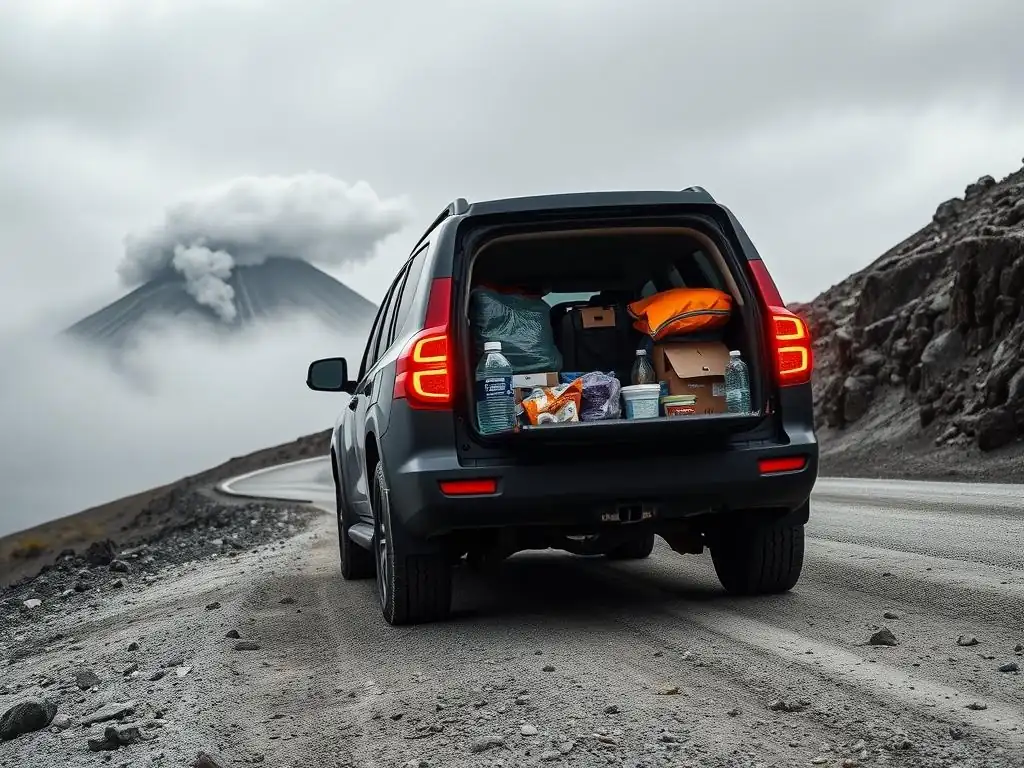
Optimizing your vehicle for volcano evacuation is a proactive measure that can significantly improve safety and efficiency during an eruption. Volcanic conditions pose unique challenges to vehicles, primarily from ashfall, which can damage engines, reduce visibility, and create treacherous driving surfaces. Preparing your vehicle beforehand, both in terms of maintenance and emergency supplies, is a crucial aspect of volcano preparedness.
Essential Supplies for Your Vehicle: Emergency Kits for Volcanic Conditions
An essential component of vehicle preparedness is equipping your car with an emergency kit tailored to volcanic conditions. Beyond the standard emergency kit items like a first-aid kit, jumper cables, and a flashlight, a volcano-specific kit should include items to mitigate the effects of ashfall. Dust masks or respirators are critical to protect occupants from inhaling volcanic ash, which can be harmful to the respiratory system.
Goggles or protective eyewear will shield eyes from ash and debris, improving visibility. An extra air filter for your vehicle is highly recommended, as ash can quickly clog the standard air filter and reduce engine performance. If a spare air filter is unavailable, knowing how to temporarily remove and clean the existing filter can be a valuable skill.
Other useful items include a shovel for clearing ash from around tires or blocked exhaust pipes, a sturdy tarp or car cover to protect the vehicle's exterior from ash accumulation, and extra windshield wiper fluid, as wipers will be working harder to clear ash. Water and non-perishable food supplies are essential in case of delays or being stranded. A battery-powered or hand-crank radio is crucial for receiving emergency broadcasts if cell service is disrupted. Finally, consider packing extra blankets and warm clothing, as temperatures can drop during and after an eruption, especially at higher elevations often associated with volcanoes.
Vehicle Maintenance: Ensuring Your Car is Ready for Evacuation
Regular vehicle maintenance is paramount to ensure your car is ready for evacuation when needed. Before the onset of an eruption season or if you live in an area with frequent volcanic activity, conduct a thorough vehicle check-up. Ensure your tires are in good condition and properly inflated, as good tire traction is crucial on ash-covered roads. Check your brakes and brake fluid levels, as braking performance can be compromised by ash. Verify that your headlights, taillights, and windshield wipers are functioning correctly, as visibility will be crucial during ashfall.
Pay particular attention to your vehicle's air filter. Replace it if it is old or clogged, and consider keeping a spare in your vehicle as part of your emergency kit. Check your engine coolant and oil levels to prevent overheating, which can be exacerbated by driving in ash-filled environments.
Ensure your fuel tank is at least half full at all times, as fuel stations may become inaccessible or overwhelmed during an evacuation. Regular maintenance not only increases the reliability of your vehicle during an emergency but also extends its lifespan and reduces the risk of breakdowns, which could be particularly dangerous during a volcanic evacuation.
Protecting Your Vehicle from Ashfall: Measures to Minimize Damage
Taking proactive measures to protect your vehicle from ashfall can minimize potential damage and maintain its functionality during and after an eruption. If possible, park your vehicle indoors, in a garage or covered parking structure, to shield it from direct ash accumulation. If indoor parking is not available, use a car cover or a large tarp to protect the exterior of your vehicle. This will help prevent ash from settling on the paint, windows, and engine components.
Avoid driving in heavy ashfall if possible. If driving is necessary, drive slowly and cautiously, keeping a safe distance from other vehicles. Turn on your headlights and taillights to increase visibility. Use your windshield wipers sparingly and use plenty of wiper fluid to avoid scratching the windshield with abrasive ash particles. Recirculate the air conditioning or heater to prevent drawing ash into the vehicle's ventilation system.
After ashfall, clean your vehicle thoroughly, starting with rinsing off loose ash with water. Avoid using a dry cloth to wipe ash, as this can scratch the paint. Replace your air filter promptly after exposure to ash. By taking these protective measures, you can significantly reduce the corrosive and abrasive effects of volcanic ash on your vehicle and ensure it remains operational for evacuation and post-eruption recovery.
Real-Time Monitoring and Communication: Staying Informed During an Eruption
Staying informed during a volcanic eruption is paramount for making timely and safe evacuation decisions. Real-time monitoring of volcanic activity and effective communication channels are crucial for disseminating warnings, evacuation notices, and up-to-date information to the public. Access to accurate and timely information empowers individuals and communities to take appropriate actions and enhances the overall effectiveness of evacuation efforts.
Utilizing Volcano Monitoring Systems: Accessing Up-to-Date Information
Volcano monitoring systems play a vital role in providing up-to-date information about volcanic activity. Volcanological observatories around the world continuously monitor volcanoes using a variety of instruments, including seismometers to detect earthquakes, GPS stations to measure ground deformation, gas sensors to track volcanic gas emissions, and thermal cameras to monitor temperature changes. This data is analyzed to assess the volcano's activity level and detect signs of potential eruptions.
Many volcanological observatories provide public access to real-time monitoring data and eruption updates through their websites and social media channels. For example, the USGS (United States Geological Survey) Volcano Hazards Program website provides information on volcano activity in the United States, including alerts, maps, and monitoring data. Similarly, organizations like the Smithsonian Institution's Global Volcanism Program offer global volcanic activity reports.
Residents living near active volcanoes should familiarize themselves with the monitoring systems and information sources relevant to their area. Understanding how to access and interpret volcano monitoring information can provide early warnings of potential eruptions and enable more informed evacuation decisions.
Emergency Alert Systems and Communication Networks: Receiving Timely Evacuation Notices
Emergency alert systems and communication networks are essential for disseminating timely evacuation notices and warnings to communities at risk from volcanic eruptions. These systems utilize various channels to reach the public, including sirens, mobile phone alerts, radio and television broadcasts, and social media. Many countries and regions with active volcanoes have established specific emergency alert systems tailored to volcanic hazards. For example, in the United States, the Wireless Emergency Alerts (WEA) system can send targeted alerts to mobile phones in affected areas, providing immediate warnings of volcanic eruptions and evacuation orders.
Local emergency management agencies play a crucial role in activating and managing these alert systems. They work in coordination with volcanological observatories to assess the volcanic threat level and issue appropriate warnings and evacuation notices. It is vital for residents in volcanic zones to be registered with local emergency alert systems and to understand how these systems operate. Regular testing of alert systems and public awareness campaigns are essential to ensure that communities are prepared to receive and respond to evacuation notices effectively.
Two-Way Radios and Satellite Communication: Backup Communication Options When Cell Service Fails
Cellular phone service and internet connectivity can be unreliable or completely disrupted during a volcanic eruption due to infrastructure damage or network overload. Therefore, having backup communication options is crucial for maintaining contact with family members, emergency services, and for receiving critical information when conventional communication networks fail. Two-way radios, such as walkie-talkies or amateur radios, can provide a reliable means of short-range communication even when cell service is down. These radios operate on designated frequencies and do not rely on cellular networks.
Satellite communication devices, such as satellite phones or satellite messengers, offer a more robust backup option for longer-range communication. Satellite phones can make voice calls and send text messages via satellite networks, while satellite messengers can send and receive text messages and location information. These devices can be particularly valuable in remote volcanic areas where cellular coverage is limited or non-existent. Having backup communication options ensures that individuals and emergency responders can maintain communication during an eruption, facilitating coordination, information sharing, and potentially life-saving assistance when primary communication systems are unavailable.
Alternative Transportation Options: Beyond Personal Vehicles
While personal vehicles are often the primary mode of transportation during evacuations, relying solely on them can be insufficient or impractical in volcanic emergencies. Alternative transportation options, such as community transportation resources, air transportation, and even foot travel, may be necessary in certain situations, particularly for individuals without vehicles, those with mobility limitations, or when roads are blocked or impassable.
Community Transportation Resources: Buses, Shuttles, and Emergency Vehicles
Community transportation resources play a critical role in evacuating residents who do not have personal vehicles or whose vehicles are unsuitable for volcanic conditions. Pre-arranged agreements with bus companies, school districts, or community organizations can ensure the availability of buses, school buses, and shuttle services during an evacuation. These resources can be particularly important for evacuating large numbers of people from densely populated areas or for transporting vulnerable populations, such as the elderly, people with disabilities, or those living in low-income communities.
Emergency vehicles, including ambulances, fire trucks, and specially equipped vehicles, also serve as crucial community transportation resources during volcanic evacuations. Ambulances are essential for transporting individuals with medical needs or injuries. Emergency vehicles can also be used to reach isolated communities or to navigate through challenging terrain. Effective coordination between emergency management agencies, community organizations, and transportation providers is essential to ensure that these resources are readily available, efficiently deployed, and accessible to those who need them most during a volcanic emergency.
Air Transportation: When Helicopters and Planes are Necessary for Evacuation
Air transportation, primarily helicopters and, in some cases, fixed-wing aircraft, can be necessary for evacuation in specific volcanic scenarios. Helicopters are particularly valuable for evacuating people from isolated or inaccessible areas, such as remote villages or areas cut off by lava flows or lahars. They can also be used for medical evacuations and for transporting emergency personnel and supplies into affected regions. Fixed-wing aircraft may be used for larger-scale evacuations or for transporting people over longer distances, but their use is more limited due to the need for runways and the potential impact of volcanic ash on air travel.
The use of air transportation for volcano evacuation requires careful planning and coordination. Airspace management, landing zone selection, and weather conditions, especially visibility in ash clouds, must be carefully considered. Close collaboration between aviation authorities, emergency management agencies, and volcanological observatories is essential to ensure the safe and effective use of air transportation during volcanic emergencies. The 1991 eruption of Mount Pinatubo in the Philippines involved significant air evacuations, demonstrating the critical role that air transport can play in large-scale volcanic crises.
Foot Travel: Last Resort Evacuation Strategies and Safety Considerations
Foot travel should be considered a last resort evacuation strategy, primarily for situations where other forms of transportation are unavailable or impossible. Evacuating on foot can be physically demanding, especially in volcanic terrain, which may be steep, uneven, and covered in ash or debris. However, in certain scenarios, such as when roads are completely blocked or when evacuation is necessary from very close proximity to a volcano, foot travel may be the only viable option.
If foot travel is necessary, careful planning and safety precautions are essential. Evacuees should wear sturdy shoes or boots, long pants, long-sleeved shirts, and hats to protect themselves from ash, sun, and potential injuries. Dust masks or respirators and goggles are crucial to protect the respiratory system and eyes from volcanic ash. Carry water and non-perishable food supplies, a first-aid kit, and a map and compass or GPS device.
Evacuate during daylight hours if possible and stick to established trails or routes. Avoid crossing areas prone to lahars or pyroclastic flows. If evacuating in a group, stay together and assist those who may need help. Foot travel evacuation should only be undertaken when absolutely necessary and with careful consideration of the risks and safety precautions.
Post-Eruption Transportation Challenges and Recovery
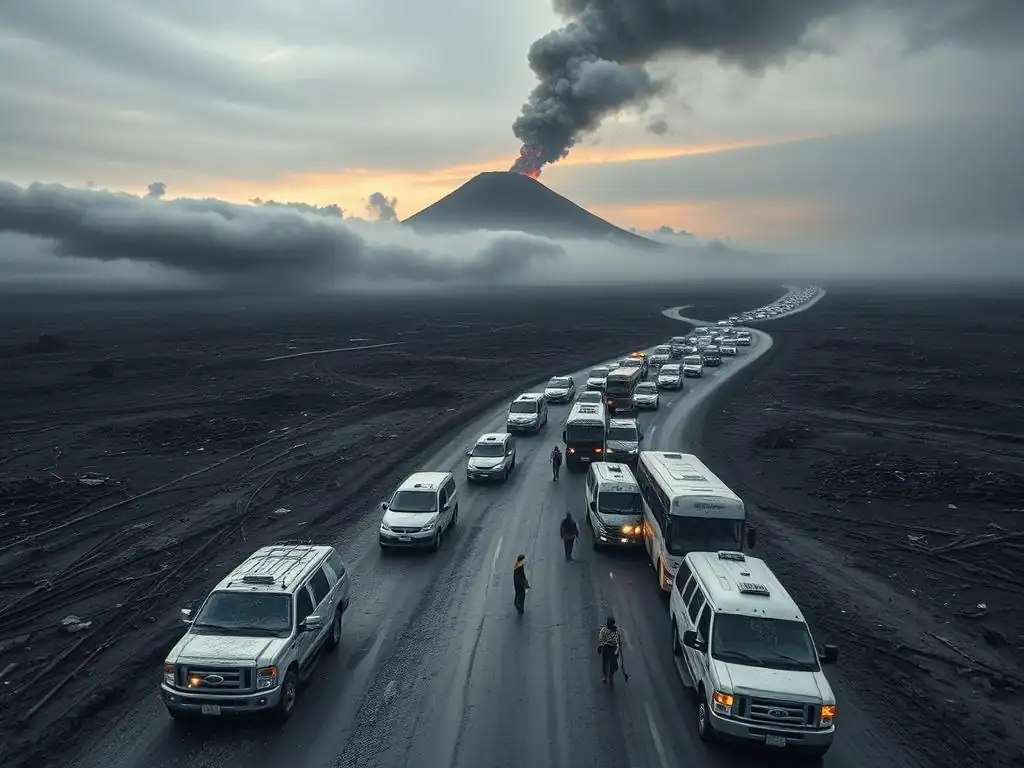
The transportation challenges associated with volcanic eruptions do not end when the eruption subsides. Post-eruption, communities face a new set of transportation hurdles related to assessing road conditions, vehicle recovery and repair, and re-establishing transportation infrastructure. Addressing these post-eruption transportation challenges is crucial for recovery efforts, enabling the delivery of aid, the return of residents, and the long-term rebuilding process.
Assessing Road Conditions After an Eruption: Identifying Safe Routes
Assessing road conditions after a volcanic eruption is a critical first step in post-eruption transportation recovery. Volcanic hazards, such as ashfall, lahars, landslides, and lava flows, can significantly alter road networks, making it essential to identify safe and passable routes before resuming transportation. Road assessment teams, often involving engineers, geologists, and emergency responders, are deployed to inspect roads, bridges, and tunnels. They evaluate structural damage, identify blockages, and assess the stability of slopes and embankments.
Remote sensing technologies, such as satellite imagery and drone surveys, can be valuable tools for rapidly assessing road conditions over large areas. This information is used to create updated road maps, identifying safe routes and areas that remain hazardous. Communication of road condition information to the public is crucial, using radio broadcasts, online maps, and community information centers. Prioritizing the clearing and repair of key evacuation routes and access roads is essential to facilitate the delivery of aid, the movement of recovery personnel, and the eventual return of residents to their homes.
Vehicle Recovery and Repair: Addressing Ash Damage and Mechanical Issues
Volcanic ash is highly abrasive and corrosive and can cause significant damage to vehicles. Post-eruption, vehicle recovery and repair are essential for restoring transportation capacity. Vehicles exposed to ashfall may suffer from engine damage due to ash ingestion, clogged air filters, damaged paint and windshields due to abrasion, and corrosion of metal components. Vehicle recovery efforts may involve removing vehicles stranded in ash-affected areas, towing damaged vehicles to repair facilities, and providing assistance to vehicle owners in cleaning and repairing their cars.
Specialized cleaning and repair procedures are often necessary to address ash damage. This may include thorough engine cleaning, air filter replacement, brake system inspection, and bodywork repairs. Insurance claims related to volcanic ash damage can be complex, and residents may need assistance navigating the claims process. Community support programs and government assistance may be necessary to help residents recover and repair their vehicles, ensuring they have access to transportation for their daily needs and for long-term recovery.
Community Support and Transportation Assistance: Resources for Residents Affected by the Eruption
Community support and transportation assistance are vital components of post-eruption recovery. Volcanic eruptions can displace residents, disrupt livelihoods, and create significant transportation challenges. Community organizations, government agencies, and non-profit organizations often provide resources to assist residents in overcoming these challenges. Transportation assistance programs may include providing temporary transportation to shelters or essential services, organizing carpools or shuttle services, and assisting with vehicle repair or replacement.
Support for vulnerable populations, such as the elderly, people with disabilities, and low-income families, is particularly important. Community centers and information hubs can serve as points of contact for residents to access transportation assistance, information, and other recovery resources. Long-term transportation planning is also crucial for rebuilding communities affected by volcanic eruptions. This may involve relocating roads, improving transportation infrastructure resilience to future volcanic events, and developing sustainable transportation solutions for the recovered communities.
Case Studies: Lessons Learned from Past Volcanic Eruptions and Evacuations
Examining case studies of past volcanic eruptions and evacuations provides valuable lessons for improving preparedness and response strategies. Analyzing the transportation challenges encountered during previous eruptions and the effectiveness of different evacuation approaches can inform current and future planning efforts. Two significant eruptions, Mount St. Helens in 1980 and Mount Pinatubo in 1991, offer crucial insights into transportation-related issues during volcanic crises.
Mount St. Helens 1980: Road Infrastructure Failure and Airborne Ash Impact
The 1980 eruption of Mount St. Helens in Washington State, USA, provides a stark example of road infrastructure failure and the far-reaching impact of airborne ash on transportation. The eruption triggered a massive landslide that destroyed roads and bridges in the immediate vicinity of the volcano. Further away, heavy ashfall blanketed a wide area, making roads treacherous and reducing visibility. The ash cloud also had a significant impact on air travel, although it was less prolonged than later eruptions like Eyjafjallajökull.
The Mount St. Helens eruption highlighted the vulnerability of road infrastructure to volcanic hazards and the importance of having multiple evacuation routes. It also underscored the need for effective ash removal strategies and the potential for long-term transportation disruptions due to road damage and ash accumulation. Lessons learned from Mount St. Helens include the necessity for robust road maintenance and monitoring in volcanic zones, the importance of stockpiling ash removal equipment, and the need for clear communication strategies to inform the public about road closures and safe routes.
Mount Pinatubo 1991: Lahar-Induced Bridge Collapses and Mass Evacuations
The 1991 eruption of Mount Pinatubo in the Philippines demonstrated the devastating impact of lahars on transportation infrastructure and the challenges of mass evacuations in the face of multiple volcanic hazards. The eruption triggered numerous lahars that flowed down river valleys surrounding the volcano, repeatedly destroying bridges and roads. These lahars severely hampered evacuation efforts and isolated communities. Despite the transportation challenges, a large-scale evacuation effort was undertaken, involving the movement of hundreds of thousands of people.
The Mount Pinatubo eruption emphasized the destructive power of lahars and the critical need for lahar hazard mapping and early warning systems. It also highlighted the importance of having alternative evacuation routes that are less susceptible to lahar impacts and the necessity for community-based evacuation planning. The successful evacuation of a large population despite significant transportation obstacles demonstrated the effectiveness of proactive planning, community participation, and the utilization of diverse transportation resources, including air transport, in large-scale volcanic emergencies.
Essential Volcano Evacuation Transportation Tips: A Quick Reference Guide
For quick and easy reference, here are essential volcano evacuation transportation tips to help you prepare and stay safe during a volcanic eruption.
Key Takeaways for Safe and Effective Evacuation
- Plan Ahead: Develop a family evacuation plan that includes transportation, communication, and meeting points. Practice your plan regularly.
- Multiple Routes: Identify and familiarize yourself with multiple evacuation routes in case primary routes are blocked.
- Vehicle Preparedness: Maintain your vehicle, keep your fuel tank at least half full, and prepare a volcano-specific emergency kit for your car.
- Stay Informed: Monitor volcano activity through official sources and emergency alert systems. Have backup communication options like two-way radios.
- Community Resources: Know your community's evacuation plans and available transportation resources, such as buses and emergency vehicles.
- Ash Protection: Learn how to protect yourself and your vehicle from volcanic ash. Drive cautiously in ashfall and clean your vehicle thoroughly afterward.
- Post-Eruption Awareness: Be aware of post-eruption transportation challenges, including road damage and vehicle issues. Follow official guidance on safe routes and recovery resources.
- Prioritize Safety: Your safety and the safety of your family are paramount. Evacuate promptly when advised by authorities and do not take unnecessary risks.
Resources for Further Information and Assistance
- USGS Volcano Hazards Program: (For information on US volcanoes and general volcano safety) - [Data Placeholder - Please insert link to USGS Volcano Hazards Program website]
- Smithsonian Institution's Global Volcanism Program: (For global volcano information and eruption updates) - [Data Placeholder - Please insert link to Smithsonian GVP website]
- FEMA (Federal Emergency Management Agency): (For general emergency preparedness information) - [Data Placeholder - Please insert link to FEMA website]
- Local Emergency Management Agencies: (Contact your local emergency management agency for volcano-specific plans and alerts in your area). - [Instruction: Add guidance to find local emergency management contact info based on user location]
By understanding the transportation challenges posed by volcanic eruptions and following these volcano evacuation transportation tips, individuals and communities can significantly enhance their preparedness and resilience, ensuring safer and more effective evacuations when these powerful natural events occur.
Frequently Asked Questions
What are the primary transportation challenges during a volcano evacuation?
The primary challenges often involve road closures due to lava flows, ashfall causing poor visibility, and overwhelmed infrastructure leading to traffic jams.
What types of vehicles are generally not recommended for volcano evacuations?
Vehicles with poor air filtration systems like convertibles are not recommended due to ash inhalation risk. Also, vehicles with low ground clearance can struggle on ash-covered roads.
How can I stay informed about real-time road closures during a volcanic eruption?
Staying informed requires monitoring official sources like local emergency management agencies and reliable news outlets. VolcanoExplorers.org will also provide updates when available.
What are some alternative transportation methods if roads are impassable during an evacuation?
In extreme cases, helicopter evacuations may be necessary. Additionally, designated evacuation routes might incorporate boats or other alternative transportation.
What personal preparedness steps can I take to ensure I have access to transportation during a volcano evacuation?
Maintaining a well-maintained vehicle with a full tank of gas is crucial. Also, having a backup plan and knowing alternative routes is essential for successful evacuation.
Final Reflection: Embracing Resilience in the Face of Volcanic Fury
The insights shared throughout this article, focusing on volcano evacuation transportation tips, are not merely academic exercises; they are vital lifelines in a world increasingly vulnerable to natural disasters. The reality is that volcanic eruptions, with their unpredictable nature and devastating potential, demand proactive planning and informed decision-making. Understanding the challenges and implementing effective transportation strategies is paramount to ensuring the safety and well-being of communities living in these high-risk zones.
The impact of these challenges extends far beyond logistical considerations; they touch upon the very fabric of community resilience and individual preparedness. Witnessing the power of nature firsthand underscores the importance of respecting its forces and proactively mitigating potential harm. The best preparation for tomorrow is doing your best today.
– H. Jackson Brown, Jr. This quote encapsulates the spirit of preparedness that must permeate communities living near active volcanoes, fostering a culture of awareness and proactive planning.
As you reflect on the information presented, consider how you can contribute to enhancing volcano evacuation transportation strategies in your own community or sphere of influence. Whether it's advocating for improved infrastructure, participating in emergency drills, or simply sharing these crucial tips with your loved ones, remember that every action, no matter how small, can make a significant difference. Let us all strive to build more resilient and prepared communities, ready to face the challenges posed by volcanic eruptions with knowledge, courage, and a commitment to safeguarding human life.
Okay, I'm ready to create a compelling Call to Action (CTA) for the end of the "Transportation Challenges: Navigating Volcano Zones During Eruptions" article on Volcano Explorers (volcanoexplorers.org), keeping in mind the instructions. Here it is:
Thank you for delving into the complexities of transportation during volcanic eruptions. You now have a clearer understanding of the challenges and strategies involved in navigating these dynamic environments. It's time to put that knowledge into action!
Here are a few ways you can continue your journey:
- Immediately familiarize yourself with the evacuation routes and emergency protocols for any volcanic region you plan to visit. This proactive step could be crucial for your safety.
- Share this article with your fellow adventure enthusiasts and discuss the importance of responsible and informed travel in volcanic areas.
- Research innovative technologies being developed to improve transportation safety during eruptions and consider supporting these efforts.
What's one emergency supply you'll now always pack when venturing near an active volcano? Share your revised packing list in the comments!