
Beyond the Blue Fire: Daytime Photography at Kawah Ijen's Turquoise Crater Lake

Welcome to Volcano Explorers!
Ever wondered what secrets lie hidden within a volcano's heart, beyond the fiery spectacle we often imagine? Prepare to be captivated. This isn't just about explosive eruptions; it's about uncovering the breathtaking beauty and raw power that defines these natural wonders. Intrigued? Then journey with us as we delve into the mesmerizing world of Daytime Photography at Kawah Ijen, where a turquoise crater lake and otherworldly landscapes await. What will you discover within its ethereal embrace? Let the exploration begin...
- Capturing the Turquoise Beauty: Daytime Photography at Kawah Ijen
- Planning Your Daytime Photography Trip to Kawah Ijen
- The Unique Challenges of Daytime Photography at Ijen
- Techniques for Stunning Daytime Kawah Ijen Photographs
- Post-Processing Tips for Kawah Ijen Daytime Photos
- Showcasing Your Daytime Kawah Ijen Photography
- Alternative Photographic Opportunities Around Kawah Ijen during the Day
- Kawah Ijen: A Daytime Photography Paradise – Final Thoughts
-
Frequently Asked Questions
- What makes Kawah Ijen's crater lake unique for daytime photography?
- What are the best times of day for daytime photography at Kawah Ijen?
- What safety precautions should photographers take at Kawah Ijen during the day?
- What camera equipment is recommended for daytime photography at Kawah Ijen?
- Are there any ethical considerations when photographing at Kawah Ijen?
- Final Reflection: Embracing the Light of Ijen
- Ignite Your Inner Explorer: Capture Ijen's Majesty!
Capturing the Turquoise Beauty: Daytime Photography at Kawah Ijen
Shifting Focus: From Blue Fire to Daylight at Ijen Crater
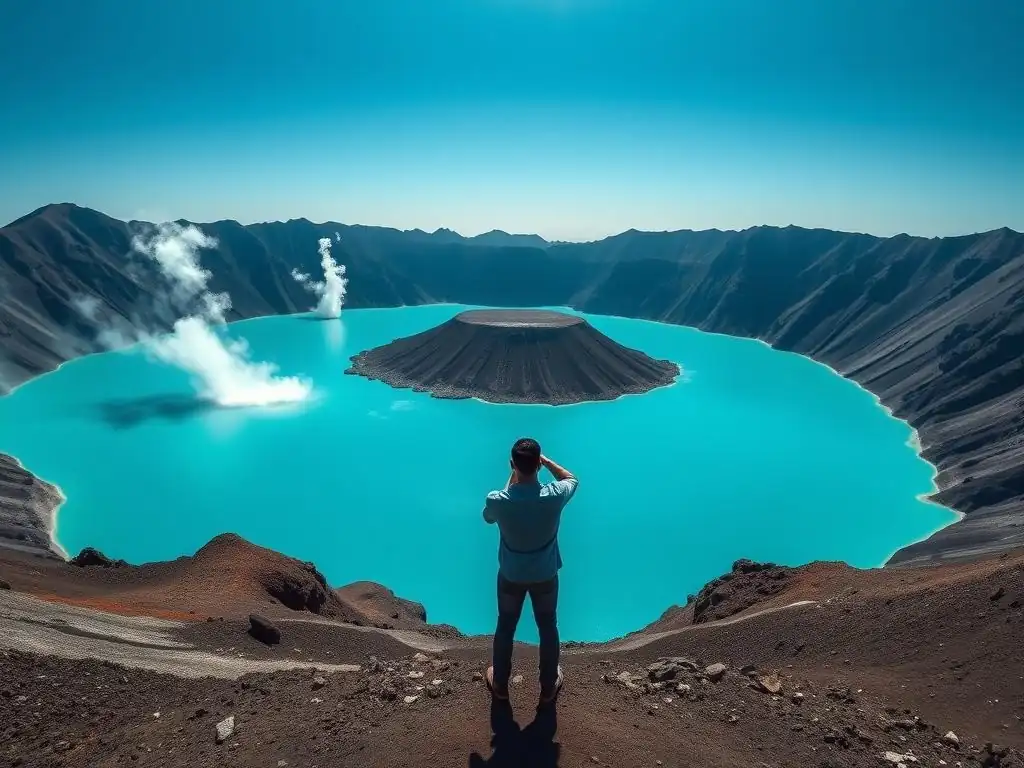
Kawah Ijen, nestled in East Java, Indonesia, is globally renowned for its mesmerizing blue fire, a phenomenon of burning sulfuric gas that captivates photographers and adventurers alike during the night. Consequently, most photographic attention and tours are geared towards capturing this nocturnal spectacle. However, limiting your Ijen experience to the blue fire means missing out on an equally, if not more, breathtaking transformation that unfolds with the rising sun: the emergence of its stunning turquoise crater lake.
Daytime at Ijen reveals a different kind of magic, one painted in vibrant hues of blue and yellow, offering unique photographic opportunities that are distinct from the famed blue flames. This shift in perspective, from the darkness-dependent blue fire to the sun-illuminated landscape, opens up a new realm of visual storytelling at this extraordinary volcanic site, highlighting the vibrant colors and textures that are hidden in the shadows of night.
While the blue fire is undoubtedly a remarkable sight, focusing solely on it overshadows the geological marvel that is the Ijen crater lake itself. Formed within the active caldera of Mount Merapi, this lake is recognized as the world's largest highly acidic crater lake. Its intense turquoise color, a result of dissolved minerals interacting with sunlight, is truly spectacular and deserves dedicated photographic exploration.
Daytime photography at Kawah Ijen allows you to fully appreciate this chromatic intensity, capturing the lake's ethereal beauty under natural light. Moreover, the surrounding landscape, often obscured in darkness, is unveiled in daylight, showcasing the rugged volcanic terrain, the plumes of sulfuric smoke, and the hardworking sulfur miners against the backdrop of a vividly colored lake. This daytime perspective offers a more comprehensive and arguably more visually striking narrative of Kawah Ijen’s otherworldly environment.
Why Kawah Ijen is a Photographer's Dream During the Day
Kawah Ijen transforms into a daytime photographer's dream for several compelling reasons. Firstly, and most prominently, is the unparalleled turquoise color of the crater lake. This intense hue, often likened to liquid sapphire, is most vividly captured under the full spectrum of daylight.
Unlike the nighttime blue fire, which is a localized and transient phenomenon, the turquoise lake is a constant, expansive subject that dominates the visual landscape during the day. The varying angles of sunlight throughout the day also create dynamic shifts in the lake's color, offering a range of photographic opportunities from the soft glow of early morning to the intense saturation of midday and the warm tones of late afternoon.
Secondly, daytime photography at Ijen allows for a richer appreciation and capture of the overall volcanic landscape. The surrounding caldera walls, the intricate patterns of sulfur deposits, and the trails carved by sulfur miners become clearly visible, providing context and scale to your photographs. You can capture the panoramic grandeur of the crater, showcasing the lake within its dramatic geological setting. Furthermore, the daytime hours offer better visibility for capturing the sulfur miners at work.
Their yellow-stained baskets, the plumes of sulfur smoke, and their laborious movements create compelling human elements within the stark volcanic environment. Capturing these scenes in daylight provides better opportunities for storytelling and documentary-style photography, revealing the human element intertwined with this extraordinary natural wonder. The clear visibility also enhances safety for photographers, allowing for better navigation around the crater rim and more conscious composition, contributing to more controlled and aesthetically pleasing images.
Planning Your Daytime Photography Trip to Kawah Ijen
Best Time of Day for Turquoise Lake Photography at Ijen
The best time of day for daytime photography at Kawah Ijen to capture the turquoise lake in its full glory is generally during the early morning hours, from sunrise until about 10:00 AM, and again in the late afternoon, from around 3:00 PM until sunset. Early morning light is particularly favorable as it bathes the lake in soft, diffused light, enhancing the turquoise color without harsh shadows.
The angle of the sun during these hours also tends to minimize glare on the lake's surface, allowing for clearer and more saturated images of the water's vibrant hue. Additionally, the sulfur fumes are often less intense in the early morning due to cooler temperatures and less thermal activity, although this can vary depending on wind conditions and volcanic activity on any given day.
Late afternoon also presents excellent opportunities for daytime photography at Ijen. As the sun descends, it casts a warmer, golden light across the landscape, adding depth and richness to the turquoise lake and the surrounding volcanic terrain. This time of day is ideal for capturing dramatic shadows and silhouettes, creating a different mood compared to the bright, clear light of midday.
However, it’s important to be mindful of the increasing intensity of sulfur fumes as the day progresses, especially in the afternoon as thermal activity can pick up. Midday, while offering strong light, can be challenging due to harsh shadows and potentially more intense sulfur fumes.
While still possible to photograph, midday light might require more careful exposure control and may result in less saturated colors compared to the softer light of morning and late afternoon. Monitoring the wind direction and sulfur fume intensity is crucial throughout the day, regardless of the time chosen for photography, to ensure both safety and optimal shooting conditions.
Essential Gear for Daytime Ijen Photography: Beyond Night Vision
For daytime photography at Kawah Ijen, while you won't need specialized night vision equipment, certain gear becomes crucial to capture the turquoise lake and the volcanic landscape effectively. Firstly, a good quality DSLR or mirrorless camera with interchangeable lenses is highly recommended.
Lenses should include a wide-angle lens (around 16-35mm for full-frame, or equivalent for crop sensors) to capture the expansive crater and lake, and a telephoto lens (70-200mm or longer) to isolate details within the volcanic landscape and capture portraits of sulfur miners from a respectful distance. A standard zoom lens (24-70mm or equivalent) can also be versatile for general photography around the crater.
Filters are essential for daytime Ijen photography. A polarizing filter is crucial to reduce glare on the lake's surface, enhance the turquoise color, and cut through atmospheric haze. Neutral Density (ND) filters, particularly variable ND filters, are highly beneficial for managing bright daylight conditions. They allow you to use wider apertures for shallow depth of field or longer shutter speeds to blur motion, even in bright sunlight.
Graduated Neutral Density (GND) filters can also be helpful to balance the exposure between the bright sky and the darker foreground of the crater. Tripods are recommended for sharp images, especially in lower light conditions of early morning and late afternoon, and for using slower shutter speeds with ND filters. Beyond photographic gear, personal protective equipment is paramount. A high-quality gas mask with proper filters is essential for protection against sulfur fumes, regardless of the time of day.
Eye protection, such as goggles, is also crucial to prevent irritation from sulfur particles. Wear clothing that covers your skin to minimize exposure to volcanic gases and sulfuric dust. Sturdy hiking boots are necessary for navigating the uneven and often slippery terrain around the crater. Remember to also bring plenty of water to stay hydrated in the high-altitude and physically demanding environment, and consider carrying a first-aid kit for minor injuries.
Permits and Safety Considerations for Ijen Crater Daytime Exploration
Access to Kawah Ijen requires obtaining the necessary permits. Typically, permits are included in organized tours, but if you are traveling independently, you will need to check the current regulations and obtain permits from the local authorities or the park management office. It's advisable to inquire about permit procedures in advance of your trip, possibly through your accommodation or a local tourism office in Banyuwangi. Permit fees contribute to the conservation and maintenance of the Ijen area.
Safety considerations are paramount when exploring Kawah Ijen, especially for daytime photography. Sulfur fumes are a constant hazard, and their intensity can fluctuate throughout the day depending on wind direction and volcanic activity. Always wear a properly fitted gas mask with fresh filters, and ensure it is sealed correctly to your face before approaching the crater. Monitor wind direction and be prepared to move away from areas with strong sulfur fumes. Heed the advice of local guides and park rangers, who are experienced in assessing the conditions at Ijen.
The terrain around the crater rim is uneven, steep, and can be slippery due to volcanic dust and condensation. Wear sturdy hiking boots with good traction and be cautious when walking near the crater edge. Avoid venturing too close to the lake's edge, as the fumes are most concentrated there, and the ground can be unstable. Carry water and stay hydrated, as the hike to the crater rim and the exposure to volcanic gases can be physically demanding. Inform someone of your hiking plans and expected return time, especially if hiking independently.
In case of any respiratory distress or irritation from sulfur fumes, descend to lower altitudes immediately and seek fresh air. Check for any updates on volcanic activity before your visit, as access to Kawah Ijen can be restricted during periods of heightened volcanic unrest. Respect the sulfur miners and their work; maintain a safe distance and avoid obstructing their paths. Daytime exploration, while offering better visibility, still requires vigilance and adherence to safety guidelines due to the inherent volcanic hazards of Kawah Ijen.
The Unique Challenges of Daytime Photography at Ijen
Battling the Sulfur: Protecting Your Gear and Yourself
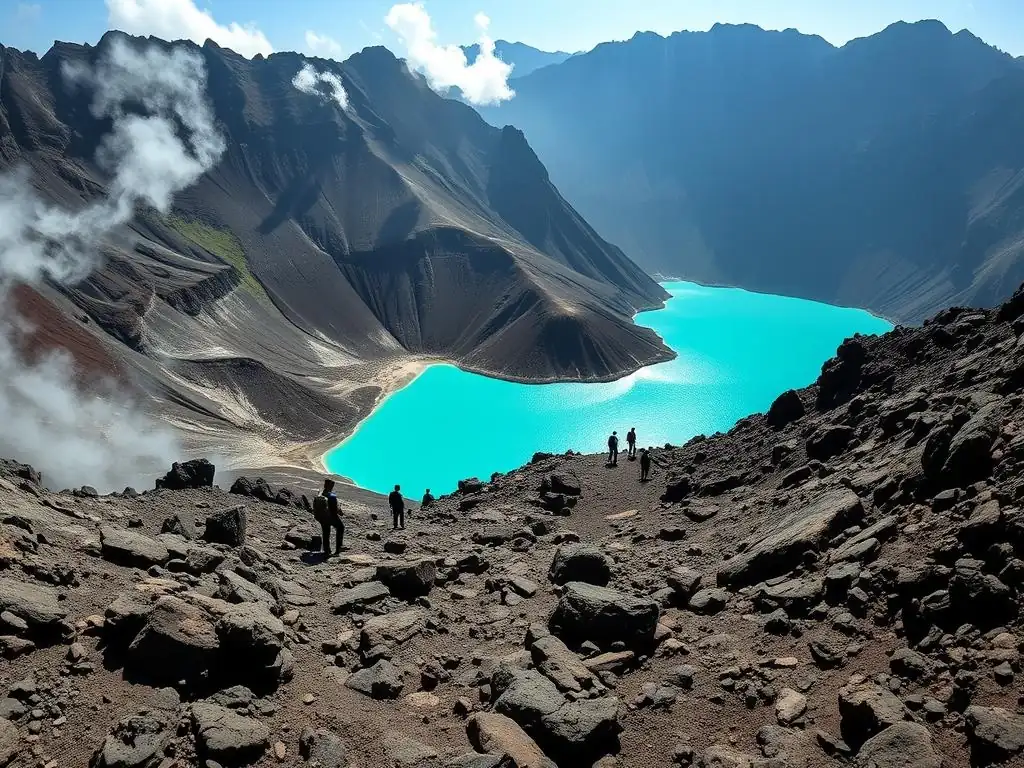
Even during daytime photography at Kawah Ijen, battling the sulfur fumes remains a significant challenge. While daylight offers better visibility, the volcanic gases are still present and can be intensely irritating to the respiratory system and eyes. The sulfur dioxide (SO2) and other volcanic gases can cause coughing, burning sensations in the throat and eyes, and in higher concentrations, can be dangerous.
Protecting yourself is the top priority. A high-quality gas mask with appropriate filters (specifically designed for acidic gases) is absolutely essential. Ensure the mask fits properly and creates a tight seal around your face before approaching the crater.
Carry spare filters, as they can become saturated with sulfur over time, reducing their effectiveness. Goggles or a full-face mask provide crucial eye protection from sulfur particles and fumes that can cause stinging and blurred vision. Wear clothing that covers your skin to minimize exposure to sulfurous gases and volcanic dust, which can be acidic and irritating.
Protecting your photographic gear from the corrosive effects of sulfur is also crucial. Sulfur fumes can penetrate and damage camera electronics, lens coatings, and metal components over time. Use weather-sealed cameras and lenses if possible, as they offer better protection against dust and moisture, although they are not entirely sulfur-proof. Keep your camera gear in a sealed, waterproof bag or backpack when not in use, especially when you are in areas with heavy sulfur fumes.
Consider using rain covers for your camera and lenses, even if it's not raining, to provide an extra layer of protection against sulfurous gases and particles. Clean your gear thoroughly after each photography session at Ijen. Use a soft brush and lens cloth to remove any volcanic dust or sulfur residue.
Consider using lens cleaning solution specifically designed for camera lenses. Store your gear in airtight containers with desiccant packets to absorb moisture and prevent corrosion. Be mindful that prolonged exposure to sulfurous environments, even with precautions, can still lead to gradual wear and tear on your equipment.
Harsh Lighting Conditions: Mastering Daytime Exposure at Ijen
Daytime photography at Kawah Ijen presents challenges due to harsh lighting conditions, particularly during midday. The high altitude and reflective surfaces of the crater and lake can result in intense sunlight and high contrast scenes. Bright sunlight can lead to overexposed highlights, especially on the turquoise lake and the plumes of white sulfur smoke, while shadows in the crater walls can become very dark. Mastering exposure is key to capturing balanced and detailed daytime images at Ijen.
Utilizing your camera's histogram is crucial to ensure proper exposure. Aim to expose for the highlights to avoid clipping (loss of detail in bright areas), and allow for shadow recovery in post-processing if necessary. Shooting in RAW format is highly recommended, as it provides greater flexibility for adjusting exposure and recovering details in both highlights and shadows during post-processing.
Using filters is essential for managing harsh daytime lighting. Polarizing filters not only enhance the turquoise color of the lake but also reduce glare and reflections, which can be particularly strong in bright sunlight. They can also help to darken skies and improve contrast.
Neutral Density (ND) filters are invaluable for reducing the overall amount of light entering the lens, allowing you to shoot at wider apertures or slower shutter speeds even in bright conditions. Variable ND filters offer flexibility to adjust the level of light reduction as needed. Graduated Neutral Density (GND) filters can be used to balance the exposure between the bright sky and the darker foreground of the crater, preventing the sky from being overexposed while maintaining detail in the landscape.
Consider shooting during the golden hours, early morning and late afternoon, when the light is softer, warmer, and less harsh. These times offer more pleasing light for photography and reduce the challenges of high contrast. If shooting during midday, look for compositions that utilize shadows creatively or consider focusing on details within the landscape rather than wide panoramic views to manage the harsh light more effectively.
Composition Challenges: Finding Unique Angles in Daylight
While daytime at Kawah Ijen reveals the stunning turquoise lake and surrounding landscape, it also presents composition challenges distinct from nighttime blue fire photography. The darkness of night simplifies compositions, often focusing on the blue flames against a black backdrop. Daylight, however, exposes the entire scene, requiring more deliberate composition to create visually compelling images that go beyond simply documenting the turquoise color. Finding unique angles and perspectives becomes crucial to stand out from typical daytime shots of Ijen.
Explore different vantage points around the crater rim. Don't just settle for the most obvious viewpoints. Hike along different sections of the rim, if permitted and safe, to discover new perspectives and angles that offer unique compositions of the lake, crater walls, and sulfur mining activity.
Experiment with foreground elements to add depth and interest to your daytime compositions. Incorporate volcanic rocks, sulfur deposits, or the trails created by sulfur miners in the foreground to lead the viewer's eye into the scene and create a sense of scale. Look for lines and shapes within the volcanic landscape to create dynamic compositions. The contours of the crater walls, the patterns of sulfur flows, and the lines of miner trails can all be used as compositional elements to guide the eye and add visual interest.
Consider capturing the human element by including sulfur miners in your daytime compositions. Their figures, often silhouetted against the bright lake or plumes of smoke, can add scale, context, and a powerful narrative to your images. However, always photograph miners respectfully and ethically, as discussed in a later section. Pay attention to the interplay of light and shadow in your daytime compositions.
Use shadows to create depth, highlight textures, and add drama to your images. The changing angle of the sun throughout the day offers opportunities to capture different moods and perspectives of the same scene. Move beyond the typical wide panoramic views and explore detail shots. Use telephoto lenses to isolate interesting textures, patterns, and details within the volcanic landscape, such as the intricate formations of sulfur deposits or the rugged texture of the crater walls.
Techniques for Stunning Daytime Kawah Ijen Photographs
Utilizing Filters for Enhanced Turquoise Lake Images
Filters are indispensable tools for enhancing daytime Kawah Ijen photographs, particularly for capturing the turquoise lake's vibrant color. A polarizing filter is arguably the most essential filter for daytime Ijen photography. It works by reducing glare and reflections from non-metallic surfaces like water, which is crucial for photographing the crater lake.
By minimizing surface reflections, a polarizing filter reveals the true turquoise color of the water, making it appear more saturated and vibrant in your images. It also helps to cut through atmospheric haze, improving clarity and contrast in your landscape shots. When using a polarizing filter, rotate it while looking through the viewfinder or LCD screen to observe the effect and adjust it for optimal glare reduction and color enhancement.
Neutral Density (ND) filters, especially variable ND filters, are highly beneficial for creative daytime photography at Ijen. They reduce the amount of light entering the lens, allowing you to use wider apertures or slower shutter speeds even in bright daylight conditions. Using a wider aperture (smaller f-number) can create a shallow depth of field, blurring the background and drawing attention to your main subject, such as a sulfur miner or a specific detail in the volcanic landscape.
Slower shutter speeds, enabled by ND filters, can be used to create motion blur effects. For example, you can blur the movement of sulfur smoke plumes to convey a sense of dynamism or use a slightly longer exposure to smooth out the surface of the lake, creating a more ethereal look. Graduated Neutral Density (GND) filters are useful for balancing exposure in high-contrast scenes, such as when photographing the crater lake with a bright sky.
A GND filter darkens the brighter part of the scene (the sky) while leaving the darker part (the foreground) unaffected, allowing you to capture detail in both areas without overexposing the sky or underexposing the landscape. Experiment with different types and strengths of filters to achieve various creative effects and enhance the unique beauty of Kawah Ijen's turquoise lake in your daytime photographs.
Capturing the Sulfur Miners: Ethical Considerations and Powerful Portraits
Capturing the sulfur miners at work is a powerful aspect of daytime photography at Kawah Ijen, offering opportunities for compelling portraits and documentary images that highlight the human element within this extreme environment. However, ethical considerations must be at the forefront when photographing the miners. Always approach miners with respect and seek their permission before taking their photographs. Learn a few basic Indonesian phrases to communicate politely and respectfully. Explain your purpose as a photographer and show genuine interest in their work and lives.
Be mindful that the miners are working in harsh and dangerous conditions. Avoid obstructing their paths or interfering with their work. Maintain a safe distance, both for your own safety and out of respect for their working space. Do not treat them as mere photographic subjects; acknowledge their humanity and the challenging nature of their labor.
Consider offering a small token of appreciation for their cooperation, such as purchasing sulfur from them (if appropriate) or offering a donation. However, avoid creating a transactional dynamic where miners expect payment for being photographed, as this can become exploitative. Focus on capturing authentic and respectful portraits that tell the story of their resilience and hard work. Pay attention to their expressions, their weathered faces, and the tools of their trade – the baskets, bamboo poles, and simple protective gear.
Daytime photography allows for better lighting and visibility for capturing detailed portraits of the miners in their working environment. Use available light creatively to highlight their features and the textures of their clothing and equipment. Consider capturing both individual portraits and wider shots that show them in the context of the volcanic landscape and the sulfur mining process. Be sensitive to their privacy and cultural norms.
If a miner declines to be photographed, respect their wishes. Avoid photographing them in vulnerable or undignified situations. Ultimately, ethical sulfur miner photography at Kawah Ijen is about respecting their dignity, acknowledging their labor, and telling their stories in a responsible and meaningful way.
Wide-Angle Wonders: Showcasing the Scale of the Crater
Wide-angle lenses are invaluable for showcasing the immense scale and grandeur of the Kawah Ijen crater during daytime photography. A wide-angle lens, typically in the range of 16-35mm (for full-frame cameras), allows you to capture a vast field of view, encompassing the expansive turquoise lake, the towering crater walls, and the surrounding volcanic landscape in a single frame. This perspective is essential for conveying the sheer size and dramatic setting of Ijen.
Utilize wide-angle lenses to emphasize the relationship between the turquoise lake and its volcanic surroundings. Position yourself at vantage points along the crater rim to capture panoramic views that showcase the lake nestled within the caldera. Include the crater walls, sulfur deposits, and plumes of smoke to provide context and a sense of scale.
Look for leading lines within the landscape to guide the viewer's eye into the wide-angle scene. The trails of sulfur miners, the contours of the crater rim, or patterns in the volcanic rock can serve as leading lines that draw the viewer deeper into the image and enhance the sense of depth and scale.
Get low to the ground with your wide-angle lens to exaggerate the foreground and make the crater appear even more vast and imposing. This low perspective can emphasize foreground details, such as volcanic rocks or sulfur crystals, while still capturing the expansive background. Incorporate human elements, like sulfur miners, into your wide-angle compositions to provide a sense of scale.
Position miners strategically within the frame to highlight the vastness of the crater and the challenging environment they work in. Experiment with different focal lengths within the wide-angle range to find the perspective that best conveys the scale of the scene. Slightly wider focal lengths (e.g., 16mm or 18mm) will exaggerate perspective and make the crater appear even larger, while slightly longer focal lengths (e.g., 24mm or 35mm) can offer a more balanced perspective.
Consider creating multi-shot panoramas using a wide-angle lens to capture an even wider field of view than a single shot can provide. This technique can be particularly effective for showcasing the entire 360-degree panorama of the Kawah Ijen crater. Wide-angle lenses are powerful tools for daytime photography at Ijen, allowing you to capture the breathtaking scale and immersive experience of this extraordinary volcanic landscape.
Telephoto Treasures: Isolating Details within the Volcanic Landscape
While wide-angle lenses excel at capturing the grand scale of Kawah Ijen, telephoto lenses offer a different, equally valuable perspective for daytime photography. Telephoto lenses, typically 70-200mm or longer, allow you to isolate details within the vast volcanic landscape, bringing distant subjects closer and revealing intricate textures and patterns that might be missed with wider lenses. Use telephoto lenses to capture details of the turquoise lake's surface.
Zoom in on the swirling patterns and subtle color variations within the lake, creating abstract and visually intriguing images that highlight the unique properties of this acidic body of water. Isolate sections of the crater walls to showcase the rugged textures and geological formations. Telephoto lenses can compress perspective, making distant features appear closer and more prominent, emphasizing the verticality and dramatic contours of the crater rim.
Capture details of the sulfur deposits and volcanic formations. Telephoto lenses can reveal the intricate patterns, colors, and textures of sulfur crystals, solidified lava flows, and other volcanic features, creating macro-like images of the geological details within the landscape. Utilize telephoto lenses for environmental portraits of sulfur miners.
From a respectful distance, you can capture close-up portraits that focus on their faces, expressions, and the details of their clothing and equipment, without intruding on their working space. Compress perspective to create dramatic compositions that emphasize the plumes of sulfur smoke. Telephoto lenses can make smoke plumes appear larger and more dominant in the frame, creating a sense of dynamism and highlighting the volcanic activity.
Experiment with different focal lengths within the telephoto range to achieve various levels of compression and isolation. Shorter telephoto focal lengths (e.g., 70-100mm) can be used for environmental portraits and capturing details within the landscape context, while longer focal lengths (e.g., 200mm or longer) are ideal for isolating distant subjects and creating more compressed perspectives. Telephoto lenses are essential tools for daytime Kawah Ijen photography, enabling you to explore the landscape in detail, capture intimate portraits, and reveal the hidden treasures within this extraordinary volcanic environment.
Post-Processing Tips for Kawah Ijen Daytime Photos
Color Correction: Enhancing the Turquoise Hue
Post-processing plays a crucial role in enhancing the beauty of daytime Kawah Ijen photographs, especially in bringing out the vibrant turquoise hue of the crater lake. Color correction is a key step in this process. Start by adjusting the white balance to ensure accurate colors in your images.
Daylight white balance is generally a good starting point for daytime Ijen photos, but you may need to fine-tune it based on the specific lighting conditions and your camera's color rendition. Use color temperature and tint sliders in your photo editing software (like Adobe Lightroom or Capture One) to achieve a neutral white balance, which will serve as a foundation for further color adjustments. Once the white balance is corrected, focus on enhancing the turquoise color of the lake.
Use the HSL (Hue, Saturation, Luminance) panel or similar color adjustment tools in your editing software to target the blues and cyans in your image. Increase the saturation of these colors to intensify the turquoise hue, but be careful not to over-saturate, which can lead to unnatural-looking results.
Adjust the hue slider for blues and cyans to fine-tune the turquoise color. Slightly shifting the hue towards green or cyan can enhance the desired turquoise tone. Experiment with the luminance slider for blues and cyans to control the brightness of the turquoise color. Increasing luminance can make the lake appear brighter and more ethereal, while decreasing it can create a richer, deeper turquoise.
Use color grading tools to subtly adjust the overall color tone of your image. Adding a slight cool tone to the shadows and midtones can further enhance the turquoise color and create a visually harmonious look. Be mindful of color harmony and ensure that your color adjustments complement the other elements in your image, such as the volcanic rocks, sulfur deposits, and sky.
Avoid over-processing the colors, which can result in unnatural and unrealistic-looking images. The goal is to enhance the natural turquoise beauty of the lake, not to create an artificial or overly stylized look. Subtle and tasteful color corrections will often yield the most impactful and visually appealing results for your daytime Kawah Ijen photographs.
Removing Haze: Clarity in the Volcanic Environment
Haze is a common challenge in daytime Kawah Ijen photography due to the volcanic gases, sulfur smoke, and atmospheric conditions at high altitude. Removing haze in post-processing is essential for achieving clarity and sharpness in your images, allowing the details of the turquoise lake and volcanic landscape to shine through. Start by using the Dehaze slider in your photo editing software. This tool is specifically designed to reduce atmospheric haze and improve clarity.
Experiment with the Dehaze slider to find the optimal setting that removes haze without introducing unwanted artifacts or making the image look unnatural. Be cautious not to over-dehaze, as this can sometimes lead to a harsh and overly processed look. Adjust the contrast and clarity sliders to further enhance sharpness and detail.
Increasing contrast can help to cut through the haze and improve the definition of edges and textures. The clarity slider enhances mid-tone contrast, making details appear sharper and more defined. Use these sliders judiciously to avoid creating excessive noise or artificial sharpness.
Utilize masking tools to selectively apply haze removal and clarity adjustments. If haze is more prominent in certain areas of your image, such as the distant landscape or sky, use masks to apply dehazing and clarity adjustments only to those areas, leaving other parts of the image unaffected. This can help to maintain a natural and balanced look. Consider using noise reduction selectively after dehazing.
Dehazing can sometimes amplify noise, especially in shadow areas. Apply noise reduction selectively to areas where noise becomes more noticeable after dehazing, such as the sky or darker parts of the landscape. Sharpening is typically the final step in post-processing for clarity enhancement.
Apply sharpening to bring out fine details and textures in your image. Use appropriate sharpening techniques, such as output sharpening for web or print, and consider using masking to apply sharpening selectively to areas that benefit most from it, such as the foreground and main subjects. By effectively removing haze and enhancing clarity in post-processing, you can reveal the true beauty and detail of Kawah Ijen's volcanic environment, creating more impactful and visually stunning daytime photographs.
Sharpening is a critical post-processing step for daytime Kawah Ijen photographs, as it helps to bring out the intricate details and textures of the volcanic landscape, sulfur deposits, and the turquoise lake itself. Effective sharpening can enhance the overall visual impact of your images, making them appear crisper and more defined. Start with capture sharpening, which is typically applied early in the post-processing workflow. Capture sharpening corrects for any softness introduced by the camera sensor and lens.
Most photo editing software applies a default level of capture sharpening automatically, but you can fine-tune it based on your specific image and camera settings. Use the sharpening tools in your software, typically including Amount, Radius, and Detail sliders, to adjust capture sharpening settings. Pay attention to the Detail slider, which controls the amount of fine detail sharpened. Avoid over-sharpening at this stage, as it can amplify noise and create unwanted artifacts.
Apply creative sharpening selectively to enhance specific areas of your image. Use masking tools to apply sharpening only to areas that benefit most from it, such as the foreground, main subjects, and areas with fine details and textures. For example, you might sharpen the volcanic rocks and sulfur deposits to emphasize their textures, while leaving the sky or the turquoise lake less sharpened to maintain a smoother appearance. Consider using different sharpening techniques for different parts of your image.
For example, you might use a more aggressive sharpening technique for foreground details and a gentler technique for smoother areas. Output sharpening is the final step in the sharpening process and is applied just before exporting your images for web or print. Output sharpening is tailored to the specific output medium and intended viewing size of your image. For web images, apply a moderate level of output sharpening suitable for smaller screen sizes.
For print images, apply a higher level of output sharpening appropriate for the print size and paper type. Different photo editing software and plugins offer various sharpening methods and tools. Experiment with different sharpening techniques and find the ones that work best for your style and the specific characteristics of your Kawah Ijen daytime photographs. By applying sharpening effectively and strategically, you can bring out the rich details and textures of the volcanic landscape, creating sharper, more impactful, and visually engaging images.
Showcasing Your Daytime Kawah Ijen Photography
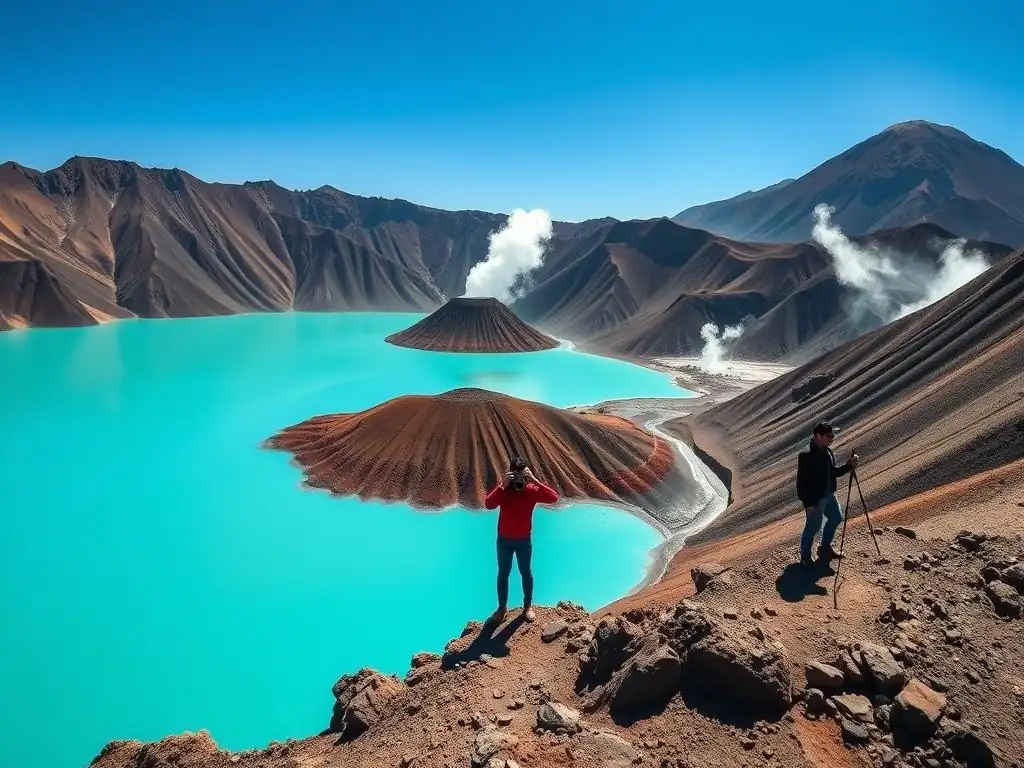
Showcasing your daytime Kawah Ijen photography is a fantastic way to share your unique perspective and inspire others to explore this extraordinary volcanic destination. The Volcano Explorers community provides an ideal platform to connect with fellow volcano enthusiasts and photographers who appreciate the beauty and drama of volcanic landscapes. Consider sharing your images on the Volcano Explorers website or associated social media channels, if such platforms exist.
Many websites dedicated to specific themes, like Volcano Explorers, often have forums, galleries, or social media groups where users can share their content. Check the website for information on how to contribute and share your daytime Kawah Ijen photographs. When sharing your images, provide context and details to enhance their impact and engagement.
Include captions that describe the location, time of day, shooting conditions, and any interesting stories or experiences related to capturing the photograph. Mention the specific techniques you used, such as filter types, lens choices, and post-processing methods, to educate and inspire other photographers.
Engage with the Volcano Explorers community by commenting on other photographers' work and participating in discussions related to volcano photography and tourism. Sharing your knowledge and experiences can foster a sense of community and create valuable connections with like-minded individuals. Consider creating a dedicated online portfolio or website to showcase your best daytime Kawah Ijen photographs and other volcano-related work.
This provides a centralized platform to display your photography in a professional and organized manner and allows you to reach a wider audience. Use relevant hashtags when sharing your images on social media platforms like Instagram or Twitter to increase their visibility and reach a broader audience interested in volcano photography and travel.
Hashtags like #KawahIjen, #DaytimePhotography, #VolcanoPhotography, #TurquoiseLake, and #IndonesiaTravel can help your images get discovered by people searching for related content. By actively sharing your daytime Kawah Ijen photography with the Volcano Explorers community and the wider online world, you can contribute to the appreciation and understanding of this incredible volcanic wonder and inspire others to explore and photograph its unique beauty.
Capturing the Light: Emphasizing Sunrays and Shadows
Daytime photography at Kawah Ijen offers unique opportunities to capture the interplay of light, emphasizing sunrays and shadows to create dramatic and visually compelling images. The dynamic light conditions throughout the day, from the soft glow of sunrise to the harsh contrasts of midday and the warm tones of sunset, provide a range of lighting scenarios to explore. Look for opportunities to capture sunrays breaking through the sulfur smoke plumes or casting beams of light across the crater lake and volcanic landscape.
Sunrays can add a sense of drama, depth, and ethereal beauty to your daytime Ijen photographs. Position yourself strategically to capture sunrays effectively.
Shooting towards the sun or with the sun at an angle can enhance the visibility of sunrays. Look for elements in the scene, such as smoke plumes, trees (if present in the surrounding landscape), or crater rim features, that can partially block the sun and create defined sunrays.
Utilize shadows creatively to add depth, dimension, and mood to your daytime Ijen images. Shadows can reveal textures, define shapes, and create a sense of mystery and intrigue. Pay attention to the direction and quality of light and how it casts shadows across the volcanic landscape. Early morning and late afternoon light are particularly well-suited for capturing long, dramatic shadows that enhance the three-dimensional quality of the scene.
Experiment with compositions that incorporate strong contrasts between light and shadow. Juxtaposing brightly lit areas with deep shadows can create visually striking images that highlight the dramatic nature of the volcanic environment. Use silhouettes to create graphic and impactful images. Position subjects, such as sulfur miners or crater rim features, against a bright sky or the turquoise lake to create silhouettes that emphasize their shapes and forms.
Consider shooting during different times of day to capture a variety of lighting conditions and shadow patterns. The changing angle of the sun throughout the day dramatically alters the interplay of light and shadow, offering diverse photographic opportunities. By consciously capturing and emphasizing sunrays and shadows, you can add depth, drama, and visual interest to your daytime Kawah Ijen photographs, transforming them from mere documentation to evocative and artistic representations of this extraordinary volcanic landscape.
Storytelling Through Portraits: Showcasing the Miners' Resilience
Daytime photography at Kawah Ijen provides an excellent opportunity to go beyond landscape shots and focus on storytelling through portraits of the sulfur miners. These portraits can become powerful visual narratives that showcase the miners' resilience, hard work, and the human element within this extreme volcanic environment. Aim to capture portraits that convey the miners' character and emotions. Focus on their faces, expressions, and eyes, which can tell stories of hardship, determination, and resilience.
Use shallow depth of field to isolate the miner's face and draw attention to their expressions, blurring the background to minimize distractions. Pay attention to the details that tell the story of their work. Include elements like their yellow-stained baskets, bamboo poles, simple protective gear (or lack thereof), and the sulfur they carry. These details provide context and visually communicate the nature of their labor and the challenges they face.
Capture miners in their working environment to show the context of their lives and labor. Photograph them against the backdrop of the turquoise lake, the plumes of sulfur smoke, and the rugged volcanic terrain. These environmental portraits can convey the harsh and demanding conditions in which they work. Consider capturing diptychs or photo series to tell a more complete story of the miners.
A diptych could pair a close-up portrait with a wider shot of the miner working, while a photo series could document different aspects of their daily routine, from descending into the crater to transporting sulfur and resting. Edit your portraits in a way that enhances their emotional impact and storytelling potential. Consider using black and white conversion to emphasize textures, expressions, and the starkness of the environment. Alternatively, you can use color grading to create a mood that reflects the harshness or resilience of their lives.
Remember ethical considerations when photographing sulfur miners. Always seek their permission, treat them with respect, and be mindful of their dignity. Your portraits should aim to honor their hard work and resilience, not to exploit or sensationalize their difficult circumstances. By focusing on storytelling through portraits, you can create powerful and meaningful daytime Kawah Ijen photographs that go beyond the visual spectacle and connect with viewers on a deeper human level.
Abstract Textures: Exploring the Volcanic Surface
Daytime photography at Kawah Ijen offers a fascinating opportunity to explore the abstract textures of the volcanic surface. The crater and surrounding landscape are rich in intricate patterns, colors, and textures created by volcanic activity, sulfur deposits, and mineral formations. Moving beyond wide landscape views and portraits, focusing on these abstract details can lead to unique and visually captivating images.
Use macro lenses or telephoto lenses to zoom in on the volcanic surface and isolate interesting textures and patterns. Macro lenses allow you to capture extreme close-ups of sulfur crystals, mineral deposits, and the fine details of volcanic rock formations. Telephoto lenses can be used to compress perspective and emphasize textures in larger areas of the volcanic surface.
Look for repeating patterns and lines in the volcanic textures. The flow patterns of solidified lava, the crystalline structures of sulfur deposits, and the erosion patterns on crater walls often create visually striking patterns that can be emphasized through composition and close-up photography.
Pay attention to the interplay of light and shadow on the volcanic surface textures. Side lighting, especially during early morning and late afternoon, can accentuate textures and create a sense of depth and dimension. Experiment with different angles of light to see how they reveal different aspects of the surface textures. Explore the color palette of the volcanic surface.
Sulfur deposits often exhibit vibrant yellows and oranges, while volcanic rocks can range from dark blacks and grays to reddish browns. Look for interesting color combinations and contrasts within the textures. Consider converting some of your abstract texture shots to black and white to emphasize form, tone, and texture without the distraction of color. Black and white conversion can be particularly effective for highlighting the intricate details and patterns of volcanic surfaces.
Experiment with different compositions to frame and isolate the textures effectively. Fill the frame with the texture to create a purely abstract image, or include a small element of context, such as a volcanic rock or a hint of the turquoise lake, to provide a sense of scale and location. By focusing on abstract textures, you can create a unique body of daytime Kawah Ijen photography that explores the artistic and aesthetic qualities of the volcanic surface, moving beyond representational imagery to capture the essence of this extraordinary geological landscape.
Alternative Photographic Opportunities Around Kawah Ijen during the Day
Exploring the Surrounding Landscapes: Beyond the Crater Rim
While the turquoise crater lake is the main attraction at Kawah Ijen, daytime photography opportunities extend far beyond the crater rim. The surrounding landscapes offer a diverse range of photographic subjects, showcasing the broader volcanic environment and the natural beauty of East Java. Explore the caldera rim trail, which offers panoramic views not only of the crater lake but also of the surrounding volcanic peaks, valleys, and vegetation.
Capture wide-angle landscape shots that showcase the caldera's scale and the rugged beauty of the volcanic terrain. Look for interesting rock formations, volcanic slopes, and patches of vegetation that add visual interest to your landscape compositions. Venture beyond the immediate crater area to explore the surrounding hills and forests.
The lower slopes of Mount Merapi and the adjacent Mount Raung feature lush forests and coffee plantations, providing a contrast to the stark volcanic landscape of the crater itself. Photograph the transition zones between volcanic and vegetated areas to capture the interplay of different ecosystems.
Seek out viewpoints that offer distant vistas of the surrounding volcanoes and landscapes. From higher vantage points around Ijen, you may be able to capture views of other volcanic peaks, such as Mount Bromo or Mount Semeru, on clear days. These distant vistas can add depth and context to your Ijen photography, showcasing the volcanic landscape of East Java as a whole. Explore the flora and fauna of the Ijen area.
Despite the harsh volcanic environment, certain plants and animals have adapted to thrive in this area. Look for unique volcanic flora, such as hardy grasses, mosses, and lichens, and capture close-up shots of their textures and details. While wildlife may be less abundant in the immediate crater area, keep an eye out for birds or insects that have adapted to the volcanic environment.
Photograph the sunrise or sunset from vantage points outside the crater rim to capture dramatic light and color in the broader landscape. The golden hours can transform the volcanic terrain and surrounding landscapes, creating stunning photographic opportunities that go beyond the turquoise lake itself. By exploring the surrounding landscapes beyond the crater rim, you can broaden your daytime Kawah Ijen photography portfolio and capture a more comprehensive visual story of this fascinating volcanic region.
Documenting the Sulfur Mining Process: A Visual Story
Daytime at Kawah Ijen provides excellent visibility for documenting the sulfur mining process, offering opportunities to create a compelling visual story that goes beyond individual portraits of miners. Documentary photography of the sulfur mining process can shed light on this arduous and dangerous profession, highlighting the challenges, techniques, and human resilience involved. Capture the miners descending into the crater to collect sulfur. Photograph them as they navigate the steep and smoky path down to the lake shore, carrying their empty baskets.
These images can convey the scale of the crater and the physical demands of their work. Document the sulfur collection process at the lake shore. Capture the miners as they break off chunks of solidified sulfur from the lake's edge and load it into their baskets. Focus on the tools and techniques they use, as well as the challenging conditions with intense sulfur fumes and heat.
Photograph the miners carrying their heavy loads of sulfur up the crater rim. These images can visually represent the immense physical strength and endurance required for this job, as they carry baskets weighing up to 70-90 kilograms up the steep and challenging terrain. Document the weighing and collection of sulfur at the crater rim or base. Capture the miners as they deliver their sulfur baskets to collection points, where the sulfur is weighed and transported further.
These images can show the economic aspect of their work and the flow of sulfur from the crater to markets. Include wider shots that show the overall scale of the sulfur mining operation, with multiple miners working in the crater and along the trails. These images can convey the collective effort and the organized nature of this industry, despite its rudimentary methods.
Use a photo essay or photo series format to tell a more complete visual story of the sulfur mining process. Organize your images in a sequence that follows the different stages of the process, from descending into the crater to transporting and selling the sulfur. By documenting the sulfur mining process in detail, you can create a powerful and informative visual narrative that raises awareness about this unique and challenging occupation and the human stories behind the extraction of sulfur from Kawah Ijen.
Photographing the Coffee Plantations near Ijen
Contrasting the stark volcanic landscape of Kawah Ijen, the surrounding highlands of East Java are known for their lush coffee plantations. Daytime photography around Ijen offers the opportunity to explore and document these coffee plantations, providing a visual counterpoint to the volcanic scenery and showcasing the agricultural landscape of the region. Visit local coffee plantations near Ijen and photograph the coffee plants, beans, and flowers. Capture close-up shots of the coffee cherries ripening on the branches, the delicate coffee flowers, and the textures of the coffee plants.
These images can highlight the beauty and intricacies of coffee cultivation. Document the coffee harvesting process. Photograph coffee farmers as they pick ripe coffee cherries by hand, often in vibrant clothing that contrasts with the green foliage. These images can capture the human element of coffee production and the traditional methods used in the region.
Photograph the coffee processing stages at local farms or cooperatives. Document the various steps involved in transforming coffee cherries into green coffee beans, such as pulping, fermenting, drying, and sorting. These images can provide insights into the labor-intensive process of coffee production and the local expertise involved. Capture the landscape of the coffee plantations, with rows of coffee plants stretching across hillsides and valleys.
Wide-angle landscape shots can showcase the scale and beauty of the coffee-growing regions around Ijen, often with volcanic peaks visible in the background. Include portraits of coffee farmers and workers in your photography. Capture environmental portraits that show them in their working environment, highlighting their connection to the land and the coffee they cultivate.
Visit coffee shops or cafes in the area and photograph the coffee culture, from bean roasting to coffee preparation and consumption. These images can capture the final stages of the coffee journey and the local appreciation for coffee. By photographing the coffee plantations near Ijen, you can create a contrasting and complementary visual narrative to your volcanic photography, showcasing the diverse landscapes and livelihoods of this region of East Java and adding another layer to your daytime Ijen photography portfolio.
Kawah Ijen: A Daytime Photography Paradise – Final Thoughts
Daytime photography at Kawah Ijen offers a distinct and compelling photographic experience that often goes overlooked in favor of the famed blue fire. While the nocturnal flames are undoubtedly mesmerizing, the daytime revelation of the turquoise crater lake, coupled with the surrounding volcanic landscape and the human drama of sulfur mining, presents a wealth of visual storytelling opportunities.
From capturing the intense turquoise hue of the lake under varying light conditions to documenting the intricate textures of the volcanic surface and the resilience of the sulfur miners, daytime at Ijen is a photographer's paradise waiting to be explored. The challenges of sulfur fumes and harsh lighting are real but manageable with proper preparation and techniques, ultimately contributing to the unique and rewarding nature of daytime Ijen photography.
By shifting focus from the darkness to the daylight, photographers can discover a new dimension of Kawah Ijen's beauty and create a more comprehensive and visually captivating narrative of this extraordinary volcanic wonder.
Frequently Asked Questions
What makes Kawah Ijen's crater lake unique for daytime photography?
The unique turquoise color of the lake, caused by high acidity and dissolved minerals, provides a stunning and otherworldly backdrop. The surrounding volcanic landscape, including the sulfur miners at work, adds to the visual storytelling possibilities. Don't forget the contrast between the bright sky and the sulphuric fumes.
What are the best times of day for daytime photography at Kawah Ijen?
While the blue fire is a nighttime phenomenon, early morning offers soft light and potentially clearer skies before the sulfur fumes become too dense. Mid-morning can also be good, but be prepared for harsher light and more fumes.
What safety precautions should photographers take at Kawah Ijen during the day?
Always wear a gas mask provided by local guides due to the high concentration of sulfur dioxide. Be mindful of the steep and rocky terrain, and wear appropriate footwear. Respect the sulfur miners and their work.
What camera equipment is recommended for daytime photography at Kawah Ijen?
A wide-angle lens is ideal for capturing the expansive crater lake and surrounding landscape. A telephoto lens can be useful for capturing details of the sulfur miners and volcanic formations. A sturdy tripod is also recommended.
Are there any ethical considerations when photographing at Kawah Ijen?
Be respectful of the sulfur miners, who work in harsh conditions. Avoid interfering with their work and consider offering a small donation for their time. Always obtain permission before taking close-up photos of individuals.
Final Reflection: Embracing the Light of Ijen
The journey to Kawah Ijen, as we've explored, is not merely a trek to witness the famed blue fire. It's a testament to the power of daytime photography at Kawah Ijen to reveal the crater's equally breathtaking, yet often overlooked, turquoise lake and surrounding landscape. The vibrant hues and dramatic textures, captured under the sun's embrace, offer a unique perspective that challenges the conventional narrative of this volcanic wonder.
The experience of photographing Ijen in daylight has profoundly shifted my own understanding of beauty in extreme environments. It's a reminder that even in places known for their darkness and danger, light can reveal unexpected splendor. The best and most beautiful things in the world cannot be seen or even touched - they must be felt with the heart.
- Helen Keller. This quote resonates deeply when considering the ethereal beauty of Ijen, a beauty that transcends the iconic blue flames and invites us to connect with the landscape on a more profound level.
Now, I invite you to consider your own perspective. How can you, in your own life, seek out the light in seemingly dark or challenging situations? How can you embrace the unexpected beauty that emerges when you shift your focus and challenge your preconceived notions? Let the vibrant images of Kawah Ijen's turquoise lake inspire you to find the extraordinary in the ordinary, and to capture the beauty that surrounds you, even in the most unexpected places.
Okay, I'm ready. Let's craft a compelling Call to Action for the "Beyond the Blue Fire: Daytime Photography at Kawah Ijen's Turquoise Crater Lake" article on Volcano Explorers (volcanoexplorers.org).
Ignite Your Inner Explorer: Capture Ijen's Majesty!
Thank you for joining us on this visual journey to Kawah Ijen! We hope you're feeling inspired by the unique beauty and photographic possibilities of this volcanic wonder. Now, it's time to transform that inspiration into action.
- Plan Your Own Photographic Expedition to Ijen's Turquoise Crater Lake! Research tour operators, gear up with the right equipment, and prepare for an unforgettable adventure. This is the most important takeaway - getting them to book!
- Share your favorite photo tips for volcano photography in the comments below. Help fellow adventurers capture the perfect shot.
- Explore the "Volcano Explorers" website for more hidden gems and expert photography guides! Discover other incredible locations and expand your skills.
Ready to start planning your Ijen adventure, and capture images that will last a lifetime?