
Taal Volcano's Boat Tours: Lakeside Photography Excursions on a Volcanic Lake

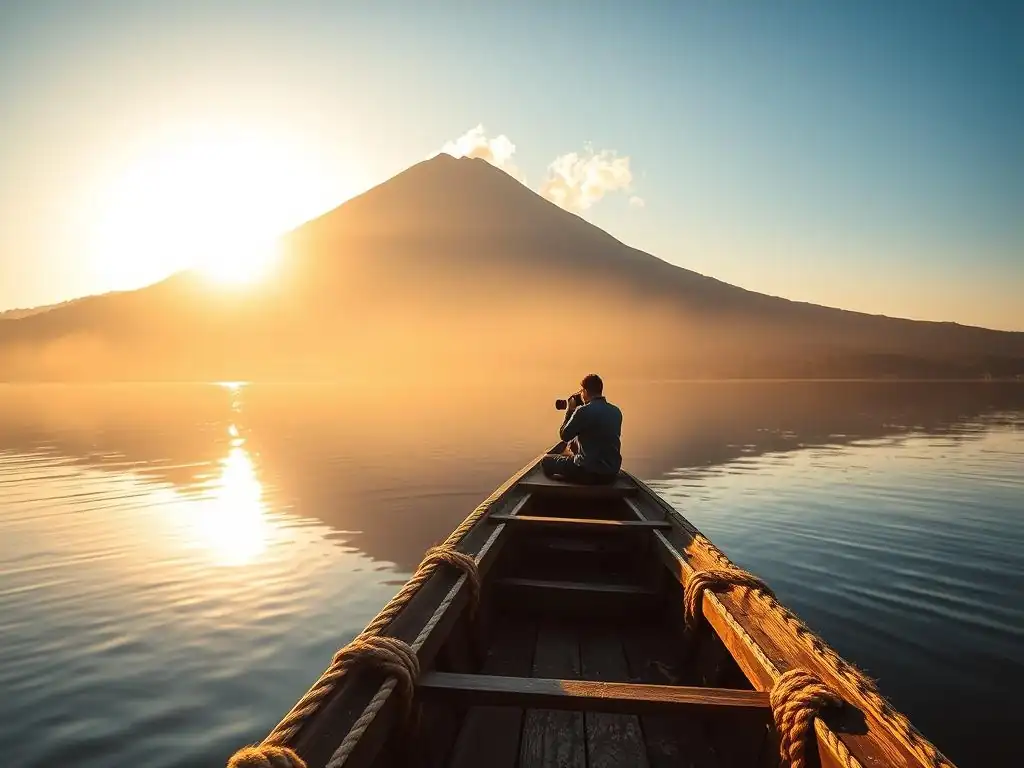
Welcome to Volcano Explorers, where the Earth breathes fire! Ever wondered what it's like to capture the raw beauty of a volcano up close? Prepare to be amazed. This article dives into the heart of adventure with Taal Volcano photography boat tours. But what secrets lie hidden within the caldera, and what stunning images await you on the shores of this active giant? Embark on a visual journey and discover why Taal is a photographer's dream.
- Lake Apo Boat Tours: Lakeside Photography Excursions on a Crater Lake
- Explore Lake Apo: A Photographer's Paradise in the Philippines
- Capturing the Beauty: Lake Apo Photography Boat Tours
- Planning Your Lake Apo Photography Excursion
- Maximizing Your Lake Apo Photography Experience
- Safety First: Lake Apo Boat Tour Precautions
- Beyond the Lake: Exploring Nearby Attractions
- The Future of Lake Apo Tourism and Photography
-
Frequently Asked Questions
- What is a Taal Volcano photography boat tour?
- Why should I choose a boat tour for Taal Volcano photography instead of viewing from the shore?
- What photographic opportunities can I expect on a Taal Volcano boat tour?
- Are Taal Volcano photography boat tours safe?
- What equipment should I bring on a Taal Volcano photography boat tour?
- Final Reflection: Capturing the Ephemeral Beauty of Taal
- Capture the Majesty: Book Your Taal Volcano Lakeside Photo Tour Now!
Lake Apo Boat Tours: Lakeside Photography Excursions on a Crater Lake
Explore Lake Apo: A Photographer's Paradise in the Philippines
Discover the Unique Landscape of Lake Apo
Lake Apo, nestled in the highlands of Mindanao, Philippines, offers a captivating landscape distinct from typical volcanic terrains. While often associated with volcanoes due to its formation within a volcanic crater, Lake Apo is more accurately described as a stunning crater lake. Its tranquil waters, reflecting the verdant slopes that encircle it, create a bowl of natural beauty.
The lake itself, estimated to be around 24 hectares in surface area and plunging to depths exceeding 26 meters, is framed by steep, forested inclines that rise sharply from the water's edge. These slopes are covered in a rich tapestry of tropical vegetation, offering a vibrant contrast to the deep blue and emerald hues of the lake. The air is often cool and fresh, a welcome respite from the Philippine heat, adding to the serene atmosphere that pervades Lake Apo.
The geological history of Lake Apo contributes significantly to its unique charm. Formed within the caldera of a now dormant volcano, the lake’s waters are fed by natural springs and rainwater, resulting in exceptionally clear and calm surfaces, ideal for photography. The surrounding area is sparsely populated, preserving the pristine character of the environment.
Local communities maintain small villages around the lake perimeter, their presence adding a touch of cultural richness without disturbing the natural harmony. The interplay of water, forest, and sky, combined with the geological intrigue of its crater origin, makes Lake Apo a truly unique photographic subject in the Philippines.
Why Lake Apo is a Top Destination for Lake Photography in Mindanao
Lake Apo stands out as a premier destination for lake photography in Mindanao due to its unparalleled scenic beauty and accessibility for boat tours, crucial for capturing diverse perspectives. Unlike some lakes that are difficult to navigate or lack distinct visual features, Lake Apo presents a compact yet dramatically varied environment. The encircling crater walls provide a natural amphitheater effect, enhancing the sense of enclosure and intimacy with nature.
This topography also ensures that photographers can capture stunning panoramic shots, encompassing the entire lake within a frame, especially from vantage points along the higher slopes. The clarity of the lake water is another significant advantage, allowing for remarkable reflections of the sky, clouds, and surrounding foliage, creating mirror-like images that are highly sought after in lake photography.
Furthermore, the consistent calmness of Lake Apo's waters for much of the year makes it exceptionally well-suited for boat-based photography. The absence of strong currents or frequent choppy conditions allows for stable platforms from which to shoot, minimizing blur and maximizing sharpness, particularly important for capturing reflections and detailed landscapes. The availability of local boat tours, specifically designed to navigate the lake's perimeter and access photogenic spots, is another key factor.
These tours are often operated by individuals with intimate knowledge of the lake, able to guide photographers to locations that offer the best light and compositions at different times of the day. For photographers seeking serene, reflective, and easily accessible lake landscapes in Mindanao, Lake Apo is an unmatched choice.
Capturing the Beauty: Lake Apo Photography Boat Tours
The Allure of Lakeside Photography on Lake Apo
The allure of lakeside photography on Lake Apo is deeply rooted in the tranquil and reflective nature of the environment, amplified by the unique perspective offered by boat tours. From the stillness of a boat gently gliding across the water, photographers gain a vantage point that is impossible to achieve from the shore. This perspective allows for the capture of the lake’s surface as a vast, unbroken mirror, reflecting the sky above and the lush greenery that lines the crater rim.
The gentle ripples created by the boat itself can add subtle textures to these reflections, enhancing the artistic quality of the images. The changing angles and light as the boat moves around the lake reveal new compositions and perspectives constantly, ensuring a dynamic and rewarding photographic experience.
Moreover, being on a boat allows photographers to approach the shoreline and capture details that would otherwise be inaccessible. Closer views of the vegetation dipping into the water, the play of light on the lake's edge, and even glimpses of local wildlife that may frequent the shores become readily available. The sense of immersion in nature is heightened when on the water, fostering a deeper connection with the landscape and inspiring more thoughtful and creative photography.
The quietness of paddling or slow motorboat tours further enhances this experience, minimizing disturbance to the natural environment and allowing photographers to truly absorb the atmosphere and capture the essence of Lake Apo's beauty. Lake Apo photography boat tours, therefore, offer not just a means of transportation, but an immersive and transformative way to engage with and photograph this stunning location.
What to Expect on a Lake Apo Photography Boat Tour
A Lake Apo photography boat tour typically offers a serene and immersive experience, focused on maximizing photographic opportunities around the lake. Tours are usually conducted in small, non-motorized or minimally motorized boats, such as paddle boats or traditional outrigger canoes, to minimize noise and disturbance to the tranquil environment and provide a stable platform for photography. A typical tour might last from two to three hours, allowing ample time to circumnavigate a significant portion of the lake and stop at various points of interest.
Local boat operators, often from the communities surrounding the lake, serve as guides, possessing in-depth knowledge of the best locations for photography depending on the time of day and prevailing weather conditions. They can often provide insights into the lake's ecology and local stories, enriching the overall experience.
Photographers can expect to encounter a variety of photographic subjects during a Lake Apo boat tour. These include expansive landscape vistas of the entire crater lake and surrounding slopes, detailed shots of the shoreline vegetation, reflections of the sky and trees on the water's surface, and potentially glimpses of local birdlife or fishing activities.
The pace of the tour is generally relaxed, allowing photographers to take their time composing shots and experiment with different angles and settings. While some tours may offer fixed routes, many operators are flexible and can tailor the itinerary based on the photographer's specific interests and preferences, ensuring a personalized and productive photography excursion on Lake Apo.
Planning Your Lake Apo Photography Excursion
Best Time to Visit Lake Apo for Photography
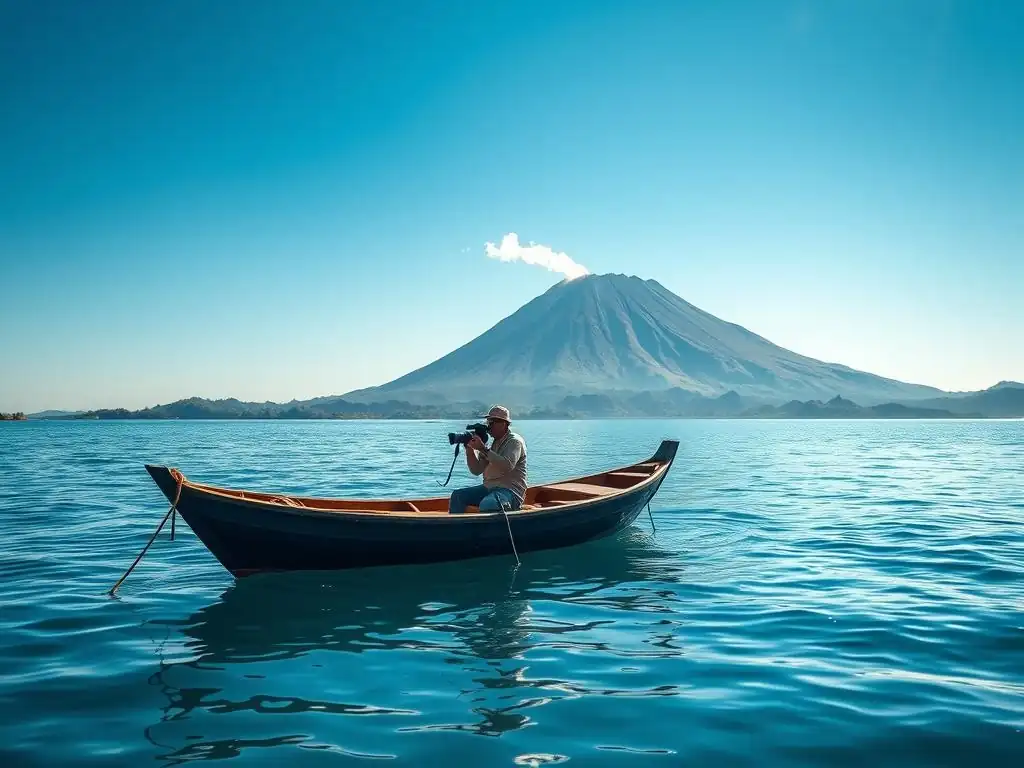
The best time to visit Lake Apo for photography is generally during the dry season in the Philippines, which typically runs from November to May. During these months, the weather is more predictable with less rainfall, resulting in clearer skies and calmer lake conditions, ideal for capturing reflections and vibrant landscapes.
Specifically, the months of February to April often offer the most consistently sunny days and minimal cloud cover, maximizing the opportunities for golden hour and blue hour photography around sunrise and sunset. These periods provide the warm, soft light that photographers often seek for landscape images, enhancing colors and creating dramatic shadows.
However, even within the dry season, the time of day significantly impacts the photographic experience at Lake Apo. Early morning, from sunrise to mid-morning, is often considered the prime time for photography. The light is soft and diffused, minimizing harsh shadows and creating a gentle, ethereal atmosphere. The lake is typically at its calmest in the early morning, maximizing the potential for perfect reflections.
Late afternoon, leading up to sunset, is another excellent time. The golden hour light bathes the landscape in warm hues, and the setting sun can create stunning silhouettes against the lake and surrounding hills. Midday, while often offering bright light, can be challenging due to harsh shadows and strong glare off the water. However, even midday can be utilized for capturing the intense colors of the lake and surrounding vegetation under bright sunlight, or for experimenting with high-contrast black and white photography.
Essential Photography Gear for Lake Apo Boat Tours
For Lake Apo photography boat tours, essential gear should prioritize versatility, weather protection, and stability in a potentially moving environment. A mid-range zoom lens, such as a 24-70mm or 24-105mm (full-frame equivalent), is highly recommended as it offers flexibility for capturing both wide landscape vistas and tighter shots of shoreline details or distant features.
A telephoto zoom lens, like a 70-200mm or similar, can be beneficial for compressing perspective, isolating subjects, or photographing any wildlife that may be present, although its use might be more limited on a boat due to stability concerns. A wide-angle lens, such as a 16-35mm, is crucial for capturing the expansive beauty of the crater lake and its surrounding slopes, especially when aiming for dramatic compositions.
Beyond lenses, a sturdy tripod, while potentially cumbersome on a boat, can be invaluable for capturing sharp images, particularly in low light conditions during sunrise or sunset, or for creating long exposure shots to smooth out water surfaces. However, consider a smaller, lighter tripod or a monopod for easier handling on a boat. A polarizing filter is almost indispensable for lake photography. It reduces glare from the water surface, enhances colors, and deepens blue skies, significantly improving the quality of reflection shots and overall landscape images.
Rain gear for both yourself and your camera is essential, even during the dry season, as unexpected showers can occur. A waterproof camera bag or dry bag is crucial to protect your equipment from splashes or potential boat mishaps. Finally, extra batteries and memory cards are always recommended, as you'll likely be taking numerous photos throughout your boat tour.
Finding Reputable Lake Apo Boat Tour Operators
Finding reputable Lake Apo boat tour operators involves a combination of online research and local inquiries. Start by searching online travel platforms and local tourism websites for "Lake Apo boat tours" or "Lake Apo photography tours." Websites like TripAdvisor, GetYourGuide, or local tourism boards’ pages might list tour operators and reviews from previous travelers.
Look for operators that specifically mention photography tours or cater to photographers, as they are more likely to understand the needs of photographers in terms of timing, routes, and flexibility. Reading online reviews can provide valuable insights into the quality of service, the condition of the boats, and the guides' knowledge and helpfulness.
Another effective approach is to inquire locally once you arrive in the region. Hotels, guesthouses, and tourist information centers in Valencia City or nearby areas are excellent resources for local recommendations. They often have partnerships with reputable tour operators or can provide contact information for trusted guides. Speaking directly to local operators allows you to assess their experience, discuss your specific photography interests, and negotiate tour details and pricing.
When choosing an operator, prioritize safety and sustainability. Ensure the boats are well-maintained and equipped with safety gear, and that the operators practice responsible tourism, minimizing environmental impact and respecting the local community. Asking about the operator’s experience with photographers and their willingness to customize tours to photographic needs is also crucial in selecting the best operator for your Lake Apo photography boat tour.
Maximizing Your Lake Apo Photography Experience
Tips for Taking Stunning Photos on Lake Apo
To capture stunning photos on Lake Apo, consider several key photography tips tailored to the lake environment and boat tours. First, prioritize composition. Utilize the rule of thirds, leading lines formed by the shoreline, and the natural framing provided by the surrounding crater walls to create visually engaging images. Experiment with different perspectives by shooting both wide, panoramic views and tighter, detail-oriented shots.
Pay close attention to the horizon line; ensure it's straight and thoughtfully placed within your frame, unless intentionally tilting for creative effect. Utilize the reflections on the lake surface as a key compositional element. Look for symmetrical reflections, or use partial reflections to create abstract or artistic images.
Secondly, master the light. As mentioned earlier, early morning and late afternoon offer the best light for landscape photography. Shoot during the golden hour for warm, soft light, and during the blue hour for cool, ethereal tones. Be mindful of the changing light conditions throughout the day and adjust your camera settings accordingly.
Overcast days can also be excellent for lake photography, providing soft, even lighting that minimizes harsh shadows and brings out subtle colors. Utilize a polarizing filter to manage glare and enhance colors, especially under bright sunlight. Thirdly, consider incorporating elements of scale and context.
Include boats, people (if permitted and respectful), or local vegetation in your shots to provide a sense of scale and to tell a story about the lake and its surroundings. Finally, be patient and observant. Take your time to explore different angles, wait for the perfect light, and look for unique moments or details that will elevate your Lake Apo photography.
Capturing the Reflections on Lake Apo
Capturing captivating reflections on Lake Apo requires understanding a few key techniques and conditions. Firstly, calm water is paramount. For mirror-like reflections, aim to photograph when the lake surface is as still as possible, typically early in the morning before winds pick up. Even slight breezes can disrupt reflections, so patience is key. Choose a viewpoint that offers a clear, unobstructed reflection.
Look for areas where the shoreline is relatively flat or where trees or hills are reflected without intervening objects breaking the reflection. Composition is crucial when photographing reflections. Decide whether you want a symmetrical composition with the reflection perfectly mirroring the scene above, or if you prefer a more artistic approach with a partial or distorted reflection. Experiment with different framing and perspectives to achieve the desired effect.
Camera settings also play a vital role. Use a polarizing filter to reduce glare on the water surface and enhance the reflection. Polarizing filters can cut through surface reflections, revealing the submerged details while simultaneously strengthening the sky and cloud reflections. Shoot in aperture priority mode (Av or A) and choose a mid-range aperture, such as f/8 or f/11, to ensure sharpness throughout the scene, including both the foreground and the reflection.
If the light is low, or if you want to smooth out any minor ripples on the water surface, consider using a longer exposure time. A tripod is essential for longer exposures to maintain sharpness. Finally, experiment with post-processing to enhance your reflection photos. Adjusting contrast, clarity, and vibrance can further emphasize the reflections and bring out the details in both the reflected scene and the original landscape.
Understanding the Lighting Conditions on Lake Apo
Understanding the lighting conditions on Lake Apo is crucial for planning and executing successful photography boat tours. As a lake surrounded by relatively high crater walls and dense vegetation, Lake Apo experiences unique light patterns throughout the day. Early morning light, particularly in the hour after sunrise, is often soft, diffused, and golden.
This light is ideal for capturing gentle, ethereal scenes and maximizing reflections as the lake is typically calmest during this time. The eastern orientation of many parts of the lake means that sunrise light directly illuminates the western slopes and water surface, creating beautiful warm tones and long shadows.
As the sun rises higher, the light becomes brighter and more direct. Midday sun can be harsh and create strong glare on the water, potentially washing out colors and creating harsh shadows. However, midday light can also be used creatively to capture the intense blues and greens of the lake and surrounding vegetation under bright sunlight.
Polarizing filters are especially helpful during midday to manage glare and enhance colors. Late afternoon, leading into sunset, offers another golden hour, with warm, directional light casting long shadows and creating dramatic silhouettes against the lake and surrounding hills. Sunset light often paints the sky and lake in vibrant oranges, pinks, and purples, providing stunning opportunities for colorful landscape photography.
The blue hour, the period after sunset, offers soft, cool light that is excellent for capturing serene, atmospheric images and enhancing the deep blues of the lake. Understanding these daily light cycles allows photographers to plan their boat tours to coincide with the most favorable lighting conditions for their desired photographic style and subjects at Lake Apo.
Safety First: Lake Apo Boat Tour Precautions
Essential Safety Tips for Lake Apo Boat Tours
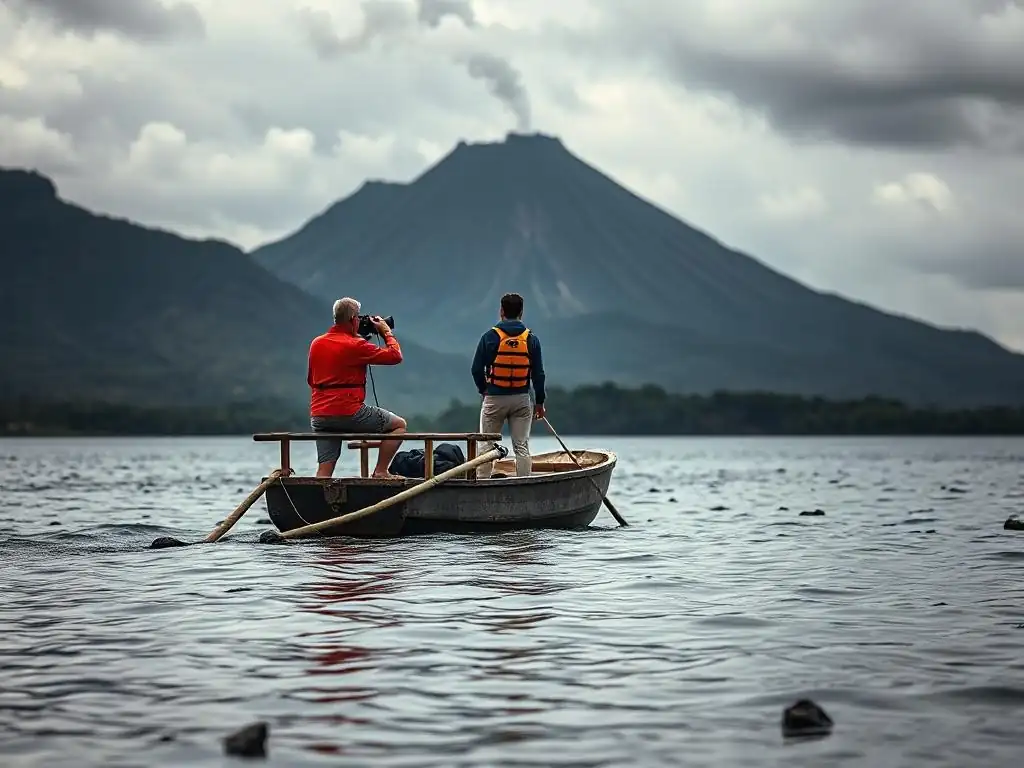
Safety should be a paramount concern during Lake Apo boat tours, ensuring a pleasant and incident-free photography experience. Firstly, always choose reputable and licensed boat tour operators. Inquire about their safety protocols, boat maintenance, and the experience of their guides. Before embarking, ensure that the boat is equipped with essential safety equipment, including life vests for all passengers. Always wear a life vest throughout the duration of the boat tour, regardless of your swimming ability. Pay attention to the pre-departure safety briefing provided by the boat operator and follow their instructions carefully.
Be mindful of the boat's capacity and avoid overloading it with passengers or equipment. Distribute weight evenly within the boat to maintain stability. When moving around the boat, do so slowly and carefully to prevent sudden shifts in balance that could lead to capsizing. Keep your photography gear secure and protected from water damage.
Use waterproof bags or cases to safeguard your equipment from splashes or rain. Be aware of your surroundings and any potential hazards on the lake, such as submerged logs or shallow areas. Inform the boat operator of any medical conditions or concerns you may have before the tour begins. Finally, stay hydrated by bringing sufficient water, especially during warmer months, and protect yourself from the sun with sunscreen, a hat, and sunglasses.
What to Do in Case of Inclement Weather During Your Tour
In case of inclement weather during a Lake Apo boat tour, it is crucial to prioritize safety and follow established procedures. If dark clouds gather, winds pick up, or rain begins, immediately inform your boat operator or guide. They are trained to assess weather conditions and make informed decisions regarding safety. If the weather deteriorates rapidly, the boat operator should decide to return to shore as quickly and safely as possible.
Do not hesitate to request returning to shore if you feel uncomfortable or unsafe due to the weather, even if the operator hasn't initiated it yet. In case of lightning, seek shelter immediately. Lightning is a significant hazard on open water, and boat tours should be suspended during thunderstorms.
While returning to shore, remain calm and follow the instructions of the boat operator. Sit low in the boat and hold on to secure handholds to maintain stability, especially in choppy waters. Protect your photography equipment from rain and spray by covering it with waterproof gear or storing it in waterproof bags.
If caught in heavy rain, try to stay as dry as possible to avoid hypothermia, especially if the air temperature is cool. Once back on shore, wait for the weather to improve before considering resuming the tour. It is always better to err on the side of caution and prioritize safety over photography opportunities when faced with inclement weather on Lake Apo.
Beyond the Lake: Exploring Nearby Attractions
Mount Talomo and Mount Apo Views
Extending your Lake Apo photography adventure beyond the lake itself opens up opportunities to capture even more breathtaking landscapes, particularly with views from nearby mountains like Mount Talomo and Mount Apo. Mount Talomo, though less frequently climbed than its taller neighbor, offers stunning panoramic vistas that can include Lake Apo nestled within its crater, providing a unique perspective from above.
The hike to viewpoints on Mount Talomo passes through lush cloud forests, offering additional photographic subjects beyond just the lake views, including unique flora and fauna. From certain vantage points on Mount Talomo, photographers can capture wide-angle shots encompassing Lake Apo, the surrounding highlands, and even distant plains, showcasing the scale and grandeur of the Mindanao landscape.
Mount Apo, the Philippines' highest peak, presents even more dramatic and expansive views. While reaching the summit is a more challenging multi-day trek, even shorter hikes on Mount Apo's lower slopes can reward photographers with incredible vistas. From higher elevations on Mount Apo, Lake Apo can be seen as a shimmering jewel set within the mountainous terrain.
The diverse ecosystems encountered during a Mount Apo trek, ranging from rainforests to mossy forests and eventually to the volcanic summit area, provide a rich tapestry of photographic opportunities. Sunrise and sunset views from Mount Apo, looking towards Lake Apo and the surrounding landscape, are particularly spectacular, offering dramatic lighting and atmospheric conditions for landscape photography. Combining a Lake Apo boat tour with a hike to viewpoints on Mount Talomo or Mount Apo creates a more comprehensive and rewarding photography experience in the region.
Extending Your Mindanao Lake Photography Adventure
To truly maximize your Mindanao lake photography adventure, consider extending your trip to include other stunning lakes and natural attractions in the region. Lake Sebu, located in South Cotabato, is another captivating lake destination, renowned for its scenic beauty, T'boli culture, and seven waterfalls. Lake Sebu offers boat tours on traditional dugout canoes, providing unique photographic perspectives of the lake, its floating gardens, and the surrounding hills.
The T'boli people's vibrant culture and traditions offer rich opportunities for cultural photography alongside landscape shots. The seven waterfalls of Lake Sebu, accessible via zipline or hiking trails, provide dynamic and dramatic waterfall photography options.
Balut Island in Sarangani province, while technically an island, is home to several crater lakes and volcanic features, offering a more rugged and less-visited lake photography experience. The island’s volcanic landscape provides dramatic backdrops, and the lakes, though smaller than Lake Apo or Lake Sebu, possess their own unique charm and serenity.
Exploring Balut Island requires more adventurous travel and potentially local guides, but the rewards for photographers seeking off-the-beaten-path destinations are significant. These additional lake destinations in Mindanao, combined with Lake Apo, create a diverse and enriching itinerary for photographers seeking to capture the beauty of Philippine lake landscapes beyond the well-known tourist trails.
The Future of Lake Apo Tourism and Photography
Sustainable Tourism Practices on Lake Apo
The future of Lake Apo tourism and photography hinges on the implementation and adherence to sustainable tourism practices, ensuring the preservation of its natural beauty for generations to come. Sustainable tourism in Lake Apo necessitates minimizing the environmental impact of tourism activities. This includes promoting responsible waste management, ensuring that no trash is left behind by tourists or tour operators, and properly disposing of waste generated by tourism facilities.
Boat tours should be operated in an environmentally sensitive manner, using non-motorized boats or low-emission engines to reduce pollution and noise disturbance to wildlife. Tour operators and visitors should be educated about the importance of respecting the lake's ecosystem and avoiding any activities that could harm the environment, such as littering, disturbing wildlife, or damaging vegetation.
Supporting local communities is another crucial aspect of sustainable tourism at Lake Apo. Tourism revenues should benefit the local communities residing around the lake, ensuring that they are stakeholders in the preservation efforts. Employing local guides, utilizing locally owned accommodations and services, and purchasing local products helps to distribute the economic benefits of tourism within the community.
Promoting cultural sensitivity and respect for local traditions is also essential. Tourists should be encouraged to interact respectfully with local communities, learn about their culture, and contribute positively to their livelihoods. Sustainable tourism practices at Lake Apo should aim to balance the economic benefits of tourism with the ecological and cultural preservation of this unique natural resource.
Contributing to the Preservation of Lake Apo's Natural Beauty
Contributing to the preservation of Lake Apo's natural beauty is a shared responsibility involving tourists, local communities, tour operators, and government agencies. Tourists can play a vital role by practicing responsible tourism habits. This includes minimizing their environmental footprint by avoiding single-use plastics, properly disposing of waste, and staying on designated trails to prevent erosion and habitat damage.
Choosing eco-conscious tour operators who prioritize sustainability and community engagement is another important step. Supporting local businesses and communities through tourism expenditures directly contributes to the economic viability of preservation efforts. Educating oneself about the ecological significance of Lake Apo and the challenges it faces can also inspire more conscious and responsible behavior.
Local communities are the primary custodians of Lake Apo's natural beauty. Empowering them to participate in and benefit from sustainable tourism initiatives is crucial. Community-based tourism projects that involve local residents in guiding, accommodation, and conservation efforts can ensure long-term preservation.
Tour operators have a responsibility to adopt sustainable practices in their operations, including responsible waste management, environmentally friendly boat operations, and educating their clients about responsible tourism. Government agencies play a vital role in implementing and enforcing environmental regulations, providing infrastructure for sustainable tourism, and supporting conservation initiatives. Collaborative efforts among all stakeholders are essential to ensure the long-term preservation of Lake Apo's natural beauty and its continued appeal as a premier photography destination.
Frequently Asked Questions
What is a Taal Volcano photography boat tour?
It's a guided excursion on Taal Lake, offering photographers unique vantage points for capturing the volcano's beauty. These tours often focus on providing optimal lighting and angles for stunning photographs.
Why should I choose a boat tour for Taal Volcano photography instead of viewing from the shore?
Boat tours grant access to closer views and varying perspectives impossible to achieve from the shoreline. You can capture the volcano's reflection on the lake and photograph it from different angles.
What photographic opportunities can I expect on a Taal Volcano boat tour?
Expect to photograph the volcano's crater, the surrounding lake, and the unique landscape. You might also get chances to capture local life and culture around the lake.
Are Taal Volcano photography boat tours safe?
Reputable tour operators prioritize safety by providing life vests and experienced guides. They also monitor volcanic activity and adhere to safety protocols.
What equipment should I bring on a Taal Volcano photography boat tour?
Bring your camera, lenses (especially telephoto and wide-angle), extra batteries, and memory cards. Consider a waterproof bag to protect your equipment from splashes.
Final Reflection: Capturing the Ephemeral Beauty of Taal
The allure of Taal Volcano, with its serene lake cradling a fiery heart, remains undiminished, and the opportunity to witness and capture its beauty through photography boat tours is more relevant than ever. In a world increasingly dominated by digital imagery, the chance to experience and document such a unique landscape firsthand offers a powerful connection to nature and a tangible memory to cherish.
The impact of these tours extends beyond mere sightseeing; they foster a deeper appreciation for the delicate balance of nature and the raw power of geological forces. My own experience witnessing the sunrise paint the caldera in hues of gold and crimson solidified my understanding of the volcano's magnetic pull. The best and most beautiful things in the world cannot be seen or even touched - they must be felt with the heart.
- Helen Keller. This sentiment perfectly encapsulates the feeling of standing on those waters, camera in hand, ready to capture a moment of fleeting perfection.
Now, I invite you to consider your own relationship with nature and the power of visual storytelling. What landscapes stir your soul? What moments do you feel compelled to capture and share? Let the images and experiences shared here inspire you to seek out your own adventures, to connect with the world around you, and to preserve its beauty, one photograph at a time.
Capture the Majesty: Book Your Taal Volcano Lakeside Photo Tour Now!
Thanks for exploring the stunning beauty of Taal Volcano with us! We hope you've discovered the allure of its unique landscapes and feel inspired to experience it firsthand. Ready to create unforgettable memories and capture breathtaking images?
Here's how you can continue your Taal Volcano adventure:
- Book your photography-focused boat tour on volcanoexplorers.org and secure your spot for an unforgettable experience. This is your chance to get up close to the volcano and capture stunning shots!
- Explore our "Behind the Lens" blog on the website for expert photography tips to prepare for your trip and enhance your volcano photography skills.
- Share your dream Taal Volcano photograph on social media with the hashtag #TaalVolcanoExplorers – you might even get featured on our page!
What specific shot are you most excited to capture on your Taal Volcano photo adventure? Share your ideas in the comments below!