
Threat or Beauty? The Dual Nature of the Mediterranean Volcanic Belt

Welcome to Volcano Explorers!
Prepare to be captivated by the raw power and stunning beauty of Earth's fiery giants. Ever wondered about the secrets hidden within the Mediterranean Volcanic Belt? Uncover the mysteries of this geologically active region, where the line between breathtaking landscapes and potential threat blurs. Are you ready to embark on a journey into the heart of this volcanic wonder? Read on, and let the exploration begin...
- Exploring the Mediterranean Volcanic Belt: A Region of Fire and Wonder
- The Geological Formation of the Mediterranean Volcanic Belt
- The Beauty of Mediterranean Volcanoes: A Landscape Shaped by Fire
- The Threat of Mediterranean Volcanoes: Understanding the Risks
- Famous Eruptions of the Mediterranean Volcanic Belt: A Historical Perspective
- The Cultural Significance of Mediterranean Volcanoes
- Volcanology in the Mediterranean: Research and Exploration
- Safety Guidelines for Exploring the Mediterranean Volcanic Belt
- The Future of the Mediterranean Volcanic Belt: Challenges and Opportunities
- Conclusion: Appreciating the Dual Nature of the Mediterranean Volcanic Belt
-
Frequently Asked Questions
- What is the Mediterranean Volcanic Belt?
- What are the main dangers associated with the Mediterranean Volcanic Belt?
- What types of volcanoes are found in the Mediterranean Volcanic Belt?
- How do volcanologists study volcanoes in the Mediterranean Volcanic Belt?
- What safety measures should people living near the Mediterranean Volcanic Belt take?
- Final Reflection: Embracing the Fiery Heart of the Mediterranean
- Unleash Your Inner Volcanologist: Explore the Mediterranean!
Exploring the Mediterranean Volcanic Belt: A Region of Fire and Wonder
Introduction to the Mediterranean Volcanic Arc: Unveiling its Geological Significance
The Mediterranean Volcanic Belt, also known as the Mediterranean Volcanic Arc, is a captivating and geologically significant region. Stretching across Southern Europe, North Africa, and the Middle East, this arc is not just a collection of volcanoes; it represents a dynamic zone where the Earth's tectonic plates interact, giving rise to some of the most iconic and historically important volcanic features on our planet.
From the towering Mount Etna in Italy to the picturesque Santorini caldera in Greece, the Mediterranean Volcanic Belt is a testament to the powerful forces shaping our world, offering a unique window into the processes of magma generation, crustal deformation, and volcanic eruptions.
This region's significance extends beyond its dramatic landscapes. The Mediterranean Volcanic Arc has profoundly influenced human history, shaping civilizations, inspiring myths, and presenting both opportunities and challenges to populations living in its vicinity. The fertile volcanic soils have supported agriculture for millennia, while the geothermal energy potential remains a topic of ongoing exploration.
However, the very forces that create these benefits also pose significant risks, as evidenced by the region's history of devastating eruptions. Understanding the geological significance of this belt is crucial not only for scientific inquiry but also for hazard mitigation and sustainable development in the Mediterranean region.
VolcanoExplorers.org: Your Guide to Understanding Mediterranean Volcanoes
For those eager to delve deeper into the intricacies of this fascinating region, VolcanoExplorers.org serves as an invaluable resource. Our platform is dedicated to providing comprehensive and accessible information about the world of volcanoes, with a special focus on regions like the Mediterranean Volcanic Belt. Whether you are a student, a researcher, a traveler, or simply a curious individual, VolcanoExplorers.org offers a wealth of knowledge to enhance your understanding of Mediterranean volcanism.
Through detailed articles, stunning photography, and educational resources, VolcanoExplorers.org aims to be your ultimate guide to Mediterranean volcanic belt exploration. We explore the science behind these fiery landscapes, from the tectonic processes that birth volcanoes to the specific characteristics of Mediterranean eruptions. Furthermore, we provide practical information on volcano safety, responsible exploration, and the cultural significance of these natural wonders, ensuring a holistic and enriching learning experience for our visitors.
The Geological Formation of the Mediterranean Volcanic Belt
Plate Tectonics and Magma Generation in the Mediterranean Region
The formation of the Mediterranean Volcanic Belt is intrinsically linked to the complex interplay of plate tectonics in the region. This volcanically active zone is primarily a result of the convergence between the African and Eurasian tectonic plates. Specifically, the African plate is subducting, or sliding beneath, the Eurasian plate in a process that has been ongoing for millions of years. This subduction is not a uniform process across the entire Mediterranean; rather, it occurs in various segments and at different rates, leading to the diverse volcanic expressions observed throughout the belt.
As the denser oceanic crust of the African plate descends into the Earth's mantle, it encounters increasing temperatures and pressures. These conditions trigger the release of water and other volatile compounds from the subducting plate into the overlying mantle wedge. This introduction of volatiles lowers the melting point of the mantle material, causing partial melting and the generation of magma.
This magma, being less dense than the surrounding solid rock, then ascends towards the surface, ultimately leading to volcanic activity along the Mediterranean Volcanic Belt. The specific composition of the magma and the style of eruptions are further influenced by factors such as the depth of subduction, the composition of the mantle, and the tectonic setting.
The Role of Subduction Zones in Shaping the Volcanic Landscape
Subduction zones are the primary architects of the Mediterranean volcanic landscape. The process of subduction not only generates magma but also creates a variety of geological features that characterize the region. The descending African plate and the overriding Eurasian plate are not smoothly gliding past each other; they are locked and stressed in certain areas. This stress build-up can lead to earthquakes, which are common occurrences throughout the Mediterranean, often associated with the volcanic activity. Furthermore, the subduction process leads to the formation of deep oceanic trenches, volcanic arcs (chains of volcanoes), and back-arc basins.
In the Mediterranean, the Hellenic Volcanic Arc in Greece, including Santorini and Milos, is a classic example of a volcanic arc directly related to subduction. The arcuate shape of the belt itself is a direct consequence of the curved nature of the subduction zone.
As magma rises to the surface along this arc, it constructs volcanic islands and continental volcanoes. The type of volcanism, ranging from explosive eruptions to effusive lava flows, is also influenced by the subduction environment, including the water content of the magma and the viscosity, which are all linked back to the subduction processes deep beneath the surface.
A History of Volcanic Activity: Tracing the Belt's Eruptive Past
The Mediterranean Volcanic Belt boasts a long and rich history of volcanic activity, spanning millions of years. Geological records, including volcanic rock formations and ash layers, provide evidence of eruptions dating back to the Miocene epoch, millions of years ago. This history is not one of constant, uniform activity, but rather characterized by periods of intense volcanism interspersed with quieter phases. Different segments of the belt have experienced varying eruptive histories, reflecting the complex and evolving nature of the underlying tectonic processes.
Throughout the Quaternary period, which encompasses the last 2.6 million years, the Mediterranean has witnessed numerous significant eruptions, some of which have dramatically altered landscapes and impacted human civilizations. Famous examples include the massive Minoan eruption of Santorini around 1600 BCE and the catastrophic eruption of Mount Vesuvius in 79 CE, which buried Pompeii and Herculaneum.
More recent eruptions, such as those of Mount Etna in Sicily, continue to shape the region and remind us of the ongoing volcanic dynamism of the Mediterranean. Studying this eruptive past is crucial for understanding the present volcanic hazards and for forecasting future activity within the Mediterranean volcanic belt exploration.
The Beauty of Mediterranean Volcanoes: A Landscape Shaped by Fire
Picturesque Volcanic Islands: Santorini and Stromboli
Among the jewels of the Mediterranean Volcanic Belt are its picturesque volcanic islands, none more iconic than Santorini in Greece and Stromboli in Italy. Santorini, a crescent-shaped island in the Aegean Sea, owes its breathtaking beauty to a colossal volcanic eruption that occurred millennia ago. The caldera, a large volcanic crater formed by the collapse of a magma chamber, is now partially submerged, creating a stunning blue lagoon surrounded by dramatic cliffs. The whitewashed villages perched on the caldera rim offer unparalleled views, making Santorini a global tourist destination celebrated for its unique volcanic landscape.
Stromboli, part of the Aeolian Islands off the coast of Sicily, presents a different but equally captivating form of volcanic beauty. Known as the "Lighthouse of the Mediterranean," Stromboli is one of the most consistently active volcanoes in Europe. Its frequent, relatively small, explosive eruptions illuminate the night sky, creating a spectacular natural display.
Boat tours around the island offer close-up views of the Sciara del Fuoco, a steep slope down which lava and volcanic debris cascade into the sea. Both Santorini and Stromboli exemplify how volcanic processes can sculpt landscapes of exceptional beauty, attracting visitors and inspiring awe with their fiery origins.
Unique Geological Formations: Calderas, Lava Flows, and Volcanic Features
The Mediterranean Volcanic Belt is a showcase of diverse and unique geological formations sculpted by volcanic forces. Calderas, like the one at Santorini, are among the most dramatic features. These vast, basin-shaped depressions are formed by the emptying of a magma chamber beneath a volcano, causing the overlying ground to collapse inward. Other notable calderas in the region include the Phlegraean Fields near Naples, a large volcanic area with a complex history of caldera-forming eruptions.
Lava flows, solidified streams of molten rock, are another common volcanic feature in the Mediterranean. Mount Etna in Sicily, for instance, exhibits extensive lava fields that have expanded the volcano's flanks over centuries of eruptions. These lava flows, varying in texture from smooth pahoehoe to rough aa, create contrasting landscapes and provide valuable insights into the viscosity and composition of the erupted magma. Beyond calderas and lava flows, the Mediterranean volcanic landscape is dotted with other fascinating features such as volcanic domes, cinder cones, and fumaroles (vents releasing volcanic gases), each contributing to the region's geological richness.
Mediterranean Volcanic Landscapes: A Photographer's Paradise
The dramatic and diverse landscapes of the Mediterranean Volcanic Belt make it a true photographer's paradise. From the stark, lunar-like terrain of volcanic craters to the vibrant colors of mineral-rich hot springs, the region offers an endless array of visually stunning subjects. The interplay of fire and water is particularly captivating, as seen in the contrasting blues of the Mediterranean Sea against the dark volcanic rocks and ash deposits. The unique light and atmospheric conditions in the Mediterranean also enhance the visual appeal of these volcanic landscapes, especially during sunrise and sunset.
Photographers are drawn to the Mediterranean volcanoes not only for their geological features but also for the way these features interact with human settlements and the natural environment. The picturesque villages clinging to volcanic slopes, the vineyards flourishing in fertile volcanic soils, and the diverse flora and fauna adapted to volcanic conditions all contribute to compelling photographic narratives.
Whether capturing the fiery eruptions of Stromboli, the caldera sunsets of Santorini, or the rugged beauty of Etna's lava fields, photographers find in the Mediterranean Volcanic Belt a constant source of inspiration and visual wonder, making it a key location for Mediterranean volcanic belt exploration through imagery.
The Threat of Mediterranean Volcanoes: Understanding the Risks
Active Volcanoes in the Mediterranean: Monitoring and Prediction
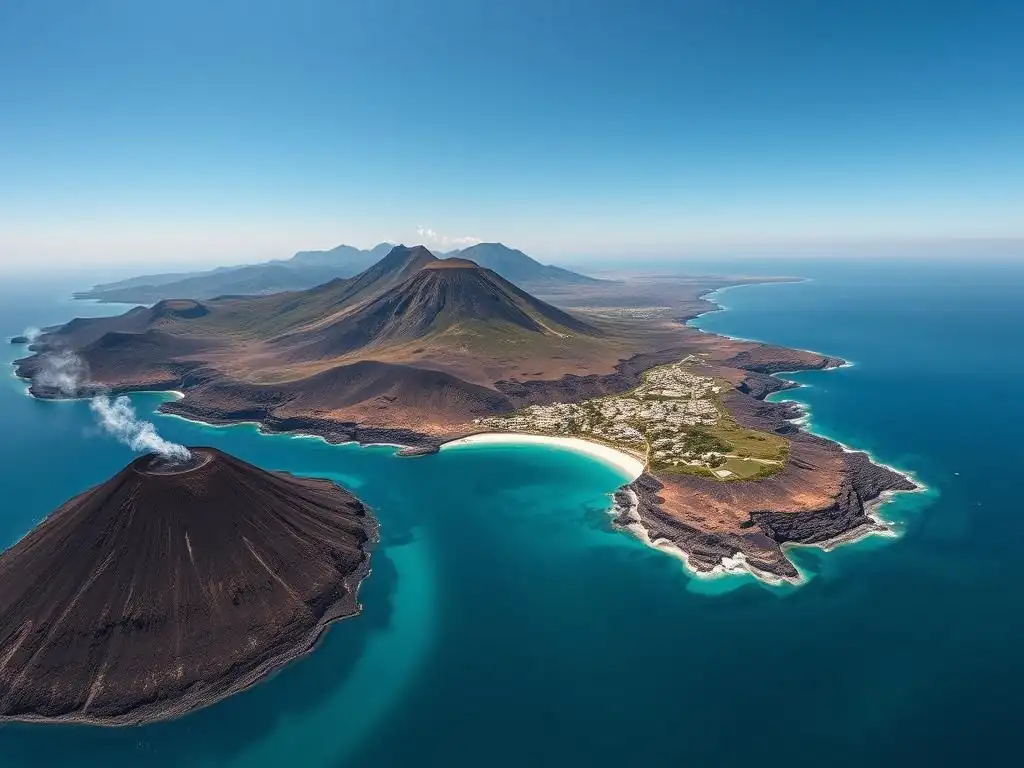
While undeniably beautiful, the volcanoes of the Mediterranean Volcanic Belt also pose significant threats to the communities living in their vicinity. Several volcanoes in the region are classified as active, meaning they have erupted in recent history and are likely to erupt again in the future.
Among the most closely monitored active volcanoes are Mount Vesuvius and the Phlegraean Fields in Italy, Mount Etna and Stromboli in Sicily and the Aeolian Islands, and the volcanoes of the Hellenic Arc in Greece, including Santorini and Nisyros. These volcanoes are not just geological curiosities; they are dynamic systems capable of producing a range of hazardous phenomena.
To mitigate the risks associated with these active volcanoes, comprehensive monitoring networks are in place. Volcanologists employ a variety of techniques to track volcanic activity, including seismometers to detect earthquakes, gas sensors to measure volcanic gas emissions, and GPS and satellite-based systems to monitor ground deformation.
Data from these monitoring networks are continuously analyzed to detect changes that may indicate an impending eruption. While predicting the exact timing and magnitude of volcanic eruptions remains a challenge, advancements in monitoring techniques and eruption forecasting models are constantly improving our ability to provide early warnings and prepare for volcanic crises in the Mediterranean region.
Volcanic Hazards: Ashfall, Pyroclastic Flows, and Lahars
Active volcanoes in the Mediterranean pose a spectrum of volcanic hazards, each with the potential to cause significant damage and disruption. Ashfall, the deposition of volcanic ash downwind from an eruption, is a widespread hazard that can affect large areas. Even relatively thin layers of ash can disrupt air travel, damage infrastructure, contaminate water supplies, and impact agriculture. Pyroclastic flows, fast-moving currents of hot gas and volcanic debris, are among the most destructive volcanic hazards. These flows can travel at speeds exceeding 100 km/h and reach temperatures of hundreds of degrees Celsius, capable of incinerating everything in their path.
Lahars, volcanic mudflows composed of water, ash, and rock debris, are another serious hazard, particularly for communities located in valleys and drainage systems around volcanoes. While less frequent in some parts of the Mediterranean compared to regions with glaciers or heavy rainfall, lahars can still occur, especially during periods of heavy precipitation or when eruptions melt snow and ice on volcanic peaks (though less common in the Mediterranean climate).
Other volcanic hazards include lava flows, although these are generally less life-threatening than pyroclastic flows, and volcanic gas emissions, which can pose health risks and contribute to acid rain. Understanding the specific volcanic hazards associated with each volcano in the Mediterranean is crucial for effective risk management and mitigation.
Risk Assessment and Mitigation Strategies for Communities Near Active Volcanoes
Given the potential for volcanic hazards, risk assessment and mitigation strategies are paramount for communities living near active volcanoes in the Mediterranean. Risk assessment involves identifying the potential hazards, evaluating their likelihood and potential impacts, and determining the vulnerability of populations and infrastructure. This process informs the development of mitigation strategies aimed at reducing volcanic risk. These strategies can be broadly categorized into preparedness measures, early warning systems, and long-term land-use planning.
Preparedness measures include public education campaigns to raise awareness about volcanic hazards and safety procedures, emergency drills to practice evacuation plans, and the establishment of emergency shelters and evacuation routes. Early warning systems rely on real-time monitoring data to detect pre-eruptive signals and issue timely warnings to at-risk communities.
Long-term land-use planning involves zoning regulations that restrict development in high-hazard areas, promoting resilient infrastructure, and integrating volcanic risk considerations into urban planning. Effective risk mitigation requires a collaborative approach involving scientists, emergency managers, policymakers, and the public to ensure the safety and resilience of communities living in the shadow of Mediterranean volcanoes, emphasizing the importance of ongoing Mediterranean volcanic belt exploration for hazard understanding.
Famous Eruptions of the Mediterranean Volcanic Belt: A Historical Perspective
Mount Vesuvius and Pompeii: A Catastrophic Event
The eruption of Mount Vesuvius in 79 CE stands as one of the most infamous and devastating volcanic events in history. This eruption, which buried the Roman cities of Pompeii and Herculaneum under thick layers of volcanic ash and pumice, provides a chilling reminder of the destructive power of volcanoes. For centuries, these cities lay forgotten, entombed beneath the volcanic deposits, until their rediscovery in the 18th century. The remarkably preserved ruins of Pompeii and Herculaneum offer an unparalleled glimpse into Roman life at the time of the eruption, frozen in time by the volcanic catastrophe.
The 79 CE eruption was a Plinian eruption, characterized by a towering eruption column of ash and gas that reached high into the stratosphere. This column then collapsed, generating devastating pyroclastic flows that swept down the slopes of Vesuvius, engulfing and destroying Pompeii and Herculaneum.
The eruption lasted for approximately 24 hours, leaving a profound impact on the region and shaping our understanding of volcanic hazards. The story of Pompeii and Vesuvius serves as a stark lesson in the potential consequences of living near active volcanoes and underscores the importance of volcanic hazard awareness and preparedness, a crucial aspect of Mediterranean volcanic belt exploration in historical context.
Santorini's Minoan Eruption: A Civilization-Altering Disaster
Long before Vesuvius, another colossal eruption in the Mediterranean had a potentially civilization-altering impact: the Minoan eruption of Santorini, estimated to have occurred around 1600 BCE. This eruption, one of the largest volcanic events of the Holocene epoch, devastated the island of Thera (modern Santorini) and likely had far-reaching consequences for the Minoan civilization, which flourished on the island of Crete, located south of Santorini. The Minoan eruption is believed to have been significantly larger than the 79 CE Vesuvius eruption, potentially ranking as a Volcanic Explosivity Index (VEI) 6 or 7 event.
The eruption involved a complex sequence of events, including Plinian phases that ejected vast quantities of pumice and ash, followed by caldera collapse and devastating tsunami generation. The tsunami, triggered by the caldera collapse, likely impacted coastal communities across the eastern Mediterranean, including Crete.
While the exact impact on Minoan civilization is still debated, many scholars believe that the Minoan eruption played a significant role in the decline of this advanced Bronze Age culture, possibly through a combination of direct destruction, long-term environmental changes, and societal disruption. The Minoan eruption stands as a testament to the powerful influence of volcanic events on human history and the environment, a key point in Mediterranean volcanic belt exploration concerning long-term impacts.
Etna's Recent Activity: Understanding Modern Volcanic Events
In contrast to the ancient eruptions of Vesuvius and Santorini, Mount Etna in Sicily provides a continuous and ongoing example of volcanic activity in the Mediterranean. Etna is one of the most active volcanoes in the world, characterized by frequent eruptions ranging from Strombolian explosions to lava flows and occasional paroxysmal events with lava fountains and ash plumes. Etna's near-constant activity makes it a natural laboratory for volcanologists, providing valuable insights into volcanic processes and eruption dynamics in a modern context.
Recent decades have witnessed numerous significant eruptions at Etna, including flank eruptions that produce lava flows threatening nearby communities and summit eruptions that generate spectacular lava fountains and ash plumes that can disrupt air traffic. The 2021 series of paroxysmal eruptions at Etna's Southeast Crater, for example, produced impressive lava fountains and ash columns that were visible for miles around.
Studying Etna's recent activity allows scientists to refine monitoring techniques, improve eruption forecasting models, and better understand the complex interplay of factors that drive volcanic eruptions in the Mediterranean. Etna's ongoing activity is a living example of the dynamic nature of the Mediterranean Volcanic Belt and the continuous need for Mediterranean volcanic belt exploration and monitoring.
The Cultural Significance of Mediterranean Volcanoes
Volcanoes in Mythology and Folklore: Ancient Beliefs and Legends
Mediterranean volcanoes have not only shaped the physical landscape but have also deeply influenced the cultural landscape of the region for millennia. In ancient Mediterranean cultures, volcanoes were often viewed with a mixture of awe, fear, and reverence, becoming integrated into mythology, folklore, and religious beliefs. The powerful and unpredictable nature of volcanic eruptions led to their association with deities, spirits, and supernatural forces. Volcanoes were often seen as entrances to the underworld or the fiery forges of gods.
In Greek mythology, for instance, Mount Etna was believed to be the forge of Hephaestus (Vulcan in Roman mythology), the god of fire and metalworking. Legends described the rumbling of Etna as the sounds of Hephaestus hammering metal in his subterranean workshop.
Similarly, the volcanic island of Stromboli was associated with Aeolus, the god of winds, and its constant eruptions were interpreted as signs of his power. These mythological associations reflect the profound impact of volcanoes on the ancient Mediterranean imagination and the attempts to explain these powerful natural phenomena through narrative and belief systems, shaping the cultural perception of Mediterranean volcanic belt exploration and interpretation.
Volcanoes as Sacred Sites: Religious and Spiritual Connections
Beyond mythology, volcanoes in the Mediterranean have also held significance as sacred sites and places of religious or spiritual importance. The dramatic and otherworldly landscapes associated with volcanoes often inspired feelings of awe and transcendence, leading to their incorporation into religious practices and rituals. In some cases, volcanic craters or geothermal areas were considered sacred spaces, locations where the veil between the earthly and spiritual realms was thin.
Ancient civilizations in the Mediterranean may have conducted rituals or offerings at volcanic sites, seeking to appease the volcanic deities or harness the perceived power of the Earth's fiery forces. Even in more recent times, some volcanic areas retain a sense of spiritual significance, attracting pilgrims or individuals seeking a connection with nature's raw power. The enduring association of volcanoes with both destruction and creation, chaos and order, has contributed to their continued presence in the spiritual and religious consciousness of Mediterranean cultures, adding a layer of cultural depth to Mediterranean volcanic belt exploration.
The Influence of Volcanic Activity on Art, Literature, and Music
The dramatic beauty and inherent drama of Mediterranean volcanoes have served as a rich source of inspiration for artists, writers, and musicians throughout history. Volcanic landscapes, eruptions, and the associated mythology have been recurring themes in various forms of artistic expression, reflecting the profound impact of volcanoes on the human imagination. From ancient frescoes depicting volcanic landscapes to contemporary novels and films set against volcanic backdrops, the Mediterranean Volcanic Belt has provided a compelling canvas for creative exploration.
Painters have captured the stark beauty of volcanic craters, the fiery spectacle of eruptions, and the contrasting colors of lava flows against the Mediterranean Sea. Writers have used volcanoes as metaphors for passion, destruction, and transformation, weaving volcanic imagery into poems, plays, and novels.
Musicians have drawn inspiration from the sounds of volcanic activity, the rumbling of the Earth, and the explosive energy of eruptions, incorporating these elements into their compositions. The enduring influence of Mediterranean volcanoes on art, literature, and music underscores their deep cultural resonance and their continued role in shaping creative expression, making cultural exploration an integral part of Mediterranean volcanic belt exploration.
Volcanology in the Mediterranean: Research and Exploration
Studying Mediterranean Volcanoes: The Work of Volcanologists
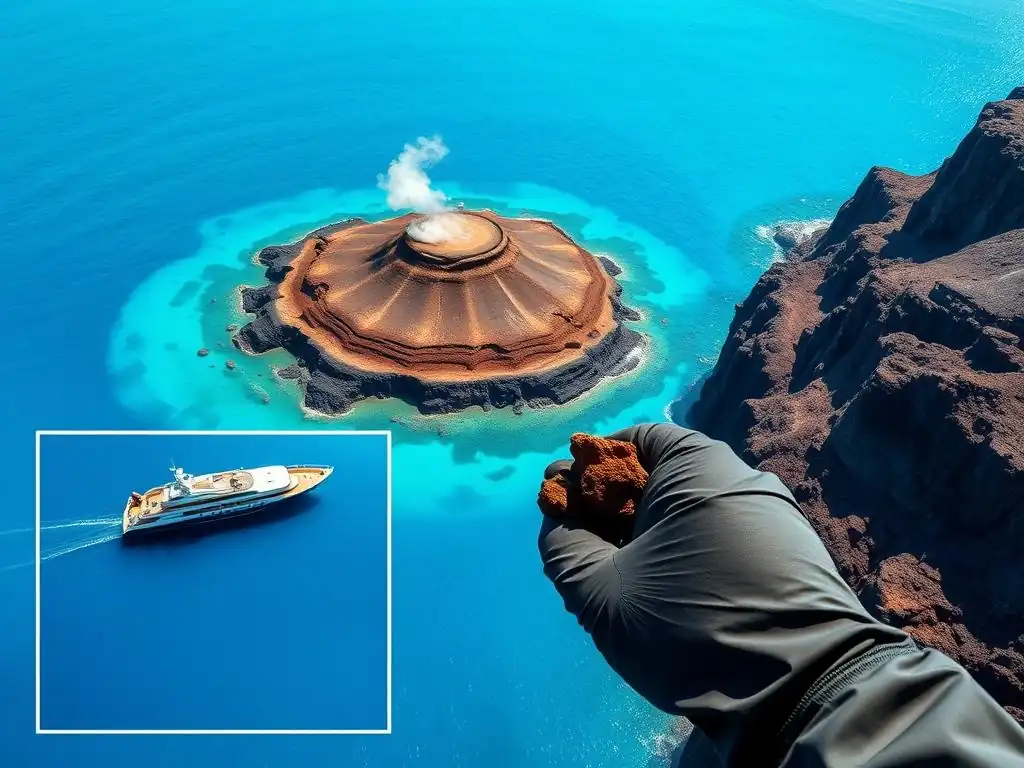
Volcanology, the scientific study of volcanoes, plays a crucial role in understanding the Mediterranean Volcanic Belt and mitigating the risks associated with its active volcanoes. Volcanologists working in the Mediterranean region engage in a wide range of research activities, from investigating the fundamental processes of magma generation and eruption dynamics to monitoring active volcanoes and developing eruption forecasting models. Their work is essential for advancing our scientific knowledge of volcanism and for providing crucial information to civil protection agencies and communities living near volcanoes.
The research conducted by volcanologists in the Mediterranean is diverse and multidisciplinary. It involves fieldwork to study volcanic rocks and geological structures, laboratory analyses to determine the composition and properties of volcanic materials, and computational modeling to simulate volcanic processes. Volcanologists also utilize advanced monitoring techniques to track changes in volcanic activity and to detect pre-eruptive signals. Through their dedicated research and exploration, volcanologists contribute significantly to our understanding of the Mediterranean Volcanic Belt and enhance our ability to live safely alongside these powerful natural forces, making their efforts central to Mediterranean volcanic belt exploration and risk reduction.
Monitoring Techniques: Seismicity, Gas Emissions, and Ground Deformation
Effective monitoring of active volcanoes in the Mediterranean relies on a suite of sophisticated techniques designed to detect subtle changes that may precede an eruption. Seismicity monitoring, the detection and analysis of earthquakes, is a cornerstone of volcanic monitoring. Changes in the frequency, intensity, and location of earthquakes around a volcano can indicate magma movement and increasing volcanic unrest. Volcanologists deploy networks of seismometers around active volcanoes to continuously record seismic activity.
Gas emission monitoring is another vital technique. Volcanic gases, such as sulfur dioxide, carbon dioxide, and water vapor, are released from magma and can provide valuable information about the state of the volcanic system. Changes in the composition and flux of volcanic gases can signal changes in magma degassing and potential eruptive activity.
Ground deformation monitoring, using techniques like GPS and satellite interferometry, tracks subtle changes in the shape of the volcano's surface. Inflation, or swelling of the ground, can indicate magma accumulation beneath the surface, while deflation may suggest magma withdrawal or eruption. Combining data from seismicity, gas emissions, and ground deformation monitoring provides a comprehensive picture of volcanic activity and improves our ability to detect pre-eruptive unrest in the Mediterranean volcanic belt exploration and monitoring efforts.
Advancements in Volcanic Prediction: Improving Early Warning Systems
Significant advancements in volcanology are continuously improving our ability to predict volcanic eruptions and enhance early warning systems in the Mediterranean region. Improved understanding of volcanic processes, coupled with technological advancements in monitoring and modeling, is leading to more accurate and timely eruption forecasts. Statistical models, based on historical eruption patterns and monitoring data, are used to assess the probability of eruptions and to identify periods of increased volcanic risk.
Numerical models, simulating magma ascent, degassing, and eruption dynamics, are becoming increasingly sophisticated, allowing scientists to better understand the physical processes leading to eruptions. Integration of real-time monitoring data with these models provides a powerful tool for eruption forecasting. Early warning systems, based on these advancements, are crucial for mitigating volcanic risk.
These systems involve the timely dissemination of warnings to at-risk communities, allowing for evacuations and other protective measures to be implemented before an eruption occurs. Continued research and development in volcanic prediction are essential for further improving early warning capabilities and enhancing the safety of communities living near Mediterranean volcanoes, making it a critical focus of Mediterranean volcanic belt exploration and hazard mitigation.
Safety Guidelines for Exploring the Mediterranean Volcanic Belt
Preparing for a Volcanic Adventure: Essential Equipment and Precautions
Exploring the Mediterranean Volcanic Belt can be an incredibly rewarding experience, but it is essential to prioritize safety and be well-prepared for the unique challenges of volcanic environments. Proper planning and equipment are crucial for a safe and enjoyable volcanic adventure. Before venturing into volcanic areas, research the specific volcano you plan to visit, including its current activity level, potential hazards, and any restricted zones. Check weather forecasts and be aware of potential changes in conditions, as weather can be unpredictable in volcanic regions.
Essential equipment for volcanic exploration includes sturdy hiking boots with good ankle support, appropriate clothing layers to adapt to changing temperatures, and rain gear in case of inclement weather. Bring plenty of water and high-energy snacks, as volcanic terrain can be demanding to navigate. Sunscreen, sunglasses, and a hat are crucial for protection from intense sun exposure, especially at higher altitudes.
A first-aid kit, a map and compass or GPS device, and a communication device (like a satellite phone in remote areas) are also essential safety items. In areas with potential volcanic gas hazards, consider bringing a respirator mask, and always heed the advice of local authorities and volcano guides. Thorough preparation is key for safe and responsible Mediterranean volcanic belt exploration.
Understanding Volcanic Hazards: Staying Safe During an Eruption
Understanding volcanic hazards is paramount for staying safe in volcanic regions, particularly during an eruption. Different volcanic hazards pose different risks, and knowing how to respond appropriately is crucial. During ashfall, seek shelter indoors and close windows and doors to minimize ash entry. If you are outdoors, cover your mouth and nose with a mask or cloth to avoid inhaling ash particles. Pyroclastic flows are extremely dangerous and fast-moving. If a pyroclastic flow is approaching, evacuate immediately to higher ground, away from valleys and drainage channels.
Lava flows are generally slower-moving but can still destroy property and block escape routes. Avoid approaching active lava flows and be aware of potential changes in flow direction. Lahars can travel rapidly down valleys and stream channels. If you are in a lahar-prone area, be aware of warning signs like heavy rainfall or increased stream flow, and evacuate to higher ground if a lahar is detected.
Volcanic gases can be invisible and odorless but can be toxic or asphyxiating in high concentrations. Avoid entering areas with strong volcanic gas odors or visible gas plumes. Always follow evacuation orders and instructions from local authorities and emergency responders during a volcanic eruption. Knowledge and preparedness are the best defenses for safe Mediterranean volcanic belt exploration in active areas.
Evacuation Procedures: Protecting Yourself and Your Community
In the event of a volcanic eruption, following established evacuation procedures is critical for protecting yourself and your community. Evacuation plans are typically developed by local authorities and emergency management agencies based on volcanic hazard assessments and risk maps. Familiarize yourself with the evacuation plans for the volcanic areas you are visiting or residing near. Know the designated evacuation routes, assembly points, and emergency shelters. Pay attention to official warnings and evacuation orders issued by authorities. When an evacuation order is given, evacuate promptly and calmly.
Follow designated evacuation routes and avoid shortcuts that may be hazardous. If possible, bring essential supplies with you, such as water, food, medications, and important documents. Assist neighbors and vulnerable individuals who may need help evacuating.
Once you reach a designated safe area or emergency shelter, follow the instructions of shelter staff and emergency personnel. Do not return to evacuated areas until authorities declare it safe to do so. Effective evacuation procedures are a vital component of volcanic risk mitigation and are crucial for ensuring the safety of individuals and communities during volcanic crises in the Mediterranean volcanic belt exploration context.
The Future of the Mediterranean Volcanic Belt: Challenges and Opportunities
Climate Change and Volcanic Activity: Potential Impacts and Interactions
The future of the Mediterranean Volcanic Belt is intertwined with global environmental changes, particularly climate change. While climate change is not expected to directly cause volcanic eruptions, it can potentially influence volcanic activity and exacerbate volcanic hazards in various ways. Changes in precipitation patterns, for example, could affect the frequency and intensity of lahars in volcanic regions. Increased rainfall intensity could lead to larger and more destructive lahars, while changes in snow and ice cover on volcanic peaks could alter the dynamics of glacial lahars, though glaciers are less prevalent on Mediterranean volcanoes compared to other volcanic regions globally.
Sea-level rise, another consequence of climate change, could increase the vulnerability of coastal communities to volcanic tsunamis generated by caldera collapses or submarine eruptions. Changes in atmospheric conditions could also affect the dispersal of volcanic ash plumes, potentially impacting air traffic and wider regions downwind of eruptions.
Furthermore, climate change may indirectly influence volcanic risk by affecting population distribution and land use patterns in volcanic areas. Understanding the complex interactions between climate change and volcanic activity is crucial for assessing future volcanic hazards and developing adaptation strategies in the Mediterranean Volcanic Belt, an important consideration for future Mediterranean volcanic belt exploration and research.
Sustainable Tourism and Volcanic Regions: Balancing Exploration and Preservation
The Mediterranean Volcanic Belt's stunning landscapes and unique geological features attract significant tourism. Volcano tourism offers economic opportunities for local communities and provides educational and recreational experiences for visitors. However, it is essential to ensure that tourism in volcanic regions is sustainable and does not negatively impact the environment or local communities. Sustainable tourism practices aim to balance economic benefits with environmental protection and cultural preservation.
In volcanic areas, sustainable tourism involves responsible trail development, minimizing environmental impact from infrastructure and visitor activities, and promoting respectful interactions with local cultures. Educating tourists about volcanic hazards, responsible behavior in volcanic environments, and the importance of conservation is crucial. Supporting local businesses and communities through tourism revenue can contribute to the long-term sustainability of volcanic regions. Balancing the economic opportunities of tourism with the need to preserve the natural and cultural heritage of the Mediterranean Volcanic Belt is a key challenge and opportunity for the future, essential for responsible Mediterranean volcanic belt exploration and sustainable development.
Future Research Directions: Unlocking the Secrets of Mediterranean Volcanoes
Despite significant advances in volcanology, many secrets of the Mediterranean Volcanic Belt remain to be unlocked. Future research directions are crucial for deepening our understanding of volcanic processes, improving eruption forecasting capabilities, and mitigating volcanic risks in the region. One key area of research is to better understand the deep magmatic systems beneath Mediterranean volcanoes. Advanced geophysical techniques and geochemical analyses can provide insights into the structure, composition, and dynamics of magma reservoirs.
Improving eruption forecasting models is another critical research priority. Developing more sophisticated models that integrate diverse monitoring data and incorporate the complexities of volcanic processes is essential for more accurate and timely eruption predictions. Investigating the interactions between volcanic activity and other natural hazards, such as earthquakes and tsunamis, is also important for comprehensive hazard assessment.
Furthermore, research into the cultural and historical dimensions of volcanism in the Mediterranean can provide valuable perspectives on human-volcano interactions and inform risk communication strategies. Continued Mediterranean volcanic belt exploration and research are essential for unlocking the remaining secrets of this dynamic region and enhancing our ability to live safely and sustainably alongside its volcanoes.
Conclusion: Appreciating the Dual Nature of the Mediterranean Volcanic Belt
The Enduring Legacy of Fire and Beauty
The Mediterranean Volcanic Belt stands as a powerful testament to the dual nature of volcanic forces. It is a region where breathtaking beauty and potential devastation coexist, where the same geological processes that sculpt picturesque islands and fertile landscapes also pose significant threats to human communities. From the iconic caldera of Santorini to the fiery eruptions of Stromboli and the historical tragedy of Pompeii, the Mediterranean volcanoes have left an indelible mark on the region's landscape, history, and culture. This enduring legacy of fire and beauty continues to captivate and challenge us.
The volcanoes of the Mediterranean are not merely geological features; they are dynamic systems that have shaped civilizations, inspired myths, and driven scientific inquiry. They are a reminder of the Earth's powerful internal forces and our place within a constantly evolving planet. Appreciating the dual nature of the Mediterranean Volcanic Belt requires acknowledging both its awe-inspiring beauty and the inherent risks it presents. It calls for a balanced approach that combines scientific understanding, responsible exploration, effective risk mitigation, and a deep respect for the forces of nature that have shaped this extraordinary region.
VolcanoExplorers.org: Continuing Your Mediterranean Volcanic Journey
As your exploration of the Mediterranean Volcanic Belt comes to a close with this article, VolcanoExplorers.org remains your dedicated companion for further learning and discovery. We encourage you to delve deeper into the wealth of resources available on our platform to expand your understanding of Mediterranean volcanoes and volcanism worldwide. From detailed volcano profiles and educational articles to stunning image galleries and safety guides, VolcanoExplorers.org offers a comprehensive and engaging journey into the world of volcanoes.
Whether you are planning a Mediterranean volcanic adventure, conducting research, or simply seeking to learn more about these fascinating geological wonders, VolcanoExplorers.org is here to guide you. Continue your Mediterranean volcanic journey with us, and together, let us explore, learn, and appreciate the awe-inspiring power and beauty of volcanoes.
Frequently Asked Questions
What is the Mediterranean Volcanic Belt?
The Mediterranean Volcanic Belt is a geologically active region stretching across the Mediterranean Sea, characterized by a concentration of volcanoes and seismic activity. It's formed by the collision of the African and Eurasian tectonic plates.
What are the main dangers associated with the Mediterranean Volcanic Belt?
The dangers include volcanic eruptions causing ashfall, pyroclastic flows, and lahars. Furthermore, the region is prone to earthquakes and tsunamis, posing significant risks to coastal communities.
What types of volcanoes are found in the Mediterranean Volcanic Belt?
The belt features a variety of volcano types, including stratovolcanoes, calderas, and submarine volcanoes. Examples include Mount Etna, Stromboli, and the Campi Flegrei.
How do volcanologists study volcanoes in the Mediterranean Volcanic Belt?
Volcanologists employ various techniques, such as monitoring seismic activity, analyzing volcanic gases, and studying past eruptions to understand volcanic behavior and assess potential hazards.
What safety measures should people living near the Mediterranean Volcanic Belt take?
Residents should familiarize themselves with evacuation plans, monitor official alerts, and prepare emergency kits. Staying informed about volcanic activity is crucial for personal safety.
Final Reflection: Embracing the Fiery Heart of the Mediterranean
The narrative woven throughout this exploration of the Mediterranean Volcanic Belt underscores a crucial duality: the inherent tension between destructive power and breathtaking beauty. What we've uncovered is not merely a geological survey, but a testament to the Earth's raw energy, a force that shapes landscapes and civilizations alike, demanding both respect and continued vigilance.
The enduring influence of this volcanic belt on the Mediterranean region is undeniable, shaping its history, culture, and even its cuisine. My own fascination with this region stems from a deep appreciation for its resilience, a quality mirrored in the communities that thrive in the shadow of these potentially volatile giants. The only constant is change,
Heraclitus famously stated, and nowhere is this truer than in the dynamic landscape sculpted by the Mediterranean Volcanic Belt.
Now, as we conclude this journey into the heart of the Mediterranean Volcanic Belt, I invite you to consider your own relationship with the natural world. How can we, as individuals and as a society, better understand and mitigate the risks posed by these geological forces, while simultaneously appreciating the profound beauty and unique opportunities they present? Let us strive to be informed stewards of this fiery landscape, ensuring a sustainable and harmonious future for generations to come.
Unleash Your Inner Volcanologist: Explore the Mediterranean!
Thank you for exploring the fascinating duality of the Mediterranean Volcanic Belt! We hope you've gained a new appreciation for its inherent risks and captivating beauty. Now, let's put that knowledge to use:
Here are a few ways to continue your journey:
- Plan Your Mediterranean Volcanic Adventure: Research a specific location within the belt you'd like to visit, considering its geological significance and safety. Start with online resources or virtual experiences if a trip isn't feasible.
- Delve deeper into the science by exploring the articles and documentaries referenced in this piece, and share your discoveries with others.
- Broaden your horizons: Discover lesser-known aspects of volcanology—from volcano-inspired art to advancements in early warning systems.
What about the Mediterranean Volcanic Belt most piques your interest, and how will you explore it further? Share your thoughts in the comments below!