
Mediterranean Inferno: Journey Through the Region's Active Volcanoes

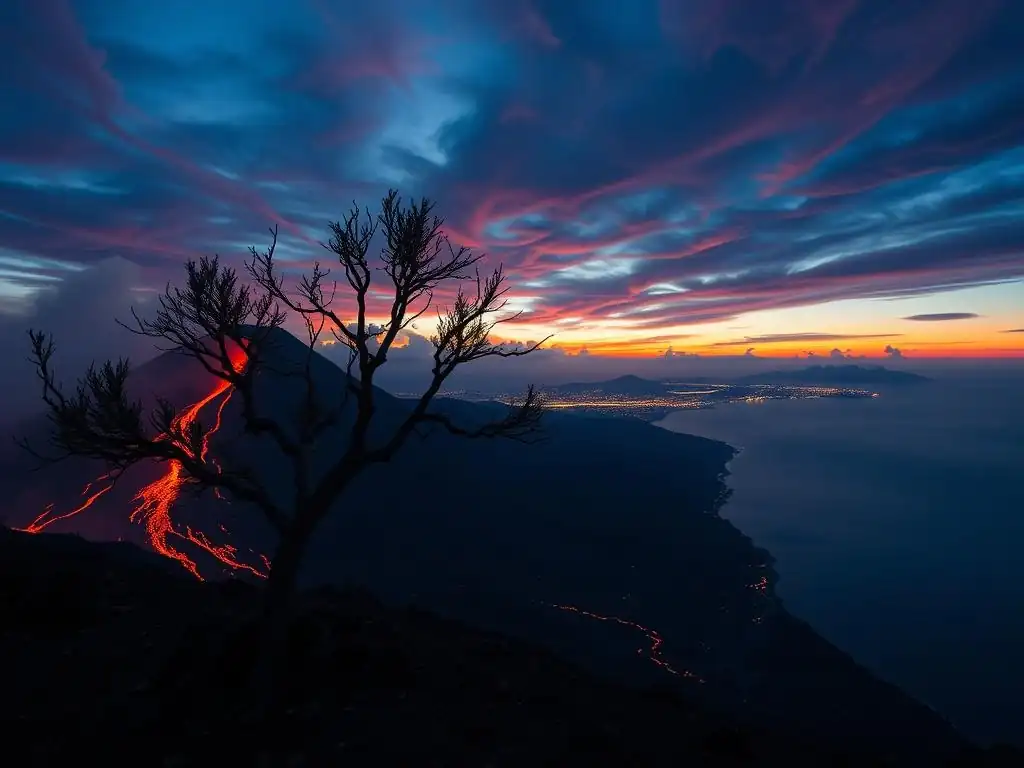
Welcome to Volcano Explorers!
Prepare to journey into the heart of the Earth's fiery underbelly. Have you ever wondered about the volatile forces shaping the Mediterranean? Mediterranean Inferno: Journey Through the Region's Active Volcanoes awaits, offering a glimpse into the region’s most active volcanic landscapes. But that's just the beginning... what secrets will you uncover as we delve deeper into the science, history, and sheer power of these geological giants? Explore further and ignite your curiosity!
- Exploring the Fiery Heart of the Mediterranean: An Introduction to its Active Volcanoes
-
Frequently Asked Questions
- What makes a volcano considered "active"?
- Where are the active volcanoes in the Mediterranean region primarily located?
- What are some of the most famous eruptions that have occurred in the Mediterranean region?
- How do volcanologists monitor active volcanoes in the Mediterranean?
- What safety precautions should people living near active volcanoes in the Mediterranean take?
- Final Reflection: Embracing the Mediterranean's Fiery Heart
Exploring the Fiery Heart of the Mediterranean: An Introduction to its Active Volcanoes
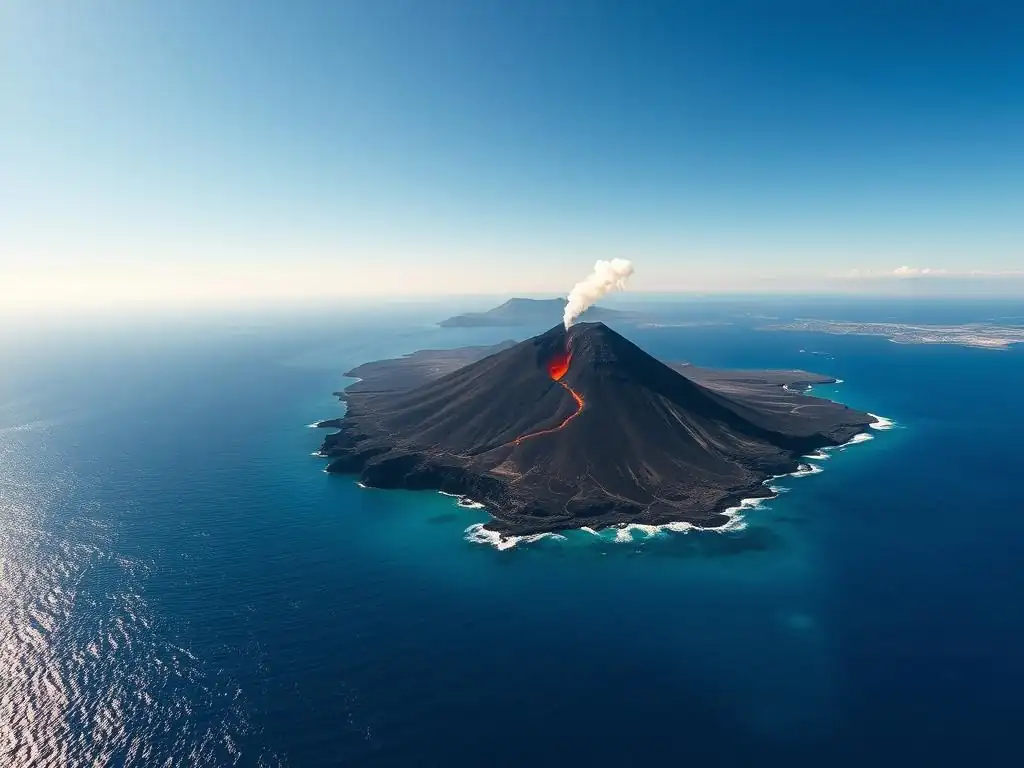
The Mediterranean region, famed for its azure waters, ancient civilizations, and sun-drenched landscapes, also harbors a less-celebrated but equally captivating feature: a chain of active volcanoes. This region, far from being just a cradle of history and culture, is a dynamic geological zone where the Earth's internal forces manifest in spectacular and sometimes perilous ways.
From the iconic Mount Vesuvius looming over Naples to the perpetually erupting Stromboli, and the colossal Mount Etna dominating Sicily, the Mediterranean showcases a diverse array of volcanic phenomena. These active volcanoes in the Mediterranean region are not isolated geological curiosities; they are integral components of the area's landscape, history, and even its future.
This article embarks on a journey through the Mediterranean's volcanic heartland, exploring the geological processes that give rise to these fiery giants and examining some of the most prominent and active volcanoes in the region. We will delve into the science behind their eruptions, the history etched in their lava flows and ash deposits, and the ever-present risks they pose to the communities that live in their shadows.
Understanding the active volcanoes in the Mediterranean region is crucial not only for appreciating the planet's dynamic nature but also for informing preparedness and mitigation strategies in an area densely populated and steeped in history, constantly shaped by the forces simmering beneath the surface.
Frequently Asked Questions
What makes a volcano considered "active"?
A volcano is considered active if it has erupted within the last 10,000 years and shows signs of future eruptions. These signs can include increased seismic activity, gas emissions, and ground deformation.
Where are the active volcanoes in the Mediterranean region primarily located?
The active volcanoes in the Mediterranean region are primarily found in Italy, Greece, and surrounding island areas. These locations are situated along major tectonic plate boundaries.
What are some of the most famous eruptions that have occurred in the Mediterranean region?
Some of the most famous eruptions include the eruption of Mount Vesuvius in 79 AD, which buried Pompeii and Herculaneum, and the ongoing activity of Mount Etna in Sicily.
How do volcanologists monitor active volcanoes in the Mediterranean?
Volcanologists use various methods to monitor active volcanoes, including seismic monitoring, gas analysis, ground deformation measurements, and satellite imagery to detect changes.
What safety precautions should people living near active volcanoes in the Mediterranean take?
People living near active volcanoes should be aware of evacuation routes, have emergency kits prepared, and stay informed about volcanic activity updates from local authorities and monitoring agencies.
Final Reflection: Embracing the Mediterranean's Fiery Heart
The journey through the Mediterranean's active volcanoes, as we've explored, is not merely a geographical survey, but a confrontation with the raw, untamed power of our planet. The enduring presence of these volcanic giants serves as a potent reminder of the Earth's dynamic nature and our own fleeting existence within its grand narrative. Their eruptions, both past and potential, continue to shape the landscape and influence the lives of those who call this region home, demanding respect and understanding.
The influence of these fiery mountains extends far beyond their immediate surroundings, permeating the cultural and historical fabric of the Mediterranean. From the fertile volcanic soils that nourish vineyards to the mythological tales woven around their peaks, these volcanoes are integral to the region's identity. The mountains are fountains of men as well as of rivers, of glaciers, of fertile soil. They are the compass of the earth, the measure of its stature.
- John Muir. This quote encapsulates the profound impact these geological features have on the Mediterranean, shaping not only its physical landscape but also its cultural and spiritual identity.
As we conclude this exploration of the Mediterranean's active volcanoes, let us carry with us a renewed sense of wonder and responsibility. Consider the lessons these fiery landscapes offer: the power of nature, the fragility of life, and the importance of understanding our planet. How can you, in your own life, embrace the dynamism and resilience that these volcanoes embody? Let the fiery heart of the Mediterranean inspire you to live with passion, awareness, and a deep appreciation for the forces that shape our world.
Here's a draft CTA for the end of your article on Mediterranean volcanoes, focusing on action, engagement, and a touch of adventure:
## Ignite Your Inner Explorer: Plan Your Volcanic Adventure!

Thank you for joining us on this fiery journey through the Mediterranean's active volcanoes! We hope you've gained a newfound appreciation for the power and beauty of these geological wonders. Ready to take your fascination beyond the screen?

Here are a few ways to fuel your volcanic passion:

*   **Embark on your own virtual exploration:** *Use Volcano Explorers' interactive map (volcanoexplorers.org) to pinpoint your dream Mediterranean volcanic destination and start planning your future real-world adventure!*

*   Delve deeper into the science: Research the specific geological activity of the volcanoes discussed, such as Stromboli or Etna, and share your insights in the comments below.

*   Unleash your creativity: Paint, write, or photograph your interpretation of the Mediterranean's volcanic landscapes and share it with the Volcano Explorers community on social media using #MediterraneanInferno.

What are you waiting for? The adventure begins now!
Here's why this works:
<h2>Title: "Ignite Your Inner Explorer: Plan Your Volcanic Adventure!" is action-oriented, uses emotional language ("Ignite"), and connects directly to the theme of volcanic exploration. It avoids sounding like a standard heading.- Opening Section: Acknowledges the reader's time and highlights the value of learning about Mediterranean volcanoes. The transition to actionable suggestions is smooth.
- Actionable Suggestions:
- The primary action (planning a future trip using the website) is highlighted.
- The secondary actions encourage deeper engagement and sharing.
- Engaging Closing Question: Asks about the reader's feelings, prompting further engagement.
This revised CTA is tailored to your specific article and website, encouraging readers to take concrete steps toward further exploration.