
From Inferno to Inactivity: The Life Cycle of a Volcanic Desert

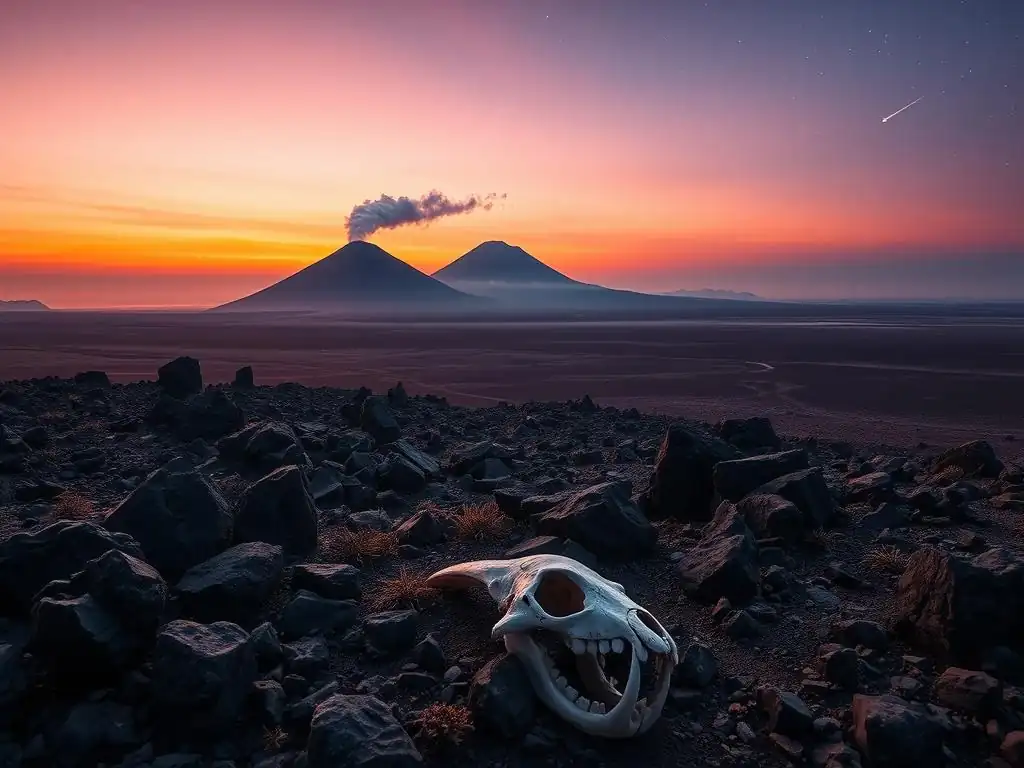
Welcome to Volcano Explorers, where the Earth's raw power is on full display! Ever wondered how a fiery wasteland transforms into a landscape teeming with life? Prepare to journey through the fascinating volcanic desert life cycle, a story of destruction and rebirth that defies expectations. The transformation is more intriguing than you might think, so let's explore the secrets hidden within these seemingly barren lands...
- From Fire to Flora: The Life Cycle of a Volcanic Landscape
- Understanding the Volcanic Landscape Life Cycle: An Overview
- Phase 1: The Cataclysm - Initial Eruption and Landscape Transformation
- Phase 2: Initial Colonization - Microbial Life and Early Succession
- Phase 3: Gradual Succession - Plant Establishment and Ecosystem Development
- Phase 4: Mature Volcanic Ecosystem - Development of Specialized Biota
- Phase 5: Long-Term Dynamics - Erosion, Climate Change, and Potential Renewed Activity
- Case Studies: Examples of Volcanic Landscape Life Cycles
- The Future of Volcanic Landscapes: Research, Conservation, and Management
-
Frequently Asked Questions
- What is a volcanic desert and how does it form?
- What are the typical stages in the life cycle of a volcanic desert?
- What kind of life can survive in a volcanic desert environment?
- How long does it take for a volcanic desert to transition back into a thriving ecosystem?
- What factors influence the speed of ecological succession in a volcanic desert?
- Final Reflection: Embracing the Ephemeral Nature of Life
- Ignite Your Inner Explorer!
From Fire to Flora: The Life Cycle of a Volcanic Landscape
Understanding the Volcanic Landscape Life Cycle: An Overview
What Defines a Volcanic Landscape?
A volcanic landscape is fundamentally defined by its geological origin, directly shaped by volcanic activity. This encompasses areas formed by the extrusion of lava, the deposition of ash and tephra, and the structural modifications resulting from volcanic eruptions and related processes. These landscapes are not merely geological formations; they are dynamic environments sculpted by the interplay of fire and geological forces, creating terrains that range from barren, ashen plains to fertile, mineral-rich zones. The defining characteristic is the indelible mark of volcanism, which dictates soil composition, topography, hydrology, and ultimately, the biological potential of the area.
The scale of a volcanic landscape can vary dramatically, from the immediate vicinity of a volcanic crater to vast regions affected by extensive lava flows or pyroclastic deposits. Consider Iceland, an entire island nation forged by volcanic activity, or the Deccan Traps in India, a massive basalt plateau covering approximately 500,000 square kilometers, a testament to colossal ancient eruptions.
Understanding volcanic landscapes requires recognizing the multifaceted nature of volcanism's impact, extending beyond the visual spectacle of eruptions to encompass long-term environmental and ecological transformations. This perspective is crucial when examining the volcanic desert life cycle, as it provides the baseline from which ecological succession and landscape evolution begin.
The Unique Characteristics of Post-Eruption Terrains
Post-eruption terrains possess a suite of unique characteristics that profoundly influence their ecological trajectory. Initially, these landscapes are often characterized by a stark absence of pre-existing soil structure and organic matter. The eruption itself can sterilize the ground, depositing layers of ash, pumice, or solidified lava that are chemically inert and physically challenging for life to colonize. Nutrient availability is typically extremely low, particularly nitrogen and phosphorus, which are essential for plant growth. The texture of the substrate can range from fine ash to coarse, fragmented rock, affecting water retention and drainage.
Furthermore, post-eruption environments are often exposed to extreme conditions. Surface temperatures can fluctuate wildly, especially in areas of dark volcanic rock that absorb solar radiation intensely. Water availability can be unpredictable, with porous volcanic materials leading to rapid drainage or, conversely, the formation of temporary pools in depressions.
The atmospheric environment can also be altered, with lingering volcanic gases and ash particles affecting light penetration and air quality. These harsh and often unpredictable conditions are key factors shaping the initial stages of the volcanic desert life cycle, determining which organisms can survive and begin the process of ecological recovery in these unique and challenging environments.
Phase 1: The Cataclysm - Initial Eruption and Landscape Transformation
The Immediate Impact of Volcanic Eruptions on the Environment
The immediate aftermath of a volcanic eruption is characterized by profound environmental disruption. The most visible impact is the physical reshaping of the landscape through lava flows, pyroclastic flows, ashfall, and lahars (volcanic mudflows). These events can obliterate existing ecosystems, burying vegetation, altering drainage patterns, and creating entirely new landforms. For instance, the 1980 eruption of Mount St. Helens in Washington State, USA, dramatically reduced the mountain's summit elevation by approximately 400 meters, and the lateral blast flattened forests across a 230 square mile area in mere minutes.
Beyond the immediate physical destruction, volcanic eruptions release vast quantities of gases into the atmosphere, including sulfur dioxide, carbon dioxide, and water vapor. Sulfur dioxide can react in the atmosphere to form sulfuric acid aerosols, contributing to acid rain and impacting water and soil chemistry. Heavy ashfall can blanket surrounding areas, disrupting agriculture, contaminating water sources, and causing respiratory problems for humans and animals. The sudden and drastic changes unleashed during an eruption set the stage for the beginning of the volcanic desert life cycle, creating a blank slate upon which ecological succession will unfold.
Lava Flows and Tephra: Reshaping the Land
Lava flows and tephra deposits are primary agents in reshaping the landscape during volcanic eruptions. Lava flows, rivers of molten rock, solidify to create extensive plains or layered formations, completely burying pre-existing topography and vegetation. The type of lava (e.g., basaltic, andesitic, rhyolitic) influences the flow characteristics and resulting landforms. Basaltic lavas, being more fluid, can travel long distances and create broad, gently sloping shield volcanoes or vast lava fields, such as those found in Hawaii or Iceland. More viscous lavas, like rhyolitic lava, tend to form steeper, dome-shaped structures.
Tephra, encompassing all airborne volcanic ejecta from ash to large blocks, is deposited over varying distances depending on eruption intensity and wind patterns. Thick ash deposits can bury landscapes, smothering vegetation and creating unstable surfaces. Pumice, a lightweight, porous volcanic rock, is a common component of tephra and can significantly alter soil properties.
The accumulation of tephra can create new land surfaces, as seen in the formation of cinder cones or the thickening of volcanic plains. The physical and chemical nature of lava flows and tephra deposits are crucial determinants of the initial conditions for the volcanic desert life cycle and subsequent ecological succession.
Atmospheric and Hydrological Changes Post-Eruption
Following a volcanic eruption, significant atmospheric and hydrological changes occur, influencing the nascent volcanic landscape. Volcanic gases released during eruptions can have both short-term and long-term effects on the atmosphere. Large eruptions, such as the 1815 Tambora eruption in Indonesia, can inject sulfur dioxide into the stratosphere, leading to a global cooling effect that can last for years. In the immediate aftermath, volcanic smog (vog) can form downwind, impacting air quality and visibility.
Hydrological systems are also drastically altered. Ashfall can contaminate water sources, increasing turbidity and altering water chemistry. Lava flows can dam rivers, creating new lakes or diverting watercourses. The increased deposition of volcanic material can change drainage patterns, affecting infiltration and runoff rates. In areas with glaciers or snowpack, volcanic eruptions can trigger rapid melting, leading to lahars and flooding. These atmospheric and hydrological shifts are integral to understanding the early stages of the volcanic desert life cycle, as they directly affect the availability of resources and the environmental stresses faced by colonizing organisms.
Phase 2: Initial Colonization - Microbial Life and Early Succession
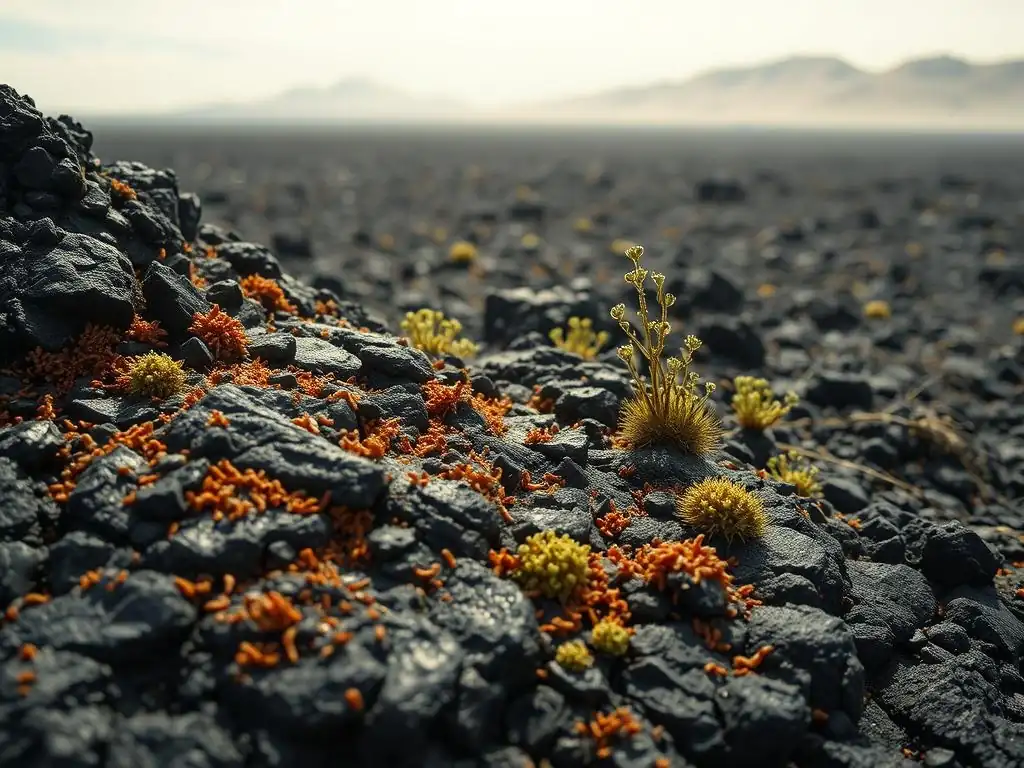
The First Pioneers: Chemoautotrophs and Lithophytes
The initial colonization of a volcanic landscape is often driven by microbial life forms capable of surviving in extremely harsh conditions. Chemoautotrophs, bacteria and archaea that derive energy from chemical reactions rather than sunlight, are among the first pioneers. These organisms can oxidize inorganic compounds present in volcanic rocks, such as sulfur or iron, to produce energy and fix carbon dioxide, forming the base of a nascent food web.
Lithophytes, organisms that live on rock surfaces, also play a crucial role. These include certain types of bacteria, archaea, and fungi that can directly extract nutrients from volcanic rocks through bioweathering processes.
These microbial communities are not only tolerant of extreme conditions but are also active agents in transforming the volcanic substrate. They contribute to the breakdown of rocks, releasing essential minerals and initiating the process of soil formation. For example, certain bacteria can produce organic acids that dissolve rock minerals, making nutrients available for other organisms. The activity of these early microbial colonizers is fundamental to the progression of the volcanic desert life cycle, paving the way for subsequent ecological succession by initiating nutrient cycling and soil development in these barren environments.
Wind Dispersal and the Arrival of Opportunistic Species
Wind dispersal is a critical mechanism for the arrival of opportunistic species in newly formed volcanic landscapes. Spores of fungi and lichens, seeds of certain plants, and even small invertebrates can be carried by wind currents over long distances, reaching even remote volcanic islands or isolated eruption sites. These early colonizers are typically characterized by their ability to tolerate harsh conditions, rapid reproduction rates, and minimal resource requirements. For instance, moss and lichen spores are incredibly resilient and can survive desiccation and UV radiation during aerial transport.
The arrival of these opportunistic species marks the beginning of biological succession beyond microbial communities. Lichens, in particular, are important early colonizers as they can grow directly on bare rock and contribute to soil formation through physical and chemical weathering. Wind-dispersed seeds of plants like willows or grasses, adapted to disturbed habitats, may also establish if conditions are favorable. The success of these early arrivals is crucial in shaping the trajectory of the volcanic desert life cycle, influencing the subsequent wave of colonization and ecosystem development.
Chemical Weathering and Initial Soil Development
Chemical weathering is a key process in the initial stages of soil development on volcanic landscapes. Volcanic rocks, while rich in certain minerals, initially lack the organic matter and developed soil structure necessary to support complex plant life. Chemical weathering involves the breakdown of rocks and minerals through chemical reactions, releasing nutrients and creating finer particles that contribute to soil formation. Acids produced by microbial activity, lichens, and plant roots accelerate this process. For example, carbonic acid, formed from atmospheric carbon dioxide and water, reacts with volcanic minerals, dissolving them and releasing ions such as calcium, magnesium, and potassium.
The accumulation of weathered material, combined with the decomposition of early colonizers like lichens and mosses, begins to create a rudimentary soil. This initial soil is often thin, poorly structured, and low in organic matter, but it represents a crucial step in the volcanic desert life cycle. The gradual increase in nutrient availability and the development of a more hospitable substrate allows for the establishment of more complex plant communities in subsequent phases of ecological succession.
Phase 3: Gradual Succession - Plant Establishment and Ecosystem Development
Soil Enrichment: The Role of Organic Matter and Microbial Activity
Soil enrichment is a gradual but critical process in the development of volcanic ecosystems. As early colonizers like lichens and mosses die and decompose, they contribute organic matter to the nascent soil. This organic matter improves soil structure, water retention, and nutrient availability. Microbial activity plays a vital role in this process, breaking down organic matter and cycling nutrients. Nitrogen-fixing bacteria, for example, can convert atmospheric nitrogen into forms usable by plants, further enriching the soil.
The accumulation of organic matter and the increasing microbial activity create a positive feedback loop, accelerating soil development and nutrient cycling. This enriched soil becomes more hospitable for a wider range of plant species. The process of soil enrichment is fundamental to the transition from a barren volcanic landscape to a more complex and productive ecosystem, driving the progression of the volcanic desert life cycle towards greater biodiversity and ecological maturity.
The Establishment of Stress-Tolerant Plant Communities
The gradual enrichment of volcanic soils allows for the establishment of stress-tolerant plant communities. These plants are adapted to the still-challenging conditions of volcanic landscapes, including nutrient-poor soils, potential water stress, and exposure to harsh weather. Pioneer plant species are often characterized by their ability to tolerate low nutrient levels, efficiently utilize available resources, and reproduce quickly. Examples include certain grasses, herbs, shrubs, and early successional tree species.
These plants further contribute to soil development by adding more organic matter through leaf litter and root decomposition. Their roots also help stabilize the soil, reducing erosion and improving water infiltration. The establishment of these plant communities marks a significant step in the volcanic desert life cycle, creating a more complex habitat that can support a wider range of organisms and further accelerate ecological succession. The specific types of plants that colonize will depend on factors such as climate, altitude, and the nature of the volcanic substrate.
Invertebrate Colonization and Nutrient Cycling
The colonization of volcanic landscapes by invertebrates plays a crucial role in nutrient cycling and ecosystem development. Insects, spiders, mites, and other invertebrates arrive through wind dispersal or migration from surrounding areas. These organisms contribute to the ecosystem in various ways. Detritivores, such as springtails and mites, feed on decomposing organic matter, breaking it down into smaller particles and releasing nutrients back into the soil. Herbivores graze on plants, influencing plant community structure and nutrient flow.
The presence of invertebrates enhances nutrient cycling, improves soil aeration, and contributes to the overall complexity of the developing ecosystem. They also serve as a food source for larger animals as the ecosystem matures. The arrival and establishment of invertebrate communities are integral to the progression of the volcanic desert life cycle, linking plant and microbial communities and contributing to the development of a more functional and self-sustaining ecosystem.
Phase 4: Mature Volcanic Ecosystem - Development of Specialized Biota
The Unique Biodiversity of Established Volcanic Ecosystems
Mature volcanic ecosystems, after centuries or millennia of succession, can develop unique biodiversity adapted to the specific conditions of volcanic landscapes. While initially harsh and barren, these environments can evolve into diverse habitats supporting specialized plant and animal communities. The long-term weathering of volcanic rocks releases a range of minerals, influencing soil chemistry and creating niches for specialized plant species adapted to these mineral compositions. For example, some volcanic soils are rich in heavy metals, leading to the evolution of metal-tolerant plant species.
The varied topography created by volcanic activity, including craters, lava flows, and geothermal areas, further contributes to habitat diversity. Geothermal areas, with their unique thermal and chemical conditions, can support extremophile organisms and create microclimates that differ significantly from the surrounding landscape. Mature volcanic ecosystems demonstrate that even landscapes born from destruction can become hotspots of biodiversity, highlighting the resilience of life and the long-term ecological processes shaping the volcanic desert life cycle.
Interactions Between Plants, Animals, and Microbes
In mature volcanic ecosystems, complex interactions develop between plants, animals, and microbes, contributing to ecosystem stability and resilience. Plant communities provide habitat and food for a diverse array of animals, from herbivores and pollinators to predators and decomposers. Animal activity, in turn, influences plant distribution, seed dispersal, and nutrient cycling. For instance, burrowing animals can improve soil aeration and water infiltration, while pollinators are essential for plant reproduction.
Microbial communities remain critical in mature ecosystems, driving nutrient cycling, decomposition, and soil processes. Mycorrhizal fungi, which form symbiotic relationships with plant roots, enhance nutrient uptake, particularly phosphorus, which can be limiting in volcanic soils. Nitrogen-fixing bacteria continue to play a crucial role in maintaining soil fertility. These intricate interactions between different trophic levels and functional groups are essential for the long-term functioning and stability of mature volcanic ecosystems, representing a sophisticated stage in the volcanic desert life cycle.
Water Availability and Ecosystem Stability
Water availability is a critical factor influencing the stability and characteristics of mature volcanic ecosystems. Volcanic landscapes can exhibit diverse hydrological conditions, ranging from well-drained porous substrates to areas with perched water tables or geothermal springs. The type of volcanic material, topography, and climate all influence water availability. In regions with high rainfall, volcanic soils can be surprisingly fertile and support lush vegetation, despite their volcanic origin.
However, in drier climates, water scarcity can be a limiting factor, shaping plant community composition and ecosystem productivity. Plants in these environments often exhibit adaptations to drought stress, such as deep roots, water-storage tissues, or reduced leaf surface area. Ecosystem stability in volcanic landscapes is often linked to the balance between water availability, nutrient cycling, and disturbance regimes. Understanding water dynamics is crucial for comprehending the long-term trajectory and resilience of mature volcanic ecosystems within the broader context of the volcanic desert life cycle.
Phase 5: Long-Term Dynamics - Erosion, Climate Change, and Potential Renewed Activity
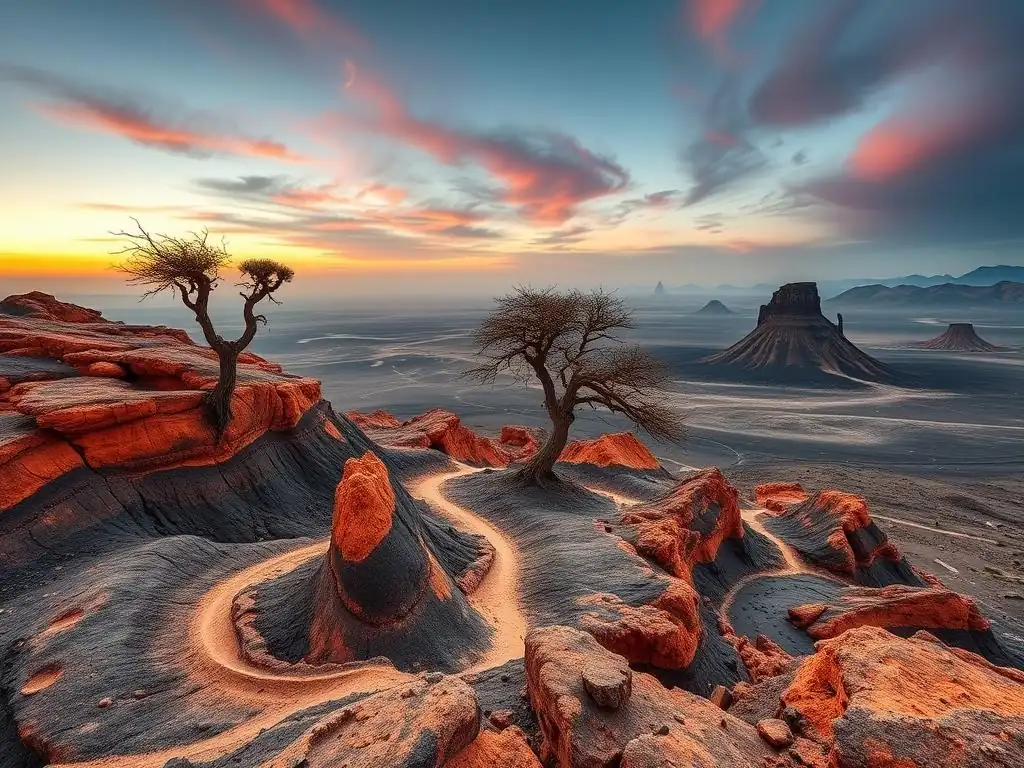
Geomorphological Processes and Landscape Evolution
Over long timescales, geomorphological processes continue to shape volcanic landscapes, influencing their evolution beyond initial volcanic activity. Erosion, driven by wind and water, gradually sculpts volcanic landforms, wearing down peaks, carving valleys, and redistributing volcanic materials. Weathering processes, both chemical and physical, continue to break down rocks and minerals, contributing to soil development and altering soil composition. Mass wasting events, such as landslides and rockfalls, can reshape slopes and create new habitats.
These geomorphological processes are slow but persistent, leading to gradual changes in topography, drainage patterns, and habitat availability. The long-term evolution of a volcanic landscape is a dynamic interplay between constructive volcanic forces and destructive erosional forces. Understanding these processes is essential for comprehending the extended volcanic desert life cycle and predicting how volcanic landscapes will change over geological timescales.
Climate Change Impacts on Volcanic Ecosystems
Climate change presents a significant challenge to the long-term stability of volcanic ecosystems. Changes in temperature and precipitation patterns can directly impact plant and animal communities, altering species distributions, phenology, and ecosystem productivity. Increased frequency and intensity of extreme weather events, such as droughts, heatwaves, and storms, can further stress volcanic ecosystems, potentially leading to shifts in community composition and ecosystem function.
Volcanic landscapes, often characterized by specialized biota and limited resources, may be particularly vulnerable to climate change impacts. Changes in snowmelt patterns, glacial retreat, and altered hydrological regimes can affect water availability, a critical factor in volcanic ecosystem stability. Understanding and mitigating the impacts of climate change is crucial for the conservation and management of volcanic landscapes and for ensuring the continued progression of the volcanic desert life cycle in a rapidly changing world.
The Potential for Future Eruptions and Ecosystem Reset
A defining characteristic of volcanic landscapes is the inherent potential for future volcanic eruptions, which can reset the ecological clock and initiate a new cycle of succession. While mature volcanic ecosystems can develop over centuries or millennia, renewed volcanic activity can dramatically alter or even obliterate these ecosystems in a relatively short period. The frequency and intensity of eruptions vary greatly depending on the type of volcano and its tectonic setting.
Future eruptions can range from relatively small lava flows that partially disturb existing ecosystems to catastrophic explosive eruptions that completely reshape the landscape and trigger primary succession anew. The cyclical nature of volcanic activity is a fundamental aspect of the volcanic desert life cycle, highlighting the dynamic and often unpredictable nature of these environments. Understanding the potential for future eruptions is crucial for long-term ecological research, conservation planning, and risk assessment in volcanic regions.
Case Studies: Examples of Volcanic Landscape Life Cycles
Surtsey, Iceland: Primary Succession in a Marine Environment
Surtsey, a volcanic island that emerged from the sea off the coast of Iceland in 1963, provides a remarkable case study of primary succession in a marine volcanic environment. The island was initially barren volcanic rock, devoid of life. Within years, however, the island began to be colonized by plants, animals, and microbes, primarily through wind and sea dispersal. Seabirds began nesting on the island, their guano enriching the soil with nutrients.
Scientists have meticulously documented the ecological succession on Surtsey, observing the arrival of various plant species, the development of soil, and the establishment of invertebrate and bird communities. Surtsey exemplifies the early stages of the volcanic desert life cycle, showcasing how life can colonize and transform even the most desolate volcanic landscapes. Its ongoing ecological development continues to be a valuable natural laboratory for studying primary succession.
Mount St. Helens, USA: Ecosystem Recovery After a Catastrophic Eruption
Mount St. Helens in Washington State, USA, offers a compelling example of ecosystem recovery following a catastrophic volcanic eruption. The 1980 eruption devastated a vast area surrounding the volcano, leaving behind a landscape of ash, pumice, and debris. Despite the initial devastation, life began to return surprisingly quickly. Pioneer plants sprouted from surviving seeds and rhizomes buried beneath the ash, and wind-dispersed species colonized the barren landscape.
Scientists have closely monitored the recovery of the Mount St. Helens ecosystem, documenting the stages of ecological succession, the resilience of surviving organisms, and the role of different dispersal mechanisms in recolonization. The Mount St. Helens case study demonstrates the remarkable capacity of ecosystems to recover from even extreme volcanic disturbances, illustrating the resilience inherent in the volcanic desert life cycle.
Anak Krakatau, Indonesia: Island Formation and Biological Colonization
Anak Krakatau, meaning "Child of Krakatoa," is a volcanic island that emerged from the sea in the Krakatoa caldera in Indonesia, following the catastrophic 1883 eruption of Krakatoa. Anak Krakatau provides another example of island formation and biological colonization in a volcanic setting. The island has been repeatedly reshaped by eruptions and erosion since its emergence, offering a dynamic environment for ecological studies.
Biological surveys of Anak Krakatau have documented the progressive colonization of the island by plants and animals, revealing patterns of dispersal and adaptation in a relatively isolated volcanic environment. The island's flora and fauna are still relatively young and developing, offering insights into the early and intermediate stages of the volcanic desert life cycle in a tropical volcanic setting. Anak Krakatau serves as a living laboratory for understanding island biogeography and volcanic ecosystem development.
The Future of Volcanic Landscapes: Research, Conservation, and Management
Understanding Ecosystem Response to Volcanic Disturbances
Continued research is crucial to deepen our understanding of ecosystem responses to volcanic disturbances. Long-term ecological monitoring of volcanic landscapes, such as Surtsey and Mount St. Helens, provides valuable data on the processes of succession, resilience, and adaptation in these dynamic environments. Studies on microbial communities, plant-animal interactions, and nutrient cycling in volcanic ecosystems are essential to unraveling the complexities of the volcanic desert life cycle.
Advancements in remote sensing, molecular ecology, and ecosystem modeling are providing new tools for studying volcanic landscapes at various scales and levels of biological organization. Integrating these approaches will enhance our ability to predict ecosystem responses to future volcanic eruptions and other environmental changes, contributing to more effective conservation and management strategies.
Conservation Strategies for Volcanic Landscapes
Conservation strategies for volcanic landscapes need to recognize the unique ecological values and dynamic nature of these environments. Protecting volcanic landscapes requires a holistic approach that considers geological processes, biodiversity, and human activities. Establishing protected areas, such as national parks and reserves, can safeguard representative volcanic ecosystems and provide opportunities for research and education.
Management plans should address potential threats, including invasive species, habitat degradation, and unsustainable tourism. Restoration efforts may be necessary in areas impacted by human activities or past disturbances. Conservation strategies should also consider the potential for future volcanic eruptions and incorporate adaptive management approaches to address the dynamic nature of the volcanic desert life cycle.
The Ecological Value of Volcanic Landscapes
Volcanic landscapes, often perceived as barren or desolate, possess significant ecological value. They are unique natural laboratories for studying ecological succession, adaptation, and resilience. Volcanic ecosystems can harbor specialized biodiversity, including extremophile organisms and species adapted to volcanic soils and conditions. They also provide essential ecosystem services, such as water regulation, carbon sequestration, and nutrient cycling.
Recognizing the ecological value of volcanic landscapes is crucial for promoting their conservation and sustainable management. Highlighting their scientific importance, biodiversity significance, and ecosystem services can raise public awareness and support for their protection. Volcanic landscapes are not just geological wonders; they are dynamic and valuable ecosystems that deserve our appreciation and stewardship as they progress through their fascinating volcanic desert life cycle.
Frequently Asked Questions
What is a volcanic desert and how does it form?
A volcanic desert is a barren landscape created by volcanic activity, characterized by a lack of vegetation and harsh conditions. It forms due to lava flows, ash deposits, and toxic gases that sterilize the land.
What are the typical stages in the life cycle of a volcanic desert?
The life cycle typically begins with initial sterilization during a volcanic eruption, followed by a gradual cooling and weathering process. Eventually, pioneer species begin to colonize, leading to eventual ecological succession.
What kind of life can survive in a volcanic desert environment?
Only highly specialized organisms adapted to extreme conditions can survive. These might include extremophiles like bacteria and archaea, or early colonizers like lichens and certain types of hardy plants.
How long does it take for a volcanic desert to transition back into a thriving ecosystem?
The timeframe varies greatly depending on factors like climate, volcanic activity, and available seed sources. It can take anywhere from decades to centuries for a volcanic desert to fully recover.
What factors influence the speed of ecological succession in a volcanic desert?
Key factors include the availability of water and nutrients, the type and amount of volcanic material deposited, and the presence of nearby ecosystems that can provide seeds and propagules.
Okay, here's a final reflection tailored for your article "From Inferno to Inactivity: The Life Cycle of a Volcanic Desert," designed to resonate with readers and encourage further thought, while also incorporating your keyword:
Final Reflection: Embracing the Ephemeral Nature of Life
The journey through the volcanic desert life cycle reveals a profound truth: even landscapes forged in fire are not immune to the relentless march of time and the eventual embrace of life. What begins as a barren expanse, sculpted by unimaginable heat and destruction, slowly transforms into a testament to resilience, a vibrant ecosystem born from the ashes. This transformation mirrors the cycles we see in our own lives, reminding us that even from the most devastating experiences, new beginnings are always possible.
The enduring power of this cycle, from inferno to inactivity, continues to shape our understanding of ecological succession and the remarkable adaptability of life. Witnessing this transformation firsthand, whether through scientific study or simply observing the tenacity of desert flora and fauna, instills a deep respect for the interconnectedness of all things. The earth has music for those who listen.
- William Shakespeare. This quote perfectly encapsulates the subtle symphony of life that emerges even in the harshest environments, a reminder that beauty and resilience can be found in the most unexpected places.
As we conclude our exploration of the volcanic desert life cycle, let us carry forward the lessons learned. Consider the dormant potential within yourself, the seeds of resilience waiting to sprout after periods of hardship. Just as life finds a way in the volcanic desert, so too can you cultivate growth and renewal in your own life. Embrace the cyclical nature of existence, and remember that even from the ashes of past experiences, a vibrant future can emerge.
Ignite Your Inner Explorer!
Thank you for exploring the fascinating world of volcanic deserts! We hope you've gained a deeper understanding of these seemingly barren landscapes and their incredible biodiversity. Now, it's time to take your exploration further.
Ready to put your newfound knowledge into action?
- Venture beyond the screen! Deeply research a specific volcanic desert that piqued your interest. Use online maps, scientific papers, and local tourism sites to plan a virtual expedition. What kind of life thrives there? What geological processes shaped its unique features?
- Share your insights! Write a short blog post or social media update summarizing your learning and encouraging others to explore the wonders of volcanic deserts.
- Join the Volcano Explorers community forum! Share your favorite facts and connect with other enthusiasts to discuss the unique challenges and opportunities presented by these dynamic environments.
Which volcanic desert will you explore virtually first, and what surprising discovery are you most excited to uncover?