
The Enduring Power of Volcanoes: Shaping Barren Landscapes for Eternity

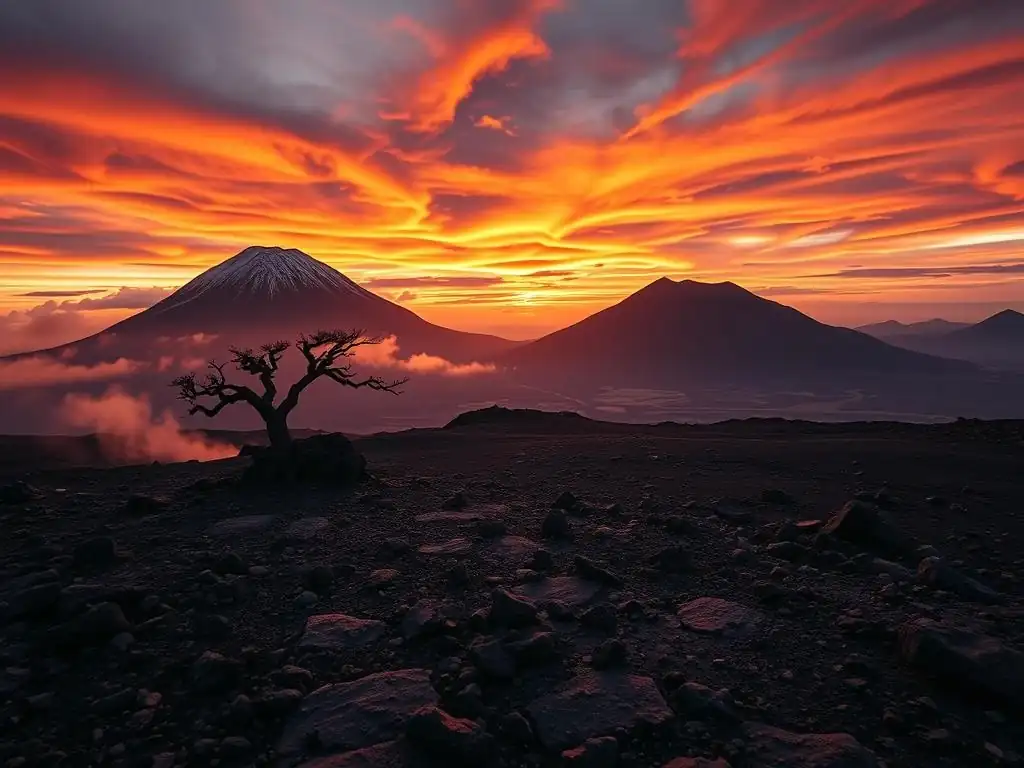
Welcome to Volcano Explorers!
Prepare to witness the raw, untamed power that sculpts our planet. Beyond the fiery eruptions and dramatic landscapes, lies a profound story of creation and destruction. Ever wondered about the long-lasting impact of volcanoes on landscapes? Uncover the secrets of how these geological giants can transform barren wastelands into fertile grounds, leaving an indelible mark on the Earth for eons to come... Dive in, and let's explore the enduring legacy of volcanoes, one eruption at a time.
- Volcanoes and Landscape Transformation: An Introduction
- The Initial Impact: Volcanic Eruptions and Landscape Devastation
- The Long-Term Effects: Volcanic Soil and the Return of Life
- Case Studies: Examples of Volcanic Landscape Evolution
- The Beauty of Barren Volcanic Landscapes
- Volcanic Activity and Human Interaction with Barren Landscapes
- The Future of Volcanic Landscapes: Climate Change and Volcanic Activity
- Conclusion: The Enduring Legacy of Volcanoes on Our Planet
-
Frequently Asked Questions
- How do volcanoes initially impact landscapes?
- What role does volcanic ash play in the long-term impact on landscapes?
- How do different types of volcanic eruptions influence landscape formation?
- Can volcanoes create new landforms in addition to reshaping existing ones?
- What is the overall impact of volcanoes on the long-term evolution of landscapes?
- Final Reflection: Embracing Volcanic Transformation
- Unleash Your Inner Volcanologist: Explore the Enduring Power of Volcanoes!
Volcanoes and Landscape Transformation: An Introduction
Understanding the Impact of Volcanoes on Landscapes: A Volcano Explorers Perspective
Volcanoes are among the most powerful forces shaping our planet, and their impact on landscapes is profound and enduring. From the fiery eruptions that dramatically alter terrain in mere hours to the slow, geological processes that build mountains over millennia, volcanoes are architects of the Earth's surface.
At Volcano Explorers, we aim to unravel the multifaceted ways in which volcanic activity sculpts the world around us, creating both breathtaking beauty and stark desolation. Understanding the impact of volcanoes on landscapes is crucial not only for appreciating the dynamic nature of our planet but also for comprehending the hazards and opportunities they present to human civilization.
Our exploration begins with recognizing that the impact of volcanoes on landscapes is not solely destructive. While eruptions can certainly cause devastation, they are also fundamental in the creation of new land, the enrichment of soils, and the formation of unique ecosystems. Volcanic processes are responsible for the very ground beneath our feet in many regions, and their influence extends from the deepest ocean trenches to the highest mountain peaks. Through this article, we will delve into the various mechanisms by which volcanoes shape landscapes, examining both the immediate and long-term consequences of their activity.
Volcanic Deserts and Barren Landscapes: A Unique Ecosystem
Volcanic deserts, often characterized by their stark beauty and seemingly lifeless appearance, are a testament to the raw power of volcanic forces. These landscapes, formed by recent eruptions or sustained volcanic activity, present unique challenges and opportunities for life. The immediate aftermath of a volcanic event can leave behind a barren expanse of ash, rock, and cooled lava, devoid of vegetation and seemingly inhospitable. These are the quintessential volcanic deserts - landscapes directly sculpted by the impact of volcanoes.
However, it is important to understand that these seemingly desolate environments are not static. Volcanic deserts are dynamic ecosystems in their own right, representing a critical stage in ecological succession. They are often rich in minerals and nutrients, slowly released from the volcanic materials as they weather and break down.
These nutrients eventually pave the way for the return of life, starting with pioneer species adapted to harsh conditions. The barren appearance of a volcanic desert is thus a temporary phase in a longer cycle of destruction and renewal, showcasing the enduring power of nature to reclaim and transform even the most dramatically altered landscapes.
The Initial Impact: Volcanic Eruptions and Landscape Devastation
Pyroclastic Flows and Their Effects on Land Formation
Pyroclastic flows, one of the most terrifying and destructive aspects of volcanic eruptions, dramatically reshape landscapes in moments. These flows are superheated mixtures of gas, ash, and rock fragments that surge down volcanic slopes at speeds exceeding 700 km/h (450 mph) and temperatures reaching 1000°C (1832°F). The sheer force and heat of pyroclastic flows can incinerate everything in their path, stripping landscapes bare and depositing thick layers of volcanic material in their wake.
The land formation resulting from pyroclastic flows is often characterized by undulating terrain and valleys filled with ignimbrite, a type of volcanic rock formed from the consolidation of pyroclastic flow deposits. For example, the Valley of Ten Thousand Smokes in Katmai National Park, Alaska, is a striking example of a landscape sculpted by pyroclastic flows from the 1912 Novarupta eruption.
The valley floor is covered in ash and pumice deposits up to 210 meters (700 feet) thick, a direct result of the immense pyroclastic flows that reshaped the region. These deposits, over time, can solidify and become the foundation for new geological features, further illustrating the profound impact of volcanoes on land formation.
Ashfall and Tephra: Covering Landscapes in Volcanic Debris
Volcanic ashfall, another significant component of explosive eruptions, blankets vast areas with layers of fine volcanic debris known as tephra. While individual ash particles are microscopic, the cumulative effect of ashfall can be immense, covering entire regions and significantly altering the landscape. A major eruption can deposit several centimeters, or even meters, of ash hundreds of kilometers downwind, disrupting ecosystems, burying vegetation, and changing drainage patterns.
The immediate impact of ashfall on landscapes includes the smothering of plant life, contamination of water sources, and structural damage to buildings due to the weight of the ash. For instance, the 1980 eruption of Mount St. Helens deposited ash across several states in the US Pacific Northwest, with areas closer to the volcano receiving ash layers several inches thick.
This ashfall dramatically altered the landscape, initially creating a barren, grey expanse. However, over time, the ash layer also contributes to soil formation, enriching the land with minerals, showcasing the dual nature of volcanic ashfall as both a destructive and constructive force in landscape evolution.
Lava Flows: Reshaping the Earth's Surface
Lava flows, rivers of molten rock erupting from volcanoes, are a fundamental process in reshaping the Earth's surface. While often slower-moving than pyroclastic flows, lava flows can cover vast areas, solidifying to form new land and dramatically altering existing landscapes. Different types of lava, such as basaltic lava, which is fluid and can flow for long distances, and andesitic or rhyolitic lava, which is more viscous and forms thicker, shorter flows, create diverse volcanic landscapes.
The impact of lava flows on landscapes is evident in regions like Hawaii, where continuous volcanic activity has built the islands from the ocean floor. The Kilauea volcano, for example, has been erupting intermittently for decades, adding new land to the coastline as lava flows into the sea.
Lava tubes, caves formed within lava flows as the outer surface cools and solidifies while the interior remains molten, are another unique landscape feature created by lava. These formations, along with vast lava fields and volcanic plateaus, are testament to the powerful role of lava flows in reshaping the Earth's surface over geological timescales.
The Long-Term Effects: Volcanic Soil and the Return of Life
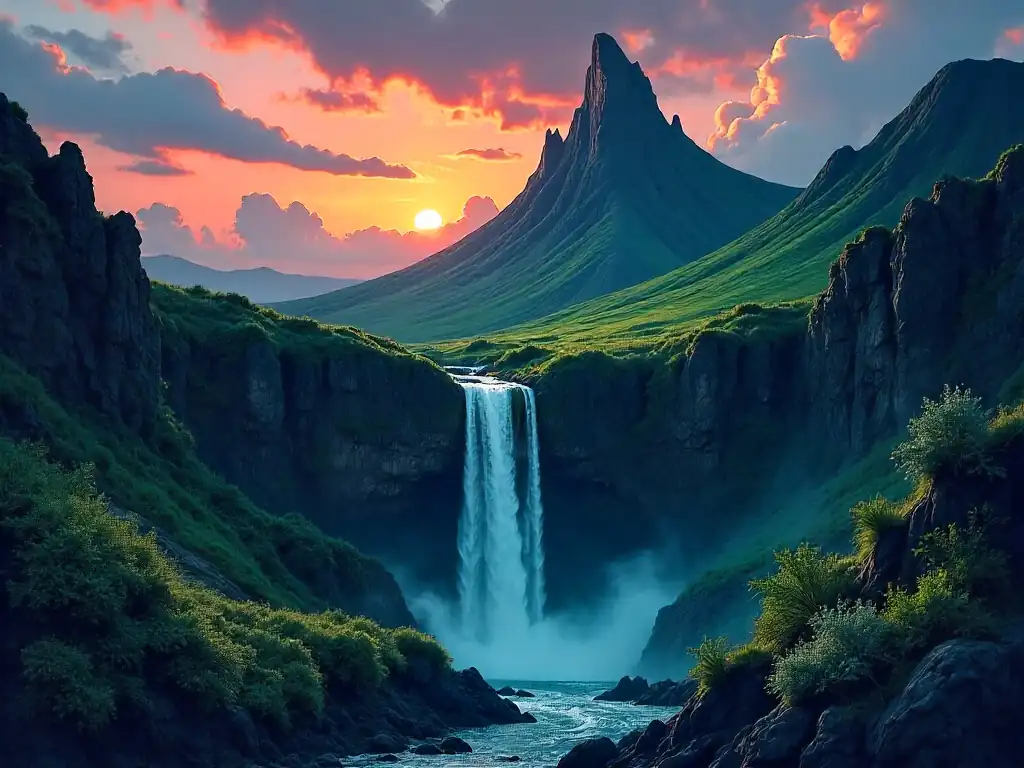
Volcanic Soil Formation: Creating Fertile Ground from Ash
Paradoxically, the same volcanic ash that initially devastates landscapes is also the foundation for incredibly fertile soils in the long term. Volcanic ash is rich in essential minerals and trace elements, including iron, calcium, magnesium, and potassium, which are crucial for plant growth. As volcanic ash weathers and breaks down through physical and chemical processes, these nutrients are released into the soil, enriching it and making it highly productive.
The process of volcanic soil formation, known as andosol formation, is relatively rapid compared to soil formation from other parent materials. In regions with frequent volcanic eruptions, such as parts of Indonesia and Japan, volcanic soils support dense populations and intensive agriculture. For example, the fertile volcanic soils of Java, Indonesia, have allowed for centuries of successful rice cultivation, supporting a large population despite the constant threat of volcanic activity. This demonstrates the long-term positive impact of volcanoes, where initial devastation gives way to fertile landscapes capable of sustaining life.
The Role of Volcanoes in Nutrient Cycling: Mineral Enrichment
Volcanoes play a vital role in global nutrient cycling, acting as geological pumps that bring essential minerals from the Earth's interior to the surface. Through volcanic eruptions, vast quantities of minerals and gases are released into the atmosphere and deposited on land and in the oceans. These minerals are crucial for life, contributing to the fertility of soils, the productivity of oceans, and the overall health of ecosystems.
The impact of volcanoes on nutrient cycling is particularly significant in regions downwind of volcanic activity, where ashfall deposits mineral-rich dust over large areas. This volcanic dust can travel thousands of kilometers and fertilize both terrestrial and marine ecosystems. For instance, studies have shown that volcanic ash deposition in the ocean can stimulate phytoplankton blooms, the base of the marine food web, enhancing ocean productivity. Similarly, volcanic aerosols in the atmosphere can affect climate and atmospheric chemistry, further highlighting the far-reaching impact of volcanoes on global systems.
Pioneer Species: The First Plants to Colonize Volcanic Landscapes
Following volcanic eruptions that create barren landscapes, life slowly begins to return through a process called ecological succession. Pioneer species, hardy organisms adapted to harsh conditions, are the first to colonize these volcanic landscapes. These plants and microorganisms play a crucial role in initiating soil development and creating conditions suitable for other species to follow.
Typical pioneer species in volcanic landscapes include lichens, mosses, and certain types of grasses and ferns. Lichens, for example, are particularly effective colonizers, capable of breaking down volcanic rock through chemical weathering and contributing organic matter to the developing soil.
The lupine plant, observed after the Mount St. Helens eruption, is another example of a pioneer species that fixes nitrogen in the soil, further enriching it and paving the way for other plant communities. These pioneer species, though seemingly insignificant at first, are essential agents of landscape recovery and ecosystem development in volcanic regions, demonstrating the resilience of life in the face of volcanic disturbance.
Case Studies: Examples of Volcanic Landscape Evolution
Mount St. Helens: A Story of Devastation and Renewal
Mount St. Helens, in Washington State, USA, provides a compelling case study of volcanic landscape evolution. The catastrophic eruption of 1980 dramatically transformed the surrounding landscape, creating a zone of complete devastation within a radius of approximately 10 kilometers (6 miles) and impacting areas much further afield with ashfall. The eruption triggered a massive landslide, pyroclastic flows, and lahars (volcanic mudflows), which sculpted the terrain and obliterated the pre-eruption landscape.
However, the area around Mount St. Helens has also become a remarkable example of ecological recovery and landscape renewal. Despite the initial devastation, life began to return relatively quickly. Pioneer species, such as fireweed and lupines, colonized the barren ashfields, and surviving pockets of vegetation within the blast zone served as refugia for plant and animal life. Within decades, the landscape has transformed from a grey wasteland to a mosaic of regenerating forests, meadows, and lakes, demonstrating the remarkable resilience of nature and the long-term impact of volcanoes in shaping ecological succession and landscape evolution.
Iceland's Volcanic Landscapes: A Dynamic Environment
Iceland, known as the "Land of Fire and Ice," is a prime example of a landscape shaped by ongoing volcanic activity. Located on the Mid-Atlantic Ridge, a major plate boundary, Iceland experiences frequent volcanic eruptions and geothermal activity. Volcanic processes have created the island's dramatic landscapes, characterized by lava fields, glaciers, black sand beaches, and geothermal areas.
The impact of volcanoes on Iceland's landscapes is evident in features like the vast lava fields of Eldhraun, formed by a massive fissure eruption in 1783-1784, and the Surtsey island, a new volcanic island that emerged from the sea in 1963. The interplay between volcanic activity and glacial processes in Iceland has also created unique landforms, such as jökulhlaups (glacial outburst floods) that carve out canyons and reshape river valleys. Iceland’s landscapes are a dynamic testament to the continuous and powerful forces of volcanism shaping a nation's environment and influencing its geology, ecology, and even culture.
The Hawaiian Islands: Volcanic Land Formation in Action
The Hawaiian Islands offer a clear illustration of volcanic land formation in action. These islands are the product of hotspot volcanism, where a plume of hot mantle material rises beneath the Pacific Plate, causing repeated volcanic eruptions as the plate moves over the hotspot. The ongoing volcanic activity of Kilauea and Mauna Loa volcanoes on the Big Island of Hawaii continues to add new land to the island chain.
The impact of volcanoes on the Hawaiian landscape is evident in the island's diverse topography, ranging from active volcanic craters and lava flows to lush rainforests and fertile agricultural lands on older volcanic slopes. The formation of black sand beaches from the erosion of basalt lava, the presence of volcanic calderas and rift zones, and the distinctive shield volcano shape of the islands are all direct results of volcanic processes. The Hawaiian Islands serve as a living laboratory for understanding volcanic land formation, showcasing the continuous creation and reshaping of landscapes by volcanic forces over millions of years.
The Beauty of Barren Volcanic Landscapes
Contrasting Colors: The Aesthetics of Volcanic Ash and Rock
Barren volcanic landscapes, often perceived as desolate, possess a unique and stark beauty characterized by contrasting colors and textures. Volcanic ash, ranging in color from light grey to deep black and even reddish-brown depending on its composition and oxidation state, creates dramatic visual contrasts against the underlying volcanic rock. The minerals present in volcanic rocks, such as sulfur, iron oxides, and various silicates, contribute to a spectrum of colors, from yellows and oranges to reds and greens, painting the landscape with a palette rarely seen elsewhere.
The aesthetic appeal of these landscapes lies in their raw, untamed nature. The starkness of the volcanic materials, devoid of lush vegetation, highlights the geological forms and textures. For example, the otherworldly landscapes of Lanzarote in the Canary Islands, with their black volcanic soils and colorful rock formations, attract visitors from around the globe seeking to witness the unique beauty of volcanic barrenness. The contrasting colors in volcanic deserts offer a powerful visual experience, showcasing the artistic hand of geological processes.
Unique Geological Formations: Pillars, Arches, and Craters
Volcanic landscapes are sculpted into a variety of unique geological formations that contribute to their distinctive character. Erosion acting on volcanic materials, combined with the specific processes of volcanic eruptions, creates features such as volcanic pillars, arches, and craters. These formations are not only geologically significant but also aesthetically striking, adding to the visual interest and dramatic appeal of volcanic terrains.
Volcanic pillars, also known as hoodoos, are formed by the differential erosion of volcanic ash and rock layers, leaving behind isolated columns of resistant material. Natural arches can develop in volcanic rock through weathering and erosion along fractures and weaknesses. Volcanic craters, both summit craters at the top of volcanoes and maar craters formed by explosive eruptions, are prominent landscape features that testify to the powerful forces at play. These unique geological formations, found in volcanic regions worldwide, enhance the visual complexity and geological fascination of barren volcanic landscapes.
Photography in Volcanic Deserts: Capturing the Raw Power of Nature
Volcanic deserts provide exceptional opportunities for photography, offering dramatic scenery and unique subject matter. The stark landscapes, contrasting colors, and unique geological formations found in volcanic regions create visually compelling scenes that capture the raw power and beauty of nature. Photographers are drawn to volcanic landscapes to document and interpret the geological forces that have shaped these environments.
The play of light and shadow across volcanic textures, the vibrant colors of mineral deposits, and the vastness of ash-covered plains offer endless photographic possibilities. From macro shots of volcanic rock textures to panoramic views of craters and lava fields, volcanic deserts provide a diverse range of subjects. The stark beauty of these landscapes, often perceived as desolate, can be powerfully conveyed through photography, allowing viewers to appreciate the unique aesthetic and geological significance of volcanic environments.
Volcanic Activity and Human Interaction with Barren Landscapes
Resource Extraction: Mining Volcanic Materials
Barren volcanic landscapes, despite their seemingly desolate nature, are often rich in valuable resources that humans have utilized for centuries. Volcanic materials, including pumice, obsidian, sulfur, and various minerals, are extracted for a range of industrial, agricultural, and construction purposes. The accessibility and abundance of these resources in volcanic regions have shaped human settlements and economic activities in these areas.
Pumice, a lightweight volcanic rock, is widely used in construction, landscaping, and abrasive products. Obsidian, volcanic glass, has been used for tools and weapons since prehistoric times and continues to have niche applications today. Sulfur deposits, often found in volcanic areas, are essential for various industrial processes. Volcanic rocks and ash are also used as soil amendments and fertilizers due to their mineral content. The extraction of these volcanic materials demonstrates a significant human interaction with barren volcanic landscapes, highlighting the economic value hidden within these seemingly desolate environments.
Geothermal Energy: Harnessing Volcanic Heat
Volcanic regions are often characterized by high geothermal gradients, making them prime locations for harnessing geothermal energy. The heat from magma bodies beneath the surface can be tapped to generate electricity and provide direct heating for buildings and industries. Geothermal energy is a renewable and relatively clean energy source, making it an attractive option in volcanically active areas.
Countries like Iceland, New Zealand, and Italy are leaders in geothermal energy production, utilizing the Earth's internal heat to meet a significant portion of their energy needs. Geothermal power plants extract steam or hot water from underground reservoirs, using it to drive turbines and generate electricity. Direct geothermal heating systems utilize hot water for space heating, greenhouses, and industrial processes. The harnessing of geothermal energy in volcanic landscapes represents a sustainable and environmentally conscious interaction with these dynamic environments, turning a potential hazard into a valuable resource.
Tourism and Recreation: Exploring Volcanic Wonders
Barren volcanic landscapes, with their dramatic scenery and unique geological features, are increasingly popular destinations for tourism and recreation. Volcano tourism attracts visitors interested in witnessing volcanic phenomena, exploring volcanic landscapes, and learning about volcanic processes. Volcanic areas offer opportunities for hiking, camping, guided tours, and scientific tourism.
National parks and protected areas in volcanic regions, such as Volcanoes National Park in Hawaii, Teide National Park in Tenerife, and Timanfaya National Park in Lanzarote, attract millions of visitors annually. These parks provide infrastructure for tourism, including trails, visitor centers, and educational programs, allowing people to experience and appreciate volcanic landscapes safely and responsibly. Volcano tourism not only generates economic benefits for local communities but also fosters environmental awareness and appreciation for the geological wonders of our planet, representing a positive and sustainable form of human interaction with volcanic landscapes.
The Future of Volcanic Landscapes: Climate Change and Volcanic Activity
The Impact of Climate Change on Volcanic Eruptions
The relationship between climate change and volcanic activity is a complex and evolving area of research. While climate change is not expected to directly cause volcanic eruptions, it may influence certain aspects of volcanic processes and the frequency of some types of eruptions. Changes in ice cover, sea level, and precipitation patterns due to climate change could potentially affect volcanic activity in certain regions.
Melting glaciers and ice sheets can reduce the pressure on the Earth's crust, potentially influencing magma production and eruption frequency in glaciated volcanic areas like Iceland and Alaska. Sea level rise could alter stress regimes in coastal volcanic regions, potentially affecting submarine volcanism and coastal eruptions. Changes in precipitation patterns could influence the stability of volcanic slopes and the frequency of lahars. While the precise impact of climate change on volcanic eruptions is still being investigated, it is crucial to consider these potential interactions when assessing future volcanic hazards and landscape evolution.
Monitoring and Managing Volcanic Hazards
Given the potential hazards associated with volcanic activity, monitoring and managing volcanic risks in barren landscapes and populated areas is crucial. Volcanologists utilize a range of monitoring techniques, including seismometers, GPS stations, gas sensors, and satellite imagery, to detect changes in volcanic activity and provide early warnings of potential eruptions. Effective volcanic hazard management involves risk assessment, land-use planning, evacuation plans, and public education.
Volcano observatories around the world play a vital role in monitoring volcanic activity and communicating risks to communities and authorities. Real-time monitoring data allows for the detection of precursory signals of eruptions, such as increased seismicity, ground deformation, and gas emissions, providing valuable time for evacuation and mitigation measures. Investing in volcanic monitoring and hazard management is essential for reducing the impact of volcanic eruptions on human lives and infrastructure, particularly in regions with active volcanoes and vulnerable populations.
Conserving Volcanic Landscapes for Future Generations
Volcanic landscapes, both barren and vegetated, are unique and valuable natural environments that deserve conservation. These landscapes are not only geologically significant but also ecologically important, supporting specialized ecosystems and providing habitats for unique species. Conservation efforts in volcanic regions aim to protect these landscapes from human impacts, preserve their geological features, and maintain their ecological integrity for future generations.
Establishing protected areas, such as national parks and nature reserves, is a key strategy for volcanic landscape conservation. Sustainable tourism practices, responsible resource management, and public education are also essential components of conservation efforts. Recognizing the scientific, aesthetic, and ecological value of volcanic landscapes and implementing effective conservation measures will ensure that these dynamic and fascinating environments are preserved for the benefit of both present and future generations, allowing for continued exploration and understanding of the enduring legacy of volcanoes on our planet.
Conclusion: The Enduring Legacy of Volcanoes on Our Planet
The enduring legacy of volcanoes on our planet is undeniable. Their impact on landscapes is profound and multifaceted, ranging from immediate devastation to long-term creation and renewal. Volcanoes are not merely agents of destruction; they are fundamental forces shaping the Earth's surface, creating fertile soils, driving nutrient cycles, and fostering unique ecosystems. From the barren beauty of volcanic deserts to the lush landscapes that thrive on volcanic soils, the influence of volcanoes is woven into the very fabric of our planet.
Understanding the impact of volcanoes on landscapes is crucial for appreciating the dynamic nature of Earth and for managing the risks and opportunities they present. As we continue to explore and study these powerful natural phenomena, we gain a deeper understanding of our planet's history, its present dynamism, and its future evolution. The enduring power of volcanoes, shaping barren landscapes for eternity, serves as a constant reminder of the Earth's immense geological forces and the intricate interplay between destruction and creation in the natural world.
Frequently Asked Questions
How do volcanoes initially impact landscapes?
Volcanoes drastically alter landscapes through lava flows and pyroclastic flows, instantly destroying existing vegetation and structures. These eruptions can also trigger lahars, destructive mudflows that reshape valleys.
What role does volcanic ash play in the long-term impact on landscapes?
Volcanic ash, although initially devastating, eventually enriches the soil, leading to fertile land that supports new plant life. This process contributes to ecological succession and the creation of unique ecosystems.
How do different types of volcanic eruptions influence landscape formation?
Effusive eruptions, characterized by slow-moving lava, create shield volcanoes with gentle slopes, while explosive eruptions form *steep-sided stratovolcanoes due to the build-up of ash and debris.
Can volcanoes create new landforms in addition to reshaping existing ones?
Yes, volcanic activity can create entirely new landforms, such as volcanic islands formed by underwater eruptions and calderas resulting from collapsed volcanic cones.
What is the overall impact of volcanoes on the long-term evolution of landscapes?
Volcanoes are powerful agents of change, constantly reshaping the Earth's surface through destructive and creative processes. They play a crucial role in *geological cycles and contribute to the biodiversity of many regions.
Final Reflection: Embracing Volcanic Transformation
The journey through the fiery heart of volcanic activity reveals a profound truth: the impact of volcanoes on landscapes is not merely destructive, but fundamentally transformative. From the initial devastation to the eventual flourishing of life, these geological forces sculpt our world in ways both awe-inspiring and deeply significant, leaving an indelible mark on the face of the Earth.
The enduring influence of volcanoes extends far beyond the immediate aftermath of an eruption. Their legacy is etched into the very soil, shaping ecosystems and influencing the course of rivers, ultimately dictating the possibilities for life itself. This constant cycle of destruction and creation reminds us of the dynamic nature of our planet and our own place within it. The mountains are calling and I must go.
- John Muir, perfectly capturing the allure and power of these majestic, albeit volatile, formations.
As we conclude this exploration of the enduring power of volcanoes, I invite you to consider the lessons they offer. Just as volcanic landscapes are constantly evolving, so too are we. Embrace the transformative power within yourselves, learn from the cycles of destruction and renewal, and strive to shape your own landscapes, both internal and external, with the same enduring force and resilience.
Unleash Your Inner Volcanologist: Explore the Enduring Power of Volcanoes!
Thank you for joining us on this journey through the fascinating world of volcanoes! We hope you've gained a new appreciation for their incredible power and lasting impact on our planet. Ready to delve deeper?
Here are a few ways to continue your exploration:
- Plan a visit to a nearby volcanic national park! Experience the raw beauty and geological wonders firsthand.
- Share this article with friends and fellow nature enthusiasts and spark a conversation about the forces that shape our world.
- Research a local volcano, extinct or otherwise. What secrets does it hold, and how has it influenced the surrounding area?
What surprised you most about volcanoes today, and how will this knowledge change your perspective on our planet?