
The Future of Caldera Lakes: Evolution and Potential

Welcome to Volcano Explorers, where the Earth's fiery heart beats. Ever wondered what lies beneath the serene surface of a caldera lake? Dive into our exploration of their future evolution, uncovering the secrets held within these volcanic cradles. What changes await these breathtaking landscapes, and what can they tell us about the Earth's dynamic forces? Prepare to be captivated.
- The Future of Crater Lake: Evolution and Potential
- Introduction: Exploring the Dynamic World of Crater Lake
- Formation and Characteristics of Crater Lake
- Factors Influencing the Future Evolution of Crater Lake
- Predicting the Future Evolution of Crater Lake: Challenges and Methodologies
- Potential Scenarios for the Future of Crater Lake
- Case Studies: Comparative Analysis with Other Caldera Lakes
- The Importance of Research and Conservation Efforts for Crater Lake
- Conclusion: Safeguarding the Future of Crater Lake
-
Frequently Asked Questions
- What exactly is a caldera lake, and how does it form?
- What are the primary factors influencing the future evolution of caldera lakes?
- How does ongoing volcanic activity beneath a caldera lake impact its ecosystem?
- Are there any significant risks associated with the future evolution of caldera lakes?
- What role do volcanologists play in monitoring and predicting the future evolution of caldera lakes?
- Final Reflection: Echoes of Ancient Fire, Visions of Tomorrow
- Reimagine the Shores: Join the Caldera Lake Conversation!
The Future of Crater Lake: Evolution and Potential
Introduction: Exploring the Dynamic World of Crater Lake
Crater Lake: A Window into Volcanic Activity
Crater Lake, nestled in the Cascade Mountains of Oregon, isn't just a breathtakingly beautiful natural wonder; it's a living laboratory offering unparalleled insights into volcanic processes and long-term ecosystem dynamics. Formed approximately 7,700 years ago after the violent eruption and subsequent collapse of Mount Mazama, this caldera lake is one of the deepest and purest lakes in the world.
Its remarkably clear blue waters reflect a complex interplay of geological forces and environmental changes, making it a crucial site for understanding caldera lake evolution and the broader implications for volcanic landscapes globally. Studying Crater Lake allows scientists to decipher the intricate relationship between volcanic activity, climate variability, and ecological responses in a relatively isolated and well-defined natural setting.
The lake's volcanic origins are constantly shaping its present and future. While Mount Mazama is currently dormant, the underlying volcanic system remains active, influencing the lake's hydrothermal activity, water chemistry, and even its physical structure. Ongoing research at Crater Lake National Park monitors these subtle yet significant volcanic influences, providing valuable data on the potential for future volcanic events and their potential impact on the lake ecosystem. By observing and analyzing the natural processes within Crater Lake, we gain a deeper appreciation for the dynamic nature of volcanic landscapes and the long-term evolution of caldera environments.
Understanding the Significance of Crater Lake's Evolution
The evolution of Crater Lake is not merely a localized geological phenomenon; it holds broader significance for understanding similar caldera systems worldwide and anticipating the impacts of environmental change on these unique environments. Caldera lakes, formed in the collapsed craters of volcanoes, are found across the globe, from Japan to Indonesia to South America, each with its own unique geological history and ecological characteristics.
Studying Crater Lake’s future evolution provides a valuable model for predicting changes in other caldera lakes facing similar environmental and volcanic pressures. Understanding the factors that influence Crater Lake’s long-term trajectory is crucial for effective conservation and management strategies, not just for Crater Lake itself, but for caldera lake ecosystems globally.
Furthermore, Crater Lake's pristine condition, relative isolation, and long history of scientific study make it an ideal location to investigate the effects of climate change on deep lake ecosystems. As a sentinel site for environmental monitoring, Crater Lake offers crucial data on how rising temperatures, altered precipitation patterns, and changing nutrient cycles impact water quality, biological communities, and overall ecosystem health. The insights gleaned from studying Crater Lake's response to these global changes are vital for informing conservation efforts in other lake ecosystems facing similar challenges in the 21st century and beyond.
Formation and Characteristics of Crater Lake
The Geological Processes Behind Crater Lake Formation
The story of Crater Lake's formation is a dramatic tale of volcanic destruction and rebirth. Approximately 7,700 years ago, Mount Mazama, a towering stratovolcano in the Cascade Range, experienced a cataclysmic eruption. This eruption, one of the largest in North America in the last million years, expelled vast quantities of magma, emptying the volcano's underlying magma chamber. The removal of this molten support led to the catastrophic collapse of Mount Mazama's summit, creating a massive, bowl-shaped depression known as a caldera. This caldera, nearly six miles in diameter, became the basin for what we now know as Crater Lake.
Following the caldera collapse, rainfall and snowmelt gradually filled the depression, creating the deep lake we see today. Notably, Crater Lake is primarily filled by precipitation, with no significant inlets or outlets. This hydrological isolation contributes to its exceptional water clarity and purity. The volcanic materials surrounding the caldera, including pumice and ash deposits from the Mount Mazama eruption, further influence the lake's water chemistry and geological characteristics. The ongoing interaction between the lake water and the volcanic rocks continues to shape the lake's environment over millennia.
Key Characteristics of Crater Lake: Size, Depth, and Water Chemistry
Crater Lake is renowned for its striking physical characteristics. It is the deepest lake in the United States and one of the deepest in the world, with a maximum depth of 1,949 feet (594 meters). Its surface area spans approximately 20 square miles (53 square kilometers). The lake's volume is estimated to be around 4.9 trillion gallons (18.6 trillion liters). These dimensions contribute to the lake's thermal inertia, meaning it warms and cools relatively slowly, influencing its temperature stratification and seasonal dynamics.
The water of Crater Lake is exceptionally pure and clear, a result of its precipitation-fed nature and lack of major inflows carrying sediments or pollutants. The lake's clarity is measured using a Secchi disk, and visibility often exceeds 100 feet (30 meters), sometimes reaching record levels.
Chemically, Crater Lake is oligotrophic, meaning it is low in nutrients, which contributes to its clarity but also limits primary productivity. The water chemistry is also influenced by hydrothermal vents on the lake floor, releasing dissolved minerals and gases from the underlying volcanic system, adding another layer of complexity to the lake's unique environment.
Unique Features of Crater Lake
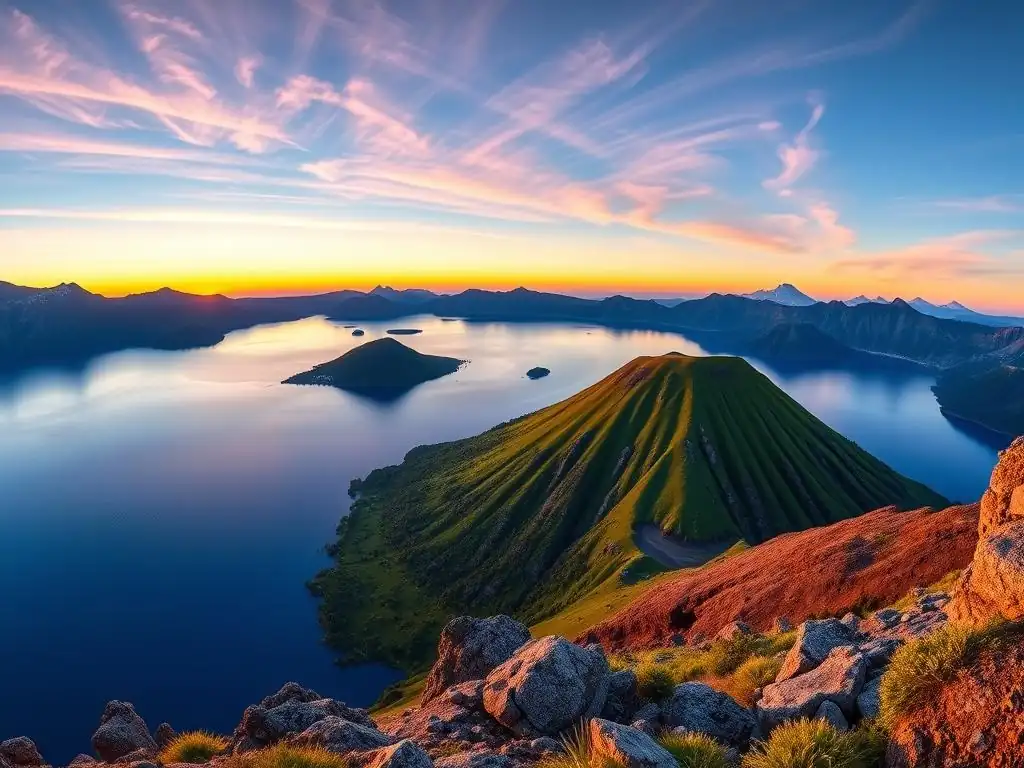
Beyond its impressive depth and clarity, Crater Lake boasts several unique features that contribute to its ecological and scientific significance. Phantom Ship, a small island resembling a ghostly ship, and Wizard Island, a volcanic cinder cone rising dramatically from the lake surface, are iconic landmarks within the caldera. These formations are remnants of post-caldera volcanic activity, adding to the geological diversity of the lake basin.
The lake's hydrothermal system is another remarkable feature. Submerged vents release hot, chemically altered water into the lake, creating localized zones with distinct water chemistry and microbial communities. These hydrothermal areas are hotspots of geochemical activity and are actively studied to understand the interplay between volcanic processes and lake ecosystems. Furthermore, the absence of introduced fish species until the late 19th century meant that Crater Lake's native ecosystem developed in relative isolation, leading to a unique assemblage of aquatic life adapted to its specific conditions. These combined features make Crater Lake a truly exceptional and irreplaceable natural laboratory.
Factors Influencing the Future Evolution of Crater Lake
Climate Change Impacts on Crater Lake Ecosystem
Rising Temperatures and Water Stratification
Climate change is poised to significantly alter the future evolution of Crater Lake, primarily through rising temperatures. Data from long-term monitoring indicates a trend of increasing surface water temperatures in Crater Lake. For example, average summer surface water temperatures have shown an increase of approximately 0.5°C over the past few decades.
This warming trend is projected to continue, potentially intensifying the lake's thermal stratification. Stratification refers to the formation of distinct temperature layers within the lake, with warmer, less dense water at the surface and colder, denser water at depth. Increased stratification can reduce the mixing of lake waters, impacting nutrient distribution and oxygen levels, potentially affecting aquatic life, particularly in the deeper zones of the lake.
Furthermore, warmer surface waters can lead to a longer ice-free period and earlier onset of thermal stratification in spring. This altered seasonal cycle can disrupt the timing of biological processes, such as phytoplankton blooms and zooplankton grazing, which are fundamental to the lake's food web. Changes in stratification patterns can also influence the distribution of dissolved oxygen throughout the water column. Reduced mixing can lead to decreased oxygen levels in deeper waters, a phenomenon known as hypolimnetic oxygen depletion, which can stress or eliminate oxygen-sensitive organisms inhabiting the lake depths.
Changes in Precipitation Patterns and Water Balance
Climate change is also expected to alter precipitation patterns in the Crater Lake region, impacting the lake's water balance. While projections for the Pacific Northwest are complex, some climate models suggest a potential for shifts in both the amount and timing of precipitation. Changes in snowfall, which is a crucial source of water for Crater Lake, are particularly important. Warmer temperatures could lead to more precipitation falling as rain rather than snow, reducing snowpack accumulation in the surrounding mountains. A decreased snowpack would mean less meltwater runoff in spring and summer, potentially lowering lake levels.
Conversely, changes in the intensity and frequency of rainfall events could also affect the lake. More intense rainfall could increase surface runoff and potentially introduce more sediments and nutrients into the lake, although Crater Lake's caldera rim acts as a natural buffer. Changes in evaporation rates, driven by warmer temperatures, are another factor influencing the lake's water balance. Increased evaporation could further contribute to lower lake levels, particularly during summer months. The interplay of these precipitation and evaporation changes will ultimately determine the future water balance of Crater Lake and its long-term water levels.
Volcanic Activity and its Influence on Crater Lake
Hydrothermal Activity and Geochemical Alterations
While Mount Mazama has been dormant for thousands of years, the volcanic system beneath Crater Lake remains active, manifesting as hydrothermal vents on the lake floor. These vents release geothermal fluids into the lake, influencing its water chemistry and thermal regime. Studies have identified several active hydrothermal vent areas, particularly in the deepest parts of the lake. The fluids released are enriched in various chemicals, including dissolved minerals, gases like carbon dioxide and hydrogen sulfide, and heat. This hydrothermal input contributes to the lake's overall geochemical budget and creates localized micro-environments with unique chemical conditions.
Changes in hydrothermal activity could significantly alter Crater Lake's future. Increased venting could lead to higher concentrations of certain chemicals in the lake water, potentially affecting water quality and biological communities. For example, increased input of dissolved metals could reach levels that are toxic to some aquatic organisms. Conversely, a decrease in hydrothermal activity could alter the lake's thermal stratification and nutrient cycling. Long-term monitoring of hydrothermal vent activity is crucial for understanding its ongoing influence and predicting potential future changes in Crater Lake's environment.
Potential for Renewed Eruptions and Lake Destruction
Although considered dormant, Mount Mazama, like all volcanoes in the Cascade Range, has the potential for future eruptions. While the probability of a large caldera-forming eruption similar to the one that created Crater Lake is considered low in the near future, smaller eruptions within the caldera are possible. Such eruptions could have significant impacts on Crater Lake. Sublacustrine eruptions, occurring beneath the lake surface, could directly disrupt the lake's physical structure, potentially causing localized explosions, landslides, and changes in water level.
A more significant eruption could lead to major alterations in the lake. Large volumes of volcanic ash and pumice could be deposited into the lake, drastically changing water clarity, chemistry, and potentially burying portions of the lakebed.
Furthermore, a sufficiently large eruption could even lead to the partial or complete destruction of the lake basin, although this is considered a low-probability, high-impact scenario. Ongoing monitoring of volcanic activity in the Crater Lake region, including seismic activity, ground deformation, and gas emissions, is essential for assessing the long-term volcanic risk and understanding the potential for future eruptions to impact the lake.
Human Impact on Crater Lake Environments
Pollution from Tourism
Crater Lake National Park attracts hundreds of thousands of visitors annually, and while tourism brings economic benefits, it also poses potential environmental impacts, particularly through pollution. While direct pollution sources within the caldera are minimized, visitor activities around the rim and within the park can contribute to both air and water pollution.
Atmospheric deposition of pollutants, such as nitrogen compounds from vehicle emissions and industrial sources carried by air currents, can enter the lake via precipitation and runoff. These pollutants can contribute to nutrient enrichment, potentially altering the lake's oligotrophic status and promoting algal growth, which could reduce water clarity over time.
Furthermore, although prohibited, accidental or intentional introduction of pollutants directly into the lake from visitors could occur. Even seemingly small inputs of contaminants, such as sunscreen chemicals or microplastics, can accumulate in the lake ecosystem over time, given its slow water turnover rate. Wastewater management within the park, while carefully controlled, also presents a potential source of pollutants if systems fail or are not adequately maintained. Managing visitor impacts and minimizing pollution sources is crucial for preserving the pristine water quality of Crater Lake in the face of increasing tourism pressure.
Resource Extraction and its Consequences
Currently, there is no active resource extraction within Crater Lake National Park. However, considering the long-term future and potential economic pressures, the possibility of resource extraction, such as geothermal energy or mineral resources, cannot be entirely dismissed. While highly unlikely within the protected park boundaries, areas just outside the park could be considered for such activities in the future. Resource extraction, if it were to occur, could have significant and potentially detrimental consequences for Crater Lake.
Geothermal energy extraction, for example, could involve drilling into the volcanic system beneath the lake, potentially altering hydrothermal flow patterns and impacting the lake's thermal and chemical balance. Mineral extraction, if feasible, could lead to habitat destruction, water pollution from mining activities, and increased sedimentation in the lake.
Even indirect impacts from resource extraction outside the park boundaries, such as increased road construction and industrial activity, could contribute to air and water pollution within the Crater Lake watershed. Preventing resource extraction within and around the Crater Lake region is vital for ensuring the long-term preservation of this unique and sensitive ecosystem.
Predicting the Future Evolution of Crater Lake: Challenges and Methodologies
Monitoring Techniques for Crater Lake Changes
Remote Sensing and Satellite Imagery Analysis
Monitoring the long-term changes in Crater Lake requires a suite of sophisticated techniques, including remote sensing and satellite imagery analysis. Satellites equipped with advanced sensors can provide valuable data on various lake parameters over time and across large spatial scales. For example, satellite imagery can be used to track changes in lake surface area, water level fluctuations, and surface water temperature.
Thermal infrared imagery can detect variations in surface temperature patterns, potentially indicating changes in hydrothermal activity or thermal stratification. Spectral analysis of satellite data can also provide information on water clarity and the concentration of certain substances in the water, such as chlorophyll-a, an indicator of algal biomass.
Time-series analysis of satellite data allows scientists to identify long-term trends and seasonal patterns in lake characteristics. This remote sensing approach is particularly valuable for monitoring large and remote lakes like Crater Lake, providing continuous and synoptic data that would be difficult or impossible to obtain through traditional in-situ monitoring alone. Combining satellite data with ground-based measurements provides a comprehensive and cost-effective strategy for long-term lake monitoring and change detection.
In-Situ Monitoring of Water Chemistry and Temperature
While remote sensing provides a broad overview, in-situ monitoring, involving direct measurements within the lake, is essential for detailed characterization of water chemistry, temperature profiles, and other critical parameters. Moored buoys equipped with sensors can continuously record water temperature at various depths, providing high-resolution data on thermal stratification and seasonal temperature dynamics. Automated water quality sensors deployed on buoys or submersible platforms can measure parameters such as dissolved oxygen, pH, conductivity, and nutrient concentrations at different locations and depths within the lake.
Regular water sampling campaigns are also necessary to collect water samples for laboratory analysis of a wider range of chemical constituents, including major ions, trace metals, dissolved organic carbon, and isotopes. These detailed chemical analyses provide insights into the lake's geochemical processes, nutrient cycling, and potential pollution inputs. Hydrothermal vent areas are specifically targeted for in-situ monitoring to characterize the composition and flux of geothermal fluids and to detect any changes in vent activity. Combining continuous in-situ monitoring with periodic water sampling provides a robust dataset for tracking long-term changes in Crater Lake's water quality and physical characteristics.
Modeling the Future Behavior of Crater Lake
Integrating Climate Models and Volcanic Activity Scenarios
Predicting the future evolution of Crater Lake requires sophisticated modeling approaches that integrate various factors, including climate change and potential volcanic activity. Climate models, projecting future temperature and precipitation scenarios for the Pacific Northwest, are crucial for simulating the lake's response to changing climatic conditions. These models can be used to predict future water temperatures, lake levels, and stratification patterns under different climate change scenarios, ranging from moderate to severe warming. Integrating climate model outputs with hydrological models allows for more accurate predictions of the lake's water balance and response to altered precipitation regimes.
Furthermore, models need to incorporate scenarios of potential volcanic activity. While predicting the timing and magnitude of future eruptions is challenging, probabilistic volcanic hazard assessments can provide scenarios for different eruption types and their potential impacts on the lake. These scenarios can then be incorporated into lake models to assess the consequences of ashfall, sublacustrine eruptions, or changes in hydrothermal activity on water quality, ecosystem structure, and lake morphology. Developing integrated models that couple climate projections with volcanic scenarios is essential for comprehensive future predictions of Crater Lake's evolution.
Predictive Models for Water Quality and Ecosystem Health
Predictive models are also crucial for assessing the future water quality and ecosystem health of Crater Lake. Eutrophication models, for example, can simulate the lake's response to nutrient inputs, whether from atmospheric deposition or altered runoff patterns due to climate change. These models can predict changes in algal biomass, water clarity, and dissolved oxygen levels under different nutrient loading scenarios. Ecological models can be used to simulate the impacts of climate change and water quality changes on different trophic levels within the lake ecosystem, from phytoplankton to zooplankton to fish populations.
Hydrodynamic models can simulate water circulation patterns, mixing processes, and the transport of pollutants within the lake, providing insights into the spatial distribution of water quality parameters and the fate of contaminants. Geochemical models can simulate the interactions between lake water and sediments, as well as the influence of hydrothermal inputs on water chemistry. Combining these different types of predictive models, and validating them against long-term monitoring data, is essential for developing robust tools for forecasting the future water quality and ecological health of Crater Lake and for informing effective conservation and management strategies.
Potential Scenarios for the Future of Crater Lake
Scenario 1: Preservation and Sustainable Management
Implementing Conservation Strategies for Crater Lake
The most optimistic scenario for the future of Crater Lake is one of preservation and sustainable management, ensuring its pristine condition for generations to come. This scenario requires proactive implementation of comprehensive conservation strategies. Strict regulations on pollution sources both within and outside the park boundaries are essential, including minimizing atmospheric deposition of pollutants from vehicle emissions and industrial sources.
Enhanced wastewater treatment within the park and rigorous control of potential pollutant releases from visitor activities are crucial. Protecting the watershed surrounding Crater Lake from development and resource extraction is also vital to maintain water quality and natural runoff patterns.
Active restoration efforts could focus on mitigating existing impacts, such as removing invasive species if they were to become established and restoring native vegetation in the surrounding watershed. Continued and enhanced long-term monitoring of water quality, volcanic activity, and ecosystem health is essential to track changes and adapt management strategies as needed. Effective public education and outreach programs are crucial to foster responsible visitor behavior and build public support for Crater Lake conservation. This preservation scenario requires a sustained commitment to environmental stewardship and proactive management actions.
Promoting Responsible Tourism and Ecotourism
Responsible tourism and ecotourism play a vital role in the preservation scenario for Crater Lake. Managing visitor access to minimize environmental impacts is key. This includes designated trails and viewing areas to prevent trampling of vegetation and erosion, restrictions on activities that could introduce pollutants into the lake, and promoting low-impact transportation options within the park, such as shuttle buses and cycling. Ecotourism initiatives can educate visitors about the unique ecology and geological significance of Crater Lake, fostering a sense of environmental responsibility and encouraging sustainable practices.
Revenue generated from tourism can be reinvested in park conservation efforts, creating a positive feedback loop where tourism supports preservation. Promoting local businesses and communities that are committed to sustainable practices can further enhance the economic and environmental benefits of responsible tourism. Developing interpretive programs and educational materials that highlight the importance of caldera lake ecosystems and the threats they face can raise public awareness and encourage conservation action. By carefully managing tourism and promoting ecotourism principles, Crater Lake can continue to be enjoyed by visitors while ensuring its long-term preservation.
Scenario 2: Gradual Degradation and Ecosystem Changes
The Impact of Pollution and Climate Change
A less optimistic, but unfortunately plausible, scenario is one of gradual degradation of Crater Lake due to the combined impacts of pollution and climate change. In this scenario, continued atmospheric deposition of pollutants and potential localized pollution from visitor activities slowly degrade water quality over time. Nutrient enrichment, even subtle, could lead to increased algal growth, reducing water clarity and potentially altering the lake's oligotrophic status. Climate change exacerbates these impacts through rising water temperatures, altered stratification patterns, and changes in precipitation.
Warmer water temperatures could further stimulate algal growth and potentially favor less desirable algal species. Changes in stratification could reduce oxygen levels in deep waters, stressing or eliminating oxygen-sensitive organisms. Altered precipitation patterns could lead to changes in lake levels and nutrient runoff. The cumulative effect of these stressors is a gradual decline in water quality and ecosystem health, potentially impacting the lake's iconic clarity and biodiversity. This degradation scenario highlights the importance of proactive pollution control and climate change mitigation efforts.
Changes in Biodiversity and Ecological Function
The gradual degradation scenario would inevitably lead to changes in the biodiversity and ecological function of Crater Lake. Shifts in water quality and thermal regime could alter the composition and abundance of phytoplankton communities, the base of the lake's food web. Changes in phytoplankton communities could cascade up the food web, affecting zooplankton, invertebrates, and fish populations. Native species adapted to the pristine conditions of Crater Lake could decline, while more tolerant or invasive species could become more dominant.
The unique microbial communities associated with hydrothermal vents could also be affected by changes in vent activity or water chemistry. Overall, the gradual degradation scenario would result in a less resilient and potentially less diverse ecosystem, with reduced ecological function and a diminished capacity to provide ecosystem services. This ecological shift would represent a significant loss of the natural heritage value of Crater Lake and underscore the need for effective conservation measures to prevent this scenario from unfolding.
Scenario 3: Volcanic Resurgence
The Risk of Eruptions and Lake Alteration
The most dramatic and potentially devastating scenario for Crater Lake is one of volcanic resurgence, involving renewed eruptions within the caldera. While the probability of a major caldera-forming eruption is low, smaller eruptions are possible, and even a moderate eruption could significantly alter the lake. A sublacustrine eruption, occurring beneath the lake surface, could cause localized explosions, generate waves, and deposit volcanic materials into the lake. Ashfall from an eruption, even if relatively small, could reduce water clarity, alter water chemistry, and impact aquatic life.
A larger eruption could have more catastrophic consequences, potentially leading to significant changes in lake morphology, water volume, and ecosystem structure. Explosive eruptions could eject large volumes of water and volcanic debris, temporarily or permanently altering lake levels and shape. The introduction of large quantities of ash and volcanic gases could drastically change water chemistry and potentially lead to toxic conditions for aquatic organisms. This volcanic resurgence scenario highlights the inherent geological risks associated with caldera lakes and the importance of volcanic monitoring and hazard preparedness.
Preparing for Potential Volcanic Hazards
Despite the low probability of a major volcanic event in the near future, preparedness for potential volcanic hazards is essential for Crater Lake National Park and surrounding communities. Continuous monitoring of volcanic activity, including seismic monitoring, ground deformation measurements, and gas emission studies, is crucial to detect any signs of unrest and provide early warnings of potential eruptions. Developing volcanic hazard maps and risk assessments is necessary to identify areas at greatest risk and inform emergency planning.
Emergency response plans should be in place to address potential volcanic events, including evacuation procedures for park visitors and nearby communities, communication protocols, and resource mobilization strategies. Public education programs should raise awareness of volcanic hazards and inform visitors and residents about safety measures and emergency preparedness. Investing in volcanic monitoring infrastructure, hazard assessment research, and emergency preparedness planning is crucial to mitigate the potential risks associated with volcanic resurgence and protect lives and property in the Crater Lake region.
Case Studies: Comparative Analysis with Other Caldera Lakes
Lake Taupo: A Model for Understanding Large Caldera Systems
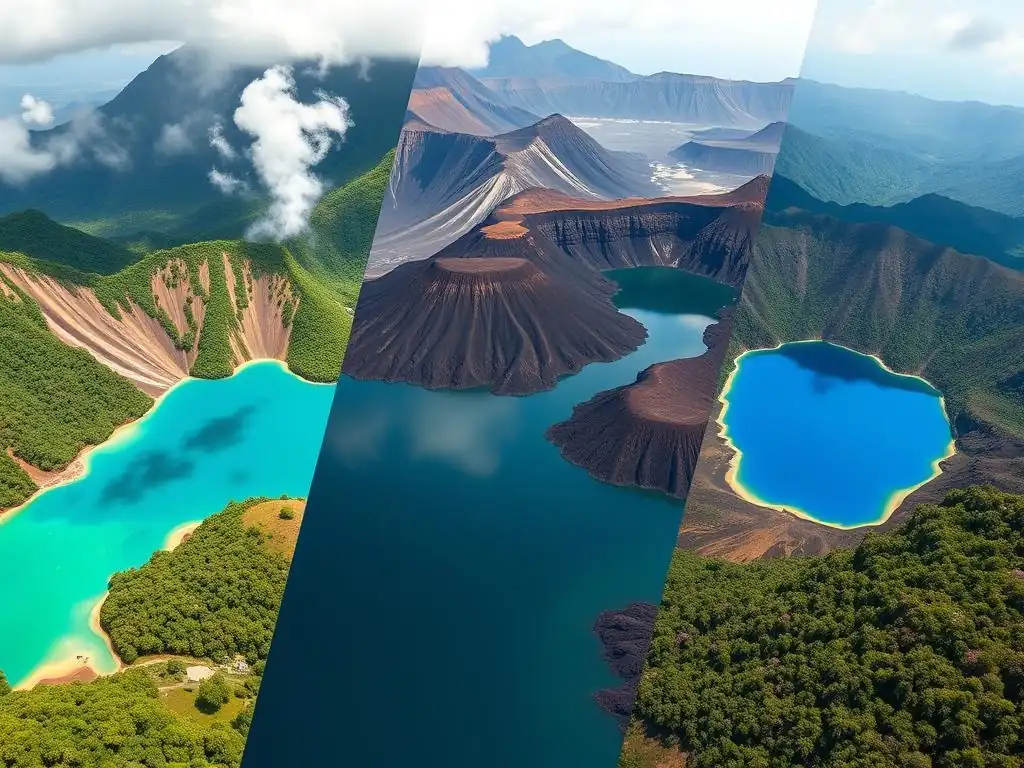
Lake Taupo, located in New Zealand, is a massive caldera lake formed by one of the world's most violent eruptions approximately 26,500 years ago. It serves as a valuable comparative case study for understanding the long-term evolution of large caldera systems like Crater Lake. Lake Taupo is volcanically active, with ongoing hydrothermal activity and a history of frequent, though generally smaller, eruptions since its formation. Studying Lake Taupo's hydrothermal system, which is significantly more active than Crater Lake's, provides insights into the potential range of hydrothermal influences on caldera lake chemistry and ecology.
Lake Taupo also experiences geothermal tourism and development, offering lessons on managing human impacts in volcanically active caldera environments. The long-term monitoring and research efforts at Lake Taupo, including studies of its volcanic activity, hydrothermal system, and ecosystem dynamics, provide valuable data and methodologies that can be applied to Crater Lake research and management. Comparing the geological history, volcanic activity, and environmental conditions of Lake Taupo and Crater Lake enhances our understanding of the diverse evolutionary pathways of caldera lakes and the factors that influence their long-term trajectories.
Lake Nyos: Lessons Learned from Volcanic Gas Bursts
Lake Nyos, a crater lake in Cameroon, West Africa, provides a stark and cautionary case study highlighting the potential hazards associated with volcanic gas accumulation in caldera lakes. In 1986, Lake Nyos experienced a catastrophic limnic eruption, or lake overturn, releasing a massive cloud of carbon dioxide gas that suffocated over 1,700 people in surrounding villages. This event demonstrated the potentially lethal consequences of volcanic gas buildup in deep, stratified lakes. Lake Nyos is located in a volcanically active region and is known to accumulate volcanic gases, primarily carbon dioxide, in its deep waters.
The Lake Nyos disaster led to intensive research into the mechanisms of limnic eruptions and the development of degassing techniques to mitigate the risk of future gas bursts. For Crater Lake, while the risk of a similar massive carbon dioxide release is considered low due to its different geological setting and gas composition, Lake Nyos serves as a reminder of the potential for unexpected and hazardous events in volcanic lakes.
The lessons learned from Lake Nyos emphasize the importance of monitoring volcanic gas emissions in caldera lakes and understanding the conditions that can lead to limnic eruptions, even in lakes with seemingly low volcanic activity.
Lake Atitlán: Facing Challenges of Pollution and Development
Lake Atitlán, a stunning caldera lake in Guatemala, provides a case study of a caldera lake facing significant challenges from pollution and development pressures. Lake Atitlán has experienced rapid population growth and agricultural expansion in its watershed, leading to increased nutrient runoff, sewage discharge, and deforestation. These human activities have resulted in severe water quality degradation, including eutrophication, algal blooms, and loss of water clarity. Introduced species, such as the non-native black bass, have also disrupted the lake's native ecosystem.
Lake Atitlán's struggles highlight the vulnerability of caldera lakes to human impacts, particularly in developing regions with rapid urbanization and limited environmental regulations. Despite conservation efforts, Lake Atitlán continues to face significant environmental challenges. The Lake Atitlán case study underscores the importance of proactive and comprehensive watershed management, pollution control, and sustainable development planning to prevent similar degradation in other caldera lakes, including Crater Lake. It serves as a warning of the potential consequences of neglecting environmental protection in the face of human pressures.
The Importance of Research and Conservation Efforts for Crater Lake
Understanding the Long-Term Impacts of Environmental Change
Continued research at Crater Lake is crucial for understanding the long-term impacts of environmental change, including climate change and pollution, on caldera lake ecosystems. Long-term monitoring programs provide invaluable data on trends in water quality, temperature, biological communities, and volcanic activity. Process-based research, investigating the mechanisms driving ecosystem changes, is essential for developing predictive models and effective management strategies. Interdisciplinary studies, integrating geology, hydrology, ecology, and climate science, are needed to fully understand the complex interactions within the Crater Lake system.
Research efforts should focus on quantifying the impacts of climate change on water temperature, stratification, and water balance. Investigating the effects of atmospheric deposition and potential pollution sources on water quality is also critical. Studying the responses of different biological communities to environmental changes, from microbial communities to fish populations, is essential for assessing ecosystem vulnerability and resilience. Continued research is the foundation for informed decision-making and effective conservation of Crater Lake in a rapidly changing world.
Protecting the Unique Biodiversity of Crater Lake
Crater Lake harbors a unique biodiversity adapted to its pristine and isolated environment. Protecting this biodiversity is a key conservation priority. The lake's native fish species, the Kokanee salmon and rainbow trout (introduced, but now naturalized), and its diverse invertebrate communities are integral components of its ecosystem. Microbial communities, including those associated with hydrothermal vents, play crucial roles in nutrient cycling and geochemical processes. Conservation efforts should focus on maintaining the pristine water quality and natural habitat conditions necessary to support this unique biodiversity.
Preventing the introduction of invasive species is paramount, as non-native organisms can disrupt native food webs and alter ecosystem dynamics. Protecting the surrounding watershed from habitat degradation and pollution is also essential for maintaining the ecological integrity of the lake. Genetic studies can help to understand the unique adaptations of Crater Lake's native species and inform conservation management strategies. Preserving the biodiversity of Crater Lake ensures the long-term health and resilience of this exceptional ecosystem.
Ensuring the Sustainable Use of Crater Lake Resources
While resource extraction within Crater Lake National Park is prohibited, ensuring the sustainable use of Crater Lake resources is still relevant, particularly in the context of tourism and water resources. Sustainable tourism practices are essential to minimize environmental impacts and ensure that visitor activities do not degrade the lake's pristine condition. Managing visitor access, promoting responsible behavior, and investing in sustainable infrastructure are key components of sustainable tourism. Water resources, while not directly extracted from the lake, are vital for the park and surrounding communities.
Ensuring the long-term availability of clean water resources in the region requires responsible water management practices, including water conservation, watershed protection, and minimizing water pollution. Climate change impacts on water availability need to be considered in water resource planning. Balancing the economic benefits of tourism with the need to protect the natural resources of Crater Lake is crucial for ensuring its sustainable use for present and future generations. Sustainable resource management requires a holistic approach that integrates environmental, economic, and social considerations.
Conclusion: Safeguarding the Future of Crater Lake
The Vital Role of Crater Lake in the Cascade Range
Crater Lake holds a vital place within the Cascade Range ecosystem and beyond. It is not only a spectacular natural landmark but also a crucial ecological and scientific resource. As the deepest lake in the United States and one of the purest in the world, Crater Lake provides unique habitat and supports a distinctive biodiversity. Its volcanic origins and ongoing hydrothermal activity make it a living laboratory for studying geological processes and their influence on aquatic environments. Crater Lake serves as a sentinel site for monitoring the impacts of climate change and environmental pollution on deep lake ecosystems.
The lake's pristine condition and long history of scientific study make it an invaluable resource for research and education. Crater Lake National Park protects a significant portion of the Cascade Range ecosystem and provides recreational opportunities for millions of visitors. The ecological integrity of Crater Lake is interconnected with the health of the broader Cascade Range region. Safeguarding the future of Crater Lake is essential for preserving the natural heritage of the Cascade Mountains and for understanding the long-term evolution of caldera lake systems globally.
A Call to Action for Research, Conservation, and Responsible Management
The future of Crater Lake depends on a concerted call to action for research, conservation, and responsible management. Continued and enhanced research efforts are needed to understand the complex interactions within the Crater Lake system and to predict its response to future environmental changes. Robust conservation strategies are essential to protect water quality, biodiversity, and the natural integrity of the lake and its watershed. Responsible management practices are crucial to minimize human impacts, promote sustainable tourism, and ensure the long-term preservation of this exceptional natural wonder.
This call to action extends to scientists, park managers, policymakers, local communities, and the public. Collaborative efforts are needed to address the challenges facing Crater Lake and to ensure its safeguarding for future generations. Investing in research, implementing effective conservation measures, and promoting responsible stewardship are essential steps towards securing a healthy and vibrant future for Crater Lake, a jewel of the Cascade Range and a globally significant caldera lake ecosystem.
Frequently Asked Questions
What exactly is a caldera lake, and how does it form?
A caldera lake is a lake that forms in the depression of a caldera, which is a large volcanic crater created after a significant volcanic eruption empties the magma chamber. This causes the ground to collapse, forming a basin that can then fill with water.
What are the primary factors influencing the future evolution of caldera lakes?
The future evolution of caldera lakes is primarily influenced by factors such as volcanic activity, climate change impacting water levels and temperature, and the influx of minerals from the surrounding volcanic rocks.
How does ongoing volcanic activity beneath a caldera lake impact its ecosystem?
Ongoing volcanic activity can significantly impact the ecosystem by altering the lake's water chemistry, introducing toxic gases and minerals, and potentially causing hydrothermal explosions that disrupt aquatic life.
Are there any significant risks associated with the future evolution of caldera lakes?
Yes, significant risks include potential for volcanic eruptions within or beneath the lake, leading to lahars and explosions, and the release of harmful gases that can pose a threat to nearby communities.
What role do volcanologists play in monitoring and predicting the future evolution of caldera lakes?
Volcanologists play a crucial role by monitoring seismic activity, analyzing water chemistry, and modeling potential eruption scenarios to assess risks and provide early warnings about changes in the lake's behavior and volcanic activity.
Final Reflection: Echoes of Ancient Fire, Visions of Tomorrow
The journey through the evolution and potential of caldera lakes, as explored in this article, reveals more than just geological processes; it unveils a profound connection between the Earth's fiery past and its uncertain future. Understanding the intricate dynamics of these unique ecosystems is not merely an academic exercise, but a critical step in safeguarding vital water resources and mitigating potential hazards in a changing world. The lessons learned from studying caldera lakes resonate far beyond their volcanic origins, offering insights applicable to broader environmental challenges.
The enduring allure of caldera lakes lies not only in their breathtaking beauty but also in their role as living laboratories, reflecting the delicate balance between geological forces and biological adaptation. Witnessing their evolution, both natural and human-influenced, underscores the urgent need for responsible stewardship of these fragile environments. We are all connected; To each other, biologically. To the earth, chemically. To the rest of the universe atomically.
- Neil deGrasse Tyson. This quote encapsulates the interconnectedness that defines caldera lakes and our responsibility to protect them.
As we look towards the future, let us carry the knowledge gained from this exploration and apply it to our own lives. Consider the impact of your actions on the environment, and strive to be a conscious steward of the planet's precious resources. The future of caldera lakes, and indeed the future of our planet, depends on our collective commitment to understanding, protecting, and cherishing the natural world. Let the echoes of ancient fire inspire us to build a more sustainable and resilient tomorrow.
Reimagine the Shores: Join the Caldera Lake Conversation!
Thank you for exploring the fascinating world of caldera lakes and their evolving future. Now that you've learned about these unique ecosystems, let's work together to protect them. Here's how you can contribute:
- Become a Citizen Scientist: Report your observations of local caldera lakes through our citizen science initiative. Help us monitor changes and gather vital data.
- Share Your Insights: Spread the word by sharing this article with friends, family, and anyone interested in geology and environmental conservation. Let's start a conversation!
- Explore Responsibly: Plan a visit to a nearby caldera lake and appreciate its beauty while respecting its delicate environment. Consider sharing your experience and photos with the Volcano Explorers community.
What actions will you take to help secure the future of caldera lakes? Share your thoughts and experiences in the comments below!