
Japan's Volcanic Craters: Sacred Sites of Earth's Energy

Welcome to Volcano Explorers!
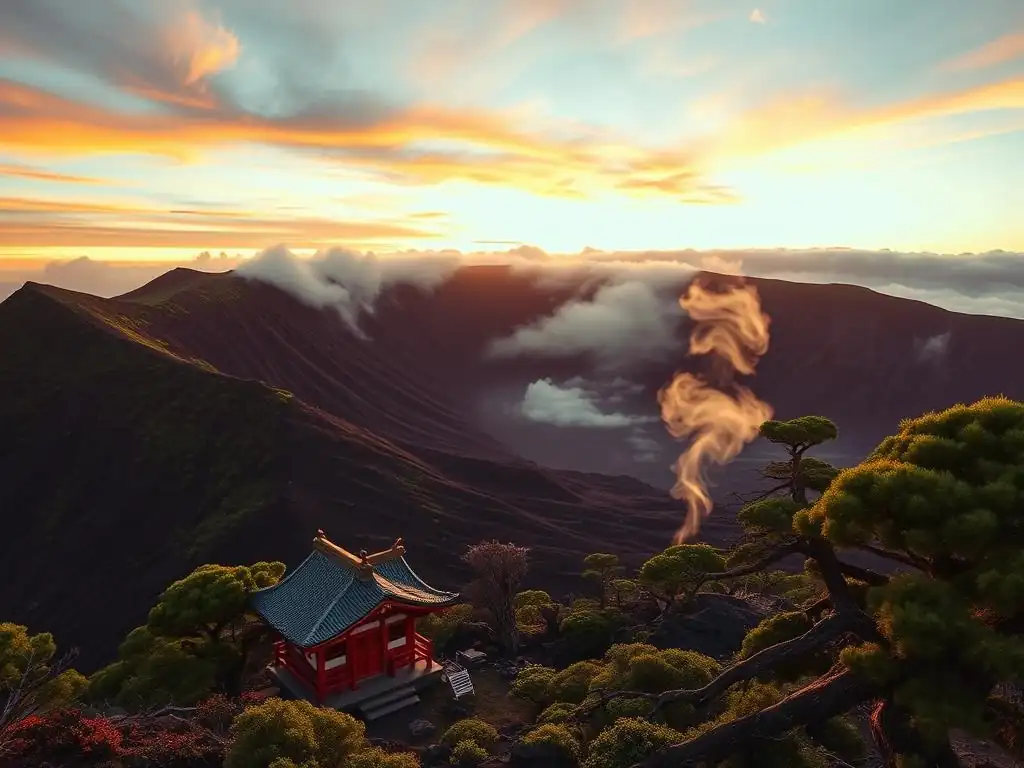
Prepare to be mesmerized. Beneath Japan's serene landscapes lie fiery secrets, where ancient beliefs intertwine with the raw power of the Earth. Our journey begins within the sacred volcanic craters of Japan, places revered for centuries as conduits to the divine. But what makes these craters so special? And what secrets do they hold about the volatile forces shaping our world? Dare to delve deeper and uncover the mysteries within...
- Exploring Sacred Volcanic Craters in Japan: An Introduction
- The Spiritual Significance of Japanese Volcanoes
- Japan's Most Revered Volcanic Craters: A Guide
- Volcanic Craters and the Power of Nature: A Dual Perspective
- Cultural Practices and Traditions Around Sacred Volcanic Craters
- Geothermal Activity and the Sacred: A Unique Connection
- The Future of Sacred Volcanic Sites in Japan: Preservation and Tourism
-
Frequently Asked Questions
- What makes volcanic craters in Japan considered sacred?
- How do volcanologists monitor volcanic activity in Japan to ensure safety?
- What types of volcanoes are most commonly found in Japan?
- Besides spirituality, what cultural significance do volcanoes hold in Japan?
- Where can I find real-time updates on volcanic activity in Japan?
- Final Reflection: Embracing the Earth's Power
- Unveil the Mysteries Within: Your Next Volcanic Adventure Awaits!
Exploring Sacred Volcanic Craters in Japan: An Introduction
Japan, an archipelago sculpted by intense volcanic activity, is home to a remarkable number of active and dormant volcanoes. These geological wonders are not merely natural formations; they are deeply interwoven with the cultural and spiritual fabric of Japan.
For centuries, volcanic craters, with their steaming vents, vibrant colors, and sometimes otherworldly landscapes, have been revered as sacred sites, places where the raw power of the Earth is palpable and the veil between the mundane and the divine seems thin. This article delves into the profound spiritual significance of these Japanese volcanic craters, exploring their roles in Shinto and Buddhist beliefs, highlighting some of the most revered sites, and examining the delicate balance between respecting their sacred nature and embracing their potential for tourism and geothermal energy.
This journey into Japan's sacred volcanic craters will uncover the unique relationship between the Japanese people and their volcanic landscapes. We will explore how these powerful natural features have shaped religious practices, inspired artistic expressions, and continue to influence contemporary culture. From the ancient pilgrimages to volcanic mountains to the modern-day appreciation of onsen hot springs, the sacred volcanic craters of Japan offer a captivating glimpse into the intersection of geology, spirituality, and human experience.
The Spiritual Significance of Japanese Volcanoes
Volcanoes as Kami: Shinto Beliefs and Volcanic Activity
In Shinto, the indigenous religion of Japan, nature is imbued with kami, spirits or deities that inhabit natural elements and phenomena. Volcanoes, with their dramatic eruptions and formidable presence, are particularly potent manifestations of kami. The raw energy and transformative power of volcanic activity resonated deeply with early Japanese people, who perceived volcanoes not just as geological features but as living entities, capable of both creation and destruction. Volcanic mountains themselves are often considered sacred shintai, or "bodies of gods," and are venerated through rituals, shrines, and pilgrimages.
The unpredictable nature of volcanic eruptions further solidified their association with the divine. Eruptions were often interpreted as expressions of kami will, either as blessings or warnings. For example, a period of volcanic quiescence might be seen as a sign of divine favor, while a destructive eruption could be interpreted as divine displeasure or a call for purification.
Local communities living near volcanoes developed elaborate rituals to appease the kami residing within, seeking protection and prosperity. Even today, the awe and respect for volcanic power, deeply rooted in Shinto beliefs, are palpable in Japanese culture, influencing how these landscapes are perceived and interacted with.
Buddhist Perspectives on Volcanic Landscapes in Japan
While Shinto deeply intertwined volcanoes with the concept of kami, Buddhism, which arrived in Japan in the 6th century, also contributed to the spiritual understanding of volcanic landscapes. Buddhist cosmology, with its emphasis on impermanence and the cyclical nature of life and death, found resonance in the dramatic transformations wrought by volcanic activity. The destruction and rebirth associated with eruptions mirrored Buddhist concepts of samsara and reincarnation, reinforcing the idea of constant change and renewal in the universe.
Moreover, certain volcanic landscapes came to be associated with Buddhist paradises or hells. The steaming vents and sulfurous fumes of some volcanic areas, for instance, were sometimes interpreted as glimpses into the Buddhist hell realms, places of suffering and purification. Conversely, serene caldera lakes, formed within volcanic craters, could be seen as reflections of Buddhist Pure Lands, tranquil and enlightened realms.
Buddhist temples and monasteries were often established in volcanic regions, further solidifying the spiritual significance of these landscapes and integrating them into the broader Buddhist worldview in Japan. The presence of these religious sites near active volcanoes highlights the enduring human need to find meaning and spiritual solace even in the face of powerful and potentially dangerous natural forces.
Japan's Most Revered Volcanic Craters: A Guide
Mount Aso's Caldera: A Living Landscape of Faith
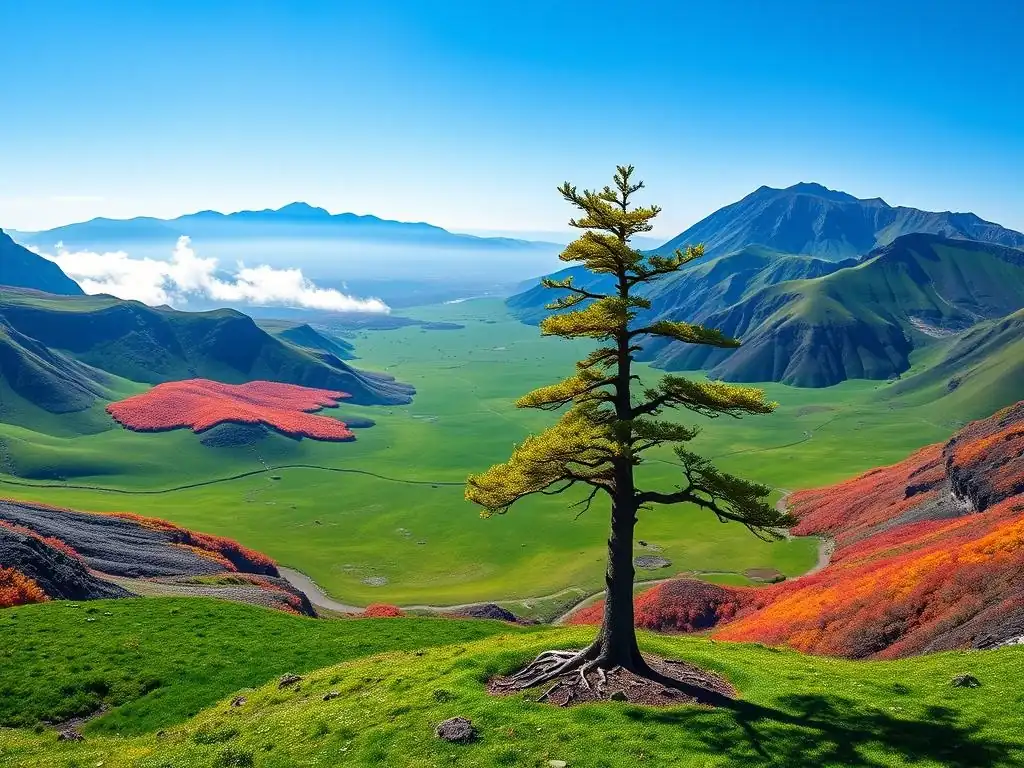
Mount Aso, located in Kumamoto Prefecture on Kyushu Island, boasts one of the world's largest calderas, a vast volcanic depression formed by past eruptions. This immense caldera is not a desolate wasteland, but a surprisingly fertile and inhabited landscape, encompassing several towns, farmlands, and even active volcanic peaks within its boundaries. This unique coexistence of human life and volcanic activity has deeply shaped the spiritual and cultural identity of the region. For centuries, Mount Aso has been revered as a sacred mountain, home to powerful kami and the site of ancient Shinto rituals.
The active volcano Nakadake, situated within the caldera, is particularly significant. Its perpetually smoking crater, often emitting plumes of volcanic gas, is seen as a direct connection to the Earth's energy and the dwelling place of Aso kami. Aso Shrine, one of Japan's oldest and most important Shinto shrines, is located within the caldera and is dedicated to the deities of Mount Aso.
The shrine's history is deeply intertwined with the volcanic activity, and its rituals are performed to ensure the well-being of the community and to appease the volcanic spirits. The landscape itself, with its dramatic volcanic peaks, verdant grasslands within the caldera, and the ever-present volcanic activity, serves as a constant reminder of the sacred power of Mount Aso.
The Aso Volcano Museum and Cultural Interpretations
The Aso Volcano Museum, located within the caldera, offers valuable insights into the geological and cultural significance of Mount Aso. While primarily focused on the science of volcanology, the museum also acknowledges and explores the deep cultural interpretations of the volcano. Exhibits detail the history of eruptions, the formation of the caldera, and the ongoing monitoring of volcanic activity. However, the museum also delves into the spiritual beliefs associated with Mount Aso, showcasing how local communities have understood and interacted with the volcano for generations.
The museum's displays often feature artifacts from Aso Shrine and explain the significance of Shinto rituals performed in the caldera. Information panels discuss the legends and myths surrounding Mount Aso kami, providing context for the reverence the volcano commands.
By presenting both scientific data and cultural narratives, the Aso Volcano Museum offers a holistic understanding of Mount Aso, recognizing it not just as a geological phenomenon but as a living, breathing landscape deeply imbued with spiritual meaning. This approach allows visitors to appreciate the volcano from multiple perspectives, fostering a deeper respect for both its natural power and its cultural importance.
Mount Osore: A Gateway to the Afterlife at a Volcanic Crater Lake
Mount Osore, located in Aomori Prefecture, Northern Honshu, is a starkly different sacred volcanic site. Unlike the life-sustaining caldera of Mount Aso, Mount Osore presents a more somber and otherworldly landscape, often referred to as one of Japan's gateways to the afterlife. The central feature of Mount Osore is Lake Usori, a caldera lake characterized by its highly acidic, sulfurous waters and barren, volcanic surroundings. This desolate beauty, coupled with the strong smell of sulfur and the steaming vents around the lake, has contributed to its association with the spirit world.
For centuries, Mount Osore has been considered a liminal space, a boundary between the living world and the realm of the dead. The volcanic landscape, with its stark contrasts and intense sensory experiences, reinforces this perception. The acidic lake water, devoid of most life, and the surrounding volcanic terrain, marked by steaming fumaroles and sulfur deposits, create an atmosphere of both awe and unease, fostering a sense of proximity to the spiritual realm. This unique environment has made Mount Osore a significant pilgrimage site, attracting those seeking connection with deceased loved ones or spiritual purification.
Osorezan Bodaiji Temple: Pilgrimage to a Volcanic Spirit World
Osorezan Bodaiji Temple, situated near the shores of Lake Usori, is the focal point of pilgrimage to Mount Osore. Founded in the 9th century by the Buddhist monk Ennin, the temple is dedicated to Jizo Bosatsu, a bodhisattva who is believed to guide and protect deceased children and travelers. The temple complex is nestled within the volcanic landscape, with its buildings and statues seemingly integrated into the natural surroundings. Pilgrims flock to Osorezan Bodaiji, often carrying itako, blind mediums who are believed to communicate with the spirits of the deceased.
The pilgrimage to Mount Osore and Osorezan Bodaiji is a deeply personal and spiritual journey. Many visitors come to mourn lost loved ones, especially children, and to seek solace and closure. The itako mediums play a crucial role, offering a channel for communication with the spirit world and providing comfort to grieving families.
The volcanic landscape of Mount Osore itself becomes an integral part of the pilgrimage experience, its otherworldly atmosphere enhancing the sense of spiritual connection and reinforcing the belief in its role as a gateway to the afterlife. The temple and its surrounding volcanic environment together create a powerful and unique sacred space.
Mount Kusatsu-Shirane: Turquoise Waters and Ancient Rituals
Mount Kusatsu-Shirane, located in Gunma Prefecture, is renowned for its strikingly beautiful volcanic crater lake, Yugama. The lake is famed for its intensely acidic, turquoise-colored waters, a result of the high concentration of sulfur and other volcanic minerals. This vibrant, almost surreal landscape stands in contrast to the surrounding lush greenery, creating a visually stunning and spiritually significant site. While Mount Kusatsu-Shirane is an active volcano, its most prominent sacred aspect is linked to the purifying and healing properties attributed to its acidic hot springs and the unique beauty of Yugama crater lake.
Historically, Mount Kusatsu-Shirane has been a site of ancient rituals and beliefs centered around water purification and healing. The highly acidic waters, though toxic to most life, were traditionally believed to possess powerful cleansing and medicinal properties. Local communities and pilgrims have long utilized the hot springs emanating from the volcanic area for therapeutic bathing and spiritual purification.
The vibrant color of Yugama lake itself, while geologically explained, likely contributed to its mystical aura, further enhancing its sacred status. The combination of the visually striking landscape and the perceived healing properties of the volcanic waters has made Mount Kusatsu-Shirane a revered site for centuries.
The Sulfuric Hot Springs and Their Purifying Qualities
The sulfuric hot springs around Mount Kusatsu-Shirane, particularly those in Kusatsu Onsen town at the foot of the volcano, are central to the area's cultural and spiritual significance. Kusatsu Onsen is one of Japan's most famous hot spring resorts, renowned for its highly acidic and mineral-rich waters. The strong sulfuric smell and the visibly potent nature of the hot springs have long been associated with powerful purifying and healing qualities. Traditional beliefs held that bathing in these waters could cure various ailments and cleanse both the body and spirit.
The practice of yumomi, a traditional method of cooling the hot spring water by stirring it with large wooden paddles, is a unique cultural aspect of Kusatsu Onsen. This practice, performed with rhythmic chanting, is not just a practical way to make the scalding hot water bathable but also a ritualistic act, reinforcing the spiritual significance of the hot springs.
Even today, visitors flock to Kusatsu Onsen not only for relaxation and recreation but also to experience the purported healing and purifying power of the volcanic hot springs, continuing a tradition that stretches back centuries and reflects the enduring sacredness of Mount Kusatsu-Shirane's volcanic waters.
Volcanic Craters and the Power of Nature: A Dual Perspective
The Destructive Force: Volcanic Eruptions and Their Impact
Volcanic craters are formed by the immense power of volcanic eruptions, events that can dramatically reshape landscapes and profoundly impact human lives. The destructive force of volcanic eruptions is undeniable, capable of unleashing pyroclastic flows, lava flows, ashfalls, and lahars (volcanic mudflows). These phenomena can cause widespread devastation, destroying infrastructure, disrupting ecosystems, and posing significant threats to human populations living in volcanic regions. Historical records across Japan are filled with accounts of devastating volcanic eruptions that have tested the resilience of communities and shaped the course of history.
The 1707 eruption of Mount Fuji, though primarily an ash eruption, blanketed Edo (present-day Tokyo) with thick layers of volcanic ash, causing widespread agricultural damage and disrupting daily life in the capital. More recently, the 1991 eruption of Mount Unzen-Fugendake in Nagasaki Prefecture produced deadly pyroclastic flows that claimed lives and destroyed homes. These examples, among many others, underscore the inherent destructive potential associated with volcanic craters and the constant reminder of nature's raw power that they represent. Understanding and respecting this destructive force is crucial for communities living near active volcanoes and for developing effective mitigation strategies.
The Creative Energy: Volcanic Hot Springs and Fertile Lands
Despite their destructive potential, volcanic craters are also sources of immense creative energy, giving rise to fertile lands, geothermal resources, and stunning natural landscapes. Volcanic ash, while initially disruptive, eventually breaks down to enrich soils, making volcanic regions surprisingly fertile for agriculture. Many areas around Japanese volcanoes are known for their rich agricultural output, benefiting from the nutrient-rich volcanic soils. Furthermore, volcanic activity is the source of geothermal energy, a clean and sustainable energy resource that Japan is increasingly harnessing.
The numerous onsen (hot springs) scattered throughout Japan are a direct result of volcanic activity. These geothermal hot springs are not only a significant tourist attraction but also have been used for centuries for healing, relaxation, and even heating homes and businesses. Volcanic landscapes, with their dramatic topography, crater lakes, and unique ecosystems, also attract tourists and nature enthusiasts, contributing to local economies. Therefore, volcanic craters represent a duality of nature, embodying both destructive power and creative potential, shaping not only the physical environment but also the cultural and economic landscapes of Japan.
Cultural Practices and Traditions Around Sacred Volcanic Craters
Onsen Culture: Bathing in Volcanic Hot Springs for Healing and Rejuvenation
The abundance of volcanic hot springs in Japan has profoundly shaped Japanese culture, giving rise to the deeply ingrained onsen culture. Onsen are natural hot springs heated by geothermal activity, and bathing in them is a cherished tradition, viewed as a way to cleanse both body and soul, promote healing, and foster relaxation. Many onsen towns have developed around volcanic hot springs, becoming popular destinations for both domestic and international tourists seeking the therapeutic benefits and cultural experience of onsen bathing.
Different onsen waters have varying mineral compositions, each believed to offer specific health benefits. Sulfur springs, like those at Kusatsu Onsen, are often associated with skin conditions and detoxification. Sodium bicarbonate springs are thought to be good for skin hydration and muscle relaxation.
Beyond physical health benefits, onsen bathing is also seen as a way to connect with nature and escape the stresses of modern life. The communal aspect of onsen bathing also fosters social connection and a sense of shared experience, further enriching its cultural significance in Japan. The continued popularity of onsen culture underscores the enduring appreciation for the gifts of volcanic activity and their integration into daily life and well-being.
Volcanic Festivals: Celebrating the Power of the Earth
Throughout Japan, various festivals and rituals are held in volcanic regions, often linked to Shinto beliefs and aimed at appeasing volcanic kami or celebrating the blessings derived from volcanic activity. These volcanic festivals are vibrant expressions of local culture, incorporating traditional music, dance, and religious ceremonies. They serve as a way for communities to express their gratitude for the benefits of living in a volcanic region while also acknowledging and respecting the inherent risks.
Examples of volcanic festivals include fire festivals held near active volcanoes, where participants carry torches and perform rituals to appease fire deities and pray for protection from eruptions. Other festivals celebrate the harvest in fertile volcanic lands, giving thanks for the rich soils and abundant crops made possible by volcanic activity.
Some festivals are specifically linked to onsen culture, celebrating the healing properties of hot springs and promoting local onsen towns. These volcanic festivals are not merely tourist attractions; they are deeply rooted in local traditions and beliefs, reflecting the complex relationship between Japanese communities and the powerful volcanic landscapes they inhabit.
Geothermal Activity and the Sacred: A Unique Connection
Geothermal Power Plants: Harnessing Earth's Energy Responsibly
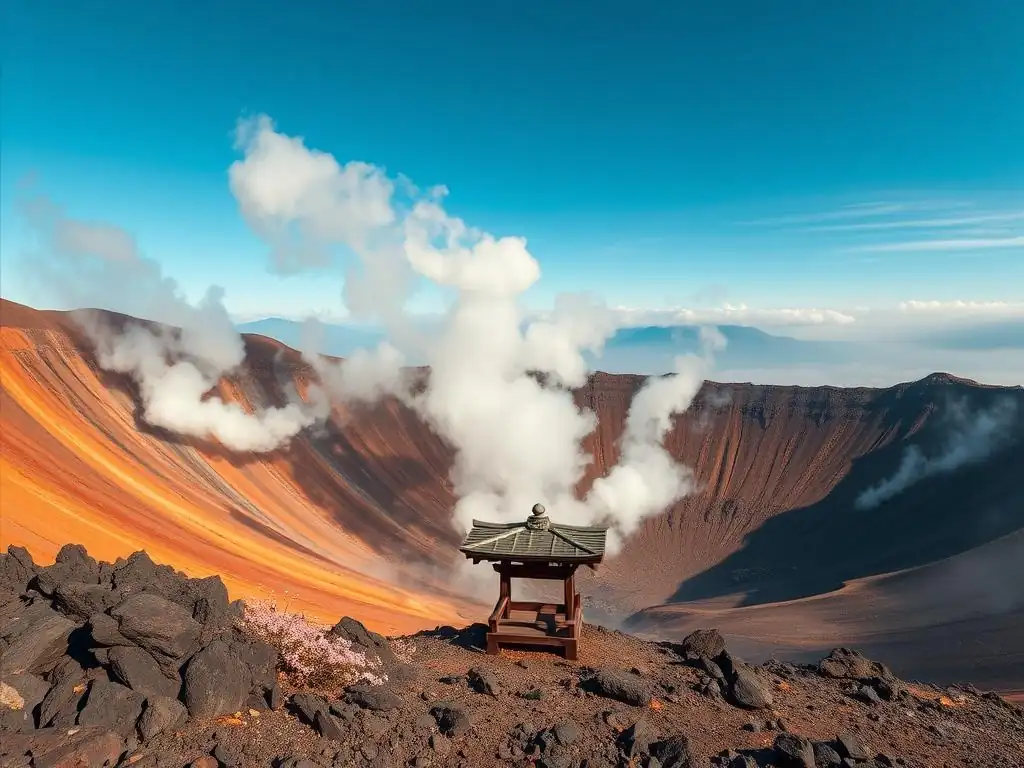
Japan, being a volcanically active nation, possesses significant geothermal energy resources. In recent years, there has been a growing interest in harnessing this clean and sustainable energy source to reduce reliance on fossil fuels and mitigate climate change. Geothermal power plants utilize the heat from underground reservoirs of hot water and steam, often located in volcanic areas, to generate electricity. While geothermal energy offers a promising alternative energy source, its development in Japan is often intertwined with the sacred nature of volcanic landscapes.
Many potential geothermal sites are located within or near areas considered sacred in Shinto and Buddhist traditions. Developing geothermal plants in these areas requires careful consideration of environmental and cultural impacts. Balancing the need for clean energy with the respect for sacred sites and the preservation of natural landscapes is a complex challenge.
Responsible geothermal development in Japan necessitates engaging with local communities, respecting traditional beliefs, and implementing environmentally sound practices to minimize any negative impacts on both the natural and cultural heritage associated with sacred volcanic craters. Finding this balance is crucial for ensuring that the harnessing of geothermal energy is both sustainable and culturally sensitive.
The Future of Sacred Volcanic Sites in Japan: Preservation and Tourism
Ethical Considerations for Volcanic Tourism
As tourism to volcanic regions in Japan increases, it is crucial to consider the ethical implications of visiting these sacred sites. Volcanic craters are not just scenic landscapes; they are places of deep spiritual significance for many Japanese people. Responsible volcanic tourism requires respecting local customs, traditions, and beliefs. Visitors should be mindful of the sacred nature of these sites and avoid behaviors that could be considered disrespectful or disruptive.
This includes adhering to designated trails, refraining from littering or damaging the natural environment, and being respectful of religious sites and practices. In some cases, certain areas of volcanic craters may be considered particularly sacred or off-limits to visitors. It is important to be aware of and abide by any restrictions or guidelines put in place by local communities or authorities. Ethical volcanic tourism aims to minimize negative impacts on both the natural and cultural environment, ensuring that these sacred sites are preserved for future generations and that tourism benefits local communities in a sustainable and respectful manner.
Safety Guidelines for Exploring Active Volcanic Areas
Exploring active volcanic areas offers a unique and awe-inspiring experience, but it is essential to prioritize safety. Volcanic activity can be unpredictable, and potential hazards include volcanic gas emissions, sudden eruptions, and unstable terrain. Visitors to volcanic craters should always be aware of the potential risks and take necessary precautions to ensure their safety.
Before visiting a volcanic area, it is crucial to check for any volcanic alerts or advisories issued by the Japan Meteorological Agency (JMA) or local authorities. Pay attention to any posted warnings or restricted areas and follow the instructions of park rangers or guides. When hiking or exploring near volcanic craters, stay on marked trails and avoid venturing into areas with visible volcanic activity, such as steaming vents or fumaroles.
Be aware of the signs of increasing volcanic activity, such as changes in gas emissions, ground deformation, or increased seismicity, and be prepared to evacuate quickly if necessary. Wearing appropriate clothing and footwear, carrying sufficient water and supplies, and informing someone of your hiking plans are also essential safety measures for exploring active volcanic regions. Respecting the power of nature and prioritizing safety are paramount when visiting these dynamic and potentially hazardous landscapes.
Frequently Asked Questions
What makes volcanic craters in Japan considered sacred?
Japan's volcanic craters are often seen as sacred sites due to their association with spiritual energy and connection to the divine realm. Their dramatic landscapes and powerful natural forces contribute to this perception.
How do volcanologists monitor volcanic activity in Japan to ensure safety?
Volcanologists utilize various methods, including seismic monitoring, gas emission analysis, and ground deformation measurements, to track changes and provide early warnings of potential eruptions.
What types of volcanoes are most commonly found in Japan?
Japan is primarily known for its stratovolcanoes, which are characterized by their steep slopes and explosive eruptions. Composite volcanoes are also common.
Besides spirituality, what cultural significance do volcanoes hold in Japan?
Volcanoes play a significant role in Japanese culture, influencing art, folklore, and traditional practices. They are often depicted in religious ceremonies and artistic expressions.
Where can I find real-time updates on volcanic activity in Japan?
Websites like VolcanoExplorers.org provide real-time updates on volcanic activity, allowing you to stay informed about current conditions and potential hazards around active volcanoes.
Final Reflection: Embracing the Earth's Power
The journey through Japan's volcanic craters reveals more than just geological wonders; it unveils a profound connection between humanity and the raw, untamed energy of our planet. These sacred sites, etched into the Japanese landscape, serve as potent reminders of the Earth's immense power and its enduring influence on culture and spirituality. We see how these craters, far from being barren wastelands, are revered spaces where the veil between the physical and spiritual realms seems remarkably thin.
The enduring reverence for these volcanic craters speaks volumes about our innate need to connect with something larger than ourselves. This exploration has deepened my own appreciation for the delicate balance between destruction and creation, a dance that these landscapes embody so powerfully. We are all children of the Earth, and our connection to her is unbreakable. The volcanoes remind us of this primal bond, urging us to respect and protect the forces that shape our world.
This sentiment, echoed throughout Japanese history and culture, highlights the profound significance of these sacred spaces.
As you reflect on the power and beauty of Japan's volcanic craters, consider how you can cultivate a deeper connection with the natural world in your own life. Let these landscapes inspire you to appreciate the Earth's energy, to respect its power, and to find your own sacred spaces where you can connect with the primal forces that shape our existence. Let us all strive to be mindful stewards of this planet, honoring the delicate balance that sustains us all.
Unveil the Mysteries Within: Your Next Volcanic Adventure Awaits!
Thank you for exploring the sacred energy of Japan's volcanic craters. We hope you've gained a deeper appreciation for these powerful landscapes and their cultural significance. Now, let's turn that inspiration into action!
Here are a few ways to connect with Japan's volcanic wonders:
- Plan your trip: Research a specific volcanic crater like Mount Fuji or the Aso caldera, exploring its history and accessibility. Consider the best time to visit and any local customs to respect.:
- Share the Earth's stories: Post a photo of your favorite volcano on social media using #VolcanoExplorers, explaining why it inspires you.
- Dive deeper: Research traditional Japanese beliefs about volcanoes and spirits. Share a fascinating fact with a friend.
Ready to embrace the raw power of Japan's volcanic landscapes and plan your own unforgettable journey?