Volcanic Regions: Unexpected Havens of Life
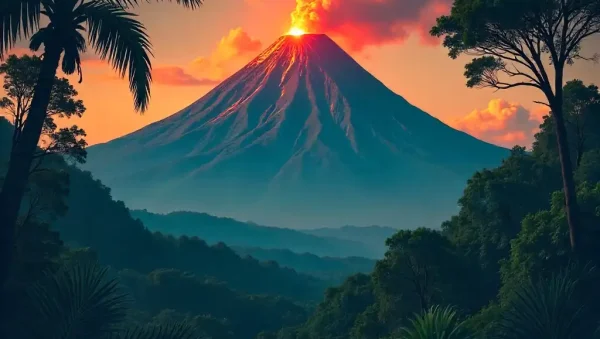
When we think of volcanoes, we often picture barren lava fields and desolate ash-covered slopes. Yet, volcanic regions are among the most fascinating and biologically rich ecosystems on Earth. These landscapes, forged by fire, become sanctuaries for unique species that have adapted to extreme conditions. At Volcano Explorers, we dive deep into the paradox of destruction and creation, showcasing how volcanic activity fosters biodiversity hotspots that rival tropical rainforests in endemic species. Discover how life reclaims even the harshest terrains, from the Galápagos to Hawaii, and why these areas are critical for global conservation.
🌋 Unique Adaptations in Volcanic Soils
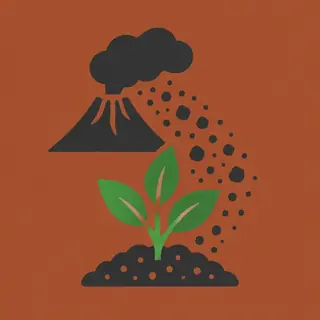
Volcanic soils, known as Andisols, are nutrient-dense, containing high levels of phosphorus, potassium, and trace minerals. This fertility sparks explosive plant growth, but the initial colonizers—ferns, mosses, and pioneer herbs—must endure toxic gases and extreme pH levels. Over centuries, these plants break down lava rock, creating a substrate where orchids, shrubs, and eventually dense forests can thrive. Expect to learn about mycorrhizal fungi partnerships that help roots absorb nutrients in harsh conditions, and how certain grasses have evolved to tolerate high metal concentrations.
For wildlife, these soils support a cascade of life. Insects thrive on abundant flora, attracting birds and small mammals. In places like Mount Kenya’s volcanic slopes, you find unique giant lobelias and groundsels that store water in their rosettes to survive freezing nights. These adaptations are not just biological curiosities—they are blueprints for resilience in changing climates. We’ll guide you through case studies like the Andean paramo, where volcanic ash enriches alpine meadows, sustaining hummingbirds and spectacled bears.
🦎 Endemism: Species Found Nowhere Else
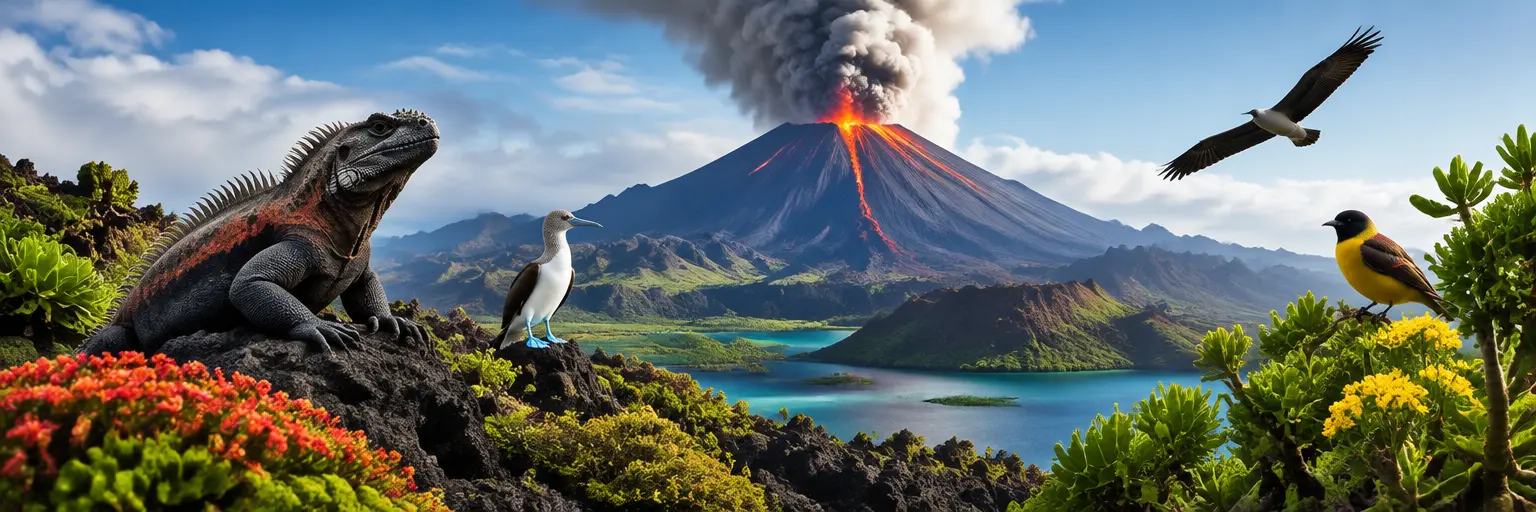
Isolated volcanic islands are evolutionary laboratories. The Galápagos, a volcanic archipelago, inspired Darwin’s theory of natural selection due to its finches, tortoises, and marine iguanas. Each island’s distinct volcanic history created separate habitats, driving speciation. For instance, the pink land iguana on Wolf Volcano is so unique it was only recognized as a distinct species in 2009. We’ll explore how volcanic geography—like calderas and lava tubes—creates microclimates that isolate populations, leading to rapid diversification.
Continental volcanic regions, such as the East African Rift, also host endemics. The mountain gorilla survives in the Virunga volcanoes, where fertile soils support bamboo forests—their primary food. Likewise, the Ethiopian Highlands, born from ancient volcanic activity, shelter the Ethiopian wolf and giant mole rat. These species’ fates are tied to volcanic slopes, making them vulnerable to habitat loss. Our content highlights conservation efforts, like corridor restoration and community-based monitoring, that aim to protect these irreplaceable organisms.
🌿 Pioneer Species and Ecological Succession
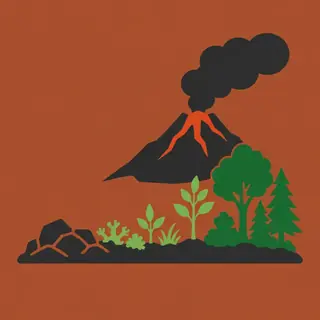
After an eruption, life does not wait long. Within months, cyanobacteria and lichens colonize fresh lava, fixing nitrogen and creating organic matter. This process, called primary succession, is visible on Kilauea’s flows. We’ll introduce you to pioneers like the ‘ōhi’a lehua tree, whose aerial roots capture moisture from fog, and the silver sword plant, which can grow on cinder cones. These species pave the way for ferns and later woody plants, each stage increasing habitat complexity.
Ecologists study these sequences to understand resilience and recovery. In places like Mount St. Helens, after the 1980 blast, pocket gophers emerged from buried soil, aerating it and allowing plants to regrow faster. You’ll find actionable knowledge on how volcanic eruptions reset ecosystems, sometimes creating novel habitats like wetlands in caldera lakes. This section also covers human-assisted restoration, where scientists seed native species to accelerate succession without undermining natural processes.
🐦 Wildlife Corridors and Migration Hotspots
Volcanic mountain chains often serve as natural corridors for migratory species. The Andes, formed by volcanic uplift, are a flyway for condors and hummingbirds moving between habitats. Volcanoes like Mount Rainier create elevation gradients—from lowland forests to alpine meadows—within short distances, offering diverse niches. We highlight how volcanic lakes and wetlands attract waterfowl, such as flamingos in the Andes’ saline crater lakes, which breed in microalgae-rich waters.
These corridors are vital for gene flow, preventing inbreeding and maintaining genetic diversity. For large mammals like jaguars, volcanic ranges in Central America connect fragmented rainforests. Our guides include maps and tracking data showing how species use volcanic terrain for shelter and feeding. We’ll also discuss how volcanic hotspots align with bird migration routes, making them crucial stopover points for exhausted travelers, and how conservationists build partnerships with local communities to protect these pathways.
🛡️ Conservation Challenges in Volcanic Hotspots
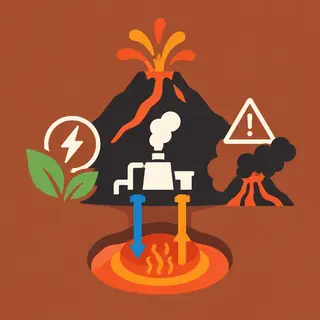
Despite their richness, volcanic regions face threats: deforestation, invasive species, and geothermal energy development. In Hawaii, feral pigs and invasive plants disrupt native ecosystems, while on Java, coffee plantations encroach on endangered species’ habitats. We delve into management strategies, such as fenced exclosures and biological control, that are tailored to volcanic terrains. Learn about the delicate balance between preserving biodiversity and allowing sustainable human use.
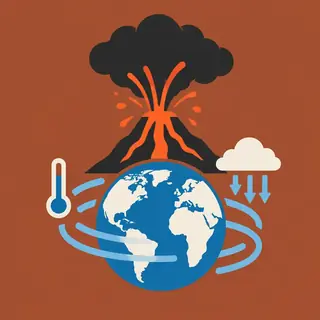
Climate change adds pressure, altering precipitation and temperature patterns on volcanic peaks. Species like the golden toad, once abundant in Costa Rica’s Monteverde volcanic cloud forest, have vanished due to chytrid fungus, exacerbated by climate stress. Our community projects focus on building climate-resilient habitats, from establishing seed banks to creating artificial nesting sites for birds. You’ll gain insights on how to support these efforts, whether through citizen science or advocacy, ensuring volcanic biodiversity endures.
📸 Experiencing Volcanic Biodiversity: Eco-Tourism & Citizen Science
For readers inspired to witness these ecosystems, we offer eco-tourism tips that minimize impact. Visit national parks like Haleakalā or Timanfaya, where ranger-led tours highlight endemic species. Participate in bioblitzes or contribute photos to iNaturalist, helping researchers map rare organisms. We also profile sustainable lodges that use local materials and employ indigenous guides, ensuring your visit benefits conservation.
Voluntary opportunities abound: replanting native trees in New Zealand’s Tongariro region or monitoring seabird colonies on Italy’s Aeolian Islands. Our guides include safety protocols for hiking on active volcanoes, from checking gas levels to respecting quarantine zones. By engaging directly, you become a steward of these remarkable places. Remember, observation without disturbance is key—make memories while protecting the fragile life that thrives where the Earth’s interior meets its surface.
Frequently Asked Questions
Why are volcanic regions considered biodiversity hotspots?
Volcanic soils are highly fertile, supporting lush vegetation that attracts diverse fauna. Over millennia, isolation created by volcanic islands or valleys promotes speciation, resulting in many endemic species found nowhere else. This combination of high productivity and unique evolutionary history qualifies them as biodiversity hotspots, with exceptional species richness and threat levels.
How do plants survive in freshly formed lava fields?
Pioneer species like lichens and mosses colonize bare rock, secreting acids that break down minerals. Their decay enriches soil, allowing hardier plants like ferns and shrubs to establish. Some plants, such as the ‘ōhi’a lehua, have adapted aerial roots to capture moisture from fog, while others store water in stems or leaves to endure drought.
Can volcanic eruptions be beneficial for biodiversity over time?
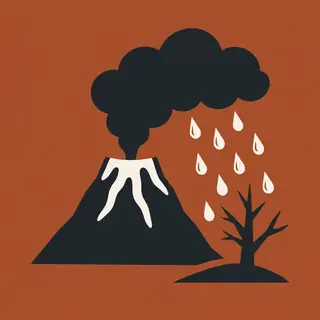
Yes, eruptions reset ecosystems, creating new habitats. Nutrient-rich ash fertilizes surrounding areas, and magma intrusions can form geothermal zones that support unique microbial life. Over centuries, primary succession builds complex forests, and volcanic topography creates varied microclimates, enhancing biodiversity compared to older, more uniform landscapes.
What are the main threats to species in volcanic ecosystems?
Habitat destruction by agriculture and urban development, invasive species that outcompete natives, and overexploitation of resources. Climate change alters precipitation and temperature, stressing species adapted to narrow niches. Geothermal extraction can also disturb thermal-dependent organisms, while volcanic activity itself, despite its ecological benefits, can locally devastate populations.
How can travelers responsibly visit volcanic biodiversity sites?
Stay on marked trails to avoid trampling sensitive plants, refrain from collecting samples, and use eco-friendly sunscreen that doesn't harm aquatic ecosystems. Support local conservation fees and choose operators that follow ethical wildlife watching guidelines. Never approach wildlife sleeping or feeding, and pack out all trash to maintain pristine conditions.