Water Management in Volcanic Landscapes: A Comprehensive Guide
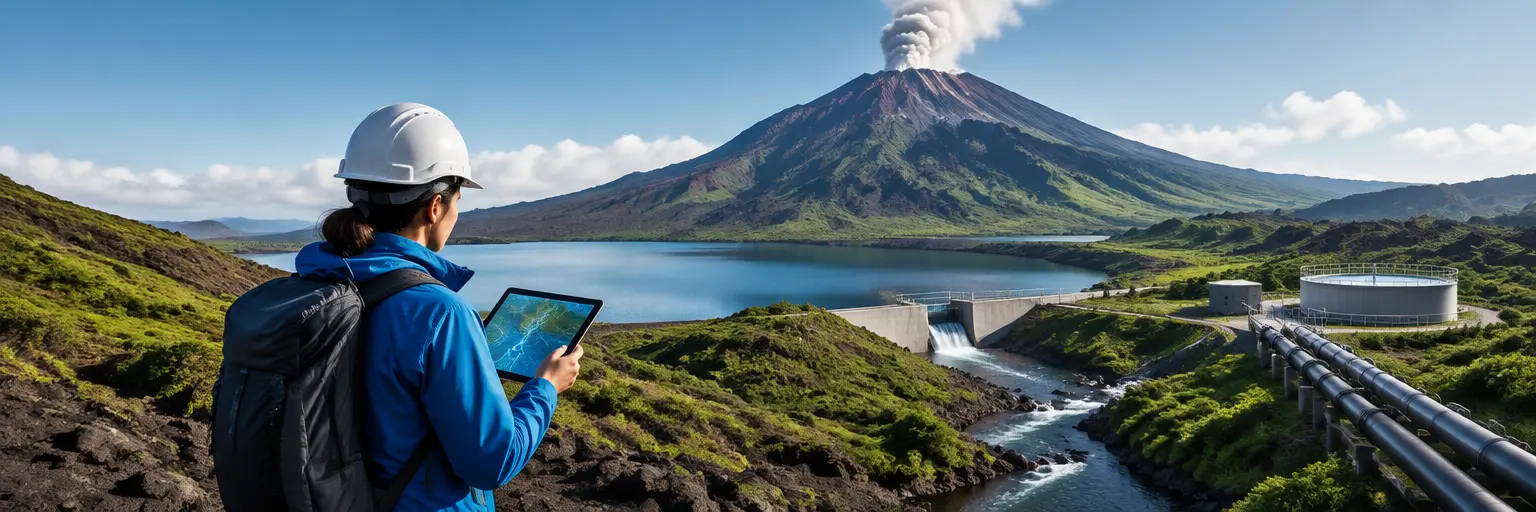
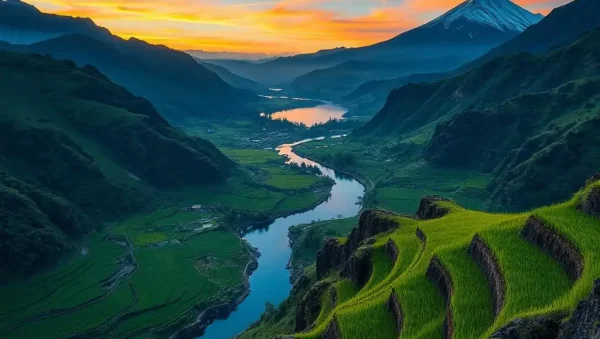
Welcome to Volcano Explorers’ dedicated resource on water management in volcanic landscapes. Living with volcanoes means navigating unique hydrological challenges—from seasonal flash floods and acidic crater lakes to the precious groundwater reserves that sustain communities. This subcategory explores how volcanic terrains store, filter, and release water, and how you can harness these systems safely. Whether you are a resident, planner, or enthusiast, discover practical strategies for sustainable water use amid pyroclastic soils and lava tubes, blending science with real-world resilience. Dive in to learn how to balance life, water, and fire.
🌋 Understanding Volcanic Aquifers and Groundwater Storage
Volcanic landscapes are surprisingly rich in groundwater, thanks to highly porous rocks like basalt and pumice, which act like natural sponges. Fractures, lava tubes, and ash layers create complex storage systems that can hold vast quantities of water. In this section, you will learn how aquifers form beneath volcanoes, why some springs are mineral-rich, and how to map recharge zones. We also explain the role of permeability contrasts—where impermeable layers trap water—and how this knowledge helps drill productive wells. Understanding these geological structures is key to avoiding contamination and ensuring long-term supply.
Practical implications are huge. For instance, coastal volcanic regions often face saltwater intrusion if over-pumped, while high-altitude aquifers may feed rivers year-round. Our guide covers techniques like pumping tests and isotope tracing that volcanologists and hydrologists use to assess sustainable yields. You’ll also discover why some volcanic springs are hot or carbonated, indicating deep circulation. By the end, you can evaluate your own local water security and advocate for smarter extraction policies that respect natural recharge rates and protect this hidden treasure beneath your feet.
💧 Managing Flash Floods and Lahars: Risk Reduction
Volcanic regions are prone to lahars—fast-moving mudflows triggered by heavy rain on loose ash—and sudden flash floods from glacial or crater lake breaches. This section delivers actionable advice on early warning systems, including rain gauges and acoustic flow monitors, plus how to design sedimentation basins and diversion channels to protect communities. You’ll learn about hazard mapping that identifies high-risk drainage lines and why building on old lahar terraces is dangerous. We emphasize the importance of community drills and clear evacuation routes, drawing from real cases like Mount Pinatubo’s disaster to show what works.
Beyond infrastructure, we explore nature-based solutions such as reforesting slopes to stabilize soils and creating retention wetlands to absorb peak flows. Integrating these measures with local urban planning reduces damage to water intake structures and sewage systems. Our step-by-step guide helps you assess vulnerability, design check dams, and coordinate with emergency services. Whether you live near a dormant or active volcano, understanding lahar triggers—such as sudden snowmelt or intense convection storms—empowers you to act before waters rise, keeping families and vital water supplies safe from catastrophic surges.
🏞️ Water Quality Challenges and Treatment Solutions
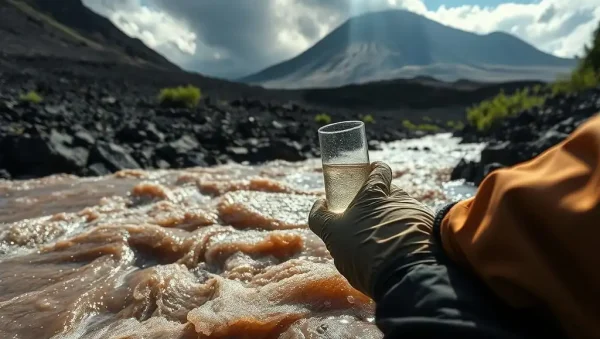
Volcanic water sources often contain naturally elevated levels of metals like arsenic, fluoride, and iron, plus acidic pH from volcanic gases. This section explains how to test your water for these contaminants and interpret results against safety standards. You’ll learn why spring water from young volcanic rocks may be superb but also why stagnant crater lakes can become toxic. We provide practical treatment options—such as reverse osmosis, activated alumina, or lime neutralization—tailored to specific chemistries. For rural areas, simple filtration using volcanic sand or biochar can be effective and low-cost.
Moreover, we address microbiological risks from animal waste or septic systems in porous soils, which can quickly contaminate shallow wells. Our guidance includes protected wellhead designs, proper borehole sealing, and regular disinfection protocols. We also discuss monitoring programs that track changes after eruptions, as ash fall can spike metal levels temporarily. By learning to identify warning signs—cloudy water, odd taste, or sulfur odor—you can implement timely remediation. This knowledge ensures your household or farm maintains safe drinking water, even in dynamic volcanic environments, without relying solely on expensive bottled imports.
🌾 Agriculture and Irrigation on Volcanic Soils
Volcanic soils, such as Andisols, are incredibly fertile due to their high organic matter and mineral content, but they also drain rapidly, creating irrigation challenges. Here, we explore efficient drip and micro-sprinkler systems that deliver water directly to roots, reducing wastage. You’ll learn about soil moisture sensors and how to schedule irrigation based on evapotranspiration data, common in coffee and vineyard regions. Additionally, we cover rainwater harvesting from rooftops and terraced catchments, which many farmers use to offset dry seasons. Our tips help you balance optimal crop yield with water conservation, crucial in areas with seasonal rainfall.
We also tackle soil erosion and waterlogging issues. Loose ash slopes can erode quickly when over-irrigated, so we recommend contour planting and cover crops to maintain structure. For lowlands where clay layers cause waterlogging after rains, drainage tiles and raised beds prevent root rot. Case studies from Indonesia and Costa Rica show how integrating agroforestry with water storage tanks improves resilience. By combining traditional knowledge with modern sensor tech, you can transform volatile volcanic terrain into productive farmland that thrives—not just survives—while preserving water resources for future generations.
💦 Sustainable Community Water Systems
Building reliable water systems in volcanic villages requires community-based management and adaptive infrastructure. This section outlines how to design gravity-fed pipelines from mountain springs, install storage tanks sized for peak demand, and create payment schemes for maintenance. You’ll learn about integrated water resource management that coordinates upstream land use with downstream needs, ensuring equitable access. We highlight successful projects, like community rainwater cisterns in Kenya’s volcanic highlands, and how they reduce conflict during droughts. Practical tips include forming water committees and using digital monitoring for leak detection.
Moreover, we address resilience to volcanic hazards—such as installing flexible pipe couplings to withstand earthquakes and covering tanks to prevent ash contamination. Mitigation strategies include multiple intake points so one blocked spring doesn’t cripple supply. We also discuss wastewater treatment using constructed wetlands planted with native species, which naturally filter pollutants from volcanic runoff. By fostering transparent governance and local ownership, these systems become self-sustaining. This guide empowers you to collaborate with NGOs and authorities to secure funding, train technicians, and implement disaster-ready water infrastructure that serves generations, turning living with volcanoes from a risk into a thriving way of life.
Frequently Asked Questions
Why is water quality different in volcanic regions?
Volcanic rocks dissolve easily, releasing minerals like fluorides, sulfates, and heavy metals into water. Gases such as CO2 and H2S can also acidify sources. This makes water naturally variable, but testing and simple treatments can ensure safety for drinking and irrigation.
Can I drill a well on volcanic soil?
Yes, but success depends on locating porous layers like basalt or scoria. You should hire a hydrogeologist to conduct resistivity surveys or use geological maps. Proper drilling depth and casing prevent collapse and contamination, yielding sustainable flow rates.
What are the first signs of a lahar approaching?
Listen for a loud rumbling sound, feel ground vibrations, and watch for a sudden rise in stream flow or muddy debris. If you notice these signs, move immediately to high ground away from valleys. Community sirens and rain alerts also provide early warnings.
How can I make rainwater safe to drink?
Use a first-flush diverter to discard initial dirty water, then filter through a ceramic or ultrafiltration unit. Boiling for one minute kills pathogens. For extra safety, UV treatment or chlorination works well. Store in sealed, dark tanks to prevent algae growth.
Is it safe to irrigate crops with water from volcanic springs?
Generally yes, but test for salinity and boron, which can harm sensitive plants. If levels are high, blend with rainwater or use drip irrigation to avoid leaf contact. For acidic springs, add lime to neutralize before watering acid-sensitive crops like beans or lettuce.