
Navigating Nature's Fury: Emergency Water Strategies During Volcanic Crises

Welcome!
Ever wondered how communities near volcanoes secure essential water supplies during times of crisis? VolcanoExplorers.org invites you to uncover the vital strategies behind maintaining an Emergency Water Supply Volcanoes present, particularly when the very ground beneath trembles. But what happens when ash clouds contaminate everything? Dive in to discover the ingenious solutions and crucial information that could one day save lives.
- Understanding Water Scarcity During Volcanic Events
- Emergency Water Supply: Essential Preparation Steps
- Water Purification Techniques for Volcanic Crisis Situations
- Protecting Existing Water Sources from Volcanic Contamination
- Long-Term Water Solutions Following a Volcanic Eruption
- Specific Water Challenges in Different Volcanic Environments
- Staying Informed: Monitoring Volcanic Activity and Water Quality
- Case Studies: Successful Water Management Strategies During Past Volcanic Crises
- Conclusion: Resilience Through Preparedness - Securing Your Water Supply During Volcanic Crises
-
Frequently Asked Questions
- What makes an emergency water supply crucial during a volcanic eruption?
- How much emergency water should I store for a volcanic crisis?
- What are the best methods for storing emergency water during a volcanic crisis?
- Besides stored water, what other options exist for obtaining water safely during a volcanic eruption?
- How does volcanic ash affect water sources, and what precautions should I take?
- Final Reflection: Resilience in the Face of Volcanic Threat
- Equip Yourself: Take Control in Volcanic Emergencies!
Understanding Water Scarcity During Volcanic Events
The Impact of Volcanic Eruptions on Water Sources
Volcanic eruptions pose a significant threat to water sources in affected regions, disrupting both the quantity and quality of available water. Ashfall, a common consequence of explosive eruptions, can contaminate surface water supplies like rivers, lakes, and reservoirs. The sheer volume of ash can overwhelm water treatment facilities, clog infrastructure, and render water undrinkable due to increased turbidity and the introduction of harmful chemicals.
For instance, during the 1991 eruption of Mount Pinatubo in the Philippines, ashfall contaminated water supplies across a wide area, leading to water shortages and increased reliance on emergency water distribution. Furthermore, pyroclastic flows and lahars, fast-moving mixtures of hot gas, volcanic debris, and water, can directly destroy water infrastructure, including pipelines, wells, and storage facilities, leaving communities completely cut off from their usual water supply.
Beyond direct contamination and destruction, volcanic eruptions can indirectly impact water sources through atmospheric changes. Volcanic gases, such as sulfur dioxide, can react with atmospheric moisture to produce acid rain. This acid rain can acidify lakes and rivers, harming aquatic life and making the water corrosive to pipes and infrastructure.
The long-term effects of acid rain can persist for years after an eruption, continuing to degrade water quality and ecosystems. Moreover, changes in precipitation patterns following large eruptions can lead to droughts or floods, further complicating water management in already stressed environments. The eruption of Laki in Iceland in 1783, for example, led to widespread acid rain and climatic cooling, causing significant disruptions to water sources and agriculture across Europe.
Assessing Your Water Needs Before a Volcanic Crisis
Prior to a volcanic eruption, a thorough assessment of your household's water needs is crucial for effective emergency preparedness. This involves calculating the amount of water required for drinking, cooking, hygiene, and sanitation for each member of your household, including pets, over an extended period. A generally recommended guideline for emergency preparedness is to store at least one gallon of water per person per day for a minimum of three days, but ideally for two weeks.
For a family of four, this translates to a minimum of 12 gallons for three days and 56 gallons for two weeks. This is a baseline, and actual needs may vary based on individual factors such as age, health conditions, activity level, and the climate of your region. Hotter climates, for instance, necessitate higher water intake.
Beyond basic survival needs, consider water requirements for sanitation and hygiene, which are critical in preventing the spread of disease during emergencies. While drinking water is paramount, having additional water for handwashing, flushing toilets (if possible), and basic cleaning can significantly improve hygiene and overall health outcomes during and after a volcanic crisis.
Consider also any specific water needs within your household, such as for infants (formula preparation), elderly individuals, or those with medical conditions requiring regular hydration or water for medical devices. Accurately estimating these needs and factoring them into your emergency water plan is a vital step in ensuring your family's well-being during a volcanic event and highlights the importance of a robust emergency water supply strategy.
Emergency Water Supply: Essential Preparation Steps
Stockpiling Water for Volcanic Emergencies: Quantity and Storage
Stockpiling water is the cornerstone of any emergency water supply plan for volcanic crises. The recommended quantity is at least one gallon per person per day for a minimum of three days, but aiming for a two-week supply is significantly more prudent given the potential for prolonged disruptions following a volcanic eruption. For storage, use food-grade water containers such as BPA-free plastic bottles or drums.
Avoid using containers that previously held milk or juice, as these can be difficult to clean thoroughly and may harbor bacteria. For longer-term storage, consider using water barrels or tanks specifically designed for potable water storage. These often come in sizes ranging from 5 to 55 gallons and can be more efficient for storing larger quantities.
Proper storage conditions are essential to maintain water quality over time. Store water containers in a cool, dark, and dry place away from direct sunlight and heat, which can degrade plastic and promote bacterial growth. Ideally, store water in a location with a consistent temperature, such as a basement or cool pantry. Elevate containers off the floor to improve air circulation and prevent moisture buildup underneath.
Label each container clearly with the date of filling and the intended use (drinking, sanitation). Replace stored water every six months to a year to ensure freshness, although properly stored water can remain potable for much longer. Rotating your water supply by using the older water first and refilling containers regularly is a good practice to maintain a continuous supply of fresh emergency water.
Alternative Water Sources in Volcanic Regions: Identifying and Securing
Beyond stockpiled water, identifying and securing alternative water sources is crucial, especially in volcanic regions where primary water supplies may become contaminated or inaccessible. Natural springs, if known and reliably safe, can provide a continuous source of fresh water. However, springs can also be affected by volcanic activity and should be assessed for safety after an eruption.
Wells, both private and community, are another potential source, but they are vulnerable to ashfall contamination and damage from lahars or pyroclastic flows. If relying on a well, ensure it is properly sealed and protected from surface runoff. Rainwater harvesting, while not immediately available during an eruption, can become a valuable long-term solution and a supplementary emergency source if collection systems are in place beforehand.
In emergency situations, even seemingly unconventional sources can become vital. Water heaters can hold a significant amount of potable water; however, ensure the water is drained from the bottom to avoid sediment and that the heater has not been contaminated by backflow. Toilet tanks (not the bowl) contain relatively clean water that can be used for sanitation if necessary, but this should be considered a last resort for drinking and only after purification.
Natural bodies of water like lakes and rivers might seem accessible, but in volcanic areas, they are highly susceptible to contamination from ash, volcanic debris, and acid rain. Water from these sources must always be rigorously purified before consumption. Knowing the location of these potential alternative sources and having a plan to access and purify water from them can be life-saving during a volcanic crisis.
Building an Emergency Water Kit: A Comprehensive Checklist
Creating a dedicated emergency water kit enhances preparedness and ensures you have the necessary tools for water procurement and purification during a volcanic crisis. This kit should be separate from your general emergency kit and focused specifically on water-related needs. Essential items include water purification tablets or liquid bleach (unscented, 5-6% sodium hypochlorite) for disinfecting water.
A portable water filter, capable of removing sediment, bacteria, and protozoa, is highly recommended. Consider filters designed to remove volcanic ash, which can be very fine and difficult to filter with basic cloth. Include containers for collecting water, such as collapsible water jugs or sturdy plastic bags.
A first-aid kit with items to treat dehydration and waterborne illnesses is also crucial. Include electrolyte packets to replenish lost minerals due to dehydration. Water testing strips to check for pH levels and potential contaminants can be beneficial, although professional testing is always preferable when possible. Duct tape and plastic sheeting can be useful for improvising rain catchments or protecting water sources from contamination.
A detailed water purification guide or instructions, printed and waterproofed, should be included for reference in situations where internet access may be unavailable. Regularly check and replenish your emergency water kit, ensuring purification supplies are not expired and equipment is in good working order. This dedicated kit will provide you with the essential tools to manage your emergency water supply effectively.
Water Purification Techniques for Volcanic Crisis Situations
Boiling Water: A Simple and Effective Method
Boiling water is one of the most reliable and straightforward methods for purifying water, particularly effective against bacteria, viruses, and protozoa that may contaminate water sources after a volcanic eruption. Bring water to a rolling boil for at least one minute. At higher altitudes above 6,500 feet (approximately 2,000 meters), boil for three minutes, as water boils at a lower temperature at higher elevations, requiring a longer boiling time to ensure proper disinfection. Allow the boiled water to cool completely before drinking. Boiling effectively kills most harmful microorganisms, making water safe for consumption.
While boiling is effective for disinfection, it does not remove physical contaminants like volcanic ash, sediment, or chemicals. If the water is visibly cloudy or contains debris, pre-filtration is recommended before boiling. Pour the water through a clean cloth, coffee filter, or paper towel to remove larger particles. Boiling water requires a heat source and fuel, which may be limited in emergency situations.
Consider fuel-efficient stoves or portable camping stoves for boiling water if other purification methods are not feasible. Boiled water can taste flat due to the removal of dissolved air; aerating the water by pouring it back and forth between clean containers can improve its taste. Despite these minor drawbacks, boiling remains a highly accessible and effective method for ensuring safe drinking water during a volcanic crisis, especially when fuel is available.
Chemical Disinfection: Using Bleach or Water Purification Tablets Safely
Chemical disinfection using household bleach or water purification tablets offers a convenient alternative when boiling water is not feasible. Unscented household bleach (5-6% sodium hypochlorite) can effectively disinfect water. Use only regular household bleach, not scented or color-safe varieties. Add 2 drops of bleach per quart (approximately 1 liter) of clear water, or 8 drops per gallon (approximately 4 liters).
If the water is cloudy, double the amount of bleach and pre-filter if possible. Stir well and let it stand for at least 30 minutes before drinking. A slight chlorine odor should be detectable; if not, repeat the dosage and wait another 15 minutes.
Water purification tablets, typically containing chlorine dioxide or iodine, are another effective chemical disinfection method. Follow the manufacturer's instructions carefully, as dosage and waiting times vary. Generally, one tablet is sufficient to treat one quart or liter of water. Like bleach, purification tablets are effective against bacteria and viruses but may be less effective against certain protozoa like Cryptosporidium. Chemical disinfection does not remove physical contaminants or improve taste.
Pre-filtering cloudy water is recommended. Be mindful of the shelf life of bleach and purification tablets, and store them properly according to manufacturer instructions. For individuals with iodine allergies or thyroid conditions, chlorine-based tablets or bleach are preferable to iodine tablets. Chemical disinfection provides a portable and readily available method for water purification, especially useful in situations where fuel for boiling is scarce.
Filtration Methods: Removing Volcanic Ash and Debris
Filtration is crucial for removing physical contaminants like volcanic ash, sediment, and debris from water, which are common after volcanic eruptions. Simple filtration methods can significantly improve water clarity and palatability, even if disinfection is still necessary afterward. A basic gravity filter can be constructed using readily available materials. Layer a clean container with cloth (like t-shirts or towels), coffee filters, or paper towels. Pour water slowly through these layers, allowing gravity to pull the water through and trap sediment. Repeat the filtration process multiple times using fresh filter layers for heavily contaminated water.
For more effective filtration, commercially available portable water filters are highly recommended. These filters often utilize ceramic or membrane filters with pore sizes capable of removing bacteria and protozoa in addition to sediment. Some filters are specifically designed to handle turbid water and remove fine particles like volcanic ash. Consider filters with multiple stages, including a pre-filter for sediment removal and a finer filter for microbial removal.
Pump-style filters force water through the filter media, allowing for faster filtration compared to gravity filters. Backwashing or cleaning the filter regularly, as per manufacturer instructions, is essential to maintain filter efficiency and prevent clogging, especially when filtering ash-laden water. Filtration, especially when combined with disinfection, provides a multi-barrier approach to ensuring safe and palatable drinking water during volcanic crises.
Building a DIY Water Filter for Ash Removal
In situations where commercial filters are unavailable, a DIY water filter can be constructed using readily accessible materials to remove volcanic ash and debris. A simple and effective DIY filter can be built using a plastic bottle or container, sand, gravel, charcoal (from a campfire, if available), and cloth. Cut off the bottom of a plastic bottle and invert it.
Layer the bottle from the bottom up (now the top) with a piece of cloth or paper towel to prevent finer materials from escaping, then a layer of fine sand, followed by a layer of coarse sand, then a layer of small gravel, and finally a top layer of charcoal if available. Ensure each layer is clean and rinsed before assembly.
Pour contaminated water slowly through the top of the filter. The layers of filter media will trap sediment and ash particles as the water passes through. The charcoal layer, if included, can help to remove some odors and improve taste. Collect the filtered water in a clean container. The initial filtered water may still be cloudy and require refiltering through fresh filter media.
This DIY filter primarily removes particulate matter and does not disinfect the water. Therefore, water filtered through a DIY filter must still be disinfected by boiling or chemical treatment to ensure it is safe for drinking. Regularly replace the filter media, especially the cloth and sand layers, as they become clogged with ash and sediment. This DIY approach provides a valuable backup filtration method using locally sourced materials during a volcanic emergency.
Protecting Existing Water Sources from Volcanic Contamination
Covering Wells and Water Tanks: Preventing Ash Infiltration
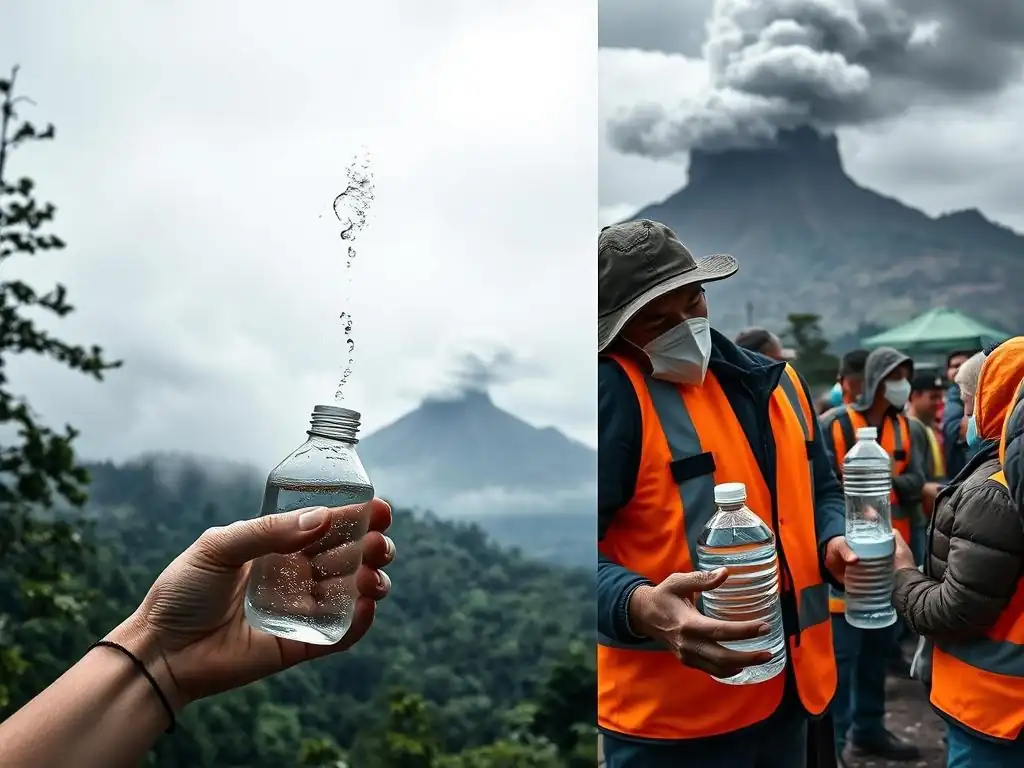
Protecting existing water sources from volcanic ash contamination is a proactive measure that can significantly reduce the impact of a volcanic eruption on water supplies. Wells, both drilled and dug, are vulnerable to ash infiltration, which can contaminate groundwater and damage well pumps. Seal wellheads as tightly as possible using plastic sheeting, tarps, or waterproof covers secured with tape or weights.
For dug wells with open tops, construct a more substantial cover using plywood or rigid material, ensuring it extends beyond the well opening to divert ash and runoff. Seal any gaps or cracks around the well casing or pump housing to prevent ash from entering.
Above-ground water storage tanks, commonly used in rural areas or for rainwater harvesting, are also susceptible to ash contamination. Cover tank openings, vents, and overflow pipes with tightly fitted covers or seal them with tape. If possible, drape the entire tank with a large tarp or plastic sheeting, securing it firmly to prevent ash accumulation on the tank surface and potential infiltration.
Regularly inspect and clean covers during and after ashfall events to remove accumulated ash and prevent collapse due to weight. Taking these preventative steps to cover wells and water tanks can minimize ash contamination, preserve water quality, and reduce the need for extensive post-eruption cleanup and water treatment.
Diverting Runoff: Minimizing Contamination from Volcanic Ash
Diverting runoff is a crucial strategy for minimizing the contamination of water sources by volcanic ash, especially surface water sources and areas surrounding wells or water tanks. Volcanic ash, when mixed with rainwater or snowmelt, can create ash-laden runoff that carries contaminants and can overwhelm drainage systems. Create barriers and diversions to redirect runoff away from critical water sources. Use sandbags, soil berms, or even piles of ash itself to create temporary channels that divert runoff away from wells, water tanks, and surface water intakes.
Clear drainage pathways and ditches around buildings and water infrastructure to ensure runoff is directed away from vulnerable areas and towards designated drainage routes. Prevent runoff from pooling or stagnating near water sources, as this can lead to prolonged contamination and create breeding grounds for insects. For rainwater harvesting systems, temporarily disconnect downspouts during ashfall events to prevent ash from entering storage tanks. Once ashfall subsides, thoroughly clean roofs and gutters before reconnecting the system. By actively diverting runoff, you can significantly reduce the amount of ash-contaminated water that reaches your water sources, minimizing contamination and protecting water quality.
Identifying and Protecting Vulnerable Waterways
Identifying and protecting vulnerable waterways is essential for safeguarding community water supplies during and after volcanic eruptions. Rivers, streams, and canals located downstream from volcanoes are particularly vulnerable to contamination from ash, lahars, and acid rain. Assess the vulnerability of local waterways by considering their proximity to the volcano, the topography of the surrounding terrain, and the potential pathways for volcanic debris flow. Prioritize protection efforts for waterways that serve as primary sources of drinking water or irrigation for communities.
Implement erosion control measures along vulnerable waterways to minimize sediment runoff and bank erosion caused by ashfall and increased water flow. Plant vegetation along riverbanks to stabilize soil and filter runoff. Construct check dams or sediment traps in smaller streams and tributaries to capture ash and debris before they reach larger waterways.
Collaborate with local authorities and water management agencies to implement large-scale waterway protection measures, such as dredging ash-laden sediment from rivers and reservoirs and reinforcing riverbanks. Establish monitoring points along vulnerable waterways to track water quality parameters and detect contamination early. Protecting vulnerable waterways requires a comprehensive and coordinated approach involving community participation, government agencies, and scientific expertise to ensure long-term water security in volcanic regions.
Long-Term Water Solutions Following a Volcanic Eruption
Rainwater Harvesting: Design and Implementation
Rainwater harvesting emerges as a sustainable and resilient long-term water solution in volcanic regions, particularly after eruptions have disrupted conventional water supplies. Designing an effective rainwater harvesting system involves several key considerations, including roof catchment area, storage capacity, filtration, and distribution. Calculate the roof area available for rainwater collection and estimate the average rainfall in your region to determine the potential water yield.
Select appropriate storage tanks made of food-grade materials, ensuring sufficient capacity to meet household or community needs during dry periods. Incorporate a first-flush diverter to discard the initial rainwater runoff, which may contain roof debris and contaminants, before directing cleaner rainwater to the storage tank.
Implement a multi-stage filtration system to remove sediment, leaves, and microorganisms from the collected rainwater. This can include a coarse pre-filter at the downspout, followed by a finer sediment filter and potentially a biological or ceramic filter for microbial purification. For potable water use, consider disinfection methods like UV sterilization or boiling as a final treatment step, especially if water quality is a concern.
Design a distribution system that efficiently delivers harvested rainwater to points of use, whether through gravity-fed systems or pumps. Regularly maintain the rainwater harvesting system, including cleaning gutters, inspecting tanks for leaks, and replacing filter cartridges, to ensure optimal performance and water quality over the long term. Rainwater harvesting provides a decentralized and reliable water source, reducing dependence on potentially vulnerable centralized water systems in volcanic landscapes.
Community Water Storage Systems: Collaborative Approaches
Collaborative approaches to community water storage are essential for building resilience and ensuring water security in volcanic regions, particularly for long-term recovery after eruptions. Community water storage systems can range from centralized tanks serving multiple households to decentralized systems distributed across neighborhoods. Engage community members in the planning and decision-making process to ensure the system meets local needs and preferences. Conduct a thorough assessment of community water needs, available resources, and suitable locations for storage facilities. Consider factors like population density, accessibility, and vulnerability to volcanic hazards when selecting sites for community water storage.
Explore different types of community water storage options, such as large-capacity tanks, underground cisterns, or even constructed wetlands for water storage and treatment. Develop a community water management plan that outlines water allocation, distribution, maintenance responsibilities, and emergency protocols. Establish a community water committee or management group to oversee the operation and maintenance of the water storage system and ensure equitable access.
Seek technical assistance from government agencies, NGOs, or water resource experts in designing and implementing community water storage systems. Promote water conservation practices within the community to maximize the effectiveness of water storage and ensure long-term sustainability. Collaborative community water storage initiatives foster collective responsibility and enhance water security for the entire community in the face of volcanic risks.
Water Resource Management and Restoration Post-Eruption
Post-eruption water resource management and restoration are critical for long-term recovery and rebuilding sustainable water systems in volcanic landscapes. Conduct a comprehensive assessment of the damage to water infrastructure, including wells, pipelines, treatment plants, and reservoirs, to determine the extent of repairs and restoration needed. Prioritize the restoration of essential water services, focusing on providing safe drinking water to affected communities as quickly as possible. Implement temporary water solutions, such as water trucking or mobile water treatment units, to address immediate water needs while long-term restoration efforts are underway.
Develop a long-term water resource management plan that incorporates resilience to future volcanic events and other environmental changes. This plan should address water source protection, infrastructure upgrades, water conservation measures, and community preparedness. Invest in upgrading water treatment facilities to effectively handle volcanic ash and other contaminants. Restore damaged watersheds and ecosystems to improve natural water regulation and filtration.
Promote sustainable land management practices in volcanic regions to minimize erosion and protect water quality. Engage local communities in water resource management and restoration efforts, empowering them to participate in decision-making and take ownership of water resources. Long-term water resource management and restoration require sustained commitment, collaboration, and investment to build resilient and sustainable water systems in volcanic environments.
Specific Water Challenges in Different Volcanic Environments
Water Management in Ashfall-Prone Areas
Water management in ashfall-prone areas presents unique challenges due to the widespread contamination of water sources by volcanic ash. Ashfall can directly contaminate surface water sources, making them turbid and undrinkable. The fine particles of ash can clog water filtration systems and damage water infrastructure. Implement robust pre-filtration measures at water treatment plants and household level to remove ash from water before disinfection. Use sedimentation tanks or settling basins to allow ash particles to settle out of raw water before further treatment. Regularly clean and maintain water filtration systems to prevent clogging and ensure efficient ash removal.
Ashfall can also contaminate rainwater harvesting systems. Design rainwater harvesting systems with first-flush diverters to discard initial runoff containing ash. Clean roofs and gutters regularly after ashfall events to prevent ash accumulation and ensure clean rainwater collection. Educate communities on safe water collection and storage practices in ashfall-prone areas.
Promote the use of covered water storage containers to minimize ash contamination. Develop community-based ash removal and disposal strategies to prevent ash from re-entering water sources through runoff. Water management in ashfall-prone areas requires a multi-faceted approach focusing on source protection, effective filtration, and community preparedness to mitigate the impacts of ash contamination.
Dealing with Acid Rain Contamination of Water Sources
Acid rain, a common consequence of volcanic eruptions releasing sulfur dioxide and other gases, poses significant challenges to water quality in volcanic environments. Acid rain acidifies lakes, rivers, and soils, releasing heavy metals and increasing the corrosivity of water. Monitor the pH levels of water sources regularly after volcanic eruptions to detect acidification. Implement water treatment processes to neutralize acidity and remove heavy metals. Lime or soda ash can be added to water to raise pH levels and neutralize acidity, but this requires careful monitoring and dosage control.
Acid rain can also corrode water pipes and infrastructure, leading to leaks and contamination. Replace corroded pipes with acid-resistant materials. Protect water infrastructure from acid rain exposure by using protective coatings or covers. Acid rain can mobilize heavy metals from soils and rocks, contaminating groundwater sources. Monitor groundwater quality for heavy metal contamination and implement appropriate treatment measures if necessary. Long-term effects of acid rain can persist for years after an eruption, requiring ongoing water quality monitoring and management strategies. Addressing acid rain contamination requires a comprehensive approach involving water quality monitoring, treatment, infrastructure protection, and long-term environmental management.
Water Issues Near Pyroclastic Flows and Lahars
Areas located near pyroclastic flows and lahars face extreme water challenges due to the destructive power of these volcanic hazards. Pyroclastic flows and lahars can completely destroy water infrastructure, including pipelines, wells, and treatment plants, leaving communities without access to water. Relocate critical water infrastructure away from high-risk zones prone to pyroclastic flows and lahars.
Design emergency water supply systems that are resilient to these hazards, such as deep groundwater wells located in safer areas or mobile water treatment units that can be deployed rapidly after an event. Develop early warning systems for pyroclastic flows and lahars to allow for timely evacuation and minimize exposure.
Lahars can bury water sources and contaminate them with volcanic debris and sediment. Protect wellheads and water intakes from lahar inundation by constructing diversion structures or elevating them above potential lahar flow paths. Lahars can also damage river channels and alter drainage patterns, impacting water availability and quality.
Implement riverbank stabilization measures and sediment control structures to mitigate lahar impacts on waterways. Post-eruption recovery efforts must prioritize the restoration of water infrastructure in lahar-affected areas, often requiring significant reconstruction and relocation. Water management in areas prone to pyroclastic flows and lahars requires a focus on hazard mitigation, resilient infrastructure design, early warning systems, and robust emergency response capabilities.
Staying Informed: Monitoring Volcanic Activity and Water Quality
Utilizing Real-Time Volcanic Monitoring Data
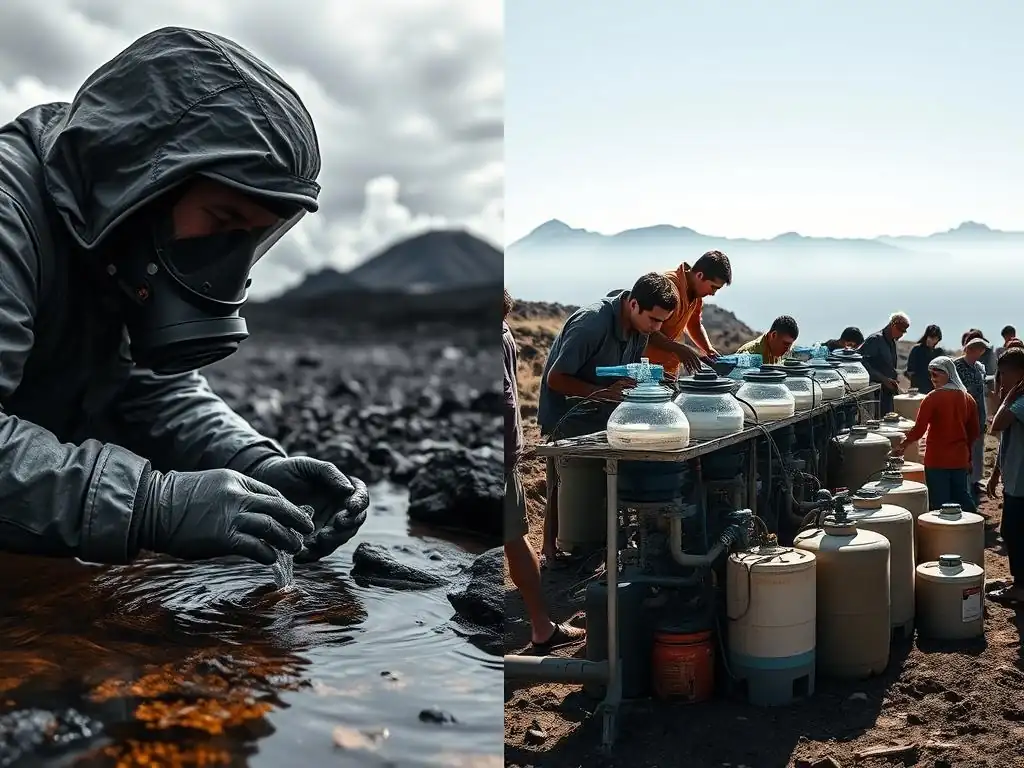
Staying informed about volcanic activity through real-time monitoring data is crucial for proactive water management and emergency preparedness in volcanic regions. Volcano observatories and geological surveys provide real-time data on volcanic activity, including seismic activity, ground deformation, gas emissions, and thermal changes. Access online resources and websites of volcano observatories to monitor the status of nearby volcanoes. Sign up for volcano alert systems and notifications provided by local authorities or volcano observatories. Understand the different alert levels and what they signify in terms of potential volcanic hazards.
Utilize volcanic monitoring data to assess the potential impact on water sources. Increased seismic activity or ground deformation near a volcano may indicate an increased risk of eruption and potential water contamination. Monitor gas emissions data, particularly sulfur dioxide levels, as elevated levels can indicate increased acid rain risk. Integrate volcanic monitoring data with water quality monitoring data to assess potential correlations and anticipate water quality changes. Use volcanic monitoring information to inform emergency water preparedness plans and evacuation strategies. Real-time volcanic monitoring data provides valuable insights for proactive water management and timely response to volcanic crises.
Understanding Water Quality Reports After an Eruption
Understanding water quality reports after a volcanic eruption is essential for assessing the safety of water sources and guiding appropriate water treatment and management strategies. Water quality reports typically include measurements of various parameters, such as turbidity, pH, dissolved solids, heavy metals, and microbial contaminants. Turbidity indicates the cloudiness of water, often increased by volcanic ash. High turbidity can hinder disinfection and make water unpalatable. pH levels indicate acidity or alkalinity, with low pH indicating acid rain contamination. Elevated levels of dissolved solids, heavy metals (like arsenic, fluoride, and mercury), and microbial contaminants can pose health risks.
Review water quality reports carefully to identify specific contaminants and their concentrations. Compare water quality parameters to established drinking water standards and guidelines to determine if water sources are safe for consumption. Understand the limitations of water quality reports, as they may represent a snapshot in time and water quality can change rapidly after an eruption.
Communicate water quality information clearly to the public, explaining the potential health risks and recommended actions. Use water quality data to guide water treatment decisions, informing the selection of appropriate purification methods. Regular water quality monitoring and clear communication of results are vital for protecting public health and managing water resources effectively after a volcanic eruption.
Community Communication and Early Warning Systems for Water Safety
Effective community communication and early warning systems are paramount for ensuring water safety during volcanic crises. Establish clear communication channels between volcano observatories, emergency management agencies, water utilities, and the public. Disseminate timely and accurate information about volcanic activity, potential water hazards, and recommended safety measures through multiple channels, including radio, television, internet, social media, and community meetings. Develop and implement early warning systems for water contamination events, such as ashfall alerts or acid rain warnings. These systems should provide sufficient lead time for communities to take protective actions, such as covering water sources or activating emergency water supplies.
Educate communities about volcanic hazards and their potential impacts on water sources. Conduct public awareness campaigns on safe water practices during volcanic crises, including water storage, purification methods, and sanitation. Establish community-based water monitoring networks to supplement official monitoring efforts and provide localized water quality information. Train community members on basic water testing and reporting procedures. Foster community participation in water safety planning and emergency preparedness exercises. Effective community communication and early warning systems empower communities to take proactive measures to protect their water supply and health during volcanic emergencies, enhancing overall resilience.
Case Studies: Successful Water Management Strategies During Past Volcanic Crises
Water Management During the 1980 Mount St. Helens Eruption
The 1980 eruption of Mount St. Helens in Washington State, USA, presented significant water management challenges due to widespread ashfall and lahars. Immediately following the eruption, emergency water supplies were mobilized, including water trucking and bottled water distribution to affected communities. Water utilities implemented enhanced filtration and treatment processes to remove volcanic ash from surface water sources. Sedimentation basins were used to pre-treat water before conventional filtration, reducing the load on water treatment plants. Public health advisories were issued regarding water safety and recommended purification methods, such as boiling and chemical disinfection.
Long-term water management strategies included dredging ash-laden sediment from rivers and reservoirs to restore water storage capacity and improve water quality. Reforestation efforts were undertaken in the volcanic blast zone to stabilize soils and reduce erosion, improving long-term watershed health. Water monitoring programs were established to track water quality recovery and detect potential long-term impacts from the eruption. The Mount St. Helens eruption highlighted the importance of rapid emergency response, enhanced water treatment capabilities, and long-term watershed restoration for effective water management during volcanic crises. The experience gained from this eruption informed subsequent volcanic water management strategies globally.
Water Solutions Implemented After the 1991 Mount Pinatubo Eruption
The 1991 eruption of Mount Pinatubo in the Philippines caused widespread ashfall and lahars, severely impacting water supplies across a large region. Emergency water distribution was critical in the immediate aftermath, with international aid agencies providing bottled water and water purification equipment. Communities relied heavily on alternative water sources, such as deep wells and springs, which were less affected by ashfall than surface water sources. Rainwater harvesting became increasingly important as a long-term water solution in ashfall-affected areas. Organizations promoted the construction of rainwater harvesting systems and provided training on rainwater collection and storage techniques.
Lahar flows significantly damaged water infrastructure, requiring extensive reconstruction and relocation efforts. Water pipelines and irrigation canals were rebuilt, often in safer locations away from lahar pathways. Community-based water management initiatives were strengthened, empowering local communities to manage their water resources and implement water conservation practices. The Mount Pinatubo eruption underscored the importance of diversified water sources, resilient infrastructure planning, community participation, and long-term adaptation strategies for water management in volcanic environments. The recovery efforts demonstrated the resilience of communities and the effectiveness of integrated water management approaches in the face of a major volcanic disaster.
Conclusion: Resilience Through Preparedness - Securing Your Water Supply During Volcanic Crises
Securing your water supply during volcanic crises is not merely about reacting to disaster; it's about proactive preparedness that builds resilience and safeguards lives and livelihoods. Understanding the multifaceted threats volcanoes pose to water sources—from ash contamination and acid rain to infrastructure destruction by lahars—is the first step towards effective mitigation. By meticulously assessing your water needs, stockpiling emergency reserves, and identifying alternative water sources, you establish a foundation of self-reliance. Mastering water purification techniques, from simple boiling to constructing DIY filters, equips you with the practical skills to ensure access to safe drinking water regardless of the circumstances.
Protecting existing water sources through preventative measures like covering wells and diverting runoff minimizes contamination and preserves precious resources. Long-term solutions, such as rainwater harvesting and community water storage systems, foster sustainable water security and reduce vulnerability to future volcanic events. Staying informed through real-time volcanic monitoring data and understanding water quality reports empowers you to make informed decisions and adapt your strategies as needed.
Learning from past volcanic crises, as exemplified by the Mount St. Helens and Mount Pinatubo case studies, provides valuable lessons in effective water management and community resilience. Ultimately, navigating nature's fury and securing your water supply during volcanic crises hinges on a commitment to preparedness, knowledge, and community collaboration, transforming potential vulnerability into enduring resilience.
Frequently Asked Questions
What makes an emergency water supply crucial during a volcanic eruption?
A volcanic eruption can disrupt water sources through ashfall, lahars, and contamination, making access to clean drinking water extremely limited and dangerous. Having a reliable supply ensures survival during the immediate aftermath.
How much emergency water should I store for a volcanic crisis?
Experts recommend storing at least one gallon of water per person per day for a minimum of three days. Consider storing more if you have specific needs or anticipate extended disruptions due to the volcanic event.
What are the best methods for storing emergency water during a volcanic crisis?
Use food-grade containers to prevent contamination. Store them in a cool, dark place to prolong shelf life. Rotate your water supply every six months to ensure freshness.
Besides stored water, what other options exist for obtaining water safely during a volcanic eruption?
If your stored water runs out, you can try collecting rainwater (after the initial ashfall subsides). You can also purify water from other sources using boiling, filtration, or chemical treatments, ensuring it's safe to drink.
How does volcanic ash affect water sources, and what precautions should I take?
Volcanic ash can contaminate water sources with harmful chemicals and debris. Avoid drinking water from potentially contaminated sources until it has been properly filtered and purified. Use a pre-filter to remove larger particles before further treatment.
Final Reflection: Resilience in the Face of Volcanic Threat
The preceding discussion on emergency water strategies during volcanic crises highlights a critical truth: preparedness is paramount in the face of nature's unpredictable power. While we can never fully control volcanic activity, understanding and implementing effective water management plans can significantly mitigate the devastating consequences for affected communities. The strategies outlined are not merely theoretical exercises; they are lifelines waiting to be activated.
This topic resonates deeply because it underscores the fragility of human life against the backdrop of immense geological forces. Witnessing the resilience of communities who have faced such challenges firsthand is profoundly inspiring, and it reinforces the importance of proactive planning. The best preparation for tomorrow is doing your best today.
- H. Jackson Brown, Jr. This quote encapsulates the spirit of this article: taking action now to secure a safer future.
As you reflect on the information presented, consider how you can contribute to enhancing emergency preparedness in your own community, whether it's through supporting local initiatives, advocating for better infrastructure, or simply educating yourself and others. The threat of volcanic activity may seem distant, but the principles of resourcefulness and preparedness are universally applicable. Let us all strive to be beacons of resilience, ready to face whatever challenges the future may hold.
Equip Yourself: Take Control in Volcanic Emergencies!
Thank you for exploring critical strategies for securing water during volcanic events. You've gained valuable insights into preparing for one of nature's most challenging scenarios. Let's put this knowledge into action:
- Immediately assemble an emergency water kit: Include purification tablets, water storage containers, and a portable filter. Make this a top priority today.
- Share this article with friends and family who live in or travel to volcanic regions. Increased awareness can save lives.
- Research your local emergency resources and evacuation plans. Understanding your community's protocols is crucial for preparedness.
What steps will you take today to improve your water preparedness for a potential volcanic crisis? Share your plans in the comments below!