Volcanic Agriculture: Fertile Futures from AshRich Soil
Discover how volcanic soil for agriculture creates surprisingly fertile lands. VolcanoExplorers.org reveals the science behind this unique resource, showcasing nature's power to…
Read article
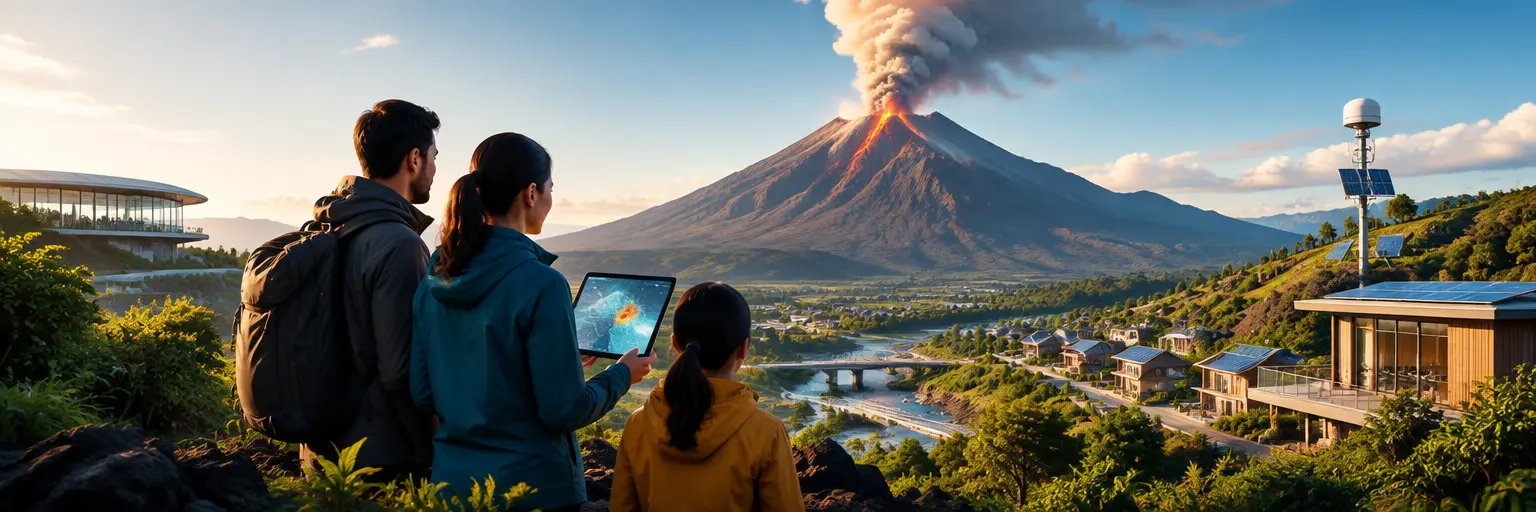
Discover how humanity is forging a resilient future alongside Earth’s most powerful forces with cutting-edge innovation and adaptive strategies. From smart monitoring systems that predict eruptions with unprecedented accuracy to volcanic-geothermal energy powering sustainable cities, the next era of coexistence turns danger into opportunity. Advanced sensors, AI-driven hazard mapping, and community-driven early warning networks are transforming how we live, build, and thrive on volcanic slopes. Explore eco-friendly architecture designed to withstand ashfall, adaptive agriculture that enriches soil from volcanic minerals, and tourism experiences that safely bring you closer to the action. Innovation isn’t just about survival—it’s about flourishing in harmony with nature’s most dramatic landscapes, proving that respect, preparation, and creativity can turn living with volcanoes into a model of sustainable adaptation for the entire planet.
Discover how volcanic soil for agriculture creates surprisingly fertile lands. VolcanoExplorers.org reveals the science behind this unique resource, showcasing nature's power to…
Read article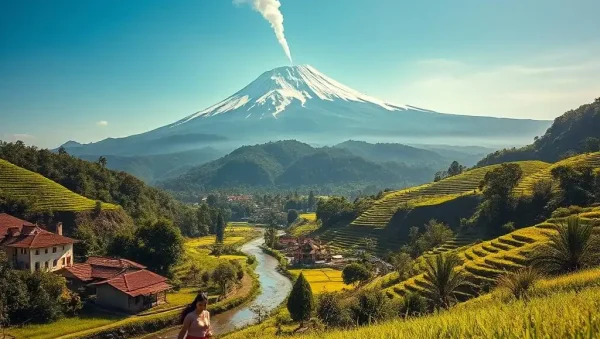
VolcanoExplorers.org reveals the deadly consequences of complacency near active volcanoes. Ignoring subtle warning signs can lead to catastrophic results. Learn about volcano…
Read article
VolcanoExplorers.org explores the science and impact of volcanic eruptions. Discover how communities rebuild and thrive after devastating events, focusing on community recovery…
Read article
VolcanoExplorers.org reveals the terrifying reality of cities at risk from volcanic eruption. Learn about volcanic threats, safety measures, and the science behind…
Read article
Witness volcanic eruptions safely with cutting-edge drone technology. VolcanoExplorers.org offers expert volcano tourism drone safety tips and breathtaking aerial views of these…
Read articleVolcanoes are not just forces of destruction; they are also engines of creation and resilience. As communities worldwide learn to coexist with these fiery giants, the future hinges on innovative technology, community foresight, and adaptive design. This subcategory explores how cutting-edge science, sustainable engineering, and cultural wisdom are converging to transform volcanic risk into an opportunity for sustainable living, ensuring that humans and volcanoes can share the planet safely.
Modern volcanology is shifting from reactive alerts to proactive prediction, thanks to smart monitoring networks. Sensors embedded in the ground now feed real-time data on seismic activity, gas emissions, and ground deformation into advanced AI algorithms. These systems learn from past eruptions, identifying patterns that human analysts might miss, and can issue warnings weeks—or even months—before an event. This shift dramatically reduces false alarms, builds public trust, and allows for orderly evacuations and minimal economic disruption.
For residents, this means a future where danger is not a surprise but a managed risk. Predictive AI is being paired with mobile apps that deliver localized alerts and GPS-based evacuation routes. Communities can rehearse drills using virtual reality simulations based on AI forecasts. The goal is to create a “safety net” of information, empowering not just scientists but every household with the knowledge to act quickly and confidently. This proactive approach is the cornerstone of modern volcanic adaptation.
Building for volcanic zones requires rethinking every material and structural principle. Lava-resistant barriers, ash-proof ventilation systems, and roofs angled to shed heavy tephra are becoming standard in high-risk areas. Innovations include using basalt fiber rebar—derived from volcanic rock itself—which offers superior heat resistance and strength. Architects are also designing homes with underground shelters that can withstand pyroclastic flows, while public buildings double as community safe havens with independent power and water filtration.
Beyond single structures, urban planners are reimagining entire layouts. Critical infrastructure like hospitals, power plants, and data centers are being located on the leeward side of anticipated blast paths. Green belts and flood channels are integrated with lahar deflection systems, guiding debris flows away from populated areas. This holistic approach ensures that even in the worst-case scenario, essential services remain operational, and recovery is faster, less costly, and more sustainable for decades to come.
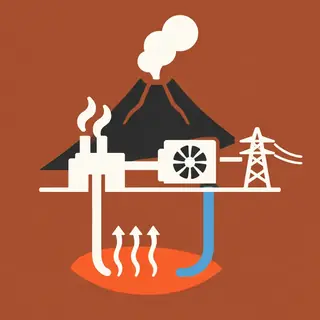
Volcanic regions are untapped goldmines for clean, renewable energy. Geothermal power plants harness the Earth’s internal heat, converting steam from volcanic aquifers into electricity around the clock. Countries like Iceland already source nearly all their power this way. For developing volcanic nations, this offers energy independence, fosters high-tech jobs, and reduces reliance on fossil fuels. The economic ripple effect is enormous, turning a natural hazard into a local source of prosperity and innovation.
Communities are diversifying livelihoods beyond mere survival, creating volcano-based ecotourism, spa resorts using mineral hot springs, and agricultural cooperatives that thrive on nutrient-rich volcanic soil. Crop cycles are being aligned with ash-fall events, using predictive models to time planting and harvesting. Insurance products are being redesigned as “parametric” policies that pay out automatically when certain volcano metrics are hit, providing quick capital. This economic pivot ensures that even after an eruption, the community’s financial foundation remains stable.
Technology is useless without human engagement. Community-based monitoring networks empower local residents to act as the first line of detection, using low-cost instruments and mobile reporting tools. Educational programs, run in schools and community centers, teach children and adults to recognize unusual signs like gas smells or water level changes. These grassroots efforts create a culture of vigilance, where every citizen understands their role and knows the evacuation protocols by heart.
Social cohesion is the invisible infrastructure. Neighborhoods are organized into small “response pods” that prearrange meeting points, shared transport, and mutual aid check-ins. Sirens are tested monthly, and mobile alerts are combined with analog fallbacks like church bells or radio broadcasts to ensure no one is left behind. This blend of high-tech and heart-focused preparedness builds deep resilience, ensuring that when the ground shakes, the community moves as one, with calm and confidence.
Living with a volcano is not just a physical challenge; it’s a psychological and cultural one. Adaptation strategies now include mental health support and the preservation of intangible heritage. Programs offer counseling for anxiety and trauma, especially for children who may fear every tremor. At the same time, indigenous knowledge—such as oral histories of past eruptions and taboo zones—is being integrated into modern hazard maps. This fusion of science and tradition is vital for maintaining communal identity and trust.
Museums, story-telling evenings, and annual festivals dedicated to the volcano’s power help normalize the risk and celebrate resilience. By framing the volcano not as an enemy but as a sacred, life-giving force, communities transform fear into respect. This mindset shift is crucial for long-term adaptation. People are more likely to follow evacuation orders when they feel connected to their land and believe their heritage is worth protecting, creating a robust psychological buffer against despair and disorientation after a disaster.
Distributed acoustic sensing (DAS) using fiber-optic cables is a game-changer. These cables can sense minute vibrations over kilometers, providing dense, real-time data on magma movement. Combined with AI, DAS allows for high-resolution imaging of underground activity, promising earlier detection of eruption precursors than traditional seismometers.
No structure can survive a direct hit from a fast-moving lava flow, but strategic engineering can deflect or divert it. In Iceland, massive earthen barriers have successfully redirected flows away from towns. For homes, using fire-resistant materials like concrete and metal, and placing them on elevated ground, significantly improves survival chances.
Drilling into volcanic aquifers can relieve underground pressure, lowering the chance of a large explosive eruption. By tapping this energy source, we get clean power while potentially regulating the volcano’s behavior. It’s a win-win for safety and sustainability, though careful management is essential to avoid unintended consequences.
For highly explosive and sudden eruptions, warning time can be as little as minutes. However, the integration of multi-sensor networks, AI, and community drills ensures that even short warnings lead to effective action. The key is not warning time alone, but the readiness and training of the population.
Building a “mental preparedness kit” involves routine stress management, joining community support groups, and creating a family emergency plan that everyone knows. Regular participation in drills and learning about the volcano’s history helps normalize the risk, reducing anxiety and fostering a sense of control and resilience.