
Ignoring the Warning Signs: The Danger of Complacency Near Volcanoes

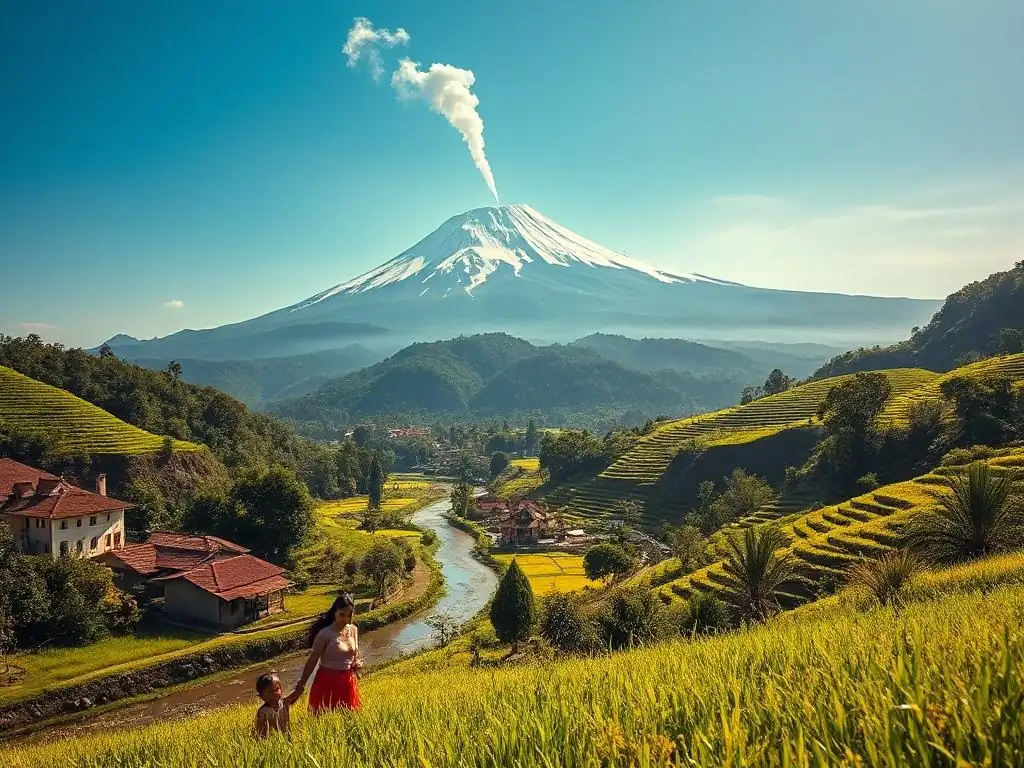
Welcome to Volcano Explorers, where the Earth's fiery heart beats for all to witness. But have you ever wondered what happens when familiarity breeds...danger? Our latest exploration delves into the unsettling truth about complacency risks near volcanoes, revealing why ignoring the warning signs can have devastating consequences. Prepare to question what you thought you knew about living in the shadow of these majestic giants, and discover how to stay informed and prepared. The Earth is rumbling... are you listening?
- Understanding Complacency Risks in Volcanic Zones
- Recognizing Volcanic Warning Signs: A Crucial First Step
- The Consequences of Ignoring Volcanic Warnings
- Combating Complacency: Strategies for Enhanced Volcanic Preparedness
- The Future of Living with Volcanoes: Adapting and Thriving
- Staying Informed: Resources for Volcano Preparedness
-
Frequently Asked Questions
- What are the primary dangers of complacency near volcanoes?
- How can VolcanoExplorers.org help me avoid complacency near a volcano?
- What are some common warning signs of an impending volcanic eruption that people might become complacent about?
- What role does education play in combating complacency near volcanoes?
- What should I do if I notice a potential warning sign of a volcanic eruption, even if others seem unconcerned?
- Final Reflection: Embracing Vigilance in the Shadow of Giants
- Heed the Call: Protect Yourself & Our Volcanoes!
Understanding Complacency Risks in Volcanic Zones
Defining Complacency: A Threat to Volcanic Safety
Complacency, in its essence, is a state of self-satisfaction, often accompanied by a lack of awareness of potential dangers or deficiencies. In the context of living near volcanoes, this translates to a diminished perception of risk associated with volcanic activity. It's a gradual erosion of vigilance where the constant, low-level awareness of volcanic hazards fades into the background of daily life.
This shift from vigilance to indifference can be profoundly dangerous, as it undermines preparedness and response capabilities when volcanic unrest escalates. Complacency allows potential warning signs to be overlooked or rationalized away, leaving communities vulnerable when nature decides to remind them of the volatile ground they inhabit.
The insidious nature of complacency is that it doesn't announce itself; it creeps in slowly, often unnoticed, like the imperceptible buildup of pressure within a volcano. This psychological state can transform a community from being proactively prepared to reactively scrambling, precisely when decisive and timely action is most critical. It's not merely about ignoring warnings; it's about a fundamental shift in mindset, where the extraordinary becomes ordinary, and the potential for disaster is mentally relegated to a distant, improbable future, rather than a present and persistent possibility.
The Psychological Factors Contributing to Complacency Near Volcanoes
Several psychological factors contribute to the development of complacency in volcanic zones. Habituation plays a significant role; individuals living near volcanoes often become accustomed to the periodic rumbles, steam plumes, and even minor seismic activity. These phenomena, initially perceived as alarming, can become normalized over time, blending into the everyday background noise of life. This familiarity, while seemingly benign, can desensitize people to genuine warning signs when volcanic activity intensifies beyond the usual baseline.
Optimism bias, the pervasive belief that "bad things happen to other people," also fuels complacency. Residents may acknowledge the theoretical risk of volcanic eruption but subconsciously believe they are personally immune or that a major event is unlikely to occur in their lifetime. This bias is often reinforced by the infrequency of large-scale eruptions in human timescales, leading to a discounting of long-term risks in favor of immediate, daily concerns.
Furthermore, cognitive dissonance can contribute; acknowledging and constantly worrying about volcanic dangers can be emotionally taxing. To reduce anxiety, individuals may downplay the risks or rationalize away concerning signs, creating a mental equilibrium that, while psychologically comfortable, is dangerously detached from reality.
How Familiarity Breeds Complacency: The Illusion of Safety
Long-term residence near a volcano can paradoxically foster an illusion of safety, where familiarity breeds not contempt, but complacency. For generations who have lived in the shadow of a volcano, the landscape becomes part of their identity, their home, and their source of livelihood.
The volcano, despite its potential for destruction, is integrated into the fabric of their lives, viewed more as a majestic neighbor than a constant threat. This deep connection to place can lead to a sense of invulnerability, a belief that they understand the volcano's rhythms and can predict its behavior based on past experiences and folklore.
However, this familiarity-induced sense of security is often misplaced. Volcanoes are complex geological systems, and their behavior is not always predictable based on past patterns. Each eruption cycle can differ in intensity, style, and precursory signals. Relying solely on past experiences to assess present risks can be a fatal error. While local knowledge and traditional wisdom are valuable, they must be complemented by scientific monitoring and a consistent awareness of the inherent uncertainties in volcanic forecasting. The illusion of safety, born from familiarity, can blind communities to the evolving threat, turning a potentially manageable situation into a catastrophic event.
Recognizing Volcanic Warning Signs: A Crucial First Step
Identifying Early Indicators of Volcanic Activity
Recognizing early warning signs of volcanic activity is paramount for mitigating the risks associated with complacency. Volcanoes rarely erupt without providing some form of precursor signals. These indicators, when properly interpreted and heeded, offer a critical window of opportunity for communities to prepare and potentially evacuate, significantly reducing casualties and damage. Volcanologists employ a range of sophisticated monitoring techniques to detect these subtle changes in volcanic behavior, but even for those living near volcanoes, understanding basic warning signs is crucial for personal and community safety.
Early indicators can be broadly categorized into changes in gas emissions, ground deformation, and seismic activity. These signs may not always occur in a clear, linear progression, and their intensity and timing can vary greatly depending on the volcano and its underlying magmatic system.
Furthermore, it's important to remember that not all volcanic unrest leads to an eruption, but any noticeable deviation from the volcano's baseline activity should be treated with caution and reported to relevant authorities. Vigilance and a proactive approach to monitoring, both by scientific agencies and informed communities, are essential for effectively recognizing and responding to these early warning signals.
Changes in Gas Emissions: A Key Warning Sign
Changes in volcanic gas emissions are a significant early warning sign of potential volcanic unrest. Volcanoes constantly release gases, primarily water vapor, carbon dioxide, and sulfur dioxide, from vents and fumaroles. However, alterations in the composition, rate, and temperature of these gases can indicate changes in the magma system beneath the surface, often preceding an eruption.
For example, an increase in the emission rate of sulfur dioxide (SO2) is frequently associated with rising magma, as magma releases dissolved gases as it ascends towards the surface. Scientists use specialized instruments, including spectrometers and gas sensors, to continuously monitor the composition and flux of volcanic gases.
Beyond the overall increase in gas output, changes in the ratios of different gases can also be informative. An increasing ratio of SO2 to carbon dioxide (CO2) might suggest that magma is becoming shallower and degassing more vigorously. Furthermore, the appearance of new gases, or a significant increase in the concentration of trace gases, can also signal changes in the volcanic system.
Even subtle shifts in the temperature of fumarolic gases can be indicative of heat transfer from rising magma. While these changes are often subtle and require specialized equipment for precise measurement, noticeable increases in volcanic smog (vog), stronger sulfurous smells, or changes in the appearance of steam plumes can be observed by residents and should be reported as potential indicators of heightened volcanic activity.
Ground Deformation: Monitoring Swelling and Tilting
Ground deformation, or changes in the shape of the volcano's surface, is another crucial early warning sign. As magma accumulates beneath the volcano, it exerts pressure on the surrounding rocks, causing the ground to swell, tilt, or fracture. This deformation can be subtle, often measured in millimeters or centimeters, but it is a direct physical manifestation of magma movement and increasing pressure within the volcanic system. Volcanologists employ sophisticated geodetic techniques to monitor ground deformation, including GPS (Global Positioning System) stations, tiltmeters, and InSAR (Interferometric Synthetic Aperture Radar) from satellites.
GPS stations, strategically placed around the volcano, can detect minute changes in horizontal and vertical ground position over time. Tiltmeters, highly sensitive instruments, measure changes in the slope of the ground surface, indicating tilting or swelling. InSAR uses radar images from satellites to map ground deformation over large areas, providing a broader perspective of volcanic inflation or deflation.
While these techniques are primarily used by scientists, visual signs of ground deformation, such as new cracks in the ground, changes in the patterns of fumaroles, or subtle bulges on the volcano's flanks, can sometimes be observed by vigilant residents. Any such observations should be considered potential warning signs and promptly reported to local authorities or volcanic observatories.
Increased Seismic Activity: Recognizing Earthquake Patterns
Increased seismic activity is perhaps the most widely recognized and frequently monitored early warning sign of volcanic unrest. Earthquakes are a common occurrence in volcanic regions, caused by the movement of magma, fracturing of rocks due to pressure changes, and hydrothermal activity. Changes in the frequency, intensity, and type of earthquakes can indicate that a volcano is becoming more active and that an eruption may be imminent. Volcanic observatories operate seismic networks around volcanoes, consisting of numerous seismometers that detect and record ground vibrations.
Volcanic earthquakes differ in characteristics from tectonic earthquakes that are associated with plate movements. Volcanic earthquakes are often shallower, smaller in magnitude, and can exhibit unique waveforms, such as volcanic tremor, a continuous rhythmic shaking of the ground associated with magma movement and fluid flow. An increase in the number of earthquakes, especially swarms of earthquakes occurring in a concentrated area beneath the volcano, is a significant warning sign.
Similarly, an increase in the magnitude of earthquakes, or the appearance of new types of seismic signals like volcanic tremor, can indicate escalating volcanic activity. While residents may not be able to distinguish between different types of earthquakes, a noticeable increase in the frequency or intensity of ground shaking, particularly if it is unusual for the area, should be treated as a potential volcanic warning sign.
The Importance of Official Volcanic Alerts and Evacuation Orders
Official volcanic alerts and evacuation orders are the culmination of scientific monitoring and risk assessment, and they are critically important for ensuring community safety. Volcanic observatories, staffed by expert volcanologists, continuously monitor volcanoes, analyze data from various instruments, and interpret the meaning of observed changes in volcanic behavior. Based on this scientific evaluation, they issue alerts to inform the public and emergency management agencies about the level of volcanic threat. These alert systems typically use a graded scale, ranging from normal background activity to imminent or ongoing eruption, each level associated with specific recommended actions.
Evacuation orders are issued by civil authorities based on the scientific recommendations and the assessed level of risk. These orders are not arbitrary decisions; they are made after careful consideration of the potential hazards, the likely eruption scenario, and the time needed for safe evacuation. Ignoring official volcanic alerts and evacuation orders is a grave mistake rooted in complacency and a misunderstanding of the inherent risks.
These directives are designed to protect lives and are based on the best available scientific information and expert judgment. Hesitation or disbelief in official warnings can have catastrophic consequences, as demonstrated in numerous volcanic disasters where delayed or disregarded evacuation orders resulted in preventable loss of life. Trusting and heeding official warnings, even when they seem inconvenient or disruptive, is paramount for survival in volcanic zones.
The Consequences of Ignoring Volcanic Warnings

Case Studies: Disasters Resulting from Complacency
Mount St. Helens, 1980: Delayed Response to Increasing Activity
The 1980 eruption of Mount St. Helens in Washington State serves as a stark reminder of the dangers of delayed response and underestimated volcanic activity. In the months leading up to the cataclysmic eruption on May 18th, Mount St. Helens exhibited clear signs of unrest. Starting in March, a series of earthquakes, steam explosions, and the formation of a growing bulge on the north flank indicated increasing pressure within the volcano. The United States Geological Survey (USGS) issued warnings and established restricted zones around the volcano, recognizing the escalating threat.
However, despite these warnings, not everyone heeded the advice. Some residents, driven by curiosity or a belief that the activity was not truly dangerous, ventured into the restricted zones. Logging companies, concerned about economic losses, continued operations close to the volcano's base.
When the massive eruption finally occurred, triggered by a magnitude 5.1 earthquake, the lateral blast and subsequent debris avalanche devastated the area, claiming 57 lives. Several of these fatalities were attributed to individuals who either ignored warnings or underestimated the scale and speed of the impending eruption, highlighting the tragic consequences of complacency in the face of clear volcanic danger signs.
Nevado del Ruiz, 1985: The Cost of Ignoring Lahar Warnings
The 1985 eruption of Nevado del Ruiz in Colombia stands as a devastating example of the catastrophic cost of ignoring lahar warnings. Nevado del Ruiz is an ice-capped volcano, and even relatively small eruptions can melt glacial ice and snow, generating highly destructive volcanic mudflows known as lahars. In the months preceding the eruption, increased fumarolic activity and small phreatic explosions were observed, prompting volcanologists to warn of the potential for lahars. Despite these warnings, communication to the population in the valley below, particularly the town of Armero, was inadequate, and evacuation plans were poorly implemented.
On November 13, 1985, a relatively small eruption melted the summit ice cap, sending massive lahars down river valleys. The lahar that inundated Armero traveled at high speed, burying the town and its inhabitants under meters of mud and debris. Tragically, an estimated 25,000 people perished in Armero, largely because warnings were not effectively communicated and heeded, and evacuation was not carried out in time.
The Nevado del Ruiz disaster underscores the critical importance of not only recognizing volcanic hazards but also ensuring that warnings are effectively disseminated, understood, and acted upon by vulnerable communities. Complacency, stemming from a lack of awareness and inadequate preparedness, turned a manageable volcanic hazard into one of the deadliest volcanic disasters in history.
The Impact on Communities and Ecosystems
Ignoring volcanic warnings extends its devastating reach far beyond immediate casualties, impacting both communities and ecosystems in profound and long-lasting ways. For communities, the consequences can be multifaceted, including displacement, economic disruption, and long-term psychological trauma. Large-scale eruptions can force entire populations to evacuate their homes and livelihoods, often for extended periods, leading to social and economic instability.
Infrastructure, including homes, roads, bridges, and utilities, can be destroyed by pyroclastic flows, lahars, and ashfall, requiring years, if not decades, for reconstruction. The economic impact can be particularly severe for communities dependent on agriculture, tourism, or natural resources, as volcanic eruptions can devastate land, disrupt industries, and deter investment. Furthermore, the psychological toll on survivors can be significant, with many experiencing grief, anxiety, and post-traumatic stress disorder.
Ecosystems also suffer extensive damage from volcanic eruptions. Pyroclastic flows and lahars directly destroy vegetation and habitats, while ashfall can blanket vast areas, smothering plants, contaminating water sources, and altering soil chemistry. Long-term ecological changes can include shifts in species composition, altered nutrient cycles, and landscape modification.
However, it's also important to recognize that volcanic eruptions are natural processes that play a crucial role in shaping landscapes and renewing ecosystems over geological timescales. In the long term, volcanic ash can enrich soils, and volcanic landscapes can provide unique habitats for specialized flora and fauna. Nevertheless, the immediate impact of ignoring volcanic warnings on both human communities and the environment is overwhelmingly negative, emphasizing the critical need for vigilance and preparedness.
Combating Complacency: Strategies for Enhanced Volcanic Preparedness
Education and Awareness Programs: Fostering a Culture of Vigilance
Combating complacency requires a proactive and sustained effort to foster a culture of vigilance and preparedness within communities living near volcanoes. Education and awareness programs are fundamental to achieving this goal. These programs should aim to increase understanding of volcanic hazards, warning signs, and appropriate responses, empowering individuals to make informed decisions and take proactive steps to protect themselves and their families. Effective education initiatives should be tailored to the specific needs and contexts of at-risk communities, considering local languages, cultural norms, and levels of existing knowledge.
These programs should utilize a variety of communication methods, including community meetings, workshops, school curricula, and media campaigns, to reach diverse audiences. Visual aids, such as maps, diagrams, and videos, can effectively illustrate volcanic processes and potential hazards. Personal stories from survivors of past eruptions can resonate deeply and underscore the real consequences of complacency.
Crucially, education should not be a one-time event but an ongoing process, reinforcing key messages and adapting to evolving scientific understanding and community needs. By consistently engaging communities in learning about volcanic risks and preparedness measures, education and awareness programs can gradually erode complacency and cultivate a more resilient and vigilant population.
Targeted Education for At-Risk Communities
Targeted education programs, specifically designed for at-risk communities, are essential for maximizing the effectiveness of volcanic preparedness efforts. Generic awareness campaigns, while helpful, may not adequately address the specific vulnerabilities and needs of communities living directly adjacent to active volcanoes. Targeted programs should be developed in close collaboration with local leaders, community organizations, and cultural experts to ensure relevance and cultural sensitivity. These programs should focus on the specific volcanic hazards relevant to the community, such as pyroclastic flows, lahars, ashfall, or gas emissions, and tailor the information to the local context.
Education materials should be translated into local languages and presented in accessible formats, considering literacy levels and cultural communication styles. Community-based workshops and training sessions can provide hands-on experience with emergency procedures, evacuation routes, and the use of emergency supplies. Engaging community leaders and trusted figures as educators and messengers can enhance credibility and encourage participation.
Furthermore, targeted education should address specific vulnerabilities within the community, such as elderly populations, people with disabilities, or marginalized groups who may face additional challenges in preparing for and responding to volcanic crises. By tailoring education to the specific needs and characteristics of at-risk communities, these programs can be more effective in promoting preparedness and reducing complacency.
The Role of Citizen Science in Raising Awareness
Citizen science initiatives can play a valuable role in raising awareness about volcanic hazards and fostering a sense of community ownership in monitoring and preparedness efforts. Citizen science engages members of the public in scientific research, empowering them to contribute to data collection, observation, and analysis. In the context of volcanology, citizen scientists can be trained to report observations of volcanic activity, such as changes in steam plumes, gas odors, ashfall, or unusual seismic activity, providing valuable supplementary information to official monitoring networks.
Citizen science projects can increase community awareness by actively involving residents in the process of volcano monitoring. Participating in data collection and observation fosters a deeper understanding of volcanic processes and the importance of vigilance. Furthermore, citizen science can help bridge the gap between scientists and communities, building trust and improving communication. By empowering local residents to become active participants in volcano monitoring, citizen science initiatives can contribute to a more informed, engaged, and prepared community, effectively combating complacency and strengthening overall volcanic risk reduction efforts.
Improving Communication and Alert Systems
Effective communication and alert systems are crucial for translating scientific monitoring into timely and actionable warnings that reach at-risk communities. Even the most sophisticated monitoring networks are ineffective if warnings are not communicated clearly, rapidly, and to everyone who needs to know. Improving communication and alert systems requires a multi-faceted approach, encompassing technological advancements, clear messaging, and accessible communication channels. Modern technology offers numerous tools for enhancing warning dissemination, including mobile alerts, social media platforms, and dedicated websites and apps.
However, technology alone is not sufficient; effective communication also depends on clear and concise messaging, avoiding technical jargon and using plain language that is easily understood by the general public. Alert systems should be designed to be accessible to all members of the community, including those with limited access to technology or those who speak different languages.
Redundancy in communication channels is also essential, ensuring that warnings can be disseminated through multiple means, such as radio, television, community loudspeakers, and door-to-door outreach, to reach everyone, even in situations where some communication infrastructure may be disrupted. Regular testing and drills of alert systems are necessary to ensure their functionality and to familiarize communities with warning signals and procedures.
Utilizing Technology for Real-Time Monitoring and Dissemination
Utilizing technology for real-time monitoring and dissemination of information is transforming volcanic early warning systems. Advanced monitoring technologies, such as dense seismic networks, continuous GPS stations, satellite-based deformation measurements (InSAR), and gas sensors, provide volcanologists with a wealth of real-time data on volcanic activity. These data are analyzed and interpreted using sophisticated software and models to assess the level of volcanic unrest and forecast potential eruptions. Real-time data streams allow for rapid detection of changes in volcanic behavior, enabling timely issuance of warnings.
For dissemination, mobile alert systems, leveraging cellular networks and smartphone technology, offer a powerful tool for reaching large populations quickly and directly. Social media platforms, while requiring careful management to avoid misinformation, can also be used to disseminate official alerts and updates rapidly. Dedicated websites and mobile apps provide platforms for publishing detailed information, maps, and real-time monitoring data.
However, it's crucial to ensure that these technological tools are accessible and user-friendly for all members of the community, and that alternative communication channels are maintained for those who do not have access to or are not comfortable using digital technologies. Integrating real-time monitoring and dissemination technologies into volcanic alert systems significantly enhances their speed, reach, and effectiveness.
Ensuring Clear and Accessible Communication Channels
Ensuring clear and accessible communication channels is paramount for effective volcanic warning systems. While technological advancements offer new avenues for dissemination, the core principle remains ensuring that warnings are understood and reach everyone, regardless of their background, language, or access to technology. Communication materials, including alert messages, evacuation instructions, and public service announcements, must be written in clear, concise, and plain language, avoiding technical jargon or scientific terminology that may be confusing to the general public. Messages should be translated into all languages spoken within the at-risk communities to ensure inclusivity.
Communication channels should be diverse and redundant to reach all segments of the population. Traditional media, such as radio and television, remain vital, particularly in areas with limited internet access. Community loudspeakers and public address systems can be used to broadcast alerts in public spaces.
Door-to-door outreach by community volunteers or emergency responders can ensure that warnings reach even the most vulnerable and isolated individuals. Furthermore, communication channels should be accessible to people with disabilities, including visual and hearing impairments. Clear and accessible communication, utilizing a combination of technological and traditional methods, is fundamental to ensuring that volcanic warnings are effectively received and acted upon by all members of at-risk communities.
Strengthening Community Resilience: Building a Safety Net
Strengthening community resilience is the ultimate goal of volcanic preparedness efforts, creating a safety net that enables communities to withstand volcanic crises and recover effectively. Resilience encompasses not only physical preparedness but also social cohesion, economic stability, and psychological well-being. Building community resilience requires a holistic approach, involving multiple stakeholders and addressing various aspects of community life. Key components of strengthening resilience include developing and practicing evacuation plans, stockpiling emergency supplies, and fostering strong social networks and community support systems.
Resilient communities are characterized by their ability to anticipate, prepare for, respond to, and recover from volcanic events. This involves proactive planning, community participation, and ongoing investment in preparedness measures. Strengthening community resilience is not a one-time project but a continuous process of adaptation and improvement, ensuring that communities are better equipped to live safely and sustainably in volcanic environments. By building a strong safety net through preparedness measures and community empowerment, the negative impacts of complacency can be significantly mitigated, and communities can thrive even in the face of volcanic hazards.
Developing and Practicing Evacuation Plans
Developing and practicing evacuation plans is a cornerstone of community resilience in volcanic zones. Well-defined and regularly practiced evacuation plans are essential for ensuring the safe and orderly movement of people away from hazardous areas in the event of an impending eruption. Evacuation plans should be tailored to the specific volcanic hazards, geographic context, and population distribution of each community. They should clearly delineate evacuation routes, assembly points, and shelter locations, taking into account potential lahar pathways, pyroclastic flow zones, and ashfall areas.
Evacuation plans should be developed through a participatory process, involving community members, local leaders, emergency management agencies, and scientists. Community input is crucial for ensuring that plans are practical, culturally appropriate, and address local needs and concerns. Regular evacuation drills and simulations are essential for familiarizing residents with evacuation procedures, routes, and assembly points. Drills should be conducted periodically, involving different scenarios and adapting to changing conditions. Practicing evacuation plans not only improves community preparedness but also builds confidence and reduces panic during a real volcanic crisis, contributing significantly to community resilience.
Stockpiling Emergency Supplies and Resources
Stockpiling emergency supplies and resources is a practical and essential aspect of building community resilience. Having readily available emergency supplies can significantly enhance a community's ability to cope with the immediate impacts of a volcanic eruption and the period of displacement that may follow. Emergency supplies should include essential items such as food, water, first-aid kits, medications, flashlights, batteries, blankets, and communication devices. Individual households should be encouraged to create their own emergency kits, tailored to their specific needs and family size.
In addition to individual household preparedness, communities should also consider establishing communal stockpiles of emergency resources, such as water tanks, generators, shelter materials, and communication equipment, that can be accessed by the community as a whole in times of crisis. Community emergency shelters should be identified and equipped with basic necessities. Regularly checking and replenishing stockpiled supplies ensures their readiness when needed. Stockpiling emergency supplies and resources provides a crucial safety net, enhancing community self-sufficiency and resilience in the face of volcanic emergencies.
The Future of Living with Volcanoes: Adapting and Thriving
Integrating Scientific Monitoring with Community Engagement
The future of living with volcanoes hinges on effectively integrating scientific monitoring with community engagement. Scientific monitoring provides the essential data and analysis needed to understand volcanic behavior and assess risks, while community engagement ensures that this scientific knowledge is translated into practical preparedness actions and culturally appropriate risk reduction strategies. A collaborative approach, where scientists and communities work together, is crucial for building trust, fostering mutual understanding, and creating more resilient and sustainable coexistence with volcanoes.
Integration involves two-way communication: scientists sharing their findings and risk assessments with communities in accessible formats, and communities sharing their local knowledge, observations, and concerns with scientists. Community participation in monitoring efforts, through citizen science initiatives, can strengthen data collection and enhance community ownership of risk management.
Collaborative risk assessments, involving both scientific expertise and local perspectives, can lead to more effective and context-specific preparedness plans. By fostering a strong partnership between science and community, we can move towards a future where communities living near volcanoes are not just informed, but also empowered and actively involved in managing their volcanic risks.
Promoting a Proactive Approach to Volcanic Risk Management
Promoting a proactive approach to volcanic risk management is essential for shifting from reactive responses to more sustainable and resilient strategies for living with volcanoes. A proactive approach emphasizes long-term planning, prevention, and mitigation measures, rather than solely focusing on emergency response after a volcanic event occurs. This includes incorporating volcanic risk considerations into land-use planning, infrastructure development, and community development initiatives. For example, zoning regulations can restrict development in high-hazard zones, and infrastructure can be designed to be more resilient to volcanic impacts.
Proactive risk management also involves investing in long-term education and awareness programs, building community capacity for preparedness, and establishing robust early warning systems. It requires a shift in mindset from viewing volcanoes solely as threats to recognizing them as part of the environment and finding ways to coexist sustainably. By adopting a proactive approach, communities can reduce their vulnerability to volcanic hazards, minimize the impacts of eruptions, and build a more secure and prosperous future in volcanic regions.
Minimizing Complacency Risks for Sustainable Coexistence
Minimizing complacency risks is paramount for achieving sustainable coexistence with volcanoes. Complacency, as a gradual erosion of vigilance, poses a persistent threat to community safety and undermines preparedness efforts. Combating complacency requires ongoing and sustained efforts to maintain awareness, reinforce preparedness behaviors, and adapt to evolving volcanic risks. Regular community education programs, evacuation drills, and public awareness campaigns are essential for keeping volcanic risks top-of-mind and preventing complacency from taking root.
Sustained vigilance also involves maintaining and improving volcanic monitoring systems, ensuring that warning systems remain effective and responsive, and continuously adapting preparedness plans based on new scientific understanding and community experiences. Building a culture of preparedness, where vigilance is ingrained in community norms and practices, is crucial for long-term sustainability. By proactively addressing and minimizing complacency risks, communities can create a safer and more secure environment for living and thriving in the shadow of volcanoes, ensuring a sustainable coexistence for generations to come.
Staying Informed: Resources for Volcano Preparedness
Official Volcanic Observatories and Agencies
For staying informed about volcanic activity and preparedness, official volcanic observatories and agencies are invaluable resources. These organizations are responsible for monitoring volcanoes, issuing alerts, and providing scientific information to the public and emergency responders. In the United States, the US Geological Survey (USGS) Volcano Hazards Program is the primary federal agency responsible for volcano monitoring and research. They operate volcano observatories in various volcanic regions of the US, providing real-time data, alerts, and educational materials through their website and social media channels.
Globally, the Global Volcanism Program (GVP) at the Smithsonian Institution provides a comprehensive database of volcanic activity worldwide and publishes weekly and monthly reports. Many countries with active volcanoes have their own national or regional volcanic observatories. For example, in Italy, the Istituto Nazionale di Geofisica e Vulcanologia (INGV) monitors Italian volcanoes. In Japan, the Japan Meteorological Agency (JMA) is responsible for volcanic monitoring and warnings. These official observatories and agencies are the most reliable sources of information on volcanic activity and should be consulted for up-to-date information and guidance on volcano preparedness.
Emergency Management Organizations
Emergency management organizations play a crucial role in volcano preparedness and response. These agencies are responsible for coordinating emergency planning, evacuation, and relief efforts in the event of a volcanic crisis. In the United States, the Federal Emergency Management Agency (FEMA) is the primary federal agency for emergency management. FEMA provides resources, guidance, and funding to state and local emergency management agencies to support volcano preparedness and disaster response. State and local emergency management agencies are responsible for developing and implementing evacuation plans, managing shelters, and coordinating emergency response activities at the local level.
Internationally, organizations like the International Federation of Red Cross and Red Crescent Societies (IFRC) provide humanitarian assistance and support disaster preparedness efforts in volcanic regions around the world. Local civil defense agencies and disaster management offices are also key resources for volcano preparedness information and assistance. Contacting and engaging with these emergency management organizations at the local, national, and international levels is essential for accessing preparedness resources and understanding emergency response procedures in volcanic areas.
Scientific Journals and Publications
Scientific journals and publications offer in-depth information on volcanology, volcanic hazards, and risk management strategies. For those seeking a deeper understanding of the science behind volcanoes and the latest research in the field, scientific journals are valuable resources. The Journal of Volcanology and Geothermal Research is a leading international journal publishing peer-reviewed research on all aspects of volcanology and geothermal energy. Bulletin of Volcanology is another prominent journal covering a wide range of volcanological topics.
Websites like VolcanoDiscovery and Live Science also provide accessible articles and news updates on volcanic activity and related scientific topics, bridging the gap between scientific research and public understanding. Following reputable scientific publications and websites can provide a more comprehensive and nuanced understanding of volcanic processes and the ongoing efforts to improve volcano monitoring and risk mitigation. These resources offer valuable insights for individuals and communities seeking to deepen their knowledge of volcanoes and enhance their preparedness efforts.
Frequently Asked Questions
What are the primary dangers of complacency near volcanoes?
The primary dangers involve ignoring warning signs such as increased seismic activity, gas emissions, or ground deformation. This can lead to delayed or missed evacuations, resulting in increased risk of injury or death from eruptions or associated hazards like lahars.
How can VolcanoExplorers.org help me avoid complacency near a volcano?
VolcanoExplorers.org provides educational resources on identifying volcanic warning signs and understanding eruption hazards. We also offer real-time updates on volcanic activity and safety guides for residents near active volcanoes.
What are some common warning signs of an impending volcanic eruption that people might become complacent about?
Common signs include increased frequency of small earthquakes, changes in the color or volume of volcanic gas emissions, and subtle ground swelling or deformation. Over time, people might dismiss these as normal background activity.
What role does education play in combating complacency near volcanoes?
Education is crucial because it empowers individuals to recognize and understand the potential dangers. Knowledge of volcanic processes and warning signs fosters a culture of preparedness and reduces the likelihood of ignoring critical information.
What should I do if I notice a potential warning sign of a volcanic eruption, even if others seem unconcerned?
Report your observations to the appropriate authorities, such as local emergency management agencies or volcanologists. Don't assume someone else has already reported it; your information could be crucial for timely evacuation and safety measures.
Final Reflection: Embracing Vigilance in the Shadow of Giants
The lessons learned from history, etched in ash and flowing lava, serve as stark reminders that complacency near volcanoes is a gamble with life itself. The stories of past eruptions, often preceded by subtle yet crucial warning signs, underscore the devastating consequences of ignoring nature's whispers. We must acknowledge that the tranquility of a dormant volcano can be deceiving, masking the immense power that lies beneath.
The ongoing influence of volcanic activity shapes not only the physical landscape but also the cultural and social fabric of communities living in their shadow. Our connection to these majestic yet dangerous formations demands a constant state of awareness and preparedness, a respect born from understanding. The price of freedom is eternal vigilance.
– Thomas Jefferson. This sentiment rings especially true when applied to the volatile world of volcanology, where vigilance is not just a virtue, but a necessity for survival.
Let us not allow familiarity to breed contempt, or proximity to breed complacency. Instead, let us embrace a proactive approach, educating ourselves and our communities about the potential risks and the importance of heeding the warning signs. Consider how you can contribute to fostering a culture of preparedness and vigilance in your own life and community. The safety of those living near volcanoes depends on our collective commitment to understanding and respecting the power of nature.
Heed the Call: Protect Yourself & Our Volcanoes!
Thank you for delving into the crucial topic of complacency near volcanoes. We hope this article has illuminated the potential dangers and empowered you with a deeper understanding of volcanic activity. Now, it's time to turn knowledge into action!
Here are a few ways you can contribute to a safer and more informed community:
- Plan Your Escape Route! Take 15 minutes to review the evacuation plan for your area (or the area you're visiting) if you live near a volcano. Ensure your family knows the designated routes and assembly points. Don't assume you'll have plenty of warning - be prepared!
- Follow our social media channels @VolcanoExplorersOrg on Instagram and X (Twitter) to stay updated with the latest volcano reports, safety tips, and community discussions. Sharing this information helps protect others!
- Surprise a friend with a fascinating fact from this article – spark a conversation and raise awareness! You never know who might benefit from a little extra volcano knowledge.
What steps will you take today to become a more prepared and proactive member of your volcanic community? Share your plans in the comments below!