
The Urban Volcano: Cities at Growing Risk of Eruption

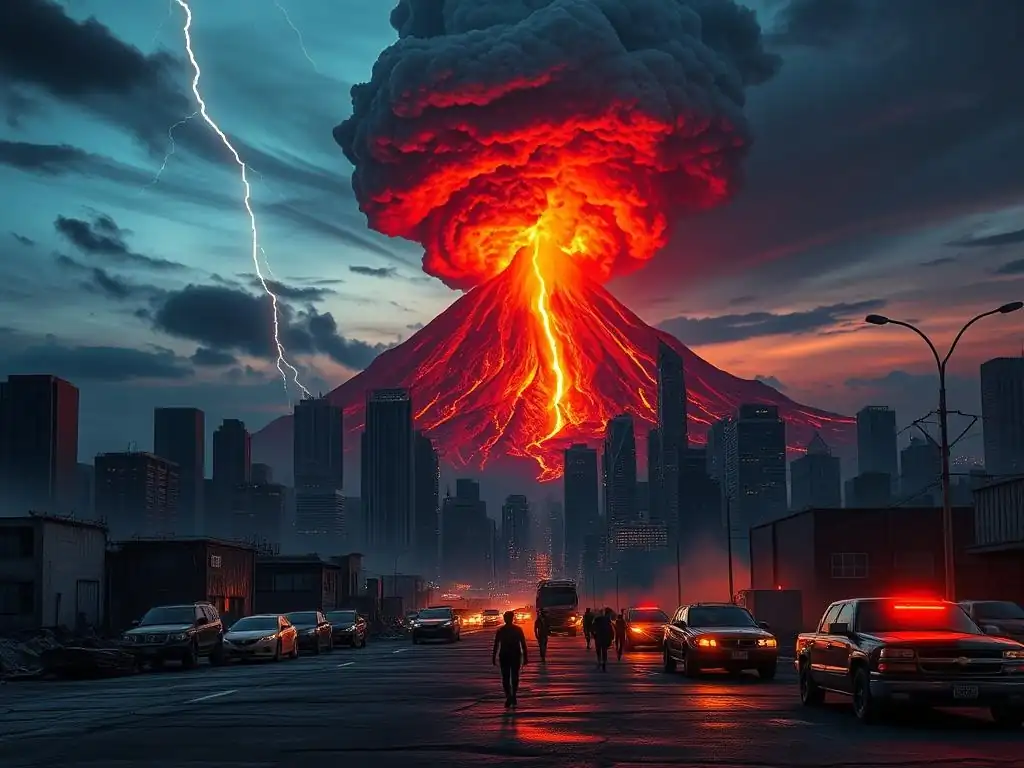
Welcome to Volcano Explorers, where the Earth breathes fire. Imagine living in the shadow of a sleeping giant, unaware of the simmering fury beneath your feet. This isn't a scene from a disaster movie – it's the reality for millions. Delve into "The Urban Volcano: Cities at Growing Risk of Eruption" and uncover the startling truth about cities at risk of volcanic eruption. Are you prepared for what lurks beneath?
- Introduction: The Increasing Threat to Urban Areas from Volcanic Activity
- Why Are More Cities Vulnerable to Volcanic Eruptions?
- Cities in the Shadow: Case Studies of Urban Volcanic Risk
- The Impacts of Volcanic Eruptions on Urban Environments
- Mitigation Strategies: Protecting Cities from Volcanic Hazards
- The Future of Urban Living Near Volcanoes: Innovation and Adaptation
- Conclusion: Embracing a Future of Coexistence with Urban Volcanoes
-
Frequently Asked Questions
- What makes a city considered "at risk" of volcanic eruption?
- How does VolcanoExplorers.org help residents of cities at risk of volcanic eruption?
- What are some of the most common hazards faced by cities near volcanoes?
- What role do volcanologists play in mitigating the risk to cities near volcanoes?
- How can I find out if my city is located in an area at risk of volcanic eruption?
- Final Reflection: Embracing Resilience in the Shadow of Giants
- Ignite Your Inner Explorer: Become a Volcano-Ready Urbanite!
Introduction: The Increasing Threat to Urban Areas from Volcanic Activity
Volcanoes, often perceived as remote natural wonders, are increasingly becoming a pressing concern for urban populations. As cities expand and populations grow, more and more urban areas are situated in close proximity to potentially active volcanoes. This proximity elevates the risk of volcanic eruptions impacting densely populated regions, posing significant challenges to infrastructure, economies, and human lives. The notion of an "urban volcano" – a volcano whose eruption could directly and severely affect a major city – is no longer a hypothetical scenario but a growing reality that demands urgent attention and proactive strategies.
The intersection of urban development and volcanic activity creates a complex and dynamic risk landscape. While volcanic eruptions are natural events, their impact is dramatically amplified when they occur near or within urban centers. The sheer concentration of people, buildings, and critical infrastructure in cities means that even a moderate eruption can trigger cascading effects, leading to widespread disruption and devastation. Understanding the nature of this growing threat is the first crucial step in mitigating the risks and building more resilient urban environments in volcanically active regions.
Why Are More Cities Vulnerable to Volcanic Eruptions?
Population Growth and Urban Expansion Near Volcanoes
One of the primary drivers behind the increasing vulnerability of cities to volcanic eruptions is the relentless growth of urban populations and the subsequent expansion of cities into areas historically considered volcanically hazardous. Over the past century, global urbanization has accelerated dramatically. In 1950, approximately 30% of the world’s population lived in urban areas; today, that figure is over 55% and projected to reach nearly 70% by 2050. This rapid urbanization often leads to cities sprawling outwards, encroaching upon the flanks of volcanoes or settling in valleys and plains formed by past volcanic activity.
For example, consider the case of Naples, Italy, a city with a metropolitan area of over 3 million people situated directly adjacent to Mount Vesuvius. Historically, the fertile volcanic soils around Vesuvius have attracted settlements for centuries. However, modern urban expansion has resulted in a massive population living within the volcano’s potential impact zone.
Similarly, cities like Auckland, New Zealand, are built upon volcanic fields, with ongoing urban development increasing the number of people and assets exposed to future eruptions. This trend of urban encroachment into volcanic areas is observed worldwide, increasing the number of cities at risk of volcanic eruption.
Understanding Dormant Volcanoes and Unpredictable Eruptions
Another crucial factor contributing to urban vulnerability is the challenge of understanding and predicting volcanic eruptions, particularly from volcanoes considered dormant or less frequently active. Many volcanoes near urban areas are not continuously erupting; they may experience long periods of quiescence, sometimes centuries or even millennia. This dormancy can lead to a false sense of security, with populations and urban planners potentially underestimating the long-term volcanic risk. The term "dormant volcano" itself can be misleading, as it does not imply extinction but rather a state of temporary inactivity, with the potential for future eruptions remaining.
Volcanic eruptions are inherently complex and often unpredictable events. While volcanologists have made significant strides in monitoring and forecasting volcanic activity, predicting the precise timing, magnitude, and style of an eruption remains a scientific challenge. Furthermore, some volcanoes can exhibit sudden and unexpected eruptions with little precursory activity, posing a particular threat to nearby cities.
The 1991 eruption of Mount Pinatubo in the Philippines, while not directly impacting a major city center, served as a stark reminder of the potential for large, explosive eruptions from volcanoes that may have been considered relatively quiet in recent history. This unpredictability, combined with the increasing number of cities at risk of volcanic eruption due to proximity to dormant volcanoes, necessitates robust monitoring and preparedness efforts.
Cities in the Shadow: Case Studies of Urban Volcanic Risk
Naples, Italy: Living with Vesuvius
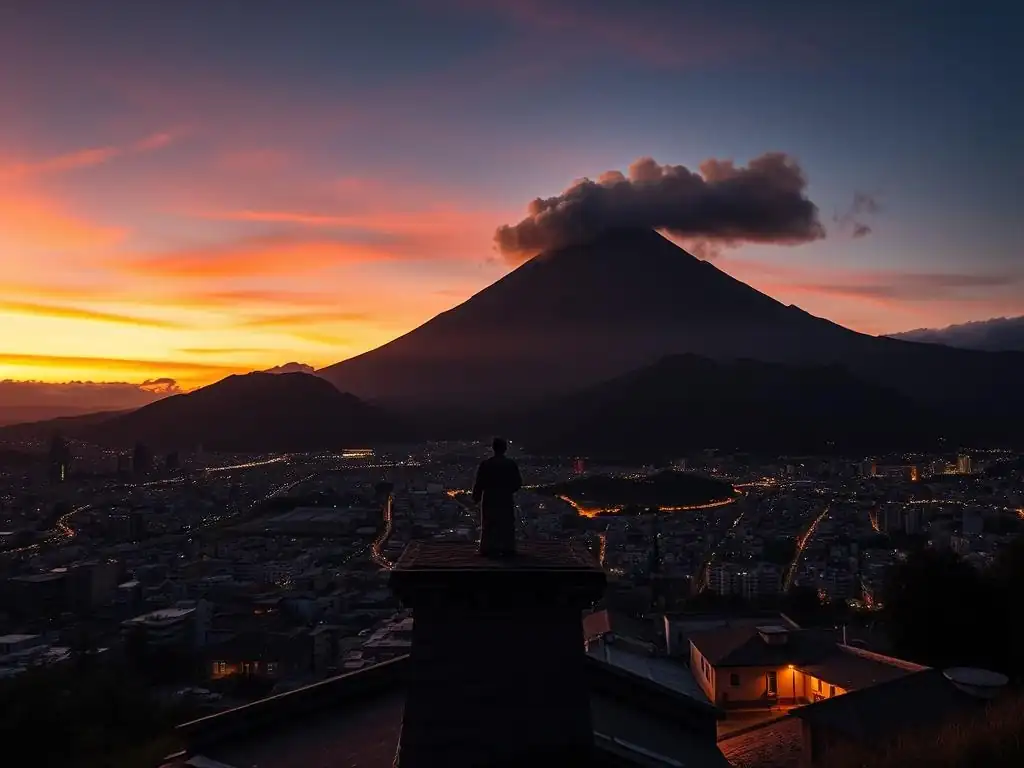
Naples, Italy, presents perhaps the most iconic and concerning example of a city living in the shadow of a volcano: Mount Vesuvius. Vesuvius is a stratovolcano with a history of violent eruptions, most famously the eruption in 79 AD that destroyed Pompeii and Herculaneum. Today, the densely populated metropolitan area of Naples, home to over 3 million people, lies within the immediate vicinity of Vesuvius and within the potential impact zone of future eruptions. The volcano is considered active, although it has been in a period of quiescence since its last eruption in 1944.
The proximity of such a large population center to a volcano with a history of explosive eruptions creates a significant and well-documented volcanic risk. Scientific studies and hazard assessments have extensively modeled potential eruption scenarios for Vesuvius, indicating that a Plinian eruption, similar to the one in 79 AD, could have devastating consequences for Naples and surrounding areas.
Pyroclastic flows, ashfall, and lahars are all potential hazards that could impact the city, causing widespread destruction, infrastructure damage, and loss of life. The Italian government has implemented a comprehensive emergency plan for Vesuvius, including evacuation plans and monitoring systems, recognizing Naples as one of the most prominent cities at risk of volcanic eruption globally.
Auckland, New Zealand: The Auckland Volcanic Field
Auckland, New Zealand, offers a different but equally compelling case study of urban volcanic risk. Unlike Vesuvius, Auckland is not threatened by a single, towering volcano, but rather by the Auckland Volcanic Field (AVF), a monogenetic volcanic field located directly beneath the city. This field comprises approximately 50 volcanoes, each of which has erupted only once. The volcanic nature of Auckland is evident in its landscape, dotted with volcanic cones, craters, and lava flows, many of which are now integrated into the urban fabric as parks and reserves.
The key challenge posed by the AVF is the unpredictability of eruption location. Because monogenetic volcanoes erupt only once and in different locations within the field, a future eruption in Auckland could occur anywhere within the urban area. Scientists estimate a probability of eruption within the AVF in any given year, posing a long-term, albeit low-probability, risk to the city.
While individual eruptions in the AVF are generally smaller than those of stratovolcanoes like Vesuvius, an eruption directly within a densely populated urban area could still cause significant disruption and damage to infrastructure, particularly if it occurs in a critical location. Auckland's unique volcanic setting highlights the diverse ways in which cities can be at risk of volcanic eruption, even in the absence of a single, prominent volcano.
Other Cities Facing Volcanic Threats: Mexico City, Seattle, Tokyo
Beyond Naples and Auckland, numerous other major cities around the world face significant volcanic threats. Mexico City, one of the largest megacities globally, is located in a volcanically active region and is particularly vulnerable to eruptions from Popocatépetl, an active stratovolcano situated just 70 kilometers southeast of the city. Popocatépetl has been increasingly active in recent decades, prompting concerns about potential ashfall impacts on Mexico City and the surrounding metropolitan area.
Seattle, in the United States, is another example of a major urban center situated near potentially active volcanoes. Mount Rainier, a massive stratovolcano visible from Seattle, is considered one of the most dangerous volcanoes in the Cascade Range due to its potential for large explosive eruptions and lahars that could reach densely populated areas. Tokyo, Japan, while not directly adjacent to a single volcano, is located in a highly volcanically active country with numerous active volcanoes throughout the archipelago.
While the immediate Tokyo metropolitan area may not face direct volcanic hazards from a single volcano, widespread ashfall from a large eruption elsewhere in Japan could still significantly impact the city and its infrastructure. These examples underscore the global scale of the issue, with cities at risk of volcanic eruption existing across diverse geographic and geological settings.
The Impacts of Volcanic Eruptions on Urban Environments
Direct Impacts: Ashfall, Pyroclastic Flows, and Lahars
Volcanic eruptions unleash a range of direct hazards that can severely impact urban environments. Ashfall, even from moderate eruptions, can blanket cities, disrupting transportation, damaging infrastructure, and posing health risks. Fine volcanic ash can infiltrate buildings, clog drainage systems, and cause respiratory problems. Heavy ashfall can collapse roofs, especially flat roofs common in some urban architectures, and disrupt air travel, grounding flights and impacting global supply chains.
Pyroclastic flows, fast-moving currents of hot gas and volcanic debris, represent one of the most lethal volcanic hazards. These flows can travel at speeds of hundreds of kilometers per hour and incinerate everything in their path. If pyroclastic flows reach urban areas, the consequences would be catastrophic, causing widespread destruction and near-total mortality within the affected zone.
Lahars, volcanic mudflows composed of water, ash, and rock debris, are another significant hazard, particularly for cities located in valleys and drainage systems originating from volcanoes. Lahars can travel long distances, inundating urban areas, destroying buildings, and burying infrastructure under thick layers of mud and debris. These direct impacts represent the immediate and most destructive consequences of volcanic eruptions on cities at risk of volcanic eruption.
Beyond the immediate physical destruction, volcanic eruptions trigger a cascade of indirect impacts that can profoundly disrupt urban economies and societies. Economic disruption is a major consequence, with volcanic eruptions impacting various sectors. Ashfall can severely affect agriculture, disrupting food production and supply chains. Damage to infrastructure, including transportation networks, power grids, and communication systems, can cripple economic activity. Business closures, supply chain interruptions, and decreased tourism can lead to significant economic losses and job losses in affected urban areas.
Social instability can also arise in the aftermath of a volcanic eruption. Large-scale evacuations can strain resources and create social tensions. Disruption to essential services, such as water supply, sanitation, and healthcare, can exacerbate existing social inequalities and lead to public unrest. The psychological trauma associated with volcanic eruptions, including loss of homes, livelihoods, and loved ones, can have long-lasting effects on communities. Effective disaster response and recovery efforts are crucial to mitigate these indirect impacts and promote social resilience in cities at risk of volcanic eruption.
Mitigation Strategies: Protecting Cities from Volcanic Hazards
Improved Volcanic Monitoring and Early Warning Systems
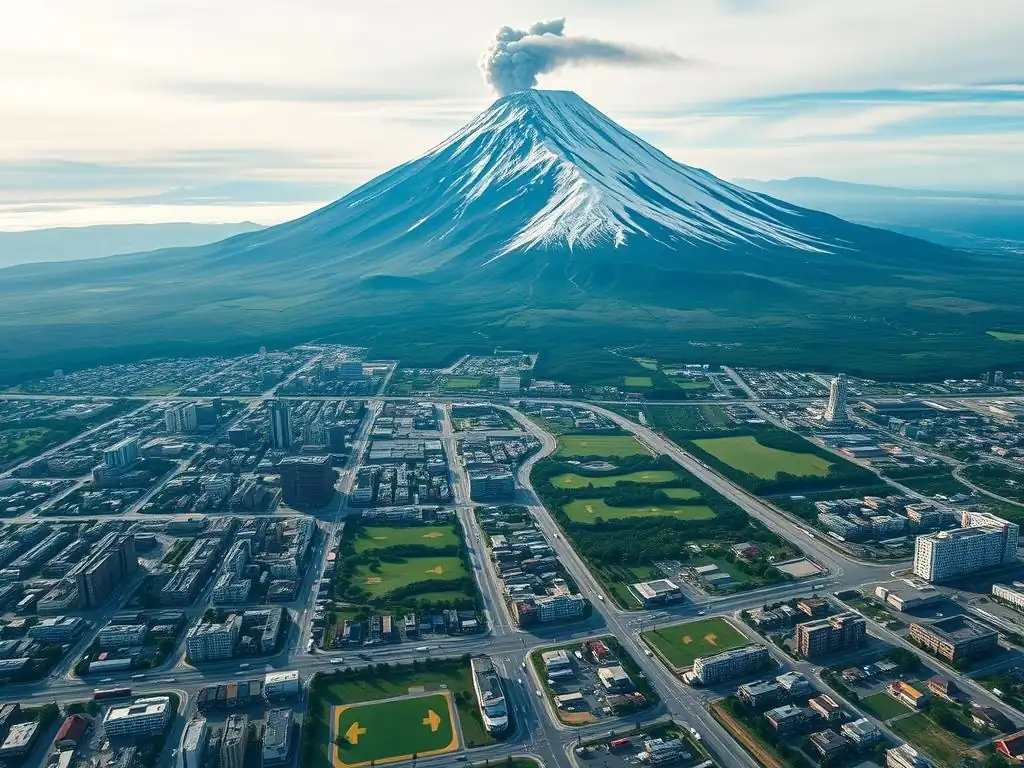
One of the most critical strategies for protecting cities from volcanic hazards is the implementation and continuous improvement of volcanic monitoring and early warning systems. Modern volcanology relies on a suite of sophisticated instruments to monitor volcanic activity, including seismometers to detect earthquakes, GPS and satellite technology to measure ground deformation, gas sensors to analyze volcanic emissions, and thermal cameras to detect changes in surface temperature. Data from these monitoring networks are analyzed to detect precursory signals of an impending eruption, such as increased seismicity, ground swelling, or changes in gas composition.
Early warning systems translate scientific monitoring data into timely and actionable alerts for communities at risk. Effective early warning systems require clear communication channels to disseminate warnings to the public, emergency responders, and relevant authorities. Public education campaigns are essential to ensure that communities understand volcanic hazards, recognize warning signs, and know how to respond appropriately. Investing in robust volcanic monitoring and early warning systems is a vital step in reducing the vulnerability of cities at risk of volcanic eruption and saving lives.
Urban Planning and Infrastructure Resilience
Urban planning plays a crucial role in mitigating volcanic risks and building more resilient cities. Land-use planning can restrict development in high-hazard zones, such as areas prone to pyroclastic flows or lahars. Building codes can be adapted to enhance the resilience of structures to volcanic hazards, such as designing roofs to withstand ashfall loads or constructing critical infrastructure in less vulnerable locations. Strategic placement of essential facilities, like hospitals and emergency shelters, outside of high-risk areas can ensure their functionality during and after an eruption.
Investing in infrastructure resilience is also paramount. This includes strengthening critical infrastructure, such as power grids, communication networks, and transportation systems, to withstand volcanic impacts. Developing redundant systems and alternative routes can enhance the reliability of essential services during a volcanic crisis. Building protective infrastructure, such as lahar diversion channels or ashfall barriers, can further reduce the vulnerability of urban areas. Integrating volcanic risk considerations into urban planning and infrastructure development is essential for creating cities that are better prepared for and more resilient to volcanic eruptions.
Community Preparedness and Education
Ultimately, the resilience of cities to volcanic eruptions depends on the preparedness and education of their communities. Community-based disaster risk reduction programs are vital for raising awareness about volcanic hazards, promoting household preparedness, and fostering a culture of safety. Public education campaigns should provide information on volcanic hazards, evacuation procedures, emergency kits, and self-protective measures. Community drills and exercises can help residents practice evacuation plans and familiarize themselves with emergency response protocols.
Empowering local communities to participate in risk assessment, planning, and preparedness activities is crucial for building ownership and ensuring the effectiveness of mitigation efforts. Engaging with local knowledge and incorporating community perspectives into disaster risk reduction strategies can enhance their relevance and sustainability. Investing in community preparedness and education is not only a cost-effective mitigation strategy but also a fundamental aspect of building resilient and volcano-aware urban societies.
The Future of Urban Living Near Volcanoes: Innovation and Adaptation
Emerging Technologies for Volcanic Hazard Assessment
The future of urban living near volcanoes will be shaped by ongoing innovation and adaptation, particularly in the realm of volcanic hazard assessment. Emerging technologies are enhancing our ability to monitor volcanoes, understand eruption processes, and forecast volcanic activity. Advanced satellite-based monitoring techniques, such as InSAR (Interferometric Synthetic Aperture Radar), provide high-resolution measurements of ground deformation over large areas, improving our ability to detect subtle pre-eruptive signals. Improved sensor technologies are enhancing the sensitivity and reliability of ground-based monitoring networks, allowing for earlier detection of volcanic unrest.
Computational modeling and simulation are playing an increasingly important role in volcanic hazard assessment. Sophisticated models can simulate various eruption scenarios, predict the dispersal of ashfall, pyroclastic flows, and lahars, and assess the potential impacts on urban areas. Machine learning and artificial intelligence are being applied to volcanic monitoring data to identify patterns and improve eruption forecasting accuracy. These technological advancements are providing volcanologists and urban planners with more powerful tools to assess volcanic risks and develop more effective mitigation strategies for cities at risk of volcanic eruption.
Building More Resilient Cities: Adapting to Volcanic Risk
Adapting to volcanic risk requires a holistic and integrated approach to urban development. Building more resilient cities involves not only technological solutions but also social, economic, and institutional adaptations. This includes promoting risk-sensitive urban planning, investing in resilient infrastructure, strengthening emergency response capacities, and fostering community preparedness. Diversifying urban economies and promoting sustainable development can reduce economic vulnerability to volcanic disruptions. Strengthening social safety nets and promoting inclusive governance can enhance social resilience and ensure equitable disaster recovery.
Building resilient cities also requires a long-term perspective and a commitment to continuous improvement. Volcanic risk management is an ongoing process that requires regular review, adaptation, and investment. Learning from past eruptions, sharing best practices, and fostering collaboration among scientists, urban planners, emergency managers, and communities are essential for building a future of coexistence with urban volcanoes. The challenge lies in transforming cities at risk of volcanic eruption from vulnerable settlements into resilient and adaptable urban centers capable of thriving in the shadow of these powerful natural forces.
Conclusion: Embracing a Future of Coexistence with Urban Volcanoes
The increasing urbanization of volcanically active regions presents a growing challenge, transforming the concept of "urban volcanoes" from a theoretical notion to a tangible reality. Cities at risk of volcanic eruption face a complex and multifaceted threat landscape, demanding proactive and innovative mitigation strategies. While the risks are undeniable, the future of urban living near volcanoes is not predetermined. By embracing a future of coexistence, cities can adapt and thrive in these dynamic environments.
This coexistence requires a paradigm shift – moving from a reactive approach to volcanic hazards to a proactive and integrated risk management framework. Investing in robust monitoring systems, implementing risk-sensitive urban planning, fostering community preparedness, and leveraging emerging technologies are crucial steps. Ultimately, building resilient cities in volcanically active regions is not just about mitigating risks; it is about creating sustainable, adaptable, and vibrant urban communities that can live in harmony with the powerful forces of nature, transforming the threat of urban volcanoes into an opportunity for innovation and resilience.
Frequently Asked Questions
What makes a city considered "at risk" of volcanic eruption?
A city is considered "at risk" when it's located within a potential impact zone of a volcano. This includes areas susceptible to lava flows, ashfall, pyroclastic flows, and lahars, regardless of whether the volcano is currently active.
How does VolcanoExplorers.org help residents of cities at risk of volcanic eruption?
VolcanoExplorers.org provides essential safety guides and evacuation tips tailored for communities near active volcanoes. We also offer real-time updates on volcanic activity worldwide, helping residents stay informed and prepared.
What are some of the most common hazards faced by cities near volcanoes?
Common hazards include ashfall, which can disrupt infrastructure; pyroclastic flows, which are fast-moving, deadly currents of hot gas and rock; and lahars, which are volcanic mudflows that can bury entire areas.
What role do volcanologists play in mitigating the risk to cities near volcanoes?
Volcanologists monitor volcanoes for signs of unrest, assess potential hazards, and develop eruption forecasts. They also work with local authorities to create emergency plans and educate the public.
How can I find out if my city is located in an area at risk of volcanic eruption?
Consult geological surveys, volcanic hazard maps, and resources like VolcanoExplorers.org to determine if your city is located within a volcanic hazard zone. Also, contact your local emergency management agency for specific risk assessments and preparedness information.
Final Reflection: Embracing Resilience in the Shadow of Giants
The preceding analysis has painted a stark picture: cities at risk of volcanic eruption are not merely theoretical possibilities, but tangible realities demanding immediate attention. From the densely populated slopes of Vesuvius to the sprawling metropolises nestled near the Cascade Range, the potential for catastrophic disruption is undeniable. Ignoring these risks is not an option; understanding and mitigating them is paramount to safeguarding the lives and livelihoods of millions.
This precarious balance between urban development and geological forces has profoundly shaped our understanding of risk management and urban planning. The persistent threat of volcanic activity serves as a constant reminder of nature's power and our inherent vulnerability. It compels us to reconsider our relationship with the environment and to prioritize sustainable and resilient urban development. We cannot stop natural disasters but we can arm ourselves with knowledge: so many lives wouldn't have to be lost if there was enough disaster preparedness.
- Petra Nemcova. This quote encapsulates the essence of our responsibility to prepare and protect ourselves.
Ultimately, the fate of cities at risk of volcanic eruption rests not only on scientific advancements and governmental policies, but also on the collective awareness and proactive engagement of its citizens. Let us not be paralyzed by fear, but empowered by knowledge.
Let us embrace a future where urban centers coexist harmoniously with the natural world, building resilient communities capable of weathering any storm, or in this case, any eruption. Consider how you can contribute to a more informed and prepared society, advocating for responsible urban planning and supporting initiatives that promote volcanic risk awareness in your own community and beyond.
Ignite Your Inner Explorer: Become a Volcano-Ready Urbanite!
Thanks for diving deep into the world of urban volcanoes with us! We hope you now have a clearer understanding of the risks and are ready to take action to protect your community.
Ready to make a difference? Here are a few things you can do right now:
- Become an Urban Volcano Safety Advocate: Contact your local government officials and inquire about their emergency preparedness plans for volcanic eruptions. Share the knowledge you've gained to raise awareness among your neighbors.
- Explore Historical Data: Research past volcanic events in your region or similar urban settings. Understanding history can provide valuable insights into potential future scenarios.
- Share this article with your friends and family to spark conversations about volcano preparedness in urban environments. The more informed we are, the safer we'll be.
What specific steps will you take this week to prepare yourself and your community for the potential threat of an urban volcano? Share your ideas in the comments below!