
Beyond the Blast Zone: Life After Eruption and Cultural Renewal

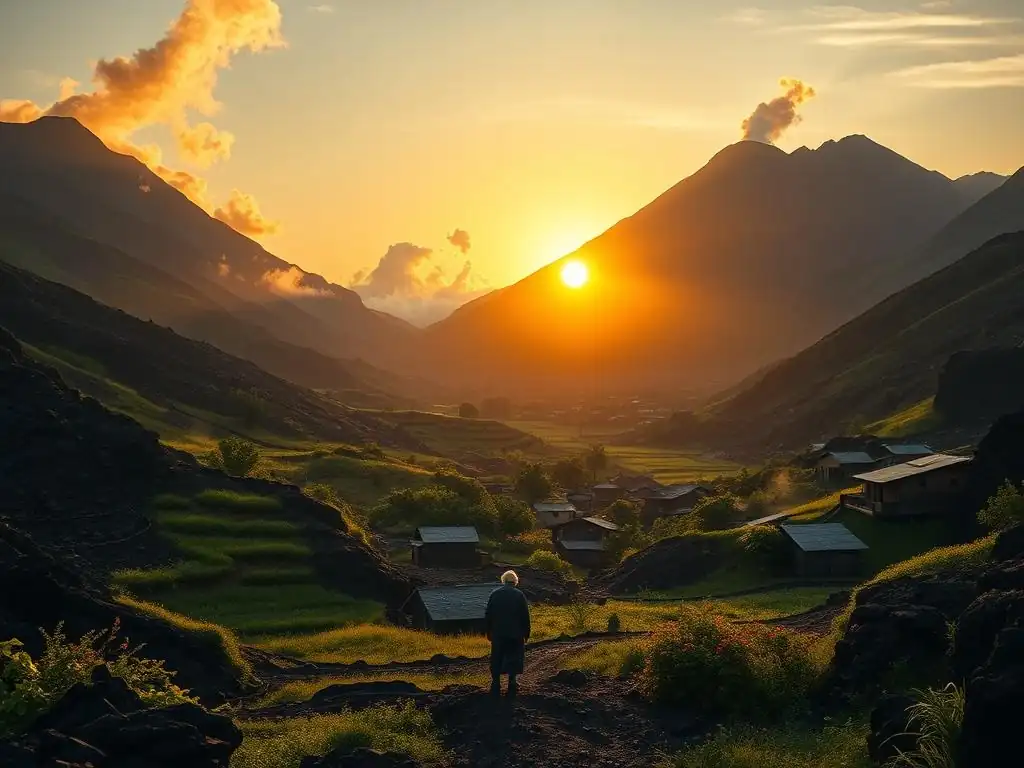
Welcome to Volcano Explorers!
Ever wondered what happens after the dust settles? Journey with us as we uncover the surprising resilience of life, both natural and human, in the shadow of volcanic fury. Our exploration of life after volcanic eruption reveals stories of recovery, adaptation, and even cultural renewal, challenging everything you thought you knew about these powerful forces of nature. Prepare to be amazed.
- Beyond the Ash: Life After Volcanic Eruption and Cultural Renewal in Iceland
- Understanding Life After Volcanic Eruptions in Iceland: Resilience and Rebuilding
- Cultural Adaptation in Icelandic Volcanic Communities: Traditions and Transformations
- Economic Recovery Strategies After Icelandic Volcanic Disasters
- The Role of Community Support in Post-Eruption Recovery in Iceland
- Case Studies: Successful Cultural Renewal Initiatives in Iceland
- Volcanoes as Sacred Sites in Iceland: Maintaining Spiritual Connections
- Education and Awareness: Preparing for Future Volcanic Events in Iceland
- The Future of Icelandic Volcanic Communities: Sustainable Coexistence
-
Frequently Asked Questions
- What are the immediate effects on life after a volcanic eruption?
- How does a community begin the process of rebuilding after a volcanic eruption?
- What role does cultural heritage play in the recovery process after a volcanic eruption?
- What are the long-term environmental impacts following a volcanic eruption, and how does life adapt?
- How can volcano monitoring and early warning systems improve the chances of survival and life after a volcanic eruption?
- Final Reflection: Embracing Resilience After the Fire
- Ignite Your Own Renewal: Discover the Spirit of Resilience!
Beyond the Ash: Life After Volcanic Eruption and Cultural Renewal in Iceland
Understanding Life After Volcanic Eruptions in Iceland: Resilience and Rebuilding
The Immediate Aftermath of the 2010 Eyjafjallajökull Eruption: Challenges to Community Life
The 2010 eruption of Eyjafjallajökull, while not Iceland's largest, presented significant and immediate challenges to community life, demonstrating the profound impact a volcanic event can have even in a well-prepared nation. The most pervasive immediate effect was the immense ash cloud. For weeks, volcanic ash blanketed vast swathes of southern Iceland, reaching thicknesses of up to 5 cm in some areas.
This ashfall directly impacted agriculture, coating pastures and contaminating water sources for livestock. Farmers faced the daunting task of cleaning ash from fields and buildings, and concerns about fluoride poisoning in animals due to ash ingestion were widespread. Air travel across Europe was grounded for nearly a week, affecting not only Iceland's international connectivity but also global commerce and travel, highlighting the interconnectedness of our world in the face of natural disasters.
Domestically, road closures due to poor visibility and ash accumulation disrupted daily life, isolating communities and hindering emergency services. Beyond the physical disruption, the constant tremors and the spectacle of the eruption itself created a climate of anxiety and uncertainty within the affected communities, testing their resilience in the face of nature's power.
The eruption also posed immediate health concerns. Volcanic ash, composed of fine glass and rock particles, is an irritant to the respiratory system and eyes. Public health advisories were issued urging residents to stay indoors, wear masks, and avoid strenuous activity. Hospitals and health clinics saw an increase in patients reporting respiratory issues and eye irritation.
Furthermore, the sheer volume of meltwater from the Eyjafjallajökull glacier triggered glacial floods, known as jökulhlaups. These floods inundated low-lying areas, destroying roads, bridges, and farmland. Emergency services, including the Icelandic Coast Guard and local rescue teams, were mobilized to evacuate residents from flood-prone areas and provide assistance to those affected by ashfall and infrastructure damage. The immediate aftermath of the Eyjafjallajökull eruption underscored the multifaceted challenges faced by Icelandic communities, ranging from agricultural disruption and infrastructure damage to public health concerns and psychological stress, all demanding a swift and coordinated response.
Long-Term Impacts on Icelandic Society and Culture Following Volcanic Events
While the immediate disruptions of a volcanic eruption are dramatic, the long-term impacts on Icelandic society and culture are equally profound, shaping the nation’s identity and resilience. Economically, volcanic events can have both detrimental and surprisingly beneficial long-term consequences. Initially, industries like agriculture and tourism may suffer setbacks. For instance, the 2010 Eyjafjallajökull eruption led to significant losses for the tourism sector in the short term due to flight cancellations and negative perceptions.
However, in the long run, volcanic landscapes and phenomena have become major tourist attractions, drawing visitors eager to witness the raw power of nature. This has spurred the development of volcano tourism, creating new economic opportunities in previously affected areas. Geothermal energy, a direct result of Iceland's volcanic activity, has become a cornerstone of the Icelandic economy, providing clean and sustainable energy for heating and electricity, demonstrating a long-term economic advantage derived from volcanic resources.
Culturally, volcanic eruptions have deeply interwoven themselves into the Icelandic psyche. Icelandic sagas and folklore are replete with tales of volcanic eruptions, mythical creatures residing in volcanoes, and the constant interplay between humans and the powerful forces of nature. These narratives serve as cultural touchstones, reminding Icelanders of their vulnerability and resilience in the face of geological forces.
The experience of living with volcanoes has fostered a strong sense of community and preparedness. Iceland has developed sophisticated monitoring systems and emergency response protocols, underpinned by a culture of public awareness and education about volcanic hazards. Furthermore, volcanic eruptions can trigger periods of introspection and cultural renewal.
The dramatic landscape transformations caused by eruptions often inspire artists, writers, and musicians, leading to new creative expressions that reflect the nation's relationship with its volcanic environment. The long-term impacts of volcanic events are thus not merely destructive but also transformative, shaping Iceland's economy, culture, and national identity in enduring ways.
Cultural Adaptation in Icelandic Volcanic Communities: Traditions and Transformations
Preserving Icelandic Sagas and Folklore in the Face of Volcanic Threats
Icelandic sagas and folklore are not just historical narratives; they are living traditions that play a crucial role in preserving cultural memory and shaping societal responses to natural threats like volcanic eruptions. These sagas, passed down through generations, often feature volcanoes as powerful, almost sentient entities, embodying both destructive and creative forces. Stories of fire giants and hidden people dwelling within volcanoes reflect a deep-seated respect and awe for these geological features.
For example, the saga of Njál's Saga vividly describes the landscape around the volcano Hekla, associating it with mythical realms and supernatural events, embedding the volcano into the cultural imagination. These tales serve as a form of collective memory, reminding Icelanders of the long history of volcanic activity in their land and fostering a sense of connection to their ancestors who also navigated these challenges.
Folklore also provides practical and psychological coping mechanisms. Traditional beliefs about appeasing volcanic spirits or respecting the land’s power, while not scientifically based, offered a framework for understanding and dealing with unpredictable natural events in the past. Even today, these stories contribute to a cultural narrative of resilience and adaptation.
Museums and cultural centers across Iceland actively work to preserve and promote these sagas and folklore, recognizing their importance in maintaining cultural identity and transmitting knowledge across generations. Oral storytelling traditions continue to be valued, ensuring that these narratives remain relevant and accessible to contemporary audiences. By keeping these stories alive, Icelandic communities reinforce their cultural heritage and draw upon the wisdom embedded within them to navigate the ongoing reality of living in a volcanic landscape.
Adapting Traditions: Evolving Cultural Practices Post-Eruption in Iceland
While preserving traditional sagas and folklore is vital, Icelandic culture is not static; it dynamically adapts and evolves in response to experiences like volcanic eruptions. Following major eruptions, tangible shifts in cultural practices can be observed, reflecting both practical adjustments and deeper societal transformations. For example, post-eruption, there's often a surge in community-based initiatives and volunteerism.
The spirit of þjóðmál, or national unity, is often rekindled, with Icelanders demonstrating a strong collective effort to rebuild and support affected communities. This was particularly evident after the 1973 Eldfell eruption in the Westman Islands, where the entire nation rallied to assist in the evacuation and subsequent rebuilding of Heimaey. This event reinforced the cultural value of solidarity and mutual aid in times of crisis.
Furthermore, eruptions can lead to a re-evaluation of land use and settlement patterns. While Icelanders have historically lived in close proximity to volcanic areas due to fertile land and geothermal resources, eruptions prompt reflection on risk management and sustainable living. Post-eruption, there might be increased emphasis on land-use planning, building codes adapted for volcanic hazards, and infrastructure improvements to mitigate future risks.
Culturally, this can manifest in a greater awareness of environmental vulnerability and a stronger commitment to sustainable practices. Artistic expressions also evolve. Volcanic landscapes and eruption events often become recurring themes in contemporary Icelandic art, literature, and music.
Artists grapple with themes of destruction, renewal, and the power of nature, contributing to a collective processing of the volcanic experience and shaping new cultural narratives that integrate these events into the ongoing story of Icelandic life. The adaptation of traditions is thus a continuous process, reflecting Iceland's dynamic engagement with its volcanic environment and its capacity for cultural renewal in the face of natural challenges.
Economic Recovery Strategies After Icelandic Volcanic Disasters
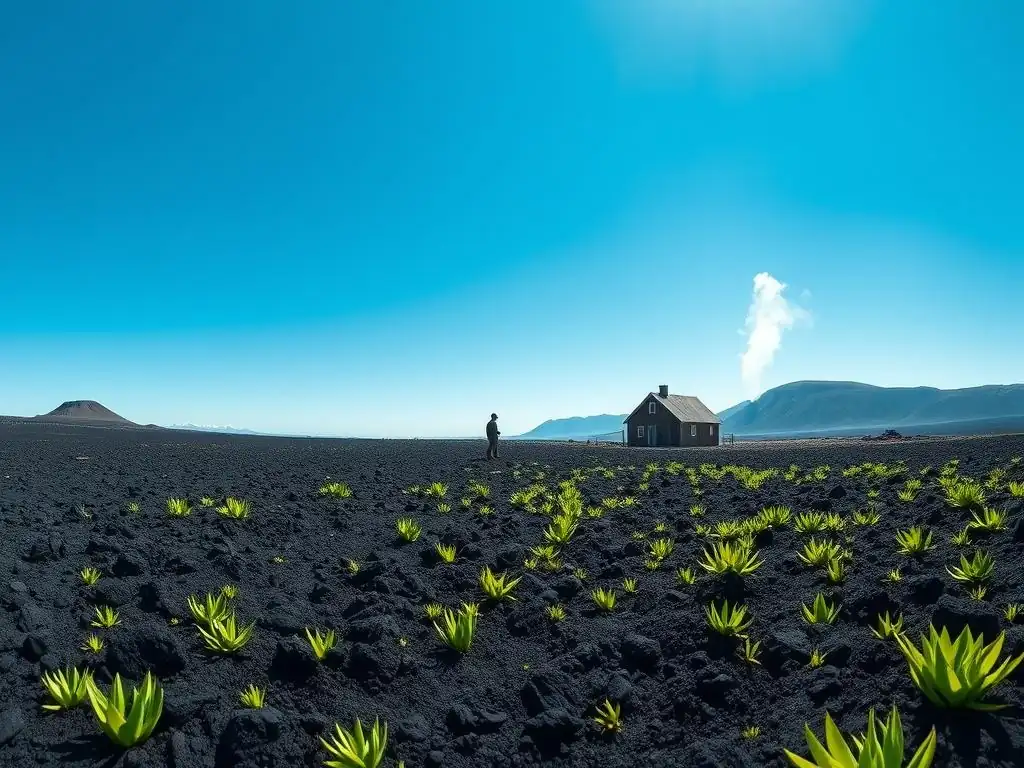
Revitalizing Local Economies in Iceland: Geothermal Energy and Sustainable Livelihoods
Geothermal energy stands as a cornerstone of Icelandic economic recovery and a model for sustainable livelihoods, particularly in volcanic regions impacted by eruptions. Iceland's abundant geothermal resources, a direct consequence of its volcanic activity, are not merely a source of clean energy but also a catalyst for economic diversification and resilience. Post-eruption, investment in geothermal infrastructure can play a crucial role in revitalizing local economies. For instance, in areas affected by ashfall or infrastructure damage, geothermal heating systems can quickly replace disrupted energy sources, ensuring the continuity of daily life and supporting local businesses. Beyond basic heating, geothermal energy powers industries like aquaculture and greenhouses, providing stable and sustainable food production even in challenging environmental conditions. Icelandic greenhouses, heated geothermally, produce a significant portion of the nation’s vegetables, reducing reliance on imports and enhancing food security, especially important in the aftermath of disruptions to supply chains caused by volcanic events.
Moreover, geothermal energy fosters the development of specialized industries and technological innovation. Icelandic companies have become global leaders in geothermal technology, exporting expertise and equipment worldwide. This sector generates high-skilled jobs and contributes significantly to the national economy.
In rural communities, geothermal power plants and related industries can become anchor employers, providing stable livelihoods and attracting skilled workers to regions that might otherwise face economic decline after a volcanic disaster. The sustainable nature of geothermal energy aligns with Iceland's broader commitment to environmental stewardship, enhancing the country's image as a leader in green technology and attracting environmentally conscious investment. By leveraging its volcanic resources for geothermal energy, Iceland not only achieves energy independence but also builds a resilient and diversified economy capable of weathering the challenges posed by its dynamic geological environment.
Tourism and Icelandic Volcanic Landscapes: Opportunities for Economic Growth
Volcano tourism has emerged as a significant and often unexpected engine for economic growth in Iceland, particularly in regions recovering from volcanic eruptions. While eruptions can initially deter tourists due to safety concerns and travel disruptions, the dramatic landscapes they create and the sheer spectacle of volcanic activity ultimately become powerful magnets for visitors. Iceland has successfully transformed volcanic areas into major tourist destinations, offering unique experiences that draw adventure seekers, nature enthusiasts, and those fascinated by geological wonders.
The Blue Lagoon, a geothermal spa renowned for its milky blue waters, is perhaps the most famous example. Fed by geothermal effluent from a nearby power plant in a lava field, it attracts over 1.3 million visitors annually, generating substantial revenue and employment in the Reykjanes Peninsula, a region characterized by active volcanism.
The 2010 Eyjafjallajökull eruption, despite its initial disruptions, inadvertently boosted volcano tourism. The ash cloud captured global attention, and once travel resumed, many tourists were drawn to Iceland specifically to witness the aftermath of the eruption and explore the volcanic landscapes. Tour operators now offer guided tours to volcanic areas, including helicopter flights over active volcanoes, hikes across lava fields, and visits to volcanic caves and craters.
Local communities in volcanic regions have capitalized on this trend, developing tourism infrastructure such as hotels, restaurants, and visitor centers. This has created new employment opportunities and diversified local economies that were previously reliant on traditional sectors like agriculture or fishing. Volcano tourism not only contributes to economic recovery but also raises awareness about volcanic processes, environmental sustainability, and the unique geological heritage of Iceland, turning a potential hazard into a valuable economic and educational asset.
The Role of Community Support in Post-Eruption Recovery in Iceland
Community support and robust social networks are paramount in building resilience and facilitating recovery in Icelandic communities affected by volcanic eruptions. Icelandic society is characterized by strong social cohesion and a deeply ingrained sense of community, values that are actively reinforced during and after volcanic events. Following an eruption, informal networks of family, friends, and neighbors play a crucial role in providing immediate assistance, emotional support, and practical help to those directly impacted.
Community centers and local organizations often become hubs for coordinating aid, distributing resources, and providing a space for people to connect and share their experiences. This sense of collective solidarity is a vital buffer against the psychological and social stresses associated with volcanic disasters.
Formal community support structures are also highly effective in Iceland. Well-established volunteer organizations, such as the Icelandic Red Cross and local search and rescue teams, are rapidly mobilized in emergency situations. These organizations provide critical services, including evacuation assistance, first aid, shelter, and psychosocial support.
The close-knit nature of Icelandic communities facilitates efficient communication and coordination between formal and informal support networks. Local authorities work closely with community leaders and residents to ensure that recovery efforts are tailored to the specific needs of each community. This collaborative approach, rooted in strong social ties and a culture of mutual support, enhances the overall resilience of Icelandic communities and enables them to recover more effectively from volcanic disruptions.
Mental Health and Well-being After Icelandic Volcanic Events
The mental health and well-being of individuals and communities are integral components of post-eruption recovery in Iceland. While physical rebuilding is essential, addressing the psychological impacts of volcanic events is equally crucial for long-term resilience. Volcanic eruptions can be traumatic experiences, causing stress, anxiety, and even post-traumatic stress disorder (PTSD) among affected populations. The uncertainty, disruption to daily life, and potential loss of property and livelihoods can take a significant toll on mental health. Recognizing this, Iceland's approach to disaster recovery includes proactive mental health support services.
Following volcanic events, mental health professionals and counselors are often deployed to affected communities to provide counseling, support groups, and psychoeducation. Schools and community centers may host workshops and programs aimed at helping people cope with stress and trauma. The strong social networks within Icelandic communities also play a vital role in mental health support. Talking to family, friends, and neighbors, sharing experiences, and providing emotional support are culturally ingrained coping mechanisms.
Furthermore, Icelandic culture emphasizes connection to nature and outdoor activities, which can be therapeutic in the aftermath of a disaster. Access to outdoor spaces and opportunities for recreation are considered important for promoting mental well-being and fostering a sense of normalcy during the recovery process. By prioritizing mental health and well-being alongside physical rebuilding, Iceland ensures a more holistic and sustainable path to recovery for its volcanic communities.
Case Studies: Successful Cultural Renewal Initiatives in Iceland
The Westman Islands: Rebuilding After the 1973 Eldfell Eruption
The 1973 Eldfell eruption on Heimaey, the largest island in the Westman Islands archipelago, serves as a remarkable case study in successful cultural renewal and community resilience after a devastating volcanic event. The eruption, which began unexpectedly in January 1973, forced the near-complete evacuation of the island's 5,300 residents. Homes were destroyed by lava and ash, and the island's vital fishing harbor was threatened.
However, the community's response and subsequent rebuilding efforts are a testament to Icelandic determination and ingenuity. Crucially, the decision was made to fight back against the lava flow threatening the harbor. Using seawater to cool and solidify the lava, a monumental effort involving pumps and pipes successfully diverted the flow, saving the harbor and ensuring the island's economic future.
Following the eruption, the community demonstrated extraordinary resilience in rebuilding their lives and their town. Temporary housing was provided, and a phased return to the island was organized. Reconstruction was not simply about rebuilding structures but also about revitalizing community spirit and cultural identity.
The Eldheimar museum, built around excavated houses buried in ash, stands as a powerful memorial to the eruption and a testament to the community's experience. The museum serves as a cultural anchor, educating visitors and residents alike about the event and its impact.
Furthermore, the new land created by the lava flow has been integrated into the town, used for parks, recreation areas, and even expanded housing, demonstrating a creative adaptation to the changed landscape. The Westman Islands' experience highlights the importance of community solidarity, proactive intervention, and cultural memory in achieving successful renewal after a volcanic disaster, transforming a crisis into an opportunity for growth and reinvention.
The Grímsvötn Area: Revitalization of Sheep Farming Practices
The Grímsvötn volcanic system, located beneath the Vatnajökull ice cap, is one of Iceland's most active volcanic areas. Eruptions from Grímsvötn, while often causing significant ashfall across Iceland, have also presented challenges and opportunities for local sheep farming communities in the surrounding highlands. Volcanic ash, while initially disruptive, can, over time, enrich soil fertility.
However, immediate ashfall can contaminate grazing lands, posing risks to livestock health, particularly due to fluoride accumulation in vegetation. Traditionally, Icelandic sheep farming in these areas was heavily reliant on summer grazing in mountain pastures. Eruptions disrupting grazing patterns necessitate adaptive strategies to maintain this vital cultural and economic activity.
In the Grímsvötn area, revitalization of sheep farming practices post-eruption has involved a combination of traditional knowledge and modern techniques. Farmers have adapted grazing management, moving sheep to unaffected areas or providing supplementary feed during periods of heavy ashfall. Innovations in animal husbandry, such as monitoring fluoride levels in sheep and implementing strategies to mitigate fluoride poisoning, have been adopted.
Community cooperation and knowledge sharing among farmers have been crucial in disseminating best practices and supporting each other during challenging times. Furthermore, diversification of farm income, including tourism-related activities like farm stays and guided tours, has provided additional resilience to these farming communities. The revitalization of sheep farming in the Grímsvötn area exemplifies how traditional livelihoods can be sustained and adapted in volcanic regions through a combination of resilience, innovation, and community collaboration, ensuring the continuation of cultural practices deeply rooted in the Icelandic landscape.
Volcanoes as Sacred Sites in Iceland: Maintaining Spiritual Connections
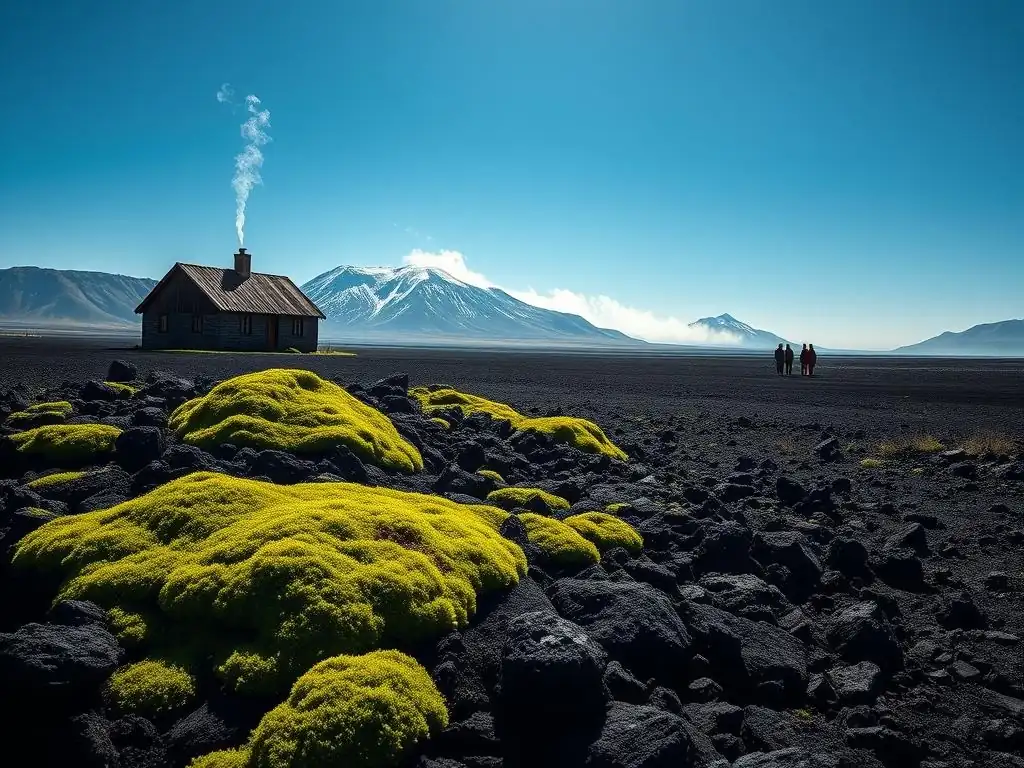
Honoring Volcanic Spirits and Natural Forces in Icelandic Tradition
Volcanoes in Iceland are not merely geological features; they hold a deep spiritual significance, deeply embedded in Icelandic tradition and folklore. For centuries, Icelanders have viewed volcanoes as powerful manifestations of natural forces, often associated with mythical beings and spirits. Traditional beliefs acknowledge the unpredictable and sometimes destructive nature of volcanoes, attributing eruptions to the actions of these supernatural entities.
Stories of fire giants, elves, and other hidden folk dwelling within or around volcanoes are prevalent in Icelandic folklore, reflecting a worldview that sees the natural world as imbued with spiritual agency. Places like Hekla and Katla, two of Iceland's most notorious volcanoes, have long been considered sacred sites, commanding both respect and a degree of fear.
Rituals and practices aimed at honoring and appeasing these volcanic spirits were historically part of Icelandic culture. While overt rituals may have diminished with the advent of Christianity and modern secularism, a sense of spiritual connection to volcanoes persists. Many Icelanders still acknowledge the power of nature and the need to live in harmony with it.
Respect for the land, including volcanic areas, remains a cultural value. Even today, some may avoid disturbing volcanic landscapes or express a sense of reverence when near volcanoes, reflecting a lingering awareness of their spiritual significance. This enduring connection to volcanic spirits and natural forces highlights the deep cultural relationship Icelanders have with their volcanic environment, extending beyond purely scientific or pragmatic perspectives.
The Intersection of Science and Spirituality in Icelandic Volcanic Regions
In contemporary Iceland, there's a fascinating intersection between scientific understanding of volcanoes and traditional spiritual perspectives. While Iceland is a modern, scientifically advanced nation with a strong emphasis on volcanology and geological research, the cultural heritage of spiritual connection to volcanoes has not entirely disappeared. Instead, science and spirituality often coexist and even complement each other in shaping how Icelanders understand and interact with their volcanic landscape.
Iceland boasts world-leading volcanologists and monitoring systems, providing sophisticated scientific knowledge about volcanic processes and risk assessment. This scientific approach is crucial for public safety and preparedness, informing evacuation plans and hazard mitigation strategies.
However, alongside this scientific framework, many Icelanders retain a sense of awe and respect for the power of volcanoes that transcends purely scientific explanations. This can manifest as a recognition of the limits of human control over nature, an appreciation for the raw beauty and creative forces of volcanic activity, or a sense of humility in the face of geological power.
Even scientists working in volcanology may express a sense of wonder and respect for the forces they study, acknowledging the profound impact of volcanoes on the landscape and human history. This intersection of science and spirituality is not necessarily a contradiction but rather a reflection of a complex cultural relationship with volcanoes.
Science provides the tools for understanding and managing volcanic risk, while spirituality offers a deeper cultural and emotional framework for living in harmony with these powerful natural forces, enriching the Icelandic experience of life in a volcanic land.
Education and Awareness: Preparing for Future Volcanic Events in Iceland
Incorporating Volcanic Awareness into Icelandic School Curricula
Education and awareness are paramount in preparing Icelandic communities for future volcanic events, and this preparedness begins in the school curricula. Iceland's education system integrates volcanic awareness at various levels, ensuring that children and young adults develop a comprehensive understanding of volcanic processes, hazards, and safety measures from an early age. Starting in primary school, students are introduced to basic concepts about volcanoes, earthquakes, and Iceland's geological setting.
Age-appropriate lessons cover topics like the formation of volcanoes, different types of eruptions, and the effects of volcanic ash and glacial floods. Field trips to volcanic areas and museums, like the Volcano House in Reykjavík or the Lava Centre in Hvolsvöllur, provide hands-on learning experiences, making the subject matter engaging and relatable.
In secondary school, the curriculum delves deeper into the science of volcanology, incorporating more detailed geological information and exploring the monitoring systems used in Iceland. Students learn about risk assessment, emergency preparedness, and the role of civil protection agencies. Practical exercises, such as creating evacuation plans or participating in simulated emergency drills, enhance their preparedness skills.
Furthermore, the curriculum often includes discussions about the cultural and historical significance of volcanoes in Iceland, linking scientific knowledge to cultural heritage. By embedding volcanic awareness throughout the education system, Iceland ensures that future generations are not only knowledgeable about volcanic hazards but also culturally attuned to living safely and sustainably in a volcanic environment.
Community Education Programs in Iceland: Building Knowledge and Preparedness
Beyond the formal education system, community education programs play a vital role in building widespread knowledge and preparedness for volcanic events in Iceland. These programs target the general public, providing accessible information and training on volcanic hazards, emergency procedures, and community resilience. The Icelandic Meteorological Office (IMO) and the Department of Civil Protection and Emergency Management are key agencies involved in public education. They regularly conduct public awareness campaigns through various channels, including websites, social media, public service announcements, and community meetings. Information is disseminated about current volcanic activity levels, potential hazards, and safety guidelines.
Community workshops and training sessions are organized in volcanic risk areas, often in collaboration with local municipalities and volunteer organizations. These programs cover topics such as understanding volcanic alert levels, preparing emergency kits, developing family evacuation plans, and participating in community-based emergency drills. Emphasis is placed on practical skills and local knowledge, empowering residents to take proactive steps to protect themselves and their communities.
Furthermore, public education initiatives often leverage community leaders, local experts, and trusted figures to disseminate information and build trust within communities. By combining formal education in schools with ongoing community-based programs, Iceland fosters a culture of preparedness, ensuring that its population is well-informed and actively engaged in mitigating the risks associated with living in a volcanic nation, enhancing overall community safety and resilience.
The Future of Icelandic Volcanic Communities: Sustainable Coexistence
Planning for Long-Term Resilience and Adaptation in Iceland
Planning for long-term resilience and adaptation is crucial for the sustainable future of Icelandic communities living in volcanic regions. Iceland's proactive approach to volcanic risk management extends beyond immediate emergency response to encompass long-term strategies that build resilience at multiple levels – individual, community, and national. Land-use planning plays a key role.
Zoning regulations and building codes in volcanic hazard zones are designed to minimize risk. Critical infrastructure, such as power plants and communication networks, are often located in areas with lower volcanic risk or designed with enhanced resilience in mind. Infrastructure development also considers potential volcanic hazards, with roads and bridges designed to withstand glacial floods and ashfall, ensuring connectivity even during volcanic events.
Community-based resilience initiatives are central to long-term adaptation. Empowering local communities to develop their own preparedness plans, fostering strong social networks, and promoting community-led emergency response capabilities are key strategies. Diversification of local economies is also essential. Reducing reliance on single industries vulnerable to volcanic disruptions and promoting diverse livelihoods, including tourism, geothermal energy, and technology sectors, enhances economic resilience.
Furthermore, continuous monitoring and research are vital for long-term preparedness. Iceland's investment in advanced volcanic monitoring systems and ongoing scientific research provides crucial data for risk assessment and informed decision-making. By integrating these elements into long-term planning, Iceland aims to create sustainable and resilient communities that can thrive in a dynamic volcanic environment.
Balancing Development and Volcanic Risk in Iceland: A Sustainable Approach
Achieving a sustainable balance between economic development and volcanic risk is an ongoing challenge and a core principle guiding the future of Icelandic volcanic communities. Iceland’s economic prosperity is intrinsically linked to its volcanic landscape, particularly through geothermal energy and tourism. However, this prosperity must be pursued in a way that minimizes risks and ensures the long-term well-being of communities living in volcanic areas. A sustainable approach requires integrated risk management strategies that consider environmental, economic, and social factors.
Sustainable tourism development is crucial. While volcano tourism offers significant economic benefits, it must be managed responsibly to minimize environmental impact and ensure the safety of visitors and local communities. This includes careful planning of tourism infrastructure, visitor education about volcanic hazards, and sustainable tourism practices that respect the natural environment.
Geothermal energy development, while inherently sustainable in terms of energy production, also requires careful environmental management. Geothermal power plants must be designed and operated to minimize environmental impacts, such as emissions and groundwater usage. Sustainable land-use practices are essential in volcanic regions.
Balancing development with the need to protect natural landscapes, preserve biodiversity, and mitigate volcanic hazards requires careful planning and regulation. Community engagement and participation are vital in ensuring that development decisions are informed by local knowledge and reflect community values. By adopting a holistic and integrated approach that prioritizes sustainability, Iceland strives to harness the economic opportunities presented by its volcanic environment while safeguarding its communities and natural heritage for future generations, ensuring a harmonious and resilient coexistence with its powerful volcanic forces.
Frequently Asked Questions
What are the immediate effects on life after a volcanic eruption?
The immediate effects are devastating, including loss of life, destruction of infrastructure, and environmental contamination from ash and gases. Survival depends on immediate access to shelter, food, and clean water.
How does a community begin the process of rebuilding after a volcanic eruption?
Rebuilding starts with assessing the damage, clearing debris, and establishing temporary housing. Long-term recovery involves restoring infrastructure, revitalizing the economy, and addressing the emotional and psychological needs of the affected population.
What role does cultural heritage play in the recovery process after a volcanic eruption?
Cultural heritage can be a powerful source of resilience and identity during recovery. Rebuilding cultural sites and reviving traditions can help communities reconnect with their past and forge a sense of hope for the future.
What are the long-term environmental impacts following a volcanic eruption, and how does life adapt?
Long-term impacts include soil enrichment from ash, altered landscapes, and potential changes to local ecosystems. Life gradually adapts through natural succession, with some species thriving in the new environment while others struggle.
How can volcano monitoring and early warning systems improve the chances of survival and life after a volcanic eruption?
Effective monitoring and warning systems allow for timely evacuations, saving lives and reducing the impact of the eruption. Preparedness education and community engagement are also crucial for ensuring safe responses and facilitating a quicker return to life after the eruption.
Final Reflection: Embracing Resilience After the Fire
The narrative woven throughout this exploration of life after volcanic eruption underscores a profound truth: humanity's capacity for resilience knows no bounds. From the immediate aftermath of devastation to the slow, painstaking process of cultural renewal, the stories shared highlight the enduring spirit that allows communities to not only survive but thrive in the face of unimaginable adversity. The lessons learned from these experiences are not confined to volcanic regions; they resonate deeply in a world grappling with various forms of disruption and change.
The enduring impact of volcanic eruptions extends far beyond the physical landscape, shaping collective memory, cultural identity, and the very fabric of society. Witnessing these communities rebuild and reclaim their lives is a powerful reminder of our own potential for growth and transformation in the face of challenges. The human spirit is like a volcano; when it is quiet, it is dangerous.
- Napoleon Bonaparte. This quote, while perhaps not directly about volcanic eruptions, speaks to the underlying power and potential that lies dormant within us, waiting to be unleashed in the face of adversity.
As you reflect on the stories and insights shared within these pages, consider the "blast zones" in your own life – the moments of disruption, loss, or unexpected change that have tested your resilience. How have you navigated these challenges? What lessons have you learned? And how can you apply the principles of community, adaptation, and cultural renewal to not only rebuild but to emerge stronger and more vibrant than before? Embrace the power within you, and let the spirit of those who have risen from the ashes inspire you to create a future filled with hope and possibility.
Okay, here's a CTA for the end of an article titled "Beyond the Blast Zone: Life After Eruption and Cultural Renewal" for Volcano Explorers (volcanoexplorers.org):
Ignite Your Own Renewal: Discover the Spirit of Resilience!
Thank you for joining us on this journey through cultural rebirth after volcanic eruption. We hope you've found inspiration in the stories of communities rebuilding and rediscovering their heritage. Now, it's your turn to connect with this powerful spirit!
Here are a few ways you can take action and contribute to the ongoing story:
- Share this article with someone you think could be inspired by the resilience shown by these communities – spread the message of hope and cultural renewal!
- Learn more about sustainable tourism in volcanic regions and plan a respectful visit when the time is right. Consider supporting local businesses and initiatives.
- Support organizations that are actively involved in cultural preservation and disaster relief in affected areas. Even a small contribution can make a big difference!
What small act of renewal will you commit to today to honor the spirit of resilience and cultural rebirth?