
Echoes of Eruptions in Pandemic Records: Is History Trying to Tell Us Something?


Welcome to Volcano Explorers, where the Earth breathes fire and history whispers through the ash. Ever wondered if the past can predict the future, etched in the very rock beneath our feet? Our latest deep dive unearths a chilling connection between historical volcanic eruptions impact and the echoes they leave in pandemic records. Is history trying to tell us something? Dare to explore and uncover the secrets within...
- Introduction: Unearthing the Link Between Historical Volcanic Eruptions and Global Impacts
- Historical Volcanic Eruptions: A Timeline of Cataclysmic Events
- Pandemics Throughout History: A Parallel Timeline of Disease Outbreaks
- The Hypothesis: Connecting Volcanic Eruptions to Pandemic Outbreaks
- Evidence Supporting the Correlation: Data Analysis and Historical Records
- Challenges and Counterarguments: Addressing Skepticism and Alternative Explanations
- Implications for the Future: Understanding the Risks and Preparing for Potential Events
- Conclusion: Learning from the Past to Safeguard the Future
-
Frequently Asked Questions
- How can historical volcanic eruptions be linked to pandemic records?
- What types of evidence are used to connect volcanic eruptions to past pandemics?
- How might a large volcanic eruption trigger or exacerbate a pandemic?
- Are there specific historical volcanic eruptions suspected of influencing past pandemics?
- What is the importance of understanding the historical impact of volcanic eruptions?
- Final Reflection: Whispers from the Past
- Rediscover History's Whispers: Will You Listen?
Introduction: Unearthing the Link Between Historical Volcanic Eruptions and Global Impacts
VolcanoExplorers.org Investigates the Potential Correlation Between Past Eruptions and Pandemics
Welcome to VolcanoExplorers.org, your gateway to understanding the dynamic and often dramatic world of volcanoes. Today, we embark on an intriguing and perhaps unsettling exploration: the potential relationship between historical volcanic eruptions and the occurrence of global pandemics.
While seemingly disparate events, emerging research and historical analyses suggest a possible connection, prompting us to delve deeper into whether these cataclysmic natural phenomena could, in some way, influence the outbreaks of widespread disease. This article will navigate through timelines of major volcanic eruptions and significant pandemics, examining environmental and atmospheric changes triggered by eruptions and their possible impact on human health and disease transmission.
The premise that volcanic eruptions, known for their immediate and devastating local effects, could also exert a global influence on disease outbreaks is a complex and evolving field of study. By meticulously comparing historical records, environmental data, and epidemiological timelines, we aim to uncover potential correlations, explore plausible mechanisms, and ultimately, understand if history is indeed whispering a warning about the far-reaching consequences of historical volcanic eruptions impact. Join us as we journey through time, piecing together clues from Earth’s fiery past to illuminate potential vulnerabilities in our interconnected world.
Historical Volcanic Eruptions: A Timeline of Cataclysmic Events
Major Volcanic Eruptions Throughout History and Their Estimated Global Reach
Throughout Earth's history, colossal volcanic eruptions have punctuated the geological and human timeline, leaving indelible marks on the planet's climate and, potentially, the trajectory of civilizations. The Minoan eruption of Thera (modern Santorini) around 1600 BCE, for instance, not only devastated the Minoan civilization but also likely impacted regions across the Mediterranean with ashfall and tsunami waves.
Moving forward to the Common Era, the eruption of Mount Vesuvius in 79 CE, famously burying Pompeii and Herculaneum, serves as a stark reminder of the immediate destructive power of volcanoes. However, the global reach of these events becomes more pronounced when considering eruptions with a higher Volcanic Explosivity Index (VEI).
The Tambora eruption in 1815, a VEI 7 event, is a prime example of a globally impactful eruption. It ejected an estimated 100 cubic kilometers of material into the atmosphere, leading to the "Year Without a Summer" in 1816. Global temperatures plummeted by approximately 0.4 to 0.7 °C (0.7 to 1.3 °F), causing widespread crop failures and famine across Europe and North America.
Similarly, the Krakatoa eruption in 1883 (VEI 6) sent atmospheric shockwaves around the world multiple times and produced stunning sunsets for years due to stratospheric aerosols. More recently, the Mount Pinatubo eruption in 1991 (VEI 6) injected vast quantities of sulfur dioxide into the stratosphere, resulting in a measurable global cooling of about 0.5 °C (0.9 °F) for several years. These examples underscore that historical volcanic eruptions impact extends far beyond the immediate vicinity of the volcano, potentially influencing global climate patterns and atmospheric conditions.
Examining the Environmental Consequences of Significant Eruptions: Tambora 1815, Krakatoa 1883, Pinatubo 1991
The environmental consequences of major volcanic eruptions are multifaceted and far-reaching, with Tambora (1815), Krakatoa (1883), and Pinatubo (1991) serving as compelling case studies. The Tambora eruption, arguably the most impactful in recent history, unleashed a cascade of environmental changes. The massive injection of sulfur dioxide into the stratosphere formed sulfate aerosols that reflected sunlight back into space, leading to a significant global cooling.
This cooling disrupted weather patterns worldwide, causing unseasonal frosts, torrential rains, and widespread agricultural failures. In Europe, the "Year Without a Summer" led to famine and social unrest. In India, the altered monsoon patterns contributed to cholera outbreaks.
Krakatoa's 1883 eruption, while slightly less impactful climatically than Tambora, still produced significant environmental disturbances. The eruption generated a massive tsunami that devastated coastal regions around the Sunda Strait, causing tens of thousands of fatalities. Atmospherically, Krakatoa's aerosols contributed to spectacular optical phenomena globally, but also had a minor, short-term cooling effect. Mount Pinatubo's 1991 eruption, meticulously monitored by modern scientific instruments, provided valuable insights into the atmospheric impacts of volcanic eruptions. The eruption injected approximately 20 million tons of sulfur dioxide into the stratosphere, leading to a global cooling trend that lasted for a few years. Scientists observed a decrease in global average temperatures and changes in ozone levels. Furthermore, the increased scattering of sunlight affected plant photosynthesis and terrestrial ecosystems. These examples demonstrate that historical volcanic eruptions impact the environment through temperature changes, altered precipitation patterns, atmospheric chemistry modifications, and even direct physical destruction from tsunamis and ashfall.
Pandemics Throughout History: A Parallel Timeline of Disease Outbreaks
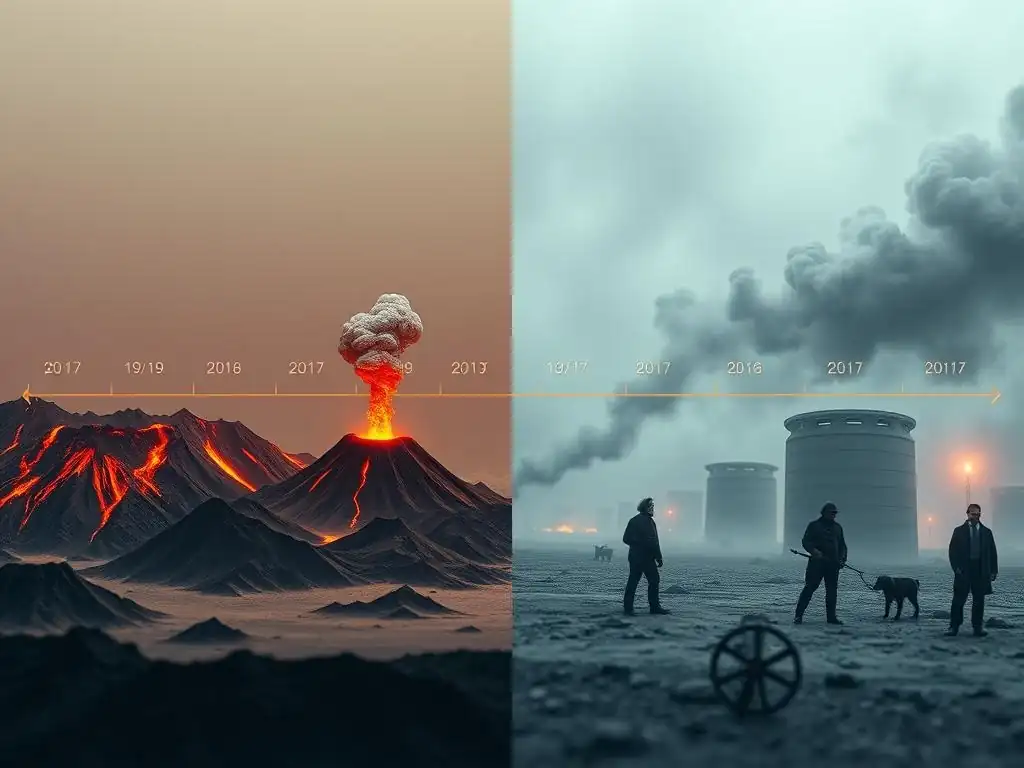
Notable Pandemics in History and Their Socio-Economic Impacts
Human history is tragically punctuated by pandemics – widespread outbreaks of infectious diseases that have caused immense suffering and profoundly reshaped societies. The Antonine Plague (165-180 CE), likely smallpox or measles, ravaged the Roman Empire, contributing to its decline and causing an estimated 5 million deaths. Centuries later, the Black Death (1347-1351), caused by Yersinia pestis, remains one of the deadliest pandemics in history, wiping out an estimated 30-60% of Europe's population and triggering significant social, economic, and religious upheaval. The long-term consequences included labor shortages, the decline of feudalism, and shifts in religious beliefs.
The Spanish Flu pandemic of 1918-1919, caused by an H1N1 influenza virus, occurred in the aftermath of World War I and infected an estimated 500 million people worldwide, resulting in 50 to 100 million deaths. Its socio-economic impact was substantial, straining healthcare systems, disrupting economies, and leaving lasting psychological scars. More recently, the COVID-19 pandemic, caused by SARS-CoV-2, starting in 2020, has demonstrated the continued vulnerability of globalized societies to novel infectious diseases.
It has caused millions of deaths, overwhelmed healthcare systems globally, triggered economic recessions, and exposed deep societal inequalities. These examples illustrate that pandemics are not merely health crises; they are transformative events with profound and lasting socio-economic consequences.
Analyzing the Timing and Spread of Historical Pandemics: The Black Death, Spanish Flu, COVID-19
Analyzing the timing and spread of historical pandemics reveals complex patterns influenced by a multitude of factors, including trade routes, population density, sanitation, and environmental conditions. The Black Death, originating in Central Asia, spread along trade routes, reaching Europe via Genoese trading ships. Its rapid spread was facilitated by crowded urban conditions and poor sanitation in medieval European cities. The pandemic's timing in the 14th century coincided with a period of the Medieval Warm Period transitioning into the Little Ice Age, although the direct environmental link to the Black Death is debated.
The Spanish Flu pandemic, in contrast, emerged in the context of globalized movement during World War I. Troop movements and dense populations in military camps likely facilitated the rapid evolution and spread of the virus. The pandemic peaked in the fall of 1918, during a period of relatively normal climatic conditions, suggesting that immediate environmental factors might have played a less direct role compared to factors like wartime conditions and global connectivity.
COVID-19, in the modern era of hyper-globalization, spread with unprecedented speed across the world via air travel and interconnected economies. While the pandemic's origins are still under investigation, its rapid global dissemination highlights the role of modern transportation networks and global interconnectedness in pandemic spread.
Analyzing these pandemics reveals that while factors like trade, urbanization, and global travel are crucial in understanding pandemic dynamics, the potential influence of broader environmental factors, such as those triggered by historical volcanic eruptions impact, warrants further scrutiny.
The Hypothesis: Connecting Volcanic Eruptions to Pandemic Outbreaks
Exploring the Potential Mechanisms: How Eruptions Might Influence Disease Spread
The hypothesis connecting historical volcanic eruptions to pandemic outbreaks rests on several potential mechanisms through which large eruptions could influence disease spread on a global scale. One primary mechanism is climate disruption. Major eruptions inject massive amounts of sulfur dioxide into the stratosphere, forming sulfate aerosols that reflect sunlight and cause global cooling, sometimes referred to as a "volcanic winter."
This cooling can lead to crop failures, famine, and malnutrition, weakening human populations and making them more susceptible to infectious diseases. Furthermore, climate shifts can alter the habitats and ranges of disease vectors, such as mosquitoes and rodents, potentially leading to the emergence or re-emergence of diseases in new areas.
Another crucial mechanism involves atmospheric changes beyond cooling. Volcanic aerosols can alter atmospheric circulation patterns, potentially affecting precipitation and weather systems globally. These changes can impact sanitation and hygiene, particularly in regions reliant on rain-fed water sources, increasing the risk of waterborne diseases.
Moreover, volcanic ash, while primarily a local hazard, can also have respiratory health impacts. Fine ash particles can irritate the respiratory system, potentially exacerbating pre-existing conditions and increasing vulnerability to respiratory infections. The combined effects of climate disruption, atmospheric changes, and direct health impacts from volcanic aerosols could create a perfect storm of conditions that favor the emergence or spread of pandemics.
Climate Change and Its Role: Volcanic Eruptions and Global Cooling
Climate change induced by historical volcanic eruptions, particularly the phenomenon of global cooling, could play a significant role in influencing disease dynamics and potentially contributing to pandemic outbreaks. Large volcanic eruptions can trigger a period of global cooling that can last for months to years, depending on the magnitude of the eruption and the amount of sulfur dioxide injected into the stratosphere. This cooling is not uniform across the globe; some regions may experience more pronounced temperature drops than others, leading to regional climate anomalies and disruptions.
The immediate impact of volcanic cooling on human populations can be severe. Agricultural yields are highly sensitive to temperature changes, and sudden cooling events can lead to crop failures and food shortages. The "Year Without a Summer" following the Tambora eruption in 1815 is a stark example, with widespread famine reported across Europe and North America. Malnutrition weakens the immune system, making populations more vulnerable to infections.
Furthermore, cooling can alter human behavior and living conditions. People may crowd together indoors for warmth, increasing the risk of airborne disease transmission. Changes in weather patterns can also affect sanitation and hygiene, as well as the breeding habitats of disease vectors. Therefore, the climate change induced by historical volcanic eruptions impact, particularly global cooling and its associated consequences, could create conditions that exacerbate existing disease vulnerabilities and potentially trigger or amplify pandemic outbreaks.
The Impact of Aerosols and Atmospheric Changes on Human Health
Beyond global cooling, volcanic aerosols and associated atmospheric changes can have direct and indirect impacts on human health, potentially increasing susceptibility to infectious diseases. Volcanic eruptions release a complex mixture of gases and particles into the atmosphere, including sulfur dioxide, ash, and trace metals. Sulfur dioxide, upon reacting with water vapor in the stratosphere, forms sulfate aerosols, which are primarily responsible for the global cooling effect. However, these aerosols can also have direct respiratory effects. Inhaling sulfate aerosols can irritate the respiratory tract and exacerbate conditions like asthma and bronchitis, making individuals more vulnerable to respiratory infections.
Volcanic ash, composed of fine particles of rock and glass, also poses a respiratory hazard. While larger ash particles tend to settle out relatively quickly, finer particles can remain airborne for longer periods and penetrate deep into the lungs, causing irritation, inflammation, and potentially long-term respiratory problems like silicosis. Furthermore, volcanic eruptions can release trace metals like mercury and arsenic into the atmosphere, which can be deposited in the environment and potentially enter the food chain, posing further health risks.
Changes in atmospheric chemistry, such as altered ozone levels due to volcanic eruptions, can also impact human health by affecting UV radiation exposure. The cumulative impact of these aerosol-related health hazards, coupled with the stresses of climate disruption and potential malnutrition, could weaken populations and increase their vulnerability to infectious disease outbreaks, suggesting a pathway through which historical volcanic eruptions impact human health and potentially pandemic emergence.
Evidence Supporting the Correlation: Data Analysis and Historical Records
Examining Statistical Correlations Between Eruption Dates and Pandemic Onsets
Examining statistical correlations between the dates of major historical volcanic eruptions and the onsets of subsequent pandemics is a complex but crucial step in investigating the potential link. Directly establishing a simple, statistically significant correlation across all historical events is challenging due to the limitations of historical data, the multifactorial nature of pandemics, and the relatively infrequent occurrence of both major eruptions and global pandemics. However, researchers are exploring various approaches to analyze potential temporal associations.
One approach involves looking for clusters of pandemic onsets in the years immediately following major VEI 6 or higher eruptions. Analyzing timelines of known pandemics and comparing them to chronologies of large eruptions may reveal instances where pandemic outbreaks appear to follow significant eruptions within a few years. Statistical methods, while limited by data availability and accuracy for older events, can be applied to assess whether these temporal associations are statistically significant or simply due to chance.
Furthermore, paleoclimatic data derived from ice cores and tree rings can help refine the dating of past eruptions, while advancements in historical epidemiology are improving our understanding of pandemic timelines. While definitive statistical proof of a direct causal link remains elusive, exploring temporal correlations and patterns in historical records provides valuable clues and directions for further investigation into the historical volcanic eruptions impact on pandemic occurrences.
The Laki Fissure Eruption (1783-1784) and its Potential Link to the Subsequent Influenza Pandemic
The Laki fissure eruption in Iceland (1783-1784) and its potential link to the influenza pandemic that began shortly thereafter provides a compelling case study for exploring the eruption-pandemic hypothesis. The Laki eruption was one of the largest effusive volcanic eruptions in recorded history, releasing massive quantities of sulfur dioxide and other gases into the atmosphere over an eight-month period. The eruption had devastating local consequences in Iceland, causing widespread livestock deaths and famine due to acid rain and volcanic fog ("haze famine"). However, its impact extended far beyond Iceland.
The "Laki haze" spread across Europe, causing unusually hot summers and harsh winters. Historical accounts describe respiratory distress and illnesses attributed to the volcanic fog. Notably, an influenza pandemic, sometimes referred to as the "1788 Influenza Pandemic" or "Russian Flu" (though its precise timing and origin are debated), emerged in the years following the Laki eruption.
While definitively proving a causal link is challenging, researchers have noted the temporal proximity and the potential for the Laki eruption's environmental and health impacts to have created conditions conducive to a widespread influenza outbreak. The weakened state of populations in Europe due to climate anomalies and respiratory irritation from volcanic aerosols could have increased susceptibility to influenza and facilitated its rapid spread. The Laki eruption case underscores the need for detailed interdisciplinary research to explore potential links between specific historical volcanic eruptions impact and subsequent disease outbreaks.
Analyzing the Samalas Eruption (1257) Event and Subsequent Disease Patterns
The Samalas eruption of 1257, believed to be one of the largest volcanic eruptions of the last millennium, offers another intriguing case study for investigating the eruption-pandemic connection. This VEI 7 eruption, originating from Lombok, Indonesia, injected vast amounts of sulfur dioxide into the stratosphere, causing significant global cooling in the years that followed. Ice core records show a large sulfate spike in 1258, confirming the eruption's magnitude and global reach. Historical chronicles from Europe and Asia describe unusually cold summers and harsh winters in the years following 1257, supporting the paleoclimatic evidence.
Interestingly, the period following the Samalas eruption coincides with a period of increased disease activity in some parts of the world. While a globally synchronized pandemic immediately following 1257 is not clearly documented in historical records, some regional outbreaks and disease patterns have been noted. For example, there is evidence of increased mortality in some European monastic records during this period, although attributing this solely to the Samalas eruption is complex.
Further research is needed to analyze disease patterns and mortality data from various regions in the years following the Samalas eruption. Investigating historical records, paleopathological evidence, and climate proxies could potentially reveal if the Samalas eruption's global environmental impacts contributed to altered disease ecology or increased human vulnerability to infectious diseases, thus shedding light on the broader historical volcanic eruptions impact on disease dynamics.
Challenges and Counterarguments: Addressing Skepticism and Alternative Explanations
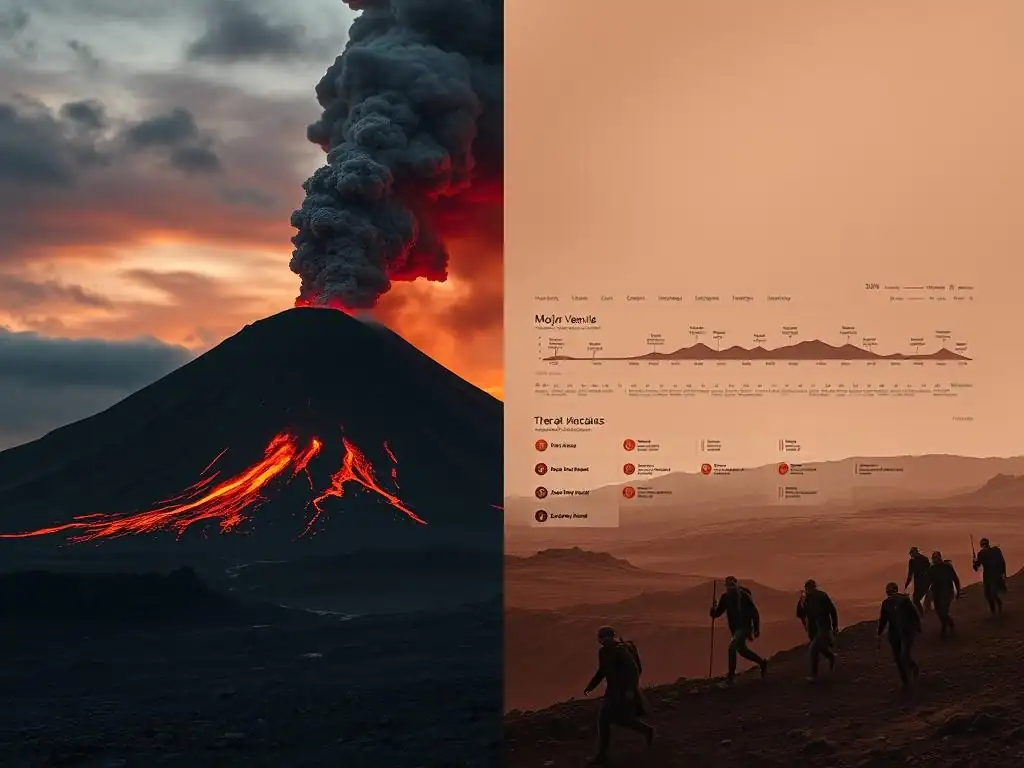
The Difficulty of Establishing Causation vs. Correlation
A significant challenge in establishing a link between historical volcanic eruptions and pandemics is differentiating between correlation and causation. While temporal associations between eruptions and pandemics may be observed, correlation does not automatically imply causation. Both volcanic eruptions and pandemic outbreaks are complex phenomena influenced by numerous factors. Simply because a pandemic occurs after a volcanic eruption does not definitively prove that the eruption caused the pandemic. It is crucial to consider other potential confounding factors and alternative explanations.
Establishing causation requires demonstrating a plausible mechanism through which volcanic eruptions could directly or indirectly increase the likelihood or severity of pandemics. As discussed earlier, potential mechanisms include climate disruption, atmospheric changes, and direct health impacts from volcanic aerosols. However, rigorously proving these mechanisms operated in specific historical cases and were indeed the primary drivers of pandemic outbreaks remains a complex scientific endeavor. Careful analysis of historical records, environmental data, and epidemiological timelines is necessary, but even with robust evidence, definitively isolating the causal role of volcanic eruptions from other contributing factors is inherently challenging when studying historical events.
Other Potential Factors Contributing to Pandemic Outbreaks: Trade Routes, Sanitation, Population Density
It is crucial to acknowledge that numerous factors, independent of volcanic eruptions, are well-established contributors to pandemic outbreaks throughout history. Trade routes have long been recognized as pathways for disease transmission. The Silk Road facilitated the spread of diseases across continents, and maritime trade routes played a key role in the dissemination of plagues and other infectious diseases. Poor sanitation and hygiene practices, particularly in densely populated urban centers, have historically been major drivers of infectious disease spread. Overcrowding, lack of clean water, and inadequate waste disposal create ideal conditions for pathogens to thrive and transmit rapidly.
Population density itself is a significant factor. Larger and more densely populated communities are inherently more susceptible to disease outbreaks due to increased contact rates and opportunities for transmission. Furthermore, factors like warfare, famine (independent of volcanic eruptions), and social disruptions can weaken populations, compromise public health infrastructure, and create conditions that favor pandemic emergence and spread.
Therefore, when considering the potential role of historical volcanic eruptions impact on pandemics, it is essential to acknowledge and account for these other well-established and often more direct contributors to disease outbreaks. A comprehensive understanding requires considering the interplay of multiple factors, rather than solely focusing on volcanic eruptions as the sole or primary cause.
Acknowledging the Limitations of Historical Data and Record Keeping
Analyzing historical volcanic eruptions impact on pandemics is inherently constrained by the limitations of historical data and record keeping. For events occurring centuries or millennia ago, our understanding of both volcanic eruptions and disease outbreaks relies on incomplete and often fragmented historical records. Dating past eruptions, particularly those before the era of modern scientific monitoring, can be challenging and rely on proxy data from ice cores, tree rings, and geological deposits, which may have inherent uncertainties. Similarly, historical records of disease outbreaks often lack precise diagnoses and may rely on descriptive accounts of symptoms rather than modern epidemiological classifications.
Furthermore, record keeping practices have varied significantly across time and cultures. Some societies have left more detailed written records than others, and the preservation of historical documents is often incomplete. Disease outbreaks may have been underreported or misattributed in historical accounts.
Mortality data, particularly for less severe outbreaks or in less developed regions, may be incomplete or inaccurate. These limitations in historical data necessitate a cautious and nuanced approach to analyzing potential links between volcanic eruptions and pandemics. Researchers must carefully consider the uncertainties and biases inherent in historical sources and employ interdisciplinary methods to triangulate evidence from different sources and disciplines to draw robust conclusions about the historical volcanic eruptions impact.
Implications for the Future: Understanding the Risks and Preparing for Potential Events
Can Historical Analysis Help Predict Future Pandemic Vulnerability After Volcanic Eruptions?
While historical analysis cannot provide precise predictions of future pandemics, it can offer valuable insights into potential vulnerabilities and risk factors associated with large volcanic eruptions. By studying the historical volcanic eruptions impact on past disease outbreaks, we can gain a better understanding of the potential mechanisms through which eruptions might influence pandemic risk. Identifying periods in history where pandemics appear to have followed major eruptions can highlight potential temporal patterns and suggest periods of increased vulnerability.
Furthermore, analyzing the specific environmental and atmospheric changes associated with past eruptions, such as the magnitude of global cooling, changes in precipitation patterns, and the extent of aerosol dispersal, can help assess the potential scale of future disruptions following similar eruptions. This knowledge can inform risk assessments and preparedness planning by identifying regions and populations that might be particularly vulnerable to disease outbreaks in the aftermath of a major volcanic eruption.
While each volcanic eruption and each pandemic is unique, historical analysis provides a valuable framework for understanding potential cascading risks and enhancing our overall preparedness for future global health challenges in a world where volcanic activity remains a constant force of nature.
The Importance of Volcanic Monitoring and Pandemic Preparedness
The potential link between historical volcanic eruptions and pandemics underscores the critical importance of both robust volcanic monitoring systems and comprehensive pandemic preparedness strategies. Enhanced volcanic monitoring is essential for providing early warnings of impending eruptions, allowing for timely evacuations and mitigation measures to reduce the immediate impacts of volcanic hazards like ashfall and lahars.
Modern volcano observatories utilize a range of instruments, including seismometers, GPS stations, gas sensors, and satellite imagery, to detect subtle changes in volcanic activity that may precede an eruption. Investing in and expanding these monitoring networks, particularly in regions with active volcanoes and vulnerable populations, is crucial for reducing risks.
Equally important is strengthening global pandemic preparedness. This includes investing in public health infrastructure, developing rapid disease surveillance systems, stockpiling essential medical supplies, and promoting international collaboration on disease prevention and control. The COVID-19 pandemic has highlighted the devastating consequences of inadequate pandemic preparedness. Understanding the potential interplay between volcanic eruptions and pandemics further reinforces the need for proactive and comprehensive global health security measures. Preparedness for both volcanic eruptions and pandemics are not separate endeavors; they are interconnected aspects of building resilience to global catastrophes and safeguarding human health in a dynamic and unpredictable world.
Mitigation Strategies: Reducing the Impact of Volcanic Eruptions and Disease Outbreaks
Mitigating the potential impacts of both volcanic eruptions and associated disease outbreaks requires a multi-faceted approach encompassing pre-eruption preparedness, eruption response, and post-eruption recovery strategies. Pre-eruption mitigation focuses on risk assessment, community education, and infrastructure development. Volcano monitoring and early warning systems are crucial for enabling timely evacuations. Developing resilient infrastructure, such as ash-resistant buildings and emergency water supplies, can reduce vulnerability to volcanic hazards. Public education campaigns can raise awareness about volcanic risks and preparedness measures.
During and immediately after an eruption, rapid response is critical. This includes effective evacuation procedures, emergency shelter provision, and delivery of essential aid like food, water, and medical supplies. Managing volcanic ashfall is a major challenge, requiring strategies for ash removal, respiratory protection, and infrastructure maintenance.
In the post-eruption recovery phase, addressing long-term health impacts, rebuilding infrastructure, and restoring livelihoods are essential. In the context of potential pandemic risks following eruptions, strengthening disease surveillance systems, ensuring access to healthcare, and implementing public health measures like vaccination campaigns become even more critical. Mitigation strategies must be integrated and coordinated across different sectors, involving volcanologists, public health experts, emergency responders, and community stakeholders, to effectively reduce the combined risks posed by historical volcanic eruptions impact and potential subsequent disease outbreaks.
Conclusion: Learning from the Past to Safeguard the Future
The Interconnectedness of Earth Systems: Volcanic Activity, Climate, and Human Health
The exploration of historical volcanic eruptions impact and their potential link to pandemics reveals the profound interconnectedness of Earth systems. Volcanic activity, a powerful geological force, directly influences the atmosphere and climate, which in turn can impact human health and disease ecology. Large volcanic eruptions are not isolated events; they are perturbations within a complex web of interactions that span the geosphere, atmosphere, biosphere, and human society. Understanding these interconnections is crucial for comprehending the full spectrum of risks posed by natural hazards and for developing effective strategies for building resilience.
The potential for historical volcanic eruptions impact to extend to pandemic outbreaks underscores the need for a holistic and interdisciplinary approach to risk assessment and disaster preparedness. Ignoring these interconnections and focusing solely on isolated hazards can lead to underestimation of risks and inadequate mitigation strategies. Recognizing the interconnectedness of Earth systems requires collaboration across scientific disciplines, including volcanology, climatology, epidemiology, and history, to gain a more complete picture of the complex interactions that shape our planet and our vulnerability to natural catastrophes.
Call to Action: Further Research and Collaboration to Understand the Historical Volcanic Eruptions Impact
The investigation into the potential link between historical volcanic eruptions and pandemics is an ongoing and evolving field of research. While historical data and preliminary analyses suggest a possible correlation, further research is needed to strengthen the evidence base, elucidate the underlying mechanisms, and refine our understanding of the historical volcanic eruptions impact. This requires a concerted and collaborative effort involving researchers from diverse disciplines. Volcanologists, climatologists, epidemiologists, historians, and public health experts need to work together to integrate datasets, develop robust analytical methods, and test hypotheses.
Specifically, future research should focus on refining historical timelines of both volcanic eruptions and pandemics, improving the accuracy of dating past events, and enhancing the resolution of paleoclimatic data. Developing more sophisticated statistical methods to analyze temporal correlations and assess causality is crucial.
Furthermore, research should delve deeper into the specific mechanisms through which volcanic eruptions might influence disease dynamics, including detailed studies of atmospheric changes, climate impacts, and human health effects. International collaboration and data sharing are essential to accelerate progress in this field and to translate research findings into actionable strategies for mitigating the risks posed by historical volcanic eruptions impact and potential subsequent pandemics, ultimately safeguarding global health and well-being.
Frequently Asked Questions
How can historical volcanic eruptions be linked to pandemic records?
Historical records, like ice core samples and tree rings, can show evidence of large volcanic eruptions that released sulfur dioxide into the atmosphere, potentially affecting global climate. These climate shifts might have influenced disease outbreaks and transmission patterns documented in historical records.
What types of evidence are used to connect volcanic eruptions to past pandemics?
Scientists use a combination of evidence, including historical climate data, ice core acidity levels (indicating volcanic sulfur), and correlations with historical accounts of disease outbreaks. This cross-disciplinary approach helps establish possible links.
How might a large volcanic eruption trigger or exacerbate a pandemic?
Volcanic eruptions can cause short-term cooling and disrupt weather patterns, leading to crop failures and famine. Such conditions weaken populations and can make them more susceptible to disease, potentially contributing to pandemic outbreaks.
Are there specific historical volcanic eruptions suspected of influencing past pandemics?
While pinpointing direct causal links is difficult, some researchers have explored possible connections between events like the 1815 Tambora eruption and subsequent disease outbreaks. Further research is needed to confirm these hypotheses.
What is the importance of understanding the historical impact of volcanic eruptions?
Understanding the past impact of volcanic eruptions, including their possible influence on historical pandemics, can help us better prepare for future events. It allows us to develop more resilient infrastructure, improve disease surveillance systems, and mitigate potential risks.
Final Reflection: Whispers from the Past
The echoes of historical volcanic eruptions, as explored throughout this article, aren't just dusty relics of the past; they are urgent warnings etched in the geological and societal record. The parallels we've drawn between these eruptions and the ongoing pandemic highlight a crucial truth: history, even in its most fiery and devastating forms, offers invaluable lessons for navigating present and future crises.
The enduring impact of these eruptions, from climate shifts to societal upheavals, underscores the interconnectedness of our world and the fragility of human systems. Understanding these past events is not merely an academic exercise; it's a vital step in building resilience and fostering a more informed response to future global challenges. Those who cannot remember the past are condemned to repeat it.
- George Santayana. This quote resonates deeply when considering the potential for future volcanic events and the lessons we can glean from how societies coped with similar disruptions in the past.
Let us not dismiss these historical eruptions as isolated incidents confined to textbooks. Instead, let us embrace the wisdom they offer. Consider how the lessons learned from these past events – the importance of preparedness, the necessity of clear communication, and the power of community resilience – can be applied to your own life and the challenges facing our world today. By heeding the whispers from the past, we can forge a more resilient and sustainable future for all.
Okay, I understand. Here's a Call to Action (CTA) based on the title "Echoes of Eruptions in Pandemic Records: Is History Trying to Tell Us Something?" for the website "Volcano Explorers" (volcanoexplorers.org):
Rediscover History's Whispers: Will You Listen?
Thank you for exploring the fascinating parallels between volcanic eruptions and pandemic responses throughout history. We hope you found valuable insights into how past events can inform our present and future. Now it’s time to translate that knowledge into action.
Here are a few steps you can take to further your understanding and contribute to the conversation:
- Dive deeper by researching specific volcanic eruptions alongside historical records of pandemics. Compare and contrast the societal impacts and responses.
- Share this article with friends, family, or colleagues who are interested in history, science, or current events. Spark a conversation about the lessons we can learn from the past.
- Contribute your own insights! Explore our website's forums and join the discussion. Have you found a lesser-known connection between volcanic activity and historical pandemics?
What specific historical parallel resonated most with you, and how do you think we can best apply these lessons to prepare for future challenges?