
Unmasking the Past: Could Volcanoes Explain Some Pandemic Mysteries?

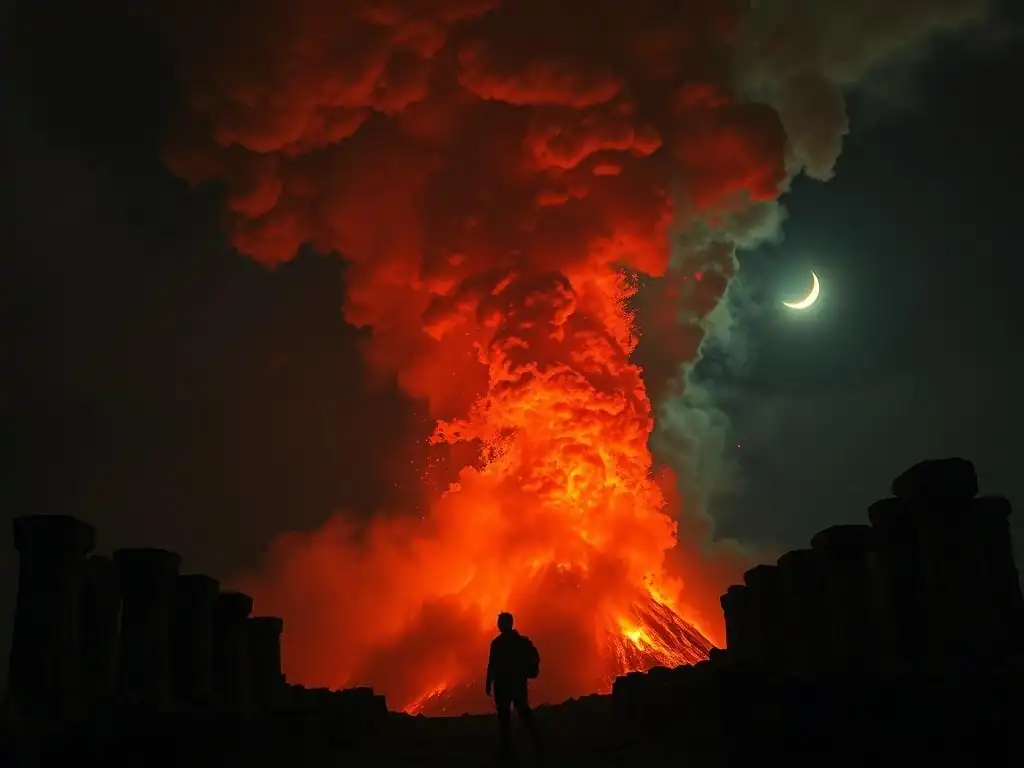
Welcome to Volcano Explorers!
Ever wondered if the fiery breath of volcanoes holds secrets to pandemics past? Delve into the chilling parallels between historical eruptions and global outbreaks in our latest exploration, "Unmasking the Past: Could Volcanoes Explain Some Pandemic Mysteries? ". Prepare to question everything you thought you knew as we uncover the surprising connections... Are you ready to explore the explosive link?
- Introduction: Exploring the Intriguing Link Between Volcanic Eruptions and Global Pandemics
- The Science Behind the Connection: How Volcanoes Might Influence Pandemic Spread
- Historical Pandemics: Are There Volcanic Fingerprints?
- Case Studies: Deep Dives into Specific Eruptions and Pandemic Correlations
- Challenges in Establishing Definitive Links Between Volcanoes and Pandemics
- Future Research: Unveiling the Full Extent of Volcanoes and Pandemic Connections
- Conclusion: Understanding the Interplay Between Earth's Forces and Human Health
-
Frequently Asked Questions
- How does the article "Unmasking the Past: Could Volcanoes Explain Some Pandemic Mysteries?" relate to VolcanoExplorers.org's usual content?
- What is the central argument of the article "Unmasking the Past: Could Volcanoes Explain Some Pandemic Mysteries? "?
- What kind of evidence is used to support the idea of "volcanoes and pandemic connections"?
- Does the article suggest any direct link between volcanic ash and the spread of diseases?
- What are some potential limitations to the "volcanoes and pandemic connections" theory?
- Final Reflection: Echoes of Eruption, Whispers of Disease
- Ignite Your Inner Volcanologist!
Introduction: Exploring the Intriguing Link Between Volcanic Eruptions and Global Pandemics
VolcanoExplorers.org Investigates: A Historical Perspective on Volcanic Activity and Disease Outbreaks
Volcanoes, often perceived as agents of destruction, might hold a more nuanced and complex role in shaping human history than previously understood. Beyond immediate devastation from eruptions, recent scientific inquiries are beginning to explore the subtle yet potentially profound influence of volcanic events on global health, specifically their possible connection to the emergence and spread of pandemics. VolcanoExplorers.org is dedicated to unearthing these hidden narratives, delving into historical records and scientific data to investigate whether colossal volcanic eruptions could have inadvertently set the stage for some of humanity's most devastating disease outbreaks.
This exploration is not about attributing blame to nature for human suffering, but rather about understanding the intricate web of interactions within our planet's systems. By examining past volcanic events in conjunction with historical pandemics, we aim to unravel potential causal links and correlations. This investigation will take us through centuries of documented history, from the plagues of antiquity to more recent pandemics, scrutinizing timelines, environmental changes, and scientific evidence to assess the plausibility of volcanoes as contributing factors in global disease outbreaks.
The Science Behind the Connection: How Volcanoes Might Influence Pandemic Spread
Aerosols and Climate Change: The Volcanic Impact on Global Weather Patterns
Massive volcanic eruptions are not just localized events; they are global phenomena with far-reaching atmospheric consequences. When volcanoes erupt explosively, they inject vast quantities of gases, including sulfur dioxide (SO2), and ash particles, known as aerosols, into the stratosphere. These aerosols, particularly sulfur dioxide which converts to sulfate aerosols, can linger in the upper atmosphere for months or even years, effectively forming a global veil that reflects incoming solar radiation back into space. This process leads to a measurable cooling of the Earth's surface temperature.
The consequences of this volcanic-induced cooling are far-ranging and can significantly alter global weather patterns. Reduced sunlight can disrupt monsoon systems, leading to droughts and floods in different parts of the world. Changes in atmospheric circulation can also influence jet streams and ocean currents, impacting temperature and precipitation patterns across continents.
These climate shifts can, in turn, create ecological imbalances, stress animal populations, and potentially alter the habitats of disease vectors like mosquitoes and rodents, influencing the spread of infectious diseases. The disruption of agricultural cycles due to volcanic cooling can also lead to famine and malnutrition, weakening human populations and making them more susceptible to disease.
Volcanic Dust and Respiratory Health: Exploring the Potential for Increased Susceptibility to Infection
Beyond the broader climatic impacts, volcanic eruptions also release substantial amounts of fine particulate matter, or volcanic dust, into the atmosphere. While larger particles tend to settle out relatively quickly, finer dust particles can remain airborne for extended periods and travel vast distances. Inhaling these fine particles poses a direct threat to respiratory health. Volcanic dust is composed of various minerals and can contain crystalline silica, a known respiratory irritant.
Exposure to volcanic dust can trigger a range of respiratory problems, from mild irritation and coughing to more severe conditions like bronchitis and silicosis with prolonged exposure. Compromised respiratory systems are inherently more vulnerable to infections, including respiratory pathogens like influenza viruses and bacteria that cause pneumonia. Therefore, periods following significant volcanic eruptions, characterized by widespread dispersal of volcanic dust, could potentially see an increase in susceptibility to respiratory infections within affected populations. This weakened state, coupled with climate-related stressors, could create conditions more conducive to the emergence or amplification of infectious disease outbreaks.
Historical Pandemics: Are There Volcanic Fingerprints?
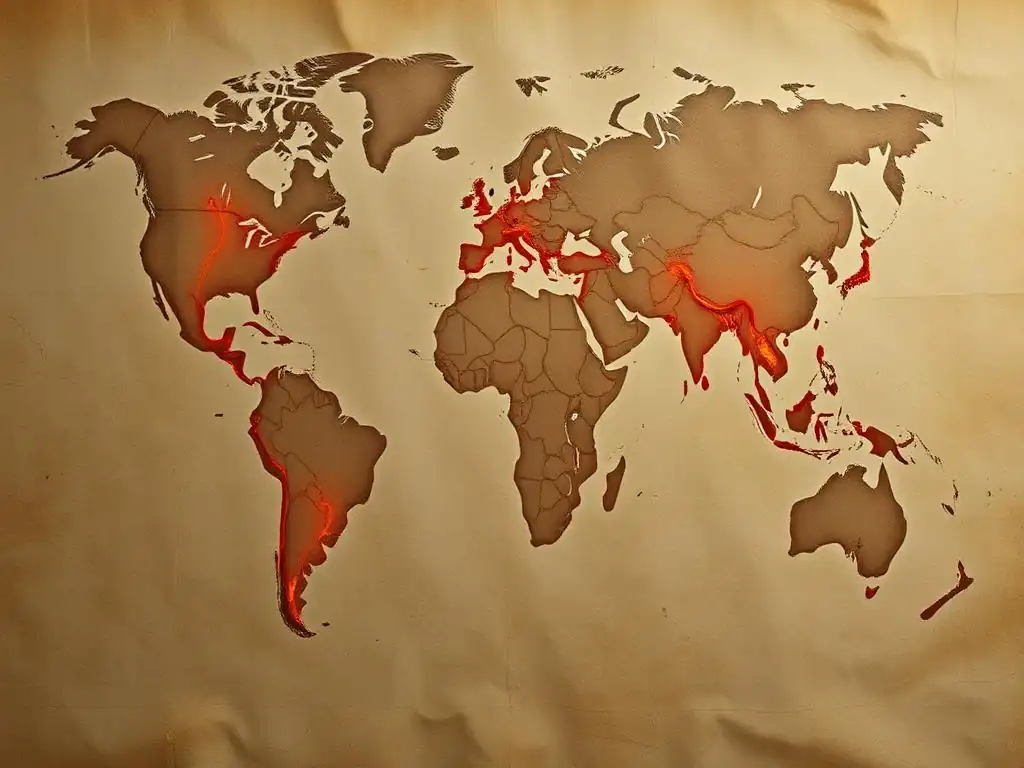
The Justinianic Plague: Investigating a Possible Volcanic Trigger
The Justinianic Plague, a devastating pandemic that ravaged the Byzantine Empire and the Mediterranean world in the 6th century CE, is estimated to have killed tens of millions of people. While Yersinia pestis, the bacterium responsible for bubonic plague, is confirmed as the causative agent, some researchers hypothesize that a volcanic eruption or series of eruptions may have played a crucial role in triggering or exacerbating this pandemic. Tree-ring data and ice core analysis suggest that a significant volcanic event occurred around 536 CE, leading to a period of prolonged cooling and climate disruption in the Northern Hemisphere.
The environmental consequences of this volcanic event, including crop failures and famine, could have weakened populations and made them more vulnerable to disease. Additionally, climate shifts might have influenced the ecology of plague vectors, such as rodents and fleas, potentially contributing to the spread of Yersinia pestis. While direct causal links are challenging to establish definitively centuries later, the temporal coincidence between the volcanic event of 536 CE and the onset of the Justinianic Plague warrants further investigation into the potential role of volcanoes in setting the stage for this historical pandemic.
The Black Death and Volcanic Activity: Examining the Evidence for a Connection
The Black Death, the most devastating pandemic in recorded history, swept through Eurasia in the 14th century, causing widespread mortality and societal upheaval. While the role of Yersinia pestis is well-established, some scientists are exploring whether volcanic activity might have contributed to the conditions that facilitated the pandemic's unprecedented scale and severity. Research into ice core records and historical climate reconstructions indicates periods of significant volcanic activity preceding and during the Black Death.
These volcanic events could have triggered climate anomalies, including periods of cooling and altered precipitation patterns, potentially impacting agricultural productivity and human health. Furthermore, climate changes might have influenced rodent populations and flea ecology, key factors in the transmission of plague. While the Black Death's complexity involves numerous factors, including trade routes, urbanization, and sanitation, the potential influence of volcanic eruptions on environmental and ecological conditions deserves consideration when examining the full context of this historical pandemic. Further research is needed to explore these potential linkages and assess the extent to which volcanic forcing may have played a role.
The Great Influenza Pandemic of 1918: Could Tambora's Legacy Have Played a Role?
The Great Influenza Pandemic of 1918, also known as the Spanish Flu, infected an estimated 500 million people globally and caused tens of millions of deaths. While the pandemic occurred in the 20th century, long after the massive Tambora eruption of 1815, some researchers have proposed a more indirect, multi-generational link. The Tambora eruption, the largest volcanic eruption in recent history, caused the "Year Without a Summer" and significant global climate anomalies in the years following 1815.
It is hypothesized that the long-term environmental and societal disruptions caused by Tambora, including widespread famines and economic hardship in the 19th century, may have had lasting impacts on human health and resilience across generations. These long-term stresses could have, in theory, contributed to a more vulnerable global population by the early 20th century, potentially exacerbating the severity of the 1918 influenza pandemic.
While this is a more speculative and indirect connection, it highlights the potential for volcanic eruptions to have long-lasting and cascading effects on human societies and their vulnerability to disease, even decades or centuries after the initial event.
Case Studies: Deep Dives into Specific Eruptions and Pandemic Correlations
The Laki Fissure Eruption (1783-1784) and Its Potential Impact on Global Health
The Laki fissure eruption in Iceland, lasting from 1783 to 1784, was one of the most significant volcanic events of the last millennium. It released enormous quantities of sulfur dioxide into the atmosphere, leading to a haze that spread across Europe and beyond. Contemporary accounts describe a "fog" that blocked out the sun and caused widespread respiratory distress, crop failures, and livestock deaths. Benjamin Franklin, then in Paris, noted the "dry fog" and its impact on solar radiation.
The eruption's climatic consequences were substantial, with Europe experiencing unusually cold winters and hot summers. These extreme weather events caused widespread famine and social unrest.
Interestingly, some historical analyses suggest a correlation between the Laki eruption and increased mortality rates in Europe during this period, not only from direct respiratory effects but also potentially from infectious diseases amplified by weakened populations and disrupted environmental conditions. While not a pandemic in the global sense, the Laki eruption serves as a compelling case study of how a large volcanic event can have significant and geographically widespread impacts on human health and mortality.
The Tambora Eruption (1815) and the "Year Without a Summer": Analyzing the Climate and Health Consequences
The 1815 eruption of Mount Tambora in Indonesia was a cataclysmic event, ranking as a Volcanic Explosivity Index (VEI) 7 eruption, the largest in recent history. The eruption injected massive amounts of volcanic ash and gases into the stratosphere, resulting in a global veil that dramatically reduced sunlight reaching the Earth's surface. The following year, 1816, became known as the "Year Without a Summer" in many parts of the world, particularly in North America and Europe.
This period was marked by widespread crop failures, famine, and economic hardship. Unusually cold temperatures, frosts in summer months, and torrential rains devastated agriculture, leading to food shortages and soaring food prices. While direct pandemic outbreaks are not definitively linked solely to the Tambora eruption, the widespread famine and malnutrition undoubtedly weakened populations, making them more susceptible to various diseases. Historical records indicate increased mortality rates and outbreaks of typhus and dysentery in some regions during and immediately after the "Year Without a Summer," suggesting that Tambora's climatic and environmental consequences had significant public health ramifications.
Challenges in Establishing Definitive Links Between Volcanoes and Pandemics
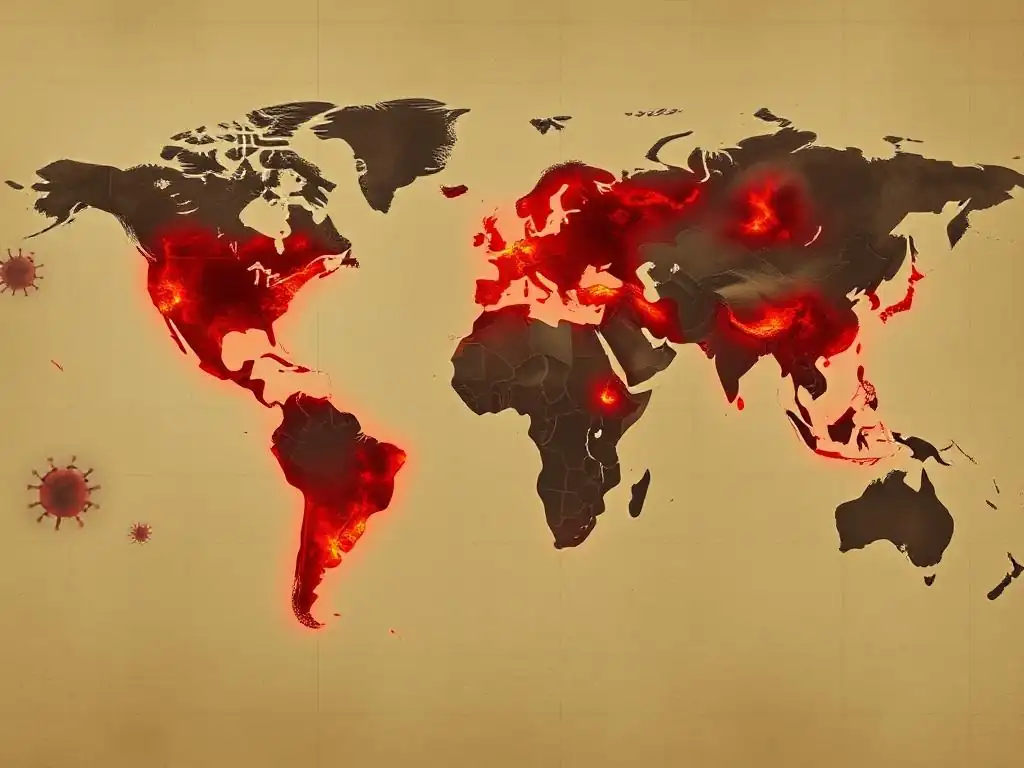
Data Limitations: The Difficulty of Reconstructing Past Climates and Disease Patterns
Establishing definitive causal links between volcanic eruptions and historical pandemics faces significant challenges, primarily due to data limitations. Reconstructing past climates, especially with the precision needed to pinpoint volcanic impacts, relies heavily on proxy data sources like ice cores, tree rings, and sediment layers. While these proxies provide valuable insights, they often have limitations in temporal and spatial resolution, making it difficult to precisely correlate specific volcanic events with localized or regional climate changes.
Similarly, reconstructing historical disease patterns and mortality rates centuries ago is fraught with challenges. Medical record-keeping was inconsistent, and disease diagnoses were often imprecise. Mortality records, when available, may not accurately reflect the true causes of death, and distinguishing between deaths directly attributable to a specific disease versus those indirectly related to famine or other environmental stressors is often impossible. These data limitations make it difficult to establish statistically robust correlations between volcanic eruptions and pandemic outbreaks in the distant past.
Even when temporal correlations between volcanic eruptions and pandemics exist, disentangling volcanic influence from other environmental and social variables presents a significant hurdle. Historical pandemics are complex events influenced by a multitude of factors, including population density, sanitation practices, trade routes, warfare, and pre-existing levels of immunity within populations. Climate variations, even those not directly caused by volcanoes, can also play a role in disease ecology and transmission.
Attributing a pandemic solely or primarily to a volcanic eruption requires carefully considering and accounting for these confounding factors. For instance, while a volcanic eruption might contribute to climate stress and weaken populations, pre-existing social vulnerabilities, such as poverty and lack of sanitation, could equally contribute to the spread and severity of a pandemic. Establishing causality necessitates robust statistical analysis and interdisciplinary research that carefully considers and attempts to control for these complex interacting variables.
Future Research: Unveiling the Full Extent of Volcanoes and Pandemic Connections
Utilizing Climate Models to Simulate Volcanic Impacts on Disease Transmission
Future research can leverage advanced climate models to simulate the specific regional and global climate impacts of past volcanic eruptions with greater precision. By inputting data from ice core records and geological analyses of past eruptions into sophisticated climate models, scientists can create detailed simulations of temperature changes, precipitation patterns, and atmospheric circulation following volcanic events. These simulations can then be used to assess how volcanic-induced climate anomalies might have altered environmental conditions relevant to disease transmission.
For example, models can simulate the impact of volcanic cooling on mosquito breeding habitats, rodent populations, or the spread of airborne pathogens. By integrating these climate simulations with epidemiological models, researchers can explore the potential pathways through which volcanic eruptions might have influenced the probability and severity of disease outbreaks. This approach allows for a more mechanistic understanding of the potential links between volcanic activity and pandemic risk.
Analyzing Ice Core Data to Reconstruct Past Volcanic Eruptions and Their Environmental Consequences
Ice core data remains a crucial archive for reconstructing past volcanic eruptions and their environmental consequences. Scientists analyze ice cores from Greenland and Antarctica to identify layers of volcanic ash and sulfate aerosols, providing a chronological record of past volcanic activity. By analyzing the chemical composition of these volcanic deposits, researchers can often identify the source volcano and estimate the magnitude of the eruption.
Furthermore, ice cores contain trapped air bubbles that provide a direct record of past atmospheric composition, including greenhouse gas concentrations and sulfate aerosol levels. Analyzing these data in conjunction with other climate proxies within the ice core, such as temperature records derived from water isotope ratios, allows for a detailed reconstruction of the environmental impacts of past volcanic eruptions, including temperature changes, changes in atmospheric circulation, and alterations in precipitation patterns. Continued analysis of ice core records is essential for refining our understanding of the timing, magnitude, and environmental consequences of past volcanic events.
Integrating Historical Records with Scientific Data to Strengthen the Evidence Base
Strengthening the evidence base for volcano-pandemic connections requires a concerted effort to integrate historical records with scientific data. Historical chronicles, parish records, and economic data can provide valuable insights into past disease outbreaks, mortality patterns, and societal disruptions. By carefully examining these historical sources and cross-referencing them with scientific reconstructions of past volcanic eruptions and climate changes, researchers can identify potential correlations and refine hypotheses about causal links.
For example, historical accounts of unusual weather events, crop failures, and disease outbreaks following known volcanic eruptions can provide qualitative evidence supporting a potential connection. Quantitative analysis of mortality records and economic data during periods following volcanic events can further strengthen the evidence base. This interdisciplinary approach, combining historical scholarship with scientific rigor, is crucial for moving beyond mere correlation and towards a more nuanced understanding of the complex interplay between volcanic eruptions and human health.
Conclusion: Understanding the Interplay Between Earth's Forces and Human Health
The Importance of Interdisciplinary Research in Unraveling the Mysteries of Volcanoes and Pandemics
Unraveling the mysteries surrounding the potential connections between volcanoes and pandemics necessitates a truly interdisciplinary approach. Volcanologists, climatologists, epidemiologists, historians, and paleoclimatologists must collaborate to integrate their respective expertise and data sources. Volcanologists provide insights into eruption dynamics and atmospheric impacts; climatologists model the global and regional climate responses to volcanic forcing; epidemiologists analyze disease patterns and transmission dynamics; historians contextualize past events and provide valuable historical records; and paleoclimatologists reconstruct past environmental conditions.
Only through this collaborative, interdisciplinary effort can we hope to gain a comprehensive understanding of the complex interplay between Earth's powerful volcanic forces and human health. By bridging disciplinary divides and integrating diverse perspectives, researchers can move beyond isolated observations and towards a more holistic and nuanced understanding of the potential for volcanic eruptions to influence pandemic risk.
VolcanoExplorers.org: Continuing the Exploration of Volcanic Impacts on Global Systems
VolcanoExplorers.org remains committed to exploring the multifaceted impacts of volcanoes on our planet and human societies. Investigating the potential links between volcanic eruptions and pandemics is a crucial aspect of this broader exploration. By providing accessible and informative content, VolcanoExplorers.org aims to foster public awareness of the far-reaching consequences of volcanic activity, extending beyond immediate eruption hazards to encompass potential influences on global health and disease dynamics.
As research in this emerging field continues to advance, VolcanoExplorers.org will remain at the forefront, disseminating new findings, highlighting ongoing research efforts, and promoting a deeper understanding of the intricate connections between Earth's volcanic processes and the well-being of humanity. The journey to fully unmask the past and comprehend the potential pandemic mysteries hidden within volcanic history is ongoing, and VolcanoExplorers.org is dedicated to illuminating this path of discovery.
Frequently Asked Questions
How does the article "Unmasking the Past: Could Volcanoes Explain Some Pandemic Mysteries?" relate to VolcanoExplorers.org's usual content?
The article explores a novel connection between volcanic events and historical pandemics, extending VolcanoExplorers.org's focus beyond just the science of volcanoes to their broader impacts on human history. It still aligns with the website's mission of exploring the power and significance of volcanoes.
What is the central argument of the article "Unmasking the Past: Could Volcanoes Explain Some Pandemic Mysteries? "?
The article proposes that large-scale volcanic eruptions may have indirectly contributed to or exacerbated certain historical pandemics by altering climate patterns and impacting agriculture. This connection is being explored by scientists using historical records and climate modeling.
What kind of evidence is used to support the idea of "volcanoes and pandemic connections"?
The article likely uses historical records of major volcanic eruptions, correlating them with timelines of documented pandemics. Furthermore, it may reference scientific studies that show how volcanic eruptions can lead to climate anomalies and subsequent societal impacts.
Does the article suggest any direct link between volcanic ash and the spread of diseases?
While the article's specific content is unknown, it's unlikely to suggest a direct link between volcanic ash and pathogens. Instead, it probably focuses on indirect connections, such as the impact of volcanic eruptions on global climate and agricultural output, which can weaken populations and make them more susceptible to disease.
What are some potential limitations to the "volcanoes and pandemic connections" theory?
Establishing a direct causal link between volcanic eruptions and pandemics is challenging due to the complexity of historical events and the multitude of factors that influence disease outbreaks. Correlation does not equal causation, and proving a definitive connection requires careful analysis and consideration of alternative explanations.
Final Reflection: Echoes of Eruption, Whispers of Disease
The exploration of volcanoes and pandemic connections reveals a startling truth: history's most devastating events are often intertwined in ways we are only beginning to understand. The data presented underscores the potential for volcanic eruptions to trigger climate shifts that, in turn, create conditions ripe for disease outbreaks, a chilling reminder of nature's interconnected power.
This investigation into the past compels us to reconsider our relationship with the planet and its volatile forces. The realization that volcanic activity could have played a significant role in shaping past pandemics forces us to confront the limitations of our understanding and the urgent need for interdisciplinary research. Those who cannot remember the past are condemned to repeat it.
- George Santayana. This quote resonates deeply as we contemplate the potential for future volcanic events to influence global health.
As we stand on the precipice of an uncertain future, let us not dismiss the lessons etched in the geological and historical records. Consider how a deeper understanding of "volcanoes and pandemic connections" can inform our preparedness strategies and inspire a more holistic approach to global health. Let us strive to become more attuned to the subtle signals of our planet, ensuring that we are not caught unawares by the echoes of eruption and the whispers of disease.
Ignite Your Inner Volcanologist!
Thank you for exploring the fascinating world of volcanoes and their potential connection to pandemic mysteries! You've gained valuable insights into the powerful forces shaping our planet and their possible influence on global health. Now, let's move forward.
Here are a few next steps:
- Become a citizen scientist: Report any unusual volcanic activity you observe, no matter how minor. Your observations could be vital in uncovering crucial clues.
- Explore the interactive volcano map on Volcano Explorers.org and discover the rich history of eruptions worldwide. Which eruption captivates you most?
- Share this article to spark a conversation about the unexpected links between our planet's powerful geological events and disease outbreaks.
What specific question do you have about volcanoes and their impact on global events that you'd like answered? Share your thoughts in the comments below!