
The PreIndustrial Pandemic Landscape: Volcanoes as a Significant Environmental Factor?

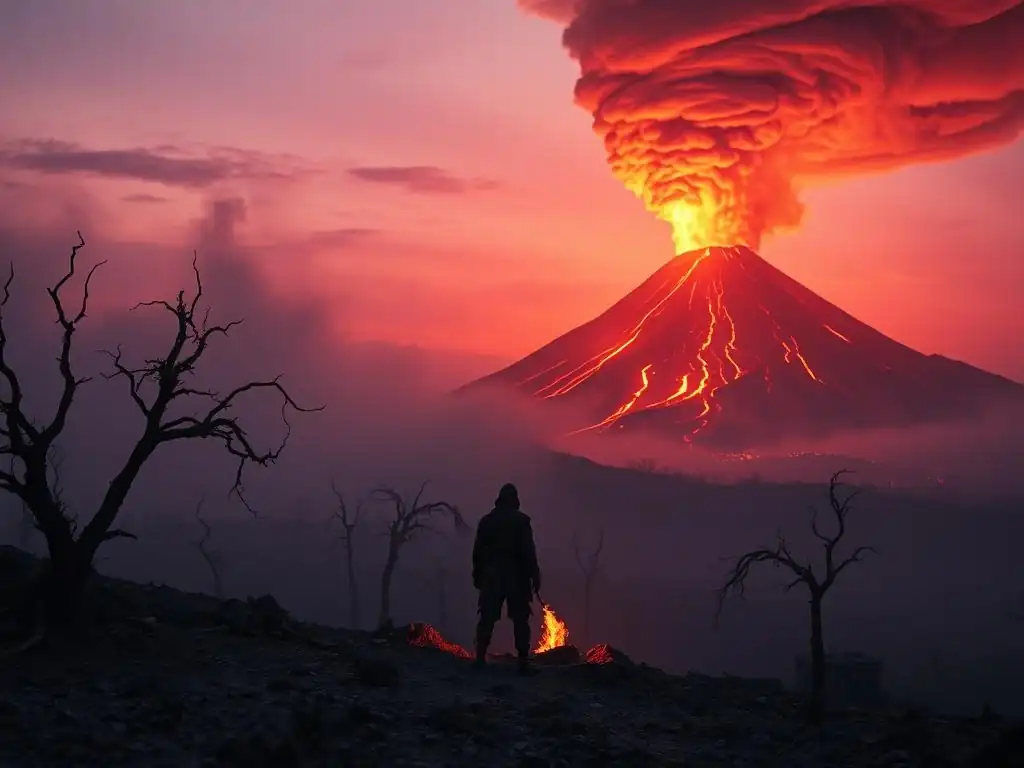
Welcome to Volcano Explorers!
Ever wondered what seemingly unrelated events like ancient pandemics and volcanic eruptions might have in common? Prepare to uncover a hidden layer of history. We invite you to explore the chilling connection between these powerful forces, focusing specifically on volcanoes impact on pandemics in the pre-industrial world. This is just the beginning of a fascinating journey into the dramatic interplay between Earth's fiery heart and the course of human civilization. Dive in and discover how these geological giants may have silently shaped our past, and what secrets they still hold.
Understanding the Historical Impact of Volcanic Eruptions
Historically, before the advent of modern science, volcanic eruptions were often perceived through a lens of mythology and divine retribution. Ancient societies, lacking a scientific understanding of plate tectonics and magma dynamics, frequently interpreted these dramatic events as acts of gods or spirits. For example, in Roman mythology, Vulcan was the god of fire and volcanoes, and eruptions were seen as manifestations of his power and displeasure.
Similarly, indigenous cultures around active volcanic regions, such as those in Hawaii or Japan, developed rich folklore and religious practices centered around volcano deities and the need to appease them. These interpretations, while not scientifically accurate, profoundly shaped how people understood and responded to volcanic events, often leading to fear, awe, and sometimes, fatalistic acceptance in the face of nature's immense power.
Beyond mythical interpretations, astute observations of the immediate aftermath of eruptions were certainly made. Even without understanding the underlying mechanisms, pre-industrial societies directly experienced the destructive power of volcanoes. Pyroclastic flows and lahars could obliterate settlements in moments, while ashfall could bury agricultural lands and contaminate water sources.
The immediate consequences, such as loss of life, destruction of property, and disruption of food supplies, were undeniable. Historical records, though often fragmented and lacking in precise scientific detail, nonetheless document the devastating local impact of volcanic eruptions on communities situated near these geological forces. These direct, localized effects were the most readily apparent and understood aspects of volcanic activity in pre-industrial times.
Factors Contributing to Pandemic Spread Before Industrialization
Pre-industrial societies faced a unique set of vulnerabilities that made them exceptionally susceptible to pandemic outbreaks. Limited understanding of disease transmission was paramount. The germ theory of disease was centuries away, and prevailing theories often attributed illness to miasma (bad air), humoral imbalances, or divine punishment. Without knowledge of pathogens like bacteria and viruses, effective public health measures such as quarantine, sanitation, and vaccination were largely absent or rudimentary at best. This lack of understanding allowed diseases to spread unchecked once introduced into a population.
Furthermore, living conditions in pre-industrial times often fostered disease proliferation. Urban centers, while smaller than modern megacities, were densely populated with poor sanitation infrastructure. Waste disposal was inadequate, clean water sources were often scarce or contaminated, and hygiene practices were limited by both knowledge and resources.
Close proximity to domesticated animals, a feature of agrarian societies, also increased the risk of zoonotic disease transmission – the jump of pathogens from animals to humans. These factors combined to create environments where infectious diseases could thrive and rapidly escalate into widespread epidemics and pandemics, even without the added stress of environmental disasters.
Environmental Stressors and Disease Transmission in Pre-Industrial Societies
Environmental conditions played a far more direct and immediate role in health and disease in pre-industrial societies compared to our modern, technologically buffered lives. Agricultural societies were intimately tied to the rhythms of nature, and their well-being was directly dependent on predictable weather patterns and fertile lands. Droughts, floods, and severe winters could lead to crop failures and famine, weakening populations and making them more vulnerable to infectious diseases. Nutritional deficiencies, resulting from food scarcity and limited dietary diversity, compromised immune systems, reducing resilience to pathogens.
Beyond food security, environmental factors also directly influenced disease vectors and pathogen survival. Changes in temperature and rainfall could alter the breeding grounds and ranges of disease-carrying insects like mosquitoes and fleas, expanding or contracting the areas where diseases like malaria, plague, and typhus were prevalent. Waterborne diseases were also directly linked to water quality and availability, which were heavily influenced by environmental conditions. In essence, pre-industrial societies existed in a delicate balance with their environment, and any significant environmental stressor, whether natural or human-induced, could tip that balance towards increased disease vulnerability and transmission.
How Volcanic Eruptions Altered Pre-Industrial Climates
Volcanic eruptions, particularly large explosive events, possess the power to dramatically alter global and regional climates, especially in pre-industrial times when human activities had a comparatively smaller climate footprint. The most significant climatic impact stems from the injection of massive quantities of sulfur dioxide gas into the stratosphere during an eruption. This gas reacts with water vapor to form sulfuric acid aerosols, which can persist in the stratosphere for months to years, effectively creating a global veil of sunlight-reflecting particles. This veil reduces the amount of solar radiation reaching the Earth's surface, leading to a cooling effect.
Historically, the climatic consequences of major eruptions have been well-documented through various proxy records, such as tree rings and ice cores. These records reveal periods of significant global cooling following large eruptions, often referred to as "volcanic winters." For pre-industrial societies reliant on agriculture, these temperature drops could have devastating consequences. Shorter growing seasons, late frosts, and reduced sunlight hindered crop yields, leading to food shortages and famines. The societal disruption caused by these climate shifts extended beyond agriculture, impacting trade, migration patterns, and overall social stability, all of which could indirectly influence disease dynamics.
The Atmospheric Impact of Volcanoes: Aerosols and Temperature Changes
The mechanism by which volcanoes influence global temperatures is primarily through the creation of stratospheric aerosols. When a volcano erupts explosively, it injects ash, gas, and aerosol precursors high into the atmosphere. While volcanic ash, composed of larger particles, tends to fall out of the atmosphere relatively quickly (within days to weeks), sulfur dioxide (SO2) gas is far more persistent and impactful on climate. In the stratosphere, SO2 undergoes chemical reactions, primarily oxidation, to form sulfuric acid (H2SO4) aerosols. These aerosols are tiny liquid droplets that are highly reflective of sunlight.
These stratospheric sulfate aerosols act like a global sunscreen, reflecting a portion of incoming solar radiation back into space before it can reach and warm the Earth's surface. The degree of cooling is directly related to the amount of SO2 injected into the stratosphere and the longevity of these aerosols.
Large eruptions, like Tambora in 1815 or Krakatoa in 1883, injected enormous quantities of SO2, leading to significant global cooling that lasted for several years. The resulting temperature changes, though seemingly small on a global average scale, could have profound regional impacts on weather patterns, precipitation, and agricultural productivity, particularly in sensitive pre-industrial agricultural systems.
The Role of Volcanic Winters in Weakening Populations
Volcanic winters, characterized by periods of prolonged cooling and altered weather patterns following major eruptions, could significantly weaken pre-industrial populations and increase their susceptibility to disease. The most immediate impact was on agriculture. Reduced temperatures and shortened growing seasons led to crop failures and diminished harvests. This resulted in food shortages and famines, which were recurring crises in many pre-industrial societies even without volcanic disruptions. Famine directly weakened individuals by causing malnutrition and undernutrition, compromising their immune systems and making them more vulnerable to infections.
Beyond direct nutritional impacts, volcanic winters could also disrupt other aspects of life, further stressing populations. Severe weather events, altered precipitation patterns, and ecological disruptions could impact water resources, sanitation, and shelter. Displacement of populations due to environmental degradation or resource scarcity could also occur, leading to overcrowding and increased contact rates, further facilitating disease transmission. In essence, volcanic winters created a cascade of environmental and societal stressors that collectively undermined population health and resilience, creating fertile ground for disease outbreaks to escalate into pandemics.
Volcanic Eruptions and Agricultural Failures: Leading to Famine and Disease
The link between volcanic eruptions and agricultural failures in pre-industrial societies is a critical pathway through which volcanoes could indirectly influence pandemic dynamics. Volcanic eruptions, particularly large ones, can trigger a chain of events that severely disrupt agricultural systems. The immediate deposition of volcanic ash can blanket farmlands, directly damaging crops and rendering land temporarily unusable. While light ashfall can sometimes be beneficial in the long term by enriching soil, heavy ashfall smothers plants, contaminates water supplies, and can cause infrastructure damage.
However, the longer-term and more widespread impact comes from the climatic cooling induced by stratospheric aerosols. Reduced temperatures, shortened growing seasons, altered rainfall patterns, and increased frequency of frosts can dramatically decrease crop yields. In pre-industrial agricultural systems, which were already operating close to subsistence levels in many regions, even relatively small reductions in productivity could lead to widespread famine. Famine conditions, in turn, are strongly associated with increased disease susceptibility and mortality.
Malnutrition weakens immune systems, making people more vulnerable to both endemic and epidemic diseases. Furthermore, famine often leads to population displacement, overcrowding in refugee camps or urban centers, and breakdown of sanitation, all of which exacerbate disease transmission. Therefore, volcanic eruptions, by triggering agricultural failures and famine, could create conditions highly conducive to pandemic outbreaks.
The Laki Fissure Eruption (1783) and its Potential Impact on Disease
The 1783-1784 Laki fissure eruption in Iceland stands as a stark example of a volcanic event with profound environmental and societal consequences, raising questions about its potential link to disease outbreaks. This eruption was not particularly explosive but was characterized by the sustained effusive release of vast quantities of lava and volcanic gases, including an estimated 8 million tons of hydrogen fluoride and 120 million tons of sulfur dioxide.
The atmospheric impact was significant, leading to the phenomenon known as the "Laki haze" across Europe. This haze, composed of sulfur dioxide and sulfuric acid aerosols, reduced sunlight, caused respiratory problems, and damaged vegetation.
In Iceland itself, the Laki eruption had devastating consequences. Acid rain contaminated pastures and poisoned livestock, leading to the death of an estimated 80% of sheep, 50% of cattle, and 50% of horses. This livestock loss, combined with crop damage from ashfall and haze, resulted in a severe famine known as the "Mist Hardships," which killed approximately 25% of Iceland's population. While direct evidence of a pandemic directly triggered by Laki is debated, the widespread famine and associated malnutrition certainly weakened the population and likely increased susceptibility to infectious diseases. Moreover, the "Laki haze" and its respiratory effects could have exacerbated pre-existing respiratory illnesses and contributed to overall mortality in Europe during this period. The Laki eruption serves as a compelling case study for examining the complex interplay between volcanic eruptions, environmental disruption, and population health, even if a definitive link to a specific pandemic is difficult to establish definitively.
The Tambora Eruption (1815) and its Possible Influence on the 1816-1819 Typhus Epidemic
The eruption of Mount Tambora in Indonesia in April 1815 was one of the largest volcanic eruptions in recorded history, with far-reaching global consequences, including a potential link to the 1816-1819 typhus epidemic. Tambora injected an estimated 50 megatons of sulfur dioxide into the stratosphere, leading to a significant global cooling effect. 1816 became known as the "Year Without a Summer" in many parts of the world, particularly in North America and Europe. Temperatures plummeted, leading to widespread crop failures, famine, and economic hardship.
The "Year Without a Summer" and the ensuing years witnessed severe agricultural distress across Europe. Grain harvests failed, livestock perished due to lack of fodder, and food prices soared. This widespread famine weakened populations and made them more vulnerable to disease.
Coincidentally, or perhaps causally linked, a major typhus epidemic swept across Europe between 1816 and 1819. Typhus, a disease spread by body lice, thrives in conditions of poverty, overcrowding, and poor hygiene, all of which were exacerbated by the famine and social disruption following the Tambora eruption.
While definitively proving a direct causal link between Tambora and the typhus pandemic is challenging, the temporal proximity and the clear environmental and societal disruptions caused by the eruption strongly suggest that Tambora may have been a significant contributing factor in creating conditions conducive to the widespread typhus outbreak of the late 1810s. This case highlights the potential for large volcanic eruptions to act as a catalyst for disease outbreaks on a continental scale.
Using Paleoclimate Data to Correlate Eruptions with Disease Outbreaks
Paleoclimate data provides a crucial tool for investigating the potential link between volcanic eruptions and disease outbreaks in pre-industrial history. By analyzing various natural archives, scientists can reconstruct past climate conditions and identify signatures of major volcanic eruptions. Ice cores, for example, are particularly valuable as they trap volcanic sulfate aerosols from past eruptions, allowing for precise dating and estimation of the magnitude of volcanic events. Tree rings also offer valuable climatic information, as tree growth is sensitive to temperature and precipitation. Narrow tree rings can indicate periods of cold temperatures and reduced growth, potentially linked to volcanic cooling.
By correlating these paleoclimate records with historical accounts of disease outbreaks, researchers can look for temporal associations between large volcanic eruptions and subsequent epidemics or pandemics. If a significant volcanic eruption, identified in ice core or tree ring data, precedes a major disease outbreak documented in historical records, it strengthens the hypothesis that volcanoes might have played a role in triggering or exacerbating the pandemic.
However, correlation does not equal causation, and further investigation is needed to establish a more robust link. Paleoclimate data provides a valuable starting point for identifying potential volcano-pandemic connections, but it must be combined with other lines of evidence, such as historical, epidemiological, and climatological data, to build a more comprehensive understanding.
Ice Core Analysis and the Investigation of Volcano-Pandemic Links
Ice core analysis is a particularly powerful technique for investigating the potential links between volcanic eruptions and pandemics because it provides a high-resolution record of both volcanic activity and past atmospheric conditions. Ice cores, drilled from glaciers and ice sheets in polar regions, accumulate layers of snow and ice over time, trapping atmospheric constituents within them. Volcanic eruptions leave a distinct signature in ice cores in the form of elevated sulfate concentrations.
By analyzing the sulfate layers, scientists can identify past volcanic eruptions, determine their approximate dates, and estimate their sulfur dioxide emissions. Precise dating is achieved through analyzing annual layers in the ice, similar to tree rings.
Furthermore, ice cores can also provide information on past climate conditions. By analyzing isotopes of oxygen and hydrogen in the ice, scientists can reconstruct past temperature variations. The presence of volcanic sulfate layers in conjunction with evidence of cooling in the ice core record provides strong evidence that a particular cooling event was indeed caused by a volcanic eruption.
This ability to simultaneously identify volcanic eruptions and reconstruct past climate conditions within the same archive makes ice cores invaluable for studying the potential temporal relationship between volcanic forcing and subsequent disease outbreaks. Researchers can compare ice core volcanic records with historical chronologies of pandemics to look for statistically significant correlations and investigate whether major eruptions consistently precede or coincide with periods of increased disease prevalence.
Non-Volcanic Environmental Factors and Disease Spread
While volcanoes represent a dramatic and potentially impactful environmental disruptor, it is crucial to acknowledge that numerous other non-volcanic environmental factors also played significant roles in disease spread in pre-industrial societies. Climate variability, even without volcanic forcing, was a constant feature of pre-industrial environments. Natural climate fluctuations, such as El Niño-Southern Oscillation (ENSO) events, could cause droughts, floods, and altered weather patterns, leading to agricultural stress, famine, and population displacement, all of which can increase disease vulnerability. Seasonal variations in temperature and rainfall also directly influenced the prevalence of vector-borne diseases like malaria and dengue fever.
Ecological changes, driven by both natural processes and human activities, also impacted disease dynamics. Deforestation, land use changes, and agricultural expansion could alter habitats, bring humans into closer contact with wildlife, and potentially increase the risk of zoonotic disease emergence. Water availability and quality were also critical environmental determinants of health.
Droughts could lead to water scarcity and reliance on contaminated water sources, increasing the risk of waterborne diseases. Conversely, floods could overwhelm sanitation systems and spread pathogens. Therefore, when considering the environmental context of pre-industrial pandemics, it's essential to recognize the complex interplay of multiple environmental factors, not solely focusing on volcanic eruptions, to gain a holistic understanding of disease drivers.
The Role of Trade and Human Migration in Pandemic Transmission
Beyond environmental factors, human activities, particularly trade and migration, were critical drivers of pandemic transmission in pre-industrial societies. Trade routes, both land-based (like the Silk Road) and maritime, facilitated the movement of goods, people, and, importantly, pathogens across vast distances. Trade networks connected previously isolated populations, creating pathways for diseases to spread rapidly once introduced into a susceptible population. The Black Death, for example, is believed to have spread along trade routes from Asia to Europe in the 14th century.
Human migration, whether voluntary or forced, also played a significant role in disease dispersal. Military campaigns, pilgrimages, and population movements due to famine or conflict could all contribute to the spread of infectious diseases. Increased population density in urban centers, often fueled by migration, created conditions conducive to disease transmission.
Furthermore, travel, especially long-distance travel, could expose individuals to novel pathogens to which they had no immunity, leading to outbreaks when they returned to their communities. Therefore, understanding the dynamics of pre-industrial pandemics requires considering not only environmental stressors but also the crucial role of human mobility and interconnectedness through trade and migration in shaping disease spread patterns.
Combining Volcanology, History, and Epidemiology
A comprehensive understanding of the potential "volcanoes impact on pandemics" requires a truly interdisciplinary approach, integrating insights and methodologies from volcanology, history, and epidemiology. Volcanology provides the expertise to reconstruct past volcanic eruptions, assess their magnitude and atmospheric impacts, and understand the mechanisms by which volcanoes influence climate. Historical research is essential for documenting past pandemics, analyzing historical records of disease outbreaks, famines, and societal disruptions, and contextualizing these events within their specific historical and environmental settings. Epidemiology brings the tools to study disease patterns, understand transmission dynamics, and assess the factors that contribute to disease emergence and spread.
By combining these disciplines, researchers can develop a more nuanced and robust understanding of the complex interplay between volcanic eruptions, environmental change, and pandemic risk. Volcanological data can identify potential volcanic triggers, historical records can provide context and document disease outbreaks, and epidemiological methods can help analyze disease patterns and assess the plausibility of volcano-pandemic links. This interdisciplinary collaboration is crucial for moving beyond simple correlations and towards a more mechanistic understanding of how volcanic eruptions might have influenced pandemic dynamics in the past and potentially in the future.
Future Research Directions: Improving our Understanding of Volcano-Pandemic Interactions
Future research aimed at improving our understanding of volcano-pandemic interactions should focus on several key directions. Firstly, enhancing the resolution and precision of paleoclimate records, particularly ice core and tree ring data, is crucial. Improved dating and more detailed reconstructions of past volcanic eruptions and climate conditions will allow for more refined temporal correlations with historical disease outbreaks. Secondly, more detailed historical epidemiological research is needed, focusing on accurately documenting past pandemics, analyzing disease patterns, and identifying potential environmental and societal drivers. This includes utilizing digitized historical archives and employing advanced statistical methods to analyze historical disease data.
Thirdly, developing more sophisticated climate models that can simulate the regional and global climate impacts of volcanic eruptions, including changes in temperature, precipitation, and atmospheric circulation, is essential. These models can help to better understand the specific environmental stresses that volcanic eruptions might have imposed on pre-industrial societies and how these stresses could have influenced disease dynamics.
Finally, interdisciplinary collaborations between volcanologists, historians, epidemiologists, climate scientists, and social scientists are paramount. By working together, researchers from different fields can bring their expertise to bear on this complex issue and develop a more holistic and nuanced understanding of the potential links between volcanoes and pandemics, both in the past and for future risk assessment.
Understanding the "Volcanoes Impact on Pandemics" for Modern Disaster Preparedness
Understanding the potential "volcanoes impact on pandemics" from a historical perspective holds significant relevance for modern disaster preparedness, particularly in regions vulnerable to both volcanic eruptions and infectious disease outbreaks. While modern societies possess advanced medical knowledge and technological capabilities, the fundamental vulnerabilities to environmental disruptions and disease transmission remain. Large volcanic eruptions can still trigger significant climate perturbations, disrupt agriculture, and strain public health systems, even in the 21st century.
Learning from historical examples, even if the links are still being investigated, underscores the need for integrated disaster preparedness strategies that consider the cascading effects of volcanic eruptions. This includes not only preparing for the direct hazards of eruptions, such as ashfall and lahars, but also anticipating and mitigating the indirect consequences, such as agricultural disruptions, food insecurity, and increased disease risk.
Preparedness plans should include robust famine early warning systems, strategies for maintaining food security in the aftermath of volcanic events, and strengthened public health infrastructure to respond to potential disease outbreaks. Understanding the historical interplay between volcanoes and pandemics can inform more comprehensive and resilient disaster preparedness approaches in volcanically active regions worldwide.
Improved Famine Early Warning Systems and their Relevance in a Volcanically Active World
Improved famine early warning systems are of paramount importance in a volcanically active world, particularly given the potential for volcanic eruptions to trigger agricultural failures and subsequent food crises. Historical evidence, and the hypothesis of "volcanoes impact on pandemics," suggests that famine is a crucial intermediary step in the pathway from volcanic eruptions to increased disease vulnerability. Modern famine early warning systems utilize a variety of data sources, including satellite imagery of vegetation, rainfall data, market prices, and nutritional surveys, to monitor food security conditions and predict potential food crises.
In volcanically active regions, these early warning systems should be specifically tailored to incorporate volcanic hazards into their risk assessments. This includes monitoring volcanic activity, assessing the potential for ashfall and gas emissions to impact agriculture, and incorporating volcanic climate forcing scenarios into crop yield forecasting models.
Rapid and accurate famine early warning systems are essential for triggering timely humanitarian responses, including food aid, nutritional support, and public health interventions, to mitigate the impacts of volcanic-induced food crises and prevent them from escalating into larger humanitarian disasters, including potential pandemic outbreaks. Investing in and strengthening these systems is a crucial component of building resilience to volcanic hazards and safeguarding population health in volcanically vulnerable areas.
A Call for Further Investigation into the Complex Relationship Between Volcanic Eruptions and Global Health
The investigation into the complex relationship between volcanic eruptions and global health, particularly the potential "volcanoes impact on pandemics," is far from conclusive and warrants a sustained call for further research. While historical and paleoclimate evidence suggests a potential link, establishing definitive causal mechanisms remains a challenge. More rigorous interdisciplinary research, combining volcanology, history, epidemiology, climate science, and social sciences, is needed to deepen our understanding of this complex interaction. This includes refining paleoclimate reconstructions, improving historical epidemiological data, developing more sophisticated climate models, and conducting interdisciplinary studies that integrate these diverse lines of evidence.
A deeper understanding of the volcano-pandemic link is not merely an academic exercise. It has significant implications for modern disaster preparedness, risk assessment, and global health security, especially in a world facing increasing climate change and continued volcanic activity. By further exploring this complex relationship, we can enhance our ability to anticipate and mitigate the cascading risks associated with large volcanic eruptions and build more resilient societies in the face of natural hazards. Continued investigation is crucial for translating historical lessons into actionable strategies for safeguarding global health in a volcanically active world.
Continuing to Explore the Intersection of Volcanoes and Human History
The intersection of volcanoes and human history represents a fascinating and critically important area of ongoing exploration. Volcanoes, as powerful forces of nature, have profoundly shaped the Earth's environment and have interacted with human societies throughout history in diverse and complex ways. From their immediate destructive impacts to their longer-term influence on climate, agriculture, and disease, volcanoes have acted as significant agents of environmental and societal change. Continuing to explore this intersection is essential for understanding the long-term interplay between natural hazards and human civilizations.
By studying the historical impacts of volcanic eruptions, including their potential role in shaping pandemic dynamics, we gain valuable insights into human vulnerability, resilience, and adaptation in the face of environmental challenges. This historical perspective can inform our understanding of current and future risks, particularly in a world facing increasing interconnectedness, climate change, and the ongoing threat of both volcanic eruptions and emerging infectious diseases.
The ongoing exploration of the intersection of volcanoes and human history is not just about understanding the past; it is about learning from the past to build a more resilient and sustainable future for humanity in a world shaped by powerful natural forces.
- Understanding the Historical Impact of Volcanic Eruptions
- Factors Contributing to Pandemic Spread Before Industrialization
- Environmental Stressors and Disease Transmission in Pre-Industrial Societies
- How Volcanic Eruptions Altered Pre-Industrial Climates
- The Atmospheric Impact of Volcanoes: Aerosols and Temperature Changes
- The Role of Volcanic Winters in Weakening Populations
- Volcanic Eruptions and Agricultural Failures: Leading to Famine and Disease
- The Laki Fissure Eruption (1783) and its Potential Impact on Disease
- The Tambora Eruption (1815) and its Possible Influence on the 1816-1819 Typhus Epidemic
- Using Paleoclimate Data to Correlate Eruptions with Disease Outbreaks
- Ice Core Analysis and the Investigation of Volcano-Pandemic Links
- Non-Volcanic Environmental Factors and Disease Spread
- The Role of Trade and Human Migration in Pandemic Transmission
- Combining Volcanology, History, and Epidemiology
- Future Research Directions: Improving our Understanding of Volcano-Pandemic Interactions
- Understanding the "Volcanoes Impact on Pandemics" for Modern Disaster Preparedness
- Improved Famine Early Warning Systems and their Relevance in a Volcanically Active World
- A Call for Further Investigation into the Complex Relationship Between Volcanic Eruptions and Global Health
- Continuing to Explore the Intersection of Volcanoes and Human History
- How can volcanoes impact pandemics, especially in pre-industrial times?
- What specific volcanic events are believed to have influenced pandemics in the past?
- How did volcanic eruptions affect agriculture and food security, thus potentially contributing to pandemics?
- What types of data are used to investigate the relationship between volcanoes and pandemics?
- Are there any modern-day implications of understanding the volcanic impact on past pandemics?
Frequently Asked Questions
How can volcanoes impact pandemics, especially in pre-industrial times?
Volcanic eruptions release large quantities of aerosols into the atmosphere, which can cool the global climate and affect agricultural yields. These climate shifts and food shortages can weaken populations and increase susceptibility to disease.
What specific volcanic events are believed to have influenced pandemics in the past?
While direct causation is difficult to prove, some research suggests links between major volcanic eruptions like the 1783 Laki eruption in Iceland and the 1815 Tambora eruption in Indonesia and subsequent disease outbreaks and mortality spikes.
How did volcanic eruptions affect agriculture and food security, thus potentially contributing to pandemics?
Volcanic aerosols can block sunlight, leading to crop failures and livestock losses. This reduced food availability can lead to malnutrition and weakened immune systems, making populations more vulnerable to infectious diseases.
What types of data are used to investigate the relationship between volcanoes and pandemics?
Scientists use a combination of historical records of volcanic eruptions, climate reconstructions from ice cores, and epidemiological data on disease outbreaks to try and identify correlations and potential causal links.
Are there any modern-day implications of understanding the volcanic impact on past pandemics?
Understanding how volcanic eruptions impacted past pandemics can help us better prepare for the potential combined effects of volcanic activity and disease outbreaks in the future, particularly in vulnerable populations. It is important to note that there has not been a strong link between volcanoes and pandemics.
Final Reflection: Echoes of Ash, Whispers of Change
The exploration of the pre-industrial pandemic landscape, viewed through the lens of volcanic activity, reveals a stark truth: environmental factors have always been silent partners in shaping human history. The intricate dance between volcanic eruptions and disease outbreaks, once relegated to the realm of speculation, now emerges as a compelling narrative, demanding a re-evaluation of our understanding of past pandemics and their underlying causes.
This historical perspective profoundly influences how we perceive our current vulnerabilities. Understanding the interconnectedness of natural events and human health is not just an academic exercise; it's a crucial step towards building resilience in a world increasingly susceptible to both environmental and biological shocks. Those who cannot remember the past are condemned to repeat it.
- George Santayana. This quote resonates deeply as we consider the long shadow cast by past volcanic events on the spread and severity of pre-industrial pandemics.
As we stand at the precipice of an uncertain future, let us carry forward the lessons gleaned from the ashes of the past. Consider how your own actions, both individually and collectively, contribute to or mitigate the environmental factors that could exacerbate future health crises. Let the knowledge of the volcanoes' impact on pandemics inspire a deeper commitment to environmental stewardship and a more proactive approach to public health, ensuring a healthier and more resilient future for all.
Okay, here's a CTA designed for the end of an article titled "The PreIndustrial Pandemic Landscape: Volcanoes as a Significant Environmental Factor?" on a website called "Volcano Explorers" (volcanoexplorers.org):
Uncover History: Your Next Step in Understanding Volcanic Impacts!
Thanks for delving into the fascinating connection between pre-industrial pandemics and volcanic eruptions! We hope you've gained a new appreciation for the profound influence volcanoes have had on shaping our world. Now, it's time to take that understanding further.
Here's how you can contribute to expanding our knowledge:
- Delve into historical records: Research local historical accounts for mentions of unusual weather patterns or disease outbreaks following significant volcanic events in your region. This kind of citizen science is invaluable!
- Share this article! Help us spread this crucial information by sharing on your social media and in relevant online communities. You could spark some great conversation!
- Consider supporting Volcano Explorers: Your contribution will fuel more research and analysis into the impacts of volcanoes throughout history.
What local stories or historical anomalies have you uncovered that might link volcanic activity to significant societal changes? Share your insights in the comments below!