
Eyjafjallajökull: Unraveling the Mystery of the 2010 Air Travel Standstill

Welcome to Volcano Explorers!
Prepare to journey into the heart of fiery landscapes and seismic secrets. What really happened when Eyjafjallajökull unleashed its ash upon the world in 2010, grounding flights and disrupting lives? Dive in to uncover the full story of the 2010 Eyjafjallajökull eruption impact and explore the unexpected ripple effects that continue to resonate today. Are you ready to unravel the mystery?
- Introduction: The 2010 Eyjafjallajökull Eruption's Global Impact
- I. The Geological Context of Eyjafjallajökull
- II. The 2010 Eyjafjallajökull Eruption: A Detailed Account
- III. The Unprecedented Disruption to Air Travel
- IV. Socioeconomic Consequences of the 2010 Eruption
- V. Scientific Lessons Learned from the Eyjafjallajökull Event
- VI. Eyjafjallajökull Today: Monitoring and Future Risks
- VII. Conclusion: The Lasting Legacy of the 2010 Eyjafjallajökull Eruption
-
Frequently Asked Questions
- What caused the widespread air travel disruptions during the 2010 Eyjafjallajökull eruption?
- How did the 2010 Eyjafjallajökull eruption differ from other volcanic events in terms of its impact on air travel?
- What specific dangers does volcanic ash pose to aircraft?
- Beyond air travel, what other sectors were significantly impacted by the Eyjafjallajökull eruption?
- What lessons were learned from the 2010 Eyjafjallajökull eruption regarding volcanic monitoring and risk assessment?
- Final Reflection: The Enduring Echo of Eyjafjallajökull
- Rekindle Your Inner Explorer: Embark on Your Volcano Journey Now!
Introduction: The 2010 Eyjafjallajökull Eruption's Global Impact
The year 2010 is etched in the collective memory not just for global events, but also for an unexpected natural disruption originating from a remote corner of Iceland. Eyjafjallajökull, a name that became synonymous with travel chaos, erupted in April, unleashing an ash cloud that paralyzed air traffic across Europe and beyond.
This eruption was not the largest in volcanic history, nor the most explosive, but its impact on global air travel was unprecedented, grounding millions of passengers and causing billions of dollars in economic losses. The 2010 Eyjafjallajökull eruption impact served as a stark reminder of nature's power and humanity's vulnerability in the face of geological events.
This article delves into the multifaceted story of the 2010 Eyjafjallajökull eruption. We will explore the geological forces that led to the eruption, the characteristics of the ash cloud that caused such widespread disruption, and the cascading socioeconomic consequences felt around the world.
Furthermore, we will examine the scientific and regulatory responses that emerged in the wake of this event, aiming to enhance our preparedness for future volcanic eruptions and their potential impact on global infrastructure. By unraveling the mystery of the 2010 air travel standstill, we can gain valuable insights into living alongside volcanic risks in an increasingly interconnected world.
I. The Geological Context of Eyjafjallajökull
Understanding Iceland's Volcanic Activity
Iceland's dramatic landscape, characterized by glaciers, geysers, and, of course, volcanoes, is a direct result of its unique geological setting. The island nation straddles the Mid-Atlantic Ridge, a divergent plate boundary where the North American and Eurasian tectonic plates are moving apart. This rifting process allows magma from the Earth's mantle to rise to the surface, fueling intense volcanic and geothermal activity.
Iceland is essentially built from volcanic eruptions over millions of years and continues to be shaped by these forces today. The island hosts approximately 30 active volcanic systems, each with its own complex network of magma chambers and fissure vents.
Eyjafjallajökull, often simplified to Eyjafjalla, is one of these active volcanic systems. It is located in southern Iceland and is characterized as a stratovolcano, a cone-shaped volcano built up by many layers of hardened lava, tephra, pumice, and volcanic ash. Beneath Eyjafjallajökull lies a glacier of the same name, which plays a crucial role in the type of eruptions it produces.
The interaction between magma and glacial ice can lead to highly explosive phreatomagmatic eruptions, where the rapid heating of ice causes steam explosions that fragment magma into fine ash particles, as witnessed in the 2010 Eyjafjallajökull eruption impact. This geological context is vital to understanding why this particular eruption had such far-reaching consequences.
Precursors to the 2010 Eruption: Signs of Impending Activity
While the 2010 Eyjafjallajökull eruption may have seemed sudden to the general public, volcanologists had been monitoring increasing signs of unrest in the months leading up to the event. Seismic activity beneath Eyjafjallajökull began to intensify in late 2009, with an increase in both the frequency and magnitude of earthquakes. These earthquakes, caused by the movement of magma beneath the surface, are often the first indicators of an impending volcanic eruption. By January 2010, scientists at the Icelandic Meteorological Office and other monitoring agencies were detecting thousands of small earthquakes per week in the vicinity of the volcano.
In early March 2010, ground deformation measurements, using GPS and satellite data, revealed that the land surface around Eyjafjallajökull was swelling, indicating magma accumulation beneath the volcano. This inflation, combined with the persistent seismic activity, strongly suggested that an eruption was becoming increasingly likely. On March 20th, 2010, the first phase of the eruption began at Fimmvörðuháls, a pass to the east of the main Eyjafjallajökull summit caldera.
This initial eruption, while producing lava flows and some ash, was relatively small and did not cause significant disruption. However, it served as a clear warning sign that the volcanic system was indeed active and that a larger eruption could follow, setting the stage for the dramatic events of April 2010 and the subsequent 2010 Eyjafjallajökull eruption impact.
II. The 2010 Eyjafjallajökull Eruption: A Detailed Account
The Initial Phase: Explosive Eruptions and Ash Plume Formation
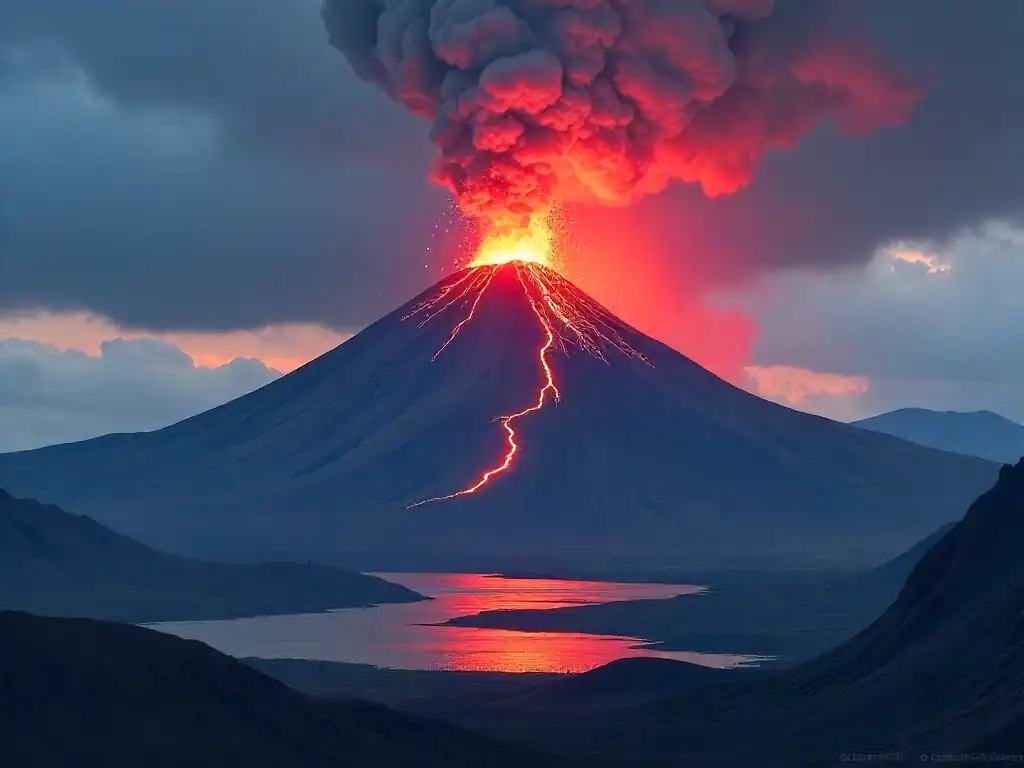
The eruption that truly captured global attention began on April 14th, 2010, when the focus of volcanic activity shifted from the flank vent at Fimmvörðuháls to the summit caldera of Eyjafjallajökull, directly beneath the glacier. This marked a significant escalation in the eruption's intensity. The interaction between the rising magma and the overlying glacial ice triggered highly explosive phreatomagmatic eruptions.
The rapid vaporization of meltwater from the glacier caused the magma to fragment violently, producing vast quantities of fine volcanic ash. This ash, composed of tiny particles of volcanic glass, rock fragments, and minerals, was propelled high into the atmosphere in a towering eruption plume.
During the most intense phases of the eruption, the ash plume reached altitudes of up to 9 kilometers (approximately 30,000 feet), penetrating well into the altitudes used by commercial airliners. The plume was not just vertically expansive; it was also carried by prevailing winds eastward and southward across Europe. The explosive nature of the eruption, combined with the fine particle size of the ash, was crucial in determining the extent and duration of the subsequent air travel disruption. This initial phase of explosive eruptions was the engine driving the 2010 Eyjafjallajökull eruption impact on air travel.
The Ash Cloud: Composition, Dispersion, and Monitoring
The volcanic ash from the 2010 Eyjafjallajökull eruption was particularly problematic due to its composition and the way it dispersed. Analysis of the ash revealed it was rich in silica and fluorine. The silica content made the ash abrasive, posing a significant threat to aircraft engines as the particles could melt and solidify within the hot sections of jet engines, leading to engine failure. The fluorine content, while less of a direct threat to aircraft, raised concerns about potential environmental and health impacts upon deposition.
The dispersion of the ash cloud was heavily influenced by weather patterns. A persistent high-pressure system over Europe channeled the ash plume across densely populated and heavily trafficked airspace. Real-time monitoring of the ash cloud was crucial for aviation safety.
Organizations like the Volcanic Ash Advisory Centres (VAACs) used satellite data, ground-based radar, and pilot reports to track the ash cloud's movement and concentration. However, in 2010, the methods for accurately forecasting ash cloud dispersal and concentration were still under development, contributing to the precautionary principle adopted in closing European airspace. The challenge of monitoring and predicting the ash cloud's behavior was a key factor in the severity of the 2010 Eyjafjallajökull eruption impact.
III. The Unprecedented Disruption to Air Travel
Assessing the Impact of Volcanic Ash on Aircraft Engines
Volcanic ash poses a significant hazard to aircraft, primarily due to its abrasive and melting characteristics at jet engine operating temperatures. Jet engines operate at extremely high temperatures, often exceeding 1000 degrees Celsius in the combustion chamber. Volcanic ash, composed of silicate minerals, can melt at temperatures around 1100 degrees Celsius. As ash particles enter a jet engine, they can melt in the hot sections and then solidify on cooler components, such as turbine blades and nozzles. This re-solidified ash can accumulate, disrupting airflow, reducing engine efficiency, and potentially causing engine failure.
Furthermore, the abrasive nature of the ash can erode engine components, particularly compressor blades and fan blades, leading to further performance degradation and potential structural damage. Visibility is also severely reduced within an ash cloud, posing a direct flight safety hazard. While modern aircraft are designed to withstand some level of environmental stress, the concentration and extent of the ash cloud from the 2010 Eyjafjallajökull eruption were deemed to exceed safe operating limits. The potential for catastrophic engine failure due to volcanic ash ingestion was the primary driver behind the unprecedented airspace closures.
The Airspace Closure: A Global Response to the Volcanic Threat
In response to the perceived threat posed by the 2010 Eyjafjallajökull eruption ash cloud, a widespread closure of European airspace was implemented. Starting on April 15th, 2010, numerous countries, including the UK, Ireland, France, Germany, and many others across Northern and Western Europe, began to close their airspace to commercial air traffic. This was an unprecedented event in peacetime aviation history. The airspace closures were based on a precautionary approach, driven by concerns about the potential for catastrophic engine failures due to volcanic ash.
The duration and extent of the closures varied across countries and regions, but at its peak, the disruption affected over 30 countries and impacted millions of passengers. Flights to and from Europe were cancelled, delayed, or rerouted. The airspace closures were implemented based on forecasts of ash cloud dispersion and concentration, but these forecasts were, at the time, relatively uncertain.
While some airlines and aviation authorities questioned the extent and duration of the closures, the overriding priority was passenger safety. The 2010 Eyjafjallajökull eruption impact on air travel was a direct consequence of this global, precautionary response to a novel volcanic hazard.
IV. Socioeconomic Consequences of the 2010 Eruption
Economic Losses and Business Disruptions
The widespread air travel disruption caused by the 2010 Eyjafjallajökull eruption impact resulted in significant economic losses across various sectors. Airlines bore the brunt of the financial burden, with estimates of losses reaching approximately \$1.7 billion globally. These losses stemmed from flight cancellations, passenger compensation, aircraft grounding, and lost revenue. Airports also suffered substantial financial losses due to reduced operations and passenger throughput.
Beyond the aviation industry, numerous other businesses experienced disruptions. The tourism sector was heavily impacted as travel plans were canceled and tourist destinations became inaccessible. Businesses relying on just-in-time delivery systems faced supply chain disruptions, affecting manufacturing and retail sectors. The insurance industry also incurred significant costs related to travel insurance claims and business interruption policies. While quantifying the total economic impact is complex, estimates suggest that the 2010 Eyjafjallajökull eruption impact resulted in several billions of dollars in global economic losses, highlighting the interconnectedness of the global economy and its vulnerability to natural hazards.
The Human Cost: Stranded Passengers and Travel Chaos
Beyond the economic figures, the 2010 Eyjafjallajökull eruption impact had a significant human cost, primarily in the form of travel chaos and stranded passengers. Millions of passengers were affected by flight cancellations, experiencing delays, missed connections, and disruptions to personal and professional plans. Airports became overcrowded as passengers sought information and alternative travel arrangements. Many individuals were stranded far from home, facing unexpected expenses for accommodation and food.
The travel chaos extended beyond air travel, as people sought alternative modes of transportation, such as trains, buses, and ferries, putting strain on these systems as well. The uncertainty and disruption caused stress and anxiety for many travelers.
While the airspace closures were implemented for safety reasons, the human cost of the travel standstill was substantial, underscoring the need for effective communication, passenger support, and robust contingency planning in the face of future volcanic events. The 2010 Eyjafjallajökull eruption impact served as a stark reminder of the human dimension of natural disasters and the importance of considering the needs of affected populations.
V. Scientific Lessons Learned from the Eyjafjallajökull Event
Improving Volcanic Ash Detection and Forecasting
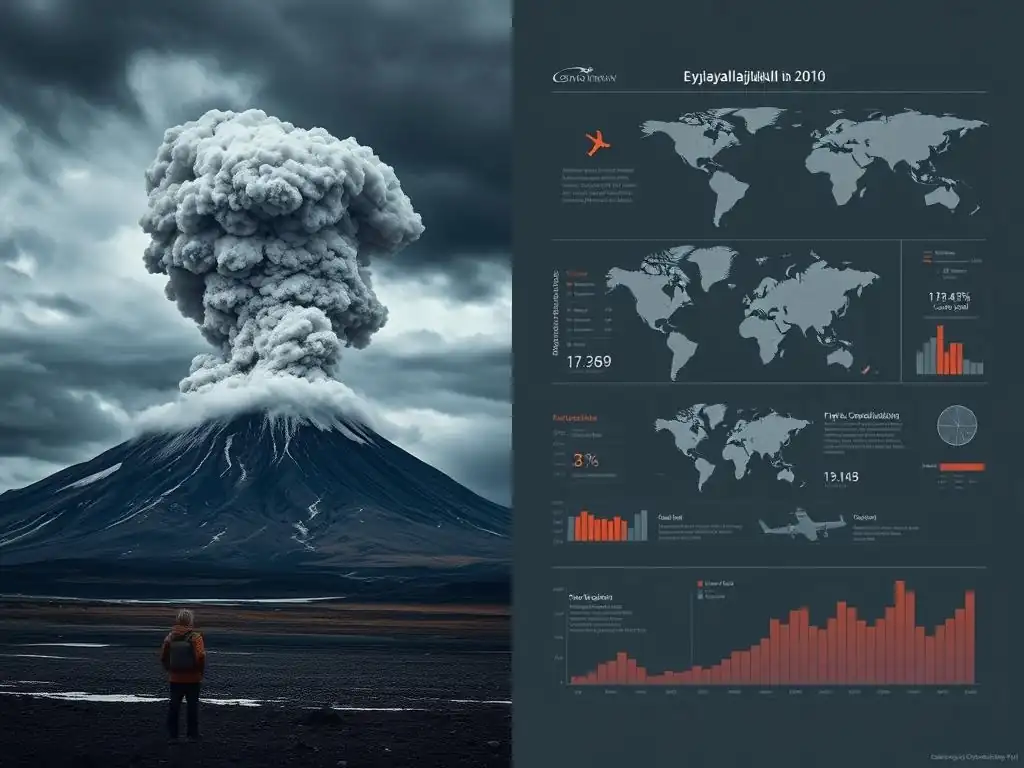
The 2010 Eyjafjallajökull eruption impact highlighted significant gaps in volcanic ash detection and forecasting capabilities. Prior to the eruption, the models and technologies for predicting ash cloud dispersion and concentration were relatively limited. The event spurred considerable research and development in this area. Improvements were made in satellite-based ash detection, using more sophisticated sensors and algorithms to better identify and quantify volcanic ash in the atmosphere.
Ground-based radar systems were also enhanced to improve their ability to detect and track ash clouds, particularly at lower altitudes. Furthermore, significant advancements were made in atmospheric dispersion models, incorporating more detailed meteorological data and volcanic source parameters to produce more accurate forecasts of ash cloud trajectories and concentrations. The 2010 Eyjafjallajökull eruption impact served as a catalyst for accelerating research and development in volcanic ash detection and forecasting, leading to improved capabilities for future volcanic events.
Enhancing Aviation Safety Protocols and Regulations
The air travel standstill of 2010 prompted a comprehensive review of aviation safety protocols and regulations related to volcanic ash. Prior to the eruption, the aviation industry operated under a "zero tolerance" policy for volcanic ash, meaning any detectable ash in airspace was considered unsafe. The 2010 Eyjafjallajökull eruption impact led to a shift towards a more nuanced approach, based on ash concentration levels and engine tolerance.
New safety guidelines were developed, allowing aircraft to fly in airspace with low concentrations of volcanic ash, provided that rigorous engine inspections and maintenance procedures were followed. Engine manufacturers conducted extensive testing to better understand the tolerance of modern jet engines to volcanic ash. International aviation organizations, such as the International Civil Aviation Organization (ICAO), worked to harmonize regulations and procedures for managing volcanic ash hazards globally. The 2010 Eyjafjallajökull eruption impact resulted in significant improvements in aviation safety protocols and regulations, moving towards a more risk-based and adaptable approach to volcanic ash hazards.
VI. Eyjafjallajökull Today: Monitoring and Future Risks
Current State of the Volcano and Ongoing Monitoring Efforts
Since the 2010 eruption, Eyjafjallajökull has returned to a state of relative quiescence, but it remains an active volcanic system and is continuously monitored. The Icelandic Meteorological Office, in collaboration with other scientific institutions, maintains a dense network of monitoring instruments around Eyjafjallajökull and across Iceland. This network includes seismometers to detect earthquakes, GPS stations to measure ground deformation, gas sensors to detect volcanic gas emissions, and web cameras for visual surveillance.
Data from these monitoring systems are analyzed in real-time to detect any signs of volcanic unrest that could indicate a future eruption. While there are no immediate signs of an imminent eruption at Eyjafjallajökull, the volcano is expected to erupt again in the future. The ongoing monitoring efforts are crucial for providing early warnings and mitigating the potential impacts of any future eruptions. The lessons learned from the 2010 Eyjafjallajökull eruption impact have significantly enhanced Iceland's volcanic monitoring capabilities and preparedness.
Lessons for Living with Volcanoes: Preparedness and Mitigation
The 2010 Eyjafjallajökull eruption impact provided valuable lessons for living with volcanoes, not just in Iceland, but globally. It underscored the importance of robust volcanic monitoring networks, effective communication strategies, and comprehensive emergency preparedness plans. For communities living near active volcanoes, preparedness measures include developing evacuation plans, establishing early warning systems, and educating the public about volcanic hazards and safety procedures.
At a global level, the eruption highlighted the need for international collaboration in volcanic ash monitoring and aviation safety management. The development of improved ash detection and forecasting technologies, as well as harmonized aviation regulations, are crucial for minimizing future disruptions to air travel. The 2010 Eyjafjallajökull eruption impact served as a wake-up call, emphasizing the need for proactive measures to mitigate the risks associated with living in a volcanically active world and ensuring resilience to future volcanic events.
VII. Conclusion: The Lasting Legacy of the 2010 Eyjafjallajökull Eruption
The 2010 Eyjafjallajökull eruption, while not a particularly large eruption in geological terms, left an indelible mark on the 21st century. Its most significant legacy is undoubtedly the unprecedented disruption it caused to global air travel, grounding millions and costing billions. This event exposed vulnerabilities in our interconnected world and highlighted the potential for natural hazards to have far-reaching consequences in a globalized society.
However, the 2010 Eyjafjallajökull eruption impact also spurred positive changes. It acted as a catalyst for advancements in volcanic ash detection and forecasting, leading to improved monitoring technologies and atmospheric models. It prompted a reassessment of aviation safety protocols, resulting in more nuanced and risk-based regulations for operating in airspace with volcanic ash.
Ultimately, the eruption served as a powerful reminder of the dynamic forces shaping our planet and the importance of continuous learning, adaptation, and preparedness in the face of natural hazards. The lessons learned from the Eyjafjallajökull event continue to inform volcanic risk management and aviation safety practices worldwide, ensuring a more resilient future in the face of volcanic threats.
Frequently Asked Questions
What caused the widespread air travel disruptions during the 2010 Eyjafjallajökull eruption?
The primary cause was the massive plume of volcanic ash ejected into the atmosphere. This ash posed a significant threat to jet engines, potentially causing them to fail.
How did the 2010 Eyjafjallajökull eruption differ from other volcanic events in terms of its impact on air travel?
While not the largest eruption in history, the fine-grained ash and its high altitude dispersion were unusual. This combination led to an unprecedented and prolonged airspace closure across Europe.
What specific dangers does volcanic ash pose to aircraft?
Volcanic ash can erode engine components, melt and solidify within the engine, and disrupt the navigation systems. These dangers can lead to catastrophic engine failure.
Beyond air travel, what other sectors were significantly impacted by the Eyjafjallajökull eruption?
The eruption significantly impacted the tourism industry, particularly in Iceland. Furthermore, supply chains were disrupted, and many businesses experienced financial losses.
What lessons were learned from the 2010 Eyjafjallajökull eruption regarding volcanic monitoring and risk assessment?
The eruption highlighted the need for improved volcanic ash dispersal models and better communication protocols. International coordination in airspace management also became crucial.
Final Reflection: The Enduring Echo of Eyjafjallajökull
The 2010 eruption of Eyjafjallajökull, though seemingly a distant memory, serves as a potent reminder of nature's capacity to disrupt even the most meticulously planned systems. The global air travel standstill, a direct consequence of this Icelandic volcano, highlighted our interconnectedness and vulnerability in the face of unforeseen natural events. Its impact continues to resonate today, shaping risk assessment protocols and emergency response strategies within the aviation industry and beyond.
The eruption's legacy extends beyond logistical considerations; it forced a global pause, prompting reflection on our reliance on technology and the fragility of our globalized world. The sheer scale of the disruption, impacting millions and costing billions, underscores the importance of understanding and mitigating the risks posed by natural hazards. We tend to forget that happiness doesn't come as a result of getting something we don't have, but rather of recognizing and appreciating what we do have.
- Frederick Keonig. This quote, though not directly about volcanoes, perfectly captures the sentiment of many during that period, as the unexpected grounding of flights forced a slower pace of life and a re-evaluation of priorities.
The eruption of Eyjafjallajökull was a stark reminder of the power of nature and the need for preparedness. As we move forward, let us not forget the lessons learned from this event. Consider how you can contribute to a more resilient future, whether through supporting scientific research, advocating for sustainable practices, or simply being mindful of the interconnectedness of our world. Let the memory of Eyjafjallajökull inspire us to build a future that is both innovative and resilient, capable of weathering the storms of tomorrow.
Rekindle Your Inner Explorer: Embark on Your Volcano Journey Now!
Thank you for diving into the fascinating story of Eyjafjallajökull and the global impact of its 2010 eruption. We hope this glimpse into volcanic power has ignited your curiosity. Now, let's channel that knowledge into action!
Here's how you can continue your exploration:
- Plan your own virtual expedition! Use online tools like Google Earth to explore Eyjafjallajökull and other volcanic regions in stunning detail. Imagine standing on the edge of the caldera!
- Discover more. Research lesser-known volcanic events and share your findings with friends. Ignite their interest in the earth's dynamic forces!
- Discuss: What impact do you think future volcanic eruptions will have on international travel, and what can be done to mitigate the risks?
Ready to turn your fascination into further exploration?