
The Silent Threat from Iceland: Eyjafjallajökull and the Air Travel Shutdown

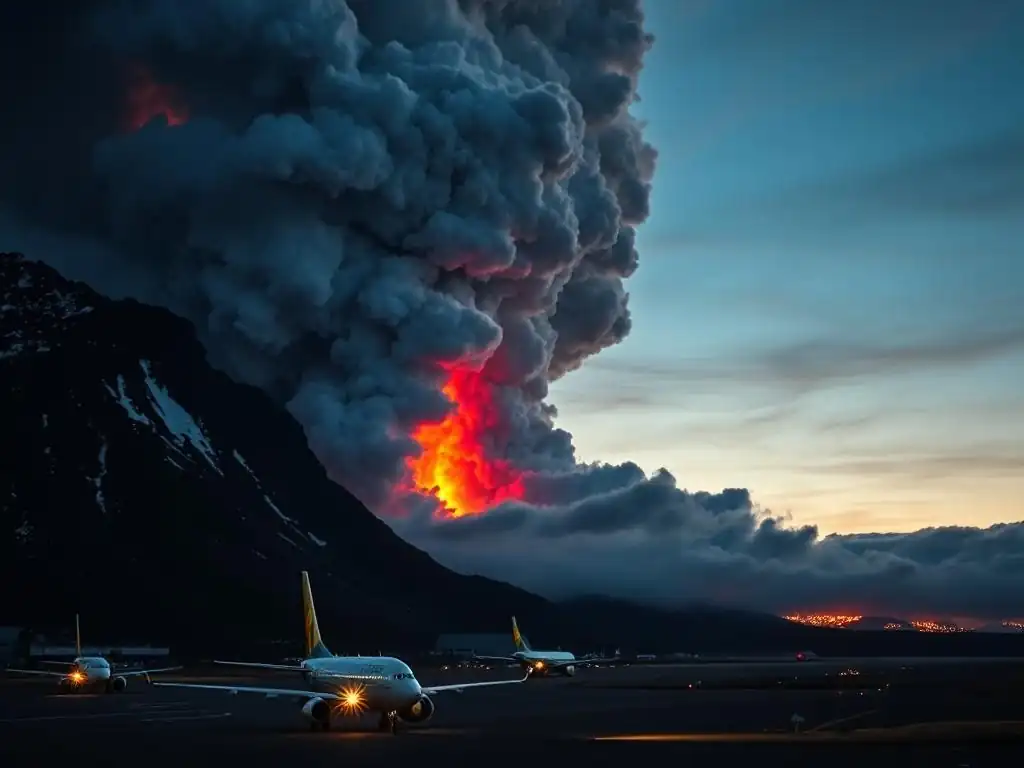
Welcome to Volcano Explorers!
Prepare to journey into the heart of fiery landscapes and geological mysteries. But first, consider this: what happens when the raw power of a volcano brings the world to a standstill? Our latest exploration focuses on the Eyjafjallajökull eruption impact on travel, a stark reminder that even dormant giants hold the potential to disrupt our lives in profound ways. Discover the science, the chaos, and the lessons learned from this infamous Icelandic event – and unlock the secrets that lie beneath the surface of our planet. What if the silent threat is brewing again?
- Introduction: Eyjafjallajökull's 2010 Eruption and Global Impact
- The Science Behind the Ash Cloud: Understanding the Volcanic Ash Hazard
- The Timeline of the Eyjafjallajökull Eruption: From Initial Signs to Travel Chaos
- Eyjafjallajökull Eruption Impact on Travel: The Immediate Consequences
- The Global Response: Managing the Volcanic Ash Crisis
- Long-Term Effects of the Eyjafjallajökull Eruption: Lessons Learned and Future Preparedness
- Eyjafjallajökull: A Case Study in Volcanic Hazard Management
- Eyjafjallajökull's Legacy: A Reminder of Nature's Power
-
Frequently Asked Questions
- What was the main impact of the Eyjafjallajökull eruption on travel?
- Why was the Eyjafjallajökull eruption so disruptive to air travel compared to other volcanic eruptions?
- How did the Eyjafjallajökull eruption affect the economy?
- What lessons were learned from the Eyjafjallajökull eruption regarding volcanic ash monitoring and air travel safety?
- What can travelers do to prepare for potential air travel disruptions caused by volcanic eruptions?
- Final Reflection: Echoes of Eyjafjallajökull
- Uncover Your Inner Volcanologist: Take Action Now!
Introduction: Eyjafjallajökull's 2010 Eruption and Global Impact
Setting the Stage: Iceland's Volcanic Landscape
Iceland, aptly nicknamed the "Land of Fire and Ice," is a volcanic island born from the fiery depths of the Earth and sculpted by glacial ice over millennia. Situated on the Mid-Atlantic Ridge, a major tectonic plate boundary, Iceland experiences a high concentration of volcanic activity. This unique geological setting results from the divergent movement of the North American and Eurasian plates, allowing magma to rise to the surface and create a landscape dotted with volcanoes, geysers, and hot springs.
The island is home to approximately 30 active volcanic systems, each possessing the potential to erupt and dramatically alter both the local and, as history has shown, global landscape. This constant geological dynamism makes Iceland a fascinating and sometimes unpredictable place, where the forces of nature are visibly at work.
Iceland's volcanoes are not just geological features; they are integral to the island's identity and environment. The volcanic activity shapes the terrain, creating fertile soils in some areas and stark lava fields in others. Geothermal energy, harnessed from the heat of the Earth's interior, is a vital resource for Iceland, providing clean energy for heating and electricity.
However, this volcanic richness also carries inherent risks. The close proximity of volcanoes to populated areas, and increasingly, to global infrastructure, means that eruptions can have far-reaching consequences. The 2010 eruption of Eyjafjallajökull served as a stark reminder of this, showcasing how a relatively modest Icelandic eruption could trigger worldwide disruption.
The Unforeseen Disruption: How Eyjafjallajökull Paralyzed Air Travel
In April 2010, the eruption of Eyjafjallajökull, a volcano beneath a glacier in southern Iceland, unleashed a plume of volcanic ash that reached unprecedented heights and spread across European airspace. What initially seemed like a localized event in a remote part of Iceland rapidly escalated into a global crisis for air travel.
The fine volcanic ash, propelled high into the atmosphere, posed a significant threat to jet aircraft engines, leading to the most extensive air travel shutdown in Europe since World War II. Millions of passengers were stranded, businesses suffered, and the global economy felt the ripple effects of this natural event.
The disruption caused by Eyjafjallajökull was not due to the scale of the eruption itself, which was relatively small compared to other historical volcanic events. Instead, it was the unique characteristics of the ash, combined with stringent safety regulations and the interconnected nature of modern air travel, that led to such widespread paralysis.
The eruption highlighted the vulnerability of global infrastructure to natural hazards and forced a re-evaluation of protocols for managing volcanic ash clouds and their impact on aviation. The event became a watershed moment, demonstrating the potential for even seemingly localized natural phenomena to have profound global consequences, particularly in an age of hyper-connectivity.
The Science Behind the Ash Cloud: Understanding the Volcanic Ash Hazard
The Composition of Volcanic Ash: A Threat to Aircraft Engines
Volcanic ash is not the soft, fluffy material its name might suggest. It is composed of microscopic shards of volcanic glass, minerals, and rock fragments created during explosive volcanic eruptions. This ash is incredibly abrasive and, crucially, melts at temperatures lower than those reached within modern jet engines. When ingested into a jet engine, volcanic ash can melt and then solidify on turbine blades and other engine components. This process, known as vitrification, can lead to engine damage, reduced efficiency, and in severe cases, engine failure.
The abrasive nature of volcanic ash also poses threats beyond engine damage. Ash particles can scratch aircraft windows, reducing visibility for pilots. They can contaminate fuel and hydraulic systems, and damage critical sensors and electronic equipment.
Furthermore, the sheer weight of accumulated ash on aircraft surfaces can impact aerodynamic performance. For these reasons, even relatively low concentrations of volcanic ash in the flight path are considered a serious hazard to aircraft safety, necessitating stringent measures to avoid encounters. The potential for catastrophic engine failure due to volcanic ash ingestion is the primary driver behind the strict no-fly zones implemented during volcanic eruptions like Eyjafjallajökull's.
Why Icelandic Volcanoes Produce Fine Ash: The Glacial Interaction
Icelandic volcanoes are particularly prone to producing fine-grained volcanic ash due to their frequent interaction with glaciers and ice caps. Many of Iceland's active volcanoes are located beneath or adjacent to glaciers. When an eruption occurs beneath a glacier, the hot magma interacts explosively with meltwater. This interaction is far more violent than eruptions in dry conditions. The rapid heating and vaporization of glacial meltwater cause the magma to fragment into much finer particles. This process is a key factor in the creation of the extensive and hazardous ash clouds associated with Icelandic eruptions.
The presence of ice not only contributes to the fine particle size but also influences the eruption plume's behavior. The interaction between magma and ice can lead to phreatomagmatic eruptions, which are characterized by their explosive nature and the production of large quantities of steam and ash.
The steam generated during these eruptions further aids in lofting the fine ash particles high into the atmosphere, allowing them to be transported over vast distances by prevailing winds. This glacial influence is a defining characteristic of Icelandic volcanism and a significant reason why eruptions like Eyjafjallajökull's can have such widespread impacts, particularly on air travel across Europe and beyond.
Phreatomagmatic Eruptions: The Science Behind the Ash
Phreatomagmatic eruptions are a specific type of volcanic eruption that occurs when magma interacts with external water sources, such as groundwater, surface water, or in the case of Iceland, glacial meltwater. The term "phreatomagmatic" combines "phrea," referring to groundwater, and "magmatic," referring to magma. These eruptions are characterized by their highly explosive nature, driven by the rapid vaporization of water upon contact with hot magma. The sudden conversion of water to steam creates immense pressure, fragmenting the magma and surrounding rocks into fine particles.
The science behind phreatomagmatic eruptions involves complex thermodynamic processes. When magma, typically at temperatures between 700°C and 1300°C, encounters water, the water is almost instantaneously superheated and vaporizes. This rapid phase transition from liquid to gas results in a significant volume expansion, leading to powerful explosions.
The explosions fragment the magma into ash-sized particles and propel them, along with steam and volcanic gases, into the atmosphere. The efficiency of this fragmentation process is much higher in phreatomagmatic eruptions compared to purely magmatic eruptions, resulting in a greater proportion of fine ash, which is particularly hazardous to aviation, as demonstrated vividly by the Eyjafjallajökull eruption impact on travel.
The Timeline of the Eyjafjallajökull Eruption: From Initial Signs to Travel Chaos
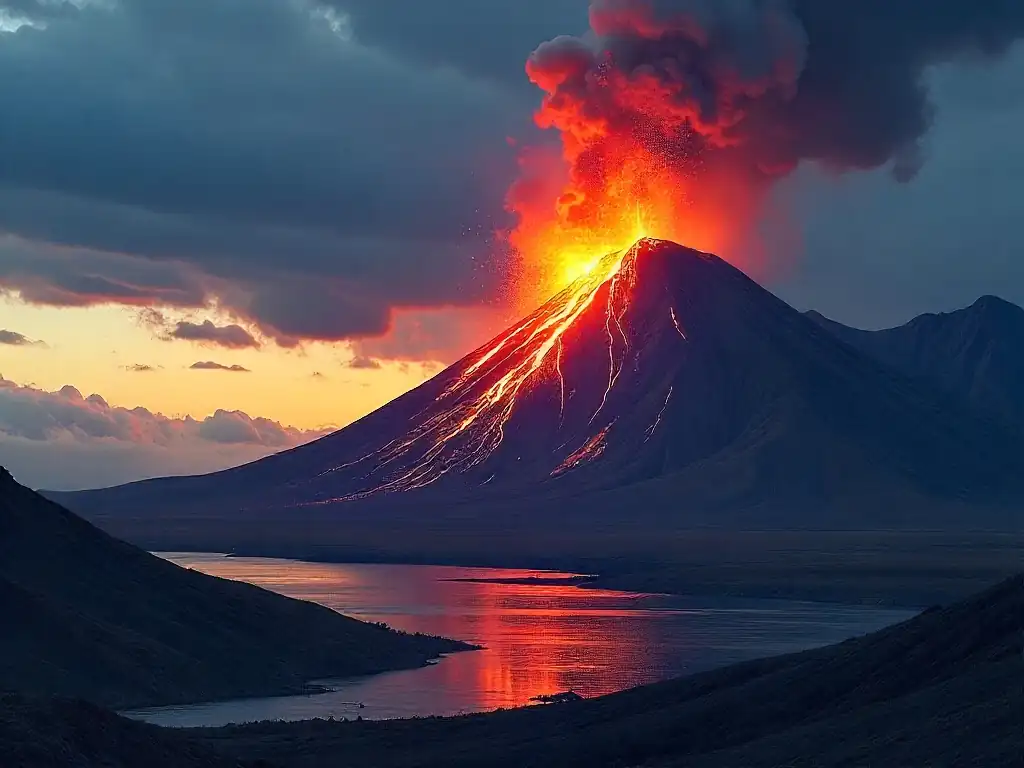
Early Warning Signs: Monitoring Iceland's Volcanoes
Iceland maintains a sophisticated volcanic monitoring system, operated by the Icelandic Meteorological Office (IMO), due to the country's high volcanic activity. This system employs a network of seismometers, GPS stations, and gas sensors to detect subtle changes beneath the surface that may indicate an impending eruption. In the weeks and months leading up to the Eyjafjallajökull eruption, increased seismic activity and ground deformation were detected around the volcano. These early warning signs alerted volcanologists to a potential unrest and allowed them to intensify monitoring efforts.
Specifically, in December 2009, seismometers began registering increased earthquake activity in the vicinity of Eyjafjallajökull. This activity gradually intensified through January and February 2010, indicating magma movement beneath the volcano. Ground deformation measurements, using GPS technology, also showed inflation of the volcanic edifice, further supporting the idea of magma accumulating at shallow depths. While these signs did not pinpoint the exact timing or magnitude of an eruption, they provided crucial early warnings that allowed for enhanced surveillance and preliminary preparedness measures to be put in place, even before the eruption became a major international event.
The Eruption Begins: Initial Explosions and Ash Plume Development
The Eyjafjallajökull eruption officially began on March 20, 2010, with a relatively small fissure eruption on the eastern flank of the volcano, outside the ice cap. This initial phase was characterized by effusive lava flows and minor explosive activity, causing localized disruptions but not posing a significant threat to air travel. However, this phase was a precursor to a more substantial and disruptive event. The activity shifted dramatically on April 14, 2010, when a second, more powerful eruption commenced directly beneath the ice cap at the summit caldera of Eyjafjallajökull.
This second phase was markedly different and far more impactful. The interaction between the erupting magma and the glacial ice triggered powerful phreatomagmatic explosions. These explosions ejected vast quantities of fine volcanic ash high into the atmosphere.
Within hours, a towering ash plume had developed, reaching altitudes of up to 9 kilometers (30,000 feet). The prevailing winds at these altitudes then began to carry the ash plume eastward and southward across Europe, setting the stage for the widespread air travel disruptions that would soon follow. The rapid transition from a minor fissure eruption to a major ash-producing event under the glacier was a key factor in the escalation of the crisis.
The Spread of the Ash Cloud: Tracking its Movement Across Europe
Once the ash plume from Eyjafjallajökull reached significant altitudes, its movement was largely dictated by the prevailing atmospheric winds. Weather patterns in April 2010 were such that winds at flight altitudes were directed from northwest to southeast across Europe. This meant that the volcanic ash cloud was transported directly over densely populated and heavily trafficked airspace. Meteorological agencies, using satellite imagery and atmospheric models, began to track the ash cloud's progression in real-time.
The ash cloud initially spread over the United Kingdom and Scandinavia, then extended southward over continental Europe. Its movement was not uniform; it fluctuated in density and altitude, and its path shifted slightly with changing weather conditions. Volcanic ash advisory centers (VAACs), such as the London VAAC, played a crucial role in monitoring and forecasting the ash cloud's position and concentration.
These forecasts were essential for air traffic control authorities to determine the extent and duration of airspace closures. The unprecedented scale and duration of the ash cloud's spread across European airspace were key factors in the severity of the air travel shutdown.
The Airspace Shutdown: A Continent Grounded
Based on the real-time tracking and forecasts of the volcanic ash cloud, and guided by stringent safety regulations regarding volcanic ash in airspace, European air traffic control agencies began to implement airspace closures. On April 15, 2010, airspace over the United Kingdom, Ireland, and Scandinavia was initially closed. As the ash cloud spread, closures extended to encompass airspace over much of continental Europe, including major aviation hubs like Paris, Amsterdam, and Frankfurt. This resulted in a near-complete shutdown of air traffic across a large part of the continent.
For several days, a vast swathe of European airspace was effectively a no-fly zone. Thousands of flights were cancelled daily, affecting millions of passengers. The duration of the airspace closures varied depending on the location and the fluctuating position of the ash cloud. Some airspace remained closed for up to six days, while others experienced intermittent closures. The scale and duration of this airspace shutdown were unprecedented in peacetime aviation history. The Eyjafjallajökull eruption impact on travel was immediate and profound, grounding a continent and highlighting the vulnerability of modern air transportation to natural hazards.
Eyjafjallajökull Eruption Impact on Travel: The Immediate Consequences
Flight Cancellations and Travel Delays: A Global Logistical Nightmare
The most immediate and visible consequence of the Eyjafjallajökull eruption was the massive disruption to air travel. Over a period of several days in April 2010, it is estimated that more than 100,000 flights were cancelled across Europe. This unprecedented number of cancellations stranded millions of passengers at airports worldwide, creating a logistical nightmare for airlines, airport operators, and travelers alike. Flights to, from, and within Europe were all affected, leading to cascading delays and disruptions across global air travel networks.
Airports became overwhelmed with stranded passengers. Terminals were crowded, and information was often scarce and rapidly changing. Airlines struggled to re-accommodate passengers and provide assistance amidst the chaos. The sheer scale of the disruption meant that even after airspace began to reopen, it took several days for airlines to fully recover and clear the backlog of cancelled flights and stranded passengers. The flight cancellations and delays caused by the Eyjafjallajökull eruption represented a major global logistical challenge, demonstrating the interconnectedness and fragility of modern air travel systems.
Economic Repercussions: The Cost of Grounded Flights
The grounding of flights across Europe due to the Eyjafjallajökull eruption had significant economic repercussions. The airline industry itself suffered substantial losses. The International Air Transport Association (IATA) estimated that airlines globally lost approximately \$1.7 billion in revenue due to the airspace closures. These losses stemmed from cancelled flights, passenger compensation, re-routing costs, and the general disruption to operations. Beyond the airlines, numerous other sectors were also negatively impacted.
Businesses faced disruptions to supply chains and delays in deliveries. The tourism industry experienced significant losses as travelers cancelled trips and bookings. Meetings, conferences, and events were postponed or cancelled, impacting various industries.
Even sectors seemingly unrelated to air travel felt the economic ripple effects. For example, the fresh flower industry in East Africa, heavily reliant on air freight to reach European markets, suffered considerable losses as shipments were grounded. While the precise total economic cost is difficult to calculate, it is clear that the Eyjafjallajökull eruption impact on travel translated into substantial economic losses across multiple sectors and on a global scale.
Stranded Passengers and Travel Disruption Stories: Personal Accounts of Travel Chaos
The Eyjafjallajökull eruption and the subsequent air travel shutdown resulted in countless stories of stranded passengers and travel disruption. Millions of individuals found themselves unexpectedly stuck far from home, or unable to reach their intended destinations. Business travelers missed crucial meetings, families were separated, and holiday plans were ruined. Personal accounts from the time vividly illustrate the widespread chaos and frustration.
For example, news reports highlighted stories of passengers stranded in airports for days, sleeping on terminal floors and struggling to access basic amenities. Travelers recounted difficulties in obtaining accurate information from airlines and travel agents, and the challenges of rebooking flights or finding alternative transportation. Social media became a platform for stranded passengers to share their experiences, seek assistance, and vent their frustrations. These personal stories underscored the human cost of the volcanic ash crisis and brought the abstract concept of "travel disruption" into sharp and relatable focus, demonstrating the very real and personal Eyjafjallajökull eruption impact on travel.
The Global Response: Managing the Volcanic Ash Crisis
Air Traffic Control and Regulatory Measures: The No-Fly Zone
The immediate global response to the Eyjafjallajökull volcanic ash crisis centered around air traffic control and the implementation of no-fly zones. Based on the best available scientific advice and existing safety regulations, air traffic control agencies across Europe and beyond took the unprecedented step of closing vast swathes of airspace.
This decision was driven by the paramount concern for passenger safety, given the known risks of volcanic ash to jet aircraft engines. The no-fly zone was not a blanket closure of all airspace but rather a dynamic and evolving area, adjusted in response to the changing position and density of the volcanic ash cloud.
The implementation of the no-fly zone required close coordination between national air traffic control agencies, meteorological organizations providing ash cloud forecasts, and airlines. Eurocontrol, the European Organisation for the Safety of Air Navigation, played a central coordinating role, working to harmonize airspace closures across different countries and provide a unified picture of the situation. The regulatory measures were based on established protocols for volcanic ash avoidance, but the scale and duration of the Eyjafjallajökull event pushed these protocols to their limits, highlighting the need for continuous refinement and international cooperation in managing such crises.
Scientific Monitoring and Ash Cloud Prediction: Improving Forecasting
The Eyjafjallajökull eruption crisis spurred significant advancements in scientific monitoring and ash cloud prediction capabilities. The event underscored the limitations of existing forecasting models and the need for more accurate and timely information about volcanic ash clouds. In the aftermath of the eruption, there was a renewed focus on improving volcanic ash detection technologies, including satellite-based instruments and ground-based radar systems. Research efforts were intensified to better understand the dispersal and behavior of volcanic ash in the atmosphere.
Volcanic Ash Advisory Centers (VAACs) played a crucial role during the crisis, providing forecasts of ash cloud movement. The experience of Eyjafjallajökull led to improvements in VAAC forecasting models, incorporating better data assimilation and more sophisticated atmospheric dispersion algorithms. Collaboration between volcanologists, meteorologists, and aviation experts was strengthened to ensure that scientific information was effectively translated into actionable guidance for air traffic management. The crisis served as a catalyst for significant investment and innovation in volcanic ash monitoring and prediction, aimed at mitigating the Eyjafjallajökull eruption impact on travel and improving preparedness for future volcanic events.
Alternative Transportation Options: The Resurgence of Rail Travel
With air travel paralyzed across Europe, alternative transportation options experienced a surge in demand. Rail travel, in particular, saw a significant resurgence. High-speed train networks, such as those in France, Germany, and the UK, became crucial for transporting passengers who would normally have flown. Train operators rapidly increased capacity, adding extra services and carriages to accommodate the increased demand. International rail links, like the Eurostar connecting London and Paris, were heavily utilized.
Bus and coach services also experienced increased demand, as did ferry services across the English Channel and other sea routes. Car rental companies saw a spike in bookings, although the sheer scale of the travel disruption meant that alternative transportation could only partially alleviate the situation.
The Eyjafjallajökull eruption highlighted the importance of having robust and resilient alternative transportation infrastructure. While rail travel could not fully replace air travel, its increased utilization during the crisis demonstrated its vital role in providing mobility when air transport is disrupted, and spurred renewed interest in investing in and improving rail networks as a crucial component of overall transportation resilience.
Long-Term Effects of the Eyjafjallajökull Eruption: Lessons Learned and Future Preparedness
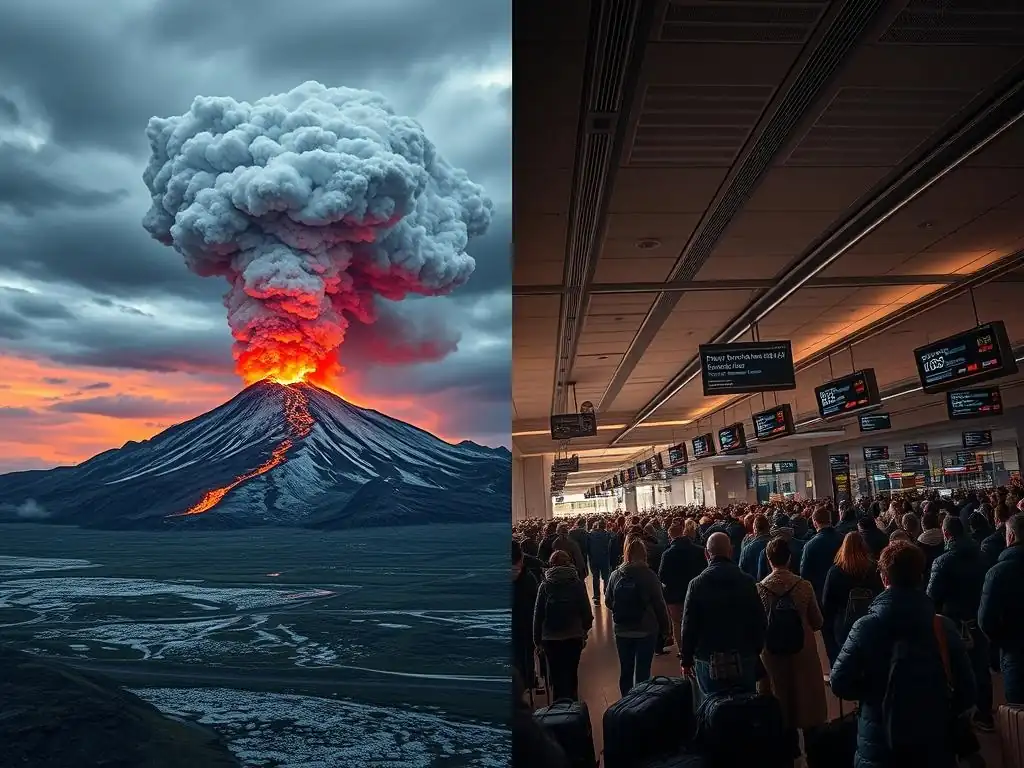
Changes in Air Travel Regulations: Enhanced Safety Protocols
The Eyjafjallajökull eruption prompted significant changes in air travel regulations and safety protocols concerning volcanic ash. Prior to 2010, the aviation industry operated on a zero-tolerance policy for volcanic ash; any presence of ash in airspace meant closure. Following Eyjafjallajökull, regulations evolved to incorporate a more nuanced approach, based on ash concentration levels and engine tolerance. The "no-fly zone" concept was refined to include zones with varying levels of risk, allowing for more flexible airspace management.
New safety standards were developed, including revised engine certification requirements to demonstrate greater tolerance to volcanic ash ingestion. Airlines implemented enhanced procedures for pre-flight risk assessment and in-flight ash cloud avoidance. Pilot training was updated to include specific procedures for encountering volcanic ash and emergency protocols. The regulatory changes aimed to balance safety with minimizing disruption, moving from a complete airspace shutdown to a more risk-based approach. These enhanced safety protocols were a direct response to the lessons learned from the Eyjafjallajökull eruption impact on travel, designed to improve aviation resilience in the face of future volcanic events.
Advancements in Volcanic Ash Detection Technology: Improved Monitoring Systems
The Eyjafjallajökull crisis acted as a catalyst for advancements in volcanic ash detection technology and improved monitoring systems. Recognizing the limitations of existing methods, significant investments were made in developing and deploying new technologies to better detect and track volcanic ash clouds. Satellite-based instruments with enhanced spectral capabilities were developed to improve ash cloud detection from space. Ground-based weather radar systems were upgraded and adapted to detect volcanic ash in addition to precipitation.
Airborne ash detection systems, mounted on aircraft, were also developed and tested. These systems provide real-time measurements of ash concentration in flight, allowing for more informed decision-making by pilots and air traffic controllers. The density of ground-based monitoring networks, including seismometers, GPS stations, and gas sensors, was increased in volcanically active regions like Iceland. These technological advancements have significantly improved the ability to monitor volcanic activity and track ash clouds, leading to more accurate forecasts and better-informed airspace management, mitigating the Eyjafjallajökull eruption impact on travel and enhancing preparedness for future volcanic events.
The Impact on Iceland's Tourism: A Boost for Adventure Travel
Paradoxically, despite causing widespread disruption and negative economic impacts elsewhere, the Eyjafjallajökull eruption had a positive long-term effect on Iceland's tourism industry. The eruption, initially perceived as a disaster, unexpectedly put Iceland on the global map in a dramatic way. News coverage of the eruption and the ash cloud, while initially focused on disruption, also showcased Iceland's unique volcanic landscape and natural beauty. This unintended publicity sparked a surge of interest in Iceland as a tourist destination, particularly for adventure travel.
In the years following the eruption, Iceland experienced a dramatic increase in tourist arrivals. Visitors were drawn by the dramatic volcanic landscapes, glaciers, and geothermal features that had been highlighted by the eruption. "Volcano tourism" became a significant draw, with guided tours to eruption sites and other volcanic areas becoming increasingly popular.
The Eyjafjallajökull eruption, despite its initial disruption, ultimately contributed to a substantial boost in Iceland's tourism sector, transforming the island into a sought-after destination for those seeking unique natural experiences. The irony of this positive tourism outcome highlights the complex and sometimes unexpected long-term consequences of natural events.
Eyjafjallajökull: A Case Study in Volcanic Hazard Management
Assessing the Risks: Vulnerability of Air Travel to Volcanic Eruptions
The Eyjafjallajökull eruption serves as a crucial case study in assessing the risks posed by volcanic eruptions to modern air travel. It vividly demonstrated the vulnerability of global air transportation networks to relatively small, but ash-rich, volcanic events. The eruption highlighted the interconnectedness of the global aviation system and how a localized volcanic eruption in a remote location like Iceland could trigger widespread and prolonged disruption across continents. It underscored the need for comprehensive risk assessments that consider not only the probability of volcanic eruptions but also the potential cascading impacts on critical infrastructure and global systems.
The case of Eyjafjallajökull emphasized that risk assessment must extend beyond immediate physical hazards to include socio-economic vulnerabilities. The economic losses, travel disruptions, and societal impacts resulting from the eruption highlighted the broader consequences of volcanic ash crises. The event prompted a re-evaluation of risk management strategies, moving towards a more holistic approach that integrates scientific monitoring, regulatory frameworks, emergency response planning, and international cooperation to mitigate the multifaceted risks posed by volcanic eruptions to air travel and global society.
Improving Emergency Response Plans: Coordination and Communication
The Eyjafjallajökull eruption exposed certain weaknesses in existing emergency response plans for volcanic ash crises, particularly in the areas of coordination and communication. While the scientific monitoring and forecasting efforts were largely effective, the communication of information to the public and stranded passengers was often fragmented and inconsistent. Coordination between different national air traffic control agencies, airlines, and other stakeholders could have been smoother and more efficient.
In the aftermath of the eruption, significant efforts were made to improve emergency response plans. Enhanced communication protocols were developed to ensure timely and accurate information dissemination to passengers, airlines, and the public. International coordination mechanisms were strengthened to facilitate a more unified and collaborative response to future volcanic ash crises.
Exercises and drills were conducted to test and refine emergency response plans, focusing on improved communication, coordination, and passenger support. The lessons learned from Eyjafjallajökull have led to more robust and coordinated emergency response frameworks for managing volcanic ash events and minimizing the Eyjafjallajökull eruption impact on travel in the future.
The Future of Volcanic Ash Cloud Management: Research and Innovation
The Eyjafjallajökull eruption spurred ongoing research and innovation in volcanic ash cloud management. Scientists and engineers continue to work on developing improved volcanic ash detection and forecasting technologies, aiming for greater accuracy and lead time in predicting ash cloud movement and concentration. Research is also focused on better understanding the behavior of volcanic ash in jet engines and exploring potential mitigation strategies, such as engine modifications or operational procedures, to reduce the risk of ash-related engine damage.
Innovation in airspace management is also crucial. Researchers are exploring dynamic airspace management systems that can adapt more flexibly to changing ash cloud conditions, potentially allowing for more efficient airspace utilization while maintaining safety. The development of unmanned aerial vehicles (UAVs) for ash cloud sampling and monitoring is another promising area of innovation. The ongoing research and innovation efforts are driven by the need to further minimize the Eyjafjallajökull eruption impact on travel and enhance the resilience of air transportation to future volcanic eruptions, ensuring safer and more reliable air travel in volcanically active regions.
Eyjafjallajökull's Legacy: A Reminder of Nature's Power
The Beauty and Danger of Icelandic Volcanoes: A Landscape Shaped by Fire and Ice
Eyjafjallajökull, like other Icelandic volcanoes, embodies the dual nature of these geological wonders – a source of both breathtaking beauty and potential danger. The Icelandic landscape, sculpted by volcanic eruptions and glacial activity, is a testament to the immense forces of nature. Volcanoes like Eyjafjallajökull create dramatic landscapes of lava fields, black sand beaches, and towering mountains, attracting visitors from around the world to witness this raw and powerful beauty.
However, this beauty is inextricably linked to inherent danger. Icelandic volcanoes are active and unpredictable, capable of erupting with little warning and unleashing destructive forces. The Eyjafjallajökull eruption served as a stark reminder of this danger, demonstrating how even a relatively moderate eruption can have far-reaching consequences. The volcano's legacy is therefore a complex one, a reminder of the awe-inspiring power of nature, the beauty of volcanic landscapes, and the ever-present potential for disruption and hazard in volcanically active regions.
Remembering the Eyjafjallajökull Eruption: A Turning Point in Travel History
The Eyjafjallajökull eruption of 2010 stands as a significant turning point in travel history, particularly in the context of air transportation. It was an event that fundamentally altered perceptions of volcanic risk and its impact on global infrastructure. Before Eyjafjallajökull, the potential for volcanic ash to cause widespread air travel disruption was perhaps underestimated. The eruption served as a wake-up call, highlighting the vulnerability of modern, interconnected systems to natural hazards and prompting a fundamental re-evaluation of safety protocols and risk management strategies.
The event reshaped air travel regulations, spurred technological advancements in volcanic ash detection, and enhanced emergency preparedness. It also increased public awareness of volcanic hazards and the interconnectedness of global systems. In many ways, the Eyjafjallajökull eruption marked the beginning of a new era in volcanic ash management and aviation safety, leaving a lasting legacy that continues to influence how the aviation industry and scientific community prepare for and respond to volcanic events. Its impact on travel was profound and enduring.
The Enduring Lessons of Eyjafjallajökull
The enduring lessons of Eyjafjallajökull are multifaceted and extend beyond the immediate realm of air travel. Firstly, the eruption underscored the importance of continuous scientific monitoring and research to better understand natural hazards and improve forecasting capabilities. Secondly, it highlighted the need for robust and adaptable safety regulations and emergency response plans that can be effectively implemented on a global scale. Thirdly, it emphasized the critical role of international cooperation and communication in managing transboundary crises.
Beyond aviation, Eyjafjallajökull served as a broader reminder of humanity's vulnerability to natural forces in an increasingly interconnected world. It demonstrated that even seemingly localized events can have global ripple effects and that resilience to natural hazards requires a holistic approach encompassing scientific understanding, technological innovation, effective governance, and societal preparedness. The eruption's legacy is a call for continued vigilance, adaptation, and collaboration to mitigate the risks posed by natural hazards and build more resilient and sustainable global systems for the future.
Frequently Asked Questions
What was the main impact of the Eyjafjallajökull eruption on travel?
The main impact was a massive shutdown of air travel across Europe. Volcanic ash disrupted engine functionality, making flying unsafe.
Why was the Eyjafjallajökull eruption so disruptive to air travel compared to other volcanic eruptions?
The fine ash particles produced by the eruption were particularly hazardous to jet engines. Also, the eruption persisted for a relatively long period, prolonging the travel disruption.
How did the Eyjafjallajökull eruption affect the economy?
The eruption led to significant economic losses for airlines, tourism industries, and businesses reliant on air cargo. Many businesses experienced supply chain disruptions.
What lessons were learned from the Eyjafjallajökull eruption regarding volcanic ash monitoring and air travel safety?
The eruption highlighted the need for improved volcanic ash detection and forecasting systems. Stricter airspace management protocols were developed to minimize future disruptions.
What can travelers do to prepare for potential air travel disruptions caused by volcanic eruptions?
Travelers should purchase travel insurance that covers flight cancellations and delays. They should also stay informed about volcanic activity in the region they are traveling to and be prepared for potential disruptions.
Final Reflection: Echoes of Eyjafjallajökull
The eruption of Eyjafjallajökull in 2010, though seemingly a distant memory, serves as a potent reminder of nature's unpredictable power and its profound impact on our interconnected world. The disruption to air travel, a cornerstone of modern globalization, highlighted our vulnerability to events occurring thousands of miles away. This event wasn't just about grounded planes; it was a stark lesson in resilience, adaptation, and the fragility of systems we often take for granted.
The ash cloud that paralyzed European airspace continues to subtly influence our approach to risk assessment and contingency planning within the travel industry and beyond. The experience forced a re-evaluation of our reliance on air travel and sparked innovation in alternative transportation methods and communication strategies. It also underscored the importance of international collaboration in the face of global crises. The eruption of Eyjafjallajökull showed us that even in a highly connected world, nature can still bring everything to a standstill.
- A quote reflecting the event's impact.
As we move forward, let us remember the lessons learned from Eyjafjallajökull. Consider how you can apply the principles of preparedness and adaptability in your own life, both personally and professionally. Embrace the unexpected, foster resilience, and appreciate the delicate balance between human progress and the forces of nature. Only then can we truly navigate the challenges of an ever-changing world with wisdom and foresight.
Uncover Your Inner Volcanologist: Take Action Now!
Thanks for diving into the fascinating story of Eyjafjallajökull and its impact on global air travel. Now that you understand the potential power of these geological forces, it's time to put that knowledge to good use.
Here are a few things you can do right now:
- Share this article with three friends or family members who love to travel. Help them become more aware of the hidden risks and resilience of our planet!
- Explore our interactive map of active volcanoes around the world. Discover other potential threats and understand the science behind them.
- Consider donating to the Volcano Explorers organization to support our ongoing research and educational initiatives. Every contribution helps us better understand and prepare for future volcanic events.
What other volcanoes fascinate you, and what questions do you still have about their impact on the world? Share your thoughts in the comments below!