
Volcanoes: Nature's Ultimate Power Statement?

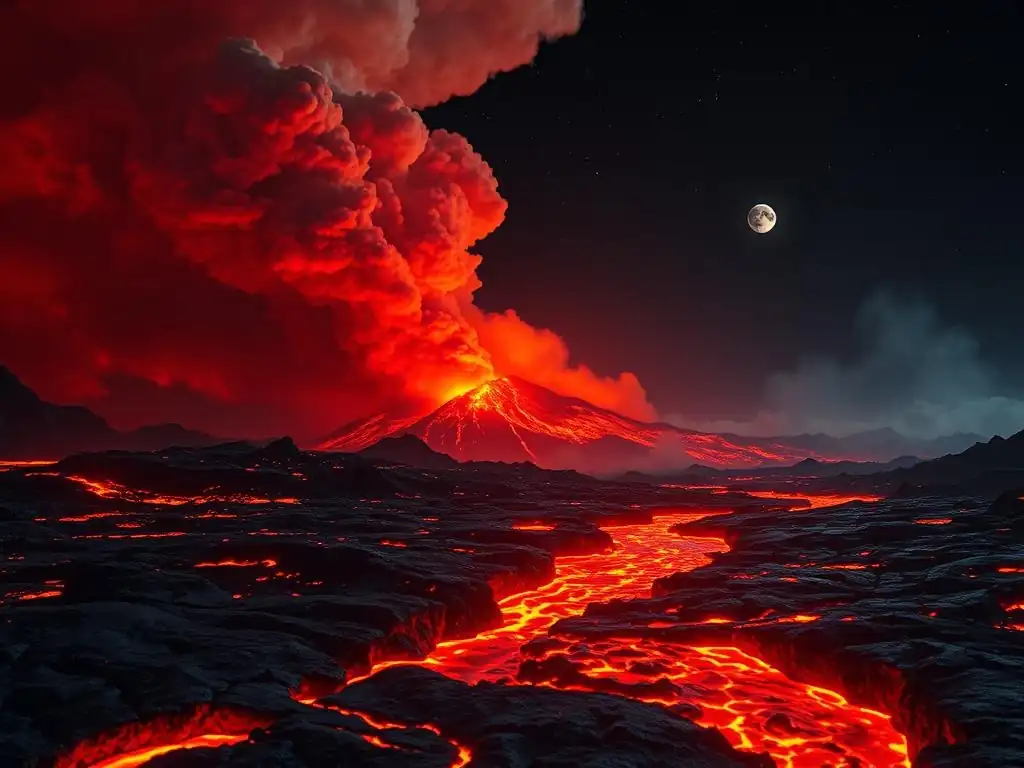
Welcome to Volcano Explorers!
Prepare to be captivated by nature's ultimate power: volcanoes. But are they merely destructive forces, or something more? Journey with us as we explore the cultural significance of volcanoes – how these fiery giants have shaped beliefs, inspired art, and influenced civilizations across the globe. Uncover the stories etched in lava, and discover the profound impact of these breathtaking, yet dangerous, wonders. Ready to delve deeper?
- Volcanoes: Earth's Fiery Architects
- Understanding Volcanic Processes
-
Frequently Asked Questions
- What are the main topics covered on VolcanoExplorers.org?
- What kind of educational content can I find on the website regarding volcanoes?
- Does VolcanoExplorers.org offer any practical advice for people living near volcanoes?
- Besides scientific information, does the website explore the cultural significance of volcanoes?
- What makes volcanoes "nature's ultimate power?"
- Final Reflection: Embracing Nature's Raw Power
- Unleash Your Inner Volcanologist!
Volcanoes: Earth's Fiery Architects
Understanding Volcanic Processes
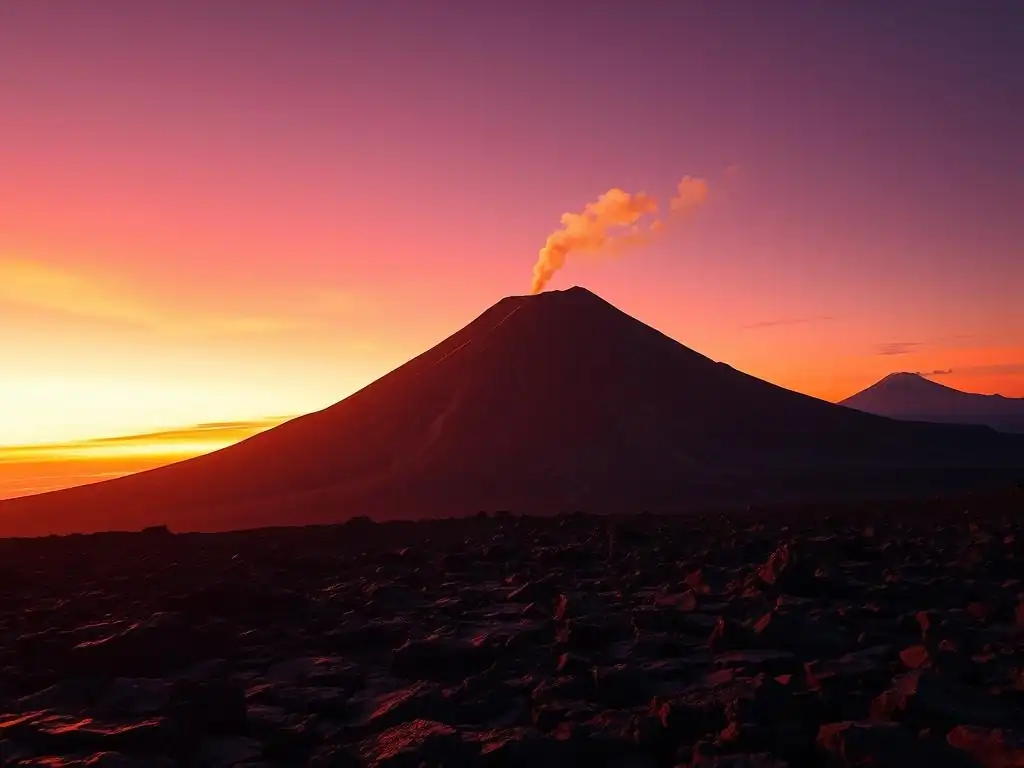
Defining Volcanic Activity
Volcanic activity encompasses a wide range of geological phenomena resulting from the eruption of molten rock, ash, and gases from beneath the Earth's surface. It’s not just about dramatic explosions; volcanic activity includes slow lava flows, the release of steam and gas, and even the formation of new land. The driving force behind all volcanic activity is magma, molten rock that resides beneath the Earth's surface. When magma rises and erupts, it's termed lava. This process is a fundamental way the Earth releases internal heat and pressure, constantly reshaping the planet's crust over millions of years.
Understanding volcanic activity requires considering various factors, including the type of eruption, the composition of the magma, and the geological setting. Effusive eruptions are characterized by slow lava flows, while explosive eruptions are marked by violent ejections of ash, gas, and rock fragments. The viscosity of magma, determined by its silica content, plays a crucial role in the style of eruption. High-silica magma is more viscous and leads to explosive eruptions, whereas low-silica magma is more fluid and results in effusive eruptions. Studying these diverse aspects of volcanic activity is crucial for hazard assessment and understanding Earth's dynamic processes.
Geological Forces Behind Volcanoes
The Earth's lithosphere, its rigid outer shell, is broken into tectonic plates that constantly move and interact. Volcanoes are predominantly found at plate boundaries, where these plates either collide, diverge, or slide past each other. The most significant geological force driving volcanism is plate tectonics. At divergent plate boundaries, such as mid-ocean ridges, plates move apart, allowing magma from the Earth's mantle to rise and fill the gap, creating new crust and volcanic activity. Iceland, situated on the Mid-Atlantic Ridge, is a prime example of volcanism driven by divergent plate boundaries.
Convergent plate boundaries, where plates collide, are also major volcanic zones. In subduction zones, one plate slides beneath another into the mantle. As the subducting plate descends, it releases water, which lowers the melting point of the mantle rock above, generating magma. This magma then rises to the surface, forming volcanic arcs.
The Pacific Ring of Fire, known for its intense volcanic and seismic activity, is largely a product of subduction zones. The Andes Mountains in South America and the Cascade Range in North America are examples of volcanic arcs created by subduction. Furthermore, volcanoes can also form at hotspots, locations where plumes of hot mantle material rise independently of plate boundaries, like the Hawaiian Islands, which are formed by the Pacific Plate moving over a stationary hotspot.
Frequently Asked Questions
What are the main topics covered on VolcanoExplorers.org?
The site covers the science of volcanoes, including magma formation and eruption types, as well as historical eruptions and volcanology research. It also provides safety information for those living near active volcanoes.
What kind of educational content can I find on the website regarding volcanoes?
You'll find information on the different types of volcanoes, the science behind eruptions, and the methods volcanologists use to study them. The site aims to educate on nature's ultimate power volcanoes.
Does VolcanoExplorers.org offer any practical advice for people living near volcanoes?
Yes, the site offers safety guides and evacuation tips specifically for those living near active volcanoes. It also provides real-time updates on volcanic activity around the world.
Besides scientific information, does the website explore the cultural significance of volcanoes?
Yes, VolcanoExplorers.org acknowledges the cultural impact of volcanoes across the globe. It also features sections on photography and travel related to volcanic regions.
What makes volcanoes "nature's ultimate power?"
Volcanoes demonstrate immense power through explosive eruptions and their ability to reshape landscapes. The site aims to showcase this natural force and its impact on the planet.
Final Reflection: Embracing Nature's Raw Power
The exploration of volcanoes, as detailed throughout this article, reveals more than just geological phenomena; it unveils nature's ultimate power volcanoes in its most raw and untamed form. From the fiery depths of the Earth to the dramatic eruptions that reshape landscapes, volcanoes serve as a constant reminder of the immense forces that govern our planet and our place within it. Their current relevance lies in understanding the risks they pose, but also in appreciating the vital role they play in shaping our world.
The sheer force of volcanic activity has indelibly marked the cultural and social landscape, inspiring both awe and fear across civilizations. This exploration has deepened my own appreciation for the delicate balance between creation and destruction that defines our planet. We are part of nature, not separate from it. Volcanoes remind us of this connection, of the power that lies beneath our feet and the responsibility we have to understand and respect it.
This understanding is crucial for mitigating risks and fostering a deeper connection with the natural world.
Now, as you reflect on the power of volcanoes, consider how you can apply this understanding to your own life. Embrace the lessons of resilience, adaptation, and respect for the forces beyond our control. Let the awe-inspiring power of nature's ultimate power volcanoes inspire you to face challenges with courage and to appreciate the beauty and fragility of the world around you.
Unleash Your Inner Volcanologist!
Thank you for exploring the raw power and breathtaking beauty of volcanoes with us! Now that you've witnessed nature's ultimate power statement, it's time to take the next step.
Here are a few ways to connect further with the world of volcanoes:
- Begin planning your own volcanic adventure! Imagine standing at the rim of a volcano, witnessing the earth's energy firsthand. Research potential destinations and start making your dream a reality.
- Dive deeper into the science! Explore the latest geological studies on volcano formation and eruption patterns – knowledge is power, and understanding these powerful forces is key to appreciating their magnificence.
- Share this article with fellow earth science enthusiasts and spark a conversation! Let's build a community of volcano lovers.
What volcano are you most excited to learn about, and what aspect fascinates you the most? Share your thoughts in the comments below!