
Are Volcanic Foods Healthier? Nutritional Benefits of Volcanic Agriculture

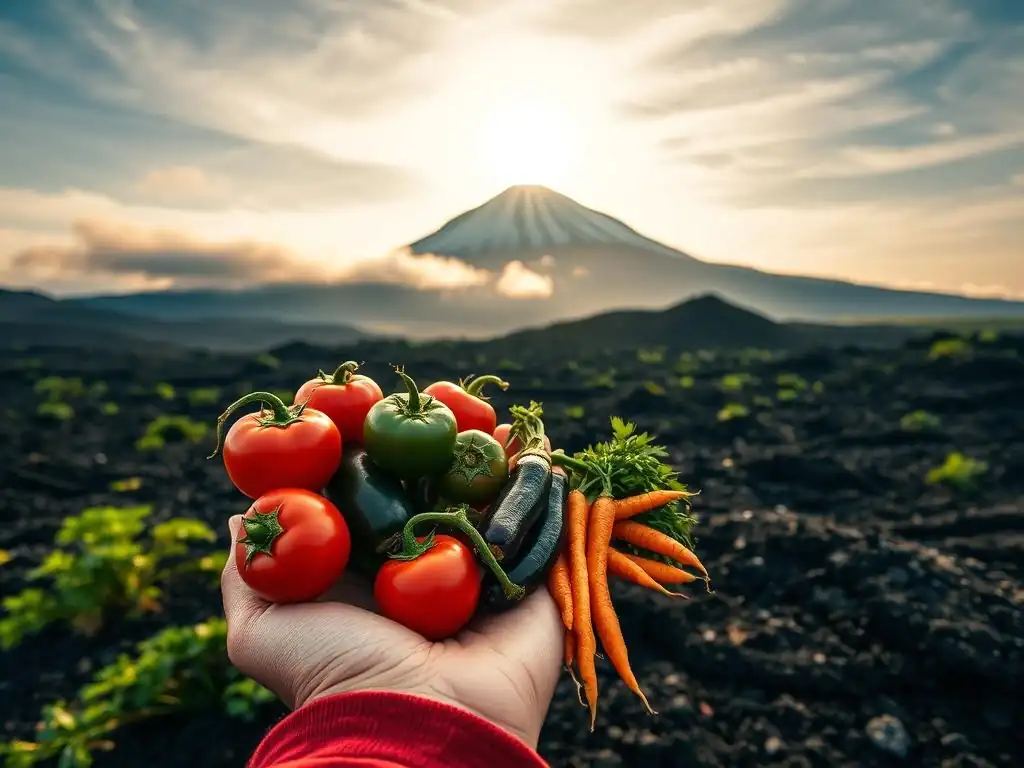
Welcome to Volcano Explorers, where the Earth's fiery heart meets human history and culture. Ever wondered if the ground beneath a volcano holds secrets to a healthier life? Prepare to have your assumptions challenged. We're about to unearth the surprising truth behind the health benefits of volcanic soil and its impact on the food we eat. Could the key to unlocking vital nutrients lie in the shadow of these geological giants? Dive in and discover the unexpected ways volcanoes nourish not just the land, but us too. The answers might just surprise you...
- Introduction: Exploring the Health Benefits of Volcanic Soil in Agriculture
- Understanding Volcanic Soil Composition and its Impact on Plant Growth
-
Health Benefits of Volcanic Soil: Examining the Evidence
- Increased Nutrient Density in Volcanic Foods: A Comparative Analysis
- Antioxidant Properties: Do Volcanic Soils Enhance Plant Antioxidants?
- Nutrient Comparison of Tomatoes Grown in Volcanic vs. Non-Volcanic Soil: Higher Lycopene Content
- Nutrient Comparison of Coffee Grown in Volcanic vs. Non-Volcanic Soil: Enhanced Flavor Profile and Antioxidants
- Volcanic Regions Known for Nutrient-Rich Foods
- Potential Drawbacks and Considerations of Volcanic Agriculture
- Beyond Nutrients: Other Potential Health Benefits Associated with Volcanic Regions
- Conclusion: Is Volcanic Agriculture the Future of Healthy Eating?
-
Frequently Asked Questions
- What makes volcanic soil uniquely beneficial for growing crops?
- Does growing food in volcanic soil guarantee increased health benefits?
- Are there any specific types of food particularly known for benefiting from volcanic soil?
- Can volcanic soil have any potential drawbacks for agriculture or human health?
- Where can I find food specifically grown in volcanic soil?
- Final Reflection: The Earth's Fiery Bounty
- Unlock Nature's Hidden Power: Fuel Your Body with Volcanic Goodness!
Introduction: Exploring the Health Benefits of Volcanic Soil in Agriculture
Volcanoes and Culinary Traditions: An Unexpected Connection
Volcanoes, often perceived as harbingers of destruction, are also creators of fertile lands that have sustained civilizations for millennia. The rich volcanic soil, born from the ash and lava of eruptions, forms the foundation for unique culinary traditions around the globe. From the slopes of Mount Etna in Sicily, where prized citrus fruits and wines flourish, to the volcanic islands of Japan, celebrated for their mineral-rich rice and vegetables, the connection between volcanic landscapes and distinctive gastronomy is undeniable.
These regions have developed farming practices that capitalize on the unique properties of volcanic soil, leading to foods that are not only flavorful but also potentially packed with nutrients. This inherent link between fiery geology and food production sparks an intriguing question: are foods grown in volcanic soil genuinely healthier?
This exploration into volcanic agriculture takes us beyond the simple appreciation of regional cuisines. It delves into the scientific realm, investigating whether the specific composition of volcanic soil translates to tangible health benefits in the foods it nurtures. For centuries, anecdotal evidence and traditional knowledge have suggested that volcanic regions produce superior crops.
Now, modern science is beginning to examine these claims, analyzing the nutritional content of foods grown in volcanic versus non-volcanic soils. Understanding this connection is not just about culinary curiosity; it’s about exploring the potential of volcanic agriculture to contribute to healthier diets and sustainable food systems in the face of growing global nutritional challenges.
The Question: Does Volcanic Soil Lead to More Nutritious Foods?
The central question driving this investigation is whether volcanic soil imparts superior nutritional value to the foods grown in it. While the visual richness of volcanic landscapes and the vibrant flavors of their produce are readily apparent, the scientific evidence for enhanced nutritional content requires deeper scrutiny. Is it simply a matter of perception, or is there a measurable difference in the vitamin, mineral, and antioxidant profiles of foods cultivated in these unique environments? This question is becoming increasingly relevant as consumers worldwide prioritize health and seek foods that offer more than just calories.
Exploring the potential health benefits of volcanic soil is not just a niche interest; it connects to broader discussions about food security, sustainable agriculture, and the impact of soil health on human well-being. If volcanic soils indeed contribute to more nutritious foods, understanding the mechanisms behind this phenomenon could offer valuable insights for improving agricultural practices in other regions as well.
Furthermore, for those living in or sourcing food from volcanic areas, understanding the potential nutritional advantages can inform dietary choices and promote the appreciation of locally grown produce. This article aims to delve into the scientific basis of these claims, examining the composition of volcanic soil, its influence on plant nutrition, and ultimately, the potential health benefits of volcanic soil for consumers.
Understanding Volcanic Soil Composition and its Impact on Plant Growth
Rich Mineral Content: The Key to Volcanic Soil's Fertility
Volcanic soil's renowned fertility stems from its unique mineral composition, a direct consequence of its fiery origins. Formed from the weathering of volcanic rock and ash, this soil type is naturally enriched with a diverse array of minerals essential for plant growth. Unlike soils derived from sedimentary or metamorphic rocks, volcanic soils are relatively young in geological terms, meaning they haven't undergone extensive leaching, which strips away valuable nutrients over time.
The eruptive process itself contributes to this richness, as volcanic ash plumes deposit finely ground rock particles across vast areas, effectively fertilizing the land. This freshly deposited material is readily available for plant uptake, making volcanic soils naturally productive.
The specific mineral profile of volcanic soil varies depending on the type of volcanic rock from which it originates, but common characteristics include high concentrations of iron, calcium, magnesium, potassium, phosphorus, and various trace elements. These minerals are not just present; they are often in forms that are readily accessible to plant roots, unlike some synthetic fertilizers where nutrients may be less bioavailable.
The presence of these abundant and accessible minerals is the primary reason why volcanic regions are often agricultural hotspots, supporting diverse and bountiful harvests. This natural fertility significantly reduces the need for synthetic fertilizers, promoting more sustainable agricultural practices and potentially contributing to the overall health benefits of volcanic soil.
Essential Nutrients for Plants: Silicon, Potassium, Phosphorus, Calcium, Magnesium
Volcanic soils are particularly notable for their abundance of several key macronutrients and micronutrients vital for plant health and, consequently, human nutrition. Silicon, often overlooked, is found in significant quantities in volcanic soils. It strengthens plant cell walls, enhancing resistance to pests and diseases and improving overall plant vigor. Potassium, crucial for water regulation and enzyme activation in plants, is also readily available. Phosphorus, essential for energy transfer and root development, is another key nutrient generously provided by volcanic soil. These macronutrients form the backbone of plant growth and are directly linked to crop yield and nutritional content.
Beyond these major players, volcanic soils are also rich in calcium and magnesium. Calcium plays a critical role in cell structure and nutrient transport within plants, while magnesium is central to chlorophyll production, the process of photosynthesis. The synergistic effect of these nutrients, readily available in volcanic soil, creates an optimal environment for plant growth.
This rich cocktail of essential elements not only promotes vigorous plant development but also directly influences the nutrient density of the crops grown. Plants thriving in such mineral-rich conditions are better equipped to produce nutrient-rich fruits, vegetables, and grains, potentially enhancing the health benefits of volcanic soil for those who consume them.
Volcanic Soil's Unique Properties: Drainage, Aeration, and Water Retention
Beyond mineral wealth, volcanic soils possess unique physical properties that contribute to their agricultural prowess. Their porous structure, derived from the fragmented nature of volcanic rock, provides excellent drainage. This prevents waterlogging, a common problem in heavy clay soils that can suffocate plant roots and hinder growth. Simultaneously, this porosity ensures good aeration, allowing oxygen to reach the roots, which is essential for respiration and nutrient uptake. This balance between drainage and aeration creates an ideal root environment, fostering healthy plant development.
Paradoxically, despite their excellent drainage, many volcanic soils also exhibit good water retention capabilities. This is due to their high content of minerals like allophane and imogolite, which have a sponge-like structure capable of holding significant amounts of water. This combination of good drainage and water retention is particularly beneficial in regions with variable rainfall, providing plants with a consistent moisture supply even during drier periods.
Furthermore, the dark color of many volcanic soils enhances solar heat absorption, warming the soil faster in spring and extending the growing season in cooler climates. These combined physical properties, alongside the rich mineral content, make volcanic soils exceptionally fertile and contribute to the potential for enhanced nutritional quality in crops, further solidifying the health benefits of volcanic soil.
Health Benefits of Volcanic Soil: Examining the Evidence
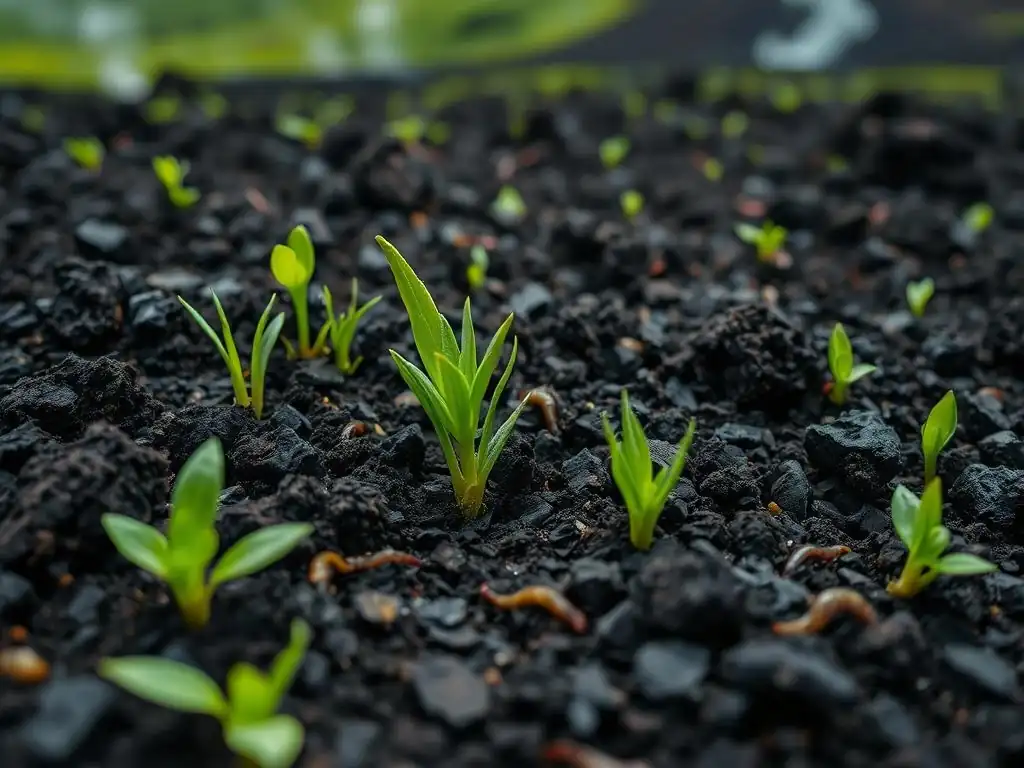
Increased Nutrient Density in Volcanic Foods: A Comparative Analysis
The hypothesis that foods grown in volcanic soil exhibit increased nutrient density is gaining traction, supported by emerging research and observational studies. While comprehensive, large-scale comparative analyses are still developing, initial findings suggest a positive correlation.
For instance, studies comparing mineral content in vegetables grown in volcanic versus non-volcanic soils in regions like Italy and Japan have shown elevated levels of certain minerals in the volcanic soil-grown produce. These minerals, such as magnesium, calcium, and potassium, are not only vital for plant health but also crucial for human health, playing roles in bone strength, nerve function, and blood pressure regulation.
It's important to note that nutrient density is a complex trait influenced by various factors beyond soil type, including climate, farming practices, and crop variety. However, the inherent mineral richness of volcanic soil provides a robust foundation for potentially higher nutrient accumulation in plants.
Furthermore, the balanced physical properties of volcanic soils, promoting healthy root systems and efficient nutrient uptake, likely contribute to this increased nutrient density. While more rigorous, controlled studies are needed to definitively quantify the extent of these nutritional advantages, the existing evidence points towards a positive impact of volcanic soil on the nutrient profile of food crops, suggesting tangible health benefits of volcanic soil.
Antioxidant Properties: Do Volcanic Soils Enhance Plant Antioxidants?
Beyond mineral content, another intriguing area of investigation is whether volcanic soils influence the antioxidant properties of plants. Antioxidants are compounds that protect cells from damage caused by free radicals, and they play a crucial role in human health, potentially reducing the risk of chronic diseases. Plants produce antioxidants as part of their defense mechanisms, and soil composition can influence this production.
Some studies suggest that plants grown in mineral-rich environments, like volcanic soils, may exhibit enhanced antioxidant activity. This could be due to the increased availability of certain minerals that act as cofactors in antioxidant enzyme production or trigger stress responses in plants that lead to higher antioxidant synthesis.
Preliminary research, particularly on fruits and vegetables grown in volcanic regions, indicates elevated levels of specific antioxidants, such as polyphenols and flavonoids, compared to produce from non-volcanic areas. For example, certain varieties of grapes grown in volcanic soils in Italy have been found to have higher concentrations of resveratrol, a potent antioxidant associated with cardiovascular health benefits.
Similarly, studies on coffee beans from volcanic regions suggest enhanced antioxidant capacity. While the precise mechanisms are still being elucidated, the evidence suggests that volcanic soil's unique mineral profile may indeed contribute to boosting the antioxidant potential of plants, adding another dimension to the potential health benefits of volcanic soil.
Nutrient Comparison of Tomatoes Grown in Volcanic vs. Non-Volcanic Soil: Higher Lycopene Content
Tomatoes, a globally consumed fruit, serve as a compelling example when examining the nutritional impact of volcanic soil. Lycopene, a powerful antioxidant responsible for the red color of tomatoes, has been shown in some studies to be present in higher concentrations in tomatoes grown in volcanic soil compared to those grown in conventional soil.
A study conducted in Italy, comparing tomato varieties grown in volcanic versus non-volcanic regions of Mount Vesuvius, revealed significantly higher lycopene levels in the volcanic soil tomatoes. This difference was attributed to the unique mineral composition of the volcanic soil, particularly its richness in potassium and magnesium, which are known to influence lycopene synthesis in tomatoes.
Furthermore, the same study also indicated higher levels of vitamin C and beta-carotene, another important antioxidant, in the volcanic soil tomatoes. These findings suggest that the health benefits of volcanic soil may manifest in increased levels of key phytonutrients in commonly consumed fruits like tomatoes.
While further research is needed to confirm these results across different tomato varieties and volcanic regions, this example provides concrete evidence supporting the hypothesis that volcanic agriculture can lead to more nutrient-dense produce, specifically with enhanced antioxidant content. This potential for increased lycopene intake through volcanic soil-grown tomatoes could have positive implications for promoting cardiovascular health and reducing the risk of certain cancers.
Nutrient Comparison of Coffee Grown in Volcanic vs. Non-Volcanic Soil: Enhanced Flavor Profile and Antioxidants
Coffee, another globally significant crop, provides another compelling case study for exploring the health benefits of volcanic soil. Coffee beans grown in volcanic regions, such as those in Central and South America and parts of Africa and Asia, are often prized for their superior flavor profiles and aromatic complexity. While flavor is subjective, scientific analysis reveals that volcanic soil contributes to specific chemical compounds in coffee beans that enhance taste and aroma. These compounds include chlorogenic acids, which contribute to coffee's acidity and antioxidant properties, and various volatile aromatic compounds that define its characteristic fragrance.
Studies comparing coffee beans grown in volcanic versus non-volcanic soils have shown that volcanic soil-grown coffee often exhibits higher levels of chlorogenic acids and other antioxidants. This not only contributes to a potentially healthier cup of coffee due to increased antioxidant intake but also influences the overall flavor profile, often described as brighter, more complex, and with a more pronounced acidity.
The mineral composition of volcanic soil, particularly its potassium and phosphorus content, is thought to play a key role in the synthesis of these flavor and antioxidant compounds in coffee beans. Therefore, the perceived superior quality and potential health benefits of volcanic soil in coffee production are not just anecdotal but are supported by scientific observations of enhanced phytochemical content and flavor characteristics.
Volcanic Regions Known for Nutrient-Rich Foods
Iceland: Known for Geothermal Agriculture and Root Vegetables
Iceland, a land forged by fire and ice, offers a unique example of volcanic agriculture, particularly through its innovative use of geothermal energy. While not all of Iceland's soil is directly volcanic in origin, the island’s volcanic activity is fundamental to its agricultural practices.
Geothermal energy, harnessed from the volcanic heat beneath the surface, powers greenhouses that allow for year-round cultivation of fruits and vegetables, despite the harsh Arctic climate. This geothermal agriculture is particularly successful in growing root vegetables like potatoes, carrots, and beets, which thrive in the controlled greenhouse environments and benefit from the mineral-rich water sourced from volcanic aquifers.
Icelandic root vegetables, grown in these geothermally heated greenhouses, are known for their intense flavors and vibrant colors. While specific nutrient comparison studies are still emerging, the controlled growing conditions and access to mineral-rich geothermal water likely contribute to their nutritional quality.
Furthermore, the reduced reliance on pesticides and herbicides in these greenhouse environments, coupled with the sustainable use of geothermal energy, adds another layer of health benefits of volcanic soil and volcanic regions – promoting environmentally friendly and potentially healthier food production. The focus on root vegetables in Icelandic geothermal agriculture also aligns with dietary recommendations emphasizing the consumption of these nutrient-dense foods.
Canary Islands: Known for Volcanic Agriculture and Bananas, Potatoes and Wine
The Canary Islands, a Spanish archipelago of volcanic origin off the coast of Africa, are renowned for their distinctive volcanic agriculture. The fertile volcanic soil, combined with a subtropical climate, supports a diverse range of crops, most notably bananas, potatoes, and grapes for winemaking. Canary Island bananas, smaller and sweeter than typical Cavendish varieties, are highly prized and are a significant export crop. The volcanic soil imparts a unique flavor and texture to these bananas, and anecdotal evidence suggests they may also be richer in certain minerals due to the soil's composition.
The “papas arrugadas,” or wrinkled potatoes, from the Canary Islands are another culinary highlight, celebrated for their distinct flavor and texture developed through traditional cooking methods in seawater. These potatoes, grown in volcanic soil, are believed to benefit from the soil's mineral content, contributing to their unique taste and nutritional profile. Furthermore, the volcanic soil of the Canary Islands is crucial for the region's viticulture, producing distinctive wines with mineral notes and complex flavors.
The terroir, heavily influenced by the volcanic soil, is a key factor in the quality and character of Canary Island wines. These examples highlight how the health benefits of volcanic soil, and its impact on flavor and crop characteristics, are deeply intertwined with the culinary identity of volcanic regions like the Canary Islands.
The Role of Trace Minerals in Volcanic Foods: Selenium, Zinc, Copper
Beyond the macronutrients, volcanic soils are often enriched with trace minerals, which, although needed in small quantities, are crucial for both plant and human health. Selenium, zinc, and copper are examples of trace minerals that can be found in higher concentrations in volcanic soils compared to other soil types. Selenium, an essential micronutrient with antioxidant properties and a role in thyroid function, is particularly noteworthy. Regions with volcanic soils, like parts of New Zealand and certain areas in China, have been reported to have higher selenium levels in locally grown foods.
Zinc, vital for immune function and enzyme activity, and copper, important for iron absorption and energy production, are also often more abundant in volcanic soils. The presence of these trace minerals in volcanic soils can translate to increased levels in food crops, potentially contributing to improved human nutritional status.
For populations that rely on locally grown foods from volcanic regions, these trace minerals can play a significant role in preventing deficiencies and promoting overall health. While the concentration of trace minerals can vary depending on the specific volcanic geology, the general tendency for volcanic soils to be richer in these micronutrients further strengthens the argument for the potential health benefits of volcanic soil.
Potential Drawbacks and Considerations of Volcanic Agriculture
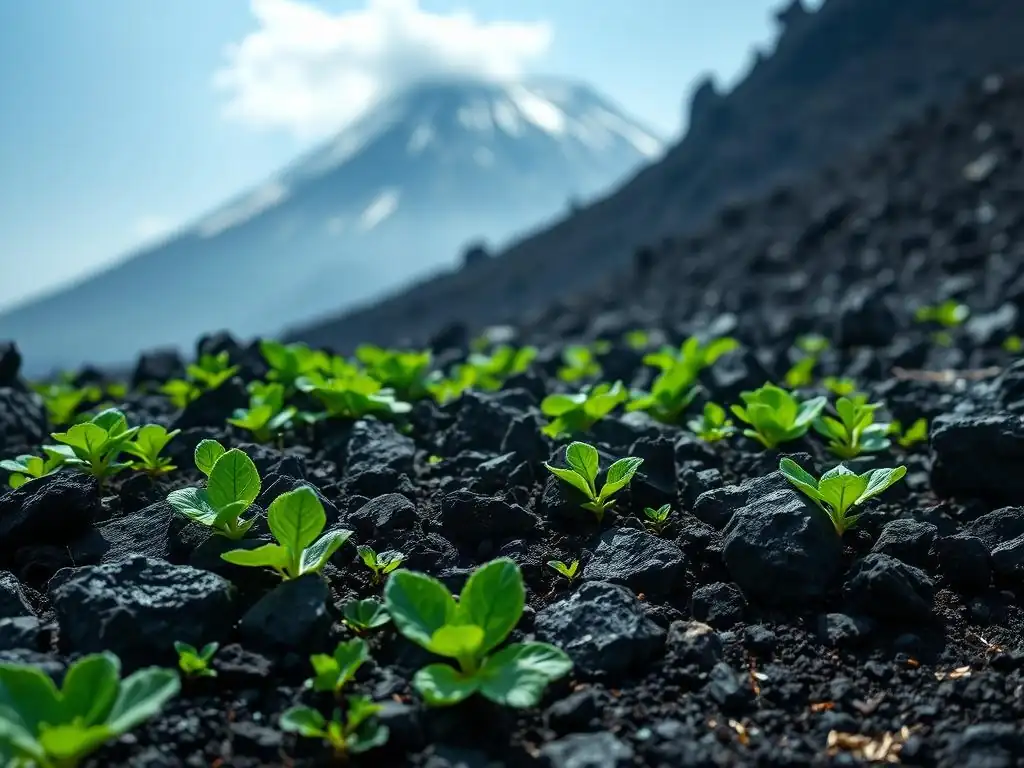
Soil Toxicity: Addressing Heavy Metal Concerns in Volcanic Soil
While volcanic soils are celebrated for their fertility, it's crucial to acknowledge potential drawbacks, particularly concerning soil toxicity. Volcanic rocks can naturally contain heavy metals, such as arsenic, cadmium, lead, and mercury. While these elements are present in trace amounts in most soils, volcanic soils, depending on their geological origin, can sometimes have elevated levels. If these heavy metals are present in bioavailable forms, they can be taken up by plants and potentially accumulate in edible parts, posing a risk to human health through food consumption.
However, it's important to emphasize that not all volcanic soils are inherently toxic. The bioavailability of heavy metals is influenced by various factors, including soil pH, organic matter content, and the specific mineralogy of the volcanic rock. Furthermore, plants vary in their ability to accumulate heavy metals.
Careful soil testing and analysis are essential in volcanic agricultural regions to assess the potential risk of heavy metal contamination. Implementing appropriate soil management practices, such as pH adjustment and the addition of organic matter, can help to reduce heavy metal bioavailability and mitigate potential risks, ensuring the continued health benefits of volcanic soil without compromising food safety.
Sustainable Practices: Maintaining Soil Health in Volcanic Farming
Sustainable agricultural practices are paramount in volcanic regions to maintain the long-term health and productivity of these valuable soils. While volcanic soils are naturally fertile, continuous intensive farming without proper management can lead to nutrient depletion and soil degradation over time. Practices like monoculture, excessive tillage, and the overuse of synthetic fertilizers and pesticides can negatively impact soil structure, microbial diversity, and overall soil health, even in initially fertile volcanic soils.
Adopting sustainable farming techniques is crucial for preserving the health benefits of volcanic soil for future generations. These practices include crop rotation, cover cropping, reduced tillage, and integrated pest management. Promoting soil biodiversity through the incorporation of organic matter and the use of compost can enhance nutrient cycling and improve soil structure.
Furthermore, water management is crucial in volcanic regions, as some volcanic soils, while having good water retention, can also be susceptible to erosion if not managed properly. Sustainable volcanic agriculture aims to balance productivity with environmental stewardship, ensuring the continued fertility and nutritional benefits of these unique soils.
Liming and Phytoremediation: Mitigation Strategies for Heavy Metal Uptake in Plants
In cases where volcanic soils exhibit elevated levels of heavy metals, specific mitigation strategies can be employed to reduce their bioavailability and uptake by plants. Liming, the application of calcium-rich materials like lime to the soil, can raise soil pH, which often decreases the solubility and bioavailability of many heavy metals, such as cadmium and lead. This reduces the amount of heavy metals that plants can absorb from the soil.
Phytoremediation is another promising approach, utilizing plants to remove or stabilize heavy metals in contaminated soils. Certain plant species have the natural ability to accumulate heavy metals in their tissues or to stabilize them in the soil, making them less mobile and less bioavailable. These plants can be used to remediate contaminated volcanic soils over time, reducing the risk of heavy metal uptake by food crops.
Combining liming with phytoremediation strategies can be an effective approach to managing heavy metal concerns in volcanic agriculture, ensuring food safety and preserving the potential health benefits of volcanic soil. Further research and site-specific soil management plans are crucial for implementing these mitigation strategies effectively in different volcanic regions.
Beyond Nutrients: Other Potential Health Benefits Associated with Volcanic Regions
Geothermal Activity and Plant Growth: Synergistic Effects?
Beyond the mineral-rich soil, geothermal activity, often associated with volcanic regions, may offer additional synergistic effects on plant growth and potentially on the nutritional quality of crops. Geothermal heat can provide a consistent and stable soil temperature, which is beneficial for root development and nutrient uptake, particularly in colder climates. This stable temperature can also extend the growing season, allowing for longer periods of plant growth and potentially increased nutrient accumulation.
Furthermore, geothermal areas often release volcanic gases, such as carbon dioxide, which can enhance photosynthesis and plant growth. While high concentrations of some volcanic gases can be harmful, low levels of CO2 enrichment in controlled environments like greenhouses can boost plant productivity.
The combination of geothermal heat, mineral-rich soil, and potentially beneficial volcanic gases could create a unique environment that promotes vigorous plant growth and potentially enhances the nutritional quality of crops grown in these regions. Further research is needed to fully understand these synergistic effects and their contribution to the overall health benefits of volcanic soil and volcanic agriculture in geothermal areas.
The Role of the Microbiome in Volcanic Soils and Plant Health
The soil microbiome, the complex community of microorganisms inhabiting the soil, plays a crucial role in plant health and nutrient cycling. Volcanic soils, with their unique mineral composition and physical properties, likely harbor distinct microbial communities compared to other soil types. These microbial communities can influence nutrient availability, plant disease suppression, and overall plant growth. For example, certain soil microbes can enhance the uptake of phosphorus, which is abundant in volcanic soils but can sometimes be in forms less accessible to plants.
Research is increasingly focusing on the role of the soil microbiome in mediating the health benefits of volcanic soil. Understanding the specific microbial communities that thrive in volcanic soils and their interactions with plants could reveal novel mechanisms through which volcanic agriculture enhances crop nutrition and plant health. Exploring the potential for harnessing these beneficial microbes in sustainable agricultural practices could further optimize the productivity and nutritional value of volcanic agriculture. This emerging area of research highlights the interconnectedness of soil, microbes, plants, and human health in volcanic ecosystems.
Conclusion: Is Volcanic Agriculture the Future of Healthy Eating?
Summarizing the Health Benefits of Volcanic Soil
The evidence suggests that volcanic soil offers a range of potential health benefits. Its rich mineral content, including essential macronutrients and trace elements, provides a fertile foundation for plant growth and can contribute to increased nutrient density in food crops. Studies on tomatoes and coffee, among others, indicate higher levels of antioxidants and specific phytonutrients in produce grown in volcanic soil compared to non-volcanic soil. The unique physical properties of volcanic soil, such as excellent drainage, aeration, and water retention, further support healthy plant development and nutrient uptake.
Volcanic regions around the world, from Iceland to the Canary Islands, showcase the potential of volcanic agriculture to produce distinctive and potentially more nutritious foods. While challenges like potential heavy metal contamination and the need for sustainable farming practices exist, these can be addressed through careful soil management and mitigation strategies. The synergistic effects of geothermal activity and the unique soil microbiome in volcanic regions may further enhance plant health and nutritional quality. Overall, the accumulated evidence points towards a positive link between volcanic soil and food nutrition, suggesting tangible health benefits of volcanic soil.
Further Research: Unlocking the Full Potential of Volcanic Agriculture
While the existing research is promising, further investigation is crucial to fully unlock the potential of volcanic agriculture for healthy eating. More comprehensive and controlled studies are needed to quantify the nutritional differences between foods grown in volcanic versus non-volcanic soils across a wider range of crops and volcanic regions. Long-term studies examining the impact of volcanic soil-grown foods on human health outcomes would provide stronger evidence of the health benefits of volcanic soil.
Research into the soil microbiome of volcanic soils and its role in plant nutrition and health is a particularly promising avenue. Understanding the complex interactions within volcanic agricultural ecosystems, including the synergistic effects of geothermal activity and volcanic gases, is also essential. Furthermore, developing and promoting sustainable farming practices specifically tailored to volcanic soils is crucial for ensuring the long-term productivity and nutritional benefits of volcanic agriculture. Continued research and innovation in this area hold the key to maximizing the contribution of volcanic regions to global food security and healthy diets.
Embracing Volcanic Foods: A Part of a Balanced Diet
While volcanic agriculture shows great promise for producing nutrient-rich foods, it's important to maintain a balanced perspective. Volcanic foods are not a magical solution or a substitute for a diverse and balanced diet. However, incorporating foods from volcanic regions into our diets can be a valuable strategy for enhancing nutrient intake and diversifying our food sources. Choosing locally sourced produce from volcanic areas, when available, can support sustainable agriculture and potentially contribute to improved nutrition.
The exploration of health benefits of volcanic soil is not just about individual food choices; it's about appreciating the intricate connection between geology, agriculture, and human health. Volcanic landscapes, often perceived as harsh and destructive, are also cradles of fertility and unique culinary traditions. By understanding and embracing the potential of volcanic agriculture, we can tap into nature's inherent resources to promote healthier eating and sustainable food systems for the future.
Frequently Asked Questions
What makes volcanic soil uniquely beneficial for growing crops?
Volcanic soil is rich in essential minerals and trace elements, like phosphorus and potassium, that are slowly released, providing sustained nutrition for plants. This leads to crops with a higher nutrient content.
Does growing food in volcanic soil guarantee increased health benefits?
While volcanic soil can enhance nutritional value, it's not a guarantee. Factors like soil management, crop type, and environmental conditions also play a significant role in the final nutritional profile.
Are there any specific types of food particularly known for benefiting from volcanic soil?
Certain crops, such as coffee, grapes (for wine), and certain vegetables, are known to thrive in volcanic soil and exhibit enhanced flavors and nutrient density due to the soil's unique composition.
Can volcanic soil have any potential drawbacks for agriculture or human health?
In some cases, volcanic soil can contain high levels of acidity or certain toxic elements, like arsenic, which could be detrimental to plant growth or pose a health risk if ingested in significant quantities.
Where can I find food specifically grown in volcanic soil?
Foods grown in volcanic soil are often found in regions near active or dormant volcanoes. Look for products specifically marketed as such, originating from areas with known volcanic activity and fertile volcanic soil.
Final Reflection: The Earth's Fiery Bounty
The exploration of volcanic agriculture reveals a fascinating connection between the Earth's raw power and the sustenance it provides. The potential for enhanced nutritional value in crops grown in volcanic soil is not just a scientific curiosity, but a tangible pathway towards addressing global food security and promoting healthier diets. As we grapple with depleted soils and the need for sustainable farming practices, understanding and harnessing the benefits of volcanic soil becomes increasingly critical.
The influence of volcanic soil extends beyond mere nutrition; it touches upon the very essence of our relationship with the land. This investigation has deepened my appreciation for the intricate interplay between geological processes and the food we consume, reminding me that the Earth's history is written in every bite. To forget how to dig the earth and to tend the soil is to forget ourselves.
- Mahatma Gandhi. This quote encapsulates the profound connection between humanity and the land, a connection amplified by the unique properties of volcanic soil.
Now, consider the implications of this knowledge for your own life. How can you support sustainable agricultural practices that prioritize soil health? Seek out locally sourced produce, inquire about farming methods, and advocate for policies that protect our planet's precious resources. Let us all strive to become more conscious consumers, recognizing that the health of our bodies is inextricably linked to the health of the Earth.
Thank you for exploring the fascinating world of volcanic agriculture with us! We hope you've discovered how the unique mineral composition of volcanic soils can lead to surprisingly nutrient-rich foods. Ready to harness this natural power for your own well-being?
Here's how you can start:
- Make a conscious choice to seek out produce labeled as grown in volcanic regions. Look for farmers' markets or specialty grocers that highlight the origin of their fruits and vegetables.
- Explore recipes that feature vegetables known to thrive in volcanic soil, such as potatoes, corn, and beans. Experiment with new flavor combinations and unlock the potential of these volcanic superfoods!
- Share this article with friends and family to spread awareness about the potential health benefits of volcanic agriculture. Let's spark a conversation!
What volcanic-grown food are you most excited to try, and how do you plan to incorporate it into your diet this week?