
Whispers from the Earth's Core: How Volcanoes Shape Our Deepest Fears

Welcome to Volcano Explorers!
Prepare to be captivated by the raw power and untamed beauty of volcanoes. But have you ever truly considered their profound reach? Beyond the fiery spectacle, we explore the impact of volcanoes on society, a force that has shaped civilizations, inspired myths, and continues to influence our world in ways you might never expect. Dare to delve deeper and unravel the secrets hidden within the Earth's fiery heart...
- The Psychological Impact of Volcanoes: An Introduction
- The Cultural Significance of Volcanoes: A Historical Perspective
- How Volcanic Disasters Influence Collective Trauma and Anxiety
- The Impact of Volcanoes on Society: Economic and Social Disruption
- Understanding Volcanic Risk Perception and Communication
- Psychological Resilience in the Face of Volcanic Threats
- Volcanoes and the Entertainment Industry: Reflecting and Shaping Societal Fears
- Case Study: The Mount St. Helens Eruption (1980) and its Societal Impact
- Living with Volcanoes: Finding Awe and Respect Amidst Fear
- Conclusion: The Enduring Influence of Volcanoes on the Human Psyche
-
Frequently Asked Questions
- What are the primary ways volcanoes impact society?
- How do volcanologists monitor volcanoes to mitigate their impact on nearby communities?
- Besides immediate destruction, what are some long-term impacts of volcanic eruptions on society?
- How does VolcanoExplorers.org help people understand the impact of volcanoes?
- In what ways have volcanoes influenced the cultural and spiritual beliefs of societies, demonstrating a different kind of impact?
- Final Reflection: Embracing the Earth's Fiery Breath
- Ignite Your Curiosity: Become a Volcano Explorer!
The Psychological Impact of Volcanoes: An Introduction
Exploring the Deep-Seated Fears Associated with Volcanic Eruptions
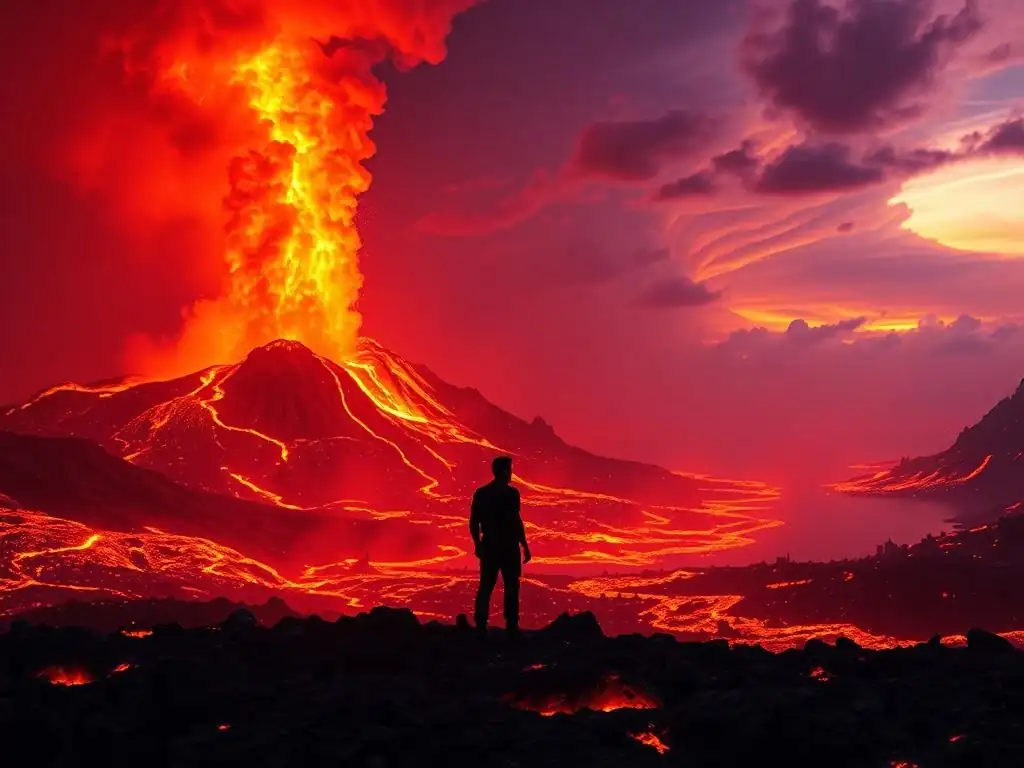
Volcanoes, with their raw power and unpredictable nature, tap into some of humanity's most primal fears. The sheer scale of a volcanic eruption dwarfs human endeavors, reminding us of our vulnerability in the face of Earth's immense forces. The imagery associated with volcanoes—molten rock flowing like rivers of fire, explosive blasts that shatter mountains, and suffocating ash clouds blotting out the sun—evokes a visceral sense of danger and chaos.
These are not gentle forces of nature; they are earth-shattering events that can instantly obliterate landscapes and reshape entire ecosystems. This inherent capacity for destruction triggers a deep-seated fear of annihilation, a fear rooted in the understanding that in the face of a major eruption, human control is an illusion.
Furthermore, the unpredictability of volcanic activity amplifies these fears. While volcanologists can monitor and provide warnings, the precise timing and intensity of an eruption often remain uncertain. This element of the unknown breeds anxiety and unease, particularly for those living in volcanically active regions.
The ground trembling beneath your feet, the sky turning an ominous color, the smell of sulfur in the air – these are sensory signals that can trigger a profound sense of unease and anticipation of potential disaster. This constant underlying threat, even in periods of volcanic quiescence, can contribute to a heightened state of alert and a pervasive sense of vulnerability within communities living in the shadow of these giants.
Volcanoes as Symbols of Destruction and Renewal in the Human Psyche
Paradoxically, while volcanoes are potent symbols of destruction, they also embody the concept of renewal. The very processes that cause devastation – eruptions that obliterate existing landscapes – are also responsible for creating new land and enriching the soil. Volcanic ash, while initially destructive, breaks down over time to release vital nutrients, leading to incredibly fertile agricultural lands.
This duality is deeply embedded in the human psyche, reflecting our own experiences of loss and rebirth, endings and beginnings. The destructive power of a volcano can be seen as a necessary force of change, clearing away the old to make way for the new.
This symbolic representation of destruction and renewal is reflected in various cultural interpretations of volcanoes throughout history. In some cultures, volcanic eruptions are viewed as punishments or expressions of divine wrath, signifying the destructive aspect. Conversely, in other traditions, volcanoes are associated with creation myths, representing the Earth's generative power and the source of life. This dichotomy highlights the complex and multifaceted relationship humans have with volcanoes, recognizing them not just as threats, but also as powerful forces that shape and reshape the world, both physically and symbolically, offering a potent metaphor for the cyclical nature of life itself.
The Cultural Significance of Volcanoes: A Historical Perspective
Ancient Myths and Legends: Volcanoes as Abodes of Gods and Monsters
Across ancient civilizations, volcanoes were often imbued with deep spiritual significance, frequently perceived as dwelling places of deities or monstrous beings. The dramatic displays of power emanating from these mountains – fire, smoke, and earth-shattering sounds – were readily interpreted as manifestations of supernatural forces.
In Roman mythology, Vulcan, the god of fire and metalworking, had his forge beneath volcanoes like Mount Etna, a belief that resonated with the fiery nature of volcanic eruptions and their connection to the earth's depths. Similarly, in Hawaiian mythology, Pele, the volatile goddess of fire, lightning, wind, and volcanoes, resided in Kīlauea, her actions directly linked to the volcano's eruptive behavior.
Many indigenous cultures around the Pacific Ring of Fire, a region characterized by intense volcanic activity, developed rich mythologies centered on volcanoes. These narratives often served to explain the inexplicable power of eruptions and to appease the perceived volcanic deities. Sacrifices, rituals, and offerings were common practices aimed at maintaining harmony with these powerful forces of nature and preventing catastrophic events. Volcanoes, in these ancient belief systems, were not merely geological features; they were sacred sites, portals to the underworld, or the very embodiments of divine power, shaping the spiritual and cultural landscapes of societies living in their vicinity.
Volcanoes in Art and Literature: Reflecting Societal Anxieties and Inspirations
Volcanoes have long captured the imagination of artists and writers, serving as powerful metaphors and dramatic subjects across various forms of creative expression. In art, from ancient frescoes to contemporary paintings, volcanoes have been depicted both as terrifying forces of nature and as majestic, awe-inspiring landscapes. 18th and 19th-century Romantic painters, such as Joseph Wright of Derby, were particularly drawn to volcanic eruptions, capturing the sublime terror and grandeur of these events in dramatic canvases that reflected societal anxieties about nature's power and the limits of human control.
In literature, volcanoes have served as settings for epic tales, symbols of inner turmoil, and metaphors for societal upheaval. From Dante Alighieri's Inferno, which draws imagery from volcanic landscapes to depict hell, to more modern works of fiction and poetry, volcanoes provide a potent backdrop for exploring themes of destruction, transformation, and the human condition.
The raw power and inherent drama of volcanic eruptions make them compelling narrative devices, allowing writers to explore both the destructive and creative forces that shape our world and our inner lives. The enduring presence of volcanoes in art and literature underscores their profound impact on the human psyche, reflecting both our fears and our fascination with these dynamic geological phenomena.
How Volcanic Disasters Influence Collective Trauma and Anxiety
The Immediate Psychological Effects of Volcanic Eruptions on Affected Communities
The immediate aftermath of a volcanic eruption is a period of intense psychological stress and trauma for affected communities. Witnessing the destructive power of a volcano firsthand, experiencing the tremors, ashfall, pyroclastic flows, or lahars, can be deeply traumatizing. Individuals may experience a range of immediate psychological reactions including shock, disbelief, fear, panic, anxiety, and grief.
The sudden loss of homes, livelihoods, and loved ones can trigger intense emotional distress and a sense of profound disorientation. The disruption of daily life, the uncertainty of the future, and the sheer chaos of the disaster zone contribute to a collective sense of vulnerability and overwhelm.
Children are particularly vulnerable to the psychological impacts of volcanic eruptions. They may struggle to comprehend the events unfolding around them and experience heightened levels of fear and anxiety. Separation from family members during evacuations, the loss of familiar surroundings, and exposure to traumatic scenes can have long-lasting psychological consequences. Immediate psychological first aid, providing a sense of safety and security, and addressing basic needs are crucial in the initial response phase to mitigate the immediate psychological trauma and begin the process of healing for affected communities, particularly for the most vulnerable members.
Long-Term Mental Health Consequences: PTSD and Displacement after Volcanic Events
The psychological scars of volcanic eruptions can extend far beyond the immediate aftermath. For many individuals and communities, the experience of a volcanic disaster can lead to long-term mental health consequences, including Post-Traumatic Stress Disorder (PTSD), anxiety disorders, depression, and complicated grief. PTSD can manifest in intrusive memories, nightmares, flashbacks, and avoidance behaviors related to the volcanic event. The persistent threat of future eruptions in volcanically active regions can also contribute to chronic anxiety and a heightened state of vigilance.
Displacement from ancestral lands and communities due to volcanic activity can exacerbate mental health challenges. Loss of social support networks, cultural identity, and traditional livelihoods can have devastating effects on psychological well-being. The process of rebuilding lives and communities after a volcanic disaster is often long and arduous, requiring sustained mental health support services, community-based interventions, and culturally sensitive approaches to address the complex and long-lasting psychological consequences of volcanic events. Furthermore, economic hardship and social disruption following eruptions can contribute to prolonged stress and mental health challenges within affected populations.
Volcanic Ash and its Effects on Agriculture and Infrastructure: The 2010 Eyjafjallajökull Eruption
Volcanic eruptions exert a significant impact on society, causing widespread economic and social disruption. One of the most pervasive and far-reaching consequences is the dispersal of volcanic ash. While volcanic ash can eventually enrich soil fertility in the long term, its immediate effects are often detrimental to agriculture and infrastructure.
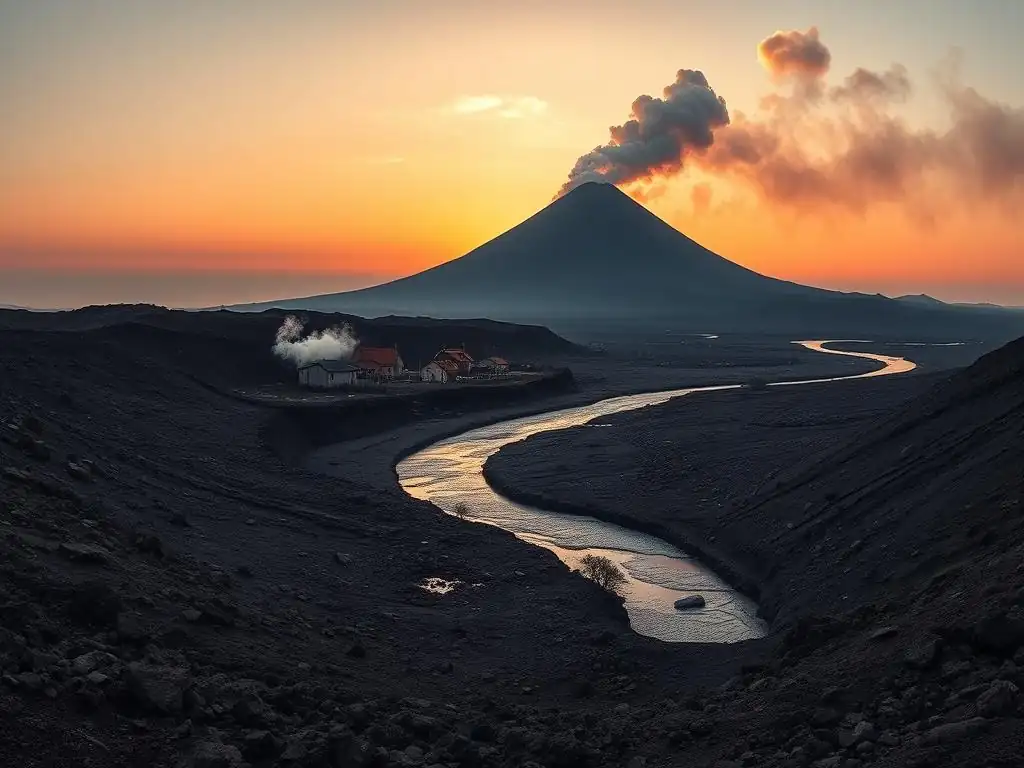
The 2010 eruption of Eyjafjallajökull in Iceland serves as a stark example of the global impact of volcanic ash. The eruption itself was relatively modest in terms of lava flows and pyroclastic activity, but the immense ash cloud it generated caused unprecedented disruption to air travel across Europe and beyond.
For several days, airspace was closed across much of Europe, leading to the cancellation of hundreds of thousands of flights, stranding millions of passengers, and causing billions of dollars in economic losses to airlines, tourism industries, and related sectors. Beyond air travel, volcanic ash can contaminate water supplies, damage crops and livestock, disrupt communication networks, and cause respiratory problems in humans and animals.
The fine, abrasive nature of ash can also damage machinery, clog engines, and necessitate extensive cleanup efforts. The Eyjafjallajökull eruption highlighted the interconnectedness of modern society and the vulnerability of critical infrastructure to even relatively moderate volcanic events, particularly due to the widespread dispersal and persistence of volcanic ash.
Societal Adaptation and Resilience: Coping Mechanisms in Volcanic Regions
Despite the inherent risks and potential for disruption, communities living in volcanic regions have developed remarkable coping mechanisms and demonstrated significant resilience over generations. Societal adaptation to volcanic hazards involves a multifaceted approach encompassing preparedness measures, risk mitigation strategies, and community-based resilience building. Early warning systems, volcano monitoring networks, and evacuation plans are crucial components of preparedness in volcanic areas. These systems rely on scientific expertise and technological advancements to detect signs of impending eruptions and provide timely warnings to at-risk populations.
Furthermore, community education and public awareness campaigns play a vital role in fostering a culture of preparedness. Teaching residents about volcanic hazards, evacuation routes, and emergency procedures empowers them to take proactive steps to protect themselves and their families. Traditional knowledge and indigenous practices, often developed over centuries of living with volcanoes, can also contribute to resilience.
These practices may include building techniques that are more resistant to volcanic hazards, traditional farming methods adapted to volcanic soils, and community-based support networks that are activated during times of crisis. The ability of societies to adapt and thrive in volcanic regions underscores the importance of integrating scientific knowledge, local expertise, and community participation in building resilience to natural hazards.
Understanding Volcanic Risk Perception and Communication
Factors Influencing Public Awareness and Preparedness for Volcanic Hazards
Public awareness and preparedness for volcanic hazards are influenced by a complex interplay of factors. Risk perception, which is an individual's subjective assessment of the likelihood and severity of a hazard, plays a crucial role in shaping preparedness behaviors. Factors influencing risk perception include personal experiences with volcanic events, cultural beliefs, media portrayals of volcanic risk, trust in authorities and scientific information, and the perceived effectiveness of preparedness measures. Individuals who have directly experienced a volcanic eruption or know someone who has are often more likely to perceive volcanic risk as high and to take preparedness actions.
Cultural beliefs and traditional knowledge can also shape risk perception and preparedness strategies within communities. Media coverage of volcanic events, particularly sensationalized or dramatic portrayals, can influence public perception of risk, sometimes leading to exaggerated fears or conversely, to a sense of complacency if warnings are not consistently reinforced. Trust in volcanologists, emergency management agencies, and government authorities is essential for effective risk communication and public compliance with preparedness recommendations. Clear, consistent, and accessible communication of volcanic hazards and risk mitigation measures is critical for fostering public awareness and promoting proactive preparedness behaviors.
The Role of Volcanologists in Communicating Risk and Mitigating Fear
Volcanologists play a critical role in communicating volcanic risk to the public and contributing to fear mitigation. Their expertise in monitoring volcanic activity, interpreting scientific data, and forecasting potential eruptions is essential for providing timely and accurate information to at-risk communities. Effective risk communication by volcanologists involves translating complex scientific information into clear, understandable language that is accessible to the general public. This includes explaining the science behind volcanic processes, the potential hazards associated with eruptions, and the uncertainties inherent in volcanic forecasting.
Building trust with communities is paramount for volcanologists to be effective risk communicators. This requires engaging in open dialogue, actively listening to community concerns, and addressing questions and anxieties in a transparent and empathetic manner. Volcanologists also play a crucial role in working with emergency management agencies and local authorities to develop and implement effective evacuation plans and risk mitigation strategies. By providing scientific expertise, communicating risk effectively, and collaborating with stakeholders, volcanologists contribute significantly to building community resilience and reducing the societal impact of volcanic hazards, helping to replace fear with informed awareness and preparedness.
Psychological Resilience in the Face of Volcanic Threats
Building Community Support Systems and Promoting Mental Well-being
Building psychological resilience within volcanic communities is crucial for mitigating the long-term mental health consequences of volcanic threats and disasters. Community support systems play a vital role in fostering resilience by providing social support, emotional comfort, and a sense of collective efficacy.
Strengthening existing social networks and creating new community-based support groups can enhance social cohesion and provide platforms for sharing experiences, coping strategies, and mutual assistance. Mental health services, including counseling, therapy, and psychological first aid, should be readily accessible and culturally sensitive to meet the needs of individuals and families affected by volcanic events or living under the constant threat of eruptions.
Promoting mental well-being in volcanic communities requires a holistic approach that addresses both individual and community-level factors. This includes fostering a sense of safety and security, promoting positive coping mechanisms, encouraging community participation in preparedness and recovery efforts, and celebrating community strengths and resilience. Integrating mental health support into disaster preparedness and response plans is essential for ensuring that psychological needs are addressed alongside physical needs in the aftermath of volcanic events. Empowering communities to participate in the design and implementation of resilience-building programs enhances ownership and ensures that interventions are culturally appropriate and effectively address local needs.
The Power of Education and Scientific Understanding in Reducing Fear
Education and scientific understanding are powerful tools in reducing fear and anxiety associated with volcanoes. Demystifying volcanic processes and providing accurate information about volcanic hazards can replace unfounded fears with informed awareness and a sense of empowerment. Educational programs targeting schools, community groups, and the general public can enhance understanding of volcano science, risk assessment, and preparedness measures. Learning about the geological processes that drive volcanic activity can help individuals appreciate the natural context of eruptions and reduce feelings of helplessness and fear.
Scientific understanding of volcano monitoring and forecasting techniques can instill confidence in the ability of volcanologists to provide timely warnings and mitigate risks. Education can also promote realistic risk perception, helping individuals differentiate between exaggerated fears and actual threats. By empowering communities with knowledge and understanding, education can shift the focus from fear and fatalism to proactive preparedness and resilience building. Furthermore, highlighting the positive aspects of living in volcanic regions, such as fertile soils, geothermal energy, and unique landscapes, can foster a more balanced perspective and appreciation for the complex relationship between humans and volcanoes.
Volcanoes and the Entertainment Industry: Reflecting and Shaping Societal Fears
Volcanoes in Movies and Video Games: Exaggeration and Sensationalism
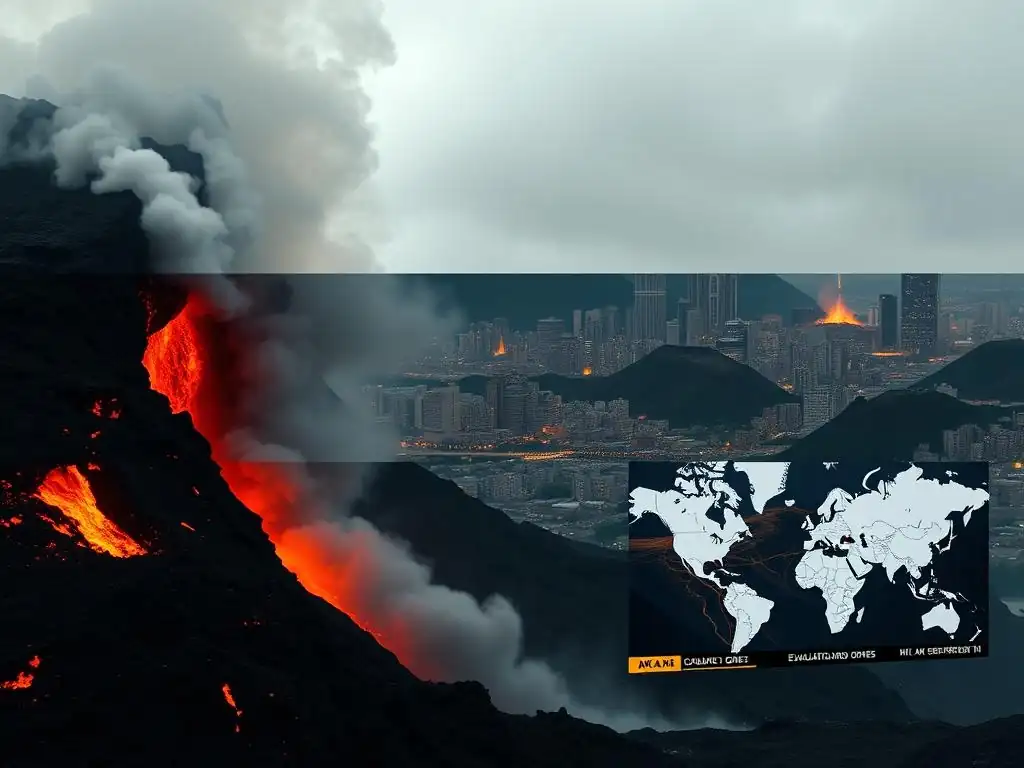
Volcanoes have become a popular subject in the entertainment industry, particularly in movies and video games, often portrayed in exaggerated and sensationalized ways. Disaster movies featuring volcanic eruptions frequently depict catastrophic scenarios with unrealistic scales of destruction and dramatic, often scientifically inaccurate, portrayals of volcanic processes. These cinematic representations often emphasize the most extreme and terrifying aspects of volcanic eruptions, focusing on explosive blasts, massive lava flows engulfing cities, and widespread panic and chaos. Video games featuring volcanoes often incorporate eruptive events as dramatic gameplay elements, sometimes exaggerating the speed and intensity of eruptions for heightened excitement.
While these portrayals can be entertaining, they often contribute to a distorted public perception of volcanic risk. The sensationalism and exaggeration prevalent in entertainment media can amplify fears and anxieties about volcanoes, creating unrealistic expectations of the scale and nature of volcanic disasters. These dramatized depictions can also overshadow the more nuanced realities of living with volcanoes, including the scientific efforts to monitor and mitigate risks and the resilience of communities in volcanic regions. It is important to critically evaluate these entertainment portrayals and to distinguish between fictional dramatization and the scientific understanding of volcanic hazards.
The Impact of Media Representation on Public Perception of Volcanic Risk
Media representation, encompassing both entertainment media and news coverage, significantly shapes public perception of volcanic risk. Sensationalized or inaccurate media reporting can contribute to heightened fear and anxiety, particularly in communities living near volcanoes. Conversely, responsible and informative media coverage can play a crucial role in promoting public awareness, preparedness, and resilience. News reports that focus solely on the destructive aspects of volcanic eruptions, without providing context or balanced information about risk mitigation efforts, can reinforce negative perceptions and amplify fear.
On the other hand, media outlets that prioritize accurate scientific information, highlight community preparedness initiatives, and feature stories of resilience and adaptation can contribute to a more informed and balanced public understanding of volcanic risk. The language used in media reporting also plays a crucial role.
Using alarmist or exaggerated language can intensify fear, while using clear, factual, and reassuring language can promote a more rational and informed response. Media outlets have a responsibility to provide accurate and balanced coverage of volcanic events, working in collaboration with volcanologists and emergency management agencies to communicate risk effectively and promote public safety and resilience.
Case Study: The Mount St. Helens Eruption (1980) and its Societal Impact
Examining the Community Response and Psychological Recovery after Mount St. Helens
The 1980 eruption of Mount St. Helens in Washington State, USA, provides a compelling case study for examining the community response and psychological recovery following a significant volcanic event. While the eruption was a devastating natural disaster, causing widespread destruction and loss of life, it also showcased remarkable community resilience and a long-term process of psychological recovery. The immediate aftermath of the eruption was characterized by shock, grief, and displacement for affected communities. However, strong community bonds, effective emergency response, and government support played crucial roles in facilitating recovery.
Psychological support services were mobilized to address the immediate and longer-term mental health needs of affected residents. Community-based initiatives, such as support groups and memorial events, helped individuals process their experiences and grieve their losses. The long-term recovery process involved rebuilding infrastructure, restoring livelihoods, and adapting to the changed landscape.
Studies conducted after the Mount St. Helens eruption highlighted the importance of social support, community cohesion, and access to mental health services in facilitating psychological recovery and building long-term resilience in the face of volcanic disaster. The eruption also led to significant advancements in volcanology and volcano monitoring in the Cascade Range, enhancing preparedness for future eruptions.
Lessons Learned: Improving Mental Health Support in Volcanic Disaster Zones
The Mount St. Helens eruption and other volcanic disaster experiences have yielded valuable lessons for improving mental health support in volcanic disaster zones. One key lesson is the importance of early intervention and proactive mental health support in the immediate aftermath of an eruption. Providing psychological first aid, addressing basic needs, and establishing safe spaces for affected communities are crucial first steps in mitigating immediate psychological trauma. Long-term mental health services, including counseling and therapy, should be readily accessible and culturally appropriate to address the ongoing needs of individuals and families affected by volcanic events.
Community-based mental health interventions, integrated into broader disaster recovery programs, are essential for fostering collective resilience and promoting long-term psychological well-being. Training local community members in psychological first aid and mental health awareness can enhance community capacity to support each other during and after volcanic disasters.
Furthermore, pre-disaster preparedness planning should include mental health components, ensuring that mental health professionals are integrated into emergency response teams and that mental health resources are readily available in volcanic regions. Learning from past volcanic disasters and continuously improving mental health support systems are crucial for building more resilient communities and mitigating the psychological impact of future volcanic events.
Living with Volcanoes: Finding Awe and Respect Amidst Fear
The Allure of Volcanoes: Balancing the Threat with the Beauty
Despite the inherent risks and potential for destruction, volcanoes exert a powerful allure, captivating human fascination and inspiring awe. This paradoxical attraction stems from the recognition of volcanoes as both terrifying forces of nature and breathtakingly beautiful landscapes. Volcanic landscapes are often characterized by dramatic geological formations, unique ecosystems, and stunning vistas.
The raw power and dynamism of volcanic processes are mesmerizing, reminding us of the Earth's immense energy and constant state of change. For many, living near volcanoes is not solely about fear and risk; it is also about appreciating the unique beauty and geological wonders that these landscapes offer.
Volcano tourism has become a significant industry in many volcanic regions, attracting visitors from around the world who are drawn to the spectacle of active volcanoes, lava flows, and volcanic landscapes. This allure is not simply morbid curiosity; it reflects a deeper human fascination with the power of nature, the origins of the Earth, and the dramatic forces that shape our planet.
Finding a balance between acknowledging the potential threats of volcanoes and appreciating their beauty and geological significance is a key aspect of living harmoniously in volcanic regions. This balance involves fostering a culture of preparedness and respect for volcanic power while also celebrating the unique natural and cultural heritage associated with these dynamic landscapes.
Fostering a Culture of Preparedness and Resilience in Volcanic Communities
Fostering a culture of preparedness and resilience is essential for communities living in volcanic regions to thrive despite the inherent risks. This culture of preparedness is built upon a foundation of education, risk awareness, community engagement, and proactive mitigation measures. Education plays a crucial role in empowering individuals and communities with knowledge about volcanic hazards, preparedness strategies, and emergency procedures. Public awareness campaigns, school programs, and community workshops can enhance understanding of volcanic risks and promote proactive preparedness behaviors.
Community engagement is vital for building resilience. Involving residents in the development and implementation of preparedness plans, evacuation drills, and community-based risk reduction initiatives fosters a sense of ownership and collective responsibility. Building strong social networks and community support systems enhances social cohesion and provides platforms for mutual assistance during times of crisis.
Proactive mitigation measures, such as land-use planning that considers volcanic hazards, infrastructure improvements to withstand volcanic impacts, and early warning systems, are essential for reducing vulnerability and enhancing community safety. By fostering a culture of preparedness and resilience, volcanic communities can learn to live with these powerful natural forces, minimizing risks and maximizing their capacity to adapt and thrive in dynamic volcanic landscapes.
Conclusion: The Enduring Influence of Volcanoes on the Human Psyche
Volcanoes, whispering from the Earth's core, exert an enduring and profound influence on the human psyche. They are more than just geological phenomena; they are powerful symbols that resonate with our deepest fears and aspirations. From ancient myths that cast volcanoes as abodes of gods and monsters to modern anxieties reflected in disaster movies, volcanoes have consistently shaped our cultural narratives and collective consciousness.
The psychological impact of volcanic eruptions, both immediate and long-term, underscores the trauma and resilience experienced by communities living in their shadow. Yet, amidst the fear, there is also awe and fascination, a recognition of the raw beauty and creative power inherent in these forces of nature.
Understanding the multifaceted impact of volcanoes on society, from economic disruption to psychological trauma, is crucial for building resilient communities and fostering a balanced perspective that acknowledges both the threats and the wonders of these whispering giants. Living with volcanoes requires not only preparedness and scientific understanding but also a deep respect for the Earth's power and an enduring appreciation for the dynamic landscapes they create.
Frequently Asked Questions
What are the primary ways volcanoes impact society?
Volcanoes can impact society through destructive eruptions, causing loss of life and property. Conversely, they can also create fertile soils for agriculture and provide geothermal energy resources.
How do volcanologists monitor volcanoes to mitigate their impact on nearby communities?
Volcanologists use various methods, including seismic monitoring, gas emission analysis, and ground deformation measurements, to detect changes that might indicate an impending eruption. This allows for early warnings and evacuations.
Besides immediate destruction, what are some long-term impacts of volcanic eruptions on society?
Long-term impacts include changes in climate due to ash and gas emissions, economic disruption from damaged infrastructure, and altered landscapes that can affect tourism and agriculture.
How does VolcanoExplorers.org help people understand the impact of volcanoes?
The website provides educational content on volcanic activity, including the science behind eruptions and their effects. It also offers safety guides and real-time updates to help people prepare for and understand the impact of volcanoes.
In what ways have volcanoes influenced the cultural and spiritual beliefs of societies, demonstrating a different kind of impact?
Volcanoes have often been seen as sacred or powerful entities, influencing myths and legends, religious practices, and artistic expression in many cultures around the world. This reflects their profound impact on human imagination and spirituality.
Final Reflection: Embracing the Earth's Fiery Breath
The exploration of volcanoes and their impact on society, as detailed throughout this article, reveals a profound truth: the earth's raw power is both a source of destruction and a catalyst for renewal. From shaping landscapes to influencing climate, volcanoes have indelibly marked human history, forcing us to confront our deepest fears and adapt to a world constantly in flux. Their ongoing eruptions serve as a potent reminder of the forces that shape our planet and our lives.
The enduring influence of volcanoes extends far beyond the immediate devastation they can cause. They have shaped our myths, inspired our art, and driven our scientific understanding of the planet. The awe and terror they inspire are deeply ingrained in the human psyche, reminding us of our vulnerability in the face of nature's grandeur. The mountains are fountains of men as well as of rivers, of glaciers, of fertile soil. The great poets, philosophers, prophets, able men whose thoughts change the world, are born on mountains.
- John Muir. This quote encapsulates the idea that even from seemingly destructive forces, great things can emerge.
As we conclude this exploration of the impact of volcanoes on society, let us not only acknowledge the risks they pose but also appreciate the vital role they play in the Earth's dynamic processes. Consider how this understanding can inform our approach to living in harmony with nature, fostering resilience in the face of adversity, and embracing the transformative power of change. Let the whispers from the Earth's core remind you of the interconnectedness of all things and inspire you to live with a deeper appreciation for the delicate balance of our planet.
Ignite Your Curiosity: Become a Volcano Explorer!
Thanks for diving into the heart of volcanic wonder with us! We hope this article illuminated not just the science, but the sheer primal power and captivating fear volcanoes evoke. Now, it's time to turn that fascination into action.
Here are a few ways to continue your volcano exploration journey:
- Map Your Fears (and Hopes): Reflect on how volcanoes impact your personal sense of safety and wonder. Share your thoughts and feelings in the comments below.
- Delve deeper into a specific volcano! Use our website's interactive map to explore a volcano you found particularly captivating. Read up on its history, eruption patterns, and local folklore.
- Challenge a friend to a volcano trivia night! Share this article with someone who loves science and test your collective knowledge about these fiery giants.
What’s one volcano you’re now burning to learn more about and why?