
The Lure of Lava Fields: Animals Drawn to Volcanic Heat Sources

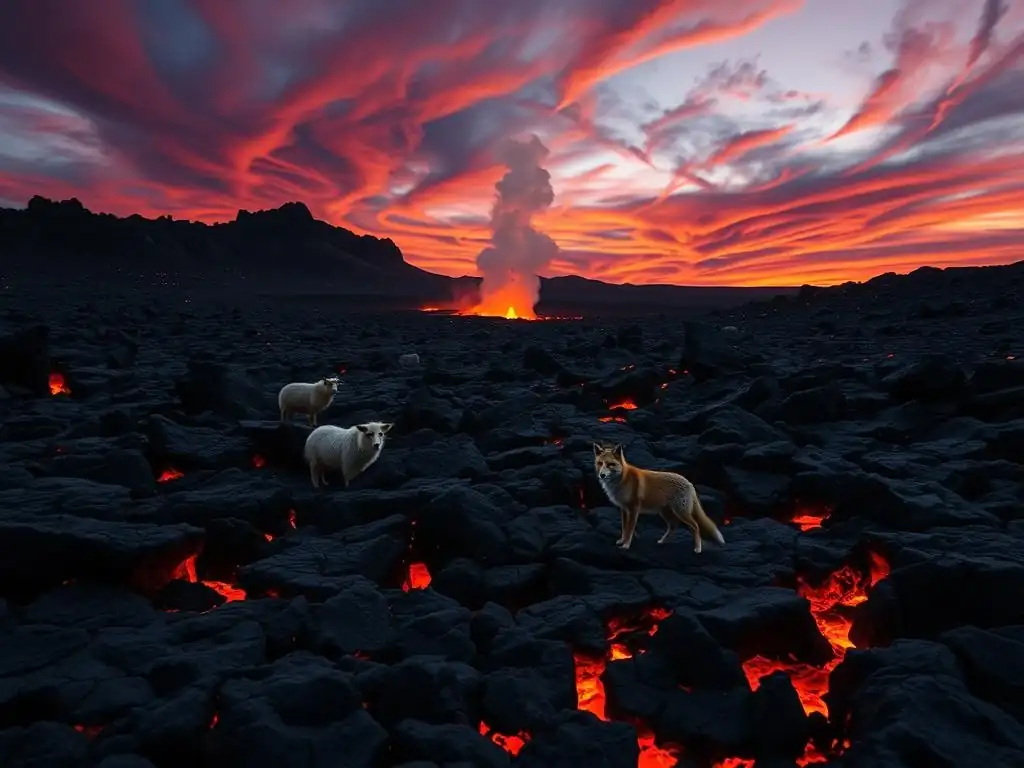
Welcome to Volcano Explorers!
Ever wondered how life finds a way, even in the most seemingly inhospitable environments? Prepare to be amazed as we journey into the heart of volcanic landscapes. Today, we uncover the secrets of Lava Fields Wildlife Adaptations, exploring how creatures, against all odds, thrive near these fiery, geological wonders. What draws them to the heat, and how have they adapted to survive? Discover the surprising answers within!
- VolcanoExplorers.org: Exploring Wildlife Adaptations in Volcanic Landscapes
- Understanding Lava Fields as Unique Ecosystems
- Animals Drawn to Volcanic Heat: The Phenomenon Explained
- Case Studies: Wildlife Adapting to Lava Field Environments
- Lava Fields Wildlife Adaptations: Specific Examples and Strategies
- The Impact of Volcanic Activity on Animal Behavior and Distribution
- Conservation Concerns in Volcanic Habitats
- Further Research and Exploration of Lava Fields Wildlife Adaptations
-
Frequently Asked Questions
- What types of animals are commonly found in lava fields?
- How do animals adapt to the extreme temperatures of lava fields?
- Why are lava fields attractive to certain animal species?
- What challenges do animals face living in lava field environments?
- How does volcanic activity impact the long-term survival of wildlife in lava fields?
- Final Reflection: Embracing the Extremes of Life
- Unearth Your Inner Explorer: Take Action!
VolcanoExplorers.org: Exploring Wildlife Adaptations in Volcanic Landscapes
VolcanoExplorers.org serves as a digital gateway into the captivating realm of volcanology, extending its exploration beyond the fiery displays of eruptions to the subtle yet profound impacts volcanoes have on surrounding ecosystems. Within these unique environments, life finds a way, and nowhere is this more apparent than in the dramatic landscapes of lava fields. These seemingly desolate expanses, born from volcanic fire, surprisingly become havens for a diverse array of animal life. VolcanoExplorers.org delves into these fascinating adaptations, revealing how animals not only survive but thrive by leveraging the very heat sources that sculpted their habitats.
Our exploration at VolcanoExplorers.org extends to the intricate dance between volcanic forces and the animal kingdom. We aim to uncover the secrets of survival in these extreme environments, showcasing the remarkable resilience and adaptability of wildlife. From the smallest insects drawn to geothermal warmth to larger mammals seeking shelter from harsh climates, lava fields present a compelling case study in ecological adaptation. Through detailed articles, case studies, and scientific insights, VolcanoExplorers.org illuminates the often-overlooked biodiversity that flourishes in the shadow of volcanoes, enriching our understanding of the interconnectedness of Earth's systems.
Understanding Lava Fields as Unique Ecosystems
The Formation of Lava Fields and Their Initial Barren State
Lava fields are geological formations created by the repeated effusive eruptions of basaltic lava. This molten rock, with temperatures ranging from 1,000 to 1,200 degrees Celsius (1,832 to 2,192 degrees Fahrenheit), flows across the landscape, solidifying and accumulating layer upon layer. The initial state of a newly formed lava field is one of stark barrenness.
The extreme heat sterilizes the ground, obliterating pre-existing vegetation and soil structure. What remains is a landscape dominated by solidified volcanic rock, often characterized by jagged ʻaʻā lava or smooth, ropy pāhoehoe lava flows. Nutrient levels are extremely low, and the surface is porous and prone to rapid drainage, making it seemingly inhospitable to life.
Despite this initial desolation, the very properties that define lava fields also lay the foundation for a unique ecosystem. The volcanic rock, while initially sterile, slowly weathers over time, releasing essential minerals that will eventually enrich the soil. The porous nature of the lava rock, while challenging initially, allows for water infiltration and retention in subsurface layers, creating microclimates that can support plant life.
Furthermore, the uneven topography of lava fields provides diverse niches, offering varying degrees of shelter, sunlight exposure, and moisture retention. This inherent heterogeneity, coupled with the gradual process of ecological succession, transforms these initially barren landscapes into complex and surprisingly vibrant ecosystems.
The Gradual Colonization of Lava Fields: A Story of Resilience
The colonization of lava fields is a testament to the tenacity of life and the process of ecological succession. Pioneer species, such as lichens and mosses, are the first to establish themselves on the seemingly inhospitable volcanic rock. Lichens, in particular, play a crucial role in breaking down the rock through biological weathering, slowly releasing minerals and contributing to soil formation. These early colonizers are incredibly resilient, able to withstand harsh conditions, limited water availability, and extreme temperature fluctuations. Over decades and centuries, their presence gradually modifies the environment, paving the way for more complex plant life.
As lichens and mosses begin to establish a foothold, they create microhabitats that can retain moisture and trap windblown dust and organic matter. This accumulation of organic material, combined with the continued weathering of the volcanic rock, slowly leads to soil development. Grasses and ferns are among the next wave of colonizers, followed by shrubs and eventually trees in areas with sufficient rainfall and soil development.
This process of ecological succession is a slow but continuous transformation, turning barren lava fields into diverse habitats capable of supporting a wide range of plant and animal life. The speed of this colonization is influenced by factors such as climate, altitude, the type of lava, and proximity to seed sources, but the fundamental process remains a powerful demonstration of ecological resilience.
Heat Sources in Lava Fields: A Magnet for Wildlife
Beneath the surface of seemingly cold lava fields often lies a network of geothermal activity. Volcanic vents, fumaroles, and areas of residual heat from recent eruptions create localized zones of elevated temperatures. These heat sources become significant ecological features, particularly in colder climates or during periods of environmental stress. The warmth emanating from these areas can create microclimates that are significantly warmer than the surrounding landscape, offering refuge from cold temperatures and providing a vital energy source for certain organisms.
Animals, particularly those that are cold-blooded (ectothermic), are highly sensitive to temperature variations and are often drawn to these geothermal hotspots in lava fields. The warmth can aid in thermoregulation, allowing animals to maintain optimal body temperatures for metabolic processes, digestion, and activity. Furthermore, the heat can influence the distribution of prey species.
Insects and other invertebrates, for example, may congregate in warmer areas, attracted by the temperature or by the earlier emergence of vegetation in these microclimates. This concentration of prey can, in turn, attract larger predators, creating a complex food web centered around these geothermal heat sources within the lava field ecosystem.
Animals Drawn to Volcanic Heat: The Phenomenon Explained
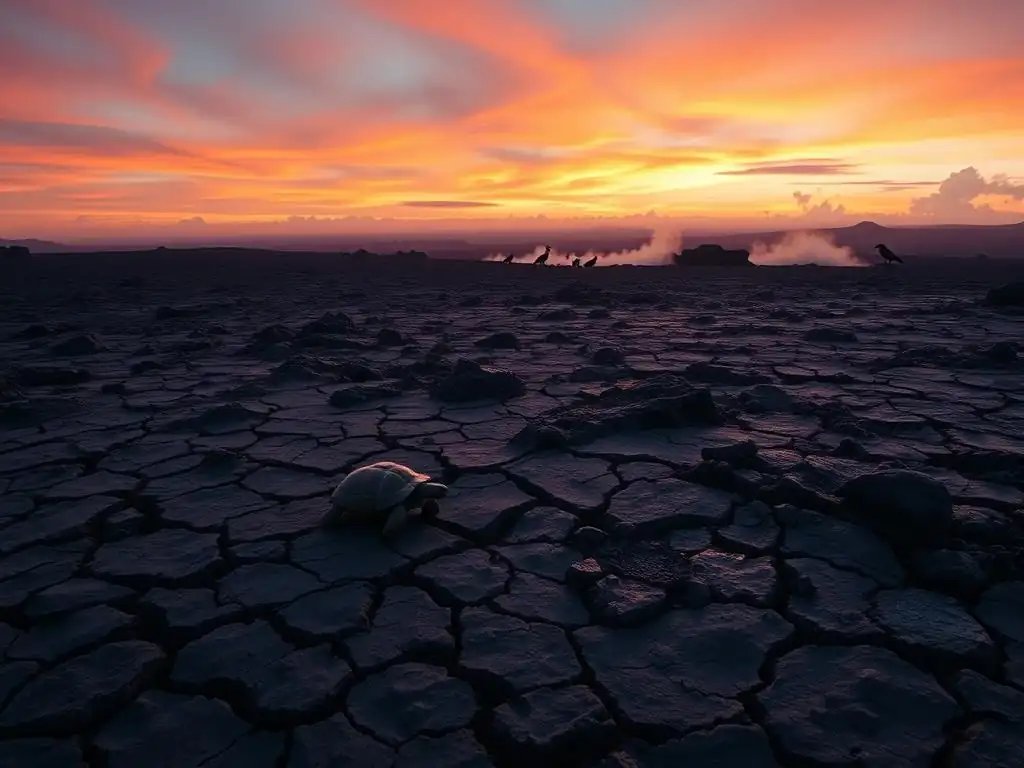
Why Animals Seek Warmth in Volcanic Areas: Thermoregulation
Thermoregulation, the ability to maintain a stable internal body temperature, is crucial for the survival of all animals. However, for ectothermic animals, often referred to as "cold-blooded," body temperature is largely dictated by the external environment. These animals, including reptiles, amphibians, and many invertebrates, rely on external heat sources to raise their body temperature to optimal levels for biological functions. Volcanic areas, with their geothermal heat sources, provide a readily available and often reliable source of warmth in otherwise cold or variable environments.
For ectotherms in lava fields, basking on sun-warmed rocks is a common behavioral thermoregulation strategy. However, in cloudy conditions or during colder periods, geothermal vents and heated ground become vital alternatives. By seeking out these warmer zones, animals can elevate their body temperature, increasing metabolic rates, improving digestion, and enhancing muscle function.
This access to geothermal heat can be particularly critical in lava field environments, where the surrounding volcanic rock can cool rapidly, and ambient temperatures may fluctuate dramatically, especially at higher elevations or latitudes. The ability to utilize volcanic heat sources for thermoregulation can be a key factor in the success and distribution of ectothermic species within lava field ecosystems.
The Role of Heat in Attracting Insects and Other Prey
The warmth emanating from geothermal areas within lava fields not only directly benefits animals seeking thermoregulation but also indirectly attracts prey species, creating a trophic cascade. Insects, spiders, and other invertebrates, many of which are also ectothermic, are often drawn to warmer microclimates. The elevated temperatures can accelerate their development, increase their activity levels, and allow for earlier emergence in spring or extended activity seasons in colder climates. Additionally, geothermal heat can influence vegetation growth, leading to patches of earlier or denser plant life around vents and fumaroles, further attracting herbivorous insects.
This concentration of invertebrate prey in warmer areas of lava fields creates a valuable foraging opportunity for insectivorous animals. Birds, reptiles, amphibians, and even some mammals may be attracted to these areas by the increased availability of food. For example, insectivorous birds may congregate around geothermal vents to feed on insects emerging earlier in the season due to the warmth.
Similarly, spiders may build webs in these areas to capitalize on the higher density of insect prey. Thus, volcanic heat sources not only provide direct thermal benefits but also indirectly shape food webs and influence animal distribution within lava field ecosystems by concentrating prey availability.
Lava Fields as Refuges: Protection from Cold Climates
In regions characterized by cold climates or harsh winters, lava fields with geothermal activity can serve as critical thermal refuges for a variety of animals. The consistent warmth emanating from volcanic vents and heated ground can create microclimates that are significantly warmer than the surrounding landscape, even during periods of extreme cold. These warmer patches can be essential for survival, particularly for species that are sensitive to freezing temperatures or require warmer conditions for breeding or overwintering.
For example, in areas with heavy snowfall, geothermal areas in lava fields can remain snow-free or have thinner snow cover due to the underlying heat. This can provide access to foraging grounds, nesting sites, or simply areas free from the energy-demanding conditions of deep snow. Mammals like arctic foxes are known to utilize geothermal areas for shelter during harsh winters, conserving energy and avoiding extreme cold stress.
Amphibians and reptiles, which are particularly vulnerable to freezing temperatures, may overwinter in geothermal areas where the ground remains unfrozen. Thus, lava fields, particularly in cold regions, can function as vital thermal oases, providing crucial refuges that support animal populations and contribute to biodiversity in otherwise challenging environments.
Case Studies: Wildlife Adapting to Lava Field Environments
Birds Nesting Near Volcanic Vents: Hawaiian Petrel (ʻUaʻu)
The Hawaiian Petrel, known locally as ʻUaʻu, is a seabird endemic to the Hawaiian Islands. These birds exhibit a fascinating adaptation by often nesting in burrows located in volcanic craters and lava fields, sometimes in close proximity to active or dormant volcanic vents. This nesting behavior, while seemingly risky, offers several advantages.
The volcanic terrain provides well-drained soil suitable for burrow construction, and the elevated ground can offer protection from predators. Furthermore, some research suggests that the geothermal heat emanating from volcanic vents may play a role in incubation, potentially shortening incubation periods or providing a more stable thermal environment for developing eggs.
Studies conducted on Haleakalā volcano in Maui, Hawaii, have documented Hawaiian Petrels nesting within the summit crater and surrounding lava flows. These areas are characterized by volcanic vents and fumaroles emitting steam and volcanic gases. While the exact benefits of nesting near these vents are still under investigation, the proximity to geothermal activity is a notable aspect of their nesting ecology. The Hawaiian Petrel case exemplifies how some bird species have adapted to utilize volcanic landscapes, even actively seeking out geothermal areas for nesting, potentially leveraging the unique thermal and geological properties of lava fields for reproductive success.
Reptiles and Amphibians Basking on Heated Rocks: Galapagos Marine Iguana
The Galapagos Marine Iguana is an iconic reptile endemic to the Galapagos Islands, a volcanic archipelago. These unique lizards are the only extant lizard species that forages in the ocean, feeding on algae and seaweed. After their cold water foraging trips, Marine Iguanas frequently bask on the black volcanic rocks that characterize the Galapagos coastline and interior lava fields. These dark-colored rocks absorb solar radiation efficiently, becoming significantly warmer than the surrounding air temperature, particularly under the equatorial sun.
Basking on these heated volcanic rocks is crucial for Marine Iguanas to thermoregulate after diving in the cold Pacific waters. Their body temperature can drop considerably during foraging, and basking allows them to rapidly regain warmth, optimizing their physiological functions, including digestion and muscle activity.
The lava fields of the Galapagos Islands provide an abundance of suitable basking sites, and the Marine Iguanas have evolved behavioral adaptations to maximize their heat gain, such as flattening their bodies against the warm rocks and orienting themselves to the sun. This dependence on volcanic rock for thermoregulation highlights the critical role of lava field environments in the life cycle and survival of this unique reptile species.
Mammals Utilizing Geothermal Areas for Shelter: Arctic Fox
The Arctic Fox is a highly adaptable mammal found in Arctic and alpine regions across the Northern Hemisphere, including volcanic areas of Iceland and other subarctic locations. In these cold and often windswept environments, geothermal areas associated with volcanic activity offer valuable shelter and thermal refuge. Arctic Foxes are known to utilize geothermal areas for denning, resting, and seeking respite from harsh weather conditions, particularly during the frigid winter months.
In Iceland, for instance, Arctic Foxes have been observed denning in geothermal areas, where the ground remains warmer and snow cover is reduced. This provides a more favorable environment for raising pups, as the warmer temperatures can reduce energy expenditure for both the mother and young. Geothermal areas can also offer protection from strong winds and blizzards, providing a sheltered microclimate.
Furthermore, the reduced snow cover in geothermal areas may improve access to prey resources, although this aspect is less well-documented. The Arctic Fox example demonstrates how mammals, even those adapted to cold climates, can benefit from and actively utilize the geothermal heat sources present in volcanic landscapes for shelter and thermoregulation.
Lava Fields Wildlife Adaptations: Specific Examples and Strategies
Behavioral Adaptations: Seeking and Maintaining Optimal Temperatures
Animals inhabiting lava fields exhibit a range of behavioral adaptations centered around thermoregulation, particularly seeking and maintaining optimal body temperatures in these thermally variable environments. Ectotherms, like reptiles and amphibians, frequently engage in basking behavior, orienting themselves to maximize solar radiation absorption and utilizing warm volcanic rocks or geothermal areas to elevate their body temperature. Conversely, to avoid overheating, they may seek shade under rocks, vegetation patches, or retreat into burrows during the hottest parts of the day.
Behavioral thermoregulation also extends to microhabitat selection. Animals may choose to inhabit specific areas within lava fields that offer favorable thermal conditions, such as south-facing slopes that receive more sunlight or areas near geothermal vents during colder periods. Activity patterns are also often adjusted to align with optimal temperatures. Many lava field animals are crepuscular or nocturnal, being most active during cooler periods of the day and avoiding the intense heat of midday. These behavioral strategies, finely tuned to the thermal landscape of lava fields, are crucial for survival and successful reproduction in these environments.
Dietary Adaptations: Exploiting Resources Available in Lava Fields
The unique ecological conditions of lava fields, characterized by early successional vegetation and specific invertebrate communities, have driven dietary adaptations in some resident animals. Herbivores may specialize on pioneer plant species that colonize lava flows, often plants that are adapted to nutrient-poor soils and harsh conditions. For example, certain insect species may feed exclusively on lichens or mosses that are among the first colonizers of volcanic rock.
Carnivores and insectivores in lava fields often exploit the invertebrate communities that thrive in these habitats, particularly those attracted to geothermal areas or early successional vegetation patches. Spiders, beetles, ants, and other insects can be abundant in certain lava field microhabitats, providing a readily available food source for insectivorous birds, reptiles, and mammals.
Scavenging can also be an important dietary strategy, particularly in volcanic areas where eruptions or geothermal activity may lead to animal mortality, providing carrion resources. Dietary adaptations in lava field wildlife are thus closely linked to the specific food resources available in these dynamic and often resource-limited environments.
Physiological Adaptations: Heat Shock Proteins and Specialized Diets
Beyond behavioral and dietary adaptations, some animals inhabiting lava fields exhibit physiological adaptations that enhance their survival in these extreme environments. One notable example is the potential role of heat shock proteins (HSPs).
HSPs are produced by cells in response to stress, including heat stress, and help to protect cellular proteins from damage and maintain cellular function under challenging conditions. While research is ongoing, it is hypothesized that animals living in geothermal areas or frequently exposed to high temperatures in lava fields may exhibit enhanced HSP production or more efficient HSP responses, providing a degree of physiological tolerance to heat stress.
Dietary specializations can also involve physiological adaptations. For instance, animals feeding on plants growing in volcanic soils may have evolved mechanisms to tolerate or detoxify high concentrations of certain minerals or elements that are characteristic of volcanic substrates. Similarly, animals consuming invertebrates that have accumulated volcanic minerals may also possess physiological adaptations to cope with these elements in their diet. Further research is needed to fully understand the range and significance of physiological adaptations in lava field wildlife, but preliminary studies suggest that these adaptations play a crucial role in survival and long-term persistence in these unique ecosystems.
The Impact of Volcanic Activity on Animal Behavior and Distribution
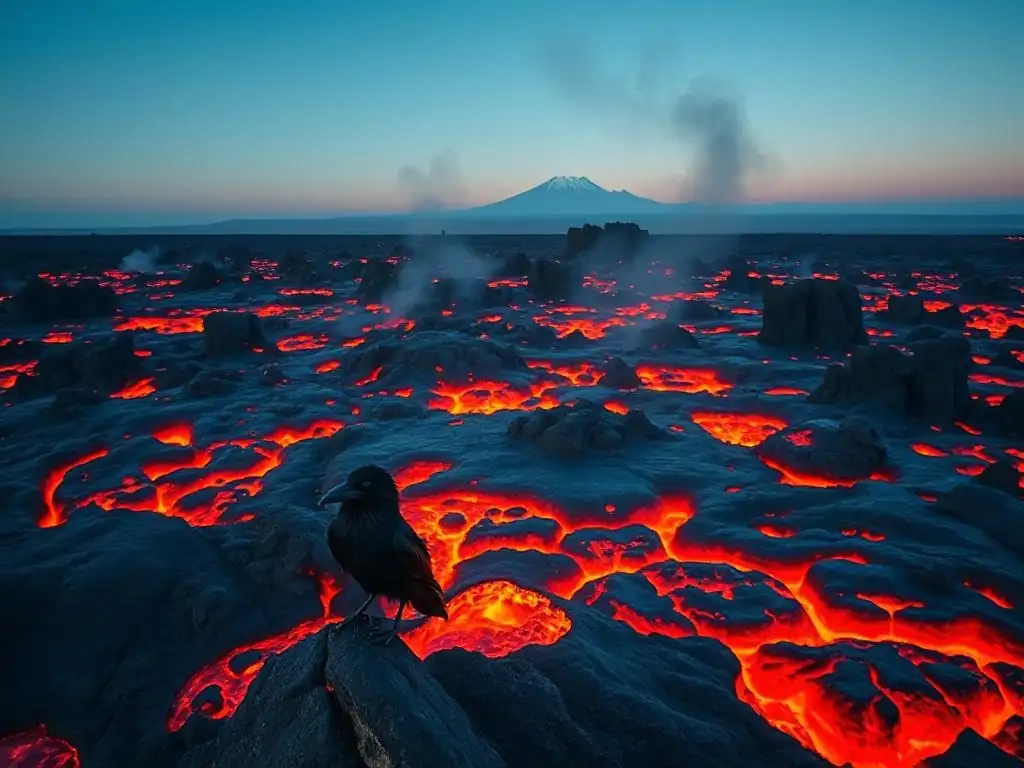
Short-Term Disruptions: Animal Responses to Eruptions and Ashfall
Volcanic eruptions, particularly explosive events, can cause significant short-term disruptions to animal behavior and distribution in surrounding areas. The immediate impacts include displacement due to lava flows, pyroclastic flows, and lahars, which can directly destroy habitats and pose lethal threats. Ashfall, even from smaller eruptions, can blanket landscapes, impacting air quality, water sources, and vegetation, forcing animals to relocate or adapt to altered conditions. Wildlife may exhibit stress responses, changes in foraging behavior, and shifts in habitat use in the immediate aftermath of an eruption.
Animal responses to volcanic eruptions are diverse and vary depending on the species, the intensity of the eruption, and the characteristics of the surrounding environment. Mobile animals, such as birds and larger mammals, may evacuate eruption zones, seeking refuge in unaffected areas. Less mobile animals, or those with strong site fidelity, may face higher mortality rates or be forced to endure harsh conditions until the immediate eruption impacts subside. The short-term disruptions caused by volcanic eruptions can have cascading effects on ecosystems, influencing population dynamics and community structure in the affected areas.
Long-Term Benefits: The Creation of New Habitats and Resources
While volcanic eruptions cause immediate disruptions, they also play a crucial role in the long-term creation of new habitats and resources that can benefit wildlife. Lava flows, over time, solidify and weather, forming new landmasses and substrates for ecological succession. Volcanic ash, while initially disruptive, can enrich soils with essential minerals, enhancing soil fertility and promoting plant growth in the long run. Geothermal activity associated with volcanism creates unique thermal habitats that, as discussed, support specialized wildlife communities.
The formation of new volcanic islands or the expansion of existing landmasses through lava flows provides opportunities for colonization and range expansion for various species. The gradual ecological succession on lava fields creates a mosaic of habitats at different stages of development, offering diverse niches for a wide array of plants and animals. Volcanic activity, therefore, acts as a disturbance agent that, while initially destructive, ultimately contributes to habitat heterogeneity and long-term biodiversity in volcanic regions. The creation of new geothermal areas also provides persistent thermal oases that can support unique ecological communities for centuries or even millennia.
Monitoring Animal Populations in Volcanic Regions: Challenges and Opportunities
Monitoring animal populations in volcanic regions presents both unique challenges and valuable opportunities for scientific research and conservation efforts. Volcanic landscapes can be remote, rugged, and often hazardous, making access and long-term monitoring logistically difficult and expensive. Eruptions and ongoing volcanic activity can further complicate monitoring efforts, posing risks to researchers and potentially disrupting data collection. However, volcanic regions also offer exceptional opportunities to study ecological processes in dynamic and rapidly changing environments.
Long-term monitoring of animal populations in volcanic areas can provide valuable insights into ecological succession, adaptation to extreme environments, and the impacts of disturbance events on wildlife communities. Technological advancements, such as remote sensing, drone surveys, and automated camera traps, are increasingly being used to overcome some of the logistical challenges of monitoring in volcanic regions.
Citizen science initiatives can also play a crucial role in gathering data over large areas and extended timeframes. By embracing innovative approaches and fostering collaborative efforts, we can enhance our understanding of wildlife dynamics in volcanic landscapes and inform effective conservation strategies in these fascinating and dynamic ecosystems.
Conservation Concerns in Volcanic Habitats
Protecting Vulnerable Species in Lava Field Ecosystems
Lava field ecosystems, while often appearing resilient, can harbor vulnerable species that require specific conservation attention. Endemic species, those found only in particular volcanic regions, are especially susceptible to threats such as habitat loss, invasive species, and climate change. Volcanic eruptions, although a natural process, can also pose risks to vulnerable populations, particularly if they are localized or occur in critical habitats. Conservation efforts in lava field ecosystems need to focus on identifying and protecting these vulnerable species and their habitats.
Habitat protection measures may include establishing protected areas, managing human activities in sensitive zones, and controlling invasive species that can outcompete native wildlife or alter habitat structure. Species-specific conservation actions may be necessary for highly threatened species, such as captive breeding programs, translocation efforts, or targeted habitat restoration projects. Effective conservation in lava field ecosystems requires a comprehensive approach that considers both the unique ecological characteristics of these environments and the specific needs of vulnerable species.
The Impact of Human Activity on Lava Field Wildlife
Human activities can have significant impacts on lava field wildlife, even in seemingly remote volcanic regions. Habitat destruction and fragmentation due to development, agriculture, and infrastructure projects can reduce the extent and connectivity of lava field ecosystems, impacting animal populations and ecological processes. Tourism, while potentially beneficial economically, can also disturb wildlife, introduce invasive species, and contribute to habitat degradation if not managed sustainably. Pollution, including air and water pollution from industrial activities or volcanic emissions, can also negatively affect lava field ecosystems and their inhabitants.
Climate change poses an overarching threat to lava field wildlife, potentially altering temperature regimes, precipitation patterns, and vegetation communities, which can disrupt ecological relationships and threaten species survival. Addressing the impacts of human activity on lava field wildlife requires integrated management strategies that consider land-use planning, sustainable tourism practices, pollution control measures, and climate change mitigation and adaptation efforts. Minimizing human footprint and promoting responsible stewardship are essential for ensuring the long-term health and resilience of lava field ecosystems.
Sustainable Tourism and Responsible Exploration of Volcanic Areas
Sustainable tourism and responsible exploration are crucial for balancing human enjoyment of volcanic landscapes with the conservation of their unique wildlife and ecosystems. Ecotourism, when implemented responsibly, can generate revenue for local communities and raise awareness about the ecological value of volcanic regions, while minimizing negative impacts. Sustainable tourism practices include minimizing disturbance to wildlife, respecting natural habitats, reducing waste and pollution, and supporting local conservation initiatives.
Responsible exploration of volcanic areas involves adhering to guidelines and regulations, staying on designated trails, avoiding sensitive habitats, and practicing Leave No Trace principles. Educating visitors about the ecological significance of lava fields and the importance of responsible behavior is essential for fostering a culture of conservation. By promoting sustainable tourism and responsible exploration, we can ensure that future generations can appreciate and benefit from the natural wonders of lava field ecosystems without compromising their ecological integrity.
Further Research and Exploration of Lava Fields Wildlife Adaptations
Ongoing Scientific Studies of Animal Behavior in Volcanic Environments
Scientific research on animal behavior in volcanic environments is an ongoing and dynamic field, with many unanswered questions and exciting avenues for exploration. Researchers are continuing to investigate the specific mechanisms of thermoregulation in lava field animals, the role of geothermal heat in shaping food webs, and the long-term impacts of volcanic activity on animal populations and community dynamics. Studies are also exploring the genetic adaptations that may underlie the ability of certain species to thrive in these extreme environments, including investigations into heat shock protein expression and other physiological adaptations.
Advances in technology, such as GPS tracking, remote sensing, and molecular ecology techniques, are providing new tools for studying animal behavior and ecology in volcanic regions. Long-term ecological monitoring programs are crucial for understanding the complex and often slow processes of ecological succession and adaptation in lava field ecosystems. Continued scientific inquiry is essential for deepening our understanding of the fascinating adaptations of wildlife to volcanic environments and informing effective conservation strategies in these unique landscapes.
Opportunities for Citizen Science and Volunteer Involvement
Citizen science and volunteer involvement offer valuable opportunities to expand research efforts and engage the public in the exploration of lava fields wildlife adaptations. Volunteer programs can assist with data collection, habitat restoration, and monitoring efforts, contributing to scientific knowledge and conservation action. Citizen science projects, utilizing online platforms and accessible data collection tools, can engage a broader community in observing and documenting wildlife in volcanic regions, generating valuable data over large spatial scales and extended timeframes.
Opportunities for citizen science and volunteer involvement can range from participating in organized field expeditions to contributing observations through online platforms or mobile apps. These initiatives not only enhance research capacity but also promote public awareness, environmental stewardship, and a deeper appreciation for the natural world. By engaging a wider community in the exploration of lava fields and their wildlife, we can foster a collective commitment to conservation and a greater understanding of the remarkable adaptations of life in these dynamic ecosystems.
Resources for Learning More About Volcanoes and Wildlife
For those eager to delve deeper into the world of volcanoes and their wildlife, a wealth of resources is available. VolcanoExplorers.org itself serves as a primary resource, offering articles, educational materials, and updates on volcanic activity and related ecological research. Academic journals and scientific publications provide in-depth information on specific research findings and ongoing studies. Books and documentaries offer broader overviews of volcanology, ecology, and wildlife adaptations in volcanic regions.
Museums and science centers often feature exhibits on volcanoes and related topics, providing interactive and engaging learning experiences. Online databases and mapping tools, such as the Smithsonian Institution's Global Volcanism Program website, offer comprehensive information on volcanoes worldwide. Local and national parks in volcanic regions often provide interpretive materials, guided tours, and educational programs that enhance visitor understanding and appreciation. By utilizing these diverse resources, individuals can expand their knowledge and become informed advocates for the conservation of volcanoes and their remarkable wildlife.
Frequently Asked Questions
What types of animals are commonly found in lava fields?
Lava fields, despite their harsh environment, can surprisingly support life. You'll often find heat-tolerant insects, small mammals, and even certain bird species that nest near volcanic heat sources.
How do animals adapt to the extreme temperatures of lava fields?
Animals adapt in various ways. Some have physiological adaptations for heat tolerance, while others use burrowing strategies to escape extreme temperatures. Many are also active during cooler parts of the day.
Why are lava fields attractive to certain animal species?
Lava fields can provide geothermal warmth that is advantageous in colder climates. This warmth can aid in incubation, provide shelter from harsh weather, and offer a refuge for cold-blooded animals.
What challenges do animals face living in lava field environments?
Animals in lava fields face challenges like limited water sources, sparse vegetation, and the risk of exposure to toxic gases emitted by volcanic activity.
How does volcanic activity impact the long-term survival of wildlife in lava fields?
While volcanic heat can be beneficial, major eruptions can devastate populations and destroy habitats. However, over time, species can recolonize and adapt to the altered landscape.
Final Reflection: Embracing the Extremes of Life
The exploration of lava fields and their surprising inhabitants reveals a profound truth: life finds a way, even in the most seemingly inhospitable environments. These volcanic landscapes, often perceived as barren and desolate, are in reality vibrant ecosystems where unique adaptations allow wildlife to thrive. Understanding these adaptations is not just an academic exercise; it's a testament to the resilience and ingenuity of nature in the face of adversity, a lesson deeply relevant in our rapidly changing world.
The enduring allure of lava fields, and the creatures that call them home, speaks volumes about our own capacity for adaptation and survival. Witnessing these animals overcome extreme conditions inspires us to confront our own challenges with renewed vigor and creativity. The measure of intelligence is the ability to change.
- Albert Einstein. This quote underscores the importance of adaptability, a trait vividly displayed by the wildlife of lava fields, and a skill increasingly crucial for humanity's future.
As you reflect on the remarkable adaptations showcased in these volcanic landscapes, consider the challenges you face in your own life. What perceived limitations can you overcome? What hidden strengths can you unearth? Let the resilience of lava field wildlife serve as a potent reminder: embrace the extremes, adapt to the unexpected, and discover the extraordinary potential that lies within you.
Unearth Your Inner Explorer: Take Action!
Thank you for exploring the fascinating world of volcanic ecosystems! Now that you've learned how life adapts in extreme environments, it's time to put that knowledge and passion to work.
- Support Scientific Research: Consider donating to organizations that study animal behavior and ecosystem health near active volcanoes. Your contribution can help uncover further insights into these remarkable adaptations.
- Share this article with fellow nature enthusiasts to spark conversations about resilience and the unexpected places life thrives.
- Dive deeper: Explore our website (volcanoexplorers.org) to uncover more surprising facts and stunning images of volcanic landscapes worldwide.
What other hidden wonders do you think await discovery in volcanic regions? Share your thoughts in the comments below!