
Ancient Eruptions, Modern Lessons: What Past Volcanoes Teach Us About Resilience

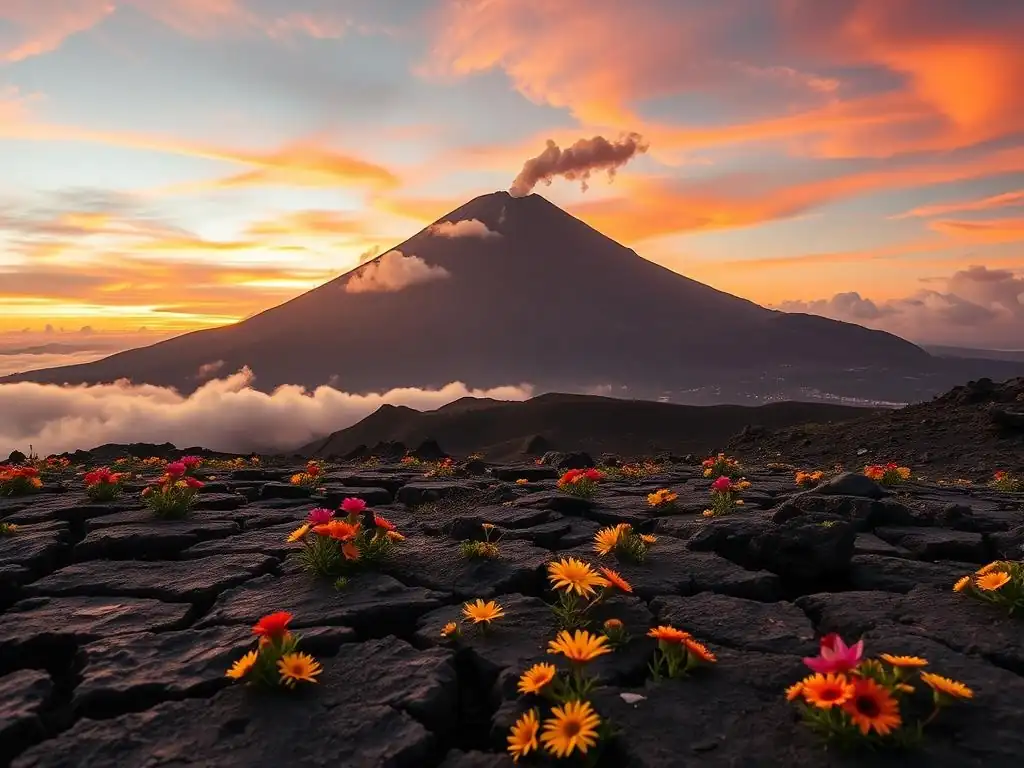
Welcome to Volcano Explorers, where the earth breathes fire! Ever wondered what secrets lie buried beneath layers of ash and hardened lava? Prepare to journey back in time as we unearth vital lessons from ancient volcano eruptions. These fiery chapters from Earth's past hold the key to understanding our planet's future and offer surprising insights into resilience in the face of nature's raw power. Are you ready to delve into the explosive past and learn what these ancient giants can teach us?
- Introduction: Unearthing Resilience – Lessons from Ancient Volcanic Events
- Volcanic Impact on Environment: A Long-Term Perspective
- Lessons from Ancient Volcano Eruptions: Understanding Volcanic Impact and Resilience
- Applying Lessons from Ancient Eruptions to Modern Volcanic Hazard Management
- Conclusion: Volcanoes as Teachers – Embracing Resilience in a Dynamic World
-
Frequently Asked Questions
- What are some of the most significant lessons from ancient volcano eruptions that are relevant today?
- How do volcanologists use the study of ancient eruptions to predict future volcanic activity?
- What type of resilience can communities develop based on lessons from ancient volcano eruptions?
- What role does volcanic ash play in both the immediate aftermath and long-term consequences of a volcanic eruption, as learned from studying ancient events?
- How can VolcanoExplorers.org help individuals and communities learn more about lessons from ancient volcano eruptions and prepare for future events?
- Final Reflection: Echoes of Fire, Seeds of Resilience
- Unearth Your Inner Strength: Take Action!
Introduction: Unearthing Resilience – Lessons from Ancient Volcanic Events
Volcanoes, in their dramatic and often destructive power, might seem like harbingers of chaos. However, when we delve into the geological record and examine the aftermath of ancient eruptions, a different narrative emerges – one of remarkable resilience and rebirth.
These colossal events, etched in layers of ash and solidified lava, are not just stories of destruction but also profound lessons in environmental adaptation and ecological renewal. By studying these ancient volcanic episodes, we gain invaluable insights into the long-term impact of volcanic forces and, more importantly, how ecosystems and even human societies can recover and thrive in the face of extreme natural disturbances.
Understanding the lessons from ancient volcano eruptions is increasingly crucial in our modern world. As we face escalating environmental challenges, from climate change to biodiversity loss, the resilience displayed by nature in the wake of volcanic cataclysms offers a beacon of hope and a roadmap for sustainable coexistence with our planet's dynamic forces. These geological archives provide a long-term perspective, allowing us to move beyond immediate disaster response and contemplate the enduring processes of recovery and adaptation that shape our world.
Volcanic Impact on Environment: A Long-Term Perspective
The Magnitude of Past Volcanic Eruptions
To truly grasp the lessons offered by ancient volcanoes, we must first appreciate the sheer scale of their impact. Past volcanic eruptions were often far more massive than anything witnessed in recent history. Consider the Toba super-eruption around 74,000 years ago in Sumatra, Indonesia.
This event, one of the largest known volcanic eruptions in the Quaternary period, ejected an estimated 2,800 cubic kilometers of volcanic material. To put this in perspective, the 1815 Tambora eruption, which caused the "Year Without a Summer," ejected approximately 160 cubic kilometers. Toba's eruption was nearly 18 times larger than Tambora, blanketing vast regions in ash, altering global climate patterns for years, and potentially contributing to a bottleneck in human population.
Another example of a colossal eruption is the formation of the Siberian Traps, a large igneous province created by massive volcanic activity around 252 million years ago. This event, spanning perhaps millions of years, released an immense volume of lava and volcanic gases, estimated to be several million cubic kilometers.
The Siberian Traps eruption is strongly linked to the Permian-Triassic extinction event, the Earth's most severe extinction event, where an estimated 96% of marine species and 70% of terrestrial vertebrate species perished. These ancient eruptions demonstrate that volcanic events can be planet-altering forces, capable of reshaping landscapes, climates, and even the course of life itself.
Long-Term Ecological Recovery in Volcanic Landscapes: A Story of Rebirth
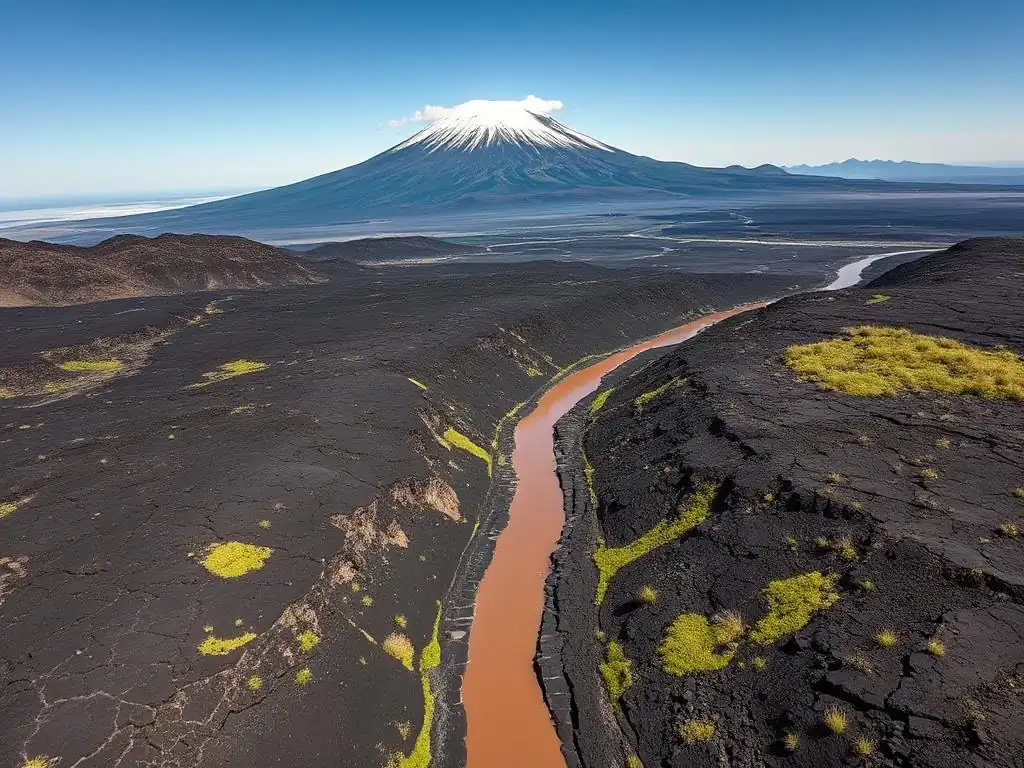
Despite the immense destructive power of volcanic eruptions, nature's capacity for recovery is equally astonishing. Volcanic landscapes, initially appearing barren and desolate, become cradles of new life over time. The island of Krakatoa, famously devastated by its 1883 eruption, provides a compelling example of ecological succession.
Within years of the cataclysmic event, pioneering species like ferns and grasses began to colonize the volcanic ash. Seeds carried by wind and waves, along with surviving organisms, initiated a process of ecological rebirth. Decades later, Krakatoa transformed into a lush tropical island, showcasing the resilience of ecosystems and their ability to regenerate even after near-total devastation.
Mount St. Helens in Washington State, USA, offers another modern case study in volcanic ecological recovery. Following its 1980 eruption, scientists initially believed the blast zone to be completely sterile. However, pockets of life survived beneath the snow and in protected areas.
Within years, plants and animals began to recolonize the landscape, aided by nutrient-rich volcanic ash and the resilience of surviving organisms. Studies have shown that the recovery process at Mount St. Helens is not simply a return to the pre-eruption state but rather a dynamic and evolving ecosystem, demonstrating that volcanic disturbances can even lead to novel ecological pathways and increased biodiversity over the long term. This ecological succession after volcanic events highlights nature's inherent ability to heal and adapt.
Lessons from Ancient Volcano Eruptions: Understanding Volcanic Impact and Resilience
Reconstructing Past Environments: Insights from the Geological Record
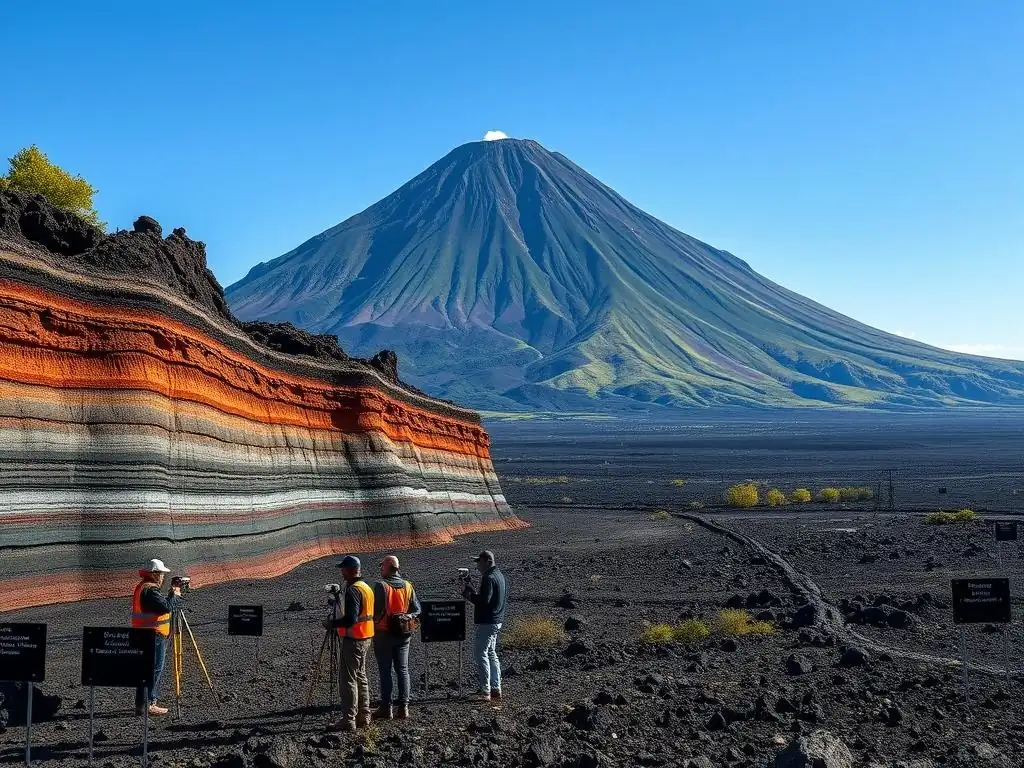
The geological record serves as a vast library of Earth's history, holding crucial insights into past volcanic eruptions and their environmental consequences. Layers of volcanic ash, or tephra, preserved in sedimentary rocks and glacial ice, act as time capsules, providing information about the magnitude, frequency, and composition of ancient eruptions. By analyzing these tephra layers, scientists can reconstruct past volcanic events, determine their geographical extent, and assess their impact on surrounding environments. For example, the widespread distribution of ash layers from super-eruptions like Toba allows researchers to trace the eruption's influence across continents and oceans.
Furthermore, the study of fossil pollen, spores, and plant remains preserved within volcanic deposits reveals how vegetation responded to past eruptions. Changes in pollen assemblages across tephra layers can indicate shifts in plant communities, reflecting the immediate destruction caused by eruptions and the subsequent processes of ecological succession.
Similarly, analyzing isotopes in ancient volcanic rocks and ice cores provides data on past atmospheric conditions, including temperature and greenhouse gas concentrations, allowing scientists to understand the broader climatic effects of large volcanic eruptions throughout geological time. These insights from the geological record are invaluable for understanding the long-term lessons from ancient volcano eruptions.
Ecological Succession After Volcanic Events: A Case Study Approach
Examining specific case studies of ecological succession following volcanic eruptions provides detailed insights into the processes of recovery and adaptation. The island of Surtsey, which emerged from the sea off the coast of Iceland in a volcanic eruption that began in 1963, offers a unique natural laboratory for studying primary succession – the colonization of barren land. Scientists have meticulously documented the arrival of plant and animal species on Surtsey, observing how ecosystems develop from scratch.
Wind-dispersed seeds, seabirds carrying seeds and nutrients, and marine organisms washed ashore have all contributed to the island's evolving ecosystem. Surtsey's ongoing development provides real-time observations of ecological succession in a volcanic setting.
Another compelling case study is the Parícutin volcano in Mexico, which erupted in a farmer's cornfield in 1943. The rapid formation of the volcano and the subsequent lava flows buried villages and drastically altered the landscape. However, within decades, vegetation began to recolonize the lava fields, demonstrating secondary succession – recovery after a disturbance in an existing ecosystem.
Studies of Parícutin have revealed the importance of soil microbes in nutrient cycling and plant establishment in volcanic soils. These case studies, from Surtsey to Parícutin, underscore the diverse pathways of ecological recovery following volcanic events and the remarkable capacity of life to reclaim even the most dramatically altered environments.
Ancient Volcanic Eruptions and Climate Change: A Historical Perspective
Ancient volcanic eruptions have played a significant role in shaping Earth's climate history. Large explosive eruptions inject vast quantities of sulfur dioxide gas into the stratosphere, where it reacts to form sulfate aerosols. These aerosols reflect sunlight back into space, leading to a temporary cooling of the Earth's surface. The eruption of Mount Tambora in 1815, for instance, caused a global temperature decrease of approximately 0.4–0.7 °C, resulting in widespread crop failures and famine in the "Year Without a Summer." This event demonstrates the immediate climate-forcing potential of volcanic eruptions.
Looking further back in time, massive volcanic events like the Siberian Traps and the Deccan Traps (which occurred around the time of the Cretaceous-Paleogene extinction event, linked to dinosaur extinction) are associated with long-term climate changes. While the immediate effect of sulfate aerosols is cooling, these large igneous provinces also released massive amounts of carbon dioxide, a greenhouse gas, over geological timescales.
The long-term increase in atmospheric CO2 from these eruptions likely contributed to periods of global warming and ocean acidification, potentially driving major environmental changes and extinction events. Understanding the lessons from ancient volcano eruptions and their impact on climate provides a critical historical perspective on the complex relationship between volcanism and Earth's climate system, relevant to our current understanding of anthropogenic climate change.
Applying Lessons from Ancient Eruptions to Modern Volcanic Hazard Management
Understanding Volcanic Hazards Through the Lens of History
Studying ancient volcanic eruptions provides a crucial historical context for understanding and managing modern volcanic hazards. By examining the geological record, volcanologists can identify patterns in past volcanic activity, including the frequency, magnitude, and style of eruptions at specific volcanoes. This historical data helps to assess the long-term volcanic hazards in a region, informing hazard maps and risk assessments. For example, tephra layers can reveal the areas affected by past ashfall, while lava flows and pyroclastic flow deposits delineate zones of potential inundation.
Furthermore, analyzing the impacts of ancient eruptions on past societies offers valuable lessons for contemporary volcanic risk reduction. Archaeological evidence and historical accounts can reveal how past communities coped with volcanic eruptions, including their adaptation strategies, vulnerabilities, and resilience mechanisms.
For instance, the Roman city of Pompeii, buried by the eruption of Mount Vesuvius in 79 AD, provides a stark reminder of the devastating potential of pyroclastic flows and the importance of effective evacuation planning. Learning from these historical experiences can inform modern volcanic hazard preparedness and mitigation strategies, emphasizing the importance of community education, early warning systems, and land-use planning in volcanic regions.
Building Resilience in Volcanic Communities: Learning from Past Experiences
Building resilience in volcanic communities requires a holistic approach that integrates scientific understanding, community engagement, and effective governance. Lessons from ancient volcano eruptions highlight the importance of long-term planning and adaptation strategies. Communities living near active volcanoes need to be prepared for a range of potential volcanic hazards, from ashfall and lava flows to pyroclastic flows and lahars (volcanic mudflows). This preparedness includes developing robust evacuation plans, establishing early warning systems, and constructing infrastructure that is resilient to volcanic impacts.
Moreover, fostering community resilience involves promoting education and awareness about volcanic hazards. Local populations need to understand the risks they face, how to interpret warning signs, and what actions to take during a volcanic crisis. Drawing on historical examples of community responses to past eruptions can empower communities to develop culturally appropriate and effective resilience strategies. This participatory approach, combining scientific knowledge with local expertise and traditional ecological knowledge, is essential for building sustainable and resilient volcanic communities.
The Role of Volcanologists in Interpreting the Past and Preparing for the Future
Volcanologists play a critical role in interpreting the lessons from ancient volcano eruptions and applying them to prepare for future volcanic events. By studying the geological record, monitoring active volcanoes, and conducting research on volcanic processes, volcanologists provide the scientific basis for volcanic hazard assessment and risk management. Their expertise is essential for understanding the long-term behavior of volcanoes, identifying potential eruption scenarios, and communicating volcanic risks to communities and policymakers.
Volcanologists also contribute to developing and improving volcanic monitoring techniques, including seismic networks, gas monitoring systems, and deformation measurements, which are crucial for detecting pre-eruption signals and providing timely warnings. Furthermore, volcanologists are actively involved in educating the public about volcanic hazards and working with communities to develop effective preparedness and mitigation strategies. By bridging the gap between scientific knowledge and community needs, volcanologists serve as vital intermediaries in building resilience and ensuring the safety of populations living in volcanic regions.
Conclusion: Volcanoes as Teachers – Embracing Resilience in a Dynamic World
Ancient eruptions, though seemingly destructive, are profound teachers of resilience. They reveal the immense power of nature's forces but also showcase the remarkable capacity of ecosystems and societies to recover and adapt. The lessons from ancient volcano eruptions underscore the dynamic nature of our planet and the importance of understanding its processes to live sustainably within it. By studying the geological record, we gain a long-term perspective on volcanic hazards, ecological recovery, and climate change, informing our approaches to volcanic risk management and environmental stewardship in the modern world.
Ultimately, embracing the lessons from ancient volcanoes means recognizing resilience as a fundamental principle of both natural and human systems. It means fostering adaptability, promoting preparedness, and building communities that are not just reactive to crises but proactively engaged in creating a safer and more sustainable future in the face of Earth's dynamic forces. Volcanoes, in their dramatic and transformative power, remind us that resilience is not about avoiding change but about learning to navigate and thrive within a constantly evolving world.
Frequently Asked Questions
What are some of the most significant lessons from ancient volcano eruptions that are relevant today?
Ancient eruptions teach us about the importance of early warning systems and the need for comprehensive evacuation plans. They also highlight the long-term impact of volcanic ash on agriculture and infrastructure.
How do volcanologists use the study of ancient eruptions to predict future volcanic activity?
By analyzing the geological record of past eruptions, volcanologists can identify patterns in volcanic behavior. This helps them assess the potential hazards associated with specific volcanoes.
What type of resilience can communities develop based on lessons from ancient volcano eruptions?
Communities can build resilience through improved infrastructure, such as ash-resistant buildings, and by implementing effective disaster preparedness programs. Understanding the history of volcanic activity in their area is also crucial.
What role does volcanic ash play in both the immediate aftermath and long-term consequences of a volcanic eruption, as learned from studying ancient events?
Volcanic ash can cause immediate health problems and disrupt air travel. In the long term, it can affect soil fertility and lead to structural damage to buildings.
How can VolcanoExplorers.org help individuals and communities learn more about lessons from ancient volcano eruptions and prepare for future events?
VolcanoExplorers.org provides educational resources, including articles, videos, and real-time updates on volcanic activity. The site also offers safety guides and evacuation tips for those living near active volcanoes.
Final Reflection: Echoes of Fire, Seeds of Resilience
The lessons gleaned from ancient volcano eruptions are not confined to the dusty pages of geological history; they resonate powerfully in our present, demanding our attention as we navigate an increasingly volatile world. Understanding the profound impact of these past cataclysms is crucial for building more resilient communities and fostering a deeper respect for the Earth's dynamic forces. We stand at a critical juncture, where acknowledging the past is paramount to safeguarding our future.
The enduring influence of these ancient eruptions shapes our understanding of risk, preparedness, and the interconnectedness of human societies with the natural world. Personally, studying these events has instilled in me a profound sense of humility and a renewed commitment to advocating for proactive environmental stewardship. The stories etched in volcanic rock are not tales of destruction alone, but also of adaptation, innovation, and the unwavering spirit of humanity. The only constant is change,
as Heraclitus wisely observed, and nowhere is this more evident than in the face of volcanic upheaval.
Let us not merely observe these ancient eruptions as distant events, but rather as vital lessons etched in stone. Consider how the principles of resilience, adaptation, and community collaboration, exemplified by those who rebuilt their lives in the shadow of volcanoes, can inform your own actions. Embrace a mindset of preparedness, advocate for sustainable practices, and foster a deeper connection with the Earth. The echoes of fire may be ancient, but the seeds of resilience they sow can blossom into a brighter, more secure future for all.
Okay, here's a CTA designed for the end of a web article titled "Ancient Eruptions, Modern Lessons: What Past Volcanoes Teach Us About Resilience" for the website "Volcano Explorers" (volcanoexplorers.org):
Unearth Your Inner Strength: Take Action!
Thank you for joining us on this journey through time, uncovering the resilience etched in volcanic history. You've gained valuable insights into how nature adapts and endures, and now it's time to apply those lessons to your own life.
Here are a few ways you can deepen your understanding and contribute to our collective knowledge:
- Commit to one small act of resilience this week. It could be facing a fear, learning a new skill, or simply showing yourself compassion during a challenge.
- Share this article with someone you know who might benefit from its message of hope and resilience. Let's spread the inspiration!
- Research a volcano in your region or one that fascinates you. What stories does its history tell about adaptation and survival?
What's one way you plan to embody the spirit of resilience this week, inspired by the power of volcanoes? Share your thoughts in the comments below!