
Volcanic Soil, Rich Culture: How Fertile Lands Fostered Civilizations

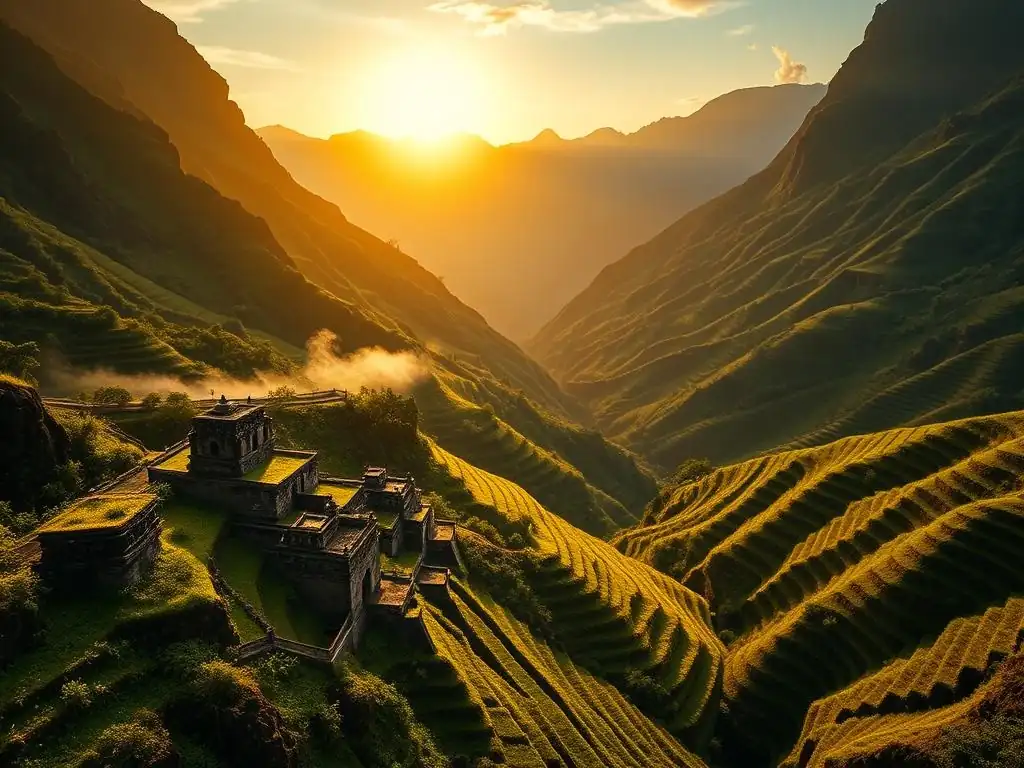
Welcome to Volcano Explorers!
Ever wondered how fiery destruction can give rise to thriving civilizations? Unearth the surprising secret behind the Fertile volcanic soil benefits that have shaped cultures and landscapes for millennia. Prepare to be amazed as we delve into the fascinating connection between volcanic activity and the rich tapestry of human history – a story far more complex and captivating than you might imagine. Intrigued? Let's explore...
- Understanding Volcanic Soil and Its Unique Properties
-
Frequently Asked Questions
- What makes volcanic soil so fertile?
- How does volcanic activity contribute to the development of civilizations?
- What are some key minerals found in volcanic soil that benefit plant growth?
- Are there any drawbacks to farming in volcanic regions?
- How does the texture of volcanic soil contribute to its fertility?
- Final Reflection: The Enduring Legacy of Volcanic Bounty
- Unearth Your Inner Explorer: Connect with Volcanic Lands!
Understanding Volcanic Soil and Its Unique Properties
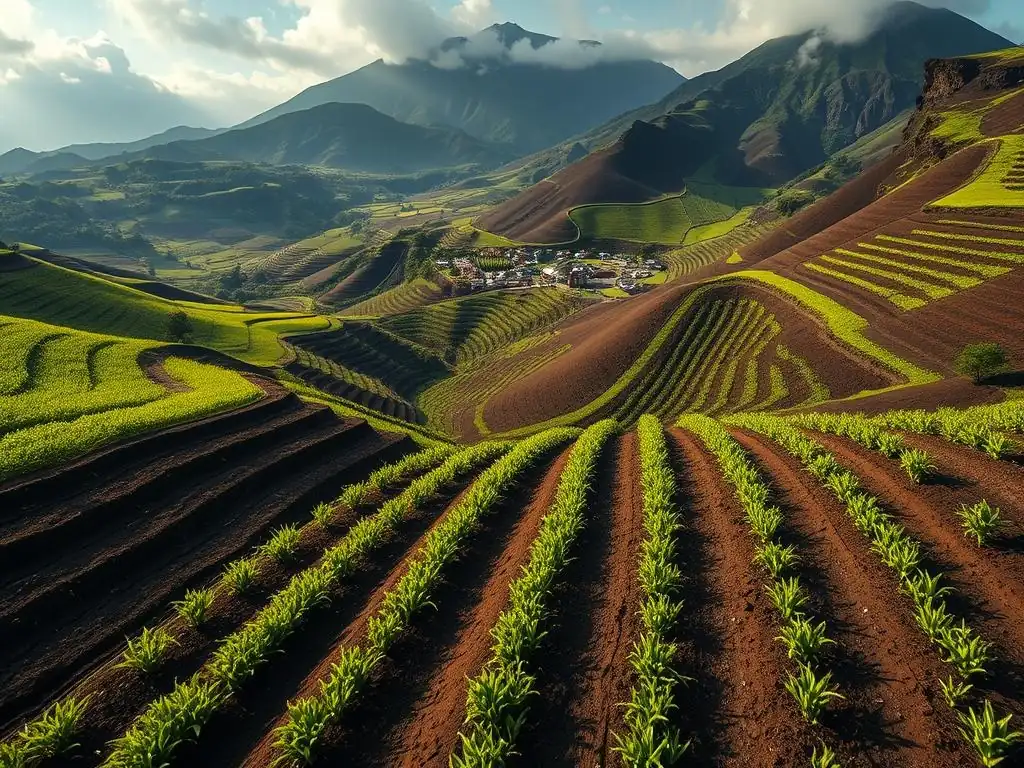
The Chemical Composition of Volcanic Soil: A Nutrient Powerhouse
Volcanic soil, or Andisol, is derived from volcanic ash and lava flows, making its chemical composition distinct and exceptionally rich in nutrients crucial for plant growth. A key component is volcanic glass, which, while initially inert, undergoes weathering processes to release essential elements. These elements include phosphorus, potassium, calcium, magnesium, and micronutrients like iron, copper, zinc, and boron.
Phosphorus, often a limiting nutrient in many soils, is particularly abundant in volcanic ash. Studies on volcanic soils in regions like the Pacific Northwest of the United States and Japan have shown significantly higher concentrations of phosphorus compared to non-volcanic soils. This natural abundance of phosphorus is a major contributor to the inherent fertility of volcanic lands.
Furthermore, volcanic materials are often rich in base cations such as calcium, magnesium, potassium, and sodium. These cations are essential for plant nutrition and also play a vital role in maintaining soil pH. The presence of these base cations, combined with the relatively rapid weathering of volcanic minerals, leads to a continuous replenishment of nutrients in the soil profile.
In contrast to soils derived from granite or sandstone, which can be depleted of nutrients over time, volcanic soils possess a rejuvenating quality. For instance, research conducted in volcanic regions of Italy highlighted that the soils consistently demonstrated high levels of potassium and calcium even after decades of agricultural use, showcasing the inherent resilience and nutrient-rich nature of volcanic soil.
The Role of Weathering in Releasing Nutrients from Volcanic Ash
The extraordinary fertility of volcanic soil is not solely due to its initial chemical composition but also significantly influenced by the process of weathering. Weathering, both physical and chemical, breaks down the volcanic rock and ash particles into smaller components, increasing the surface area available for nutrient release. Physical weathering, driven by temperature fluctuations, frost action, and the abrasive forces of wind and water, fractures the larger volcanic fragments, creating pathways for water and air to penetrate. This fragmentation accelerates the chemical weathering processes that are responsible for liberating nutrients.
Chemical weathering is the primary mechanism by which the nutrients locked within volcanic minerals become accessible to plants. Processes such as hydrolysis, where water reacts with minerals, and dissolution, where minerals dissolve, release ions like calcium, potassium, and phosphorus into the soil solution.
The slightly acidic nature of rainwater, often enhanced by volcanic gases like sulfur dioxide reacting to form sulfuric acid rain in volcanic regions, further accelerates these chemical reactions. A study on the weathering rates of volcanic ash in Costa Rica showed that within just a few years after deposition, significant amounts of phosphorus and other essential nutrients were released and became available for plant uptake, demonstrating the relatively rapid nutrient cycling in volcanic soils compared to soils derived from other parent materials.
Why Volcanic Soil is So Fertile: Ideal Conditions for Plant Growth
The combination of nutrient richness and favorable physical properties makes volcanic soil exceptionally fertile, creating ideal conditions for plant growth. Beyond the abundant supply of essential nutrients like phosphorus, potassium, and micronutrients, volcanic soils often exhibit excellent drainage and water-holding capacity. The porous nature of volcanic ash allows for good aeration, preventing waterlogging and ensuring roots receive sufficient oxygen. Simultaneously, the fine particles of weathered ash can retain water effectively, providing plants with a consistent moisture supply, even during drier periods.
Furthermore, volcanic soils often have a desirable texture, being relatively loose and easy to cultivate. This ease of tillage is a significant advantage for agriculture, reducing the energy and effort required for planting and harvesting.
The dark color of many volcanic soils also contributes to their fertility by enhancing solar radiation absorption, warming the soil more quickly in spring and promoting faster plant growth. In regions like the slopes of Mount Etna in Sicily, the combination of well-drained, nutrient-rich volcanic soil, coupled with ample sunshine, allows for the cultivation of high-value crops like citrus fruits and vineyards, illustrating the remarkable potential of volcanic soil to support productive and diverse agricultural systems.
Frequently Asked Questions
What makes volcanic soil so fertile?
Volcanic soil is exceptionally fertile because of its rich mineral content, including phosphorus, potassium, and various trace elements. These minerals are released during volcanic eruptions and subsequent weathering processes.
How does volcanic activity contribute to the development of civilizations?
The fertile volcanic soil supports abundant agriculture, which in turn allows for larger populations and the development of settled communities. This agricultural surplus can then fuel cultural and societal advancements.
What are some key minerals found in volcanic soil that benefit plant growth?
Volcanic soil is packed with essential minerals like phosphorus and potassium, crucial for plant health and development. These minerals help plants grow strong roots, produce abundant fruits, and resist diseases.
Are there any drawbacks to farming in volcanic regions?
Yes, farming near active volcanoes can be risky due to the potential for eruptions and ashfall. Ashfall can damage crops and contaminate water sources, requiring careful management and preparedness.
How does the texture of volcanic soil contribute to its fertility?
Volcanic soil often has a porous texture, allowing for excellent drainage and aeration. This improved drainage prevents waterlogging and promotes healthy root growth, further contributing to fertility.
Final Reflection: The Enduring Legacy of Volcanic Bounty
The exploration of fertile volcanic soil benefits culminates in a profound understanding: the earth's fiery heart has, paradoxically, nourished the roots of human civilization. From ancient agricultural practices to the vibrant cultures they sustained, the legacy of volcanic landscapes continues to shape our world, reminding us of the powerful interplay between geological forces and human ingenuity.
The impact of this connection resonates deeply, influencing not only our agricultural practices but also our cultural narratives. Understanding the symbiotic relationship between volcanic soil and human development allows us to appreciate the fragility and resilience of our ecosystems. To forget how to dig the earth and to tend the soil is to forget ourselves.
- Mahatma Gandhi. This quote encapsulates the profound connection between humanity and the land, a connection made all the more potent by the unique fertility of volcanic regions.
As we reflect on the lessons unearthed in this exploration, let us consider our own relationship with the natural world. How can we, like the civilizations that came before us, harness the earth's resources sustainably and responsibly? Let the knowledge of fertile volcanic soil benefits inspire you to cultivate a deeper appreciation for the land, and to contribute to a future where both humanity and the environment can thrive.
Unearth Your Inner Explorer: Connect with Volcanic Lands!
Thanks for exploring the fascinating connection between volcanic soil and the rise of civilizations. We hope you've gained a new appreciation for the powerful forces shaping our world and its history. Now, let's put that knowledge to use!
Here's how you can further explore the magic of volcanic lands:
- Plan a trip to a volcanic region! Experiencing these landscapes firsthand offers unparalleled insight into their impact. Consider visiting national parks like Crater Lake or exploring Italy's volcanic vineyards.
- Share this article with friends and family who appreciate history, geography, or adventure travel. Spark their curiosity about the hidden wonders of volcanic soil!
- Consider supporting local initiatives focused on sustainable agriculture in volcanic regions.
What's one thing you learned that will change how you view your next travel destination? Share your thoughts in the comments below!