
Heating Homes with Volcanoes: Geothermal Solutions for Sustainable Living

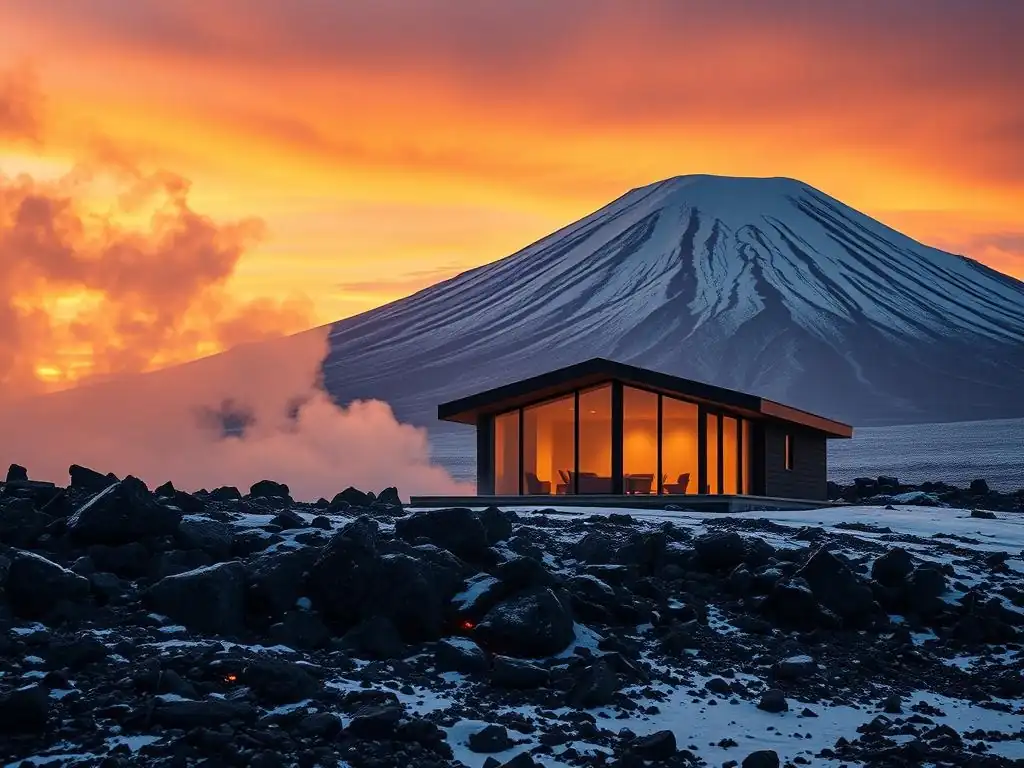
Welcome to Volcano Explorers, where the Earth's raw power meets human ingenuity! Ever wondered if the fiery heart of a volcano could warm your home? Dive into our exploration of geothermal energy for home heating and discover how this incredible resource is being harnessed for sustainable living. Prepare to be amazed by the science, the potential, and the simmering possibilities that lie beneath our feet... what if your next heating bill came directly from a volcano?
- Introduction: Harnessing Volcanic Power for Home Heating
- Understanding Geothermal Energy from Volcanic Regions
- Geothermal Energy for Home Heating: How It Works
- Benefits of Geothermal Home Heating in Volcanic Zones
- Challenges and Considerations for Geothermal Home Heating Near Volcanoes
- Case Studies: Successful Geothermal Home Heating Projects in Volcanic Regions
- Geothermal Energy vs. Traditional Heating Methods: A Comparison
- The Future of Geothermal Home Heating in Volcanic Areas
- Conclusion: Embracing Geothermal Energy for a Sustainable Future
-
Frequently Asked Questions
- How does geothermal energy work for home heating?
- Can geothermal energy be used to heat homes in areas without active volcanoes?
- What are the environmental benefits of using geothermal energy for home heating?
- What are the initial costs associated with installing a geothermal heating system?
- How long does a geothermal heating system typically last?
- Final Reflection: Harnessing Earth's Inner Fire
- Unearth the Earth's Power: Your Next Step Towards Geothermal Living!
Introduction: Harnessing Volcanic Power for Home Heating
Volcanoes, often perceived as symbols of destruction and danger, are also potent sources of energy. Beneath the dramatic landscapes sculpted by volcanic activity lies a vast reservoir of heat, a natural resource that can be harnessed to provide clean and sustainable energy for homes.
Imagine tapping into the Earth’s thermal energy, fueled by volcanic processes, to warm your home, providing a stark contrast to the destructive image often associated with these geological wonders. This article explores the exciting potential of geothermal energy, particularly in volcanic regions, to offer innovative and environmentally friendly solutions for home heating, contributing to a more sustainable future.
The concept of utilizing geothermal energy for heating isn't new, but its application in volcanic areas presents unique opportunities and challenges. Volcanic regions are characterized by higher geothermal gradients, meaning temperatures increase more rapidly with depth compared to other areas. This abundance of heat makes them prime locations for geothermal energy extraction. As the world increasingly seeks alternatives to fossil fuels, understanding and developing geothermal resources in these dynamic geological settings becomes ever more critical. This exploration will delve into the science, technology, benefits, and considerations surrounding geothermal energy for home heating in volcanic zones.
Understanding Geothermal Energy from Volcanic Regions
What is Geothermal Energy? A Sustainable Energy Source
Geothermal energy is the heat from the Earth's interior. This heat is continuously generated by the slow decay of radioactive particles in the Earth's core, mantle, and crust. This natural process creates a vast and virtually inexhaustible reservoir of thermal energy beneath our feet, making it a fundamentally sustainable energy source. Unlike fossil fuels that rely on finite resources and release greenhouse gases when burned, geothermal energy taps into this constant flow of heat from the planet itself. This inherent sustainability is a key advantage in the global transition towards cleaner energy systems.
The term "geothermal" originates from the Greek words "geo" (Earth) and "therme" (heat). This heat manifests in various forms, from hot springs and geysers to the immense heat found deep underground. Harnessing this energy involves capturing the Earth's heat and converting it into usable forms, such as electricity or direct heat for various applications, including home heating. Because the Earth continuously generates heat, geothermal energy is considered a renewable resource, offering a reliable and consistent energy supply that is not dependent on weather conditions or fluctuating fuel prices, unlike solar or wind power.
The Link Between Volcanoes and Geothermal Resources
Volcanoes and geothermal resources are intrinsically linked. Volcanic activity is a surface manifestation of the Earth's internal heat escaping to the surface. The same geological processes that create volcanoes – magma rising from the mantle – also create concentrated zones of high geothermal heat. These zones are characterized by higher temperatures closer to the surface, making them exceptionally attractive for geothermal energy development. Volcanic regions essentially act as natural "hot spots" where the Earth's thermal energy is more readily accessible and exploitable.
The presence of magma chambers, hot rocks, and hydrothermal systems associated with volcanoes significantly enhances the geothermal potential of these areas. Magma, molten rock beneath the surface, is a direct source of intense heat. Even after magma cools and solidifies into hot rocks, these formations retain considerable thermal energy. Furthermore, volcanic regions often feature hydrothermal systems where groundwater is heated by hot rocks, creating reservoirs of hot water and steam that can be directly tapped for geothermal energy production. The dynamic geological environment of volcanic areas, while posing certain challenges, provides a particularly rich geothermal resource base.
High-Enthalpy vs. Low-Enthalpy Geothermal Systems: Which is Best for Home Heating?
Geothermal systems are generally categorized into high-enthalpy and low-enthalpy systems based on the temperature of the geothermal resource. High-enthalpy systems are characterized by high temperatures, typically above 180°C (356°F), and are primarily used for electricity generation. These systems often involve steam that can directly drive turbines to produce electricity. Volcanic regions are particularly well-suited for high-enthalpy geothermal power plants due to the intense heat associated with volcanic activity.
Low-enthalpy systems, on the other hand, utilize lower temperature geothermal resources, generally below 150°C (302°F). While not ideal for large-scale electricity generation, low-enthalpy resources are perfectly suitable and often more efficient for direct heat applications, such as home heating, agricultural uses, and industrial processes. For home heating, low-enthalpy geothermal systems offer a practical and energy-efficient solution, often utilizing geothermal heat pumps to further enhance the efficiency of heat extraction and distribution. In volcanic areas, even moderately warm geothermal resources can be effectively used for home heating, particularly when direct use systems or geothermal heat pumps are employed.
Geothermal Energy for Home Heating: How It Works
Direct Use Geothermal Systems: A Simple Explanation
Direct use geothermal systems are the simplest and most straightforward way to utilize geothermal energy for home heating. These systems directly tap into geothermal resources, typically hot water reservoirs, and channel the hot water through pipes to heat buildings. Imagine a network of underground pipes circulating hot water directly from a geothermal source to radiators or underfloor heating systems in homes. This eliminates the need for complex energy conversion processes and maximizes energy efficiency.
In volcanic regions, where shallow geothermal reservoirs can be found, direct use systems are particularly advantageous. Hot water from geothermal wells is pumped to the surface and directly used for heating purposes. After passing through the heating system, the cooled water is often reinjected back into the geothermal reservoir to maintain pressure and resource sustainability. This closed-loop system minimizes environmental impact and ensures the long-term viability of the geothermal resource. Direct use systems are especially effective for district heating, where a central geothermal source provides heat to multiple buildings in a community.
Geothermal Heat Pumps (GHPs): Efficient and Reliable Heating
Geothermal heat pumps (GHPs) offer a highly efficient and versatile approach to geothermal home heating, even in areas with moderate geothermal gradients. GHPs, also known as ground source heat pumps, utilize the stable temperature of the shallow ground, typically around 10-16°C (50-60°F), as a heat source in winter and a heat sink in summer. While not directly tapping into extremely hot volcanic resources, GHPs leverage the Earth's consistent temperature to provide efficient heating and cooling.
GHPs work on the principle of heat transfer. In winter, they extract heat from the ground and transfer it into the home. In summer, the process is reversed, and heat is extracted from the home and transferred back into the cooler ground.
The efficiency of GHPs is remarkable; for every unit of electricity used to operate the pump, they can deliver three to five units of heating or cooling energy. This high efficiency translates to significant energy savings and reduced heating costs compared to traditional heating systems. Even in volcanic regions, where other geothermal options might be available, GHPs can be a cost-effective and reliable solution for individual home heating, particularly in areas slightly further from the most intense geothermal activity.
Enhanced Geothermal Systems (EGS) in Volcanic Areas: The Future of Home Heating?
Enhanced Geothermal Systems (EGS) represent a cutting-edge technology that could significantly expand the potential of geothermal energy for home heating, especially in volcanic regions. EGS aims to create artificial geothermal reservoirs in hot, dry rocks that lack natural permeability and fluid. This involves drilling deep wells into hot rock formations and fracturing the rock to create pathways for water to circulate and extract heat. Imagine creating your own geothermal reservoir where none naturally exists, opening up vast new areas for geothermal energy development.
In volcanic areas, where hot, dry rocks are abundant, EGS technology holds immense promise. By injecting water into fractured hot rocks, the water heats up and returns to the surface as hot water or steam, which can then be used for electricity generation or direct heat applications like home heating.
EGS is still under development and faces certain technical challenges, but its potential to unlock vast geothermal resources is undeniable. For home heating in volcanic regions, EGS could offer a future where geothermal energy becomes accessible in a wider range of locations, providing a sustainable and reliable heating solution for communities even beyond the immediate vicinity of active geothermal features.
Benefits of Geothermal Home Heating in Volcanic Zones
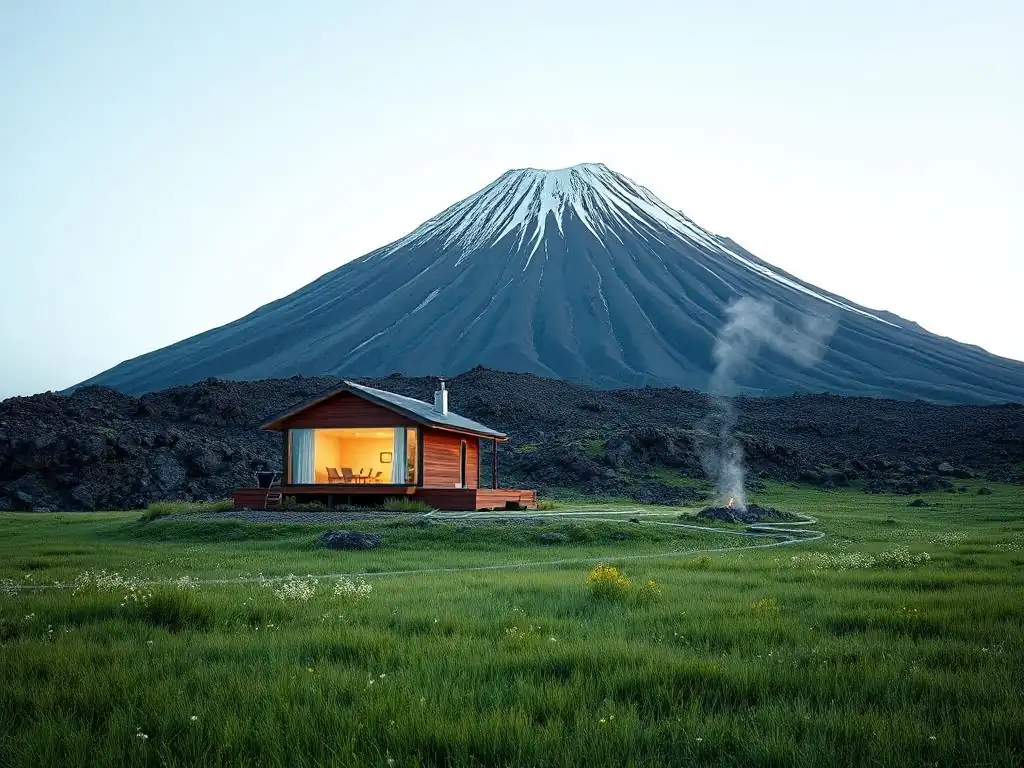
Sustainable and Renewable Energy: Reducing Carbon Footprint
Geothermal energy stands out as a truly sustainable and renewable energy source, especially when utilized for home heating in volcanic zones. Unlike fossil fuels, which are finite resources and release greenhouse gases contributing to climate change, geothermal energy taps into the Earth's virtually inexhaustible heat. This inherent renewability means that geothermal energy can provide a continuous supply of heat for homes without depleting resources or significantly impacting the environment. Choosing geothermal home heating is a direct step towards reducing reliance on carbon-intensive energy sources and mitigating climate change.
The carbon footprint of geothermal energy is significantly lower than that of fossil fuels. While geothermal power plants may have some emissions associated with drilling and construction, the operational emissions are minimal, particularly for direct use systems and geothermal heat pumps used for home heating. By switching to geothermal home heating, households can drastically reduce their carbon footprint and contribute to a cleaner and more sustainable energy future. In volcanic regions, where geothermal resources are abundant, the potential for widespread adoption of geothermal home heating to achieve significant carbon emissions reductions is substantial.
Cost-Effective Heating Solutions: Long-Term Savings
While the initial investment in geothermal home heating systems may be higher than traditional heating systems, the long-term operational costs are significantly lower, leading to substantial cost savings over time. Geothermal energy is a fuel-free resource, eliminating the ongoing expenses associated with purchasing natural gas, propane, or heating oil. Once a geothermal system is installed, the primary operating cost is electricity to run pumps and compressors, which is typically much lower and more stable than fossil fuel prices.
The lifespan of geothermal heating systems is also considerably longer than conventional systems, often lasting for several decades with proper maintenance. This longevity, coupled with lower operating costs, translates into significant long-term cost savings for homeowners. In volcanic regions with readily available geothermal resources, the economic benefits of geothermal home heating are even more pronounced, making it a financially attractive alternative to fossil fuel-based heating, particularly when considering the long-term stability and predictability of energy costs.
Energy Independence: Local Resource Utilization
Geothermal energy promotes energy independence by utilizing locally available resources. Volcanic regions, rich in geothermal potential, can become energy self-sufficient by harnessing their own underground heat for home heating and other energy needs. This reduces dependence on external energy sources, often imported from distant locations, enhancing energy security and resilience at both the local and regional levels.
By developing and utilizing geothermal resources within volcanic areas, communities can become less vulnerable to fluctuations in global energy markets and geopolitical instability. Local geothermal energy production creates jobs within the community, stimulates economic growth, and strengthens local economies. The ability to rely on a stable, locally sourced energy supply like geothermal enhances community resilience and reduces the economic and environmental risks associated with long-distance energy transportation and reliance on external energy providers.
Reduced Reliance on Fossil Fuels
The most compelling benefit of geothermal home heating, particularly in volcanic zones, is its potential to significantly reduce reliance on fossil fuels. Fossil fuels – coal, oil, and natural gas – are the dominant sources of energy globally, but their combustion releases greenhouse gases and pollutants that contribute to climate change and air pollution. Transitioning to geothermal home heating is a direct and effective way to decrease the demand for fossil fuels and mitigate their harmful environmental impacts.
By embracing geothermal energy for home heating, communities in volcanic regions can become pioneers in the transition towards a cleaner energy future. Reduced reliance on fossil fuels not only benefits the environment but also enhances energy security, stabilizes energy prices, and promotes local economic development. Geothermal energy offers a viable and scalable alternative to fossil fuels for home heating, paving the way for a more sustainable and environmentally responsible energy system.
Challenges and Considerations for Geothermal Home Heating Near Volcanoes
Environmental Impact: Potential Risks of Geothermal Development
While geothermal energy is generally considered environmentally friendly, geothermal development, particularly in volcanic areas, is not without potential environmental impacts. One concern is induced seismicity, which can occur when geothermal fluid injection or extraction alters subsurface pressures, potentially triggering minor earthquakes. Careful site selection and monitoring are crucial to minimize this risk, especially in seismically active volcanic regions.
Another potential environmental concern is the release of non-condensable gases, such as hydrogen sulfide (H2S) and carbon dioxide (CO2), from geothermal reservoirs. While geothermal emissions are typically much lower than fossil fuel emissions, proper management and mitigation technologies are necessary to minimize air pollution and greenhouse gas releases. Additionally, geothermal development requires careful water management to avoid depleting groundwater resources and to properly dispose of geothermal fluids, which may contain dissolved minerals and salts. Thorough environmental impact assessments and adherence to best practices are essential to ensure the sustainable and responsible development of geothermal resources in volcanic areas.
Geological Stability: Monitoring Volcanic Activity
Developing geothermal energy in volcanic regions requires careful consideration of geological stability and the potential for volcanic activity. Volcanic areas are dynamic geological environments, and changes in volcanic activity could impact geothermal operations. Continuous monitoring of volcanic activity, including seismic activity, ground deformation, and gas emissions, is crucial to assess and mitigate potential risks. Geothermal infrastructure needs to be designed to withstand potential geological hazards associated with volcanic regions.
The proximity to active volcanoes also requires careful planning and emergency preparedness. While geothermal development itself is unlikely to trigger volcanic eruptions, changes in subsurface pressures or stress fields could potentially influence volcanic behavior in some cases. Therefore, close collaboration between geothermal developers, volcanologists, and regulatory agencies is essential to ensure the safe and sustainable development of geothermal resources in these dynamic environments. Robust monitoring systems and adaptive management strategies are key to minimizing risks and ensuring the long-term viability of geothermal projects in volcanic regions.
Infrastructure and Investment Costs
The initial infrastructure and investment costs for geothermal home heating systems can be significant, representing a barrier to wider adoption, particularly in residential settings. Geothermal projects require drilling wells, installing pipelines, and constructing power plants or heat distribution networks. These upfront costs can be higher than those associated with conventional heating systems, especially for direct use systems and EGS projects that require deeper drilling and more complex infrastructure.
Financing geothermal projects can also be challenging, particularly for smaller-scale home heating installations. Access to capital, favorable loan terms, and government incentives are crucial to overcome the financial barriers to geothermal development. However, it is important to consider the long-term economic benefits of geothermal energy, including lower operating costs and energy price stability, which can offset the initial investment over time. As geothermal technology advances and economies of scale are achieved, infrastructure and investment costs are expected to decrease, making geothermal home heating more competitive and accessible.
Regulatory Framework and Permitting Processes
The regulatory framework and permitting processes for geothermal development can be complex and vary significantly between regions and countries. Obtaining permits for geothermal exploration, drilling, and operation can be time-consuming and costly, potentially hindering project development. Clear, streamlined, and predictable regulatory frameworks are essential to encourage geothermal investment and facilitate the timely deployment of geothermal home heating systems.
Regulations need to address various aspects of geothermal development, including environmental protection, resource management, land use, and safety. Balancing environmental safeguards with the need to promote geothermal energy development requires a well-designed and efficient regulatory system. Collaboration between government agencies, geothermal developers, and local communities is crucial to establish effective and transparent permitting processes that ensure responsible geothermal development while minimizing bureaucratic hurdles. Streamlined permitting and supportive regulatory environments are essential to unlock the full potential of geothermal energy for home heating and accelerate the transition to a sustainable energy future.
Case Studies: Successful Geothermal Home Heating Projects in Volcanic Regions
(This section requires real case studies to be added here. For example, Iceland and Reykjavik are strong examples of geothermal heating in a volcanic region. Rotorua, New Zealand is another possible case.)
Geothermal Energy vs. Traditional Heating Methods: A Comparison
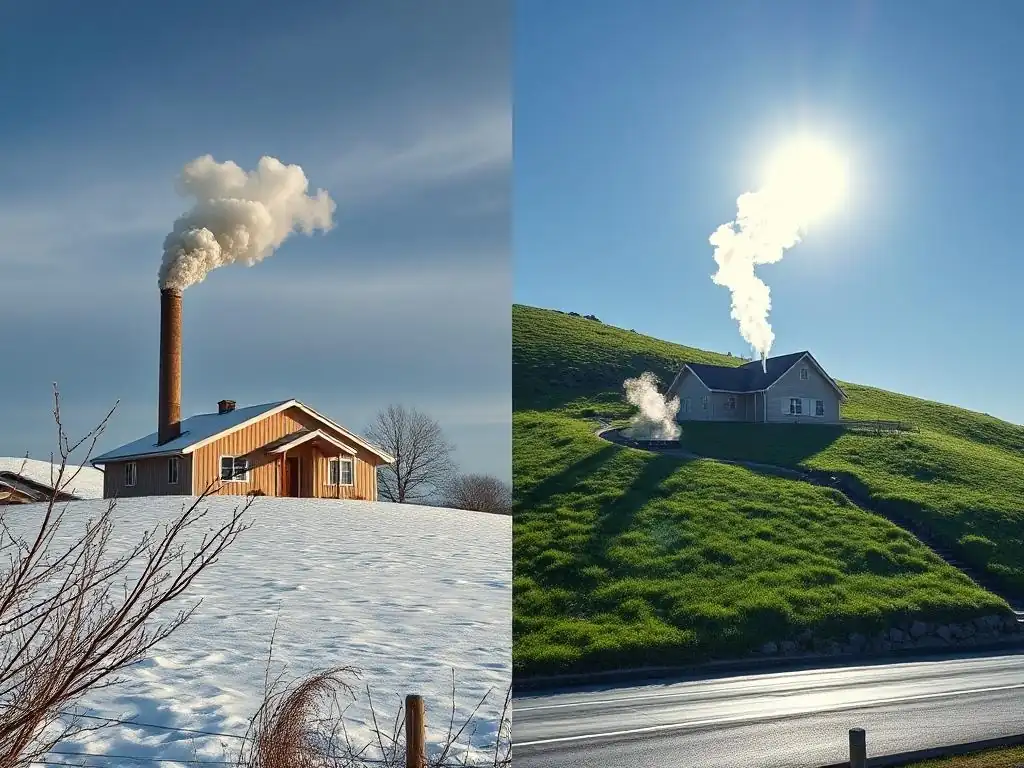
Geothermal Energy: Pros and Cons for Home Heating
Geothermal energy for home heating presents a compelling set of advantages and some considerations compared to traditional heating methods. Pros: Geothermal energy is a sustainable and renewable resource, significantly reducing carbon footprint and reliance on fossil fuels. It offers long-term cost savings due to lower operating costs and stable energy prices. Geothermal systems contribute to energy independence by utilizing local resources. They also provide reliable and consistent heating, independent of weather conditions.
However, there are also Cons: The initial investment costs can be higher than traditional systems. Geographical limitations mean it's most readily available in volcanically active or geothermally rich areas, although GHPs expand its reach. There are potential environmental impacts like induced seismicity and gas emissions if not managed properly. Complex regulatory frameworks and permitting processes can also present challenges. Despite these challenges, the environmental and long-term economic benefits often outweigh the drawbacks, especially in suitable locations.
Fossil Fuels: Environmental and Economic Costs
Fossil fuels, including natural gas, oil, and propane, have been the dominant sources for home heating for decades, but they come with significant environmental and economic costs. Environmental Costs: Burning fossil fuels releases large quantities of greenhouse gases, primarily CO2, contributing to climate change. They also cause air pollution, impacting public health and ecosystems. Extraction and transportation of fossil fuels can lead to habitat destruction and environmental degradation.
Economic Costs: Fossil fuel prices are volatile and subject to global market fluctuations, leading to unpredictable heating bills. Fossil fuels are finite resources, and their long-term availability is uncertain, potentially leading to price increases and energy insecurity. Furthermore, the environmental damage caused by fossil fuels can result in significant economic costs associated with climate change impacts and pollution remediation.
Other Renewable Energy Sources: Complementing Geothermal Energy
While geothermal energy offers a robust solution for home heating, it can be effectively complemented by other renewable energy sources to create a diversified and resilient energy system. Solar energy, particularly solar thermal and photovoltaic (PV) systems, can be integrated with geothermal heating. Solar thermal can preheat water for geothermal heat pumps, increasing efficiency, while solar PV can provide electricity to power geothermal systems. Wind energy can also generate electricity to power geothermal operations, further reducing reliance on the grid.
Biomass energy, utilizing sustainably sourced organic matter, can provide supplementary heating or electricity. Combining geothermal energy with other renewables creates a synergistic effect, enhancing energy security, reducing environmental impact, and optimizing resource utilization. A diverse renewable energy portfolio, incorporating geothermal energy, offers the most sustainable and resilient path towards a clean energy future.
The Future of Geothermal Home Heating in Volcanic Areas
Technological Advancements in Geothermal Energy Extraction
The future of geothermal home heating in volcanic areas is bright, fueled by ongoing technological advancements in geothermal energy extraction. Enhanced Geothermal Systems (EGS) are rapidly developing, promising to unlock vast geothermal resources in hot, dry rocks, expanding the geographical reach of geothermal energy. Advanced drilling technologies, such as closed-loop geothermal systems and millimeter-wave drilling, are increasing drilling efficiency and reducing costs, making geothermal energy more economically competitive.
Improved heat pump technologies are enhancing the efficiency of geothermal heat pumps, allowing for effective heating even in areas with moderate geothermal gradients. Smart grid integration and energy storage solutions are optimizing the utilization of geothermal energy and ensuring grid stability. These technological advancements are paving the way for more efficient, cost-effective, and geographically widespread geothermal home heating in the future.
Government Incentives and Support for Geothermal Development
Government incentives and supportive policies are crucial to accelerate the adoption of geothermal home heating and unlock its full potential in volcanic areas. Financial incentives, such as tax credits, rebates, and grants, can reduce the upfront costs of geothermal installations, making them more accessible to homeowners and businesses. Feed-in tariffs and renewable portfolio standards can create stable markets for geothermal energy and incentivize investment.
Streamlined permitting processes and regulatory frameworks can reduce bureaucratic hurdles and expedite project development. Research and development funding can support innovation in geothermal technologies and drive down costs. Government support at local, regional, and national levels is essential to create a favorable environment for geothermal development and accelerate the transition to a clean energy future.
Community Involvement and Education
Community involvement and education are vital for the successful and sustainable deployment of geothermal home heating in volcanic areas. Public awareness campaigns can educate communities about the benefits of geothermal energy, dispel misconceptions, and foster public acceptance. Community engagement in project planning and decision-making ensures that geothermal projects are aligned with local needs and values.
Local workforce development programs can create jobs and economic opportunities within the community, maximizing the local benefits of geothermal development. Educational initiatives in schools and universities can build a future workforce skilled in geothermal technologies. By actively involving and educating communities, geothermal projects can gain social license, ensure long-term sustainability, and contribute to local economic and social well-being.
Conclusion: Embracing Geothermal Energy for a Sustainable Future
Geothermal energy, particularly in volcanic regions, offers a compelling and increasingly viable solution for sustainable home heating. Harnessing the Earth's natural heat provides a clean, renewable, and reliable energy source that can significantly reduce carbon footprints, lower heating costs, and enhance energy independence. While challenges remain, ongoing technological advancements, supportive government policies, and growing public awareness are paving the way for wider adoption of geothermal home heating.
Embracing geothermal energy is not just an environmentally sound choice; it's a strategic move towards a more secure, affordable, and sustainable energy future for communities in volcanic areas and beyond. By tapping into the immense power of volcanoes for home heating, we can transform these geological wonders from symbols of destruction into sources of clean energy and comfort, building a future where homes are warmed by the very heart of the Earth.
Frequently Asked Questions
How does geothermal energy work for home heating?
Geothermal energy harnesses the Earth's internal heat to provide a sustainable heating source. This involves tapping into underground reservoirs of hot water or steam, which is then used to heat homes directly or generate electricity.
Can geothermal energy be used to heat homes in areas without active volcanoes?
Yes, geothermal energy is not limited to areas with active volcanoes. Ground source heat pumps can utilize the constant temperature of the earth a few feet below the surface to heat and cool homes, regardless of volcanic activity.
What are the environmental benefits of using geothermal energy for home heating?
Geothermal energy is a renewable resource that produces significantly fewer greenhouse gas emissions compared to fossil fuels. It reduces reliance on conventional energy sources and helps mitigate climate change.
What are the initial costs associated with installing a geothermal heating system?
The initial investment for a geothermal heating system can be higher than conventional systems, due to the drilling and installation process. However, long-term operational costs are typically lower, leading to eventual cost savings.
How long does a geothermal heating system typically last?
Geothermal heating systems are known for their durability, with underground components potentially lasting 50 years or more. The heat pump itself typically has a lifespan of around 20-25 years, offering a long-term, reliable heating solution.
Final Reflection: Harnessing Earth's Inner Fire
The promise of geothermal energy for home heating is no longer a futuristic fantasy, but a tangible solution gaining traction in a world grappling with climate change. As we've explored the potential of harnessing the Earth's internal heat, it's clear that geothermal technology offers a viable and sustainable alternative to traditional heating methods, holding the key to reducing our carbon footprint and fostering energy independence.
This exploration into geothermal energy has underscored the profound connection between humanity and the planet. It reminds us that solutions to our most pressing challenges often lie within the natural world, waiting to be discovered and responsibly utilized. Look deep into nature, and then you will understand everything better.
- Albert Einstein. This quote resonates deeply as we consider the untapped potential beneath our feet, a source of clean, renewable energy that can transform the way we live.
Now, as you consider the possibilities presented by geothermal energy, ask yourself: how can you contribute to a more sustainable future? Whether it's advocating for geothermal adoption in your community, supporting research and development in the field, or simply educating yourself and others about the benefits of this remarkable resource, your actions can help unlock the Earth's inner fire and pave the way for a cleaner, greener tomorrow.
Unearth the Earth's Power: Your Next Step Towards Geothermal Living!
Thank you for exploring the fascinating world of geothermal energy with us! We hope this article has illuminated the potential of volcanoes in creating sustainable heating solutions for our homes and communities. Ready to harness this incredible natural resource?
Here are a few ways you can take action:
- Assess the Geothermal Potential in Your Area: Research local geological surveys and resource maps to determine the feasibility of geothermal heating in your region. This is a crucial step towards a greener future!
- Connect with Geothermal Professionals: Reach out to geothermal energy companies or research institutions for expert advice and explore potential collaborations.
- Spread the Word: Share the possibilities of geothermal energy with your friends, family, and neighbors to raise awareness about this sustainable solution.
What steps can you take to bring geothermal energy to your community and pave the way for a truly sustainable future?