
The Geometry of Geology: Discovering Volcanic Shapes in Fashion Silhouettes

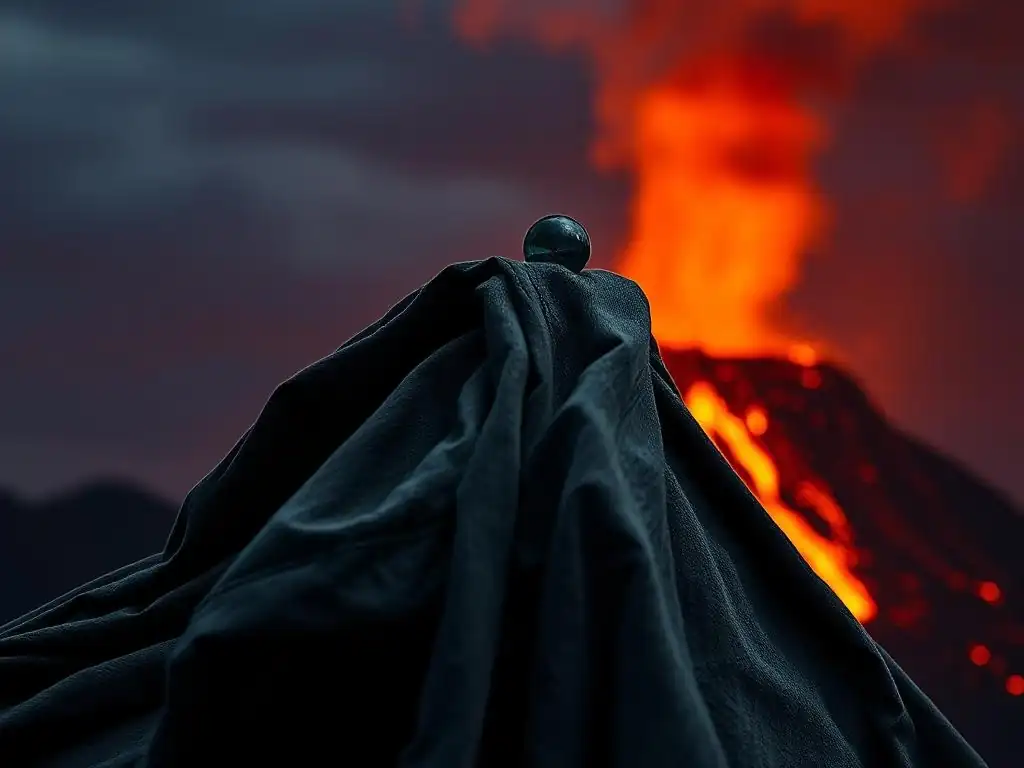
Welcome to Volcano Explorers, where fiery science meets breathtaking art! Ever wondered how the raw power of a volcano can inspire... fashion? Prepare to be amazed as we uncover the fascinating world of volcanic shapes in fashion, exploring how the dramatic silhouettes formed by eruptions and lava flows are shaping the runway. Intrigued? The connection is more profound than you think... Dive in and discover the explosive creativity!
- Volcanoes in Fashion: An Unexpected Inspiration
- Unveiling Volcanic Shapes in Fashion: Key Elements
- Designers Inspired by Volcanic Architecture
- The Influence of Volcanic Materials on Fashion
- Volcanic Shapes in Fashion: From Runway to Everyday Wear
- The Enduring Appeal of Volcanic Imagery in Fashion
-
Frequently Asked Questions
- How does the shape of a shield volcano influence fashion design?
- What features of a stratovolcano are reflected in clothing designs?
- Can caldera formations inspire fashion trends?
- How do volcanic rock formations translate into textile designs?
- Why is understanding volcanic shapes important for fashion designers?
- Final Reflection: Embracing the Earth's Fiery Forms
- Unleash Your Inner Style Geologist!
Volcanoes in Fashion: An Unexpected Inspiration
Exploring the Intersection of Volcanic Landscapes and Fashion Design
The stark and dramatic beauty of volcanic landscapes, with their imposing forms and powerful energy, might seem worlds away from the delicate world of fashion. However, a closer look reveals a surprising and compelling intersection between these two seemingly disparate realms. Fashion, at its core, is about form, texture, and movement – elements that are strikingly present in the geological artistry of volcanoes.
Designers, consciously or subconsciously, have long drawn inspiration from the natural world, and volcanoes, with their inherent drama and visual richness, offer a particularly potent source of creative fuel. From the sharp, angular lines of volcanic peaks to the fluid, undulating patterns of lava flows, the vocabulary of volcanic shapes provides a unique and compelling aesthetic for fashion.
This exploration of volcanic forms in fashion design delves into how the raw power and sculpted elegance of volcanoes translate into clothing silhouettes, textures, and even color palettes. We will examine how the geometry of geological formations, specifically volcanic shapes, finds expression in the creative process of fashion designers.
By understanding this connection, we can appreciate a deeper layer of meaning in fashion, recognizing the influence of natural phenomena in shaping our aesthetic preferences and the garments we choose to wear. The aim is to uncover the fascinating dialogue between the earth's powerful artistry and the human expression of style through clothing.
Why Volcanic Forms Resonate with Fashion Aesthetics
The enduring appeal of volcanic forms in fashion stems from several key factors. Firstly, volcanoes embody a sense of raw power and untamed natural beauty, qualities that resonate deeply with the human spirit and can be powerfully translated into clothing. The dramatic silhouettes of volcanoes, from the steep slopes of stratovolcanoes to the wide, sweeping curves of shield volcanoes, offer a dynamic visual language that can be adopted and adapted in fashion design to create striking and memorable looks. This inherent drama translates into garments that command attention and express a sense of boldness.
Secondly, the textures and colors associated with volcanic landscapes provide a rich palette for designers. The rough, craggy surfaces of solidified lava, the smooth, glassy obsidian, and the vibrant hues of volcanic minerals offer a diverse range of tactile and visual experiences.
Fashion designers are adept at translating these textures into fabric manipulations, print designs, and embellishments, creating garments that not only look visually compelling but also offer a unique sensory experience. Furthermore, the color spectrum of volcanic environments, ranging from deep blacks and grays to fiery reds and oranges, provides a dramatic and sophisticated color palette that can be utilized to evoke the power and mystique of volcanoes.
Unveiling Volcanic Shapes in Fashion: Key Elements
Conical Silhouettes: Echoing Stratovolcanoes in Dress Design
The iconic conical shape of a stratovolcano, with its steep, symmetrical slopes rising to a pointed summit, finds a direct echo in classic dress silhouettes. Think of the quintessential A-line dress or the more structured, bell-shaped gowns – these forms directly mirror the upward-sweeping lines of a stratovolcano like Mount Fuji or Mount Rainier.
These silhouettes, characterized by a fitted bodice that flares out dramatically towards the hem, create a sense of height, elegance, and powerful presence, much like the imposing form of a towering volcano. This shape is not merely visually appealing; it also offers a flattering and universally appreciated form in fashion, highlighting the waist and creating a graceful flow.
Designers often utilize this conical silhouette to convey a sense of strength and sophistication. For instance, in the 1950s, Dior's "New Look" with its nipped-in waist and full, flared skirts, embodied this volcanic cone silhouette, revolutionizing post-war fashion and establishing a powerful and feminine aesthetic. More recently, designers have revisited and reinterpreted this classic form, using modern fabrics and construction techniques to create contemporary conical silhouettes that still retain the inherent elegance and dramatic impact of their volcanic inspiration. The enduring popularity of this silhouette underscores the timeless appeal of volcanic geometry in fashion.
Caldera-Inspired Necklines: Creating Dramatic Fashion Statements
Calderas, the large, basin-like depressions formed after a volcanic eruption empties the magma chamber, present a unique and dramatic shape that has inspired innovative neckline designs in fashion. Imagine the wide, open expanse of Crater Lake in Oregon, a caldera filled with stunning blue water.
This expansive, circular form, with its defined rim, translates beautifully into wide, boat necklines or off-the-shoulder designs that frame the face and shoulders in a striking manner. These necklines, reminiscent of the caldera's rim, create a sense of openness and drama, drawing attention to the upper body and adding a touch of architectural flair to garments.
Designers utilize caldera-inspired necklines to create garments that are both elegant and visually arresting. The wide, sweeping lines of these necklines can elongate the neck and broaden the shoulders, creating a powerful and confident silhouette. Furthermore, the dramatic openness of a caldera neckline provides a perfect canvas for showcasing jewelry or intricate detailing around the collarbone and shoulders. Examples can be seen in various haute couture collections, where designers employ elaborate ruffles, pleats, or embellishments around wide necklines to further emphasize the caldera-like shape and create a truly memorable fashion statement.
Lava Flow Drapery: Fluid Fabrics Mimicking Molten Rock
The mesmerizing flow of lava, as it undulates and folds across the landscape, provides a compelling visual and textural inspiration for fabric drapery in fashion. The way molten rock cascades and cools, creating fluid, organic shapes, is directly mirrored in the way fabrics like silk, chiffon, or jersey can be draped and manipulated to create soft, flowing lines and voluminous folds. Designers draw inspiration from the natural movement and texture of lava flows to create garments that possess a sense of dynamism and fluidity, mimicking the captivating motion of molten rock.
This lava flow drapery technique is often employed to create dresses and skirts that move gracefully with the body. The use of lightweight, flowing fabrics allows designers to capture the essence of molten rock in motion, creating garments that are both visually stunning and comfortable to wear.
Think of Grecian-inspired gowns with their cascading folds and fluid silhouettes – these styles often embody the essence of lava flow drapery, creating a sense of effortless elegance and movement. Designers may also incorporate textural elements, such as ruching or pleating, to further mimic the surface variations found in solidified lava flows, adding depth and visual interest to the draped fabric.
Designers Inspired by Volcanic Architecture
Iris van Herpen: Capturing the Power of Eruptions in Clothing
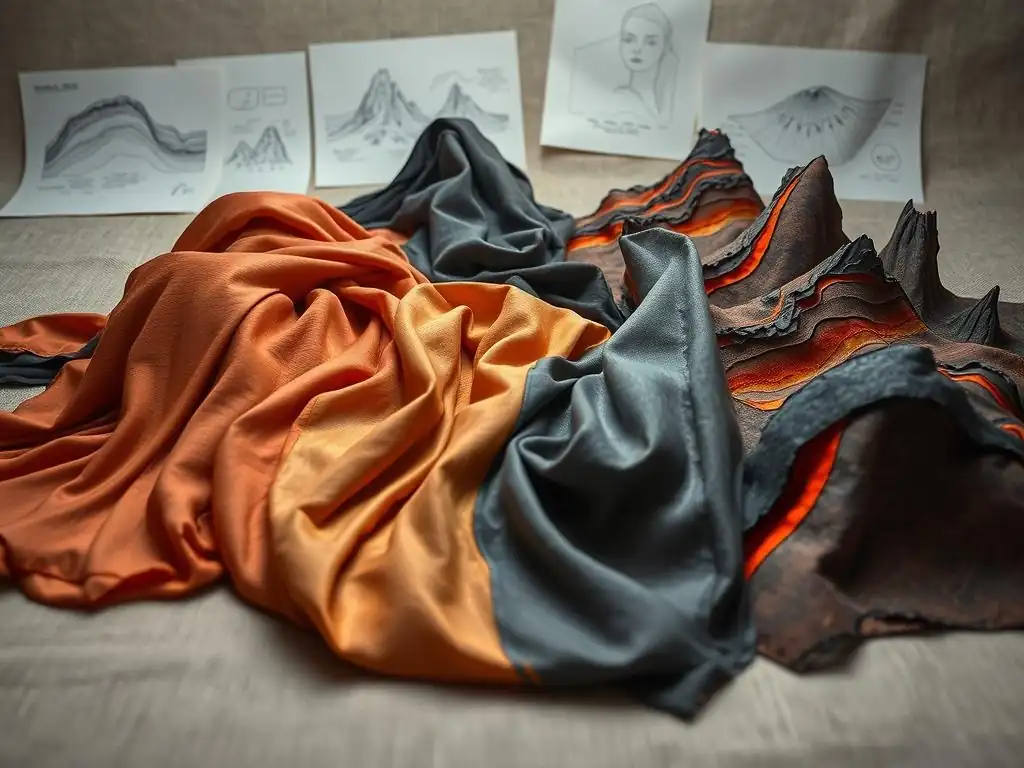
Iris van Herpen, a Dutch fashion designer renowned for her avant-garde and technologically innovative designs, frequently draws inspiration from natural phenomena, including the raw power and dramatic forms of volcanoes. Her collections often feature garments that seem to defy gravity, with sculptural shapes and intricate textures that evoke the dynamic energy of volcanic eruptions. Van Herpen utilizes cutting-edge techniques like 3D printing and laser cutting to create garments that mimic the sharp angles, jagged edges, and layered structures found in volcanic rock formations.
In collections like "Voltage" and "Syntopia," Van Herpen explicitly references volcanic landscapes and eruptive forces. Garments feature sharp, angular protrusions that resemble volcanic rock fragments, while fluid, wave-like forms mimic the movement of lava flows. Her use of materials like translucent acrylic and finely pleated fabrics further enhances the volcanic aesthetic, creating a sense of both fragility and strength, mirroring the duality of volcanic landscapes. Van Herpen's work exemplifies how the abstract power and visual drama of volcanoes can be translated into highly conceptual and visually arresting fashion designs.
Alexander McQueen: Utilizing Volcanic Textures and Colors
Alexander McQueen, the late British designer known for his theatrical and often dark romantic aesthetic, frequently incorporated elements of nature and history into his collections. While not always explicitly stated, a subtle yet powerful influence of volcanic landscapes can be observed in McQueen's use of texture and color. His collections often featured fabrics with heavily textured surfaces, reminiscent of the rough, craggy surfaces of solidified lava or volcanic ash. These textures were often achieved through techniques like intricate embroidery, layering of different materials, and unconventional fabric treatments.
Furthermore, McQueen's color palettes frequently incorporated the dark, dramatic hues associated with volcanic environments. Deep blacks, charcoals, and shades of gray, punctuated by flashes of fiery reds and oranges, were recurring themes in his work. These color combinations, reminiscent of volcanic rock and molten lava, contributed to the overall sense of drama and intensity that characterized McQueen's designs. While not always directly referencing volcanoes, McQueen's masterful use of texture and color often evoked the raw, untamed beauty and underlying power of volcanic landscapes.
Comme des Garçons: Reinterpreting Volcanic Landscapes in Haute Couture
Comme des Garçons, the Japanese fashion house founded by Rei Kawakubo, is known for its avant-garde and conceptual designs that challenge conventional notions of beauty and form. While not always explicitly referencing volcanoes, Comme des Garçons' designs often embody the deconstructed and asymmetrical forms that can be found in volcanic landscapes. Their garments frequently feature unconventional silhouettes, with distorted proportions, layered fabrics, and unexpected volumes that can be interpreted as abstract representations of volcanic terrain.
Collections by Comme des Garçons often explore themes of destruction, transformation, and the beauty of imperfection, themes that resonate with the powerful and transformative nature of volcanic activity. Garments may feature raw edges, unfinished seams, and deliberately uneven hemlines, mirroring the rugged and untamed nature of volcanic landscapes. The use of dark, muted colors and textured fabrics further reinforces this connection, creating garments that are both challenging and intellectually stimulating, inviting the viewer to consider the underlying forces of nature that inspire them, much like the awe-inspiring power of a volcano.
The Influence of Volcanic Materials on Fashion
Basalt Fabrics: Durability and Dark Elegance
Basalt, a dark, fine-grained volcanic rock, is known for its strength and durability. While not directly woven into fabrics, basalt fibers, created by melting and drawing out basalt rock, are increasingly being explored as a sustainable and high-performance material in the textile industry. Basalt fabrics offer exceptional strength, heat resistance, and chemical resistance, making them suitable for applications ranging from protective clothing to technical textiles. Furthermore, the naturally dark color of basalt lends itself to creating garments with a sophisticated and understated elegance.
The use of basalt fibers in fashion is still in its early stages, but its potential is significant. Designers are beginning to experiment with basalt fabrics in outerwear, workwear, and even sportswear, leveraging its durability and performance characteristics. The inherent dark, charcoal gray color of basalt also aligns with current trends in minimalist and utilitarian fashion, offering a naturally elegant and versatile aesthetic. As sustainability becomes an increasingly important consideration in the fashion industry, basalt fabrics, derived from abundant volcanic rock, offer a promising alternative to traditional synthetic materials.
Volcanic Ash Dyes: Earthy Tones and Sustainable Fashion
Volcanic ash, the fine particles ejected during volcanic eruptions, contains a rich array of minerals that can be harnessed to create natural dyes. These dyes produce a range of earthy tones, from soft grays and browns to muted ochres and greens, reflecting the natural color palette of volcanic landscapes. Volcanic ash dyes offer a sustainable and environmentally friendly alternative to synthetic dyes, which often rely on harsh chemicals and produce significant pollution. The use of volcanic ash in dyeing processes is a relatively recent development, but it holds significant promise for creating eco-conscious and naturally beautiful textiles.
Several small-scale textile workshops and artisanal dye houses are now experimenting with volcanic ash dyes, exploring their potential to create unique and sustainable color palettes. The earthy tones produced by volcanic ash dyes are particularly well-suited to natural fibers like cotton, linen, and wool, enhancing their organic appeal. Furthermore, the use of locally sourced volcanic ash can support regional economies and reduce the environmental impact associated with transporting dyes over long distances. As consumer demand for sustainable and natural products grows, volcanic ash dyes are poised to become an increasingly important element in the future of eco-conscious fashion.
Using Pumice in Textiles: Texture and Lightweight Design
Pumice, a lightweight and porous volcanic rock formed during explosive eruptions, is traditionally used as an abrasive and exfoliating agent. However, innovative textile designers are exploring its potential application in creating textured and lightweight fabrics. Finely ground pumice can be incorporated into textile coatings or printing pastes to add a unique textural element to fabrics, creating a subtle roughness or a slightly raised surface. Furthermore, the porous nature of pumice can contribute to the breathability and lightweight feel of fabrics, enhancing their comfort and performance.
While the use of pumice directly in textiles is still largely experimental, its potential for creating innovative and functional fabrics is intriguing. Designers are exploring incorporating pumice particles into sportswear fabrics to enhance breathability and moisture management. The textural qualities of pumice can also be used to create visually interesting and tactile fabrics for apparel and home textiles. As research and development in textile technology continue, pumice, a readily available volcanic material, may find new and unexpected applications in the fashion and textile industries, adding both texture and functionality to garments.
Volcanic Shapes in Fashion: From Runway to Everyday Wear
Incorporating Volcanic-Inspired Details into Ready-to-Wear Collections
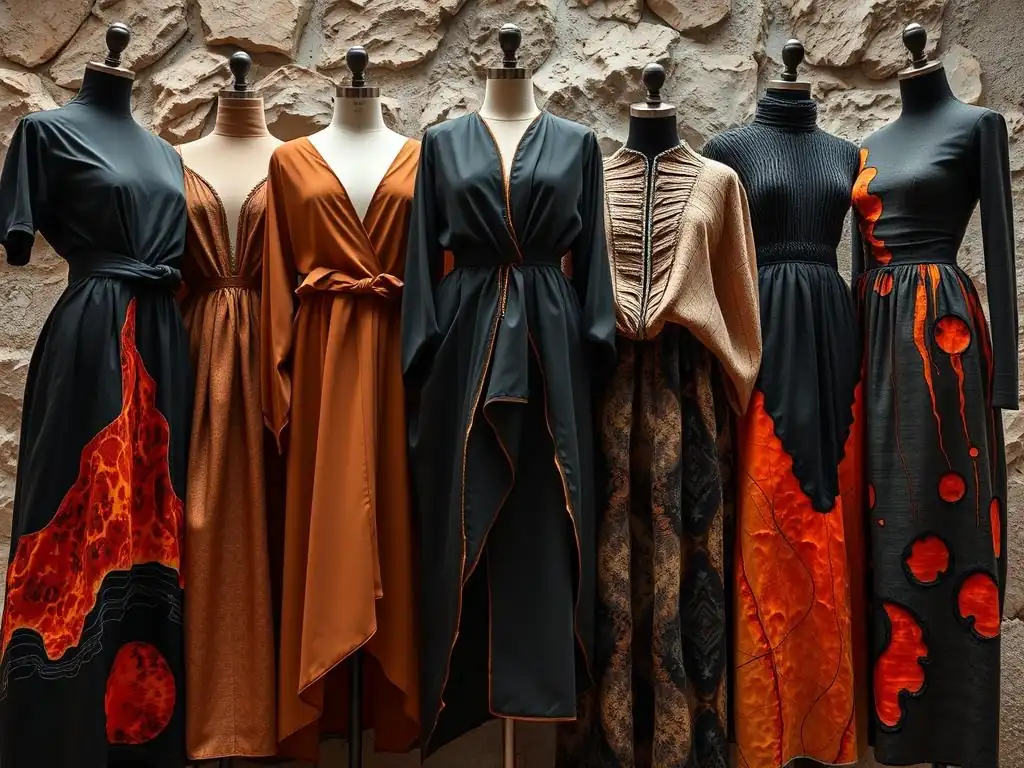
The dramatic and powerful aesthetic of volcanic shapes is not limited to haute couture or avant-garde designs; it can be subtly and effectively incorporated into ready-to-wear collections, making volcanic-inspired fashion accessible to a wider audience. Designers can translate volcanic elements into everyday garments through details such as asymmetrical hemlines that mimic volcanic slopes, draped fabrics that evoke lava flows, or textured surfaces that resemble volcanic rock. These subtle nods to volcanic forms can add a touch of sophistication and visual interest to otherwise classic and wearable pieces.
For example, a simple black dress can be elevated with an asymmetrical, pointed hemline, subtly referencing the sharp peak of a stratovolcano. A flowing blouse in a muted gray or charcoal color can be draped to create soft, cascading folds, evoking the fluidity of lava. Knitwear with textured stitches can mimic the rough surface of volcanic rock, adding tactile interest to sweaters and cardigans. By incorporating these subtle yet impactful volcanic-inspired details, designers can infuse ready-to-wear collections with a unique and sophisticated aesthetic that resonates with the power and beauty of the natural world.
Volcanic Aesthetics in Accessories: Jewelry and Handbags
Accessories offer another avenue for exploring volcanic aesthetics in fashion. Jewelry and handbags can be designed to directly mimic volcanic shapes, textures, and materials, creating striking and statement-making pieces. Jewelry designers can create necklaces and earrings inspired by caldera shapes, using circular or basin-like forms in metal and gemstones. Pendants can be carved from obsidian or other volcanic rocks, showcasing their natural beauty and inherent connection to volcanic landscapes. Handbags can be structured with sharp, angular lines reminiscent of volcanic peaks, or crafted from textured materials that evoke volcanic rock surfaces.
The use of volcanic materials themselves in accessories further enhances the volcanic aesthetic. Obsidian, pumice, and basalt can be incorporated into jewelry designs, showcasing their unique textures and colors. Handbags can be embellished with volcanic rock fragments or dyed with volcanic ash dyes, creating a cohesive and authentic volcanic-inspired look. Accessories offer a versatile and accessible way to incorporate volcanic aesthetics into personal style, allowing individuals to express their appreciation for the power and beauty of volcanoes through their fashion choices.
How to Style Volcanic-Inspired Fashion: Tips and Tricks
Styling volcanic-inspired fashion effectively involves balancing the dramatic and powerful elements with wearability and personal style. When incorporating volcanic shapes into your wardrobe, consider starting with subtle details and gradually building a more cohesive volcanic-inspired look. An asymmetrical skirt or dress, a textured sweater, or volcanic rock jewelry can be easily integrated into existing wardrobes. Pair volcanic-inspired pieces with neutral colors and minimalist silhouettes to allow the volcanic elements to stand out without overwhelming the overall look.
For a bolder volcanic-inspired look, consider incorporating more dramatic silhouettes, such as conical dresses or caldera-inspired necklines. Experiment with textures and colors reminiscent of volcanic landscapes, such as deep blacks, grays, and earthy tones. Accessorize with volcanic rock jewelry or handbags with angular shapes to further enhance the volcanic theme. Ultimately, styling volcanic-inspired fashion is about expressing your personal connection to the power and beauty of volcanoes while creating a look that is both stylish and comfortable. Embrace bold forms and natural textures, and allow the geometry of geology to inspire your personal style.
The Enduring Appeal of Volcanic Imagery in Fashion
Volcanic Symbolism: Power, Transformation, and Beauty
The enduring appeal of volcanic imagery in fashion extends beyond mere aesthetics; it is deeply rooted in the symbolic meanings associated with volcanoes. Volcanoes represent immense power, both destructive and creative. Their eruptions can reshape landscapes and create new land, symbolizing transformation and renewal. The fiery energy of volcanoes is often associated with passion, intensity, and raw emotion. In fashion, these symbolic meanings can be translated into garments that convey strength, confidence, and a sense of untamed beauty.
The dramatic and awe-inspiring nature of volcanoes also evokes a sense of wonder and respect for the natural world. By incorporating volcanic imagery into fashion, designers can tap into these powerful emotions and create garments that resonate on a deeper, more symbolic level. Volcanic shapes and textures can be used to express individuality, boldness, and a connection to the earth's primal forces. The symbolism inherent in volcanic imagery contributes to its enduring appeal in fashion, making it a source of inspiration that transcends fleeting trends.
The Future of Volcanic Shapes in Fashion: Innovation and Sustainability
The future of volcanic shapes in fashion is likely to be driven by both technological innovation and a growing emphasis on sustainability. Advances in textile technology, such as 3D printing and bio-based materials, will allow designers to create even more intricate and sculptural volcanic-inspired garments. Sustainable practices, such as using volcanic ash dyes and basalt fibers, will become increasingly important, aligning with the growing demand for eco-conscious fashion. The exploration of volcanic materials and forms offers exciting possibilities for creating innovative and responsible fashion designs.
Designers are likely to continue pushing the boundaries of volcanic-inspired fashion, exploring new ways to translate the geometry of geology into wearable art. We may see the development of fabrics that mimic the self-healing properties of certain volcanic rocks, or garments that incorporate volcanic minerals for enhanced performance and functionality. The future of volcanic shapes in fashion is one of exciting possibilities, where creativity, technology, and sustainability converge to create garments that are both visually stunning and environmentally responsible.
Finding Your Own Volcanic Style: Embracing Bold and Natural Forms
Ultimately, finding your own volcanic style is about embracing bold and natural forms, drawing inspiration from the raw beauty and power of volcanic landscapes. It is about incorporating elements of volcanic geometry, texture, and color into your personal wardrobe in a way that reflects your individual taste and personality. Experiment with asymmetrical silhouettes, textured fabrics, and earthy tones to create a volcanic-inspired look that is uniquely yours. Don't be afraid to embrace dramatic shapes and statement pieces, but always balance them with wearability and comfort.
Volcanic style is not about literal imitation; it is about capturing the essence of volcanic beauty and translating it into fashion. It is about appreciating the geometry of geology and finding inspiration in the natural world. By embracing bold forms and natural textures, and by drawing inspiration from the power and beauty of volcanoes, you can cultivate a volcanic style that is both striking and deeply personal, expressing your connection to the earth's dramatic artistry through your clothing choices.
Frequently Asked Questions
How does the shape of a shield volcano influence fashion design?
The broad, gently sloping form of a shield volcano inspires draping and flowing silhouettes. Think of wide skirts and capes that mimic the gradual descent of lava flows.
What features of a stratovolcano are reflected in clothing designs?
The steep, conical shape of stratovolcanoes can be seen in structured garments. Consider pointed shoulders, fitted bodices, and A-line skirts that echo the volcano's sharp angles.
Can caldera formations inspire fashion trends?
Yes, caldera formations, with their circular depressions, can inspire round necklines, oversized sleeves, and circular patterns in fabrics. They can create a sense of volume and drama.
How do volcanic rock formations translate into textile designs?
Volcanic rock formations, like basalt columns, can be used to create geometric patterns and textures in fabrics. Designers might use linear prints or embossed textures to mimic the basalt's structure.
Why is understanding volcanic shapes important for fashion designers?
Understanding volcanic shapes provides designers with a unique source of inspiration for creating innovative and visually striking designs. It can lead to bold and unexpected silhouettes that capture the power and beauty of nature.
Final Reflection: Embracing the Earth's Fiery Forms
The exploration of volcanic shapes in fashion, as we've seen, isn't merely a stylistic exercise; it's a powerful testament to the enduring influence of nature on our creative expression. The raw, untamed energy of volcanoes, translated into wearable art, speaks to a deeper connection between humanity and the planet. This fusion of geological wonder and sartorial design holds profound relevance today, as we increasingly seek inspiration and sustainability from the natural world.
The impact of this geological inspiration extends beyond the runway, subtly shaping our perception of beauty and form. The inherent drama and power of volcanic landscapes, now mirrored in clothing, invite us to embrace boldness and unconventionality in our own self-expression. Fashion is architecture: it is a matter of proportions.
- Coco Chanel. This quote resonates deeply when considering the geometric precision and structural integrity found in both volcanic formations and well-designed garments.
As you consider the interplay between volcanic shapes and fashion, I invite you to reflect on the power of observation and the boundless potential for inspiration that surrounds us. Let the fiery forms of volcanoes ignite your own creativity, encouraging you to find beauty in unexpected places and to express your unique perspective with confidence and passion. Embrace the earth's artistry and let it shape your world.
Unleash Your Inner Style Geologist!
Thanks for diving into the fascinating world where volcanic shapes meet fashion! We hope you've enjoyed exploring how geological formations can inspire stunning silhouettes. Now, let's turn that inspiration into action!
- Boldly experiment with asymmetric cuts and draped fabrics inspired by the slopes of Mount Vesuvius to create your next head-turning outfit.
- Share your mood board on your favorite social media platform, tagging us @VolcanoExplorers, and inspire others with the unexpected elegance of volcanic geometry.
- Visit the "Inspiration" section on volcanoexplorers.org to explore diverse geological formations that will inform your unique personal style.
What's the first volcanic shape you'll incorporate into your next creative endeavor? Let us know in the comments!