Submarine Volcanoes: Eruptions Beneath the Sea
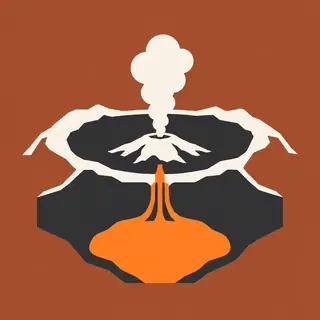
Submarine volcanoes are underwater fissures in Earth’s crust that erupt magma, ash, and gases, shaping the ocean floor and creating new islands. Unlike their land-based counterparts, these hidden giants account for over 75% of Earth’s annual volcanic output, yet remain largely unexplored. At VolcanoExplorers.org, we dive into the science, impact, and mysteries of these deep-sea eruptions, from black smokers to pillow lavas, and explain why they matter for global geology, marine life, and even climate systems.
🌋 How Submarine Volcanoes Erupt: The Mechanics
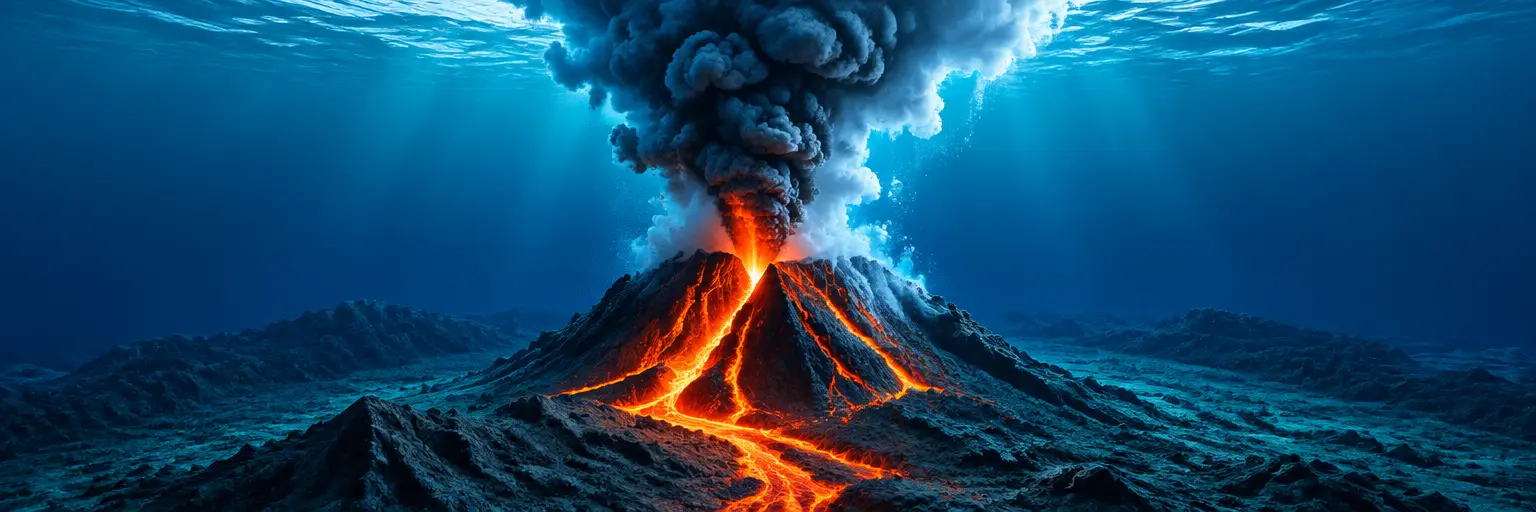
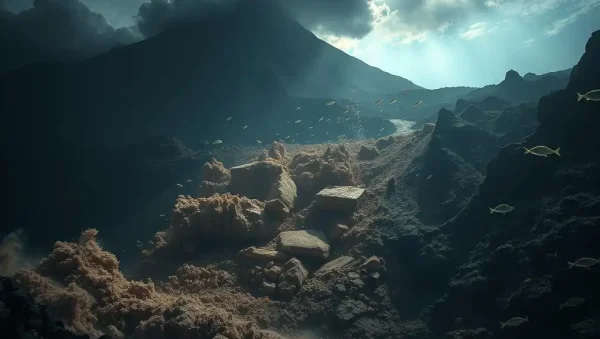
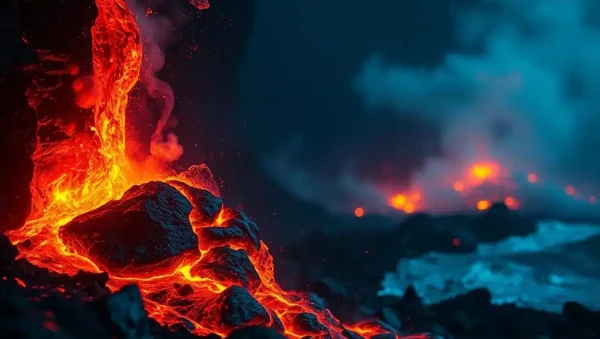
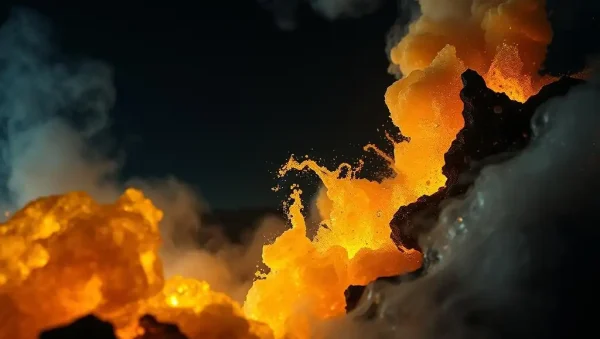
Submarine eruptions occur when magma rises through oceanic crust, meeting cold seawater under immense pressure. The water’s pressure prevents violent explosions at depths below 3,000 meters, allowing lava to ooze out as pillow lavas—rounded, bulbous formations that cool instantly. At shallower depths, however, steam and gas can cause explosive phreatomagmatic eruptions, hurling debris and creating transient islands. Understanding these processes helps volcanologists predict hazards and map underwater geological activity.
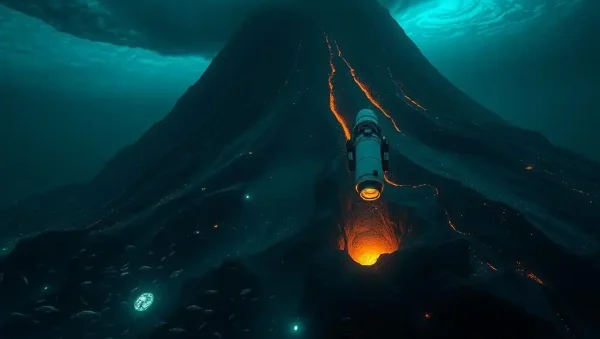
Expect detailed explanations of eruption styles, including effusive flows and explosive events, plus the role of volatile gases. We also cover how scientists use hydrophones (underwater microphones) to detect eruptions via acoustic waves, and ROVs (remotely operated vehicles) to capture real-time footage. This section demystifies the hidden mechanics, linking them to familiar volcanic concepts while highlighting unique deep-sea adaptations.
🔍 Major Submarine Volcanoes and Historic Eruptions
From the colossal Tamu Massif—one of the largest volcanoes on Earth, spanning over 450 kilometers—to the 2012 eruption of Hunga Tonga–Hunga Haʻapai that briefly created a new island, submarine volcanoes have shaped history and geography. The 2022 Hunga Tonga eruption generated a global tsunami and atmospheric shockwave, proving their far-reaching power. We profiles these giants alongside lesser-known systems like the Axial Seamount, an active volcano off the US Pacific coast monitored since 1997.
This subcategory offers case studies of eruptions that formed islands (e.g., Surtsey, Iceland) and those that caused tsunamis. You’ll learn about the Mid-Ocean Ridge system, a 65,000-km underwater mountain chain where most eruptions occur, and how these events contribute to plate tectonics. We also highlight monitoring efforts, including the Ocean Observatories Initiative, to show how modern science tracks these remote behemoths.
🐠 Life Around Hydrothermal Vents: Ecosystems
Submarine volcanoes host hydrothermal vents, where superheated, mineral-rich water gushes into the ocean. These vents sustain unique ecosystems that thrive without sunlight, relying on chemosynthesis—bacteria converting chemicals into energy. Tube worms, blind shrimp, and giant clams cluster around vents, forming oases of biodiversity on otherwise barren seafloor. These communities offer insights into early Earth life and potential extraterrestrial habitats, like Jupiter’s moon Europa.
Here, we explore the biology of vent organisms, their adaptations to extreme pressure and toxicity, and food chains independent of photosynthesis. We also discuss how eruptions destroy and regenerate vent fields, creating dynamic cycles of colonization. Conservation concerns, such as deep-sea mining threats to these fragile habitats, are covered, alongside research initiatives like the Census of Marine Life to catalog vent species.
🌊 Impact on Ocean Chemistry and Climate
Submarine eruptions release vast amounts of heat, carbon dioxide, and trace elements like iron and sulfur into the water. These inputs alter ocean chemistry, affecting nutrient cycles and supporting phytoplankton blooms that absorb CO2. Conversely, sulfur aerosols can reflect sunlight, creating temporary cooling effects. The 2022 Tonga eruption injected 150 million tons of water vapor into the stratosphere, potentially warming the globe—a rare but significant climate influence.
We break down the complex feedback loops between volcanic activity and ocean acidity, nutrient availability, and atmospheric composition. Learn how scientists measure dissolved gases, use satellite data to track surface temperature changes, and model long-term climate impacts. This section also explains the role of underwater volcanism in forming manganese nodules and other mineral deposits, which are both economically valuable and ecologically sensitive.
🛰️ Detection and Monitoring Technologies
Monitoring submarine volcanoes is a frontier of geoscience, combining seismometers, pressure sensors, and satellite altimetry. Acoustic monitoring detects eruption sounds via hydrophones arranged in underwater arrays, while GPS and InSAR track seafloor deformation. The Plinian-style eruptions are identified by tephra layers in sediment cores, reconstructing past events. Flagship projects like the Global Ocean Observing System now integrate real-time data streams.
Expect a deep dive into tools like OBH (ocean-bottom hydrophones), AUVs (autonomous underwater vehicles), and seafloor geodesy. We also discuss citizen science opportunities, where ship captains report discolored water or floating pumice, aiding detection. Case studies of successful predictions, such as the 2015 eruption of Axial Seamount, demonstrate how these technologies save lives and deepen our understanding of Earth’s internal dynamics.
🌍 Hazards and Safety for Coastal Communities
Although distant, submarine eruptions can trigger tsunamis, endanger shipping lanes, and release toxic gases that harm marine life. Volcanic islands formed from eruptions, like the 2015 Hunga Tonga event, are unstable and prone to collapse, generating local tsunamis. Ash and pumice rafts can clog harbors and damage vessels, while undersea cables—critical for internet—are at risk from lava flows or turbidity currents.
This section provides practical safety guidance: how to interpret tsunami warnings, evacuation routes for coastal areas, and roles of agencies like NOAA and PTWC (Pacific Tsunami Warning Center). We also cover long-term hazard mapping, including volcanic island stability, and community preparedness drills. Real-world examples, such as the 1883 Krakatoa collapse, illustrate the stakes and underscore the importance of continuous monitoring.
Frequently Asked Questions
How many submarine volcanoes are there?
Scientists estimate over 1 million submarine volcanoes exist, with about 75,000 rising more than 1 km above the seafloor. Only a few thousand are active, and fewer than 500 have been directly observed erupting due to their deep, remote locations.
Can submarine eruptions cause tsunamis?
Yes, but primarily from caldera collapses or landslide triggers, not explosive ejections. The 2022 Hunga Tonga eruption generated a tsunami reaching 15 meters, while flank collapses like at Krakatoa (1883) produced catastrophic waves. Seismic monitoring helps issue warnings.
What are pillow lavas and why are they important?
Pillow lavas are bulbous, rounded lava shapes formed when magma extrudes into cold water, cooling rapidly. They are diagnostic of underwater eruptions and help geologists identify ancient oceanic crust and past submarine activity in terrestrial rock sequences.
Do submarine volcanoes support life?
Yes, via hydrothermal vents, which host thriving communities using chemosynthesis—bacteria converting hydrogen sulfide into energy. These ecosystems include tube worms, crabs, and fish, and may represent analogues for life on icy moons like Europa.
Are submarine volcanoes monitored globally?
Only about 5-10% are instrumentally monitored. Networks like the International Monitoring System use hydrophones, and satellites detect surface changes. However, most remain unobserved, underscoring the need for expanded ocean observatories and research funding.