
Hawaii's Subterranean Rivers: Discovering the Volcanic Caves of Paradise

Welcome to Volcano Explorers!
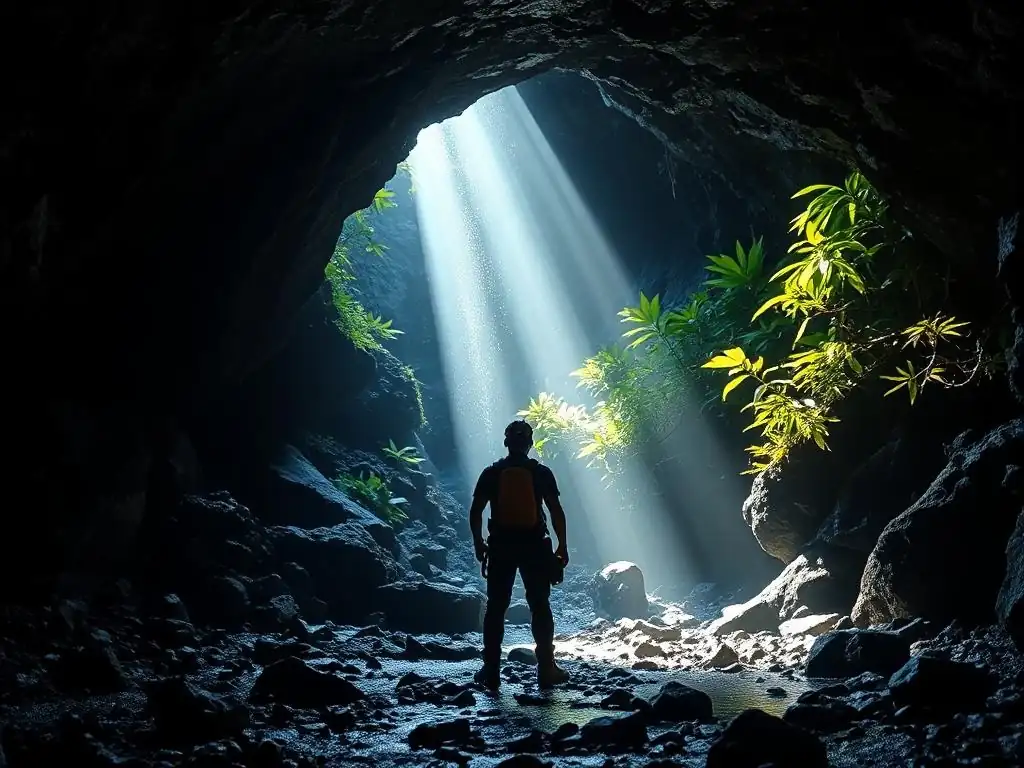
Prepare to be amazed. What lies beneath the fiery surface of a volcano? Forget what you think you know. We're plunging deep into the heart of the earth to uncover secrets rarely seen. Our journey begins in paradise, exploring the intricate network of volcanic caves in Hawaii. Are you ready to discover the subterranean rivers flowing beneath these majestic peaks? The adventure awaits...
- Exploring the Volcanic Caves in Hawaii: An Introduction
- The Formation of Hawaiian Volcanic Caves: A Geological Perspective
- Unique Features of Hawaii's Subterranean Rivers
- Notable Volcanic Caves in Hawaii: A Journey Through Paradise
- The Importance of Conserving Hawaii's Volcanic Caves
- Safety Tips for Exploring Volcanic Caves in Hawaii
- The Cultural Significance of Volcanic Caves in Hawaii
- Further Exploration of Hawaiian Volcanic Landscapes
-
Frequently Asked Questions
- What are volcanic caves, and how are they formed in Hawaii?
- Why are Hawaiian volcanic caves considered important geological features?
- Are volcanic caves in Hawaii safe to explore?
- What kind of wildlife can be found in Hawaiian volcanic caves?
- How can I find information about guided tours of volcanic caves in Hawaii?
- Final Reflection: Echoes of the Earth's Breath
- Unearth Your Own Adventure: Explore Hawaii's Hidden Depths!
Exploring the Volcanic Caves in Hawaii: An Introduction
VolcanoExplorers.org invites you to journey beneath the surface of the Hawaiian Islands, not just to the molten heart of volcanoes, but into the fascinating world of volcanic caves. These subterranean passages, often referred to as lava tubes, are a unique and captivating feature of Hawaii's volcanic landscape. They represent a hidden dimension of the islands' fiery origins, offering a chance to witness geological processes frozen in time and discover ecosystems adapted to perpetual darkness. This article will guide you through the wonders of these "subterranean rivers," exploring their formation, unique characteristics, and the importance of their preservation.
Hawaii, a volcanic archipelago born from the restless activity of the Earth's mantle, is renowned for its towering volcanoes and dramatic lava flows. However, beneath the familiar surface lies an equally compelling realm: a network of volcanic caves sculpted by flowing lava millions of years ago. VolcanoExplorers.org is dedicated to bringing these hidden marvels to light, providing insights into the science, ecology, and cultural significance of Hawaiian lava tubes. We aim to ignite curiosity and foster a deeper appreciation for these fragile and fascinating geological formations, inviting you to become a true explorer of Hawaii's volcanic wonders.
The Allure of Lava Tubes: Subterranean Rivers of Fire
Imagine walking through a tunnel carved by molten rock, a pathway once ablaze with temperatures exceeding 2000°F. This is the reality within a lava tube, a type of volcanic cave that holds a unique allure for scientists and adventurers alike. The term "subterranean river of fire" aptly describes their origin, as they are formed by flowing lava, creating hollow conduits beneath the cooling surface. These tubes are not just empty spaces; they are time capsules, preserving geological history and harboring specialized ecosystems that have adapted to the cave environment.
The allure of lava tubes extends beyond their geological significance. They represent a tangible connection to the raw power of volcanic forces that shaped the Hawaiian Islands. Exploring these caves is akin to stepping back in time, witnessing the pathways of ancient lava flows and experiencing the quiet solitude of the underground world. For many, the experience is both awe-inspiring and humbling, a reminder of the immense forces at play beneath our feet and the intricate beauty that can be found in even the most seemingly desolate environments.
The Formation of Hawaiian Volcanic Caves: A Geological Perspective
Lava Tubes: Nature's Underground Conduits
Lava tubes are essentially natural tunnels formed within solidified lava flows. They are created when the surface of a lava flow cools and hardens, forming a crust, while the molten lava continues to flow beneath. As the eruption wanes and the lava supply decreases, the molten material drains away, leaving behind a hollow, tube-like cave. This process is similar to how a frozen river might leave behind an empty channel after the ice melts, but on a vastly different scale and timescale.
These underground conduits can vary dramatically in size, from small passages barely large enough to crawl through to massive caverns capable of housing buildings. The length of lava tubes can also be extensive, stretching for kilometers and branching into complex networks. In Hawaii, the geological conditions are particularly conducive to lava tube formation, resulting in some of the longest and most impressive examples in the world. Understanding their formation is key to appreciating their geological significance and the unique environments they harbor.
Shield Volcanoes and the Creation of Extensive Cave Systems
Hawaii's volcanic caves are predominantly associated with shield volcanoes, the gently sloping, broad volcanoes that characterize the islands. Shield volcanoes, like Mauna Loa and Kilauea, are formed by the eruption of fluid basaltic lava. This type of lava, known for its low viscosity, flows easily and covers vast distances, creating the ideal conditions for lava tube development. The fluidity of basaltic lava allows it to travel further before cooling, promoting the formation of long and interconnected tube systems.
The gradual and effusive nature of shield volcano eruptions also plays a crucial role. Unlike explosive eruptions, shield volcanoes typically produce slow, steady lava flows that allow for the surface crust to solidify while the interior remains molten and flowing. This sustained flow over time is what builds up extensive lava tube networks beneath the surface. The geological characteristics of shield volcanoes, therefore, are intrinsically linked to the abundance and complexity of volcanic caves found in Hawaii.
The Role of Pahoehoe Lava in Cave Development
Within the context of Hawaiian volcanism, pahoehoe lava is particularly important in lava tube formation. Pahoehoe lava is characterized by its smooth, ropy surface, which is a result of its high temperature and low viscosity. This type of lava flows readily and forms a thin, flexible crust that wrinkles and folds as the molten interior continues to move. The pliable nature of pahoehoe crust is essential for the development of well-defined lava tubes.
As pahoehoe lava flows, the surface crust can inflate and expand, creating larger and more stable tubes compared to other lava types. The smooth interior walls of many lava tubes are also a direct result of the pahoehoe flow, contributing to their unique appearance and accessibility. While other types of lava flows can form caves, pahoehoe lava's specific properties make it the primary driver in creating the extensive and impressive lava tube systems that are a hallmark of the Hawaiian Islands.
Unique Features of Hawaii's Subterranean Rivers
Water Flow Within Lava Tubes: A Rare Phenomenon
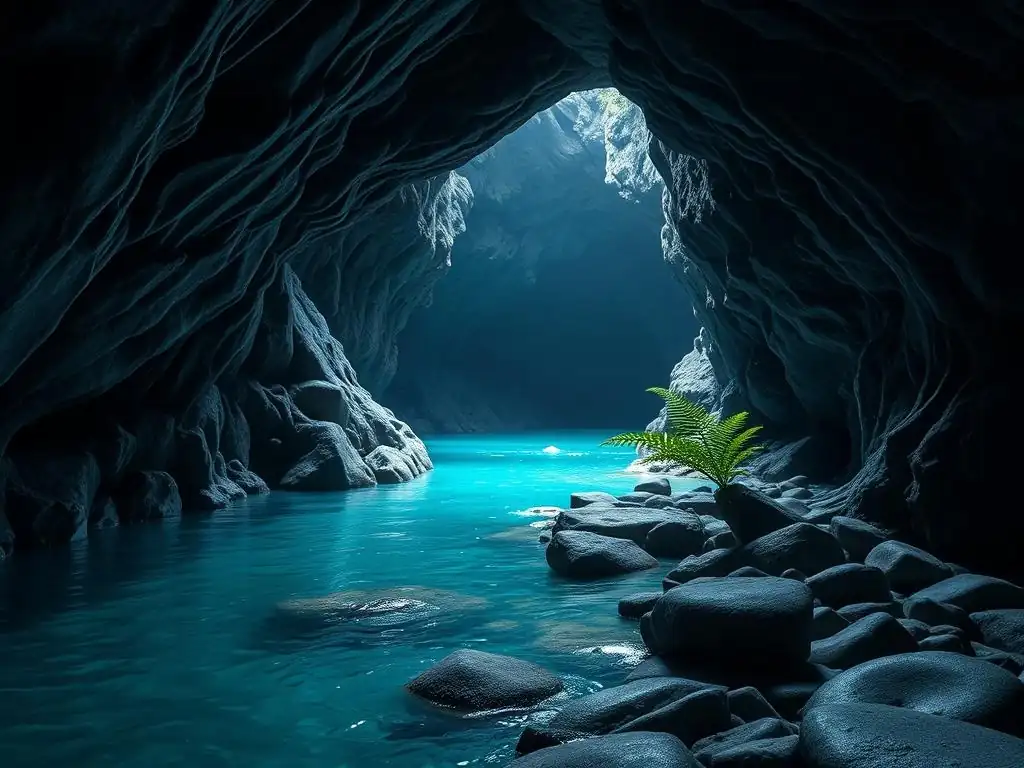
While lava tubes are formed by molten rock, some in Hawaii are surprisingly known for carrying water, creating a truly unique phenomenon – subterranean rivers within volcanic caves. This occurs primarily in older lava tubes where rainwater percolates through the overlying volcanic rock and enters the cave system. The presence of water flow within lava tubes is relatively rare globally, making Hawaiian examples particularly significant from a hydrological perspective.
These subterranean rivers are not just geological curiosities; they play a vital role in the island's ecosystem. They contribute to groundwater recharge and can even emerge as springs and seeps at lower elevations. Furthermore, the unique environment created by flowing water within lava tubes supports specialized aquatic life, adding another layer of ecological complexity to these already fascinating formations. The interplay between volcanic geology and hydrology makes Hawaiian lava tubes exceptionally interesting for scientific study.
Cave Ecosystems: Life Thriving in Darkness
Despite the seemingly inhospitable environment of perpetual darkness and limited resources, lava tubes in Hawaii support surprisingly diverse ecosystems. These cave ecosystems are often characterized by unique and highly adapted organisms, collectively known as troglobites. These creatures have evolved to thrive in the absence of sunlight, often exhibiting characteristics such as loss of pigmentation and reduced or absent eyes.
Examples of cave-adapted life in Hawaiian lava tubes include cave crickets, spiders, and various invertebrates. These organisms form intricate food webs, often based on organic matter brought into the cave by water or air currents. The study of these cave ecosystems is crucial for understanding biodiversity in extreme environments and for appreciating the interconnectedness of surface and subsurface ecosystems. Hawaiian lava tubes serve as natural laboratories for studying adaptation and evolution in isolation.
Stalactites and Stalagmites: Volcanic Cave Formations
While traditionally associated with limestone caves, stalactites and stalagmites can also form within volcanic caves, albeit through different processes. In limestone caves, these formations are created by the deposition of calcium carbonate from dripping water. In lava tubes, however, volcanic stalactites and stalagmites are typically formed by the dripping or splashing of molten lava or by mineral deposition from hydrothermal activity.
Lava stalactites, often referred to as "lavacicles," are formed when molten lava drips from the ceiling of a lava tube and cools in mid-air, solidifying into icicle-like shapes. Lava stalagmites form on the cave floor beneath lava stalactites from the accumulation of dripping lava. Additionally, mineral stalactites and stalagmites can grow in older lava tubes due to the precipitation of minerals from groundwater, adding further complexity and beauty to these subterranean landscapes. These formations, though different in origin from their limestone counterparts, contribute significantly to the visual appeal and geological interest of volcanic caves.
Notable Volcanic Caves in Hawaii: A Journey Through Paradise
Kazumura Cave: The Longest Lava Tube in the World
Kazumura Cave, located on the slopes of Kilauea volcano on the Big Island of Hawaii, is renowned as the longest lava tube system in the world. Its explored length extends over 65 kilometers (40.4 miles) and reaches a depth of 1,101 meters (3,612 feet), making it a truly colossal subterranean wonder. Kazumura Cave is not just about length; it's a complex and multi-level system, formed by successive lava flows over thousands of years. Its vastness and intricate passages offer unparalleled opportunities for exploration and scientific study.
Location and Significance of Kazumura Cave
Situated in the Puna District on the southeastern flank of Kilauea, Kazumura Cave's location is directly linked to the ongoing volcanic activity of this highly active volcano. Its formation is attributed to lava flows from Mauna Loa and Kilauea, demonstrating the long and complex volcanic history of the region. The cave's significance extends beyond its record-breaking length. It serves as a crucial habitat for cave-adapted species and provides valuable insights into the geological processes shaping the Hawaiian Islands. Its proximity to an active volcano also makes it an important site for monitoring volcanic activity and understanding lava flow dynamics.
Exploring the Depths of Kazumura: What to Expect
Exploring Kazumura Cave is an undertaking for experienced cavers and requires specialized equipment and permits. Due to its vastness and complexity, navigating the cave system can be challenging and potentially hazardous. Within Kazumura, explorers can expect to encounter a diverse range of geological features, including massive chambers, narrow passages, lava falls, and various types of lava formations. The cave's depth also means significant temperature and humidity variations compared to the surface environment. While not accessible to casual tourists, Kazumura Cave represents the pinnacle of lava tube exploration and a testament to the incredible scale of Hawaii's volcanic underground.
Thurston Lava Tube (Nāhuku): An Accessible Wonder
In stark contrast to the challenging depths of Kazumura Cave, Thurston Lava Tube, also known as Nāhuku, offers an easily accessible and family-friendly glimpse into the world of volcanic caves. Located within Hawai'i Volcanoes National Park on the Big Island, Thurston Lava Tube is a well-maintained and illuminated section of a larger lava tube system. Its accessibility makes it a popular destination for visitors of all ages and abilities, providing a safe and informative introduction to volcanic caves.
Visiting Thurston Lava Tube: A Family-Friendly Adventure
Visiting Thurston Lava Tube is a straightforward and rewarding experience. A short, paved trail leads from the parking area to the cave entrance, and the interior of the accessible section is well-lit, allowing visitors to easily walk through and appreciate the cave's features. Informational signs along the path provide details about lava tube formation and the surrounding rainforest ecosystem. The moderate temperatures and relatively flat pathway inside the tube make it suitable for families with young children and individuals with mobility limitations, making it a truly inclusive volcanic exploration experience.
The Rainforest Above: Contrasting Worlds
One of the unique aspects of Thurston Lava Tube is its location beneath a lush rainforest. Stepping into the cool darkness of the cave offers a dramatic contrast to the vibrant and sun-drenched rainforest above. This juxtaposition highlights the diverse ecosystems that exist side-by-side in Hawaii, from the surface to the depths of the Earth.
The rainforest canopy filters sunlight, creating a humid and verdant environment, while just a few feet below, the lava tube offers a glimpse into a world shaped by fire and geological time. This contrasting experience enhances the appreciation for the multifaceted nature of Hawaii's volcanic landscapes.
Manihiniholo Dry Cave: A Coastal Lava Tube
Manihiniholo Dry Cave, located on the island of Kauai, offers a different perspective on Hawaiian volcanic caves. Unlike the rainforest setting of Thurston Lava Tube or the high-altitude location of Kazumura, Manihiniholo is a coastal lava tube, situated near sea level and influenced by marine processes. This cave provides a unique opportunity to explore a lava tube in a coastal environment and witness the interaction between volcanic geology and the ocean.
Manihiniholo Dry Cave is relatively short and easily accessible, making it a popular stop for visitors exploring Kauai's north shore. Its coastal location means it is drier than many other Hawaiian lava tubes, hence the name "Dry Cave." The cave's proximity to the ocean also means it may have been used by early Hawaiians for shelter and as a resource gathering location. Manihiniholo Dry Cave showcases the diversity of Hawaiian lava tubes and their adaptation to different island environments.
The Importance of Conserving Hawaii's Volcanic Caves
Protecting Fragile Ecosystems Within Lava Tubes
The ecosystems within Hawaiian lava tubes, though seemingly resilient, are actually quite fragile and vulnerable to disturbance. The cave-adapted species that inhabit these environments have evolved in isolation and are often highly specialized to the cave environment. This specialization makes them particularly susceptible to changes in their habitat, even seemingly minor ones. Introducing non-native species, altering cave microclimates, or disrupting food sources can have devastating impacts on these delicate ecosystems.
Conservation efforts are crucial for protecting the unique biodiversity found in lava tubes. This includes limiting access to sensitive areas, implementing strict "leave no trace" principles for cave visitors, and actively managing invasive species that may threaten native cave fauna. Understanding the interconnectedness of surface and subsurface ecosystems is also essential for effective conservation strategies. Protecting Hawaiian lava tubes means preserving a unique and irreplaceable part of the islands' natural heritage.
Sustainable Tourism and Responsible Exploration
Tourism plays a significant role in Hawaii's economy, and volcanic caves are increasingly popular attractions. However, unchecked tourism can pose significant threats to these fragile environments. Sustainable tourism practices are essential to balance the economic benefits of tourism with the need to protect lava tubes for future generations. This involves responsible exploration, respecting cave environments, and supporting tourism operators who prioritize conservation.
Responsible exploration includes staying on marked trails, avoiding touching cave formations, and refraining from disturbing cave wildlife. Tour operators can contribute to sustainable tourism by educating visitors about cave conservation, limiting group sizes, and investing in cave protection and restoration projects. By adopting sustainable tourism practices, we can ensure that volcanic caves remain accessible and enjoyable for visitors while minimizing our impact on these sensitive ecosystems.
Threats to Volcanic Caves: Pollution, Development, and Invasive Species
Beyond tourism impacts, Hawaiian volcanic caves face a range of threats, including pollution, development, and invasive species. Pollution from surface runoff can contaminate cave water sources and introduce harmful substances into cave ecosystems. Development activities, such as construction and road building, can directly damage lava tubes or alter groundwater flow patterns, impacting cave environments. Invasive species, both plant and animal, can outcompete native cave organisms or disrupt cave ecosystems.
Addressing these threats requires a multi-faceted approach. This includes implementing land-use planning that minimizes impacts on lava tube areas, controlling pollution sources, and actively managing invasive species. Public education and awareness are also crucial for fostering a sense of responsibility towards cave conservation. Protecting volcanic caves requires ongoing vigilance and a commitment to safeguarding these unique and valuable natural resources from a variety of human-induced threats.
Safety Tips for Exploring Volcanic Caves in Hawaii
Essential Gear for Cave Exploration
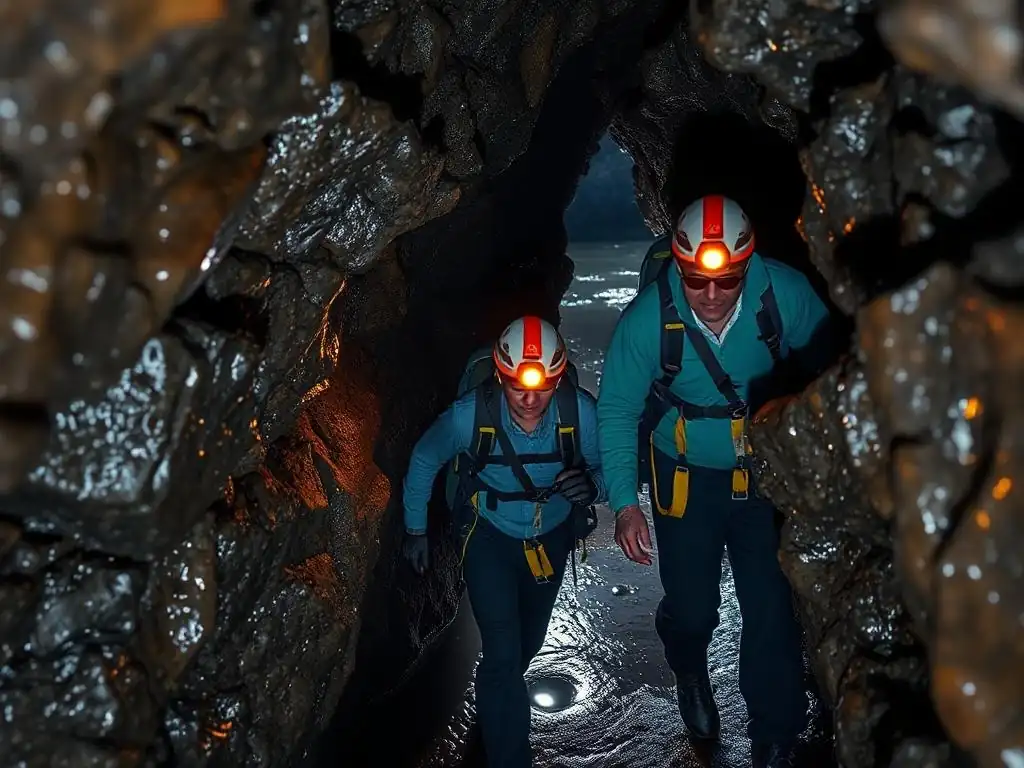
Exploring volcanic caves, even accessible ones like Thurston Lava Tube, requires some basic preparation and essential gear. Sturdy closed-toe shoes are a must to navigate uneven terrain and protect feet from sharp rocks. Bringing at least two sources of light per person, such as headlamps and flashlights, is critical for safety and navigation in the dark cave environment. Wearing layers of clothing is advisable, as cave temperatures can be cooler and more humid than surface conditions.
For more extensive cave exploration, additional gear may be necessary, including helmets, knee pads, and gloves for protection. Carrying water and snacks is important, especially for longer cave excursions. Always inform someone of your caving plans and expected return time, and consider carrying a basic first-aid kit for minor injuries. Proper gear and preparation are essential for a safe and enjoyable volcanic cave exploration experience.
Navigating underground environments like lava tubes presents unique hazards that require awareness and caution. Uneven terrain, slippery surfaces, and low ceilings are common features of caves, increasing the risk of trips, slips, and falls. Darkness and limited visibility can further exacerbate these hazards. It's crucial to move slowly and carefully, using your light sources to illuminate your path and identify potential obstacles.
Be mindful of overhead hazards, such as loose rocks or low ceilings. Avoid touching cave walls and formations, as they can be fragile and easily damaged. If exploring unlit sections of caves, stay with your group and maintain communication. In case of emergency, know how to signal for help and be prepared to self-rescue if necessary. Responsible navigation and awareness of potential hazards are key to safe cave exploration.
Respecting the Caves: Leave No Trace Principles
When exploring volcanic caves, it's essential to adhere to "leave no trace" principles to minimize your impact on these sensitive environments. This means packing out everything you pack in, including trash and food waste. Avoid disturbing cave formations, wildlife, or any natural features. Stay on designated trails or pathways when available, and avoid venturing into unmarked or restricted areas.
Refrain from making loud noises or playing music within caves, as this can disturb cave wildlife and detract from the natural cave experience for others. Do not collect any souvenirs or remove anything from the cave, including rocks, plants, or artifacts. By practicing "leave no trace" principles, you contribute to the long-term preservation of volcanic caves and ensure that future generations can also enjoy these natural wonders.
The Cultural Significance of Volcanic Caves in Hawaii
Legends and Myths Associated with Hawaiian Caves
Volcanic caves in Hawaii are not just geological formations; they are also deeply intertwined with Hawaiian culture, legends, and mythology. In ancient Hawaiian traditions, caves, including lava tubes, were often considered sacred places, portals to the underworld, or dwelling places of deities and spirits. Many legends and myths are associated with specific caves, recounting stories of gods, goddesses, and supernatural beings inhabiting or interacting with these subterranean realms.
These legends often reflect the Hawaiian understanding of the volcanic landscape and the powerful forces of nature. Pele, the Hawaiian goddess of volcanoes, is often associated with caves and underground passages, further emphasizing their spiritual significance. Understanding these cultural connections adds another layer of appreciation for Hawaiian volcanic caves, recognizing them not just as geological wonders but also as important cultural heritage sites.
Ancient Uses of Lava Tubes by Native Hawaiians
Beyond their spiritual significance, lava tubes were also utilized by ancient Hawaiians for practical purposes. The stable temperatures and protected environment of caves made them suitable for shelter, especially during times of conflict or harsh weather. Evidence suggests that lava tubes were used as temporary or even semi-permanent dwellings, providing refuge and protection.
Lava tubes also served as important resource locations. Some caves contained freshwater sources, providing drinking water in areas where surface water was scarce. The cool, dark environment of caves was also ideal for storing perishable goods, such as food and water. Archaeological investigations within lava tubes have revealed artifacts and evidence of past human use, highlighting the practical and resourceful ways in which ancient Hawaiians interacted with these subterranean environments.
Burial Sites and Water Sources
In some instances, lava tubes served as burial sites for ancient Hawaiians. The secluded and protected nature of caves made them considered appropriate places for interment. Archaeological discoveries within lava tubes have revealed human remains and burial artifacts, indicating their use as sacred resting places. These sites are of immense cultural and historical significance and are treated with utmost respect and reverence by modern Hawaiians.
As mentioned earlier, some lava tubes also contained valuable freshwater sources. These cave springs and seeps were crucial water sources, particularly in drier regions of the islands. The presence of water within lava tubes further enhanced their importance and cultural significance, making them not only geological and ecological wonders but also vital resources for ancient Hawaiian communities.
Further Exploration of Hawaiian Volcanic Landscapes
Beyond Caves: Other Volcanic Features to Explore
While volcanic caves are a captivating aspect of Hawaii's volcanic landscapes, there are many other remarkable volcanic features to explore. These include active volcanic craters like Kilauea Caldera, vast lava fields stretching to the coast, cinder cones dotting the landscape, and black sand beaches formed from volcanic rock. Exploring these diverse volcanic features provides a more comprehensive understanding of Hawaii's volcanic origins and ongoing geological processes.
Visiting volcanic national parks, such as Hawai'i Volcanoes National Park and Haleakala National Park, offers opportunities to witness these features firsthand and learn about their formation and significance. Hiking trails, scenic drives, and ranger-led programs provide various ways to experience and appreciate the breadth of Hawaii's volcanic wonders. Expanding your exploration beyond caves allows for a richer and more complete understanding of the islands' dynamic volcanic nature.
Resources for Planning Your Volcanic Adventure in Hawaii
Planning a volcanic adventure in Hawaii is made easier by a wealth of available resources. Hawai'i Volcanoes National Park and Haleakala National Park websites offer detailed information on park hours, fees, trails, safety guidelines, and ranger programs. The United States Geological Survey (USGS) Hawaiian Volcano Observatory website provides real-time updates on volcanic activity and valuable educational resources about Hawaiian volcanism.
Numerous guidebooks and online resources are available, offering information on hiking trails, cave tours, and other volcanic attractions across the islands. Local tour operators specialize in volcano tours and cave explorations, providing guided experiences and expert insights. By utilizing these resources, visitors can plan safe, informative, and unforgettable volcanic adventures in Hawaii, deepening their appreciation for these extraordinary geological landscapes.
Frequently Asked Questions
What are volcanic caves, and how are they formed in Hawaii?
Volcanic caves, specifically lava tubes, are formed when the surface of a lava flow solidifies, while molten lava continues to flow beneath, eventually draining away and leaving a hollow tunnel. Hawaii's volcanic activity makes it a prime location for these unique formations.
Why are Hawaiian volcanic caves considered important geological features?
Hawaiian volcanic caves provide valuable insights into past volcanic activity and the processes of lava flow. They also often contain unique mineral formations and sometimes harbor unique ecosystems.
Are volcanic caves in Hawaii safe to explore?
While fascinating, volcanic caves can be dangerous. Structural instability, lack of oxygen, and potential for rockfalls are hazards. Always explore with experienced guides and appropriate safety equipment.
What kind of wildlife can be found in Hawaiian volcanic caves?
Hawaiian volcanic caves can harbor unique ecosystems, including cave-adapted insects, spiders, and other invertebrates. Some caves may also contain ancient bones of extinct animals.
How can I find information about guided tours of volcanic caves in Hawaii?
Visit the Hawaii Volcanoes National Park website or contact local tour operators specializing in lava tube explorations. Many offer guided tours with trained professionals for a safe and informative experience.
Final Reflection: Echoes of the Earth's Breath
The exploration of Hawaii's subterranean rivers and volcanic caves, as we've seen, is not merely a scientific endeavor, but a journey into the very heart of the islands' creation. These hidden ecosystems, sculpted by fire and water, are a potent reminder of the dynamic forces that shape our planet and the fragile beauty they conceal. The ongoing research and conservation efforts are crucial, not just for preserving these unique environments, but for understanding the broader implications of volcanic activity and water resource management in a changing world.
The allure of these volcanic caves extends beyond scientific curiosity; they resonate deeply with our innate human desire to explore the unknown and connect with the primal forces of nature. The hushed silence of these subterranean realms, broken only by the gentle murmur of flowing water, offers a profound sense of peace and a reminder of the interconnectedness of all things. In every walk with nature, one receives far more than he seeks.
- John Muir. This quote encapsulates the feeling of discovery and awe that these caves inspire, urging us to protect these natural wonders for generations to come.
As we conclude this exploration of Hawaii's volcanic caves, I invite you to consider your own connection to the natural world. How can you, in your own life, contribute to the preservation of these fragile ecosystems? Let the echoes of the earth's breath, whispering from the depths of these volcanic caves, inspire you to become a steward of our planet, ensuring that these wonders continue to captivate and enlighten for centuries to come.
Okay, here's a CTA draft for the article "Hawaii's Subterranean Rivers: Discovering the Volcanic Caves of Paradise," keeping in mind your instructions and the website name/domain:
Thank you for joining us on this journey into the heart of Hawaii's volcanic caves! We hope this glimpse into the islands' hidden subterranean rivers has ignited your sense of wonder and adventure. Ready to take your exploration further?
Here are a few ways to keep the discovery alive:
- Plan your own responsible cave exploration! Research guided tours offered by reputable local operators to ensure a safe and respectful visit to these delicate ecosystems.
- Dive deeper! Explore related articles and resources on VolcanoExplorers.org to uncover even more about Hawaii's geological wonders and the importance of conservation.
- Share this article with friends and family, igniting their curiosity about the hidden world beneath our feet! Let's get more people interested in preserving these delicate ecosystems.
What's the first thing you'll do to uncover more of Hawaii's geological secrets? Let us know in the comments!