Toxic Tap Water? The Hidden Danger of Volcanic Gas in Water Sources
Volcanic gas contamination in water poses a hidden threat near active volcanoes. This article explores the dangers lurking beneath the surface, impacting…
Read article
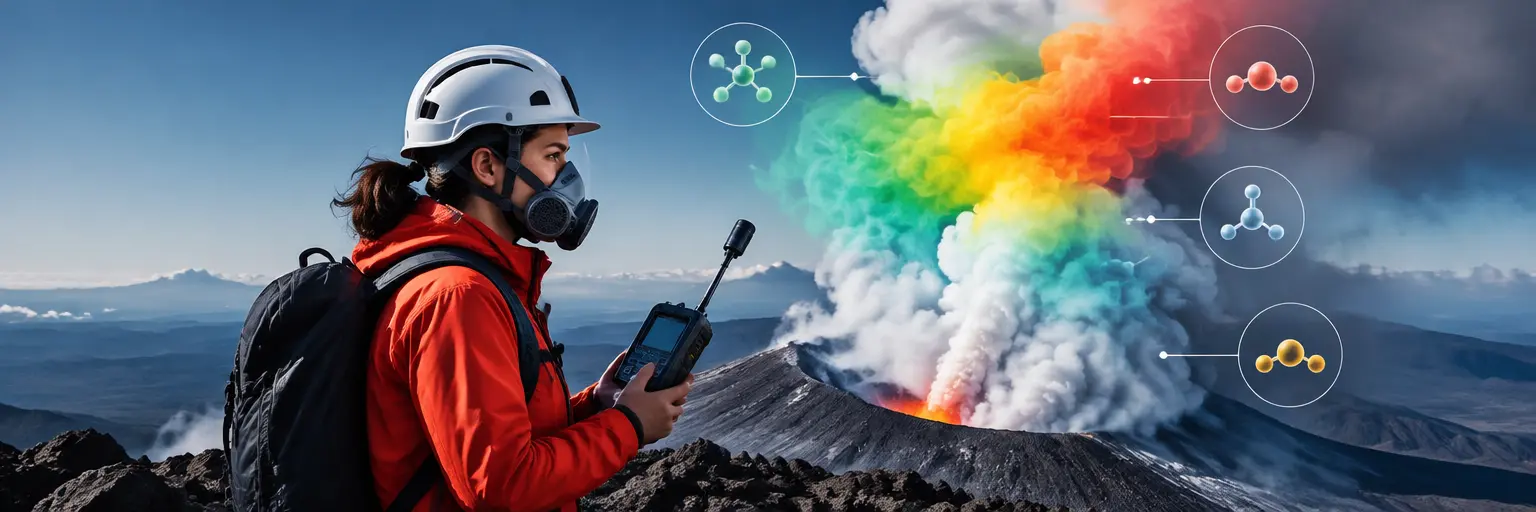
Volcanic gases are among the most dangerous—and least visible—hazards that volcanoes pose, often traveling far beyond the eruption site and impacting air quality, health, and even global climate. At Volcano Explorers, we break down the science behind these noxious emissions, from sulfur dioxide and carbon dioxide to hydrogen sulfide and fluorine compounds, explaining how they form, disperse, and threaten communities. Our practical safety guides help you recognize signs of gas exposure, understand gas monitoring systems used by volcanologists, and follow essential evacuation and respiratory protection steps. Whether you live near a volcano or simply want to grasp the hidden dangers of these fiery mountains, this resource equips you with the knowledge to stay safer and more aware. Discover how invisible plumes can be just as deadly as lava flows, and learn what to do if gas levels rise in your area.
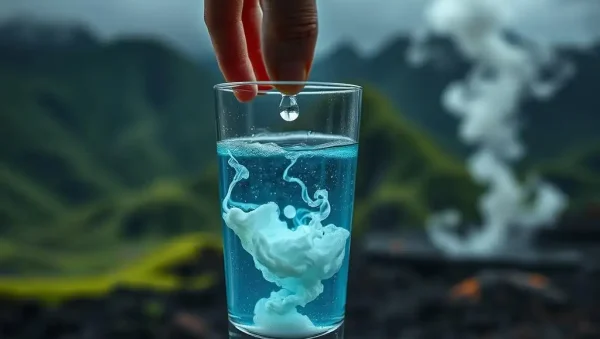
Volcanic gas contamination in water poses a hidden threat near active volcanoes. This article explores the dangers lurking beneath the surface, impacting…
Read article
VolcanoExplorers.org unveils the stunning, yet potentially deadly, beauty of volcanic smog (vog). Discover the hidden health effects of this volcanic haze and…
Read article
VolcanoExplorers.org explores the challenges of accurately predicting volcanic gas emissions. Can current monitoring methods truly provide reliable early warnings, or are they…
Read article
Uncover the perilous secrets of volcanic gas composition dangers! VolcanoExplorers.org reveals the terrifying cocktail of chemicals unleashed during eruptions, exploring the science…
Read article
VolcanoExplorers.org: Uncover the fiery beauty and potential peril of volcanoes. Learn essential volcano safety gear, from gas masks to evacuation plans, and…
Read article
Volcanic gas acid rain effects are devastating. Discover how explosive volcanic eruptions unleash corrosive gases, causing widespread environmental damage, as explored on…
Read articleWhen we think of volcanic hazards, lava and ash often dominate our imagination. Yet, volcanic gases represent one of the most insidious and ever-present dangers associated with active volcanoes. These invisible, sometimes odorless, and often toxic emissions can travel far beyond the crater, affecting air quality, human health, agriculture, and even global climate. For residents, hikers, and emergency managers alike, understanding volcanic gases is not just a scientific curiosity—it is a critical pillar of volcano safety and preparedness. This guide breaks down the key aspects of volcanic gases, from their chemical makeup to practical monitoring and protection strategies.
Volcanoes emit a complex mixture of gases, but a handful dominate the scene. The most abundant is water vapor (H₂O), which often constitutes over 70% of emissions. Following closely are carbon dioxide (CO₂), sulfur dioxide (SO₂), hydrogen sulfide (H₂S), and smaller amounts of hydrogen chloride (HCl), hydrogen fluoride (HF), and radon. These gases originate from magma as it ascends and depressurizes, with some also released from hydrothermal systems beneath the volcano. The presence and ratios of these gases serve as vital indicators of magma movement, making them essential tools for eruption forecasting.
Each gas behaves differently once released. CO₂ is heavier than air and can accumulate in low-lying areas, creating lethal pockets. SO₂ reacts with moisture to form acid rain and volcanic smog, or "vog." H₂S has a distinct rotten egg smell and can be toxic at elevated concentrations. Understanding these sources—from shallow magma bodies to deep crustal interactions—helps scientists predict not only if an eruption might occur, but also which specific hazards residents should prepare for, from respiratory issues to agricultural damage.
Exposure to volcanic gases can cause a spectrum of health problems, ranging from mild irritation to rapid fatality. The most immediate danger comes from carbon dioxide, which, in concentrated pockets, can cause suffocation by displacing oxygen. Sulfur dioxide and hydrogen sulfide irritate the eyes, nose, and throat, exacerbating conditions like asthma and bronchitis. Prolonged exposure to hydrogen fluoride can damage bones and teeth, while radon, a radioactive gas, increases the long-term risk of lung cancer. The severity of symptoms depends on gas concentration, exposure duration, and individual susceptibility, with children, the elderly, and those with pre-existing respiratory conditions facing the highest risks.
For communities living near active volcanoes, chronic low-level exposure is a real concern. "Vog" from Kīlauea in Hawaii, for example, has been linked to increased hospital visits for respiratory distress. Beyond respiratory effects, volcanic gases can contaminate water sources and food supplies. Livestock can suffer from fluorosis, a condition caused by excessive fluoride intake, leading to lameness and tooth decay. Preparedness, therefore, is not just about avoiding an eruption but also about understanding daily risks. Monitoring air quality, using respirators, and heeding public health advisories are crucial measures for safeguarding vulnerable populations.
Volcanic gases do not discriminate—they harm ecosystems as readily as human settlements. Acid rain produced from sulfur dioxide and hydrochloric acid can acidify soils, lakes, and rivers, killing aquatic life and stunting plant growth. Fluoride emitted as hydrogen fluoride settles on pastures, where grazing animals ingest it, causing systemic poisoning. In areas with persistent volcanic emissions, entire forests have been damaged or destroyed, as seen on the slopes of White Island (Whakaari) in New Zealand or around Hawaii's vents. Crop failure due to contaminated soil and air is a major economic hardship for farming communities living in volcanic zones.
Global climate effects are a more subtle but far-reaching consequence. Large eruptions inject sulfur dioxide into the stratosphere, where it forms sulfate aerosols that reflect sunlight, temporarily cooling the planet. The 1991 Pinatubo eruption lowered global temperatures by about 0.5°C for nearly two years. While rare, such events remind us of volcanoes' capacity to alter environmental baselines. For preparedness, it is essential to consider not just immediate emergency responses but also long-term environmental monitoring and rehabilitation strategies. Farmers may need to implement soil amendments, while water managers must test supplies for contamination, ensuring that the invisible threat of gas is mitigated on all fronts.
Modern volcanology relies heavily on gas monitoring as a predictive tool. Instruments like spectrometers (e.g., COSPEC, DOAS) measure sulfur dioxide emissions from aircraft or satellites, detecting increases that often precede eruptions. Ground-based sensors track radon, mercury, and other trace gases, while eddy covariance towers measure CO₂ fluxes continuously. Data from these networks feed into early warning systems, giving authorities critical time to issue evacuations. The integration of gas data with seismic and ground deformation data provides a multi-parameter approach that has successfully forecasted eruptions at volcanoes like Mount St. Helens and Piton de la Fournaise.
For local communities, public access to monitoring information is vital. Many volcano observatories provide real-time data on gas emissions, air quality, and wind trajectories, empowering residents to make informed decisions. Mobile apps and SMS alerts can warn of dangerous gas concentrations. However, technology is only part of the equation. Public education campaigns that explain how to interpret gas hazards and where to seek shelter are equally important. Preparedness drills that include gas-specific scenarios—such as driving uphill away from CO₂ pools—can save lives. A comprehensive monitoring program, combined with clear communication, transforms raw data into actionable safety measures.
When volcanic gas is present, knowledge is your best defense. First and foremost, stay informed about current conditions from official sources like the USGS or local observatories. If an alert is issued, follow evacuation orders immediately and move to higher ground, as many gases are denser than air and accumulate in valleys. For chronic exposure, use N95 respirators or better when outdoors, keep windows and doors closed, and run air purifiers with HEPA filters indoors. Avoid outdoor exercise during high gas periods, and ensure that your family has a plan for accessing clean water, as wells and cisterns can be contaminated by acid rain or fluoride deposition.
Building a gas-specific emergency kit is a practical step. Include items such as dust masks, safety goggles, extra prescription medications (especially inhalers), and a battery-powered radio for updates. For farmers, monitoring pasture and livestock health can prevent fluoride poisoning; consider providing mineral supplements to animals if necessary. Communities should establish designated "clean air shelters" with filtered ventilation and stockpile supplies for vulnerable populations. Finally, participate in local volcano preparedness drills that address gas scenarios, and maintain a family communication plan so everyone knows where to reunite if separated. Preparedness transforms fear into resilience, ensuring that volcanic gases remain a hazard—not a catastrophe.
Carbon dioxide (CO₂) is often considered the most immediately dangerous because it is odorless, colorless, and heavier than air, allowing it to accumulate in low-lying areas and displace oxygen. In high concentrations, it can cause rapid suffocation. Sulfur dioxide (SO₂) is also extremely hazardous, as it can cause severe respiratory distress even at moderate levels.
The distance depends on gas type, wind patterns, and eruption intensity. Sulfur dioxide can travel hundreds to thousands of kilometers, affecting air quality in distant cities, while heavy gases like CO₂ typically stay closer to the vent, pooling in valleys. During major eruptions, gases can reach the stratosphere and circle the globe.
Some can. Hydrogen sulfide (H₂S) has a distinct rotten egg odor at low concentrations, while sulfur dioxide has a sharp, choking smell. However, carbon dioxide and radon are completely odorless, making them particularly dangerous. Always rely on gas monitoring instruments and official advisories rather than your nose for safety decisions.
Yes, animals are often more vulnerable due to their proximity to the ground. Pets can suffer respiratory irritation from SO₂, while livestock grazing on contaminated pasture may develop fluorosis, causing tooth and bone damage. Keep pets indoors during gas events, and consult a veterinarian if you suspect exposure. For livestock, limit grazing and provide clean feed and water.
Stay indoors with windows and doors closed, use air conditioning in recirculation mode, and employ HEPA air purifiers. If you must go outside, wear an N95 respirator and avoid strenuous activity. Keep your emergency medications handy, and monitor local air quality reports. If you have asthma or heart disease, have an action plan ready and consult your doctor early.