
Toxic Tap Water? The Hidden Danger of Volcanic Gas in Water Sources


Welcome to Volcano Explorers, where the Earth's raw power is unveiled! Ever wonder what's really in your water? Our latest investigation dives deep into the often-overlooked danger of volcanic gas contamination in water, a threat lurking closer than you might think. Uncover the hidden risks and learn how to protect yourself. Are you prepared for what you might find?
- Acid Mine Drainage: The Hidden Danger in Water Sources
- Understanding Acid Mine Drainage Contamination in Water Sources
- The Dangers of Acid Mine Drainage in Drinking Water
- How Acid Mine Drainage Affects Water Quality
- Case Studies: Examples of Acid Mine Drainage Water Contamination Events
- Protecting Your Water Supply from Acid Mine Drainage
- What Landowners Can Do
- Conclusion: Minimizing the Risks of Acid Mine Drainage in Water
-
Frequently Asked Questions
- What are the primary volcanic gases that can contaminate water sources?
- How does volcanic gas contamination affect the safety of drinking water?
- What are some signs that my water source might be contaminated by volcanic gases?
- What can be done to treat water contaminated with volcanic gases?
- Where can I find reliable information about volcanic activity and water safety in my area?
- Final Reflection: The Unseen Threat Below
- Rediscover the Purity of Your Water!
Understanding Acid Mine Drainage Contamination in Water Sources
The Link Between Mining and Water Quality
Mining, an essential activity for extracting valuable resources from the earth, can unfortunately pose significant risks to water quality. The process of mining often involves disturbing large volumes of rock and soil, bringing to the surface materials that were previously locked away and isolated from the natural water cycle. This disturbance can lead to the exposure of sulfide minerals to air and water, initiating a chemical reaction that results in the formation of acid mine drainage (AMD).
Historically, mining activities have been conducted with less stringent environmental regulations, leading to legacy sites where AMD continues to impact water sources decades after mining operations have ceased. Even modern mining operations, despite improved practices, require careful management to prevent or mitigate AMD generation, highlighting the inherent link between mining and the potential degradation of water quality.
The impact of mining on water quality is not limited to large-scale industrial operations. Even smaller, artisanal mining activities, particularly in regions with limited environmental oversight, can contribute to AMD problems. The cumulative effect of numerous small mines can be just as detrimental to local water resources as a single large operation.
Furthermore, the type of mining – whether it be for coal, metals, or other minerals – influences the specific characteristics and severity of AMD. For instance, mining for sulfide-rich ores, such as copper, lead, and zinc, is particularly prone to generating highly acidic and metal-laden drainage, necessitating tailored mitigation strategies depending on the geological context and mining methods employed.
What is Acid Mine Drainage and Where Does it Come From?
Acid Mine Drainage (AMD) is a complex environmental problem characterized by highly acidic water, often rich in dissolved heavy metals. It originates primarily from the oxidation of sulfide minerals, most notably pyrite (iron sulfide, FeS₂), which are commonly associated with many ore deposits and coal seams. When these sulfide minerals are exposed to air and water, a series of chemical and biological reactions occur.
Initially, the sulfide minerals react with oxygen and water to form ferrous iron, sulfate, and acidity. This process is often accelerated by microorganisms, particularly acidophilic bacteria like Acidithiobacillus ferrooxidans, which derive energy from oxidizing ferrous iron to ferric iron.
The ferric iron (Fe³⁺) generated in the first step then plays a crucial role in further oxidizing pyrite, even in the absence of oxygen. This reaction produces more ferrous iron, sulfate, and even greater acidity, perpetuating a cycle of acid generation. The acidic conditions further enhance the dissolution of other minerals in the surrounding rock, releasing a cocktail of heavy metals such as aluminum, arsenic, cadmium, copper, lead, manganese, and zinc into the water.
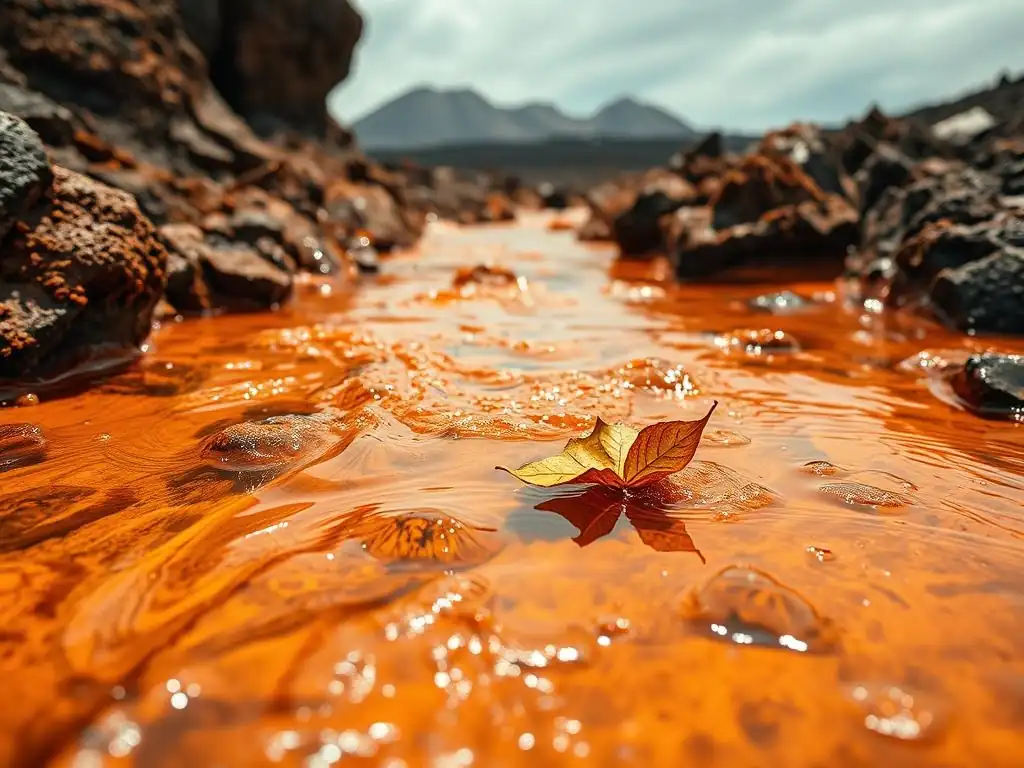
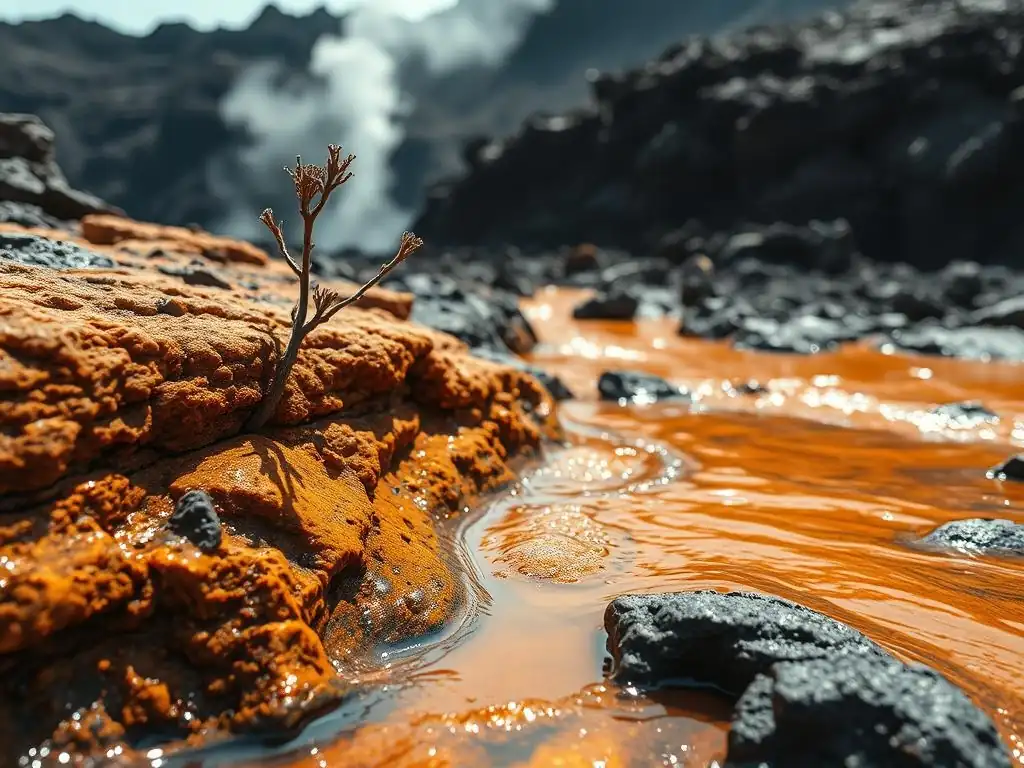
The resulting AMD can vary in color, often appearing reddish-orange due to the precipitation of iron hydroxides (rust) as the acidic water is neutralized or diluted. The source of AMD is not limited to active mines; abandoned or inactive mines can continue to generate AMD for decades or even centuries, posing a long-term environmental challenge.
Common Metals and Pollutants Found in Acid Mine Drainage
Acid Mine Drainage is characterized by a complex mixture of pollutants, with heavy metals and acidity being the primary concerns. Iron is almost invariably present in AMD, often in high concentrations, contributing to the characteristic reddish-orange staining of streams and sediments due to the precipitation of iron oxides and hydroxides.
Aluminum is another common metal, especially in AMD from coal mining regions, as it is leached from aluminosilicate minerals in the surrounding rock by the acidic water. The concentrations of iron and aluminum in AMD can range from milligrams to grams per liter, significantly exceeding water quality standards for drinking water and aquatic life.
Beyond iron and aluminum, AMD frequently contains a range of other toxic heavy metals depending on the specific geology of the mined area. Copper, zinc, lead, cadmium, arsenic, and mercury are among the metals commonly found in AMD, particularly from metal sulfide ore mines. For instance, in areas with copper deposits, AMD may be enriched in copper and arsenic.
Lead and cadmium are often associated with zinc and lead sulfide ores, and thus can be present in AMD from mines targeting these metals. The concentrations of these trace metals, even at relatively low levels (micrograms per liter), can pose significant risks to human health and aquatic ecosystems. In addition to metals, AMD can also contain elevated levels of sulfate, contributing to total dissolved solids, and can have a very low pH, sometimes below 3, which is highly corrosive and harmful to aquatic life and infrastructure.
The Dangers of Acid Mine Drainage in Drinking Water
Health Risks Associated with Acid Mine Drainage-Contaminated Water
Acid Mine Drainage contamination of drinking water sources poses a multitude of health risks due to the presence of heavy metals and the acidic nature of the water. Exposure to AMD-contaminated water can occur through direct consumption of drinking water, but also through indirect pathways such as consuming food crops irrigated with contaminated water or fish from AMD-affected water bodies. The specific health risks depend on the types and concentrations of metals present in the AMD, as well as the duration and route of exposure.
Potential Long-Term Health Effects of Exposure
Long-term exposure to even low levels of heavy metals commonly found in AMD can result in chronic health problems. Arsenic, for example, is a known carcinogen and long-term exposure can increase the risk of cancers of the skin, bladder, and lungs. Chronic arsenic exposure is also linked to cardiovascular diseases and developmental problems in children.
Lead is another potent neurotoxin, particularly harmful to developing brains. Even low-level lead exposure in children can lead to learning disabilities, behavioral problems, and reduced IQ. In adults, chronic lead exposure can contribute to kidney damage, high blood pressure, and neurological issues.
Cadmium is toxic to the kidneys and bones, and long-term exposure can lead to kidney disease and osteoporosis. Chronic exposure to copper and zinc, while essential in trace amounts, can also be harmful at elevated levels, causing gastrointestinal problems, liver damage, and neurological effects. The acidity of AMD itself can also contribute to health problems, eroding tooth enamel and causing gastrointestinal irritation.
Vulnerable Populations: Who is Most at Risk?
Certain populations are more vulnerable to the health impacts of AMD-contaminated water. Children are particularly at risk due to their developing bodies being more susceptible to the toxic effects of heavy metals and their higher water intake relative to their body weight.
Pregnant women and developing fetuses are also highly vulnerable, as heavy metals can cross the placenta and affect fetal development, potentially leading to birth defects and developmental delays. Elderly individuals and people with pre-existing health conditions, such as kidney or liver disease, may also be more susceptible to the adverse health effects of AMD contaminants due to compromised detoxification mechanisms and reduced resilience.
Low-income communities and Indigenous populations living near mining sites often face disproportionate exposure to AMD due to limited access to alternative water sources and inadequate infrastructure for water treatment and monitoring. These communities may also rely more heavily on subsistence farming and fishing, increasing their exposure through food chain contamination.
Identifying Acid Mine Drainage Contamination: Signs and Symptoms
Identifying Acid Mine Drainage contamination in water sources can be challenging, as it may not always be immediately obvious. However, there are several signs and symptoms that can indicate potential AMD contamination. Visually, AMD-affected water often has a reddish-orange or yellowish color due to the precipitation of iron hydroxides.
This discoloration may be particularly noticeable in streams, rivers, or even tap water if the source is contaminated. The water may also appear cloudy or turbid due to suspended metal precipitates. A metallic or sour taste can be another indicator of AMD contamination, although taste alone should not be relied upon for determining water safety.
In areas known to be affected by mining activity, the presence of these visual and taste indicators should raise suspicion of AMD contamination. However, the absence of obvious signs does not necessarily mean the water is safe, as some metals may be present at harmful levels without causing noticeable discoloration or taste changes, especially at lower concentrations. Health symptoms in individuals consuming potentially contaminated water can also be suggestive of AMD exposure.
Gastrointestinal problems such as nausea, vomiting, diarrhea, and abdominal pain can occur, particularly after acute exposure to high concentrations of metals. Long-term exposure can manifest as more chronic and systemic symptoms such as fatigue, joint pain, skin rashes, neurological issues, and kidney problems. If such symptoms are experienced, especially in conjunction with living in or near mining areas, it is crucial to have the water source tested for AMD contaminants.
How Acid Mine Drainage Affects Water Quality
Acidity and Metal Toxicity: The Impact on Water Infrastructure
Acid Mine Drainage not only poses risks to human health but also significantly degrades water quality and damages water infrastructure. The high acidity of AMD, often with pH values below 4 and sometimes even below 3, is extremely corrosive to pipes, plumbing systems, and water treatment infrastructure. This corrosivity can lead to the leaching of metals from pipes themselves, such as lead and copper from older plumbing, further exacerbating metal contamination in drinking water. The acidic water can also degrade concrete structures, dams, and bridges, requiring costly repairs and replacements.
The metal toxicity associated with AMD further compounds the damage to water infrastructure. Heavy metals in AMD can precipitate and accumulate within pipes, reducing water flow and clogging distribution systems. Metal precipitates can also coat the surfaces of water treatment facilities, reducing their efficiency and requiring more frequent cleaning and maintenance.
The combined effects of acidity and metal toxicity can significantly shorten the lifespan of water infrastructure and increase the cost of water treatment and distribution. In regions heavily impacted by AMD, the economic burden of infrastructure damage and increased water treatment costs can be substantial, affecting both public water utilities and private water systems.
Changes in Taste, Odor, and Appearance of Water
Acid Mine Drainage can dramatically alter the taste, odor, and appearance of water, making it unpalatable and aesthetically unappealing, even if the health risks were not a concern. The characteristic reddish-orange color imparted by iron precipitates is often the most visually striking change, making the water look rusty and contaminated. Turbidity from suspended metal precipitates can further reduce water clarity, giving it a cloudy or murky appearance.
The taste of AMD-contaminated water is often described as metallic, sour, or bitter, due to the presence of dissolved metals and acidity. In some cases, a sulfurous or rotten egg odor may also be present, although this is less common in fully oxidized AMD and more indicative of other types of sulfur contamination.
These changes in sensory water quality attributes can significantly impact public perception and trust in water supplies. Even if water treatment processes are effective in removing harmful contaminants, the lingering taste, odor, or appearance issues can lead to public dissatisfaction and reluctance to use tap water. This can result in increased reliance on bottled water or alternative water sources, which can be more expensive and less sustainable. Furthermore, the aesthetic degradation of water bodies due to AMD can negatively impact recreational uses, such as swimming and fishing, and reduce the overall environmental and economic value of affected areas.
Monitoring Water Sources Near Mining Sites for Metal Levels
Proactive monitoring of water sources near mining sites is crucial for detecting and managing Acid Mine Drainage contamination. Regular monitoring programs should be implemented by mining companies, regulatory agencies, and community groups to assess water quality and track potential changes over time.
Monitoring should focus on key indicators of AMD, including pH, acidity, sulfate, iron, aluminum, and a suite of other heavy metals relevant to the specific mining activities and geology of the area. Sampling should be conducted at various locations, including upstream and downstream of mining operations, in nearby wells and springs, and in surface water bodies potentially affected by AMD.
Water samples should be analyzed using appropriate analytical methods to accurately measure metal concentrations and other water quality parameters. Inductively Coupled Plasma Mass Spectrometry (ICP-MS) and Atomic Absorption Spectrometry (AAS) are commonly used techniques for metal analysis. The frequency of monitoring should be determined based on the risk assessment of the mining site, the sensitivity of the receiving environment, and regulatory requirements.
In areas with active mining and a high potential for AMD generation, more frequent monitoring (e.g., monthly or quarterly) may be necessary. Data from water quality monitoring programs should be regularly reviewed and interpreted to identify trends, detect exceedances of water quality standards, and trigger appropriate responses, such as implementing mitigation measures or issuing public health advisories. Public access to monitoring data is also essential for transparency and building public trust in water management efforts near mining sites.
Case Studies: Examples of Acid Mine Drainage Water Contamination Events
Iron Mountain Mine, California - A Case of Extreme Acidity and Metal Contamination
The Iron Mountain Mine in California stands as a stark example of extreme Acid Mine Drainage. This former copper, silver, and zinc mine, located in the Sacramento River watershed, operated intermittently from the late 19th century until the 1960s.
Decades of mining activities left behind vast quantities of sulfide-rich waste rock and underground mine workings, which continue to generate highly acidic and metal-laden drainage. The AMD from Iron Mountain Mine is considered one of the most acidic and metal-contaminated discharges in the United States, with pH levels sometimes below zero and extremely high concentrations of copper, zinc, cadmium, and other heavy metals.
The AMD from Iron Mountain Mine has severely impacted water quality in Spring Creek Reservoir and downstream reaches of the Sacramento River. For years, the mine drainage was discharged directly into Spring Creek Reservoir, leading to widespread aquatic toxicity and ecosystem damage. Even after the implementation of extensive remediation efforts, including the construction of a large-scale water treatment plant, the mine continues to generate significant volumes of AMD.
The treatment plant removes metals and neutralizes acidity before discharging the treated water into the Sacramento River. However, the sheer volume and extreme acidity of the AMD make Iron Mountain Mine a persistent and costly environmental challenge, highlighting the long-term legacy of mining and the difficulties in fully remediating severe AMD contamination. The case of Iron Mountain Mine underscores the importance of preventing AMD generation in the first place and the immense scale of remediation required when prevention fails.
Aberfan Disaster, Wales - Lessons Learned from Coal Tip Instability and Water Pollution
While primarily known for the catastrophic landslide of coal waste that engulfed the village of Aberfan in 1966, the Aberfan disaster also highlighted the issue of water pollution associated with coal mining and coal waste disposal. The coal tips (waste heaps) that tragically collapsed and caused the disaster were located on hillsides above Aberfan. These tips were composed of spoil from the Merthyr Vale Colliery, including shale, sandstone, and coal waste, much of which contained pyrite and other sulfide minerals. Rainwater percolating through these tips generated acidic leachate, contributing to both surface and groundwater contamination in the Aberfan area.
Although overshadowed by the immediate tragedy of the landslide, the long-term environmental impacts of the coal tips, including water pollution, were also significant. The acidic leachate from the tips contained elevated levels of iron, aluminum, manganese, and sulfate, degrading the quality of local streams and rivers. The Aberfan disaster served as a stark reminder of the environmental risks associated with coal mining and waste disposal, beyond the immediate dangers of landslides and instability.
It led to increased scrutiny of coal tip management practices and stricter regulations aimed at preventing both physical instability and water pollution from coal mining waste. The lessons learned from Aberfan emphasize the need for comprehensive risk assessments and responsible waste management in mining operations, considering not only immediate safety but also long-term environmental consequences, including water quality impacts.
Analyzing the Causes and Consequences of Past Events
Analyzing past Acid Mine Drainage contamination events, such as Iron Mountain Mine and Aberfan (in its broader environmental context), provides valuable insights into the causes, consequences, and potential mitigation strategies for AMD. Common causes across many AMD events include inadequate waste rock management, lack of proper mine closure and reclamation plans, and insufficient environmental regulations or enforcement.
At Iron Mountain Mine, the vast quantities of unmanaged waste rock and underground mine workings were the primary source of AMD. In Aberfan, while the immediate cause was tip instability, the underlying issue was the long-term accumulation of coal waste in poorly managed tips that also generated polluted leachate.
The consequences of AMD events are far-reaching, impacting water quality, aquatic ecosystems, human health, and water infrastructure. Iron Mountain Mine demonstrates the extreme levels of metal contamination and acidity that can result from severe AMD, while Aberfan highlights the broader environmental and community impacts associated with coal mining waste. Analyzing these case studies also reveals the challenges and costs associated with AMD remediation.
The ongoing treatment at Iron Mountain Mine illustrates the long-term commitment and expense required to manage even a single severe AMD site. These past events underscore the critical importance of preventative measures, including responsible mining practices, proactive water management, and robust regulatory frameworks, to minimize the risks of future AMD contamination and protect water resources from mining-related pollution.
Protecting Your Water Supply from Acid Mine Drainage
Testing Your Water for Heavy Metals and Acidity
The first crucial step in protecting your water supply from potential Acid Mine Drainage contamination is to test your water for heavy metals and acidity. This is especially important if you live near current or former mining areas, or if you rely on well water that could be affected by AMD. Regular water testing provides essential information about the quality of your water and helps identify potential contamination problems early on. Testing should be conducted by a certified laboratory to ensure accurate and reliable results.
Recommended Testing Methods and Frequency
For comprehensive assessment of AMD contamination, water testing should include analysis for pH, acidity, sulfate, iron, aluminum, manganese, and a range of other heavy metals such as arsenic, cadmium, copper, lead, and zinc. The specific metals to test for may depend on the type of mining activities in your area and the known geology. For pH measurement, a standard pH meter is used.
Metal analysis typically involves techniques like Inductively Coupled Plasma Mass Spectrometry (ICP-MS) or Atomic Absorption Spectrometry (AAS). For routine screening, annual testing is generally recommended for private well owners in areas with potential AMD risk.
If there are known mining activities nearby or if you observe any changes in water quality (taste, odor, appearance), more frequent testing, such as semi-annually or quarterly, may be advisable. If you are concerned about potential contamination after a specific event, such as heavy rainfall that could increase AMD runoff, testing should be conducted promptly.
Interpreting Your Water Test Results
Interpreting water test results requires comparing the measured concentrations of metals and pH to established water quality standards and guidelines. The Environmental Protection Agency (EPA) in the United States and similar agencies in other countries set Maximum Contaminant Levels (MCLs) for various metals in drinking water. For example, the MCL for arsenic is 10 micrograms per liter (µg/L), and for lead it is 0 µg/L (action level of 15 µg/L).
Water test reports typically include these standards for comparison. If your water test results show metal concentrations exceeding MCLs or pH values below the recommended range (typically 6.5-8.5 for drinking water), it indicates potential contamination and the need for action.
It's important to understand that even concentrations below MCLs may pose health risks over long-term exposure, especially for sensitive populations. Consulting with a water quality expert or your local health department can help you interpret your test results accurately and determine the appropriate course of action, which may include implementing water treatment or seeking alternative water sources.
Water Treatment Options for Removing Heavy Metals and Neutralizing Acidity
If your water test results indicate Acid Mine Drainage contamination, several water treatment options are available to remove heavy metals and neutralize acidity, making the water safe for consumption. The choice of treatment method depends on the specific contaminants present, their concentrations, the volume of water to be treated, and the budget.
Boiling Water: Does it Eliminate Heavy Metals?
Boiling water is an effective method for killing bacteria and viruses in water, making it safe from microbial contamination. However, boiling water does not remove heavy metals or neutralize acidity. In fact, boiling water may even slightly increase the concentration of heavy metals by evaporating some of the water and concentrating the dissolved substances. Therefore, boiling water is not a suitable treatment method for AMD-contaminated water. While boiling may be a useful emergency measure in situations where microbial contamination is the primary concern, it is ineffective against the chemical hazards of AMD.
Filtration Systems: Choosing the Right Filter for Your Needs
Various filtration systems are available for removing heavy metals and neutralizing acidity from AMD-contaminated water. For removing heavy metals, reverse osmosis (RO) systems are highly effective. RO systems use pressure to force water through a semi-permeable membrane, effectively rejecting most heavy metals, minerals, and other contaminants. RO systems can remove a wide range of metals, including arsenic, lead, cadmium, copper, and zinc.
However, RO systems can be relatively expensive and require regular maintenance, including membrane replacement. Activated carbon filters can also remove some heavy metals, particularly lead and mercury, but their effectiveness varies depending on the type of carbon and the specific metals present. For neutralizing acidity, acid-neutralizing filters containing materials like calcite or magnesium oxide can be used.
These filters slowly release alkaline minerals into the water, raising the pH and reducing acidity. Choosing the right filtration system requires careful consideration of the contaminants present, the desired level of treatment, and the cost and maintenance requirements. Often, a combination of filtration technologies, such as pre-filtration for sediment removal followed by RO and acid neutralization, may be necessary for comprehensive AMD treatment.
Professional Water Treatment Solutions
For severe AMD contamination or for larger-scale water treatment needs, professional water treatment solutions may be necessary. Professional water treatment companies can design and install customized treatment systems tailored to the specific characteristics of the AMD contamination. These systems may involve a combination of physical, chemical, and biological treatment processes.
Chemical precipitation is a common method used in industrial AMD treatment, where chemicals are added to the water to precipitate metals out of solution as solids, which are then removed through sedimentation and filtration. Lime neutralization is a widely used chemical treatment to raise the pH of AMD and precipitate metals.
Biological treatment methods, such as constructed wetlands and bioreactors, utilize microorganisms to remove metals and sulfate from AMD in a more environmentally friendly and cost-effective manner, particularly for lower concentrations of contaminants. Professional water treatment solutions can be more expensive than home filtration systems but offer more robust and reliable treatment for complex AMD problems, and are often necessary for community water supplies or large-scale remediation projects.
What Landowners Can Do
Staying Informed About Mining Activity in Your Area
Landowners living in or near mining areas play a crucial role in protecting their water supplies from Acid Mine Drainage. Staying informed about mining activity in your area is a fundamental step in proactive water protection.
This involves being aware of current mining operations, proposed new mines, and the history of mining in your region, including abandoned or legacy mining sites. Information about mining activities can be obtained from various sources, including local and regional government agencies responsible for mining regulation and environmental protection, mining company websites and public filings, and community organizations or environmental groups that monitor mining issues.
Understanding the types of mining activities in your area is also important. Different types of mining, such as metal sulfide ore mining, coal mining, or uranium mining, pose different types of AMD risks and require different mitigation approaches. Knowing the geological characteristics of your area, particularly the presence of sulfide minerals or coal seams, can help assess the potential for AMD generation.
Staying informed also involves monitoring news and public notices related to mining permits, environmental impact assessments, and any reported AMD contamination incidents in your region. Proactive awareness and information gathering empower landowners to take appropriate preventative measures and advocate for responsible mining practices and water protection.
Participating in Community Water Monitoring Programs
Participating in community water monitoring programs is an effective way for landowners to collectively protect their water resources from Acid Mine Drainage. Community-based monitoring programs involve local residents in collecting water samples and conducting basic water quality tests, often in collaboration with scientists, environmental organizations, or government agencies. These programs can provide valuable data on water quality trends and identify potential AMD contamination issues at a local level. Participating in such programs allows landowners to gain firsthand knowledge of water quality in their area, contribute to data collection efforts, and share information with neighbors and community members.
Community monitoring programs can also serve as an early warning system for detecting AMD problems before they become widespread or severe. By regularly monitoring water quality in streams, rivers, wells, and springs, communities can identify changes in pH, metal concentrations, or other AMD indicators that may warrant further investigation and action. Participation in community monitoring can also empower local residents to advocate for improved water quality protection and hold mining companies and regulatory agencies accountable for responsible environmental management.
These programs often provide training and resources for participants, enhancing local capacity for water stewardship and environmental awareness. Sharing data and findings from community monitoring programs with relevant authorities and the public can contribute to broader efforts to address AMD contamination and protect water resources.
Advocating for Improved Water Quality Standards Near Mining Sites
Landowners and communities affected by mining activities can play a vital role in advocating for improved water quality standards near mining sites. Existing water quality regulations may not always be sufficient to adequately protect water resources from Acid Mine Drainage, particularly in areas with legacy mining impacts or inadequate enforcement.
Advocacy efforts can focus on strengthening existing regulations, establishing more stringent water quality criteria specifically for mining-affected areas, and ensuring effective enforcement of environmental permits and standards. This may involve engaging with local, regional, and national government agencies responsible for environmental protection and mining regulation, as well as elected officials.
Advocacy can take various forms, including participating in public hearings and comment periods related to mining permits and regulations, submitting petitions or letters to government agencies, and working with environmental organizations and advocacy groups to raise awareness about AMD issues and push for policy changes. Community groups can also organize meetings, workshops, and public education campaigns to inform residents about AMD risks and empower them to participate in advocacy efforts.
Sharing personal stories and experiences of AMD impacts can be particularly effective in raising public awareness and influencing policy decisions. Collaborative advocacy efforts, involving landowners, community groups, scientists, and environmental organizations, can be a powerful force for achieving stronger water quality protections and ensuring that mining activities are conducted in a more environmentally responsible manner.
Conclusion: Minimizing the Risks of Acid Mine Drainage in Water
The Importance of Proactive Measures
Minimizing the risks of Acid Mine Drainage contamination in water supplies requires a proactive and multi-faceted approach. Reactive measures, such as treating contaminated water after it has been affected by AMD, are often costly, complex, and may not fully restore water quality or ecosystem health. Therefore, preventing AMD generation in the first place is the most effective and sustainable strategy.
Proactive measures include implementing responsible mining practices that minimize the exposure of sulfide minerals to air and water, such as backfilling mine workings, encapsulating waste rock, and minimizing water infiltration into mine sites. Proper mine closure and reclamation plans are essential to ensure long-term AMD prevention, including stabilizing waste rock piles, revegetating disturbed areas, and implementing passive treatment systems to manage any residual AMD discharge.
Early detection of potential AMD problems is also crucial for proactive risk management. Regular water quality monitoring, both by mining companies and community groups, can identify AMD indicators before significant contamination occurs, allowing for timely intervention and mitigation measures. Public awareness and education are also key proactive steps, empowering landowners and communities to understand AMD risks, test their water, and advocate for protective measures. Proactive engagement between mining companies, regulatory agencies, communities, and scientists is essential for developing and implementing effective AMD prevention and mitigation strategies, ensuring the long-term protection of water resources in mining regions.
Future Research and Mitigation Strategies for Acid Mine Drainage Contamination
Future research and development are crucial for advancing our understanding of Acid Mine Drainage and improving mitigation strategies. Continued research is needed to better predict AMD generation potential at different mine sites and under various environmental conditions. This includes developing more sophisticated geochemical models and risk assessment tools to identify high-risk areas and guide preventative measures.
Research into passive treatment technologies, such as constructed wetlands and bioreactors, is essential for developing more sustainable and cost-effective AMD remediation methods, particularly for treating diffuse AMD sources and legacy mine sites. Exploring novel materials and approaches for AMD treatment, such as nanomaterials, biochar, and electrochemistry, holds promise for enhancing treatment efficiency and reducing costs.
Further research is also needed to understand the long-term ecological and human health impacts of AMD contamination, including the cumulative effects of chronic low-level exposure to complex mixtures of metals. This research can inform the development of more protective water quality standards and risk management strategies.
Collaboration between researchers, mining industry, regulatory agencies, and communities is essential for translating research findings into practical solutions and implementing innovative mitigation strategies to minimize the risks of Acid Mine Drainage and protect water resources for future generations. Investing in research and development for AMD prevention and treatment is a crucial step towards achieving sustainable mining practices and safeguarding environmental and public health in mining regions worldwide.
Frequently Asked Questions
What are the primary volcanic gases that can contaminate water sources?
The main culprits are sulfur dioxide (SO2), hydrogen sulfide (H2S), and carbon dioxide (CO2). These gases dissolve in water, creating acidic conditions and potentially introducing harmful elements.
How does volcanic gas contamination affect the safety of drinking water?
Volcanic gases can make water unsafe to drink due to increased acidity and the presence of toxic substances. This can lead to health problems if the water is consumed untreated.
What are some signs that my water source might be contaminated by volcanic gases?
Look out for changes in taste or odor, particularly a sulfurous or metallic smell. Also, observe any discoloration or increased cloudiness in the water.
What can be done to treat water contaminated with volcanic gases?
Treatment methods vary depending on the level of contamination, but often involve filtration, aeration to remove gases, and neutralization to correct acidity. Boiling water may help, but it does not remove all contaminants.
Where can I find reliable information about volcanic activity and water safety in my area?
Consult your local geological survey, emergency management agency, or public health department. Websites like VolcanoExplorers.org also provide real-time updates and educational resources.
Final Reflection: The Unseen Threat Below
The findings presented throughout this article underscore a critical reality: volcanic gas contamination in water sources is a far more pervasive and immediate threat than many realize. The potential for long-term health consequences from exposure to these unseen toxins demands immediate attention and proactive measures to safeguard our communities and ensure access to clean, safe drinking water.
The insidious nature of volcanic gas contamination, often undetectable without specialized testing, highlights the urgent need for increased awareness and vigilance. This issue resonates deeply because access to clean water is a fundamental human right, and its compromise by natural phenomena demands our collective responsibility. We never know the worth of water till the well is dry.
- Thomas Fuller. This quote encapsulates the precariousness of our water resources and the importance of proactive protection.
As we conclude, let us not simply acknowledge the problem, but actively seek solutions. Consider the information presented here and ask yourself: what steps can I take to advocate for improved water testing, support research into mitigation strategies, and ensure that my community is informed and prepared? The health and well-being of future generations depend on our commitment to addressing this hidden danger today.
Rediscover the Purity of Your Water!
Thanks for delving into the potential hidden dangers in your water supply! Now that you're equipped with this crucial knowledge, it's time to take proactive steps towards ensuring your water's safety and your family's well-being.
Here are a few immediate actions you can take:
- Immediately test your tap water for volcanic gas contaminants. Contact a certified testing facility in your area.
- Explore alternative water purification methods, like advanced filtration systems designed to remove specific volcanic byproducts.
- Share this article with your friends and family to spread awareness about this often-overlooked issue and foster a community of informed water consumers.
What specific steps will you take today to safeguard your water source? Let us know in the comments below!