
The Silent Eruption: Addressing the Unseen Mental Health Crisis of Volcano Living

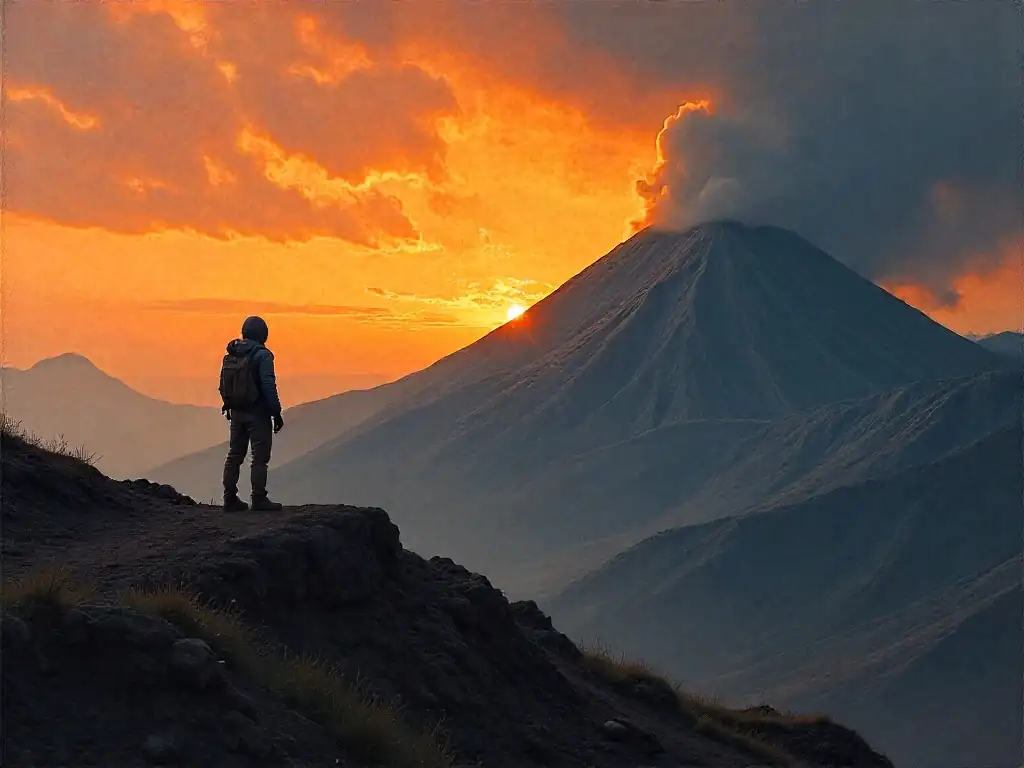
Welcome to Volcano Explorers!
Ever wondered about the unseen cost of living in the shadow of a giant? Beneath the awe-inspiring beauty and scientific intrigue, a silent eruption often goes unnoticed. Dive into "The Silent Eruption: Addressing the Unseen Mental Health Crisis of Volcano Living" to uncover the challenges faced by those who call these powerful landscapes home and discover what's being done to help. What you learn here might surprise you...
- Living Under Threat: Addressing Mental Health in Communities Near Mount Rainier
- Understanding the Psychological Impact of Living Near Mount Rainier
-
Frequently Asked Questions
- What are the primary mental health challenges faced by people living near active volcanoes?
- How does the constant threat of a volcanic eruption impact the long-term psychological well-being of residents?
- What kind of support systems are needed to address the mental health needs of communities near volcanoes?
- How can real-time volcanic activity updates be presented in a way that minimizes anxiety and promotes a sense of control?
- What role does community resilience play in mitigating the mental health impact of living near a volcano?
- Final Reflection: Embracing Resilience Amidst Volcanic Shadows
- Unleash Your Resilience: Stand Strong Against the Silent Eruption
Living Under Threat: Addressing Mental Health in Communities Near Mount Rainier
Understanding the Psychological Impact of Living Near Mount Rainier
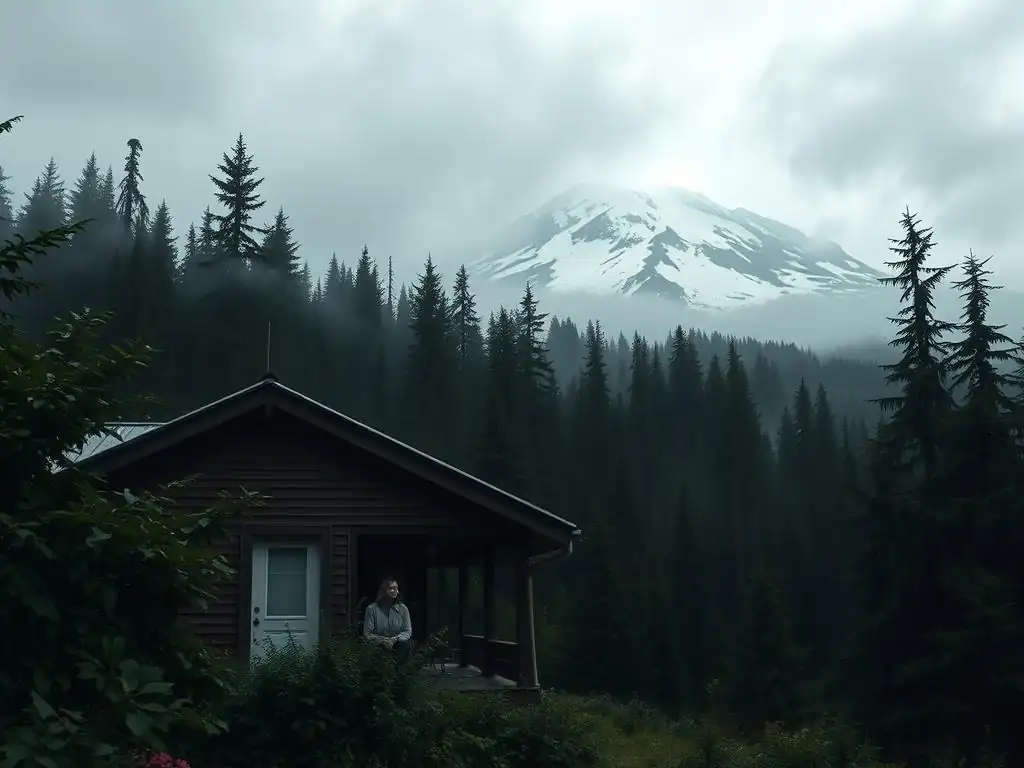
The Unique Stressors of Living Near an Active Volcano and Lahar Zone
Living near an active volcano like Mount Rainier presents a unique set of stressors that significantly impact mental health. Unlike other natural disasters that may be seasonal or predictable, the threat of a volcanic eruption is ever-present, creating a background level of anxiety for residents. The potential for lahars, volcanic mudflows, adds another layer of complexity.
These fast-moving flows can travel tens of miles down river valleys, reaching communities far from the volcano itself, and offer little to no warning, fostering a sense of vulnerability and constant vigilance. This persistent awareness of potential danger differentiates the psychological experience of living near a volcano from other environmental risks.
Furthermore, the sheer scale and potential devastation of a Mount Rainier eruption amplify these stressors. Scientists at the USGS Cascade Volcano Observatory continuously monitor Rainier, and geological records show it has erupted numerous times in the past, producing massive lahars that have sculpted the very landscape Pierce County inhabits.
While the scientific community can provide warnings and hazard assessments, the inherent unpredictability of volcanic activity and the potential for large-scale, rapid changes in the environment contribute to a heightened state of psychological unease within the communities living in its shadow. This constant low-grade worry can accumulate and manifest in various mental health challenges.
Recognizing the Signs of Mental Health Strain in Pierce County Communities
Identifying mental health strain in communities living near Mount Rainier requires understanding the common reactions to chronic stress and potential trauma. Symptoms can range from increased anxiety and persistent worry to sleep disturbances, changes in appetite, and difficulty concentrating. In Pierce County, anecdotal reports from local healthcare providers and community support groups suggest a higher prevalence of anxiety-related disorders and stress-related conditions compared to areas without similar volcanic risk. These manifestations are not simply individual experiences but are often shared across the community, reflecting a collective response to the shared environmental threat.
Beyond individual symptoms, community-level indicators can also signal mental health strain. These might include increased substance use, social withdrawal, or heightened interpersonal conflicts within families and neighborhoods. Observational studies in other disaster-prone areas, such as communities impacted by wildfires or hurricanes, have shown a correlation between environmental stress and these social indicators. Applying these lessons to Pierce County, it becomes crucial to monitor not only individual well-being but also the overall social fabric of the communities surrounding Mount Rainier to proactively address potential mental health crises before they escalate.
Frequently Asked Questions
What are the primary mental health challenges faced by people living near active volcanoes?
The main issues include anxiety and stress related to potential eruptions, displacement and loss following eruptions, and the ongoing uncertainty of living in a volatile environment.
How does the constant threat of a volcanic eruption impact the long-term psychological well-being of residents?
Constant threat can lead to chronic stress, which may manifest as depression, anxiety disorders, and PTSD. It can also erode a sense of security and stability.
What kind of support systems are needed to address the mental health needs of communities near volcanoes?
Communities require access to mental health professionals trained in trauma-informed care, community-based support groups, and educational resources on coping mechanisms.
How can real-time volcanic activity updates be presented in a way that minimizes anxiety and promotes a sense of control?
Updates should be clear, concise, and factual, avoiding sensationalism. They should also provide information on preparedness measures and available support services.
What role does community resilience play in mitigating the mental health impact of living near a volcano?
Strong community bonds and a sense of collective efficacy can buffer against stress and promote recovery. Shared experiences and mutual support are vital for building resilience.
Final Reflection: Embracing Resilience Amidst Volcanic Shadows
The narrative we've explored, detailing the unseen mental health crisis within volcano-adjacent communities, resonates with a profound urgency in our current world. The constant threat, the displacement, and the disruption to daily life create a unique and often overlooked burden on mental well-being. Understanding these challenges is not just an academic exercise; it's a crucial step towards building more resilient and supportive communities in the face of environmental adversity, a reality increasingly relevant in our changing climate.
The enduring impact of living under the shadow of a volcano extends far beyond the immediate aftermath of an eruption. It shapes the collective psyche, fostering a unique blend of resilience and vulnerability. The constant awareness of potential danger, coupled with the deep connection to the land, creates a complex emotional landscape. The mountains are our home, but they also remind us of our fragility,
a sentiment echoed by many residents, underscores the delicate balance between acceptance and anxiety that defines life in these communities.
As we conclude this exploration, let us carry forward a renewed sense of empathy and a commitment to action. Consider how you can contribute to fostering greater awareness and support for those living with the constant threat of natural disasters. Let us strive to build a world where mental well-being is prioritized, even amidst the most challenging circumstances. Reflect on how you can become an advocate for resilience, a beacon of hope, and a source of strength for those who need it most.
Unleash Your Resilience: Stand Strong Against the Silent Eruption
Thank you for learning about the often-overlooked mental health challenges faced by communities living near volcanoes. Your understanding is crucial to creating a more supportive environment. Now, let's turn that understanding into action.
Here's how you can help:
- Share this article on social media, with family, and friends. Raising awareness is vital to breaking down the stigma and encouraging open conversations.
- Visit volcanoexplorers.org to learn about mental health initiatives and support organizations in volcanic regions. Explore volunteer opportunities or ways to donate.
- Start a conversation. Reach out to someone you know who lives near a volcano. A simple, "How are you feeling?" can make a significant difference.
What small act of kindness will you commit today to support those living near volcanoes, and how will you inspire others to join you?