
The Beauty and the Beast Within: Navigating Awe and Terror in Volcanic Landscapes

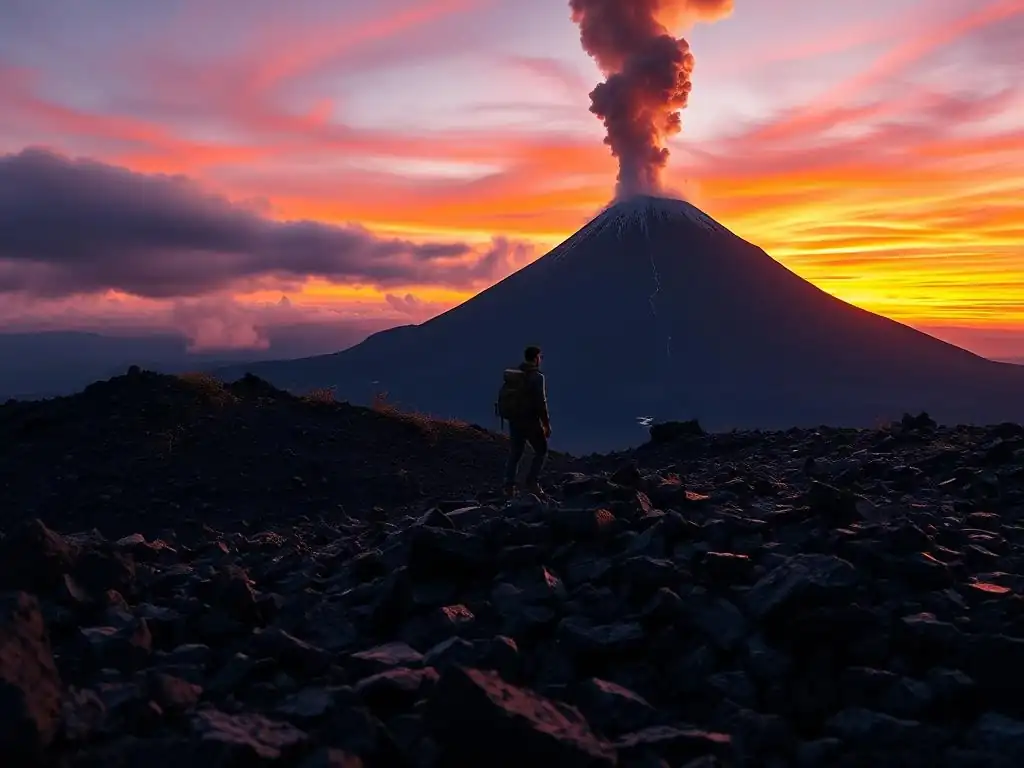
Welcome to Volcano Explorers!
Prepare to be captivated. Exploring volcanic landscapes reveals a world of breathtaking beauty intertwined with profound danger. But how do we navigate this delicate balance between awe and terror? Delve into the heart of this paradox as we explore the captivating, yet perilous, world of volcanoes and uncover the secrets to understanding, appreciating, and respecting these powerful forces of nature. Continue reading to learn more about exploring volcanic landscapes beauty danger and how to stay safe amidst the splendor.
- Introduction: The Dual Nature of Volcanic Environments
- The Allure of the Abyss: Appreciating the Beauty of Volcanic Terrain
- The Specter of Destruction: Confronting the Dangers of Volcanic Activity
- Psychological Coping Mechanisms: Adapting to Life Near Active Volcanoes
- Exploring Volcanic Landscapes Safely: Minimizing Risk and Maximizing Enjoyment
- Reconciling Awe and Terror: Finding Harmony in Volcanic Regions
- Conclusion: Finding Beauty and Understanding in the Face of Volcanic Power
-
Frequently Asked Questions
- What are the primary dangers associated with exploring volcanic landscapes?
- What types of volcanoes are most commonly explored, and why?
- How do volcanologists monitor volcanic activity, and what are they looking for?
- What cultural significance do volcanoes hold in different parts of the world?
- What safety precautions should be taken when exploring a volcanic landscape?
- Final Reflection: Embracing the Volcanic Paradox
- Ignite Your Inner Explorer: Venture Beyond!
Introduction: The Dual Nature of Volcanic Environments
Understanding the Psychological Impact of Active Volcanoes
Living in the shadow of an active volcano presents a unique psychological landscape, one sculpted by the constant interplay of awe and apprehension. These geological giants, capable of breathtaking beauty and terrifying destruction, exert a profound influence on the human psyche. The very ground beneath one's feet is a reminder of immense, unpredictable forces, shaping not only the physical environment but also the emotional terrain of communities residing nearby. Understanding the psychological impact of these dynamic environments is crucial for fostering resilience and well-being in volcanic regions.
The presence of an active volcano is not merely a geographical fact; it is a constant presence in the collective consciousness of those who live within its reach. It permeates daily life, influencing decisions about where to build homes, what crops to cultivate, and even how to perceive the future. This constant awareness can lead to a heightened sense of vulnerability, but also, paradoxically, to a deep appreciation for the power and beauty of nature's raw forces. Exploring volcanic landscapes, therefore, involves navigating not only physical terrain but also complex emotional and psychological responses.
Awe and Fear: Exploring the Complex Emotions Evoked by Volcanic Landscapes
Volcanic landscapes are inherently dualistic, capable of inspiring both profound awe and primal fear. The sheer scale of volcanic formations, from towering stratovolcanoes to vast lava fields stretching to the horizon, evokes a sense of wonder at the Earth's immense power. Witnessing eruptions, even from a distance, can be a mesmerizing spectacle, a display of raw energy that dwarfs human endeavors. This awe-inspiring beauty, however, is inextricably linked to the potential for catastrophic destruction, a reality that instills a deep-seated fear in those who live in volcanic zones.
This interplay of awe and fear creates a complex emotional tapestry for communities living near volcanoes. The beauty of volcanic peaks, the fertile volcanic soils, and the unique geothermal features can foster a strong sense of place and connection to the land. Simultaneously, the awareness of potential volcanic hazards—explosive eruptions, lava flows, ashfall, and lahars—generates anxiety and uncertainty. Exploring volcanic landscapes, therefore, requires acknowledging and understanding this emotional duality, recognizing how both awe and terror shape the human experience in these dynamic environments.
The Allure of the Abyss: Appreciating the Beauty of Volcanic Terrain
The Geological Artistry: Volcanic Landforms and Their Aesthetic Appeal
Volcanic landscapes are sculpted by forces of unimaginable power, resulting in geological artistry that is both dramatic and beautiful. Consider the Giant's Causeway in Northern Ireland, a UNESCO World Heritage site composed of approximately 40,000 interlocking basalt columns, a testament to slow cooling lava flows millions of years ago. These hexagonal columns, formed by contraction as the lava cooled, create a breathtakingly ordered yet entirely natural spectacle. Similarly, the otherworldly landscapes of Cappadocia, Turkey, are shaped by volcanic tuff eroded over millennia into fantastical rock formations known as "fairy chimneys."
The aesthetic appeal of volcanic landforms extends beyond grand structures. Lava flows themselves, in their solidified forms, present a fascinating textural landscape. Pahoehoe lava, with its smooth, ropy surfaces, contrasts sharply with ʻaʻā lava, characterized by its jagged, clinkery appearance.
Volcanic craters, like the perfectly formed Wizard Island in Crater Lake, Oregon, offer serene beauty within their caldera rims. Even the stark, black sand beaches found in volcanic regions like Iceland and Hawaii possess a unique, dramatic beauty, a testament to the fiery origins of the land. Exploring volcanic landscapes is, in part, an exploration of this geological artistry, appreciating the diverse forms and textures created by volcanic processes.
Unique Ecosystems: Life Thriving in the Shadow of Danger
Despite the apparent harshness and potential for destruction, volcanic landscapes often harbor surprisingly vibrant and unique ecosystems. Volcanic soils, though initially infertile, weather over time to become rich in minerals, supporting lush vegetation. For example, the slopes of Mount Etna in Sicily are renowned for their fertile volcanic soils, which contribute to the region's thriving citrus groves and vineyards. These fertile lands attract a diverse range of flora and fauna, creating pockets of biodiversity within otherwise seemingly desolate environments.
Moreover, volcanic regions are often home to extremophiles – organisms that thrive in extreme conditions. Geothermal areas, such as hot springs and fumaroles, support unique microbial communities adapted to high temperatures and chemical concentrations. In Yellowstone National Park, Wyoming, thermophilic bacteria and archaea create vibrant colors in hot springs, demonstrating life's remarkable ability to adapt even in seemingly inhospitable volcanic settings. Exploring volcanic landscapes, therefore, also involves appreciating the resilience of life and the unique ecosystems that flourish in the shadow of volcanic activity, showcasing nature's capacity to not just endure but thrive in dynamic and challenging environments.
Volcanic Photography: Capturing the Raw Beauty and Power
Volcanic landscapes have long captivated photographers, offering unparalleled opportunities to capture both raw power and sublime beauty. Photographers like Sebastião Salgado have documented volcanic eruptions and landscapes, bringing their dramatic beauty and destructive potential to a global audience. His images of volcanoes in various parts of the world showcase the awe-inspiring scale of these geological phenomena and the often-fragile human presence within these environments.
Modern photography techniques, including drone photography and time-lapse videography, have further enhanced our ability to capture the dynamic beauty of volcanic activity. Images of lava flows snaking across the landscape, ash plumes rising thousands of feet into the air, and incandescent lava fountains erupting from volcanic vents are readily accessible, showcasing the dramatic spectacle of volcanic eruptions.
Exploring volcanic landscapes through photography allows us to witness these powerful natural events from a safe distance, appreciate their aesthetic grandeur, and share the awe and wonder they inspire with others, fostering a deeper understanding of the Earth's dynamic processes and the captivating beauty inherent in even its most formidable forces.
The Specter of Destruction: Confronting the Dangers of Volcanic Activity
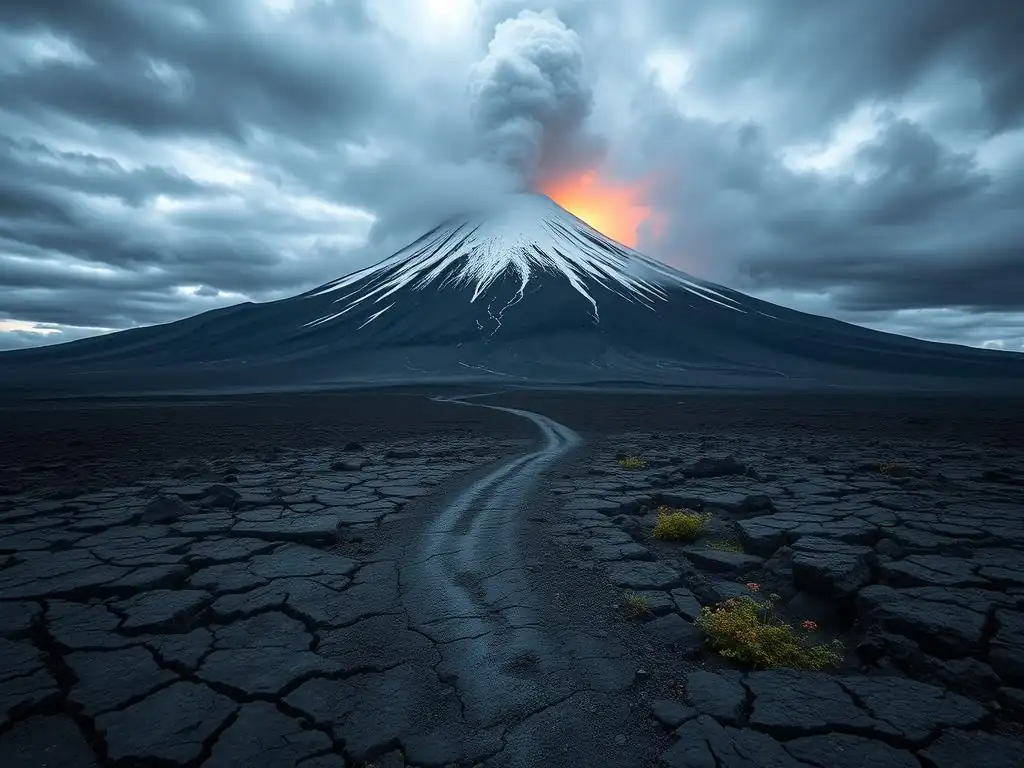
Understanding Volcanic Hazards: From Pyroclastic Flows to Ashfall
The beauty of volcanic landscapes is undeniably intertwined with the specter of their destructive potential. Volcanic hazards are diverse and can range from relatively localized events to widespread catastrophes. Pyroclastic flows, for example, are among the most dangerous volcanic phenomena. These are fast-moving currents of hot gas and volcanic debris that can travel at speeds exceeding 700 km/h and reach temperatures of up to 1000°C. The 1902 eruption of Mount Pelée on the Caribbean island of Martinique famously produced a devastating pyroclastic flow that destroyed the city of Saint-Pierre, killing an estimated 30,000 people.
Beyond pyroclastic flows, other significant hazards include lava flows, which, while generally slower moving, can still destroy infrastructure and alter landscapes dramatically. Volcanic ashfall, even from eruptions hundreds of kilometers away, can disrupt air travel, damage crops, and cause respiratory problems. Lahars, volcanic mudflows composed of water, ash, and rock debris, can sweep down river valleys with immense force, burying everything in their path.
Volcanic gases, such as sulfur dioxide and carbon dioxide, can be toxic in high concentrations and contribute to acid rain. Understanding these diverse volcanic hazards is crucial for assessing risk and preparing for potential eruptions when exploring volcanic landscapes or living in their vicinity.
The Psychological Toll of Living Under Threat: Anxiety and Stress
Living under the threat of volcanic activity inevitably takes a psychological toll on individuals and communities. The constant awareness of potential danger can lead to chronic anxiety and stress. Studies conducted in volcanic regions have shown elevated levels of stress-related symptoms, including sleep disturbances, irritability, and heightened vigilance, among residents. The unpredictability of volcanic eruptions further exacerbates these anxieties, as there is always a degree of uncertainty about when and how a volcano might erupt.
The psychological impact can also extend to economic and social spheres. Disruptions caused by volcanic activity, such as evacuations, property damage, and agricultural losses, can lead to financial strain and social upheaval. The emotional burden of uncertainty and potential loss can be significant, affecting mental well-being and community cohesion. Exploring volcanic landscapes safely requires acknowledging and addressing this psychological dimension, recognizing the stress and anxiety experienced by those who live with the constant presence of volcanic risk and ensuring adequate support systems are in place.
Case Study: The 1980 Mount St. Helens Eruption and Long-Term Psychological Impact
The 1980 eruption of Mount St. Helens in Washington State provides a compelling case study of the long-term psychological impact of a major volcanic event. While the eruption itself caused significant physical destruction and loss of life, its effects extended far beyond the immediate blast zone. Studies conducted in the years following the eruption revealed a range of psychological responses among residents in the affected region. Initial reactions included shock, grief, and fear, but long-term impacts included increased rates of anxiety, depression, and post-traumatic stress symptoms in some populations.
Research highlighted the importance of community support and resilience in mitigating the psychological consequences. Communities that were able to mobilize resources, provide mutual support, and foster a sense of collective efficacy demonstrated greater resilience in the face of the disaster.
However, the eruption also revealed the potential for long-term psychological vulnerabilities, particularly for those who experienced direct losses or displacement. The Mount St. Helens eruption serves as a reminder that exploring volcanic landscapes includes understanding not only the immediate dangers but also the enduring psychological consequences of living in dynamic and potentially hazardous volcanic environments, emphasizing the need for sustained mental health support and community-based coping strategies in volcanic regions.
Psychological Coping Mechanisms: Adapting to Life Near Active Volcanoes
Despite the inherent risks, communities living near active volcanoes often exhibit remarkable resilience, drawing strength from shared experiences and a deep connection to their environment. This community resilience is not simply passive endurance; it is an active process of adaptation, involving social networks, local knowledge, and collective action. In volcanic regions like Iceland, where volcanic activity is a frequent occurrence, communities have developed strong social bonds and mutual support systems to cope with volcanic hazards.
Shared experiences of past eruptions, evacuations, and recovery efforts foster a sense of collective identity and strengthen community cohesion. Local knowledge about volcanic processes, evacuation routes, and coping strategies is passed down through generations, creating a valuable repository of resilience within the community.
Community-based preparedness initiatives, such as volcano drills and emergency response teams, further enhance collective efficacy and preparedness. Exploring volcanic landscapes, therefore, also involves recognizing and learning from the resilience strategies developed by communities who have long navigated the complexities of living in harmony with these powerful natural forces, showcasing human adaptability and the strength of collective action in the face of environmental challenges.
Risk Perception and Acceptance: Balancing Awareness and Fear
Psychological adaptation to living near active volcanoes involves a complex process of risk perception and acceptance. Individuals and communities develop varying levels of risk perception based on factors such as personal experience, education, cultural beliefs, and information sources. Some may exhibit heightened risk perception, characterized by increased anxiety and vigilance, while others may downplay the risks, leading to complacency or denial. Finding a balance between realistic risk awareness and overwhelming fear is crucial for adaptive coping.
Acceptance of volcanic risk is not necessarily about resignation; rather, it involves acknowledging the inherent uncertainties and potential dangers while maintaining a sense of agency and control. This acceptance can be fostered through education about volcanic processes and hazards, promoting realistic risk assessments, and empowering communities to take proactive preparedness measures.
Effective risk communication strategies, tailored to local contexts and cultural nuances, play a vital role in shaping risk perception and promoting adaptive coping mechanisms. Exploring volcanic landscapes responsibly requires understanding these dynamics of risk perception and acceptance, ensuring that information and resources are available to help individuals and communities navigate the psychological challenges of living with volcanic risk in a balanced and informed way.
Coping Strategies: Lava Flow Diversion and Early Warning Systems
Beyond psychological adaptation, tangible coping strategies play a crucial role in mitigating volcanic risks and fostering a sense of security in volcanic regions. Lava flow diversion is one such strategy, famously employed in Vestmannaeyjar, Iceland, during the 1973 Eldfell eruption. By pumping seawater to solidify the advancing lava flow, residents successfully diverted it away from the harbor and town, preventing a major catastrophe. This remarkable feat of engineering demonstrated the potential for human intervention to alter the course of volcanic events and protect communities.
Early warning systems are another vital coping mechanism. Modern volcano monitoring techniques, including seismometers, GPS stations, gas sensors, and satellite imagery, allow volcanologists to detect signs of unrest and provide timely warnings of potential eruptions. Japan, with its numerous active volcanoes, has developed sophisticated early warning systems that enable rapid evacuations and minimize casualties.
These technological advancements, combined with community preparedness efforts and effective communication, significantly enhance the capacity to cope with volcanic hazards. Exploring volcanic landscapes in the context of safety necessitates understanding and appreciating these diverse coping strategies, from community-based resilience to technological interventions, that contribute to reducing risk and fostering coexistence in volcanic environments.
Exploring Volcanic Landscapes Safely: Minimizing Risk and Maximizing Enjoyment
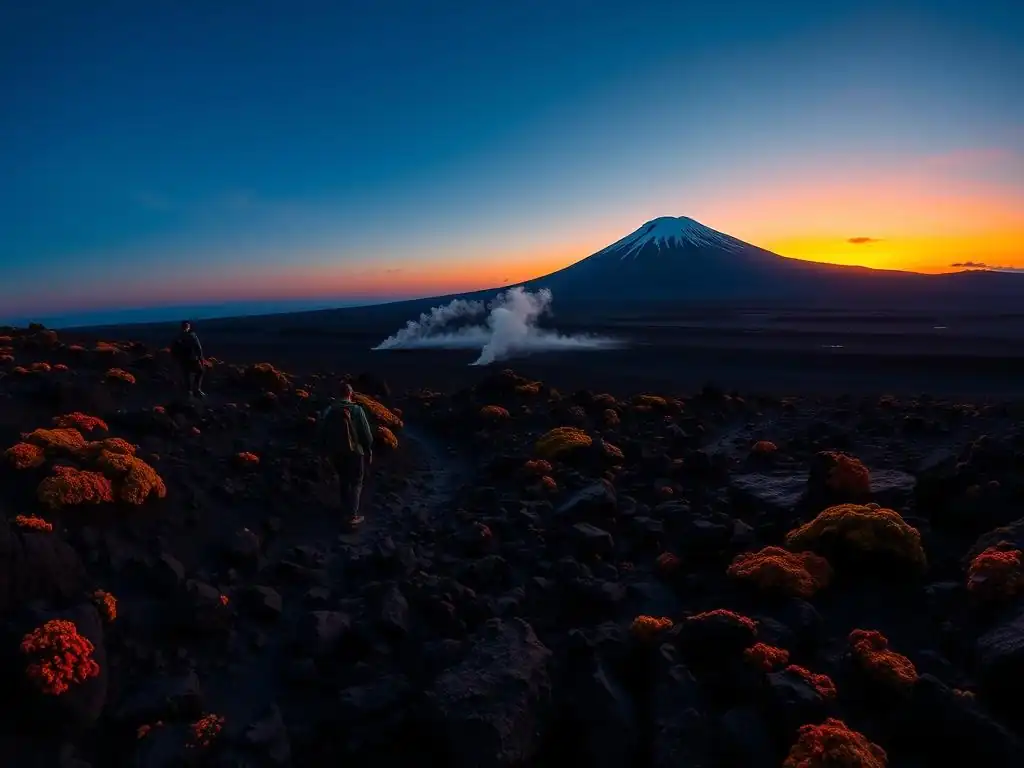
Preparing for Volcanic Hazards: Evacuation Plans and Emergency Kits
Safety is paramount when exploring volcanic landscapes or residing in volcanic regions. Preparation is key to minimizing risk and maximizing both safety and enjoyment. Developing and practicing evacuation plans is crucial for communities living near active volcanoes. These plans should outline designated evacuation routes, assembly points, and communication protocols, ensuring that residents know what to do in the event of an eruption warning. Regular drills and community exercises help to reinforce these plans and ensure preparedness.
Emergency kits are another essential component of volcanic hazard preparedness. These kits should contain essential supplies such as water, non-perishable food, first-aid supplies, flashlights, batteries, dust masks (to protect against volcanic ash), and a portable radio to receive emergency broadcasts. Having these kits readily accessible at home and in vehicles can significantly enhance preparedness and self-sufficiency during a volcanic crisis. Exploring volcanic landscapes responsibly involves taking these practical preparedness measures seriously, prioritizing safety and ensuring the capacity to respond effectively to potential volcanic hazards.
Mental Preparedness: Managing Anxiety and Staying Informed
Mental preparedness is as crucial as physical preparedness when navigating volcanic landscapes. Managing anxiety and staying informed are key aspects of mental resilience in volcanic regions. Reliable information from official sources, such as volcano observatories and emergency management agencies, is essential for dispelling rumors and reducing unnecessary fear. Regularly checking volcano monitoring updates and heeding official warnings are crucial for informed decision-making.
Developing coping mechanisms for managing anxiety is also important. This can include relaxation techniques, mindfulness practices, and seeking support from family, friends, or mental health professionals. Open communication within families and communities about volcanic risks and anxieties can help to normalize these feelings and foster a sense of collective support. Exploring volcanic landscapes with mental preparedness in mind involves cultivating a balanced approach, acknowledging potential risks while maintaining a sense of calm and informed awareness, enabling a more resilient and adaptive response to the dynamic nature of these environments.
Responsible Tourism: Respecting the Environment and Local Communities
Tourism in volcanic regions can bring economic benefits to local communities and foster appreciation for these unique landscapes. However, responsible tourism is essential to minimize environmental impact and respect local communities. Visitors should adhere to designated trails and areas, avoiding sensitive volcanic features and ecosystems. Respecting local customs and guidelines is crucial, particularly in indigenous communities that may have deep cultural connections to volcanic landscapes.
Minimizing waste and practicing Leave No Trace principles are essential for preserving the pristine beauty of volcanic environments. Supporting local businesses and communities through responsible tourism practices can contribute to sustainable development and strengthen local resilience. Exploring volcanic landscapes as a responsible tourist involves being mindful of the environment, respectful of local cultures, and contributing positively to the well-being of volcanic regions, ensuring that the beauty and wonder of these landscapes are preserved for future generations to appreciate and explore.
Reconciling Awe and Terror: Finding Harmony in Volcanic Regions
The Importance of Education: Understanding Volcanic Processes and Risks
Reconciling awe and terror in volcanic regions begins with education. Understanding volcanic processes and risks is fundamental to fostering a balanced perspective and promoting coexistence. Educational initiatives in schools and communities can demystify volcanoes, explaining the science behind eruptions, the types of hazards, and the monitoring techniques used to assess volcanic activity. This knowledge empowers individuals to make informed decisions, reduce fear based on misinformation, and engage in proactive preparedness measures.
Volcano observatories and geological surveys play a vital role in public education, providing accessible information through websites, public lectures, and outreach programs. Museums and visitor centers in volcanic regions can also serve as valuable educational resources, showcasing the beauty and power of volcanoes while emphasizing safety and preparedness. Exploring volcanic landscapes with an educational focus transforms fear into informed awareness, enabling a deeper appreciation for the Earth's dynamic processes and fostering a more harmonious relationship between humans and volcanic environments.
Embracing the Dynamic Nature of Volcanic Landscapes: A Perspective on Change
Volcanic landscapes are inherently dynamic, constantly being reshaped by volcanic activity. Embracing this dynamic nature is crucial for finding harmony in volcanic regions. Volcanoes are not static features; they are agents of change, both destructive and creative. Eruptions, while potentially hazardous, also contribute to soil fertility, create new land, and shape unique ecosystems. Adopting a long-term perspective, recognizing the cyclical nature of volcanic activity, can help to shift the perception from constant threat to dynamic coexistence.
Understanding that volcanic landscapes are constantly evolving, that periods of quiescence are often followed by renewed activity, fosters a more realistic and adaptive approach to living in these environments. This perspective encourages resilience, preparedness, and a deeper appreciation for the Earth's ongoing geological processes. Exploring volcanic landscapes with an understanding of their dynamic nature allows us to appreciate the beauty and power of change, recognizing volcanoes not just as sources of danger but also as integral components of a constantly evolving planet.
Coexistence: The Case of Catania, Italy, and Mount Etna
The city of Catania, Italy, nestled at the foot of Mount Etna, Europe's largest active volcano, provides a compelling example of long-term coexistence between humans and a major volcanic system. Despite Etna's frequent eruptions, including significant events throughout history, Catania has thrived for centuries, demonstrating remarkable resilience and adaptation. The fertile volcanic soils of Etna's slopes have supported agriculture for millennia, contributing to the region's rich agricultural heritage and economic prosperity.
Catania has developed robust infrastructure and preparedness measures to mitigate volcanic risks, including lava diversion barriers and early warning systems. The city's cultural identity is deeply intertwined with Mount Etna, which is viewed not only as a potential threat but also as a symbol of strength, fertility, and natural power. This case of coexistence highlights the potential for humans to adapt and thrive in volcanic regions, finding ways to harness the benefits of volcanic landscapes while mitigating the risks, demonstrating that exploring volcanic landscapes can lead to sustainable and harmonious relationships between communities and their dynamic volcanic environments.
Conclusion: Finding Beauty and Understanding in the Face of Volcanic Power
The Enduring Fascination with Volcanoes: A Call to Explore and Learn
The enduring fascination with volcanoes stems from their potent combination of beauty, power, and mystery. They represent the raw forces of nature on a grand scale, captivating our imaginations and inspiring both awe and respect. Exploring volcanic landscapes offers a unique opportunity to witness these forces firsthand, to learn about the Earth's dynamic processes, and to appreciate the resilience of life and human communities in the face of natural challenges. This fascination with volcanoes is a call to explore and learn, to deepen our understanding of these geological wonders, and to approach them with both curiosity and caution.
Volcanoes serve as a constant reminder of the Earth's dynamic nature, of the powerful forces that shape our planet and influence our lives. Studying volcanoes provides insights into the Earth's interior, plate tectonics, and the complex interactions between geological processes and the environment.
The beauty of volcanic landscapes, from the otherworldly formations to the vibrant ecosystems they support, offers a compelling reason to explore and appreciate these natural wonders. This exploration, however, must be grounded in knowledge, respect, and a commitment to safety, ensuring that our fascination with volcanoes translates into responsible engagement and a deeper understanding of our planet.
Resources for Volcano Safety and Appreciation
For those seeking to explore volcanic landscapes safely and deepen their appreciation for these natural wonders, numerous resources are available. The United States Geological Survey (USGS) Volcano Hazards Program provides comprehensive information on volcanic activity in the United States and worldwide, including real-time monitoring data, hazard assessments, and educational materials. Organizations like the Smithsonian Institution's Global Volcanism Program offer extensive databases on volcanoes and eruptions globally, serving as invaluable resources for researchers and enthusiasts alike.
Volcano observatories around the world, such as the Hawaiian Volcano Observatory and the Italian National Institute of Geophysics and Volcanology (INGV), provide localized information and monitoring updates for specific volcanic regions. Websites and educational materials from these institutions offer valuable insights into volcano safety, preparedness guidelines, and the science of volcanology. Exploring volcanic landscapes responsibly involves utilizing these resources, staying informed, and prioritizing safety while appreciating the beauty and power of these dynamic environments.
Concluding Thought: The Resilience of Communities Living Near Volcanoes
Ultimately, the story of volcanic landscapes is not just about geological forces; it is also a story of human resilience. Communities living near active volcanoes demonstrate remarkable adaptability, developing coping mechanisms, building social support networks, and fostering a deep connection to their environment despite the inherent risks.
Their experiences offer valuable lessons in resilience, preparedness, and the capacity for humans to coexist with powerful natural forces. Exploring volcanic landscapes, therefore, is not just about witnessing geological wonders; it is also about recognizing and celebrating the enduring resilience of communities who have learned to navigate the delicate balance between awe and terror, finding beauty and understanding in the shadow of volcanic power.
Frequently Asked Questions
What are the primary dangers associated with exploring volcanic landscapes?
The primary dangers include sudden eruptions, toxic gases, and unstable terrain. It's crucial to be aware of these risks before venturing near a volcano.
What types of volcanoes are most commonly explored, and why?
Shield volcanoes and stratovolcanoes are commonly explored, though with differing levels of ease and risk. Shield volcanoes often offer gentler slopes, while stratovolcanoes present a more dramatic, but dangerous, landscape.
How do volcanologists monitor volcanic activity, and what are they looking for?
Volcanologists use instruments to monitor ground deformation, gas emissions, and seismic activity. These changes can indicate an impending eruption.
What cultural significance do volcanoes hold in different parts of the world?
Volcanoes are often revered as sacred sites or seen as powerful deities in many cultures. They can represent both creation and destruction.
What safety precautions should be taken when exploring a volcanic landscape?
Always check official warnings and advisories. Wear appropriate protective gear, and avoid venturing too close to vents or active areas.
Final Reflection: Embracing the Volcanic Paradox
The journey through volcanic landscapes, as we've explored, is a potent reminder of nature's dual nature. The raw, untamed power that creates breathtaking beauty also holds the potential for devastating destruction, a paradox that continues to shape our understanding of the planet and our place within it. The lessons learned from these fiery realms extend far beyond geology, offering profound insights into resilience, adaptation, and the acceptance of inherent risk.
The awe and terror evoked by volcanic landscapes have profoundly influenced art, literature, and even our collective psyche. The sheer scale of these forces dwarfs our individual concerns, forcing us to confront our mortality and appreciate the fragile beauty of life. The mountains are fountains of men as well as of rivers, of glaciers, of fertile soil. The great poets, philosophers, prophets, able men whose thoughts change the world, come down from the mountains.
- John Muir. This quote encapsulates the transformative power of these landscapes, reminding us that inspiration and wisdom can be found even in the face of overwhelming power.
Now, as you step away from this exploration of volcanic landscapes, consider how the lessons of awe and terror can be applied to your own life. Embrace the beauty and the danger, the challenges and the opportunities, that lie before you. Let the resilience of the land inspire your own, and may the understanding of inherent risk guide you toward a deeper appreciation for the preciousness of each moment. Let the volcanic paradox fuel your own personal growth and exploration of the world around you.
Ignite Your Inner Explorer: Venture Beyond!
Thanks for joining us on a journey into the heart of volcanic landscapes! We hope this exploration has deepened your appreciation for the awe-inspiring power and delicate balance of these dynamic environments. Now, let's turn that inspiration into action.
Here are a few ways to continue your volcanic adventure:
- Plan your own safe and responsible visit to a volcanic region. Thoroughly research permits, safety guidelines, and remember to respect the environment. Witness this geological marvel firsthand.
- Share this article with fellow adventurers and spark a conversation about the fascinating duality of volcanic beauty and danger. Let's spread awareness and promote responsible exploration.
- Discover the local legends and stories connected to volcanoes near you. Unearth the rich cultural significance and historical impact these geological giants have had on human societies.
What's one surprising thing you learned about volcanoes today that you'll share with others?