
The Volcano Bond: How Shared Risk Creates Unbreakable Community Ties


Welcome to Volcano Explorers!
Ever wondered how communities living in the shadow of fiery giants forge such unbreakable bonds? Prepare to be captivated by the resilience and spirit of those who call volcanic landscapes home. Dive into "The Volcano Bond: How Shared Risk Creates Unbreakable Community Ties" and uncover the profound ways shared danger shapes their lives, offering a compelling look at community ties near volcanoes that you won't soon forget. What drives this incredible connection? Let's explore.
- Introduction: Understanding Community Ties Near Active Volcanoes
- The Shared Experience of Volcanic Threat: Forging Stronger Community Ties
- Psychological Factors Strengthening Community Bonds in Volcanic Areas
- Economic and Social Impacts on Community Cohesion Near Volcanoes
- Maintaining and Strengthening Community Resilience in Volcano-Prone Regions
- Conclusion: The Enduring Strength of Community Ties Near Volcanoes
-
Frequently Asked Questions
- How does living near a volcano impact community ties?
- What role does volcanic risk play in shaping local culture?
- How do shared experiences during volcanic events affect a community's resilience?
- What are some examples of community-led initiatives for volcano preparedness?
- How does VolcanoExplorers.org support communities living near volcanoes?
- Final Reflection: Forged in Fire, Bound by Earth
- Forge Your Own Volcanic Connection
Introduction: Understanding Community Ties Near Active Volcanoes
Living Under the Shadow: The Psychological Landscape of Volcanic Regions
Living near an active volcano is a unique and often intense experience that shapes the psychological landscape of a community. The constant awareness of potential volcanic activity cultivates a shared environment of vigilance and preparedness. This isn't just about geological monitoring; it's about a pervasive understanding that nature holds a powerful, sometimes unpredictable force that can directly impact their lives.
Children grow up learning about evacuation routes alongside their ABCs, and community gatherings often include discussions about the latest volcanic updates, seamlessly interwoven into everyday conversations. This shared awareness of risk is a defining element of life in these regions, creating a collective consciousness that is distinct from communities in less geologically dynamic areas.
The psychological impact extends beyond simple awareness. It fosters a deep respect for nature and its power, often intertwined with a sense of vulnerability and acceptance. Residents develop a heightened sensitivity to subtle changes in their environment – the scent of sulfur, the tremor in the ground, the unusual behavior of local wildlife – all potential indicators of volcanic unrest.
This heightened awareness can lead to anxiety, particularly during periods of increased volcanic activity. However, it also cultivates a strong sense of place and belonging, born from the shared understanding of living in a powerful, yet beautiful, environment. This duality of fear and fascination is a cornerstone of the psychological experience of living under the shadow of a volcano.
The Paradox of Risk: How Volcanoes Can Strengthen Community Bonds
It might seem counterintuitive, but the very risk posed by volcanoes can act as a powerful catalyst for strengthening community bonds. The shared vulnerability creates a sense of interdependence where neighbors rely on each other for information, support, and practical assistance. This shared risk transcends social and economic divides, uniting people under a common banner of resilience. In areas prone to other natural disasters like hurricanes or earthquakes, a similar phenomenon is often observed, but the long-term, sometimes intermittent, nature of volcanic activity can create a particularly deep and enduring sense of community.
This paradox arises because facing a common threat necessitates cooperation. Individual survival becomes inextricably linked to collective well-being. When evacuation sirens sound or ashfall blankets the town, it is the strength of community ties that determines how effectively the population responds. Neighbors check on elderly residents, families share resources, and local organizations mobilize to provide aid. This proactive and reactive collaboration, born from the shared experience of volcanic risk, forges bonds that are often stronger and more resilient than those found in communities facing less dramatic environmental challenges.
Collective Trauma and Resilience: Building Solidarity in the Face of Volcanic Eruptions
Volcanic eruptions, while potentially devastating, can also serve as profound events that solidify community solidarity. The immediate aftermath of an eruption, marked by ashfall, lahars, or even pyroclastic flows, can be a period of collective trauma. Homes may be damaged or destroyed, livelihoods disrupted, and the landscape dramatically altered. However, it is during these times of crisis that the strength of community ties truly shines. Shared trauma, while painful, can paradoxically foster resilience and deepen the bonds between individuals.
The process of recovery from a volcanic eruption is inherently collective. Communities must work together to clear ash, rebuild infrastructure, and support those who have lost homes or livelihoods. This shared experience of overcoming adversity, of rebuilding from the ground up, fosters a powerful sense of collective efficacy – the belief that the community can overcome challenges when working together. This collective resilience, forged in the crucible of volcanic crisis, becomes a defining characteristic of the community and a source of enduring strength.
Preparedness for volcanic eruptions is not just an individual responsibility; it's a community endeavor that actively strengthens social bonds. Volcano drills, community meetings on evacuation plans, and collaborative efforts to stockpile emergency supplies are all activities that require and foster community involvement. These shared preparedness initiatives create opportunities for interaction, communication, and mutual support, building a network of relationships that are crucial in times of crisis.
Furthermore, community-based early warning systems, often reliant on local knowledge and citizen science, exemplify how shared preparedness strengthens community ties. When residents are actively involved in monitoring volcanic activity, sharing observations, and disseminating information, they become stakeholders in the community's safety. This active participation fosters a sense of ownership and collective responsibility, making the community more resilient and better equipped to respond effectively when a volcanic threat materializes. The act of preparing together builds trust and reinforces the understanding that everyone's safety is interconnected.
Case Study: The Mount St. Helens Eruption: Community Forged in Ash
The 1980 eruption of Mount St. Helens in Washington State, USA, serves as a compelling case study of how a volcanic eruption can forge strong community ties. While the eruption caused significant devastation, including loss of life and widespread environmental damage, it also revealed the remarkable resilience and interconnectedness of the communities surrounding the volcano. In the immediate aftermath, neighboring towns and cities rallied to support the affected areas, providing shelter, supplies, and emotional support.
The long-term recovery process following the Mount St. Helens eruption further demonstrated the power of community bonds. Local residents, government agencies, and volunteer organizations worked collaboratively to rebuild infrastructure, restore the environment, and revitalize the local economy. This collective effort, born out of shared adversity, not only facilitated recovery but also strengthened the social fabric of the region. Decades later, the communities around Mount St. Helens still exhibit a strong sense of shared history and resilience, a testament to the enduring impact of the eruption on community ties.
Psychological Factors Strengthening Community Bonds in Volcanic Areas
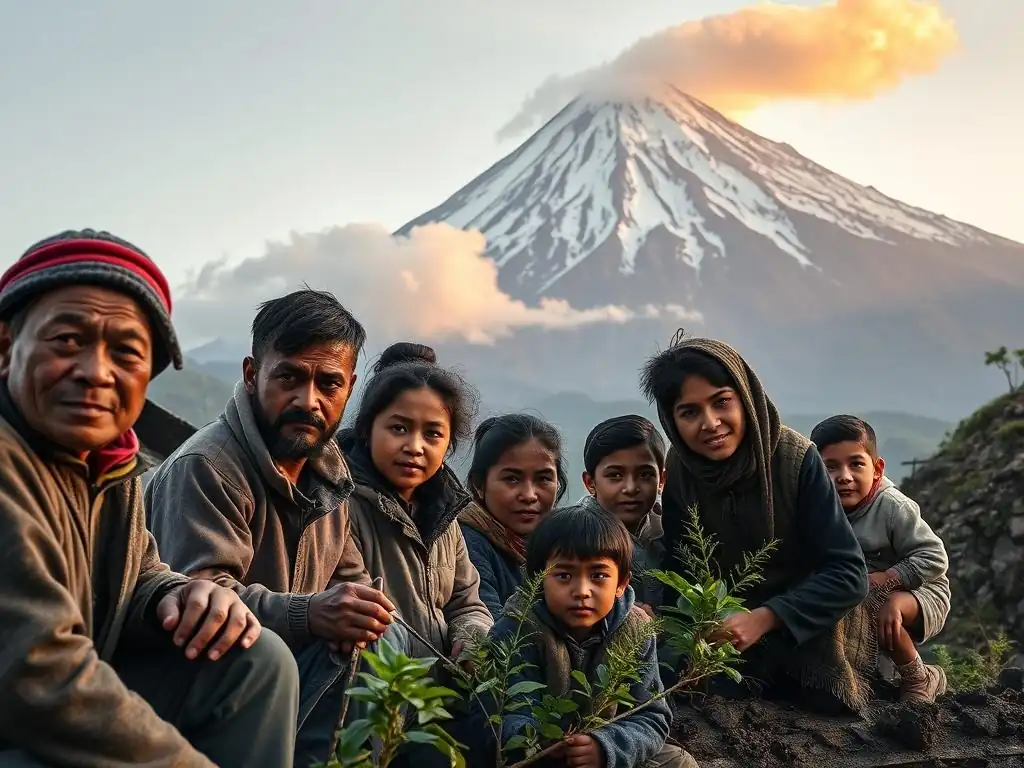
Living near a volcano often becomes a significant part of a community's identity. The shared experience of coexisting with a powerful natural force fosters a collective self-perception, often expressed as "We are volcano people." This shared identity transcends individual differences and creates a strong sense of belonging and collective pride. It is rooted in the understanding that they share a unique environment and a common destiny shaped by the volcano.
This "volcano people" identity manifests in various ways, from local festivals celebrating volcanic heritage to community narratives that emphasize resilience and adaptation to volcanic landscapes. It influences local culture, traditions, and even the local economy, often centered around tourism related to the volcano. This strong sense of shared identity becomes a powerful social glue, binding residents together and fostering a sense of collective responsibility for the well-being of their community and the environment.
Mutual Support Systems: How Neighbors Help Each Other in Volcano-Prone Areas
In volcano-prone areas, informal mutual support systems are often deeply ingrained in the community fabric. Neighbors routinely check on each other, especially the elderly or those with disabilities, during periods of volcanic unrest or after an eruption. These informal networks provide crucial assistance with evacuation, sharing resources, and offering emotional support. This neighborly help is not just altruistic; it's a practical necessity born from the understanding that community resilience depends on mutual aid.
These mutual support systems are often built upon pre-existing social networks – families, friendships, and community groups. However, the shared experience of living near a volcano strengthens these connections and encourages the formation of new support networks. Community members develop a heightened awareness of each other's needs and vulnerabilities, fostering a culture of proactive assistance and reciprocal support. These informal networks are often the first line of response in a volcanic crisis, complementing formal emergency services and contributing significantly to community resilience.
Overcoming Fear and Anxiety Together: Building Resilience Through Community Action
The fear and anxiety associated with living near an active volcano can be significant psychological challenges. However, community action and collective coping mechanisms play a vital role in building resilience and mitigating these negative impacts. Sharing anxieties and fears with neighbors, participating in community preparedness activities, and engaging in collective problem-solving are all ways in which communities can proactively address the psychological toll of volcanic risk.
Community-based support groups, workshops on stress management, and public forums for discussing volcanic concerns can provide crucial avenues for residents to process their emotions and build coping strategies. These collective efforts normalize fear and anxiety, reducing stigma and fostering a sense of shared experience. By working together to address their psychological vulnerabilities, communities in volcano-prone areas build collective resilience, not just to the physical threats of volcanoes, but also to their emotional and psychological impacts.
Economic Challenges and Collaborative Solutions: Supporting Local Livelihoods After Eruptions
Volcanic eruptions can have devastating economic consequences for communities, disrupting agriculture, tourism, and other vital sectors. Ashfall can damage crops and infrastructure, lahars can destroy farmlands and settlements, and pyroclastic flows can obliterate entire areas. However, these economic challenges often spur collaborative solutions that strengthen community ties. Local businesses, community organizations, and government agencies frequently work together to develop strategies for economic recovery and diversification.
Community-based cooperatives, collective farming initiatives, and local tourism ventures are examples of collaborative economic models that can enhance community resilience in volcano-prone areas. Sharing resources, knowledge, and labor, these collaborative approaches not only facilitate economic recovery but also foster social cohesion and strengthen community ownership of economic development. By facing economic challenges together, communities in volcanic regions often emerge stronger and more united.
Volcanic disasters disproportionately impact vulnerable populations, including the elderly, children, people with disabilities, and low-income families. Strong social support networks are crucial for ensuring that the needs of these vulnerable groups are addressed before, during, and after a volcanic eruption. Community-based organizations, faith-based groups, and volunteer networks play a vital role in providing targeted assistance and support to those most at risk.
These social support networks provide a safety net, offering assistance with evacuation, shelter, food, medical care, and emotional support. They also play a crucial role in identifying and addressing the specific needs of vulnerable populations, ensuring that no one is left behind in the aftermath of a volcanic disaster. By prioritizing the well-being of their most vulnerable members, communities in volcano-prone areas demonstrate their commitment to social solidarity and strengthen their overall community cohesion.
The Role of Local Leadership in Strengthening Community Ties After a Volcanic Disaster
Local leadership plays a critical role in strengthening community ties in the aftermath of a volcanic disaster. Effective local leaders can mobilize resources, coordinate relief efforts, and foster communication and collaboration among residents, government agencies, and aid organizations. Their leadership is essential for navigating the complex challenges of recovery and rebuilding, and for ensuring that the community emerges stronger and more resilient.
Strong local leadership is characterized by transparency, empathy, and a commitment to community participation. Leaders who actively involve residents in decision-making processes, listen to their concerns, and empower them to take ownership of the recovery process are more likely to foster community cohesion and build long-term resilience. In the face of volcanic adversity, effective local leadership acts as a catalyst for strengthening community ties and guiding the community towards a path of recovery and renewal.
Maintaining and Strengthening Community Resilience in Volcano-Prone Regions

Community-Based Education: Empowering Residents with Volcano Knowledge
Community-based education is a cornerstone of building and maintaining resilience in volcano-prone regions. Providing residents with accurate and accessible information about volcanic hazards, monitoring systems, evacuation procedures, and safety measures empowers them to make informed decisions and take proactive steps to protect themselves and their communities. Education fosters a culture of preparedness and reduces vulnerability to volcanic risks.
Community workshops, school programs, public awareness campaigns, and accessible online resources are effective tools for disseminating volcano knowledge. Engaging local scientists, volcanologists, and emergency management experts in these educational initiatives enhances credibility and ensures that information is tailored to the specific needs and context of the community. By empowering residents with knowledge, community-based education strengthens individual and collective resilience and fosters a more proactive and engaged community.
Effective communication and trust between residents and authorities are essential for building community resilience in volcano-prone areas. Open and transparent communication channels ensure that residents receive timely and accurate information about volcanic activity, potential risks, and emergency response plans. Trust between residents and authorities fosters cooperation and ensures that emergency measures are effectively implemented and adhered to.
Establishing clear communication protocols, conducting regular community meetings, and utilizing accessible communication technologies, such as mobile alerts and social media, are crucial steps in fostering effective communication. Building trust requires consistent and transparent communication, active listening to community concerns, and demonstrating a commitment to the community's safety and well-being. Strong relationships between residents and authorities enhance community resilience and improve the effectiveness of volcano risk management efforts.
Long-Term Strategies for Community Development and Volcano Preparedness
Long-term strategies for community development and volcano preparedness are essential for ensuring the sustainable resilience of volcano-prone regions. These strategies should integrate volcano risk management into broader community development plans, addressing economic, social, and environmental vulnerabilities. Sustainable land-use planning, diversification of livelihoods, and investment in resilient infrastructure are key components of long-term resilience building.
Furthermore, ongoing community engagement, regular drills and exercises, and continuous improvement of emergency response plans are crucial for maintaining preparedness over time. Long-term resilience is not a static state; it is an ongoing process of adaptation, learning, and continuous improvement. By adopting a long-term perspective and integrating volcano risk management into broader community development efforts, volcano-prone regions can build a more sustainable and resilient future for their communities.
Conclusion: The Enduring Strength of Community Ties Near Volcanoes
Lessons Learned: Applying the Volcano Bond to Other Disaster-Prone Areas
The "volcano bond" – the strengthening of community ties through shared risk and resilience in volcano-prone areas – offers valuable lessons that can be applied to other disaster-prone regions around the world. The principles of shared preparedness, collective resilience, mutual support, and community-based education are universally applicable to communities facing various natural hazards, from hurricanes and earthquakes to floods and wildfires.
Understanding how shared risk can foster community cohesion highlights the importance of community-centered disaster risk reduction strategies. Empowering local communities, fostering social networks, and promoting participatory approaches to preparedness and response are key elements for building resilience in any disaster-prone context. The lessons learned from volcano communities underscore the fundamental role of strong community ties in mitigating the impacts of disasters and fostering long-term recovery.
Looking Ahead: Building a More Resilient Future for Volcanic Communities
Looking ahead, building a more resilient future for volcanic communities requires continued commitment to community-based approaches to volcano risk management. This includes investing in community education, strengthening social support networks, promoting participatory decision-making, and fostering collaboration between residents, scientists, and authorities. Technological advancements in volcano monitoring and communication offer new opportunities to enhance early warning systems and improve community preparedness.
Ultimately, the enduring strength of community ties near volcanoes lies in the proactive and collaborative spirit of the residents themselves. By embracing their shared identity as "volcano people," by supporting each other in times of need, and by actively participating in building a resilient future, volcanic communities demonstrate the remarkable power of human connection in the face of natural adversity. Their experiences offer valuable insights and inspiration for building more resilient communities around the world, facing all manner of environmental challenges.
Frequently Asked Questions
How does living near a volcano impact community ties?
Living under the constant threat of volcanic activity often fosters strong community ties. Shared risk and the need for mutual support during emergencies tend to strengthen bonds between neighbors.
What role does volcanic risk play in shaping local culture?
The ever-present threat of a volcanic eruption frequently shapes local cultures. Traditional beliefs and practices may develop to appease the volcano or prepare for disasters, intertwining with daily life.
Experiencing a volcanic eruption or heightened activity together can significantly boost a community's resilience. The collective trauma and subsequent recovery foster a sense of shared identity and purpose.
What are some examples of community-led initiatives for volcano preparedness?
Communities near volcanoes often create volunteer emergency response teams, organize evacuation drills, and establish communication networks to share information and resources during crises.
How does VolcanoExplorers.org support communities living near volcanoes?
VolcanoExplorers.org provides educational resources on volcanic hazards, shares safety guides and evacuation tips, and offers real-time updates on volcanic activity worldwide to help communities prepare and stay informed.
Final Reflection: Forged in Fire, Bound by Earth
The lessons learned from communities living near volcanoes are not just historical anecdotes or geological curiosities; they are profoundly relevant today. The resilience and interconnectedness forged in the face of constant threat offer a powerful model for building stronger, more supportive communities everywhere. In a world increasingly defined by uncertainty and shared global challenges, understanding how these communities thrive is more vital than ever.
The enduring strength of these community ties, born from shared risk and mutual aid, continues to inspire. Witnessing their unwavering commitment to one another underscores the fundamental human need for connection and belonging, a need often overlooked in our increasingly individualistic societies. We are all in this together, and we must help each other, for if we do not, who will?
- A common sentiment echoed by residents of volcanic regions. This simple truth, etched in the landscape of active volcanoes, resonates deeply and challenges us to re-evaluate our own relationships and responsibilities.
Now, consider the lessons of the volcano bond in your own life. How can you foster a stronger sense of community in your neighborhood, workplace, or even within your family? Embrace the spirit of shared responsibility, offer support to those in need, and actively cultivate connections that will withstand the inevitable storms of life. Just as volcanic communities have learned to thrive in the face of adversity, so too can we build unbreakable bonds that will sustain us all.
Forge Your Own Volcanic Connection
Thank you for exploring how shared experiences around volcanoes foster strong community bonds. Now, let's build those connections! Here's how you can get started:
- Join a local volcano enthusiasts group—whether focused on hiking, research, or photography—and attend their next meeting. This is a great way to connect with like-minded individuals.
- Share this article with someone who appreciates the power of shared experiences. Spreading the word helps others discover similar communities.
- Organize a fun, volcano-themed activity—online or in-person—with your friends or existing social group. This could be a movie night, a trivia contest, or simply sharing fascinating volcano facts.
What small step will you take this week to strengthen your community bonds, inspired by the spirit of Volcano Explorers?