
Hidden Gems of Volcanic Photography: Undiscovered Spots in the Americas

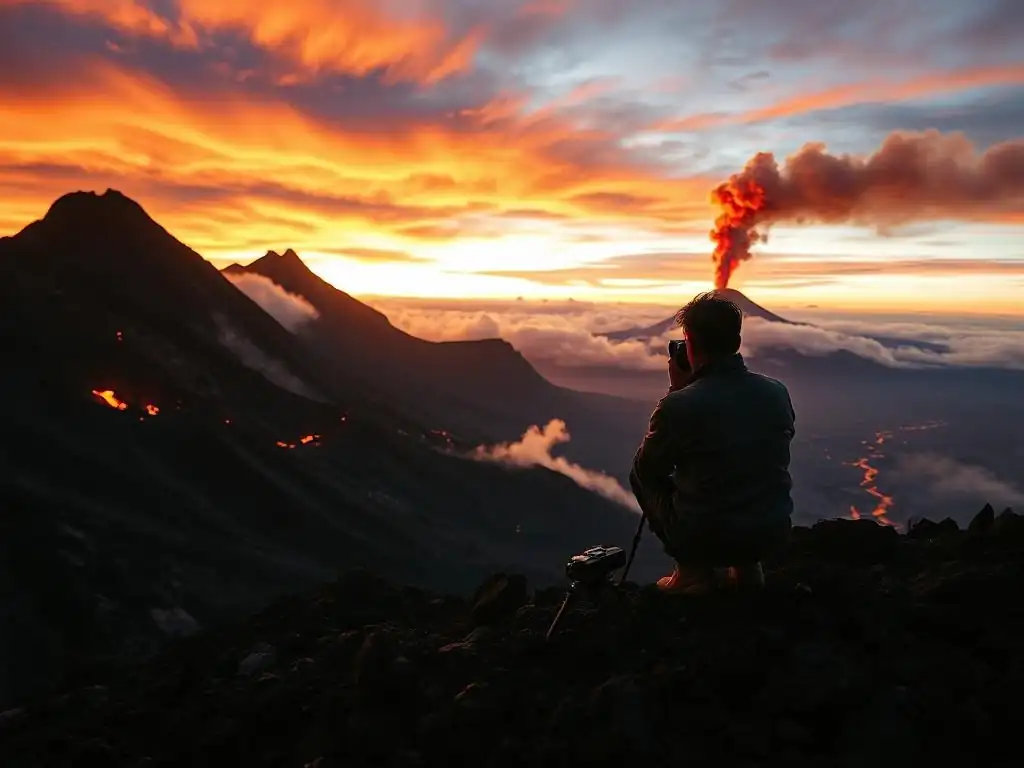
Welcome to Volcano Explorers, where the Earth's fiery heart beats strong.
Ever wondered where the most breathtaking, untouched landscapes of volcanic activity lie? Forget the crowded viewpoints. This time, we're diving deep into the Americas to reveal the best volcanic photography locations you've never heard of. Prepare to be amazed, but more importantly, inspired to uncover the raw, untamed beauty that awaits. Let the adventure begin...
- Discovering Untapped Potential: Best Volcanic Photography Locations in the Americas
- North American Volcanic Photography: Hidden Jewels to Capture
- Central American Volcanic Photography: Untouched Beauty Awaits
- South American Volcanic Photography: Capturing the Raw Power
- Tips for Photographing Undiscovered Volcanic Locations
- Conclusion: Expanding Your Volcanic Photography Horizons
-
Frequently Asked Questions
- What makes a location a "hidden gem" for volcanic photography?
- What types of volcanic features are best suited for photography?
- What safety precautions should photographers take when shooting near active volcanoes?
- How can I capture the best light when photographing volcanoes?
- Does "VolcanoExplorers.org" offer tours or workshops focused on volcanic photography?
- Final Reflection: Embracing the Earth's Fiery Heart
- Ignite Your Passion: Capture the Unseen Volcanic Wonders!
Discovering Untapped Potential: Best Volcanic Photography Locations in the Americas
Why Explore Undiscovered Volcanic Landscapes for Photography?
Venturing beyond the well-trodden paths of popular volcanic destinations offers a photographer a unique set of advantages. Firstly, you escape the crowds. Iconic locations, while breathtaking, often teem with tourists, making it challenging to capture a truly original and personal shot. Undiscovered locations, conversely, provide a sense of solitude and immersion, allowing for a more intimate connection with the volcanic landscape. This tranquility translates directly into the photographic process, fostering patience and creativity.
Secondly, exploring lesser-known volcanic regions often reveals perspectives unseen by the masses. Established viewpoints and trails are designed for general accessibility, not necessarily for optimal photographic angles. By venturing off the beaten path, photographers can discover unique vantage points, hidden valleys, or rarely photographed geological formations. This exploration allows for a more personal interpretation of the volcanic landscape, leading to images that stand apart and offer a fresh perspective on these powerful natural wonders. Ultimately, seeking out undiscovered locations is about forging a unique visual narrative and enriching the body of volcanic photography.
The Allure of Uncrowded Volcanic Photography Spots
The appeal of uncrowded volcanic photography locations extends beyond simply avoiding throngs of tourists. It’s about fostering a deeper, more authentic interaction with the environment. In solitude, a photographer can truly absorb the subtle nuances of a volcanic landscape – the play of light across ash fields, the textures of ancient lava flows, the delicate steam rising from fumaroles. This focused attention allows for a more thoughtful and deliberate approach to composition and capturing the essence of the location.
Moreover, uncrowded locations often translate to pristine environments, less impacted by human activity. This can mean cleaner air, undisturbed landscapes, and a greater sense of wilderness. For the volcanic photographer, this purity offers a more compelling subject, free from distractions and imbued with a raw, untamed beauty. Imagine capturing the vibrant colors of a geothermal area without a single footprint marring the foreground, or photographing a volcanic sunset without the noise and visual clutter of crowds – these are the rewards of seeking out less frequented volcanic gems.
Lassen Volcanic National Park, California: A Different Perspective
While perhaps not as globally renowned as Yellowstone, Lassen Volcanic National Park in Northern California offers a remarkable diversity of volcanic features in a relatively compact area. Often overlooked in favor of its more famous counterparts, Lassen boasts steaming fumaroles, boiling mud pots, pristine mountain lakes reflecting volcanic peaks, and vast fields of lava rock. Its location in Northern California also means it experiences distinct four seasons, each offering a unique photographic palette, from snow-covered landscapes in winter to vibrant wildflowers in the summer months.
Lassen's volcanic history is evident across its varied terrain, from the dramatic Chaos Crags formed by a massive landslide to the serene beauty of Manzanita Lake reflecting Lassen Peak. Unlike some volcanic areas dominated by a single type of feature, Lassen provides a tapestry of volcanic landscapes, allowing photographers to explore hydrothermal areas, climb cinder cones, and capture the grandeur of stratovolcanoes all within a relatively accessible park. This diversity makes it an exceptional, yet often underestimated, destination for volcanic photography in North America.
Photographing Lassen's Hydrothermal Areas and Volcanic Peaks
Lassen's hydrothermal areas, like Bumpass Hell and Sulphur Works, present unique photographic opportunities. Bumpass Hell, the park's largest hydrothermal area, features boardwalk trails winding through boiling mud pots, fumaroles hissing steam, and brightly colored hot springs. Photographing here involves capturing the textures of the bubbling mud, the ethereal steam plumes against the sky, and the vibrant mineral deposits staining the rocks in yellows, oranges, and reds. Early morning or late afternoon light enhances the steam and shadows, adding depth and drama to these geothermal features.
Beyond the hydrothermal areas, Lassen Peak, a prominent stratovolcano, and Chaos Crags, a cluster of dacite lava domes, offer contrasting subjects. Lassen Peak, when viewed from Manzanita Lake or Reflection Lake, creates stunning reflection shots, particularly at sunrise or sunset when the sky is painted with color. Chaos Crags, with their jagged, imposing forms, are best photographed to emphasize their ruggedness and scale, often using wide-angle lenses to capture their dramatic presence against the surrounding landscape. Experimenting with different perspectives and focal lengths is key to capturing the diverse beauty of Lassen's volcanic peaks and hydrothermal wonders.
Mount Edziza Provincial Park, British Columbia: Remote Volcanic Wilderness
Deep within the remote wilderness of northwestern British Columbia lies Mount Edziza Provincial Park, a vast and largely untouched volcanic landscape. This park is a true hidden gem, requiring significant effort to reach, but rewarding intrepid photographers with unparalleled solitude and raw volcanic beauty. Mount Edziza itself is a massive, dormant stratovolcano surrounded by a plateau dotted with cinder cones, lava flows, and glacial valleys. Its remoteness has kept it largely undeveloped, preserving its pristine volcanic character.
The park's volcanic features tell a story of diverse eruptions over millennia, from the symmetrical cinder cones of Eve Cone and Spectrum Range to the extensive, dark lava flows that stretch across the plateau. Access is primarily by floatplane or multi-day backpacking trips, ensuring that those who venture here are rewarded with an experience far removed from typical tourist trails. This isolation and the sheer scale of the volcanic landscape create a truly immersive and unforgettable photographic journey into the heart of volcanic wilderness.
Capturing the Rugged Beauty of Mount Edziza's Lava Flows
Mount Edziza's lava flows are a defining feature of its landscape, offering photographers a chance to capture the raw, untamed power of volcanic forces. These vast expanses of basaltic rock, often dark and rugged, contrast dramatically with the surrounding alpine meadows and glacial features. Photographing these lava flows requires an appreciation for texture and scale. Wide-angle lenses can emphasize the vastness of the flows stretching towards the horizon, while telephoto lenses can isolate interesting details within the fractured rock formations.
The interplay of light and shadow across the lava flows is crucial. Golden hour light, in the early morning or late evening, rakes across the textured surfaces, highlighting the cracks, ridges, and variations in the rock. Look for opportunities to incorporate contrasting elements, such as wildflowers blooming in the cracks of the lava, or snow patches clinging to the edges of the flows, to add visual interest and context. The sheer scale and ruggedness of Mount Edziza's lava flows offer a powerful subject for photographers seeking to document the untamed beauty of volcanic landscapes.
Central American Volcanic Photography: Untouched Beauty Awaits
Santa Ana Volcano, El Salvador: A Challenging but Rewarding Climb
Santa Ana Volcano, also known as Ilamatepec, in El Salvador, presents a unique challenge and a spectacular reward for volcanic photographers. Ascending to its summit requires a moderately strenuous hike, typically taking around 2-3 hours, but the payoff is the breathtaking view into its active crater, which holds a vibrant emerald green crater lake. This combination of physical exertion and stunning visual spectacle makes Santa Ana a compelling destination for adventurous photographers seeking unique volcanic imagery.
The hike itself winds through varied terrain, starting in lush cloud forest and gradually transitioning to volcanic slopes with panoramic views. Reaching the summit rim, photographers are greeted by the awe-inspiring sight of the crater lake, its color derived from dissolved minerals and volcanic gases. The surrounding volcanic landscape, with views extending to the Pacific Ocean on clear days, further enhances the photographic potential of this Central American gem. Santa Ana offers a blend of natural beauty and physical challenge, creating a truly memorable volcanic photography experience.
Framing the Emerald Crater Lake of Santa Ana
The emerald crater lake of Santa Ana Volcano is undoubtedly its photographic centerpiece. Framing this vibrant lake effectively requires careful consideration of composition and perspective. From the summit rim, photographers can experiment with wide-angle lenses to capture the entire crater lake within the context of the surrounding volcanic landscape. Including the crater rim in the foreground adds a sense of depth and scale, emphasizing the vastness of the crater.
Telephoto lenses can be used to isolate details within the crater lake, highlighting the textures of the crater walls, the variations in water color, or the plumes of steam rising from fumaroles on the lake's edge. The light conditions play a crucial role in capturing the lake's vibrant color. Midday sun often reveals the most intense emerald hues, while softer light in the early morning or late afternoon can create a more subdued and atmospheric mood. Experimenting with different angles and perspectives along the crater rim is key to finding the most compelling frame for this remarkable volcanic lake.
Pacaya Volcano, Guatemala: Lesser-Known Perspectives
Pacaya Volcano in Guatemala is a popular destination, known for its accessibility and frequent lava flows. However, beyond the standard tourist viewpoints, Pacaya offers opportunities for unique and lesser-seen perspectives. While guided tours often focus on specific, established areas, venturing slightly beyond these zones, with proper guidance and safety precautions, can reveal less crowded vantage points and more intimate encounters with the volcano's activity.
Exploring Pacaya beyond the typical tourist trail allows photographers to discover different angles on the lava flows, capture the volcano in relation to the surrounding landscape, and find quieter spots to observe and photograph the volcanic activity. This might involve hiking to slightly higher ridges or exploring different sides of the volcano, always prioritizing safety and respecting local guides' expertise. By seeking out these lesser-known perspectives, photographers can create images of Pacaya that stand apart from the more common tourist shots.
Photographing Active Lava Flows on Pacaya at Dusk
Photographing active lava flows on Pacaya Volcano at dusk presents a dramatic and visually stunning opportunity. As daylight fades, the incandescent glow of the molten lava becomes increasingly prominent, creating a striking contrast against the darkening sky and volcanic landscape. This time of day offers a unique palette of colors, from the fiery oranges and reds of the lava to the deep blues and purples of twilight.
Capturing lava flows at dusk requires careful attention to exposure. The bright lava can easily be overexposed, losing detail and color. Using manual mode and adjusting exposure settings to prioritize the lava's detail while still capturing the ambient light of the twilight sky is crucial. Longer exposures can blur the movement of the lava, creating a sense of flow and dynamism. Tripods are essential for sharp images in low light conditions. Photographing lava at dusk on Pacaya offers a chance to capture the raw power and beauty of volcanic activity in a truly captivating light.
South American Volcanic Photography: Capturing the Raw Power
Laguna Esmeralda, Chile: Reflecting Volcanoes in Pristine Waters
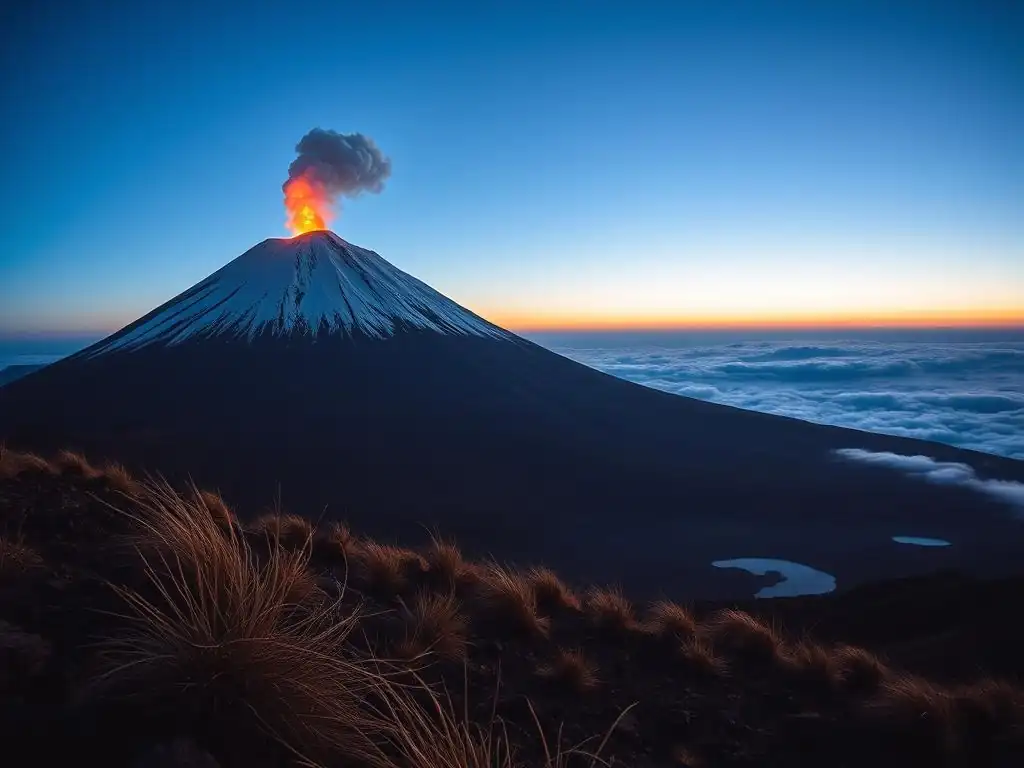
Laguna Esmeralda, located in the Conguillío National Park in Chile, is a stunning glacial lake that offers exceptional opportunities for photographing volcanic reflections. While not directly on a volcano, the lake is surrounded by volcanic peaks, including the imposing Llaima Volcano, and the pristine, still waters of the lake perfectly mirror these majestic formations. This creates a double-volcano effect, enhancing the visual impact and offering unique compositional possibilities.
The surrounding landscape of Conguillío National Park, with its ancient Araucaria forests and rugged terrain, further adds to the photographic appeal of Laguna Esmeralda. The lake's clear, emerald-green waters, fed by glacial meltwater, provide a perfect canvas for reflecting the sky, clouds, and volcanic peaks. The combination of pristine lake, towering volcanoes, and ancient forests makes Laguna Esmeralda a hidden gem for volcanic photography in South America, offering a different perspective – one of reflection and serene beauty amidst volcanic grandeur.
Composition Tips for Photographing Volcanic Reflections
Photographing volcanic reflections in Laguna Esmeralda requires specific compositional strategies to maximize the impact of the mirrored images. Firstly, seek out calm water conditions. Even the slightest breeze can disrupt the reflections, blurring the mirrored image. Early mornings are often the calmest time of day, offering the best chance for pristine reflections. Polarizing filters can help reduce glare on the water's surface, enhancing the clarity and vibrancy of the reflections.
Secondly, consider incorporating foreground elements to anchor the composition and lead the viewer's eye towards the reflected volcanoes. Rocks, logs, or shoreline vegetation can serve as effective foreground elements, adding depth and context to the scene. Experiment with different perspectives, shooting from low angles to emphasize the reflection or from higher vantage points to capture a wider view of the lake and surrounding landscape. Symmetry can be a powerful tool when photographing reflections, positioning the horizon line in the center of the frame to create a balanced and visually striking image.
Nevado del Ruiz, Colombia: A Majestic Andean Volcano
Nevado del Ruiz, a towering stratovolcano in the Colombian Andes, stands as a majestic and historically significant volcanic peak. While known for its tragic 1985 eruption, which caused the Armero tragedy, Nevado del Ruiz today offers a different kind of photographic subject – a powerful reminder of nature's forces and a landscape sculpted by volcanic activity. Its snow-capped summit, glaciers, and surrounding ash fields present a stark and dramatic Andean volcanic landscape.
Photographing Nevado del Ruiz involves capturing its scale and grandeur within the context of the high-altitude Andean environment. The volcano is often shrouded in clouds, adding an element of mystery and drama to images. On clear days, the views from surrounding areas, like the Los Nevados National Natural Park, offer panoramic perspectives of the volcano's glaciers, ash fields, and the rugged topography shaped by past eruptions. Nevado del Ruiz is a powerful subject, demanding respect and offering a unique opportunity to photograph a volcano that carries both beauty and a poignant history.
Photographing the Glaciers and Ash Fields of Nevado del Ruiz
The glaciers and ash fields of Nevado del Ruiz are defining features that offer unique photographic opportunities. The glaciers, though receding due to climate change, still cling to the upper slopes of the volcano, providing stark white contrasts against the dark volcanic rock and ash. Photographing these glaciers requires capturing their texture, form, and the way they sculpt the mountain's upper reaches. Telephoto lenses can isolate details within the glaciers, while wider lenses can show their relationship to the overall volcanic landscape.
The ash fields surrounding Nevado del Ruiz are a testament to its volcanic past, creating a desolate yet visually compelling terrain. These vast expanses of volcanic ash offer unique textures and tones, often ranging from grays and browns to ochre and even reddish hues. Photographing these ash fields can evoke a sense of stark beauty and the raw power of volcanic eruptions. Look for patterns in the ash, the way it drapes over the landscape, and the subtle variations in color and texture to create compelling images of this unique volcanic environment.
Tips for Photographing Undiscovered Volcanic Locations
Preparing for Remote Volcanic Photography Expeditions
Venturing into remote volcanic photography locations requires meticulous preparation. Thorough research is paramount – understand the geological characteristics of the area, potential hazards (like volcanic gases or unstable terrain), weather patterns, and any necessary permits or permissions. Physical fitness is crucial, as many remote locations involve hiking or trekking at altitude. Acclimatize properly if necessary and ensure you are in good physical condition for the demands of the expedition.
Logistical planning is equally important. Arrange transportation well in advance, whether it's flights, boats, or ground transport. Consider hiring local guides who possess invaluable knowledge of the terrain, weather conditions, and potential hazards. Pack appropriate clothing and gear for varying weather conditions, including rain gear, warm layers, and sturdy hiking boots. Carry sufficient food and water, especially in remote areas with limited access to supplies. Comprehensive preparation is key to a safe and successful remote volcanic photography expedition.
Essential Gear for Documenting Volcanic Landscapes
Documenting volcanic landscapes effectively requires specific gear considerations. A sturdy tripod is essential for sharp images, especially in low light conditions often encountered at dawn and dusk, or when photographing geothermal features with long exposures to capture steam. A range of lenses is beneficial, from wide-angle lenses to capture expansive landscapes to telephoto lenses for isolating details and compressing perspective. Consider lenses with good weather sealing to protect against dust, ash, and moisture.
Filters can enhance volcanic photography. A polarizing filter reduces glare and enhances colors, particularly useful for photographing lakes and vegetation. Neutral density (ND) filters are valuable for long exposures, allowing you to blur motion in water or steam even in bright daylight. Protect your gear from volcanic dust and ash with lens cleaning cloths, sensor cleaning tools, and waterproof bags or covers. A reliable camera bag that can withstand rugged conditions and protect your equipment is also crucial.
Ethical Considerations When Photographing Volcanic Regions
Ethical considerations are paramount when photographing volcanic regions, particularly those that are remote or culturally significant. Respect local cultures and communities. Seek permission before photographing people or entering private land. Minimize your environmental impact. Stay on marked trails, avoid disturbing vegetation or wildlife, and pack out all trash. Be mindful of fragile volcanic features, such as geothermal areas or delicate lava formations, and avoid stepping on or touching them.
Prioritize safety, both your own and that of others. Be aware of volcanic hazards, follow safety guidelines and warnings, and never take unnecessary risks for a photograph. If working with local guides, respect their expertise and guidance. Consider the impact of your photography on the local environment and community, striving to leave a positive footprint and contribute to the responsible appreciation of these powerful natural wonders.
Conclusion: Expanding Your Volcanic Photography Horizons
The world of volcanic photography extends far beyond the iconic and well-trodden locations. Embracing the spirit of adventure and venturing off the beaten path opens up a realm of undiscovered volcanic landscapes waiting to be captured. These hidden gems offer unique perspectives, solitude, and a deeper connection with the raw power and beauty of volcanic forces. The Americas, with their vast and diverse volcanic regions, are particularly rich in such untapped photographic potential.
By researching lesser-known volcanic areas, preparing diligently, and embracing the challenges of remote exploration, photographers can expand their volcanic photography horizons and create images that are both unique and deeply personal. The rewards of discovering and documenting these hidden gems are immeasurable, offering not only stunning photographs but also enriching experiences and a deeper appreciation for the Earth's dynamic processes.
Once you've captured your unique volcanic photography visions from these hidden gems, sharing them can inspire others to explore and appreciate these less-visited landscapes. Whether through online platforms, photography exhibitions, or print publications, sharing your work can contribute to a broader understanding and appreciation of volcanic environments. Your images can tell stories of geological wonder, remote wilderness, and the powerful beauty of our planet.
By showcasing these undiscovered locations, you can encourage responsible tourism and a greater awareness of the importance of preserving these unique volcanic landscapes. Sharing your photographic journey can inspire others to venture beyond the tourist trail, seek out their own hidden gems, and contribute to the ever-evolving narrative of volcanic photography.
Frequently Asked Questions
A "hidden gem" refers to a location that is lesser-known and less crowded than popular tourist spots, offering unique perspectives and photographic opportunities. These locations often provide a more intimate experience with the volcanic landscape.
What types of volcanic features are best suited for photography?
Features like lava flows, craters, ash fields, and volcanic peaks offer stunning visual elements. The interplay of light and shadow on these formations creates compelling and dramatic images.
What safety precautions should photographers take when shooting near active volcanoes?
Prioritize safety above all else. Monitor volcanic activity, be aware of evacuation routes, and wear appropriate protective gear like masks and sturdy footwear. Always check with local authorities for up-to-date information.
How can I capture the best light when photographing volcanoes?
The golden hour (shortly after sunrise and before sunset) often provides the most dramatic lighting. Overcast days can also be ideal for capturing detail in volcanic landscapes, as the light is diffused.
Does "VolcanoExplorers.org" offer tours or workshops focused on volcanic photography?
While VolcanoExplorers.org provides information and inspiration, it does not currently offer organized tours or photography workshops. We encourage visitors to explore independently and share their experiences with the community.
Final Reflection: Embracing the Earth's Fiery Heart
The journey through the hidden gems of volcanic photography in the Americas reveals more than just stunning landscapes; it unveils the raw, untamed power of our planet and the delicate balance between creation and destruction. These locations, often overlooked in favor of more popular destinations, offer a unique opportunity to connect with the Earth's fiery heart and capture its essence through the lens.
The allure of volcanic landscapes lies not only in their visual grandeur but also in their profound impact on the cultural and social fabric of the regions they inhabit. Witnessing these geological marvels firsthand fosters a deep respect for the Earth's processes and a heightened awareness of our place within the natural world. The mountains are calling and I must go.
- John Muir. This quote encapsulates the irresistible pull of these dramatic landscapes, beckoning us to explore their secrets and share their stories.
Now, as you close this exploration of the Americas' volcanic wonders, I invite you to consider your own connection to the Earth's power. Let these images inspire you to seek out the hidden beauty in your own surroundings, to appreciate the delicate balance of our planet, and to capture moments that resonate with the raw, untamed spirit of the natural world. Embrace the challenge, explore the unknown, and let your lens become a window into the Earth's fiery soul.
Ignite Your Passion: Capture the Unseen Volcanic Wonders!
Thanks for exploring the Americas' most breathtaking, often overlooked, volcanic landscapes with us! We hope you've discovered inspiring locations and a renewed appreciation for these raw and powerful environments. Now, it's time to turn that inspiration into action!
Here's how to fuel your volcanic photography adventure:
- Plan Your Expedition: Start planning a trip to one of these hidden gems in the coming year. Research permits, travel options, and ideal shooting conditions.
- Share Your Vision: Post your volcanic photography on social media using #VolcanoExplorers, showcasing your favorite shots and tagging us.
- Dive Deeper: Explore our site's forum to connect with fellow volcanic photographers and share tips, stories, and location insights.
What's the first volcanic location you're adding to your photography bucket list, and what story will you tell through your lens? Share your thoughts in the comments below!