
Photographing Lava Lakes: A Rare Volcanic Phenomenon in the Americas

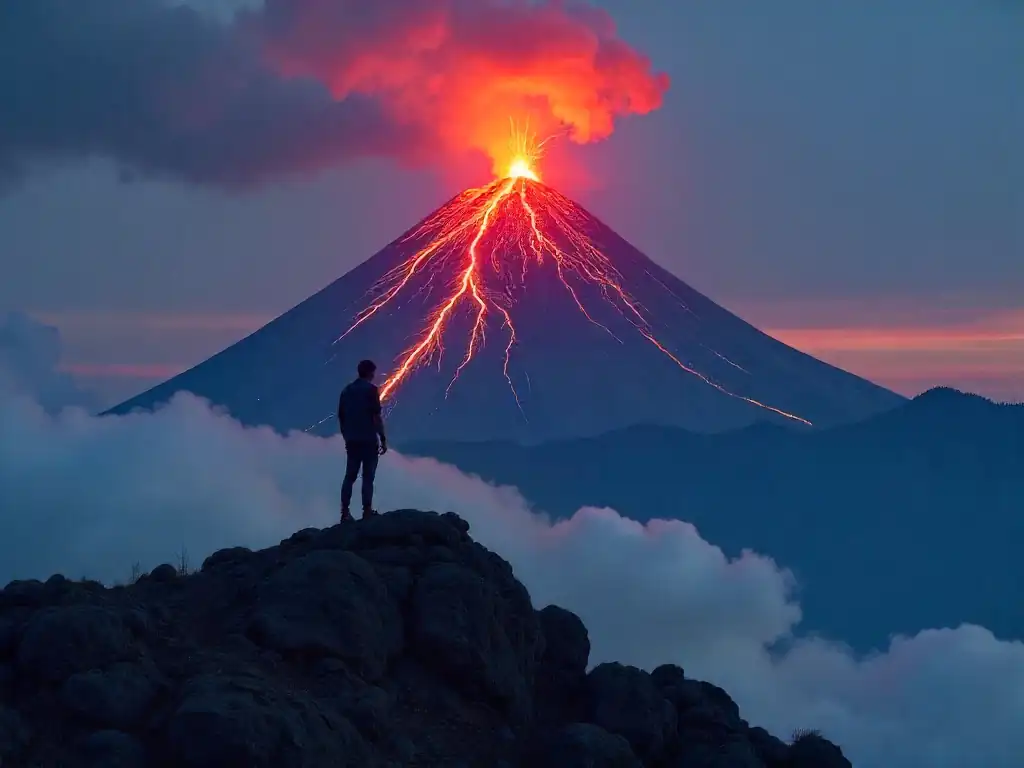
Welcome to Volcano Explorers, where the Earth's fiery secrets are unveiled. Have you ever wondered what it takes to capture the raw power and breathtaking beauty of a lava lake? Our latest exploration plunges into the heart of a rare volcanic phenomenon right here in the Americas, offering a glimpse into the extreme world of photographing lava lakes. Prepare to be mesmerized... and maybe even inspired to plan your own volcanic adventure. What stories will these molten landscapes reveal?
- Photographing Lava Lakes: A Rare Volcanic Phenomenon
- Introduction: Unveiling the Allure of Lava Lake Photography
- Understanding Lava Lakes: A Primer for Photographers
- Best Destinations for Photographing Lava Lakes
- Essential Photography Gear for Documenting Lava Lakes
- Lava Lake Photography Techniques: Mastering the Extreme Conditions
- Safety Considerations for Photographing Active Volcanoes and Lava Lakes
- Post-Processing Tips for Enhancing Lava Lake Photographs
- Ethical Considerations: Respecting the Environment and Local Communities
- Capturing the Beauty and Power: Inspiring Lava Lake Photography
- Conclusion: Preserving the Memory of Photographing Lava Lakes
-
Frequently Asked Questions
- What exactly is a lava lake, and why are they so rare in the Americas?
- Where in the Americas can I potentially photograph a lava lake?
- What are the biggest safety concerns when photographing a lava lake?
- What kind of photography equipment is recommended for photographing lava lakes?
- Besides photography, what else can I learn about volcanoes on VolcanoExplorers.org?
- Final Reflection: Embracing the Earth's Fiery Heart
- Capture the Fire Within: Start Your Volcanic Adventure Now!
Photographing Lava Lakes: A Rare Volcanic Phenomenon
Introduction: Unveiling the Allure of Lava Lake Photography
The Earth's volcanic landscapes hold a raw, untamed beauty that captivates photographers. Among these dramatic features, lava lakes stand out as particularly mesmerizing and elusive subjects. Imagine witnessing a cauldron of molten rock, constantly churning and glowing with intense heat – this is the spectacle of a lava lake.
For photographers seeking the ultimate volcanic photography challenge in the Americas, the quest to capture a lava lake is a pursuit of rare and extraordinary moments. While globally scarce, and exceptionally so in the Americas, the opportunity to photograph these phenomena is a pinnacle experience for any adventurous photographer. This article will guide you through the intricacies of photographing lava lakes, focusing on the knowledge and techniques necessary to document these incredible natural wonders, even if the perfect location in the Americas remains a dream for now, while providing context with globally known examples.
Understanding Lava Lakes: A Primer for Photographers
What is a Lava Lake? Formation and Characteristics
A lava lake is not simply a pool of lava; it's a large volume of molten lava, usually basaltic, contained in a volcanic vent, crater, or a broad depression. These are persistent features, unlike lava flows which are transient. Formation is a complex process, often involving a sustained supply of magma from depth that overcomes cooling and solidification. Several scenarios can lead to their creation.
One common mechanism is when a volcanic eruption becomes effusive, continuously pouring lava into a summit crater. Another is when a vent within a pre-existing crater becomes persistently active, filling the crater with lava. In some cases, lava lakes can form in depressions on the flanks of volcanoes if the lava supply is sufficient.
Characteristically, lava lakes exhibit dynamic surfaces, with convection currents causing the molten rock to circulate. The surface might display crusting, breaking, and reforming, leading to dramatic visual textures and varying degrees of incandescent glow depending on temperature and gas content. The temperature of basaltic lava in these lakes typically ranges from 1000 to 1200 degrees Celsius (1832 to 2192 degrees Fahrenheit), creating intense heat and light.
Why Lava Lakes are Rare Photography Subjects
Lava lakes are among the rarest volcanic features on Earth. This rarity stems from the specific geological conditions required for their formation and persistence. Firstly, a consistent and substantial magma supply is necessary, implying a direct conduit to a deep magma reservoir. Secondly, the volcanic vent or depression needs to be of a suitable geometry to contain the lava and prevent it from draining away easily.
Thirdly, the volcanic system must maintain a certain level of activity for extended periods, sometimes decades or even centuries, to sustain a lava lake. Globally, only a handful of volcanoes currently host persistent lava lakes. Historically, even fewer have been documented. This scarcity is further amplified in the Americas.
While volcanic activity is prevalent across the Americas, particularly in the Andes and Central America, persistent lava lakes are exceptionally uncommon. Sporadic instances of lava ponds or temporary lava accumulations might occur during eruptions, but truly stable, long-lived lava lakes are exceedingly rare. This makes photographing them an unparalleled achievement in volcanic photography, demanding significant planning, resources, and often, a degree of luck in being at the right place at the right, albeit infrequent, time.
Best Destinations for Photographing Lava Lakes
Erta Ale, Ethiopia: An Accessible Lava Lake Photography Experience
While the Americas may not currently boast easily accessible, persistent lava lakes, exploring locations with established examples is crucial for understanding the photographic challenges and rewards. Erta Ale volcano in the Danakil Depression of Ethiopia is renowned for hosting one of the world's oldest and most consistently active lava lakes.
Often referred to as the "Gateway to Hell," Erta Ale presents a relatively accessible, though still demanding, opportunity to witness and photograph this phenomenon. The volcano is a basaltic shield volcano, and its persistent lava lake resides within a summit caldera.
The accessibility, in this context, is relative; reaching Erta Ale involves a journey through a harsh desert environment, typically requiring a guided tour and armed escort due to the region's remoteness and occasional security concerns. However, compared to other lava lake locations, Erta Ale is more frequently visited by tourists and photographers, making it a valuable case study for understanding lava lake photography logistics.
Planning Your Trip to Erta Ale for Lava Lake Photography
Planning a photography trip to Erta Ale requires meticulous preparation. Given its location in the Danakil Depression, one of the hottest and driest places on Earth, the best time to visit is during the cooler months, roughly from October to March. Temperatures still remain high even then, often exceeding 40°C (104°F) during the day. Booking a tour with a reputable local operator is essential.
These tours typically handle permits, transportation (usually 4x4 vehicles), armed escorts, camping arrangements, and local guides. Tours usually start from Mekele, the capital of the Tigray region. The journey to Erta Ale base camp involves several hours of driving across rough terrain.
Trekking to the caldera rim to view the lava lake is usually done in the late afternoon or evening to avoid the intense daytime heat. Photographers should factor in at least two nights to maximize photography opportunities, allowing for both sunset, nighttime, and sunrise shots of the lava lake. Physical fitness is important as the trek to the caldera rim involves a few hours of walking over uneven volcanic terrain, sometimes in darkness.
Erta Ale Photography Tips: Capturing the Glow
Photographing the Erta Ale lava lake presents unique challenges. The extreme heat emanating from the lava lake can affect equipment and comfort. Protecting your camera gear from heat is crucial. Using a tripod is essential for sharp images, especially in low light conditions.
Exposure is critical; the dynamic range between the intensely bright lava and the dark volcanic landscape is vast. Shooting in RAW format is a must to retain maximum detail for post-processing. Experiment with different exposure settings. For capturing the glow of the lava, start with a lower ISO (ISO 100-400) and adjust aperture and shutter speed to avoid overexposing the bright lava.
For capturing the surrounding landscape in context, you might need to use longer exposures, potentially leading to blown-out highlights in the lava itself. Consider exposure bracketing and HDR techniques to capture the full dynamic range. Night photography is particularly rewarding at Erta Ale, as the lava lake's glow illuminates the surrounding caldera in a dramatic fashion.
Mount Nyiragongo, Democratic Republic of Congo: A Dramatic Lava Lake Destination
Mount Nyiragongo, located in Virunga National Park in the Democratic Republic of Congo, is another prime location for photographing lava lakes. Nyiragongo's lava lake is known for being exceptionally large and active, and historically, it has been the world's largest volume lava lake. The volcano is a steep-sided stratovolcano, and its lava lake is contained within its summit crater.
Nyiragongo offers a more dramatic and potentially more visually spectacular lava lake experience compared to Erta Ale, but it also comes with increased logistical challenges and safety considerations. Virunga National Park, while stunningly beautiful, is located in a region with a history of political instability and conflict. However, with careful planning and reputable tour operators, visiting Nyiragongo and photographing its lava lake is achievable and highly rewarding for adventurous photographers.
Planning Your Trip to Mount Nyiragongo for Lava Lake Photography
Planning a trip to photograph the Nyiragongo lava lake requires careful consideration of safety and logistics. Visits are organized through Virunga National Park, and booking permits and tours in advance is essential. The park provides ranger escorts for all treks, which is mandatory and contributes to visitor safety and park conservation efforts.
The trek to the summit of Nyiragongo is more demanding than Erta Ale, involving a steep climb through varied terrain, including rainforest and lava fields, and typically takes 4-6 hours. Accommodation is provided in basic summit shelters near the crater rim. The altitude at the summit is around 3,470 meters (11,385 feet), so acclimatization and awareness of altitude sickness are important.
The best time to visit Nyiragongo is during the dry seasons, from June to September and December to February, although rain is possible year-round. Packing for all weather conditions, including rain gear and warm layers for the summit (temperatures can drop significantly at night), is crucial. Similar to Erta Ale, tours usually start from a nearby city, in this case, Goma in the DRC, or sometimes from Rwanda.
Mount Nyiragongo Photography Tips: Dealing with Altitude and Darkness
Photographing Nyiragongo's lava lake presents challenges related to altitude, darkness, and the sheer scale of the volcanic spectacle. The altitude can affect both physical stamina and camera performance. Bring extra batteries as cold temperatures at altitude can drain battery life faster. Tripod stability is paramount, especially on the uneven terrain at the crater rim and in potentially windy conditions.
Night photography is the primary focus at Nyiragongo, as the lava lake is most dramatic in darkness. The darkness is profound at this altitude, so headlamps or flashlights are essential for navigation and setting up shots. Exposure settings need careful attention. The lava lake is intensely bright, while the surrounding crater walls are in deep shadow.
Experiment with longer exposures to capture the detail in the crater walls illuminated by the lava's glow. Consider using noise reduction techniques in post-processing due to the high ISOs often required in low-light conditions. The sheer size of the Nyiragongo lava lake might require wider-angle lenses to capture its entirety within the frame, while telephoto lenses can be used to isolate details and textures within the churning lava.
Essential Photography Gear for Documenting Lava Lakes
Camera Body and Lenses for Volcanic Photography
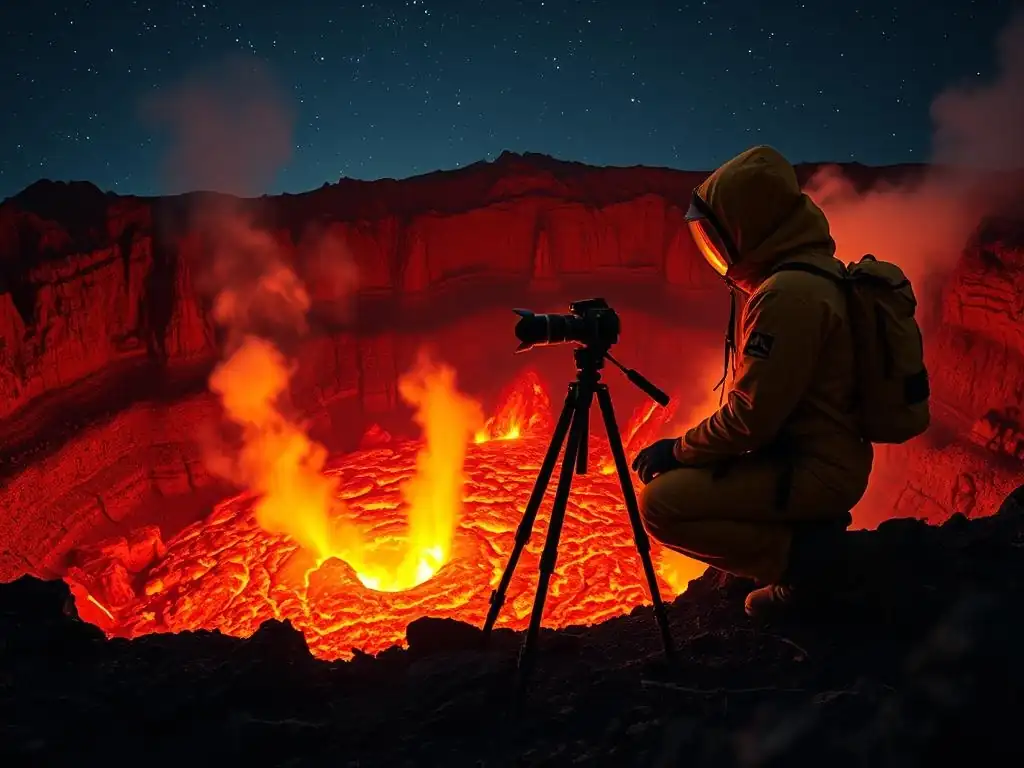
For photographing lava lakes, a robust and reliable camera body is essential. A full-frame DSLR or mirrorless camera is recommended for its superior image quality, especially in low-light conditions, and dynamic range capabilities. Weather-sealed bodies are advantageous for protecting against volcanic dust and potential moisture. For lenses, a versatile range is ideal.
A wide-angle lens (14-24mm or similar) is crucial for capturing the expansive volcanic landscapes and the overall context of the lava lake within its environment. A mid-range zoom lens (24-70mm or 24-105mm) is useful for general photography and capturing a variety of perspectives. A telephoto zoom lens (70-200mm or 100-400mm) allows for isolating details within the lava lake, capturing textures, and compressing the perspective of distant volcanic features. Consider lenses with good low-light performance (wider maximum aperture, such as f/2.8 or f/4) to gather as much light as possible in dark volcanic environments.
Tripods and Stability in Volcanic Environments
A sturdy and reliable tripod is non-negotiable for lava lake photography. Long exposures are often necessary to capture the glow of the lava and the surrounding landscape, especially in low light or at night. Windy conditions are common at volcanic summits, further emphasizing the need for a stable tripod. Choose a tripod that is robust enough to withstand wind and vibrations, preferably made of carbon fiber for a good balance of strength and weight.
Consider tripod features such as independent leg spread for uneven terrain and a hook at the bottom of the center column to add weight for extra stability in windy conditions. A ball head or a geared head is suitable for precise camera adjustments and framing. Always ensure the tripod legs are securely locked and positioned on stable ground before taking photographs, especially near crater rims or unstable volcanic slopes.
Filters for Capturing Dynamic Range and Reducing Glare
Filters can be valuable tools in lava lake photography, primarily for managing dynamic range and reducing glare. A graduated neutral density (GND) filter is useful for balancing the bright lava lake with the darker foreground or sky. It allows you to darken the brighter areas of the scene while retaining detail in the darker areas, effectively compressing the dynamic range that the camera sensor can capture.
A polarizing filter can help reduce glare from the molten lava surface and enhance color saturation in the sky and volcanic rocks. However, be mindful that polarizing filters can also reduce light transmission, so they may not be ideal in very low-light conditions.
Neutral density (ND) filters can be used for long exposure photography in daylight, allowing you to blur lava flows or create a sense of motion in the volcanic landscape. Use high-quality filters to avoid image degradation and color casts, especially when photographing in challenging volcanic environments.
Protective Gear: Keeping Your Equipment Safe Near Active Volcanoes
Active volcanoes and lava lakes present harsh environments that can be detrimental to sensitive camera equipment. Protecting your gear is paramount. Invest in a good quality camera bag or backpack that offers padding and weather protection. Use rain covers for your camera and lenses to shield them from volcanic ash, dust, and unexpected rain. Consider using lens hoods to reduce flare and protect the front element of your lenses.
Carry cleaning cloths, lens wipes, and a blower to remove dust and ash from your equipment regularly. In extremely dusty environments, consider using sensor swabs for sensor cleaning, but exercise caution and follow manufacturer instructions. For lens changes in dusty conditions, try to find a sheltered location or use a camera bag as a shield. Keep spare batteries and memory cards in protective cases to prevent damage from heat, dust, or moisture.
Lava Lake Photography Techniques: Mastering the Extreme Conditions
Composition and Framing in Volcanic Landscapes
Composition is key to creating compelling lava lake photographs. Volcanic landscapes are often vast and dramatic, so finding strong compositional elements is crucial. Consider using leading lines, such as lava flows or ridges, to guide the viewer's eye towards the lava lake.
Look for interesting foreground elements, such as volcanic rocks, vegetation (if any), or textures, to add depth and scale to your images. Pay attention to the rule of thirds, placing the lava lake or other points of interest at intersections of the thirds lines for balanced compositions. Experiment with different perspectives.
Shooting from a higher vantage point can provide a panoramic view of the lava lake and its surroundings, while a lower angle can emphasize the scale and drama of the volcanic terrain. Consider including human elements, such as fellow photographers or guides (if appropriate and safe), to provide a sense of scale and context within the vast volcanic landscape.
Exposure Settings for Capturing the Lava's Glow
Exposing correctly for lava lakes is challenging due to the extreme dynamic range. The molten lava is incredibly bright, while the surrounding volcanic landscape is often dark. Prioritize exposing for the lava to retain detail and color in the molten rock. Start with a lower ISO (ISO 100-400) to minimize noise and maximize image quality.
Use a mid-range aperture (f/5.6 to f/8) for good sharpness and depth of field. Adjust the shutter speed to control the brightness of the lava. Faster shutter speeds will freeze the motion of the lava, while slower shutter speeds can create a smoother, more ethereal look.
Check your camera's histogram to ensure you are not clipping highlights in the lava. If necessary, use exposure compensation to underexpose slightly to protect highlights, knowing that you can recover shadows in post-processing (especially when shooting in RAW). Experiment with different exposure settings to find the balance that captures both the glow of the lava and detail in the surrounding landscape.
Long Exposure Photography for Smooth Lava Flows
Long exposure photography can be a powerful technique for capturing lava lakes, especially when you want to emphasize the fluidity and motion of the molten rock. Using a slow shutter speed (from a few seconds to several minutes, depending on the desired effect and ambient light) can blur the movement of the lava, creating a smooth, painterly effect. In daylight, you will need to use neutral density (ND) filters to achieve long exposures. At night, the ambient light is usually low enough to allow for long exposures without filters.
Experiment with different shutter speeds to see how they affect the appearance of the lava. Longer exposures will create more blur and smoother transitions, while shorter exposures will retain more texture and detail in the lava surface. Use a tripod and remote shutter release to minimize camera shake during long exposures.
Time-Lapse Photography of Lava Lake Activity
Time-lapse photography is an excellent way to capture the dynamic nature of lava lakes over time. Lava lakes are constantly changing, with convection currents, crusting, and degassing events creating a mesmerizing spectacle. Set up your camera on a stable tripod and frame the lava lake. Determine the interval between shots based on the activity level of the lava lake.
For fast-changing activity, shorter intervals (e.g., every few seconds) might be appropriate, while for slower changes, longer intervals (e.g., every minute or two) can be used. Shoot a series of images over a period of time, from minutes to hours, depending on the desired length of your time-lapse sequence. Use consistent exposure settings throughout the time-lapse to avoid flickering in the final video. In post-processing, combine the images into a video sequence to create a time-lapse movie showcasing the dynamic activity of the lava lake.
Safety Considerations for Photographing Active Volcanoes and Lava Lakes
Understanding Volcanic Hazards: Gases, Ash, and Explosions
Active volcanoes and lava lakes are inherently dangerous environments. Understanding volcanic hazards is crucial for safe photography. Volcanic gases, such as sulfur dioxide (SO2), carbon dioxide (CO2), and hydrogen sulfide (H2S), are released from lava lakes and volcanic vents. These gases can be toxic and cause respiratory problems. Volcanic ash, even in small amounts, can be abrasive and damaging to camera equipment and can also irritate eyes and respiratory systems.
Explosions, both small and large, can occur at lava lakes due to gas buildup or interactions between lava and water (if present). Eruptions can eject hot rocks, lava bombs, and ash over considerable distances. Lava flows, while often slow-moving, can still pose a threat, especially if they change direction or speed. Unstable ground, steep slopes, and crater rims also present physical hazards.
Protective Clothing and Equipment for Volcanic Environments
Appropriate protective clothing and equipment are essential for mitigating risks in volcanic environments. Wear long sleeves, long pants, and sturdy closed-toe shoes or hiking boots to protect your skin from heat, ash, and rough terrain. Eye protection, such as goggles or safety glasses, is crucial to shield your eyes from volcanic ash and gases. A respirator or gas mask can provide protection against volcanic gases, especially in areas with high gas concentrations.
A hard hat can protect your head from falling rocks or debris. Heat-resistant gloves can be useful when handling hot equipment or volcanic rocks (with extreme caution and only when necessary and safe). Bring plenty of water to stay hydrated, especially in hot and dry volcanic environments. Sunscreen and lip balm are important for protection from strong sun exposure at high altitudes and in reflective volcanic landscapes.
Working with Local Guides and Following Safety Protocols
Working with experienced local guides is highly recommended, if not mandatory, when visiting active volcanoes and lava lakes. Local guides possess invaluable knowledge of the volcanic environment, including hazards, safe routes, and weather patterns. They can provide crucial safety briefings and guidance. Always follow the instructions and advice of your guides and park rangers. Adhere to established trails and viewing areas. Do not approach lava lakes or volcanic vents too closely.
Maintain a safe distance from crater rims and unstable slopes. Be aware of changing volcanic activity and weather conditions. If volcanic activity increases or conditions become unsafe, be prepared to evacuate immediately. Carry a first-aid kit and know basic first-aid procedures. Inform someone of your itinerary and expected return time.
Emergency Preparedness and Evacuation Plans
Before embarking on a lava lake photography trip, understand the emergency preparedness and evacuation plans in place for the location you are visiting. Familiarize yourself with communication methods in case of emergencies, such as satellite phones or radios, especially in remote areas with limited cell service. Know the location of emergency shelters or evacuation routes. Inquire about emergency contact information and procedures from your tour operator or park authorities.
Carry a personal emergency beacon or GPS device in case of getting lost or needing to signal for help. Be prepared to evacuate quickly if instructed to do so by guides or authorities. Have a pre-arranged meeting point in case of separation during an evacuation. Understand the risks involved in volcanic photography and ensure you have appropriate travel insurance that covers activities in volcanic areas.
Post-Processing Tips for Enhancing Lava Lake Photographs
Color Correction and White Balance for Lava's True Hue
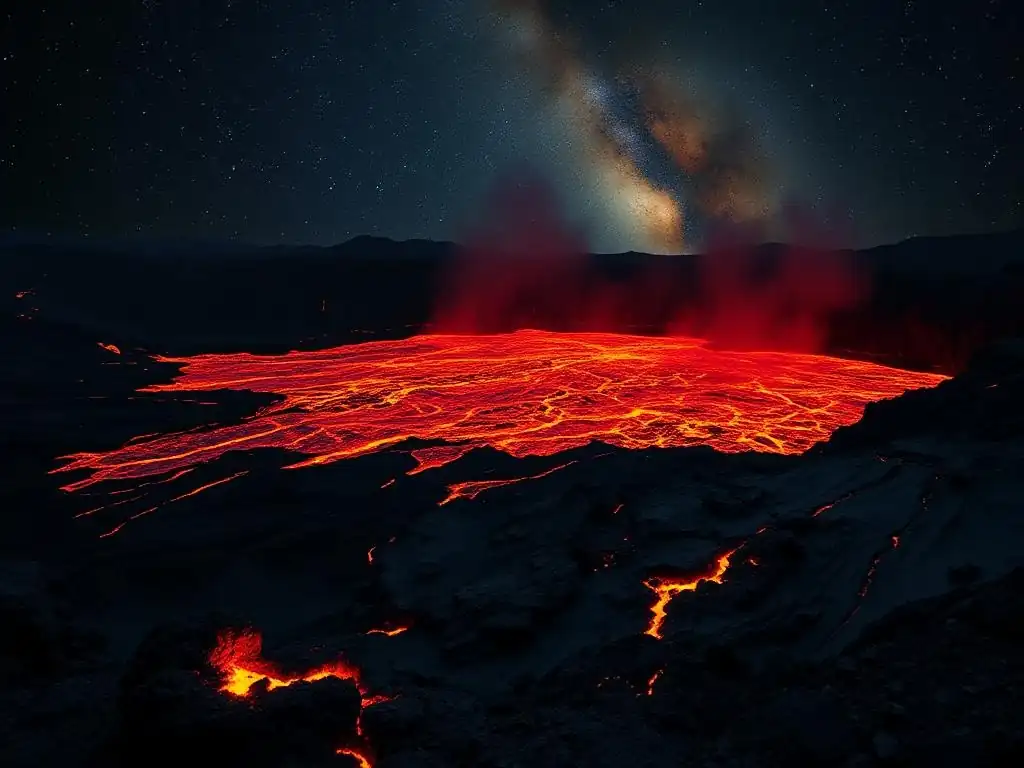
Post-processing is an essential step in bringing out the best in lava lake photographs. Color correction and white balance are particularly important for accurately representing the lava's true hue. Lava often appears orange, red, or yellow depending on its temperature and composition. Check your camera's white balance settings and adjust if necessary in post-processing.
Shooting in RAW format provides greater flexibility in adjusting white balance without loss of image quality. Use color temperature sliders in your photo editing software to fine-tune the white balance until the lava appears natural and vibrant. Be mindful of over-saturating colors; aim for a realistic representation of the lava's glow while enhancing its visual impact.
Reducing Noise in High ISO Images
Photographing lava lakes often involves shooting in low-light conditions, requiring higher ISO settings, which can introduce noise into your images. Noise reduction is an important step in post-processing to maintain image clarity and detail. Use noise reduction tools in your photo editing software, such as luminance and color noise reduction sliders.
Apply noise reduction judiciously, as excessive noise reduction can soften details and make images appear artificial. Experiment with different noise reduction settings to find a balance between noise reduction and detail preservation. Consider using selective noise reduction to apply noise reduction only to areas where it is most noticeable, such as shadows or smooth areas, while preserving sharpness in important details.
Enhancing Details and Textures in Volcanic Landscapes
Volcanic landscapes are rich in textures and details, which can be further enhanced in post-processing. Use sharpening tools to bring out details in volcanic rocks, lava flows, and crater walls. Apply sharpening selectively to avoid over-sharpening smooth areas or introducing artifacts. Adjust contrast to enhance the tonal range and create a more dramatic look.
Use clarity and texture sliders to bring out fine details and textures in the volcanic landscape. Consider using dodging and burning techniques to selectively lighten or darken areas of the image, guiding the viewer's eye and enhancing the overall composition. Be mindful of over-processing; aim for a natural yet impactful enhancement of details and textures that complements the dramatic nature of lava lake photography.
Ethical Considerations: Respecting the Environment and Local Communities
Minimizing Your Impact on the Volcanic Ecosystem
Volcanic environments are fragile ecosystems, and it's crucial to minimize your impact as a photographer. Stay on established trails and avoid venturing off-trail, which can damage delicate volcanic formations and vegetation (if present). Do not disturb or remove volcanic rocks or samples. Pack out all trash and waste. Avoid using drones or other aerial devices if they are not permitted or could disturb wildlife or other visitors. Be respectful of the natural environment and leave no trace of your presence. Consider the cumulative impact of tourism on volcanic ecosystems and strive to be a responsible and low-impact photographer.
Supporting Local Tourism and Conservation Efforts
Volcano tourism can provide economic benefits to local communities and support conservation efforts. Choose tour operators and guides that are locally owned and operated, contributing directly to the local economy. Respect local cultures and customs. Learn about the cultural significance of volcanoes to local communities. Support conservation initiatives in volcanic areas by donating to park funds or conservation organizations. Promote responsible and sustainable tourism practices that benefit both visitors and local communities, ensuring the long-term preservation of these unique volcanic environments.
Obtaining Permits and Permissions for Photography
Before photographing lava lakes or volcanic areas, ensure you have obtained all necessary permits and permissions. Many volcanic areas are located within national parks or protected areas that require permits for entry and photography. Check with park authorities or tour operators about permit requirements and application procedures. Respect private land ownership and obtain permission if photographing on private property. Be aware of any restrictions on drone photography or commercial photography, and obtain necessary clearances if required. Adhering to permit regulations and seeking permissions demonstrates respect for the environment, local authorities, and conservation efforts.
Capturing the Beauty and Power: Inspiring Lava Lake Photography
Sharing your lava lake photography can extend its impact beyond personal satisfaction. Your images can contribute to volcanic science and awareness. Share your photographs on platforms like social media, photography websites, and online communities to inspire others and showcase the beauty and power of volcanoes. Consider contributing your images to scientific organizations or research institutions that study volcanoes.
Your photographs can provide valuable visual documentation of volcanic activity and lava lake dynamics over time, aiding in scientific understanding and monitoring efforts. Use your photography to raise awareness about volcanic hazards, the importance of volcanic monitoring, and the need for conservation of volcanic landscapes. By sharing your work, you can become an advocate for volcanic science, education, and responsible volcano tourism.
Conclusion: Preserving the Memory of Photographing Lava Lakes
Photographing lava lakes is an extraordinary and challenging pursuit, demanding careful planning, technical skill, and a deep respect for the volcanic environment. While the Americas may not currently offer easily accessible, persistent lava lakes, understanding the techniques and challenges through examples like Erta Ale and Nyiragongo provides invaluable preparation. The rarity of these phenomena, especially in the Americas, only amplifies the significance of capturing their raw beauty and power.
Beyond the stunning visuals, lava lake photography serves as a powerful reminder of the Earth's dynamic forces and the importance of responsible exploration and conservation. The memories and photographs from such an adventure become lasting testaments to the photographer's skill, resilience, and appreciation for the planet's most dramatic wonders.
Frequently Asked Questions
What exactly is a lava lake, and why are they so rare in the Americas?
A lava lake is a large pool of molten lava held within a volcanic crater, vent, or broad depression. They are rare due to specific conditions like consistent magma supply and stable vent geometry, not commonly found in the Americas.
Where in the Americas can I potentially photograph a lava lake?
Currently, one of the most reliable locations to photograph a lava lake in the Americas is Masaya Volcano in Nicaragua. Other locations might exist, but active lava lakes are dynamic and subject to change.
What are the biggest safety concerns when photographing a lava lake?
The main dangers include toxic volcanic gases, extreme heat, and the risk of eruptions. Always heed local warnings, use appropriate safety gear, and maintain a safe distance from the crater.
What kind of photography equipment is recommended for photographing lava lakes?
You'll need a telephoto lens to safely capture details, a sturdy tripod, and filters to manage the extreme brightness. Also, protect your gear from ash and high temperatures.
Besides photography, what else can I learn about volcanoes on VolcanoExplorers.org?
VolcanoExplorers.org offers information on volcano types, famous eruptions, volcanology, and safety guides. You can also find sections on the cultural significance of volcanoes and travel tips.
Final Reflection: Embracing the Earth's Fiery Heart
The journey of photographing lava lakes in the Americas, as we've explored, is more than just capturing stunning visuals; it's about confronting the raw, untamed power of our planet. This pursuit, though challenging and rare, reveals a profound connection between humanity and the Earth's dynamic processes, a connection that feels increasingly vital in our modern, often disconnected world. The images we capture serve as potent reminders of the forces that shape our landscapes and, ultimately, our lives.
The allure of these fiery landscapes lies not only in their visual spectacle but also in their symbolic weight. Witnessing and documenting these rare volcanic phenomena has profoundly shaped my perspective, reinforcing the importance of respecting and understanding the natural world. The experience underscores the fragility of our existence against the backdrop of such immense power. As Ansel Adams eloquently stated, The single most important component of a camera is the twelve inches behind it!
This sentiment resonates deeply when photographing lava lakes; it's not just about the technical skill, but about the vision, the respect, and the understanding you bring to the experience.
Now, I invite you to reflect on your own relationship with the natural world. How can you, in your own way, connect with the Earth's power and beauty, and contribute to its preservation? Whether it's through photography, scientific exploration, or simply mindful appreciation, let the fiery heart of the Americas inspire you to embrace a deeper understanding and respect for the forces that shape our world. Let the images we've explored ignite a passion for exploration and a commitment to protecting these extraordinary landscapes for generations to come.
Capture the Fire Within: Start Your Volcanic Adventure Now!
Thank you for delving into the mesmerizing world of lava lake photography. We hope you found inspiration and gained valuable insights into capturing these rare volcanic phenomena. Now, it's time to ignite your passion and take action!
- Plan Your Expedition: Take the first step and research accessible lava lake locations within the Americas. Remember safety is paramount; consult local guides and authorities before embarking on your journey.
- Share Your Inspiration: Help others discover the beauty of volcanos! Share this article with fellow photography enthusiasts and nature lovers on social media.
- Reflect on Your Vision: Jot down three distinct moods or stories you want to convey through your lava lake photography. What specific emotions do you want your images to evoke?
What unique perspective or approach will you bring to capturing the raw power and beauty of lava lakes? Share your thoughts in the comments below!