
Mount St. Helens Reborn: Documenting Volcanic Recovery Through Photography

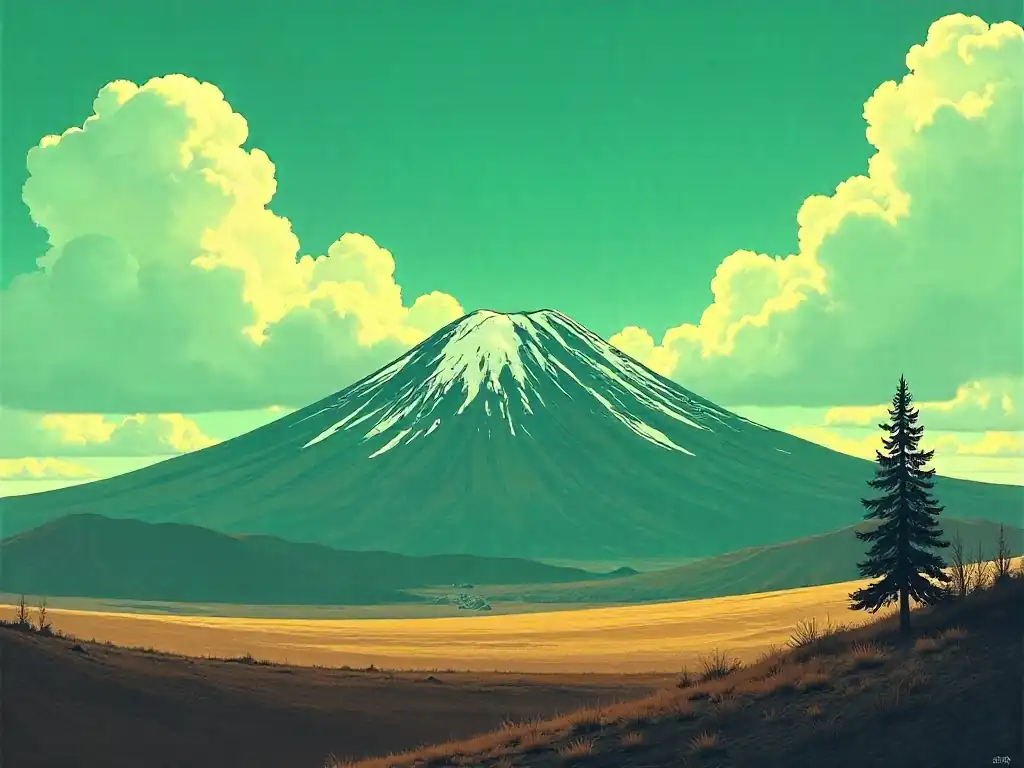
Welcome to Volcano Explorers, where the Earth breathes fire and the landscape tells a story of raw power and resilience. Ever wondered how life finds a way, even after a cataclysmic eruption? In " Mount St. Helens Reborn: Documenting Volcanic Recovery Through Photography," we delve into the fascinating process of nature's comeback, offering volcanic recovery photography tips that will help you capture the stunning beauty of rebirth. Prepare to witness a landscape transformed, and learn how to document the incredible resilience of nature. But that's just the beginning... what secrets do the slopes still hold?
- Volcano Explorers: Witnessing the Resilience of Mount St. Helens
- Capturing the Comeback: A Photographer's Guide to Mount St. Helens
- Planning Your Mount St. Helens Volcanic Recovery Photography Trip
- Volcanic Recovery Photography Tips: Focusing on Renewal
- Key Locations for Volcanic Recovery Photography at Mount St. Helens
- Beyond the Landscape: Telling the Story of Mount St. Helens Through Images
- Post-Processing for Volcanic Recovery Photography
- Sharing Your Mount St. Helens Volcanic Recovery Photography
- Mount St. Helens: A Testament to Nature's Resilience Through the Lens
-
Frequently Asked Questions
- How can I capture the scale of the Mount St. Helens landscape after the eruption?
- What are some key elements to photograph when documenting volcanic recovery?
- What are some safety considerations when taking volcanic recovery photography?
- What camera settings are best for capturing the details of volcanic recovery?
- How can I tell a compelling story through my volcanic recovery photography?
- Final Reflection: Witnessing Resilience Through the Lens
- Rediscover the Resilience: Capture Nature's Comeback!
Volcano Explorers: Witnessing the Resilience of Mount St. Helens
Mount St. Helens, a name synonymous with dramatic volcanic eruption, offers a unique and compelling narrative of nature's resilience. For volcano enthusiasts and photographers alike, it stands as a living laboratory where destruction and rebirth intertwine. VolcanoExplorers.org invites you to witness this extraordinary transformation, to explore the scarred landscapes that are now vibrant ecosystems, and to capture the powerful story of volcanic recovery through the lens of your camera. This monument to nature’s raw power and regenerative capacity provides unparalleled opportunities for observation and documentation.
The eruption of Mount St. Helens on May 18, 1980, was a cataclysmic event that reshaped the landscape in moments. However, from the ashes of devastation, life has tenaciously returned. VolcanoExplorers.org is dedicated to showcasing these stories of resilience, offering insights into the ecological processes at play and inspiring a deeper appreciation for the dynamic forces that shape our planet. Mount St. Helens is not just a site of past destruction; it is a testament to the enduring power of nature to heal and rebuild, a story best told through powerful imagery.
Capturing the Comeback: A Photographer's Guide to Mount St. Helens
Mount St. Helens presents a remarkable opportunity for photographers seeking to document volcanic recovery. It's a landscape in constant flux, where the stark remnants of the 1980 eruption stand in stark contrast to the burgeoning signs of ecological renewal. This juxtaposition creates visually arresting scenes that are both poignant and hopeful. This guide will provide volcanic recovery photography tips to help you effectively capture this unique environment, from understanding the best locations and times to visit, to mastering the photographic techniques that will best tell the story of Mount St. Helens’ rebirth.
Whether you are a seasoned professional or an amateur enthusiast, Mount St. Helens offers a profound photographic experience. The challenge lies in capturing the subtle nuances of ecological succession, the resilience of life in the face of devastation, and the sheer scale of the volcanic event and its aftermath. By understanding the landscape’s history and its ongoing evolution, photographers can create images that not only document the recovery process but also evoke a sense of awe and wonder at nature's indomitable spirit.
Exploring the Mount St. Helens National Volcanic Monument
Established in 1982, the Mount St. Helens National Volcanic Monument encompasses 110,000 acres surrounding the volcano, preserving the area for research, recreation, and education. This protected status ensures that the natural processes of recovery can continue largely undisturbed, offering a pristine environment for photographers to document the long-term effects of the eruption. Within the monument, various zones reflect different degrees of impact from the 1980 blast, creating a diverse tapestry of landscapes ranging from barren pumice plains to recovering forests.
The monument is managed by the US Forest Service and offers a network of trails, viewpoints, and visitor centers that provide access to key areas for volcanic recovery photography. Johnston Ridge Observatory, for example, offers panoramic views of the blast zone and Spirit Lake, while trails like the Eruption Trail and Boundary Trail lead photographers into the heart of the recovering landscape.
Understanding the zoning within the monument is crucial, as certain areas are designated for research and may have specific access guidelines. Detailed maps and information are available at the monument's visitor centers and online, aiding photographers in planning their explorations and ensuring they are operating within permitted zones.
Why Mount St. Helens is a Prime Location for Volcanic Recovery Photography
Mount St. Helens stands out as an exceptional location for volcanic recovery photography due to the dramatic and relatively recent nature of its eruption. Unlike landscapes that have undergone gradual geological changes over millennia, the recovery at Mount St. Helens is observable within a human lifetime. This rapid ecological succession, from barren wasteland to burgeoning ecosystem, provides a compelling visual narrative that is both scientifically significant and aesthetically captivating. The stark contrast between the devastated areas and the pockets of resilient life offers unique photographic opportunities not found in older volcanic landscapes.
Furthermore, the extensive research and monitoring efforts at Mount St. Helens provide photographers with a deeper understanding of the recovery processes they are documenting. Scientists have been studying the area since the eruption, tracking plant and animal colonization, soil development, and hydrological changes. This wealth of scientific information enriches the photographic experience, allowing photographers to capture images that are not only visually striking but also scientifically informed. The readily available research findings can be used to create more meaningful and impactful photographic stories about volcanic recovery.
Planning Your Mount St. Helens Volcanic Recovery Photography Trip
A successful volcanic recovery photography trip to Mount St. Helens requires careful planning. Consider the time of year, the necessary gear, and the regulations within the National Volcanic Monument. Understanding these aspects will ensure a safe, productive, and respectful photographic experience. Proper planning not only maximizes your chances of capturing stunning images but also minimizes your impact on this delicate recovering ecosystem.
Researching weather patterns, trail conditions, and permit requirements is crucial before embarking on your trip. The monument’s official website and visitor centers are invaluable resources for obtaining up-to-date information. By taking the time to plan meticulously, photographers can focus on the creative aspects of their work, rather than being hampered by logistical challenges or unexpected obstacles in the field.
Best Time of Year for Photographing Post-Eruption Landscapes
The optimal time for volcanic recovery photography at Mount St. Helens largely depends on the specific visual elements you wish to capture. Summer (June-August) offers the most accessible conditions, with trails generally clear of snow and wildflowers in full bloom, showcasing the vibrant resurgence of plant life. This season provides ample daylight hours and warmer temperatures, ideal for extended hikes and landscape photography. However, summer also brings larger crowds and potential for harsh midday light.
Spring (April-May) and fall (September-October) offer unique photographic opportunities as well. Spring witnesses the initial burst of wildflowers and the awakening of the ecosystem after winter, providing fresh perspectives on recovery. Fall brings stunning autumnal colors, especially in the areas where forests are re-establishing, creating a dramatic contrast with the grey volcanic terrain.
These shoulder seasons often have fewer visitors and softer, more diffused light, which is highly desirable for landscape photography. Winter (November-March) presents a stark and dramatic landscape covered in snow, emphasizing the volcanic forms and offering unique opportunities for black and white photography, but access can be limited due to snow and ice, and specialized winter gear is essential.
Essential Gear for Documenting Volcanic Rebirth
Documenting volcanic recovery at Mount St. Helens requires specific photography gear to capture the vast landscapes and the intricate details of ecological succession. A wide-angle lens (16-35mm for full-frame or 10-24mm for APS-C) is essential for capturing the expansive views of the blast zone and the scale of the recovering landscape. A telephoto lens (70-200mm or longer) is crucial for isolating details, compressing perspective, and photographing wildlife from a respectful distance. A macro lens can be valuable for documenting the intricate details of plant life and insect colonization in the recovering ecosystem.
Beyond lenses, a sturdy tripod is indispensable for landscape photography, especially in low-light conditions or when using longer lenses. Neutral density (ND) filters and polarizing filters are highly recommended for controlling exposure in bright sunlight and enhancing colors and contrast. Rain gear and protective bags are essential for protecting equipment from dust, rain, and unpredictable mountain weather. Consider bringing lens cleaning supplies as volcanic ash and dust can be pervasive. Finally, sufficient battery power and memory cards are crucial for extended shoots in remote locations where charging opportunities may be limited.
Permits and Regulations for Photography within the Monument
Photography within Mount St. Helens National Volcanic Monument is generally permitted, but it's essential to be aware of and adhere to park regulations. Commercial photography and filming that may impact park resources or visitor experience often require permits. For personal, non-commercial photography, permits are typically not required, but it's always advisable to check the current regulations on the monument's official website or at visitor centers to ensure compliance, especially if your photography involves tripods in high-traffic areas or might be perceived as commercial in nature.
Respecting designated trails and closures is paramount to minimize disturbance to the fragile recovering ecosystem and ensure personal safety. Stay on marked trails to avoid trampling vegetation and disturbing wildlife habitats. Be mindful of restricted areas, particularly around research sites or sensitive ecological zones. Leave No Trace principles are crucial in this delicate environment: pack out all trash, minimize noise, and avoid altering the landscape in any way. Respecting these regulations is not only a legal requirement but also an ethical responsibility for photographers documenting this remarkable place.
Volcanic Recovery Photography Tips: Focusing on Renewal
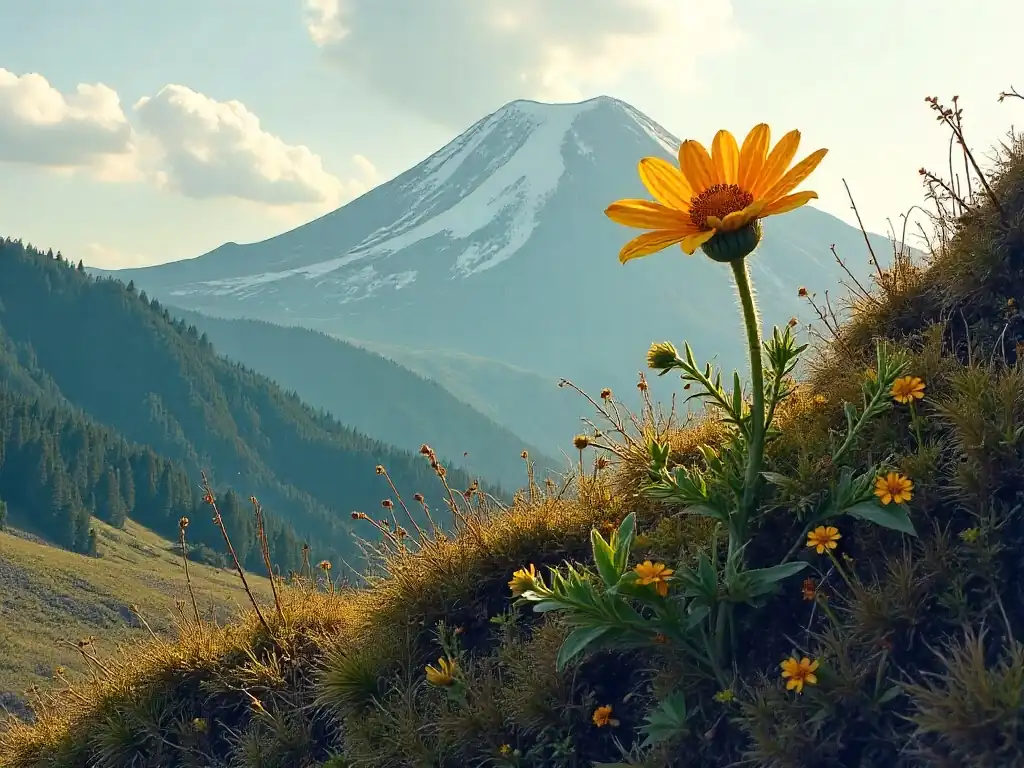
Volcanic recovery photography at Mount St. Helens is about more than just capturing landscapes; it's about telling the story of renewal and resilience. To effectively convey this narrative, photographers need to employ specific composition techniques, understand how to use light to their advantage, and consider ethical approaches when documenting the return of wildlife. These volcanic recovery photography tips will guide you in creating images that are both visually compelling and narratively rich.
The key is to shift your focus from the devastation to the regeneration, highlighting the signs of life amidst the remnants of the eruption. By consciously framing your shots and paying attention to the interplay of light and shadow, you can transform seemingly barren landscapes into powerful visual testimonies of nature's enduring ability to heal.
Composition Techniques for Depicting Ecological Succession
To visually represent ecological succession in your photographs, focus on compositions that highlight the contrast between the old and the new. Juxtapose the stark, grey volcanic ash and pumice with the vibrant greens of new plant growth. Use leading lines created by eroded gullies or recovering streams to guide the viewer's eye from the barren foreground towards areas of vegetation and life. Frame shots to include both the remnants of the eruption, such as downed trees or the ash-covered landscape, and the signs of recovery, like wildflowers, new tree saplings, or returning wildlife.
Consider using the rule of thirds to position elements of recovery, such as a cluster of wildflowers or a lone tree, in a visually impactful way within the larger landscape of devastation. Look for patterns and textures that demonstrate the stages of succession, from the initial colonization by pioneer species to the development of more complex plant communities. Experiment with different perspectives – from wide-angle shots that showcase the vastness of the recovering landscape to close-up shots that reveal the intricate details of new life emerging from the ash.
Using Light to Showcase the Contrast Between Destruction and Rebirth
Light plays a crucial role in emphasizing the contrast between destruction and rebirth in volcanic recovery photography. Golden hour light, both at sunrise and sunset, can be particularly effective in highlighting textures and creating a sense of depth in the landscape. The warm, angled light can accentuate the contours of the volcanic terrain and bring out the subtle colors in the recovering vegetation, making the greens appear more vibrant against the grey backdrop.
Overcast or diffused light can be advantageous for photographing details and textures, especially in midday when harsh sunlight can create strong shadows and wash out colors. Soft, even light allows you to capture the nuances of the recovering ecosystem without distracting shadows. Consider shooting after rain, as wet surfaces can enhance colors and create reflections, adding depth and visual interest to your images. Experiment with backlighting to silhouette the remnants of the eruption, like standing dead trees, against a bright sky, emphasizing their starkness and resilience against the backdrop of recovery.
Documenting the Return of Wildlife: Ethical Considerations
Documenting the return of wildlife at Mount St. Helens is an important aspect of volcanic recovery photography, but it must be approached ethically and responsibly. Prioritize the well-being of the animals and their habitats above all else. Maintain a respectful distance and use telephoto lenses to avoid disturbing wildlife. Never approach, feed, or attempt to handle animals. Stress can negatively impact their behavior and survival, especially in a recovering ecosystem where resources may still be limited.
Be mindful of nesting sites and breeding seasons. Avoid approaching areas where animals are raising young. Educate yourself about the wildlife you are likely to encounter at Mount St. Helens and their specific sensitivities. Consider using blinds or natural camouflage to minimize your presence and observe wildlife unobtrusively. If you are unsure about the ethical implications of photographing a particular animal or situation, err on the side of caution and avoid disturbing it. Remember that the goal is to document their recovery, not to disrupt their fragile existence.
Key Locations for Volcanic Recovery Photography at Mount St. Helens
Mount St. Helens National Volcanic Monument offers diverse locations, each presenting unique photographic opportunities for documenting volcanic recovery. From the vast Pumice Plain to the reflective Spirit Lake and the panoramic views from Johnston Ridge Observatory, understanding the characteristics of each location will enhance your photographic experience. These key locations offer distinct perspectives on the different stages and facets of ecological rebirth.
Exploring these locations at different times of day and in various weather conditions will yield a diverse portfolio of volcanic recovery photographs. Each area tells a different part of the story of Mount St. Helens’ remarkable transformation.
The Pumice Plain: A Landscape Transformed
The Pumice Plain, located north of Mount St. Helens, is a vast expanse of volcanic pumice and ash deposited during the 1980 eruption. Initially a barren wasteland, it now showcases the early stages of ecological succession. Photographically, the Pumice Plain offers a stark and dramatic landscape with unique textures and patterns. The open expanse allows for sweeping panoramic views of the volcano and the surrounding terrain. Low-growing vegetation, like lupines and pearly everlasting, are among the pioneering plant species colonizing the plain, offering splashes of color against the grey substrate.
Photographing the Pumice Plain requires embracing the minimalist aesthetic of the landscape. Focus on the textures of the pumice, the patterns created by erosion and wind, and the resilience of the first plants to take root. Look for compositions that emphasize the scale of the landscape and the vastness of the recovering area. Sunrise and sunset light can dramatically enhance the textures and contours of the Pumice Plain, creating a sense of depth and drama.
Spirit Lake: Reflecting the Scars of the Eruption
Spirit Lake, once a pristine alpine lake, was dramatically altered by the 1980 eruption. The blast wave denuded the surrounding forests and caused a massive landslide into the lake, raising its water level and filling it with debris. Today, Spirit Lake reflects the scars of the eruption, with thousands of logs still floating on its surface, a stark reminder of the event’s power. However, life has also returned to the lake and its shores, making it a poignant location for volcanic recovery photography.
Photographing Spirit Lake involves capturing the juxtaposition of destruction and renewal. The floating logs create unique patterns and textures on the water's surface, especially when photographed in calm conditions reflecting the surrounding landscape. The recovering shoreline forests provide a contrasting element of green against the grey logs and the blue water. Consider photographing Spirit Lake from different vantage points, including viewpoints along the Johnston Ridge and trails leading down to the lakeshore. Early morning mist or fog can add an ethereal quality to images of Spirit Lake, enhancing its reflective qualities and creating a sense of mystery.
Johnston Ridge Observatory: Capturing Panoramic Views of the Blast Zone
Johnston Ridge Observatory, perched on a ridge overlooking the blast zone, offers unparalleled panoramic views of Mount St. Helens, Spirit Lake, and the Pumice Plain. This location is ideal for capturing the grand scale of the volcanic landscape and the overall extent of the recovery. The observatory itself, with its architecture designed to withstand volcanic events, can also be incorporated into photographs, representing human resilience in the face of natural forces.
From Johnston Ridge, photographers can capture wide-angle vistas encompassing the entire blast zone, showcasing the diverse landscapes of recovery in a single frame. Telephoto lenses can be used to isolate details within the vast panorama, such as the crater of Mount St. Helens, the patterns of logs on Spirit Lake, or pockets of recovering vegetation on the Pumice Plain.
The observatory provides a stable and accessible vantage point, making it suitable for photographers of all skill levels. Consider visiting Johnston Ridge at different times of day to capture the changing light and shadows across the landscape, maximizing the dramatic potential of this iconic location.
Beyond the Landscape: Telling the Story of Mount St. Helens Through Images
Volcanic recovery photography at Mount St. Helens extends beyond just capturing scenic landscapes. To truly tell the story of this place, photographers should also consider documenting the human element, focusing on the research and restoration efforts, and capturing the intricate details of plant and animal life. These elements add depth and context to the narrative of renewal, making the photographic story more comprehensive and impactful.
By incorporating these elements, photographers can move beyond purely aesthetic images and create a more nuanced and meaningful portrayal of Mount St. Helens’ recovery. This approach transforms photographic documentation into a powerful form of storytelling, conveying the complex interplay between human action and natural processes in the face of volcanic upheaval.
Photographing the Human Element: Research and Restoration Efforts
The story of Mount St. Helens' recovery is also a story of human dedication to research and restoration. Scientists have been studying the area since the eruption, and ongoing research continues to provide valuable insights into ecological succession. Documenting these research efforts, as permitted and respecting research activities, can add a compelling human dimension to your volcanic recovery photography. Look for opportunities to photograph researchers in the field, collecting data, monitoring plant growth, or studying wildlife populations.
Restoration efforts, such as planting native trees or removing invasive species, also offer photographic possibilities. Images of volunteers or park staff engaged in restoration work can highlight the active role humans are playing in assisting nature's recovery. Consider visiting visitor centers and engaging with park rangers to learn about ongoing research and restoration projects and explore opportunities to document these activities in a respectful and informative manner. Always obtain necessary permissions before photographing research or restoration activities, and ensure your photography does not interfere with ongoing work.
Capturing Close-Ups: Documenting the Details of Plant and Animal Life
While vast landscapes are essential for conveying the scale of volcanic recovery, close-up photography is crucial for documenting the intricate details of plant and animal life that are driving this renewal. Macro lenses or close-up techniques allow you to capture the delicate structures of pioneer plants, the textures of new leaves emerging from the ash, or the intricate patterns on insects colonizing the recovering landscape. These details often go unnoticed in wider shots but are essential for telling the complete story of ecological succession.
Focus on capturing the resilience of individual organisms in the face of a harsh environment. Photograph wildflowers pushing through pumice, insects adapted to volcanic soils, or birds nesting in recovering vegetation. Close-up images can reveal the beauty and fragility of new life in this seemingly desolate landscape. Pay attention to the details of adaptation and survival, highlighting the remarkable ability of life to find a foothold even in the most challenging conditions.
Creating a Photo Story: From Destruction to Renewal
To create a truly compelling photo story of Mount St. Helens' volcanic recovery, consider structuring your images to guide the viewer through the narrative of destruction to renewal. Start with images that depict the starkness of the post-eruption landscape – the ash-covered plains, the downed trees, the grey expanse. Gradually introduce images that show the first signs of life – pioneer plants, small patches of green, returning insects. Progress to images that showcase more advanced stages of recovery – established vegetation, wildlife populations, the re-emergence of forests.
Consider organizing your photo story chronologically, visually representing the passage of time and the gradual process of ecological succession. Use captions and accompanying text to provide context and information about the recovery processes depicted in your images. Think about the overall message you want to convey with your photo story – is it about resilience, hope, scientific discovery, or the power of nature? Structure your images and narrative to effectively communicate this central theme, creating a cohesive and impactful visual story that resonates with viewers.
Post-Processing for Volcanic Recovery Photography
Post-processing is an integral part of volcanic recovery photography, allowing you to enhance the visual impact of your images and effectively communicate the story of renewal. Techniques such as enhancing colors and details, correcting exposure, and creating a consistent visual style can significantly elevate your photographs. Ethical considerations should always guide post-processing decisions, ensuring that enhancements remain true to the reality of the scene and do not misrepresent the natural processes of recovery.
The goal of post-processing in this context is not to create artificial or overly stylized images, but rather to refine your photographs to best convey the beauty, resilience, and scientific significance of the volcanic recovery at Mount St. Helens. Subtle and thoughtful adjustments can enhance the narrative power of your images without compromising their authenticity.
Enhancing Colors and Details in Post-Volcanic Landscapes
In post-processing volcanic recovery photographs, focus on subtly enhancing colors and details to bring out the nuances of the recovering landscape. Adjusting vibrance and saturation can help to make the greens of new vegetation pop against the grey volcanic ash, creating a more visually striking contrast. However, avoid over-saturation, which can lead to unnatural-looking colors and detract from the authenticity of the scene. Subtle enhancements are key to maintaining a realistic and believable representation.
Sharpening can be used to bring out details in textures, such as the patterns in pumice or the intricate structures of plant leaves. However, apply sharpening judiciously to avoid creating unwanted artifacts or noise. Clarity adjustments can enhance mid-tone contrast, adding depth and definition to the landscape. Experiment with these tools in moderation to enhance the natural colors and details of the scene, rather than drastically altering them.
Correcting Exposure in Challenging Lighting Conditions
Volcanic landscapes, especially on sunny days, can present challenging lighting conditions with high contrast and extremes of light and shadow. Post-processing tools can be used to correct exposure issues and balance the dynamic range of your images. Adjusting highlights and shadows can help to recover detail in overexposed highlights and underexposed shadows, revealing more information in both the brightest and darkest areas of the scene.
Curves adjustments offer more precise control over exposure and contrast, allowing you to fine-tune the tonal range of your images. Graduated filters can be simulated in post-processing to balance the exposure between the sky and the foreground, especially in landscape shots with bright skies. Dodge and burn techniques can be used to selectively lighten or darken specific areas of the image, further refining the exposure and drawing attention to key elements. These exposure correction techniques are essential for ensuring that your volcanic recovery photographs are well-balanced and visually appealing.
Creating a Consistent Visual Style for Your Mount St. Helens Project
For a cohesive Mount St. Helens volcanic recovery photography project, aim to create a consistent visual style across your images. This can be achieved through consistent post-processing choices, such as using similar color palettes, tonal ranges, and levels of sharpening. Developing a visual style helps to unify your images and create a stronger sense of narrative coherence.
Consider creating custom presets or actions in your photo editing software to streamline your post-processing workflow and ensure consistency across your images. Experiment with different color grading techniques to achieve a specific mood or atmosphere that aligns with your project's theme. Whether you prefer a natural, realistic style, a more dramatic and contrasty look, or a softer, more muted aesthetic, consistency in your post-processing will enhance the overall impact and professionalism of your Mount St. Helens volcanic recovery photography project.
Sharing your Mount St. Helens volcanic recovery photography is a way to inspire others, educate about ecological resilience, and contribute to the appreciation of these remarkable landscapes. Consider platforms like VolcanoExplorers.org, online photography portfolios, and social media to showcase your work. Sharing your images can extend the reach of your photographic storytelling and connect you with a wider audience interested in volcanoes and nature's recovery.
Thoughtful sharing can also contribute to conservation efforts and raise awareness about the importance of protecting volcanic landscapes and their recovering ecosystems. By showcasing the beauty and resilience of Mount St. Helens, you can encourage others to appreciate and support the preservation of similar natural wonders.
Submitting Your Photos to Volcano Explorers
VolcanoExplorers.org actively seeks compelling volcano photography to share with its audience. Consider submitting your Mount St. Helens volcanic recovery photographs to Volcano Explorers to reach a dedicated community of volcano enthusiasts and photographers. Submissions can be a valuable way to showcase your work, gain exposure, and contribute to the website's mission of educating and inspiring people about volcanoes.
Review the submission guidelines on VolcanoExplorers.org to understand the preferred image formats, sizes, and any specific themes or categories they are currently seeking. When submitting, provide context and captions for your images, explaining the location, subject, and any relevant details about the volcanic recovery process depicted. Sharing your photographs with Volcano Explorers can be a rewarding way to contribute to the online community and amplify the message of resilience and renewal that Mount St. Helens embodies.
Building a Portfolio of Volcanic Landscape Photography
Creating a dedicated portfolio of volcanic landscape photography, including your Mount St. Helens images, is essential for showcasing your work to a wider audience and establishing yourself as a photographer in this niche. Online portfolio platforms like Behance, ArtStation, or your own website provide excellent avenues for presenting your images in a professional and organized manner. A well-curated portfolio allows you to demonstrate your skills, vision, and passion for volcanic photography.
When building your portfolio, select your strongest images that best represent your style and the story you want to tell. Organize your portfolio thematically or geographically to create a cohesive and engaging viewing experience. Include captions and descriptions that provide context and enhance the narrative of your images. Regularly update your portfolio with new work to keep it fresh and relevant. A strong portfolio is your visual resume and a powerful tool for attracting opportunities and connecting with other photographers and enthusiasts.
Inspiring Others Through the Power of Visual Storytelling
Ultimately, the power of volcanic recovery photography lies in its ability to inspire others through visual storytelling. Your images from Mount St. Helens can convey a powerful message of nature's resilience, hope in the face of devastation, and the beauty of ecological renewal. By sharing your work and telling the story of Mount St. Helens through your lens, you can connect with viewers on an emotional level, fostering a deeper appreciation for the natural world and its capacity to heal.
Use your photography to educate and inform, raising awareness about volcanic processes and the importance of conservation. Share your images on social media, participate in photography contests and exhibitions, and consider creating prints or photo books to further disseminate your visual narrative. The story of Mount St. Helens is a powerful testament to nature's enduring strength, and through your photography, you can amplify this message and inspire others to witness and value the resilience of our planet.
Mount St. Helens: A Testament to Nature's Resilience Through the Lens
Mount St. Helens stands as a living testament to nature's extraordinary capacity for resilience and rebirth. Through the lens of a camera, this landscape transforms from a scene of past devastation into a vibrant tableau of ecological recovery. Volcanic recovery photography at Mount St. Helens is not just about documenting a place; it's about capturing a powerful narrative of hope, adaptation, and the enduring strength of life in the face of dramatic change.
By embracing the challenges and opportunities this unique environment presents, photographers can create images that are not only visually stunning but also deeply meaningful. Mount St. Helens invites us to witness the remarkable comeback of nature, to learn from its resilience, and to share its inspiring story with the world, one photograph at a time.
Frequently Asked Questions
How can I capture the scale of the Mount St. Helens landscape after the eruption?
To show the scale, try including recognizable objects like trees or people in your shots. Focus on panoramic views and use a wide-angle lens to capture the vastness of the area.
What are some key elements to photograph when documenting volcanic recovery?
Focus on capturing the new plant life, the return of wildlife, and the geological changes over time. Also, document how the landscape has been reshaped by the eruption and subsequent erosion.
What are some safety considerations when taking volcanic recovery photography?
Always be aware of your surroundings and potential hazards like unstable ground, falling rocks, and sudden weather changes. Check with local authorities for advisories and restrictions.
What camera settings are best for capturing the details of volcanic recovery?
Use a lower ISO for clearer images, a smaller aperture (higher f-number) for greater depth of field, and a fast shutter speed to freeze motion if needed, especially with wildlife.
How can I tell a compelling story through my volcanic recovery photography?
Focus on capturing the contrast between destruction and renewal. Show the resilience of nature and the gradual return of life to the affected area, emphasizing the passage of time.
Final Reflection: Witnessing Resilience Through the Lens
The journey through the lens of volcanic recovery at Mount St. Helens reveals a profound truth: nature's capacity for renewal is both powerful and humbling. What began as a desolate landscape, captured in stark photographs, has transformed into a vibrant ecosystem, a testament to the enduring spirit of life. This transformation, documented through the art of photography, serves as a potent reminder of the cyclical nature of destruction and rebirth.
The impact of Mount St. Helens' eruption extends far beyond the immediate landscape, influencing our understanding of ecological succession and the resilience of life. Personally, witnessing this recovery through photography has instilled a deeper appreciation for the interconnectedness of nature and the importance of documenting these processes. The earth laughs in flowers.
- Ralph Waldo Emerson. This quote encapsulates the spirit of Mount St. Helens, a place where life has not only returned but flourished, painting the landscape with vibrant colors and renewed hope.
As we close this chapter on volcanic recovery photography, I invite you to reflect on the lessons learned from Mount St. Helens. Consider how you can apply these principles of resilience and renewal to your own life, both personally and professionally. Let the images of this reborn landscape inspire you to embrace change, document the beauty around you, and find hope even in the face of adversity. Let us all strive to be witnesses to the enduring power of life.
Okay, here's a CTA tailored for your article "Mount St. Helens Reborn: Documenting Volcanic Recovery Through Photography," designed for your website "Volcano Explorers" (volcanoexplorers.org):
Rediscover the Resilience: Capture Nature's Comeback!
Thank you for joining us on this visual journey through the inspiring recovery of Mount St. Helens. You've witnessed the power of nature's resilience and the beauty of its rebirth. Now, it's your turn to become part of the story!
Here's how you can further explore the volcano's ongoing transformation:
- Plan Your Own Photographic Expedition: Immerse yourself in the landscape and document the incredible recovery firsthand. Share your photos using #VolcanoExplorers for a chance to be featured on our site!
- Delve deeper: Explore resources from the USGS or Mount St. Helens Institute and share with others interested in volcanology.
- Join the conversation: Share this article with fellow photography and nature enthusiasts and inspire them to discover the incredible story of Mount St. Helens.
What aspect of Mount St. Helens' recovery inspires you the most, and how will you capture it through your lens?